Europe · Balkans

Balkans Travel Guide

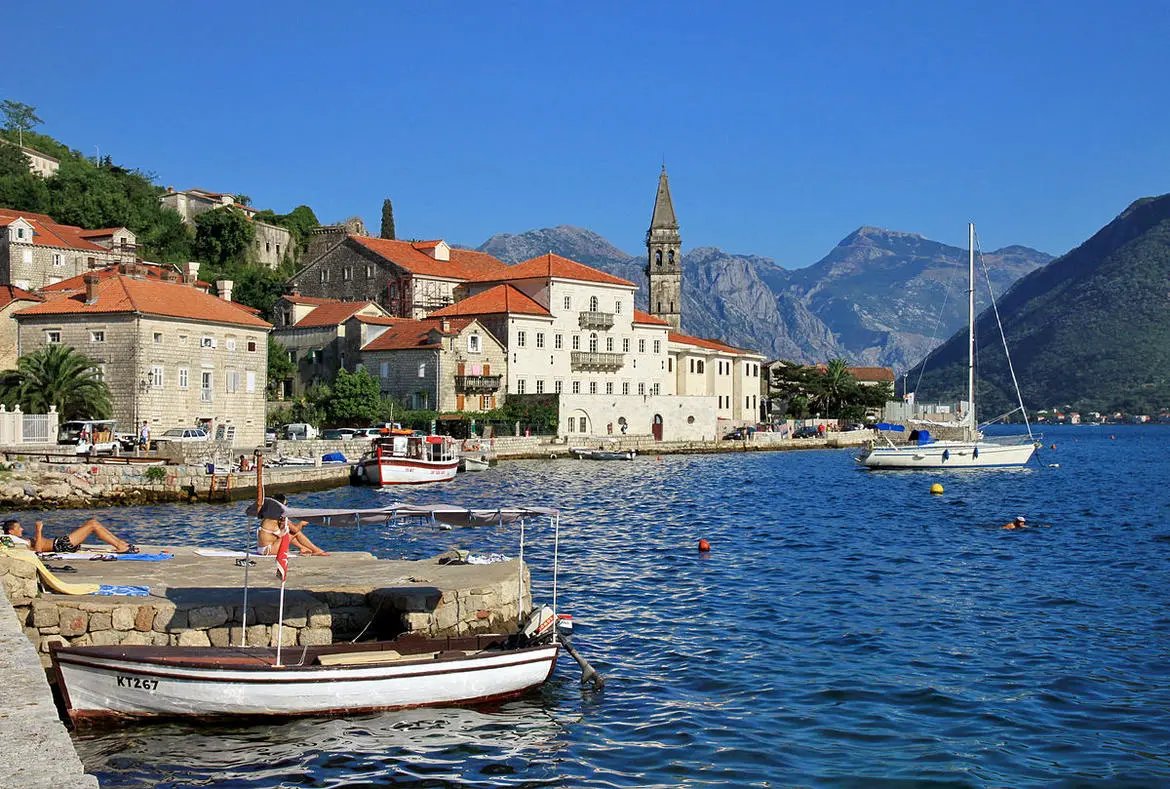
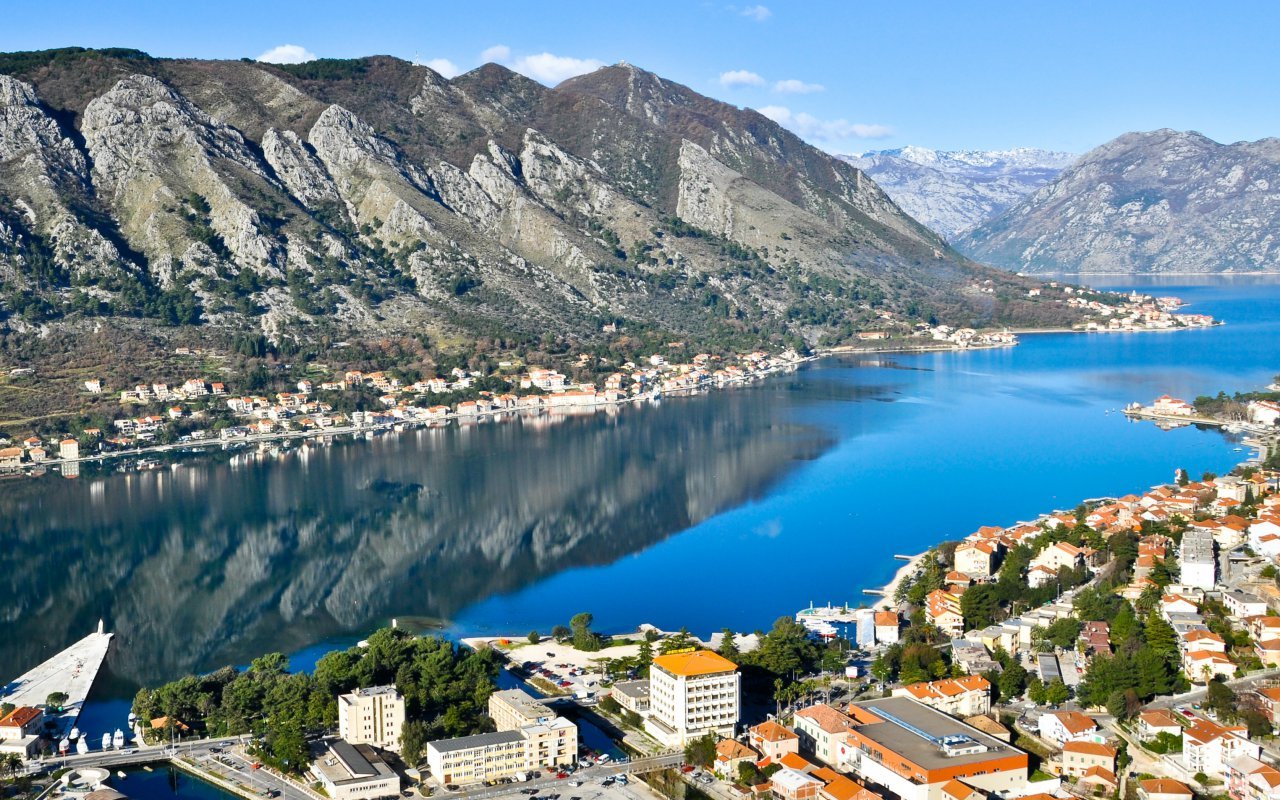
Kotor's bay curves like a fjord that wandered south by mistake.

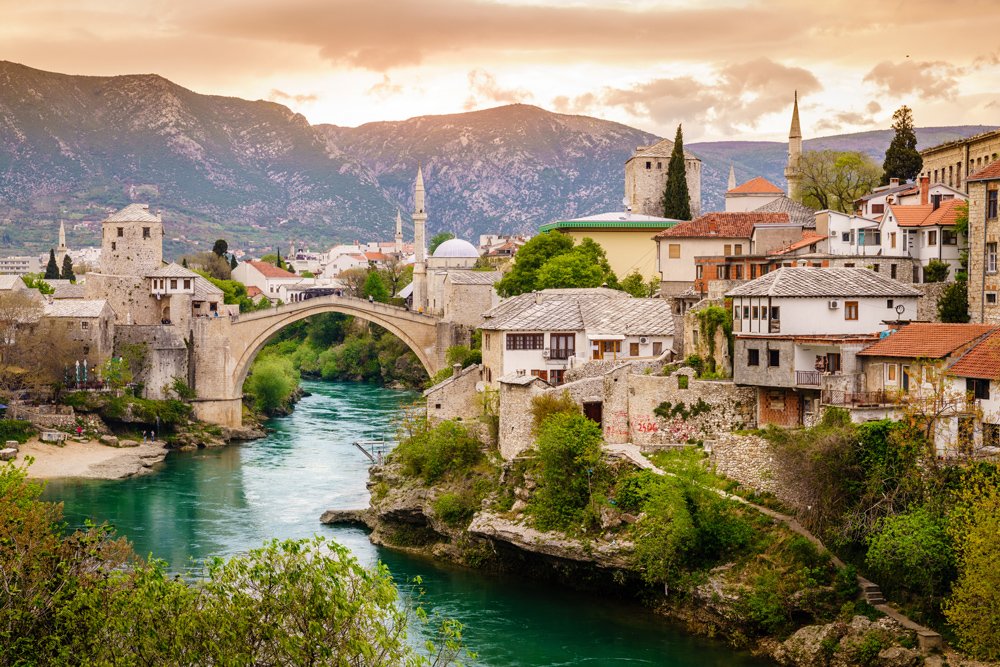
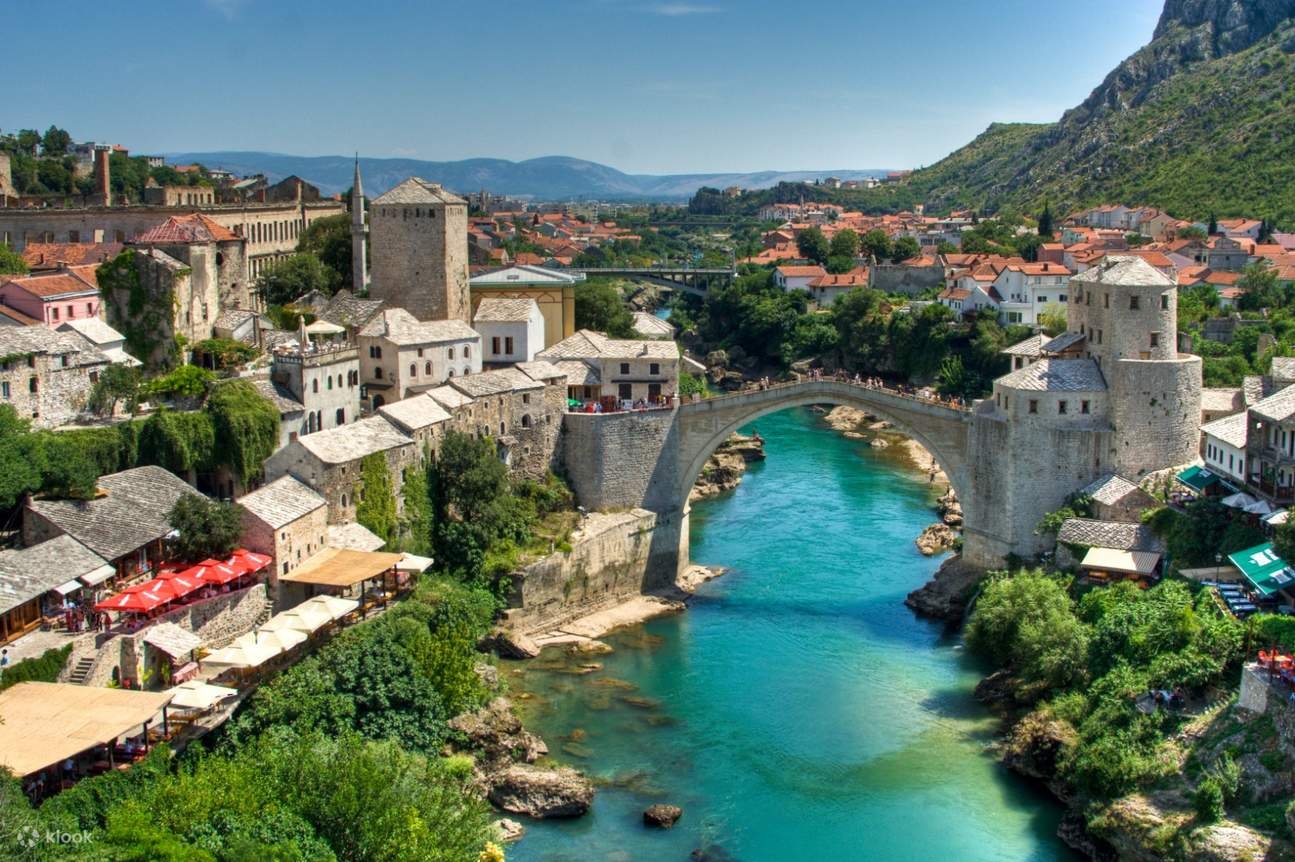
Kotor's bay curves like a fjord that wandered south by mistake. In Mostar, a rebuilt stone bridge still draws a crowd every time a local diver jumps from the railing. Belgrade parties past sunrise on floating river clubs.
The Balkans rarely get lumped together accurately. Slovenia feels closer to Austria than to anywhere south of it. Montenegro's coast could pass for a quieter Croatia. Bosnia carries a more recent, more visible history than either.

Why the Balkans, and Why With Us

Why the Balkans, and Why with us

The Balkans run on hospitality that hasn't been smoothed over for mass tourism yet. A Sarajevo café owner who'll talk through the city's recent history if you ask, without performing it for you.

Border crossings and road quality vary more here than guests expect. Slovenia's roads are excellent; parts of Bosnia and Albania are slower going. We factor that into every route rather than assuming uniform driving times.

We've been building itineraries since 2013. Not templates, routes built around how you like to travel. We pick the region before the itinerary, and we'll tell you when trying to cover too much isn't worth the transit time. If we wouldn't book it for our own family, we won't book it for you. This is our Balkans Travel Guide. You can find our opinions on what places to include, what time to visit, how long your visit should be and more.

With Travenza, You Can Expect

Itineraries for Balkans

View All Itineraries →

Best Time to Visit the Balkans?

The region runs through four real seasons, and the coast and interior often call for different timing.

Spring (April–May)

Best for: Mild weather, fewer crowds

Ideal destinations: Ljubljana, Sarajevo, Mostar

If you asked us: Our favourite window for the interior cities.

Summer (June–August)

Best for: Montenegro's coast, warm-water swimming

Ideal destinations: Kotor, Budva

If you asked us: Book accommodation well ahead , Kotor Bay draws overflow from Croatia's peak-season crowds.

Autumn (September–October)

Best for: Comfortable temperatures, thinner crowds

Ideal destinations: Ljubljana, Kotor, Sarajevo

If you asked us: A strong, often overlooked window across the whole region.

Winter (November–March)

Best for: Lower rates, quieter cities

Ideal destinations: Ljubljana, Sarajevo

If you asked us: The coast largely closes; this is an interior season.

Best Places to Visit in the Balkans

Slovenia (Ljubljana & Lake Bled)

Ljubljana Castle & Old Town is a historic castle overlooking the city with museums and views…

Read More
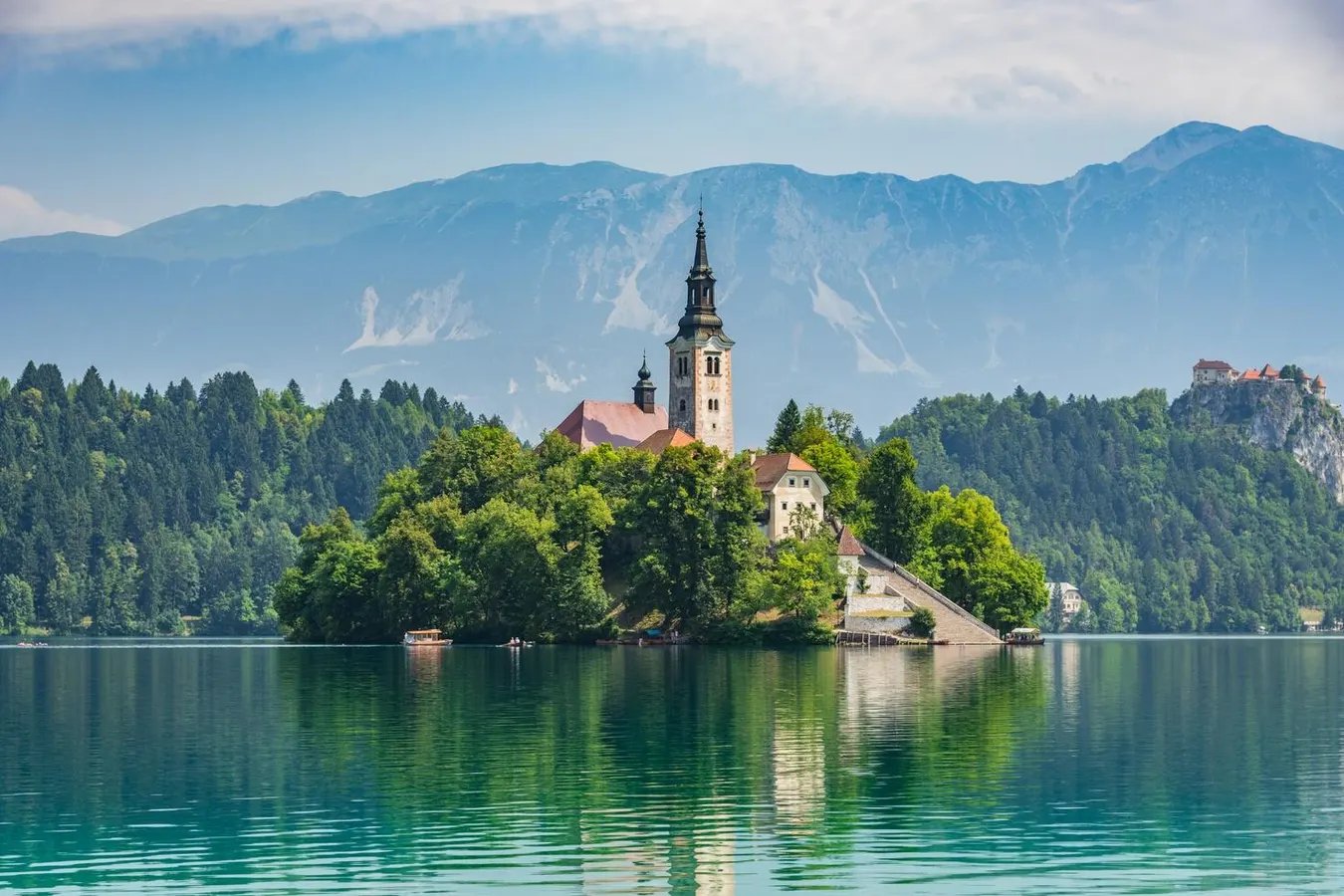
Ljubljana Castle & Old Town is a historic castle overlooking the city with museums and views of traditional architecture below. Lake Bled & Bled Island is an Alpine lake with an island church and dramatic surrounding mountains. Postojna Cave is a massive limestone cave system with underground passages and formations. Predjama Castle is a historic castle built into a cliff face with medieval architecture. Triple Bridge, Ljubljana is a triple-arched bridge in the city centre connecting historic districts with traditional design.

Plan My Trip Now

Montenegro (Kotor & the Bay)

Kotor Old Town & city walls is a medieval town surrounded by fortified walls with historic…

Read More
Kotor Old Town & city walls is a medieval town surrounded by fortified walls with historic architecture and museums. Perast & Our Lady of the Rocks is a charming small town with a church on an island accessible by boat. Budva old town is a historic coastal town with narrow streets, beaches, and traditional Mediterranean architecture. Boka Bay boat tour is a scenic journey through a dramatic bay surrounded by mountains and coastal villages.

Plan My Trip Now

Bosnia & Herzegovina (Sarajevo & Mostar)

Stari Most bridge, Mostar is a historic Ottoman stone bridge spanning the Neretva River with traditional…

Read More
Stari Most bridge, Mostar is a historic Ottoman stone bridge spanning the Neretva River with traditional architecture. Sarajevo Old Bazaar (Baščaršija) is a historic market district with traditional shops, mosques, and Ottoman architecture. Sarajevo Tunnel of Hope museum documents the tunnel used to supply the city during the siege. Kravice Waterfalls is a natural waterfall with a scenic pool surrounded by forest vegetation.

Plan My Trip Now

Serbia (Belgrade)

Kalemegdan Fortress is a historic fortress overlooking the confluence of the Danube and Sava rivers with…

Read More
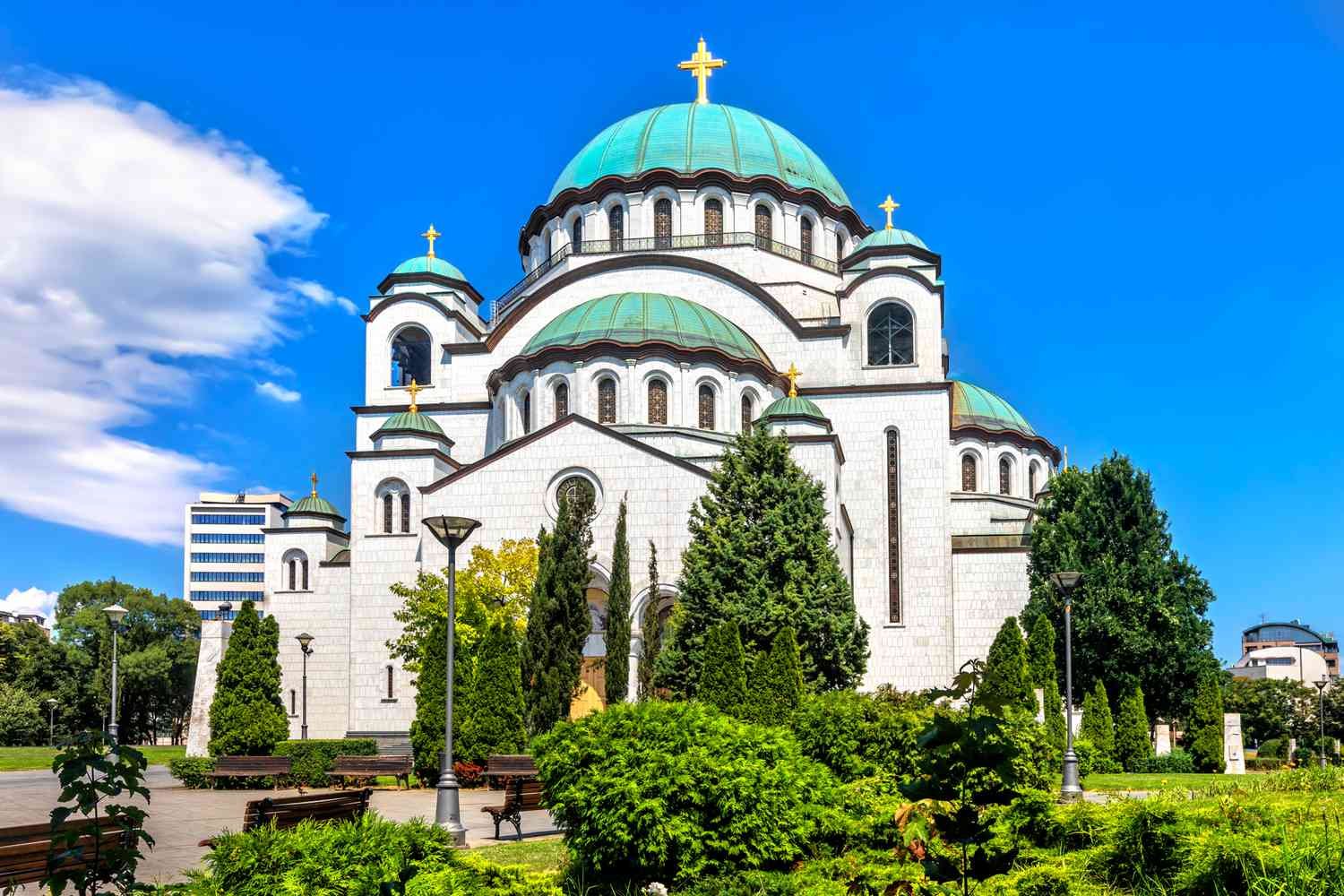
Kalemegdan Fortress is a historic fortress overlooking the confluence of the Danube and Sava rivers with museums and panoramic views. Skadarlija bohemian quarter is a neighborhood with traditional restaurants, galleries, and bohemian nightlife. St. Sava Temple is a large Orthodox church with impressive architecture and religious significance. Floating river clubs (splavovi) are clubs built on floating platforms on the Danube River offering dining and nightlife.

Plan My Trip Now

Albania

Albanian Riviera beaches are pristine sandy and pebble beaches along the southern coast with turquoise water.…

Read More
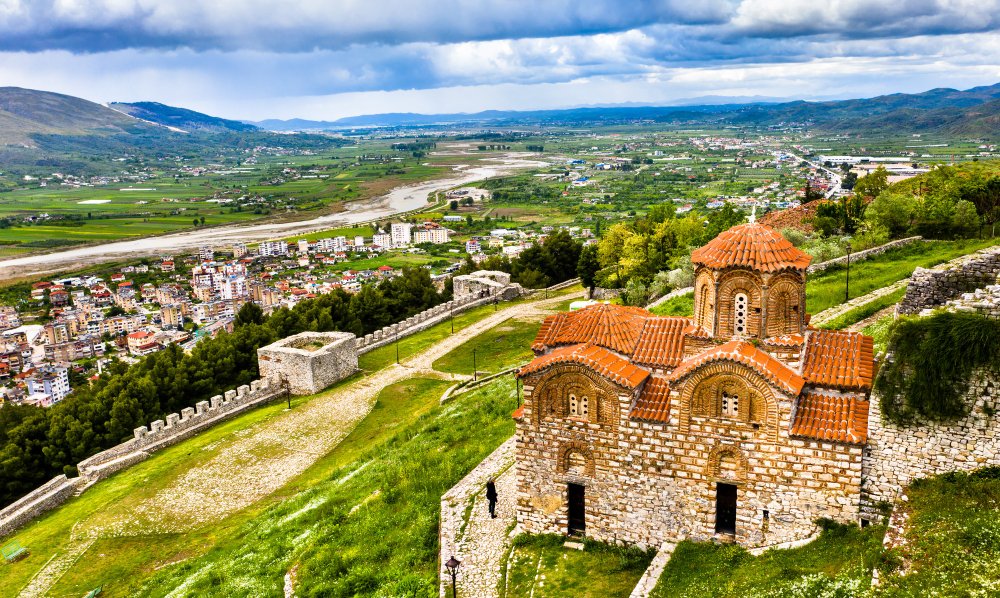
Albanian Riviera beaches are pristine sandy and pebble beaches along the southern coast with turquoise water. Berat's Ottoman old town is a historic hillside town with whitewashed houses and traditional architecture. Tirana city centre is the capital with colorful buildings, plazas, and modern cultural venues. Blue Eye natural spring is a freshwater pool created by underground springs with distinctive blue water surrounded by forest.

Plan My Trip Now

Suggested Trip Duration

8–9 days Slovenia and Montenegro's coast captures the essential highlights for a first trip through the region.
10–12 days (our most common recommendation) Add Bosnia's history to explore the Balkans' cultural heritage without rushing between destinations.
13–15 days Room for Serbia or Albania to expand regional exploration alongside a slower pace throughout.
16+ days For repeat visitors covering the full regional loop, or combining the Balkans with Croatia for a broader Adriatic and Central European experience.
A Culinary Journey Through the Balkans

A Culinary Journey Through the Balkans

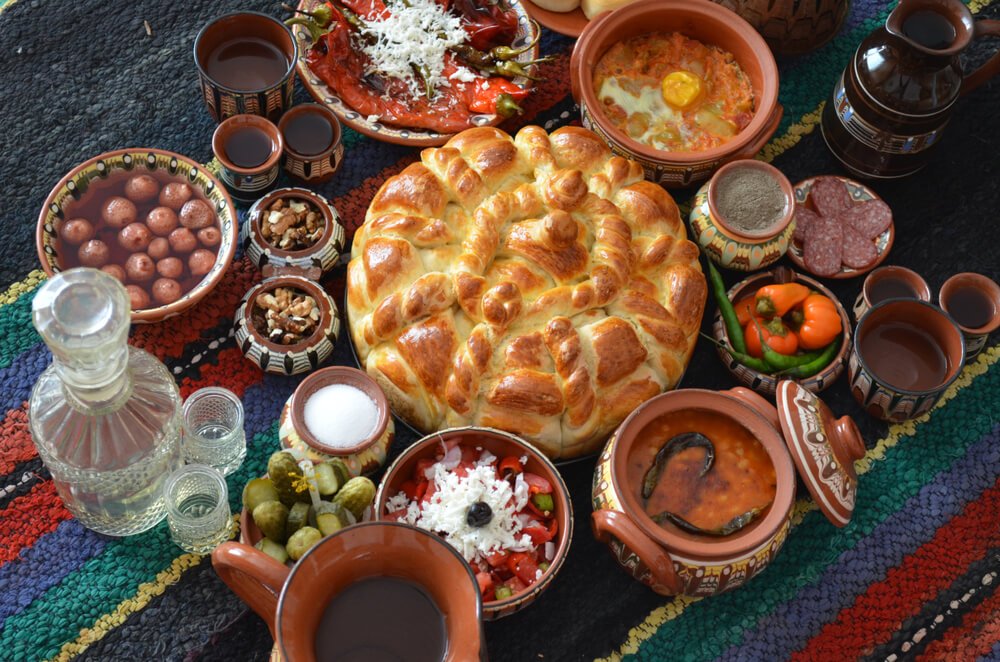
Bosnia's ćevapi, grilled minced meat in flatbread, is close to a national obsession, and Sarajevo's version is the benchmark. Montenegro's coast leans into seafood and Italian influence. Serbia's rakija, a fruit brandy offered as a welcome drink, isn't optional so much as customary.

Quick tip: Accept the rakija if it's offered as a welcome drink, even a small sip.
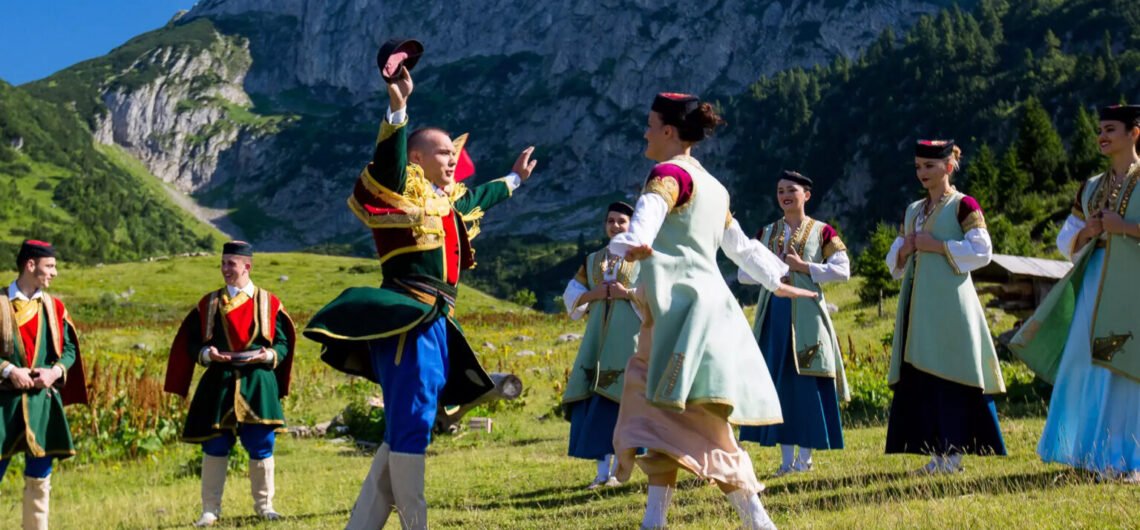
Culture & Traditions

Culture & Traditions

The wars of the 1990s remain within living memory across Bosnia, Serbia and Croatia, and locals are often more willing to discuss it than guests expect. Orthodox, Catholic and Muslim communities often share the same city, adding a layer of complexity a good guide can help explain.

Travenza tip: If a local brings up the 1990s conflicts, listen more than you ask.
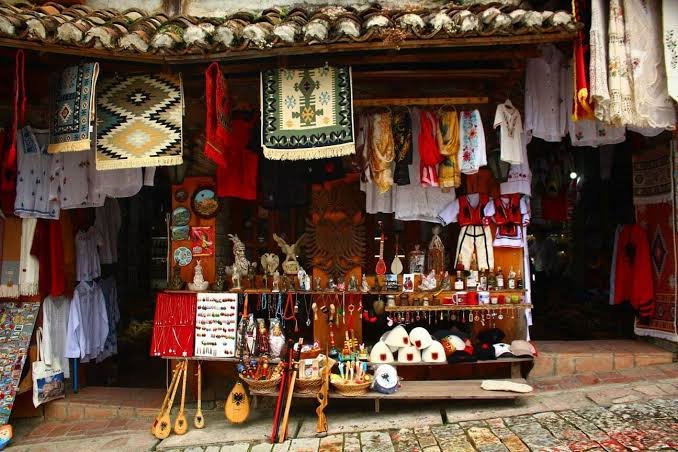
Shopping in the Balkans: From Kotor Silver to Sarajevo Copper

Shopping in the Balkans: From Kotor Silver to Sarajevo Copper

Sarajevo's Baščaršija bazaar is the standout , hand-hammered copperware from an Ottoman-era guild tradition still practised today. Kotor's old town holds silver filigree jewellery worth seeking out from a proper workshop.

Travenza tip: Buy Sarajevo copperware directly from a craftsman working in the bazaar, not a resold stall further down the street.

Getting Around the Balkans

This region is best covered by private drivers rather than public transport, given how much road quality and border efficiency vary country to country. Within cities, walking covers most sightseeing easily.

Travenza tip: Don't underestimate border crossing times, even where the distance looks short on a map.

Visa Guide

Requirements vary by country here more than in most single-country itineraries , Slovenia is Schengen, while Montenegro, Bosnia, Serbia and Albania each have separate entry rules. We confirm requirements for your route and handle documentation for each country, starting at least four to six weeks ahead.

Why the Balkans Stay With You

The Balkans are remembered for how much they complicate a simple story , a bay that looks like Norway wandered south, a bridge that means more once you know what it took to rebuild it. Most first trips cover Slovenia and Montenegro, often with Croatia; return visits go deeper into Bosnia, Serbia or Albania.

We hope our Balkans Travel Guide has helped you to make better decisions. This is just the tip of the iceberg. Connect with us to curate your dream Balkans holiday.

Your Balkans questions, answered

Is the Balkans a good destination for first-time international travellers?

It works best for guests who've already travelled internationally once or twice, given the flexibility the region rewards.

How many days should I spend in the Balkans?

10–12 days for a first regional trip; 13–15 to add Serbia or Albania.

When is the best time to visit the Balkans?

May, June and September offer the most comfortable weather across the region.

Can I combine the Balkans with Croatia?

Yes , Slovenia connects directly into Zagreb, and Montenegro sits a short drive from Dubrovnik.

Is the Balkans suitable for family holidays?

Yes, particularly Slovenia and Montenegro's coast.

Is the Balkans a good honeymoon destination?

Yes , Kotor Bay's coves and Ljubljana's riverside evenings work well together.

Is vegetarian food available in the Balkans?

More limited than Western Europe, particularly in Bosnia and Serbia.

Do I need a visa for the Balkans?

Requirements vary by country on your route , we confirm each individually.

How much should I budget for a Balkans holiday?

A well-planned 10–12 day trip in good hotels starts around ₹1.8–2.6 lakh per couple, excluding flights.

Can I customise my itinerary?

Yes , every trip is built around what you want.

Ready to go?

Plan your Balkans trip

Share your dates, group size and interests, we will craft a bespoke itinerary within 48 hours. No obligations.
Plan My Trip → Chat on WhatsApp