Asia Pacific · East Asia

Japan Travel Guide

Precision, contrast and a country that never repeats itself
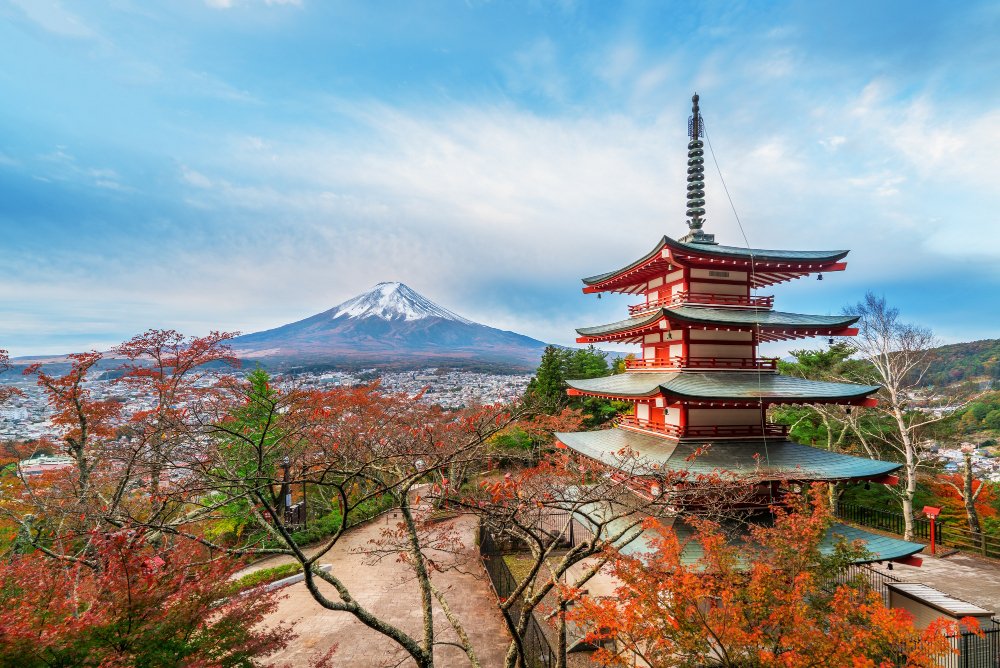
Japan doesn't stay the same for long. A quiet Kyoto morning before the city wakes. Mount Fuji framed by your ryokan window, gone by noon if the weather turns. A meal you didn't plan for that ends up the best one of the trip. That's usually how it goes here.

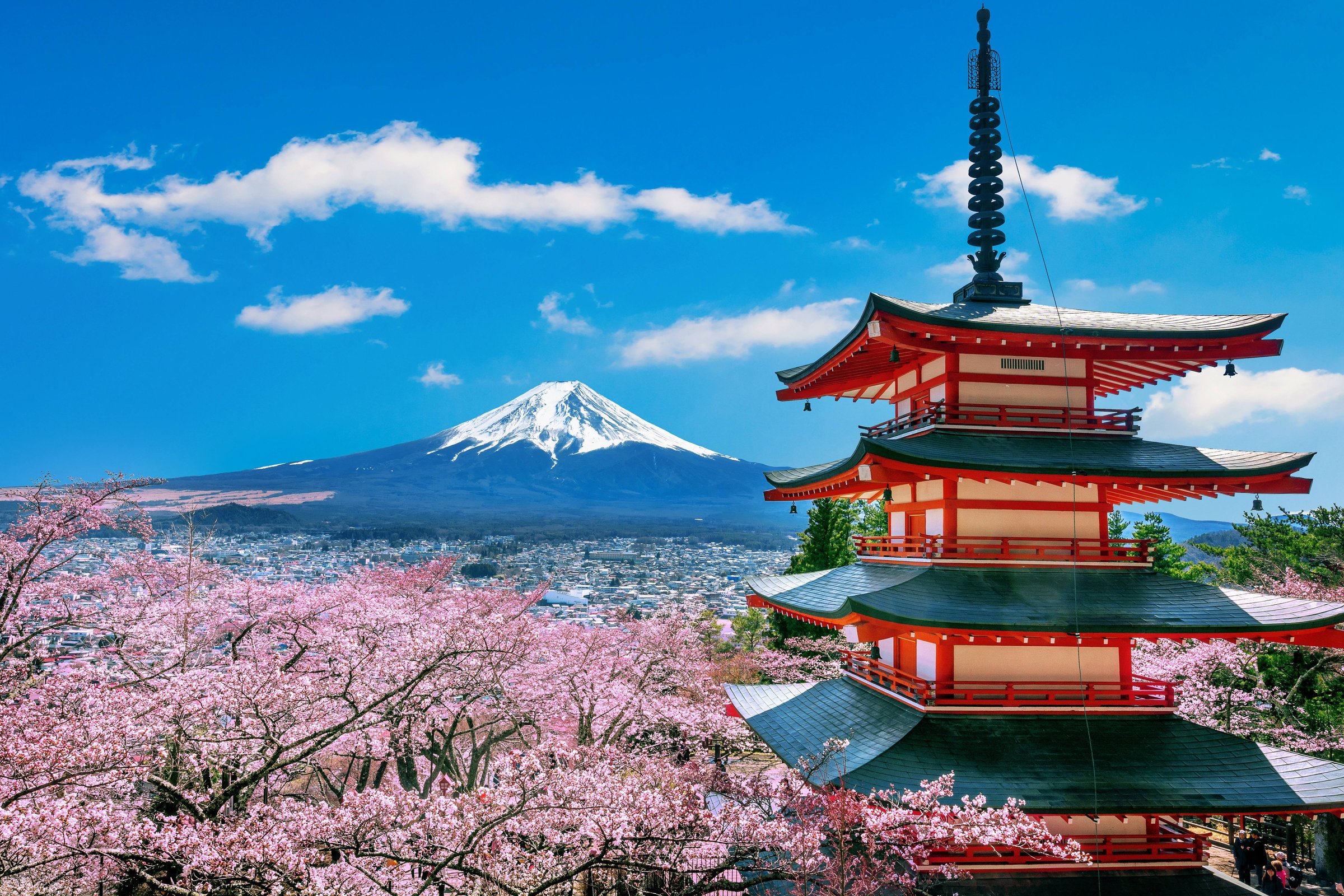
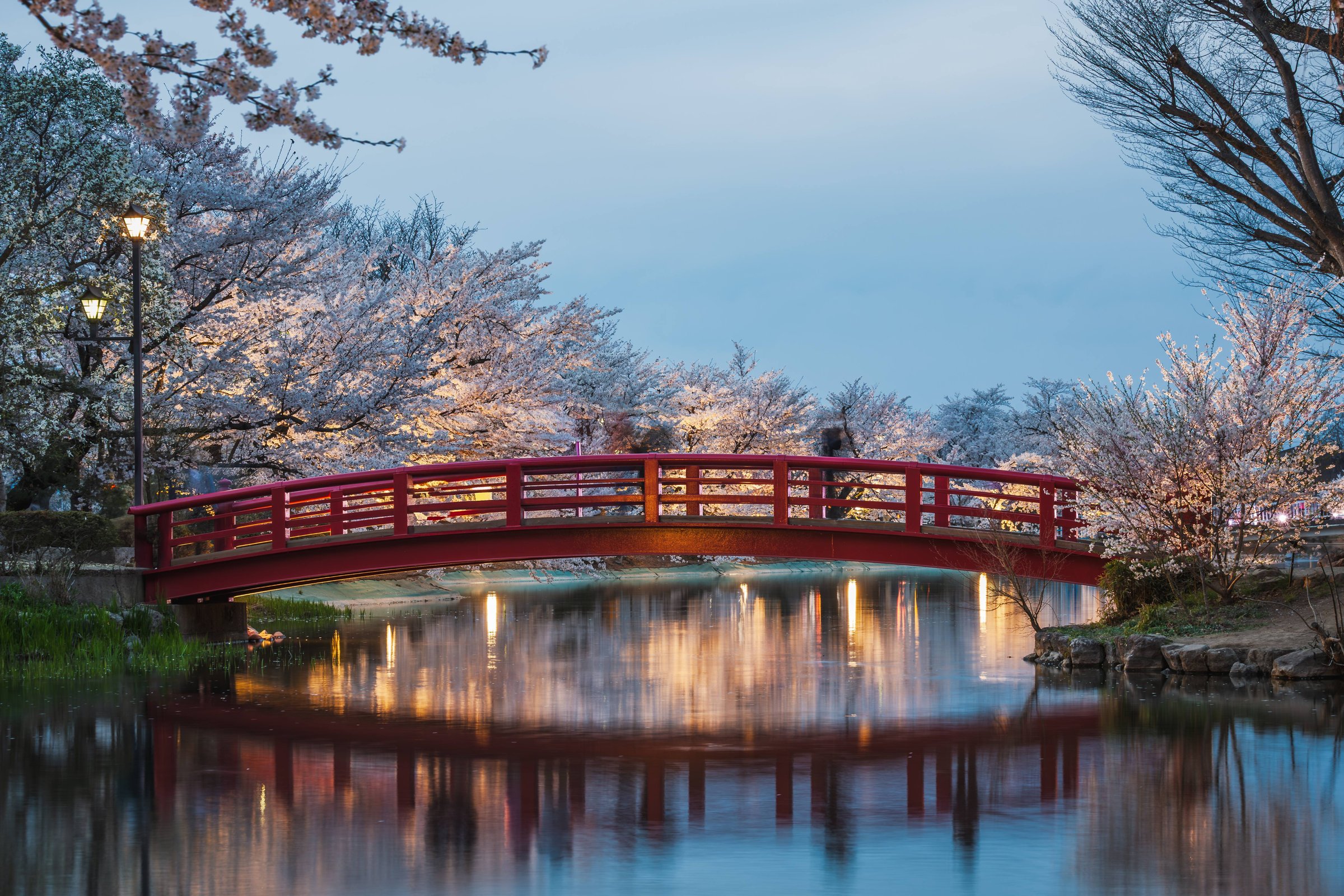
What makes it work is the contrast. Old shrines sit next to glass towers. Old customs run alongside a country moving fast. Every season changes the picture cherry blossoms, red maple, snow, festivals. So no two trips through Japan should look the same.

Why Japan, and Why With Us

Why Japan, and Why with us

Japan runs on precision. Trains arrive on the minute. Service is polite without being pushy. That same care shows up in a bowl of noodles as much as it does in a 400-year-old shrine. You don't plan for these things, they just happen, and they're usually what people remember most.

They're also easy to miss. Japan's transport makes almost anywhere reachable, and that's the trap, travellers try to see too much and end up experiencing too little. A good trip and a great one rarely differ by how many cities were on the list. They differ by how much time you actually had in each one.

We've been building Japan itineraries since 2013. Not templates, routes built around how you like to travel. We pick the neighbourhood before the hotel, the pace before the itinerary, and we'll tell you when something isn't worth your time. This is our travel guide to Japan. You can find our opinions on what places to include, what time to visit, how long your visit should be and more.

With Travenza, You Can Expect

Itineraries for Japan

View All Itineraries →

Best Time to Visit Japan

Japan works year-round. The season just decides what kind of trip you're having.

Spring (March–May)

Best for: Cherry blossoms, mild weather, first-time visitors

Ideal destinations: Tokyo, Kyoto, Mount Fuji, Osaka, Hiroshima

If you asked us: Go just before or just after peak bloom. Fewer crowds, and we track the blossom dates closely enough to time it right.

Summer (June–August)

Best for: Festivals, fireworks, nature, family trips

Ideal destinations: Hokkaido, Japanese Alps, Tokyo, Kyoto, Osaka

If you asked us: Cities get hot and humid, but this is also when Japan's best festivals happen. If heat isn't your thing, Hokkaido and the Alps run cooler.

Autumn (September–November)

Best for: Fall foliage, comfortable weather, photography

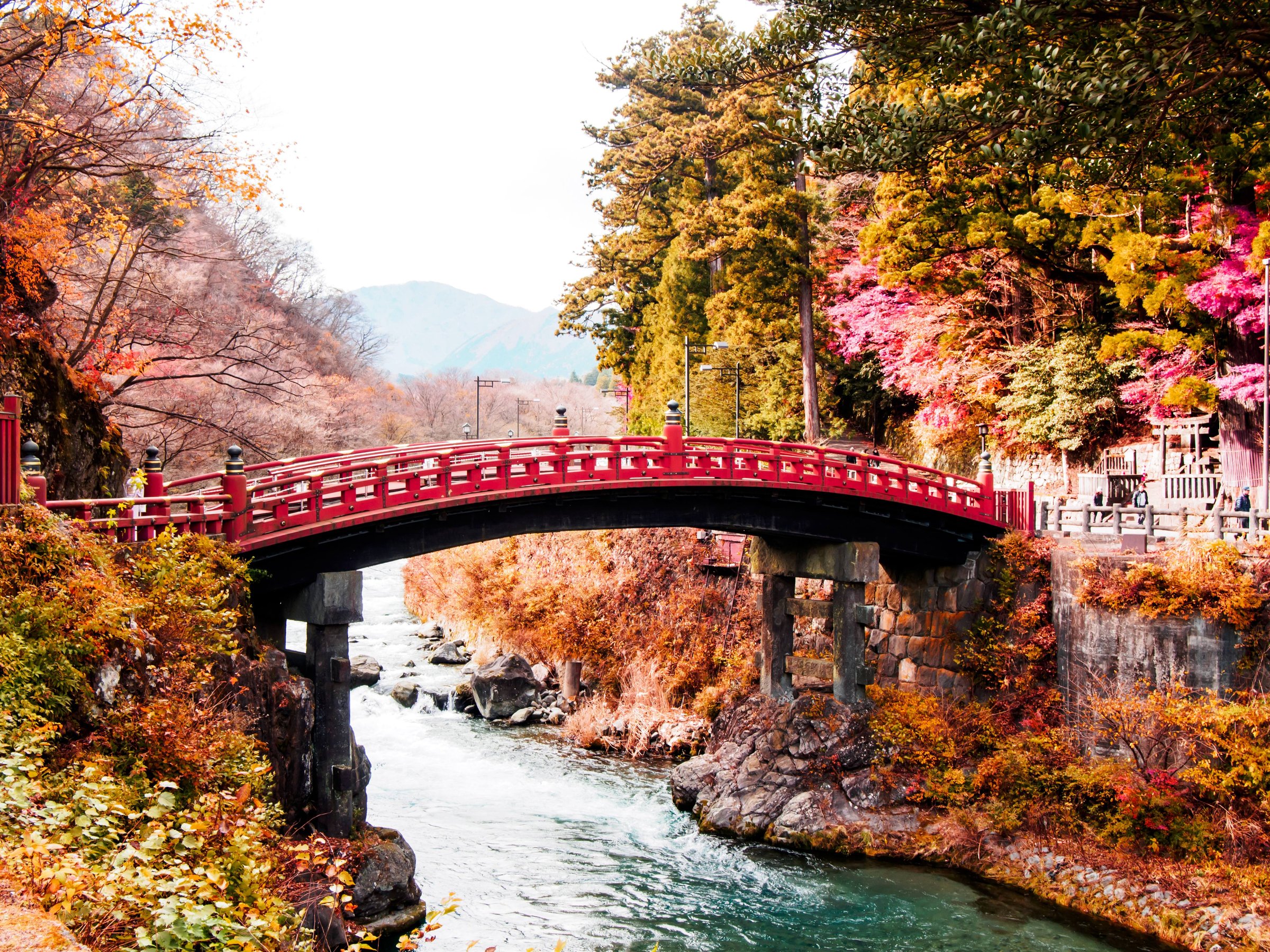
Ideal destinations: Kyoto, Nikko, Takayama, Mount Fuji, Hokkaido

If you asked us: The easiest season to plan around. Great weather, the whole country turning red and gold. Hard to get wrong.

Winter (December–February)

Best for: Skiing, snow, onsens, winter illuminations

Ideal destinations: Hokkaido, Hakone, Nagano, Shirakawa-go, Tokyo

If you asked us: Our pick for a quieter Japan. Snow on the ryokans, hot springs, city lights, and none of the spring crowds.

Best Places to Visit in Japan

Getting the mix of destinations right matters more than trying to see everything. Here's what each place is actually good for.
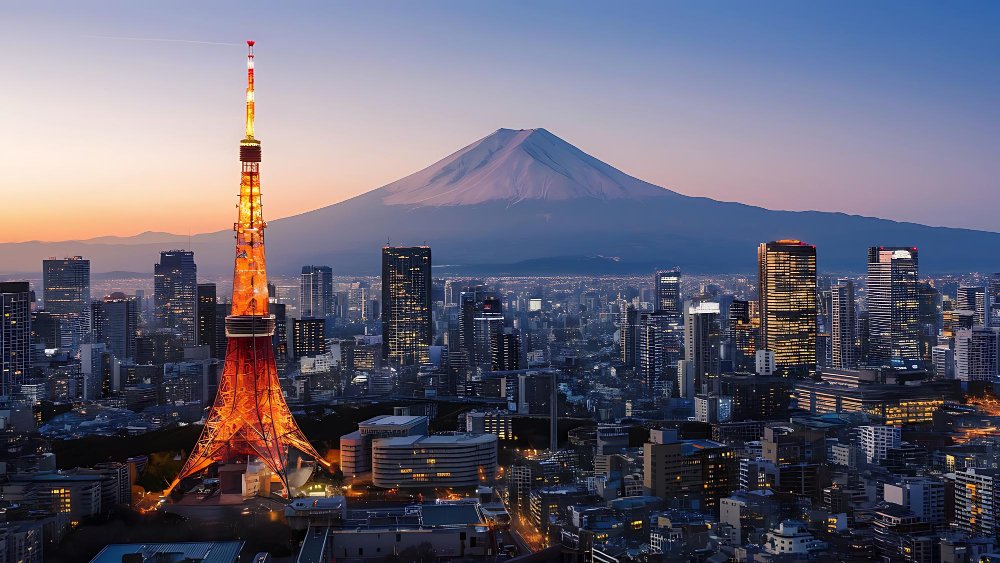
Tokyo

Tokyo Imperial Palace is the main residence of the Emperor of Japan. Senso-ji is the oldest…

Read More
Tokyo Imperial Palace is the main residence of the Emperor of Japan. Senso-ji is the oldest temple with a massive red lanterns. Shibuya Crossing is the world's busiest pedestrian crossing. Tokyo Skytree is a 634-meter tower with observation decks. Tokyo Tower is a retro Eiffel Tower replica. Ueno Park has museums and temples. Shinjuku Gyoen is a large garden with multiple styles. teamLab Planets houses immersive digital art installations. Odaiba is an artificial island in the bay. Harajuku features youth fashion and street culture. Akihabara specializes in electronics and anime. Ginza has upscale shopping and galleries. Tokyo Disneyland and DisneySea are theme parks. Warner Bros. Studio Tour shows Harry Potter sets. Sanrio Puroland is Hello Kitty themed.

Plan My Trip Now

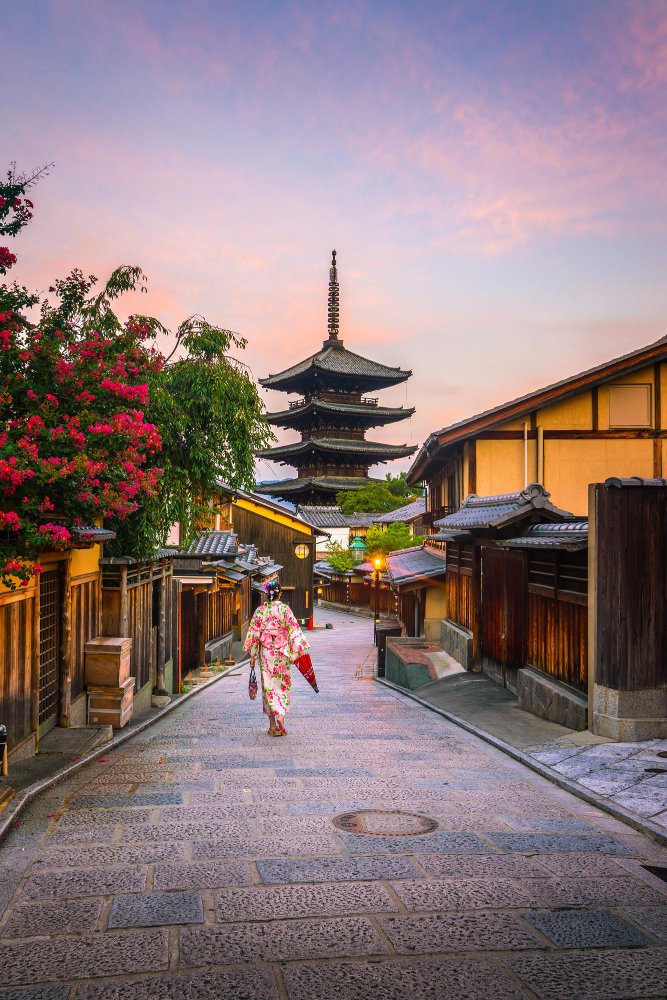
Kyoto

Kyoto Imperial Palace is the former imperial residence with gardens and traditional architecture. Nijo Castle features…

Read More
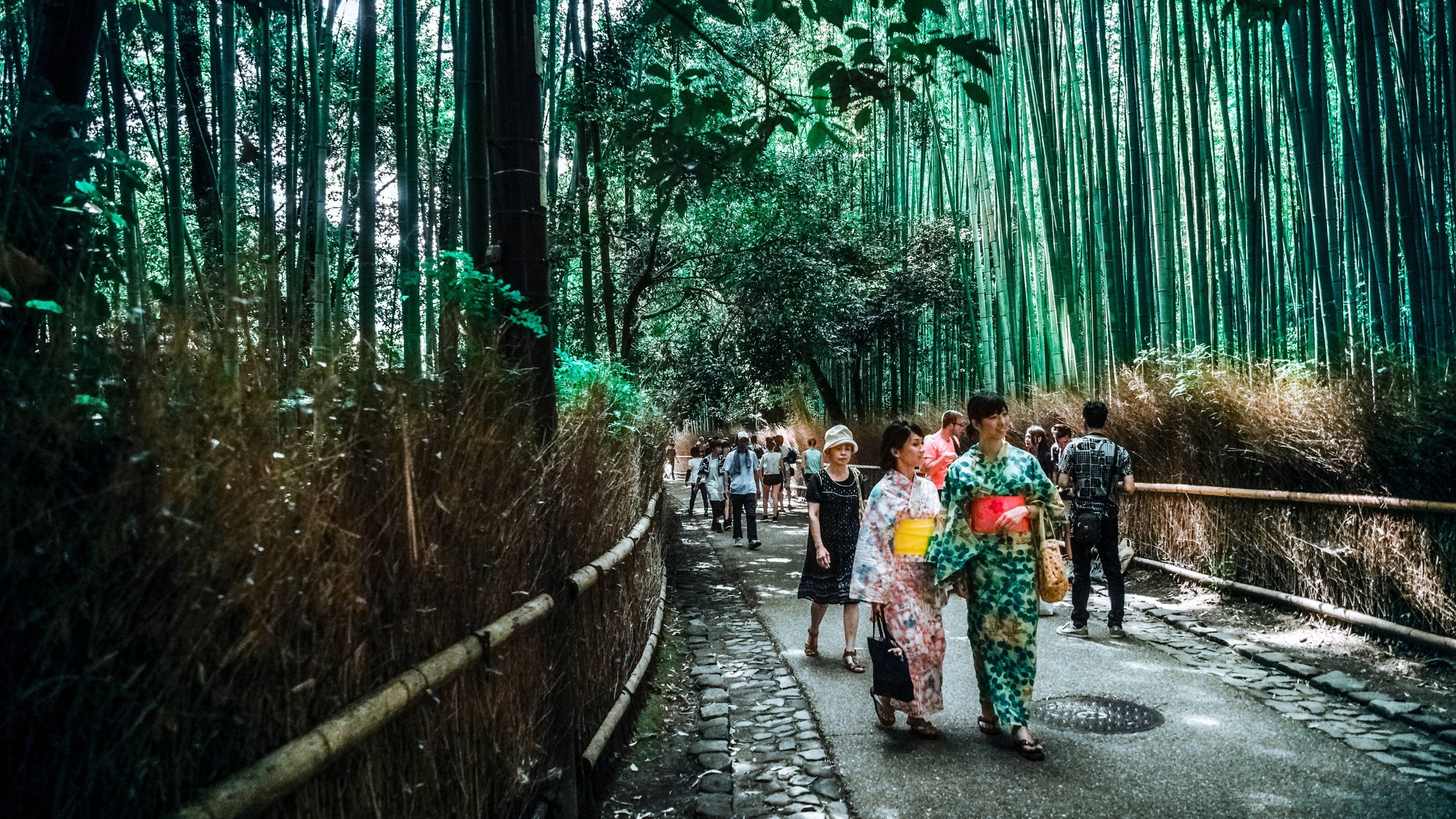
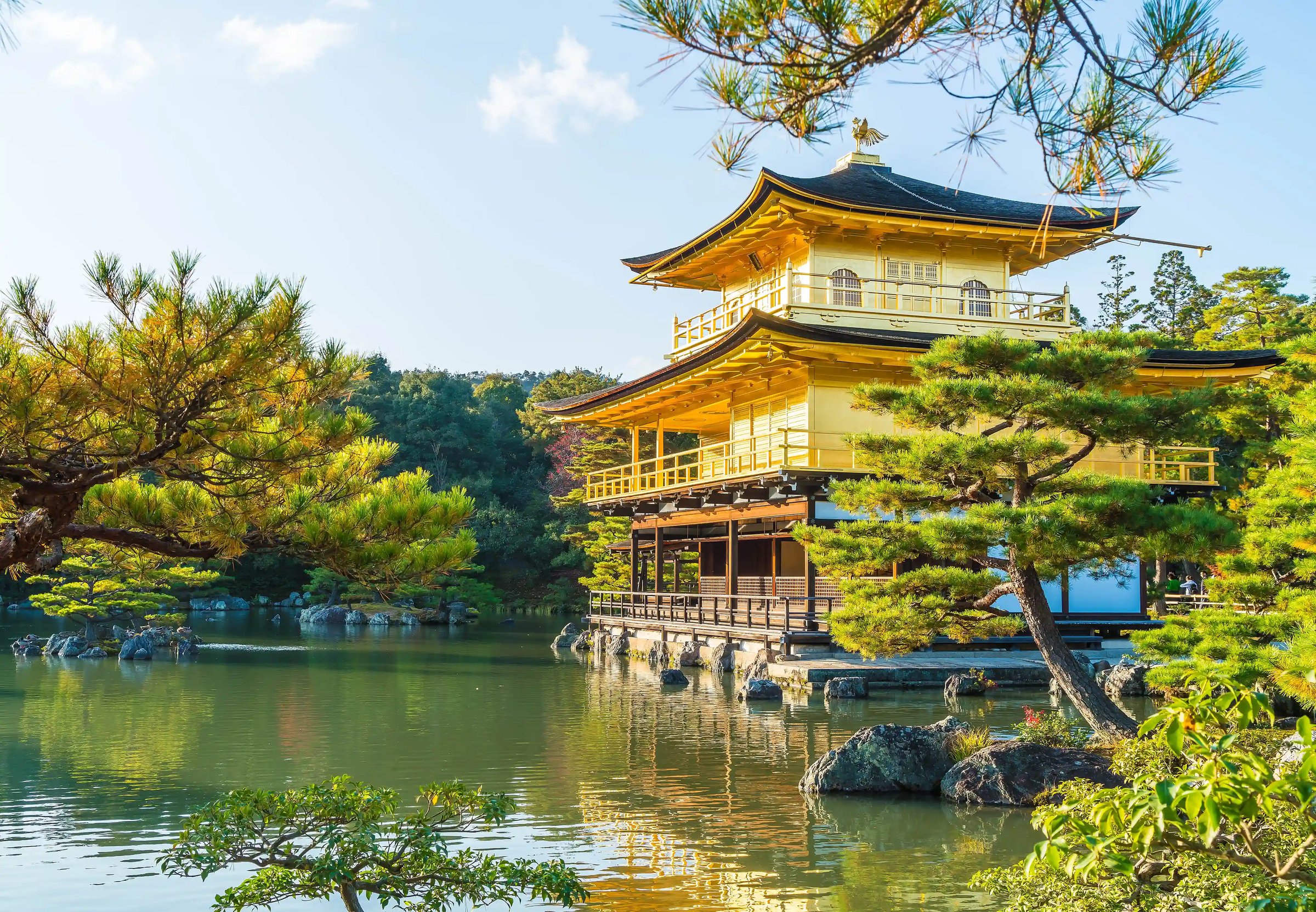
Kyoto Imperial Palace is the former imperial residence with gardens and traditional architecture. Nijo Castle features squeaking floors designed to warn against intruders. Fushimi Inari Taisha has thousands of red torii gates covering a mountainside. Kinkaku-ji is the Golden Pavilion covered in gold leaf. Arashiyama Bamboo Grove features towering bamboo stalks. Togetsukyo Bridge is a wooden bridge over the river. Nishiki Market is a covered food market with local specialties. Gion is a geisha district with traditional wooden buildings. Philosopher's Path is a canal-side walking path with temples. Ryoan-ji is a Zen temple with a famous rock garden.

Plan My Trip Now

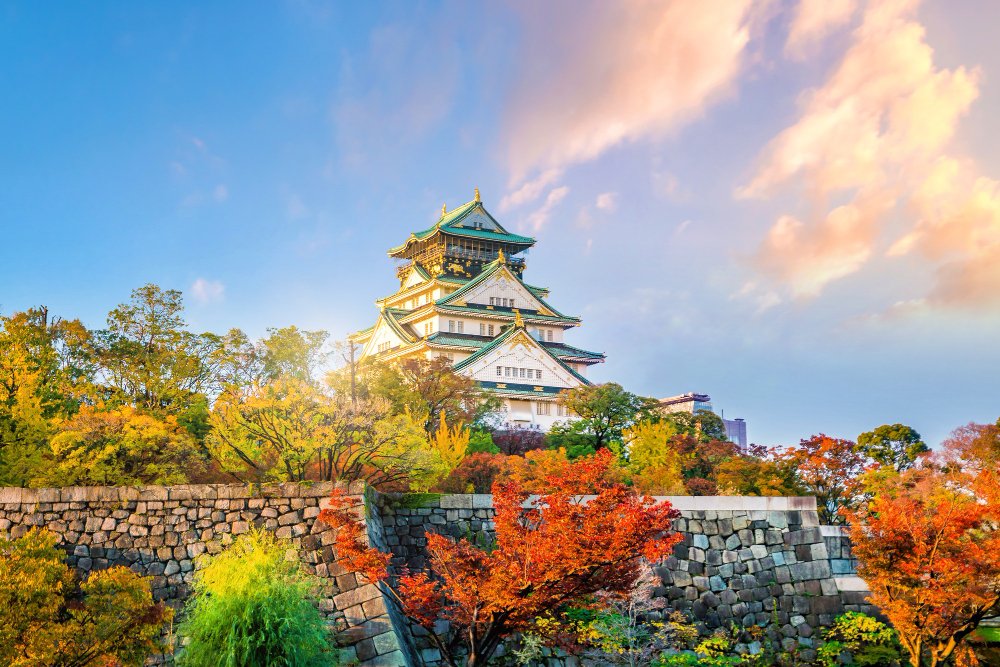
Osaka

Osaka Castle is a historic fortress with city views. Dotonbori is an entertainment district with neon…

Read More
Osaka Castle is a historic fortress with city views. Dotonbori is an entertainment district with neon signs and restaurants. Shinsaibashi is a shopping street with boutiques and cafes. Universal Studios Japan is a theme park with movie attractions. Osaka Aquarium Kaiyukan is one of the world's largest aquariums. Umeda Sky Building has an open-air observation deck connecting two towers. Kuromon Ichiba Market is a covered market with seafood and fresh produce.

Plan My Trip Now

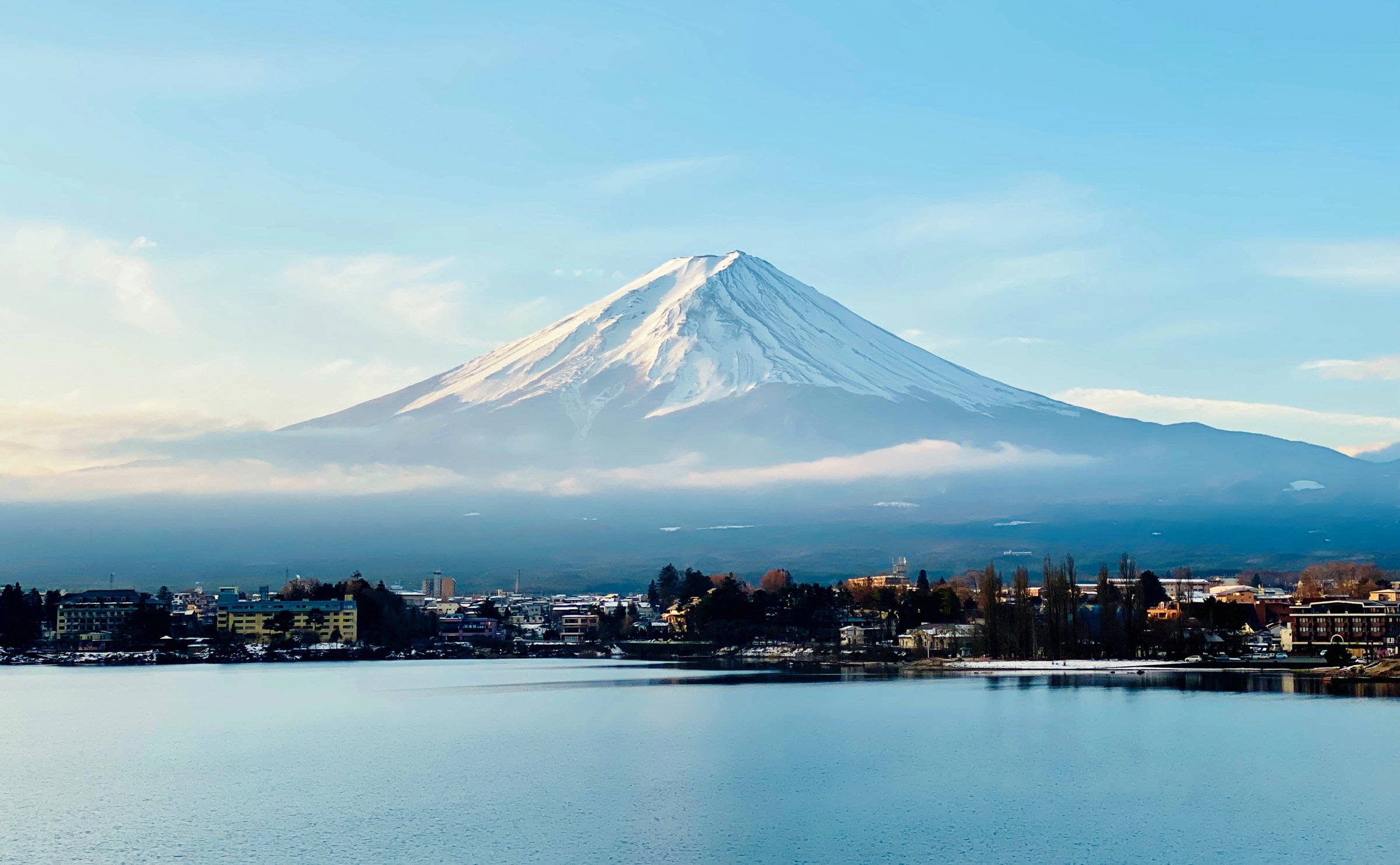
Mount Fuji & Lake Kawaguchiko

Lake Ashi is a volcanic lake surrounded by mountains with Mount Fuji visible on clear days.…

Read More
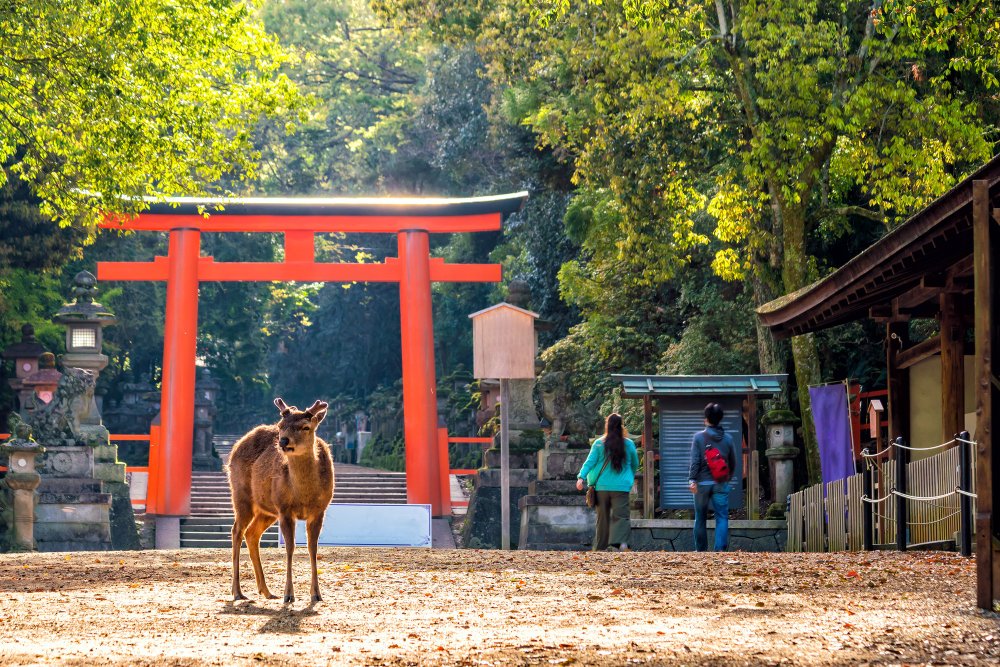
Lake Ashi is a volcanic lake surrounded by mountains with Mount Fuji visible on clear days. Hakone Ropeway is a cable car ascending to Owakudani with views of the lake and mountains. Owakudani is a volcanic valley with steam vents and geothermal activity. Hakone Shrine is a shrine on the lake's edge with a famous torii gate in the water.

Plan My Trip Now

Nara

Nara Park has deer roaming freely throughout a massive park. Todai-ji is a massive temple housing…

Read More
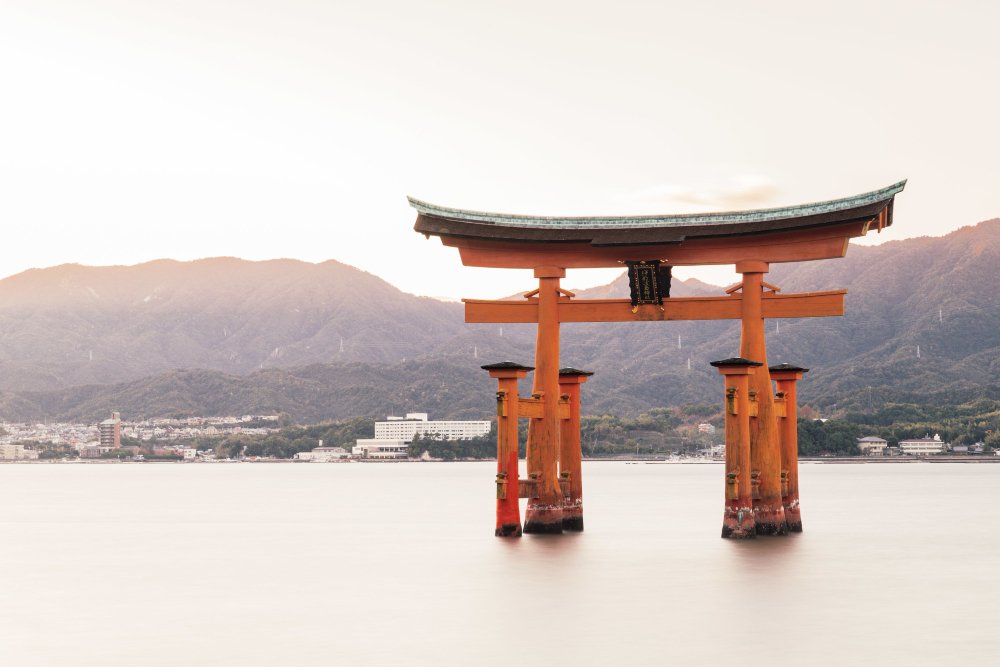
Nara Park has deer roaming freely throughout a massive park. Todai-ji is a massive temple housing a colossal bronze Buddha statue. Heijo Palace contains ruins of an ancient imperial palace. Isuien Garden is a traditional garden built around a pond. Yoshikien Garden is a traditional garden with multiple sections and calm water.

Plan My Trip Now

Hiroshima & Miyajima

Hiroshima Peace Memorial Park is a sprawling park built around the memory of the atomic bombing…

Read More
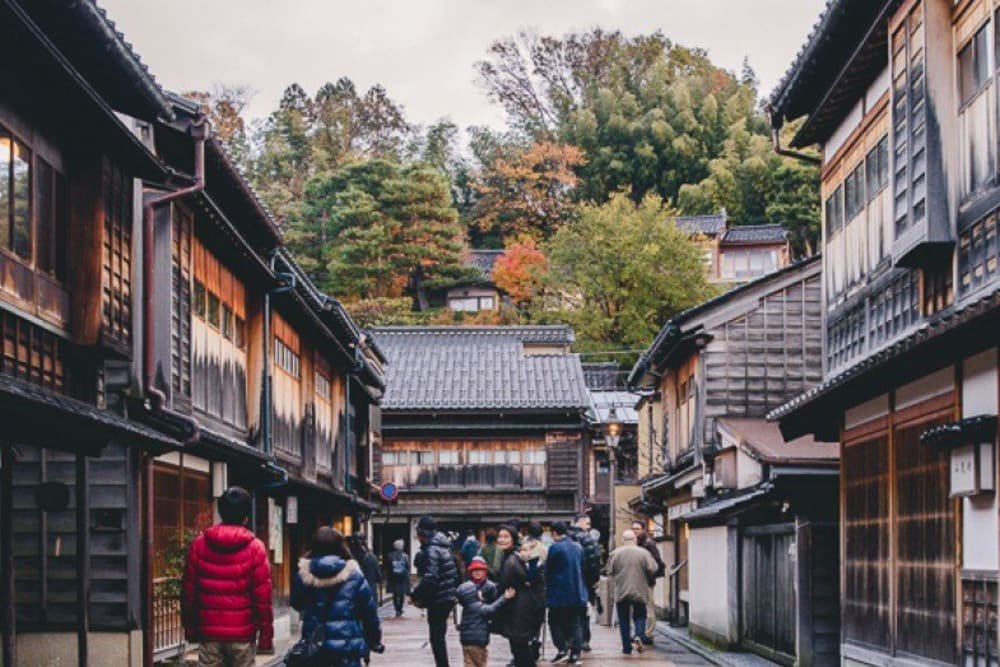
Hiroshima Peace Memorial Park is a sprawling park built around the memory of the atomic bombing with museums and monuments. Atomic Bomb Dome is the skeletal remains of a building that survived the blast. Hiroshima Castle is a reconstructed castle overlooking the city showing the layering of history. Shukkeien Garden is a traditional garden with ponds, bridges, and tea houses. Itsukushima Shrine is on Miyajima Island, famous for the floating torii gate appearing at high tide.

Plan My Trip Now

Takayama & Shirakawa-go

Takayama Old Town has narrow streets with wooden buildings and sake breweries. Takayama Jinya is a…

Read More
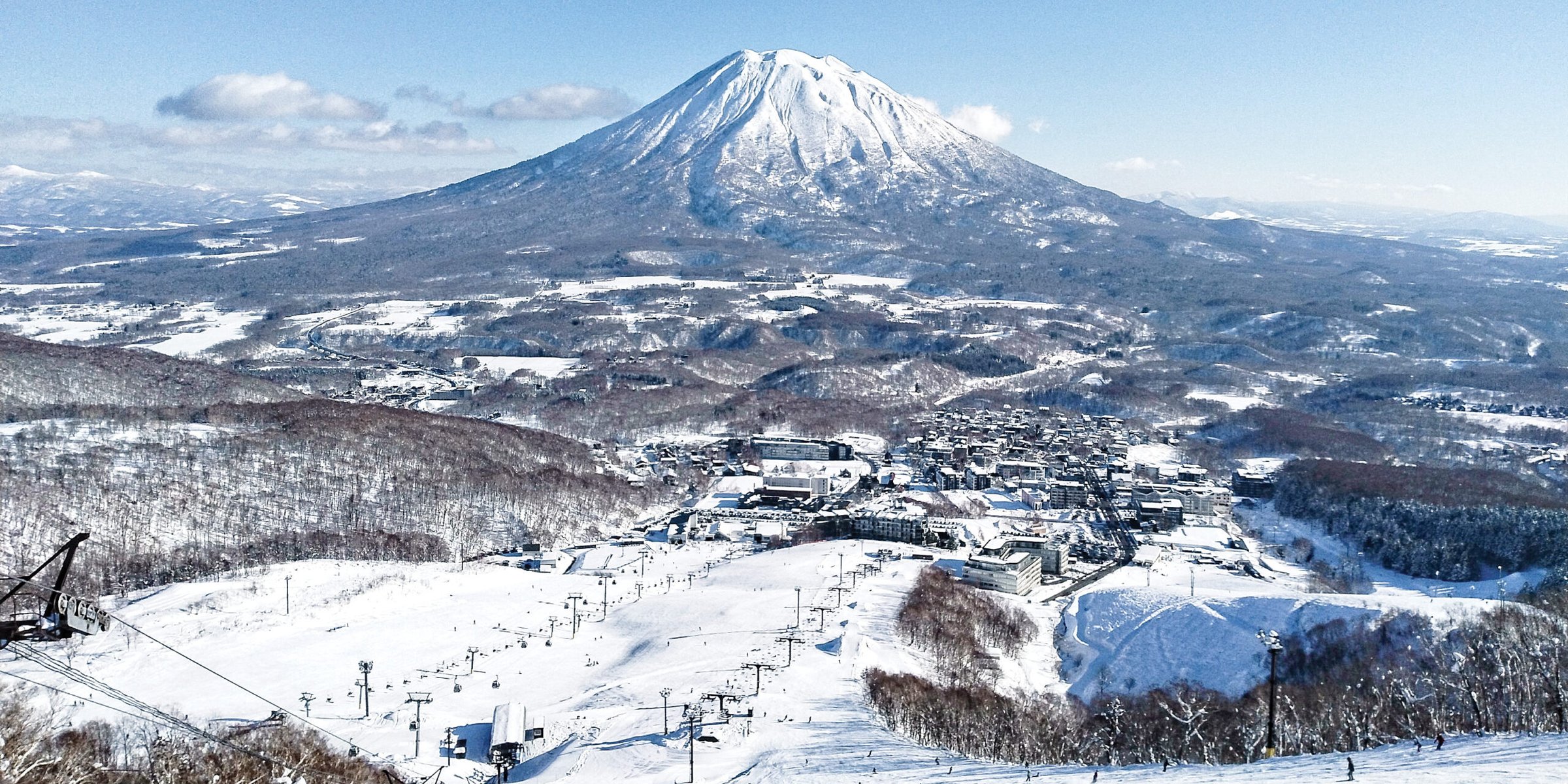
Takayama Old Town has narrow streets with wooden buildings and sake breweries. Takayama Jinya is a preserved government building from the Edo period. Miyagawa Morning Market is a daily market where locals shop for produce and flowers. Hida Folk Village has old farmhouses moved and preserved in one place. Shirakawa-go is a valley village famous for gassho-style farmhouses with steep roofs. Ogimachi Village is the largest section of Shirakawa-go with more houses and shops.

Plan My Trip Now

Hokkaido

Odori Park is a long park running through the city center. Sapporo Clock Tower is a…

Read More
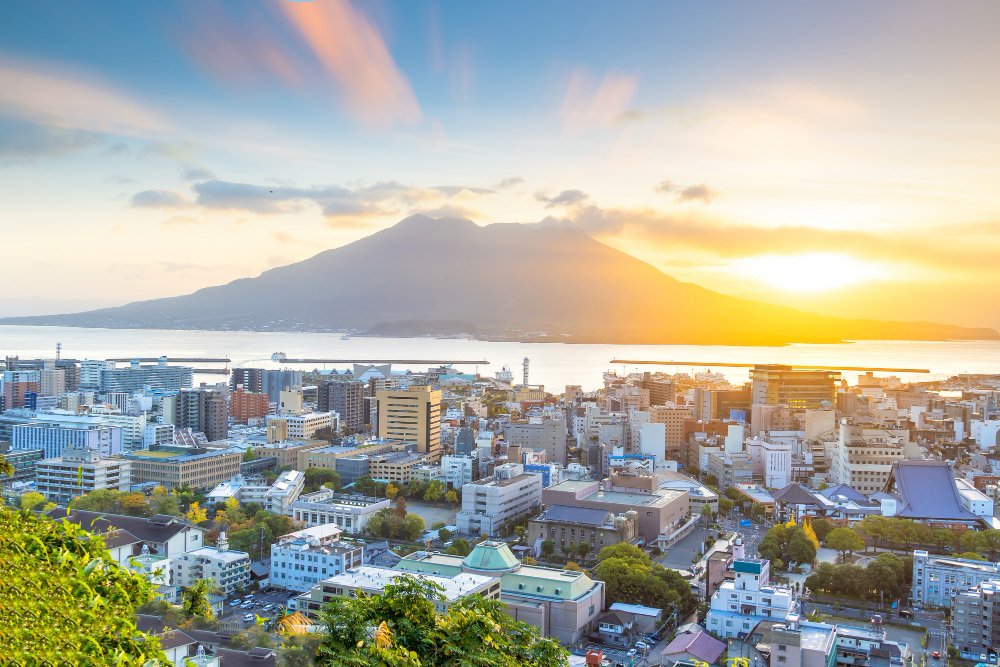
Odori Park is a long park running through the city center. Sapporo Clock Tower is a small historic wooden building. Sapporo TV Tower is an observation tower overlooking the park. Moerenuma Park is a modern designed park with sculptural landscapes. Otaru Canal has restored warehouses converted to shops and restaurants. Blue Pond is a small pond with jade-green water surrounded by forest. Shirogane Falls is a waterfall in the mountains. Furano Flower Fields are rolling hills covered in seasonal flowers. Noboribetsu Jigokudani is a volcanic valley with hot springs and sulfur vents. Matsumae Castle is the northernmost castle in Japan.

Plan My Trip Now

Kyushu

Kumamoto Castle is one of Japan's largest castles recently restored with impressive stonework. Mount Aso is…

Read More
Kumamoto Castle is one of Japan's largest castles recently restored with impressive stonework. Mount Aso is an active volcano with a crater and grasslands. Takachiho Gorge is a river gorge with steep cliffs accessible by boat. Beppu Hells are geothermal hot springs with dramatically colored water from minerals. Yufuin Floral Village is a themed village with flower gardens and shops. Nagasaki Peace Park is a memorial to the atomic bombing with museums. Huis Ten Bosch is a Dutch-themed amusement park with replicated villages.

Plan My Trip Now

Okinawa

Shuri Castle is a royal palace reconstructed after WWII with Okinawan architecture. Okinawa Churaumi Aquarium is…

Read More
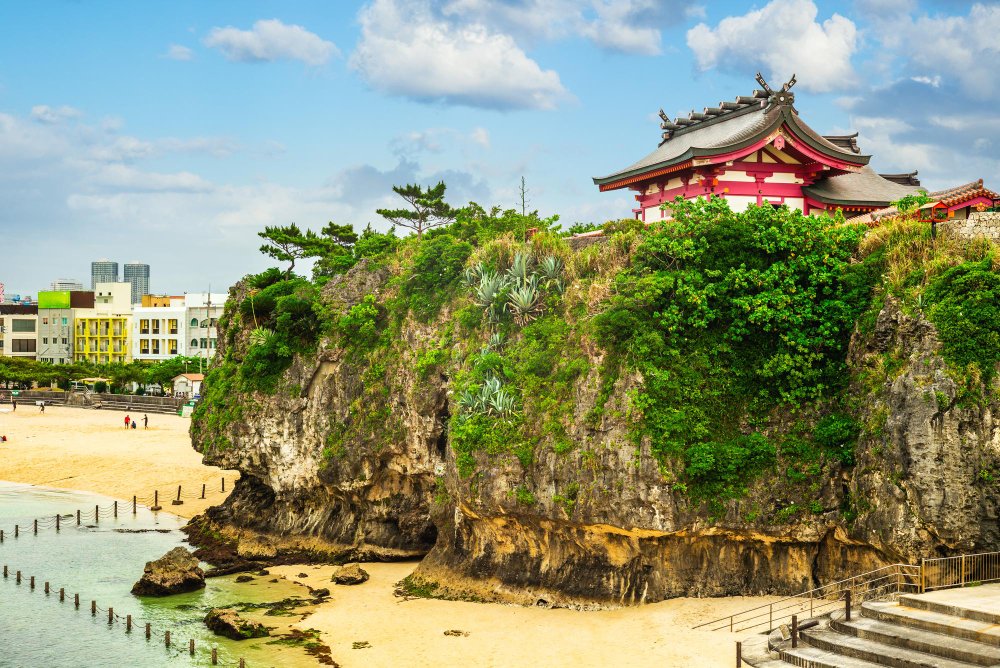
Shuri Castle is a royal palace reconstructed after WWII with Okinawan architecture. Okinawa Churaumi Aquarium is one of the world's largest with massive tanks and whale sharks. Cape Manzamo is a scenic overlook with dramatic cliffs dropping to the ocean. Kouri Island is a small island connected by a bridge with beaches and a quieter atmosphere. Blue Cave is a sea cave with impossibly blue water accessible by boat. American Village is a shopping area reflecting Okinawa's American influence. Nakagusuku Castle and Nakijin Castle are castle ruins with views. Kokusai Dori is the main shopping street.

Plan My Trip Now

Suggested Trip Duration

7–8 days Tokyo, Hakone, Kyoto, Osaka cover the highlights for a first trip.
9–11 days (our most common recommendation) Enough time to slow down without cutting anything important.
12–15 days Room to add Hiroshima, Takayama, Kyushu or Okinawa without rushing.
16+ days For repeat visitors exploring new regions at their own pace.
A Culinary Journey Through Japan

A Culinary Journey Through Japan

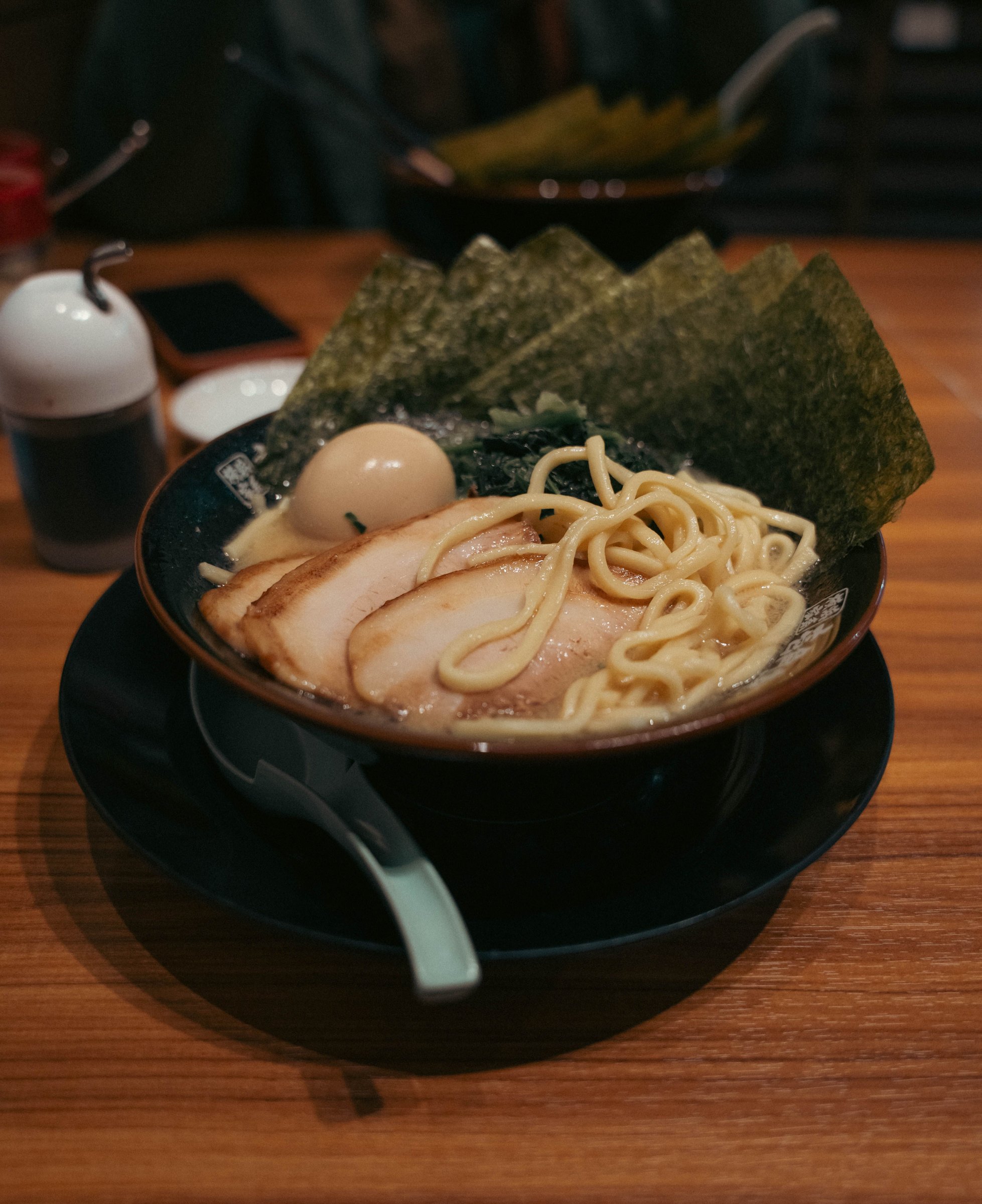
Food is usually what people talk about most when they get back. Tokyo has more Michelin stars than any other city. Sushi counters, kaiseki, and small places locals keep to themselves. Kyoto does seasonal kaiseki well. Osaka earns its reputation through street food and markets, not fine dining. Further out, Hokkaido's seafood, Fukuoka's tonkotsu ramen, Kobe's wagyu and Takayama's regional dishes each say something about where they're from.

One thing worth clearing up, Japan isn't as hard for vegetarians as people think. Traditional stock often uses seafood, but the major cities now have solid vegetarian and vegan options. We don't pick restaurants by reputation, we pick them based on what you actually want, whether that's a tasting menu, a ramen counter, or an omakase night.

Quick tip: Leave a few meals unplanned. The best ones usually aren't the ones you booked.
Culture & Traditions

Culture & Traditions

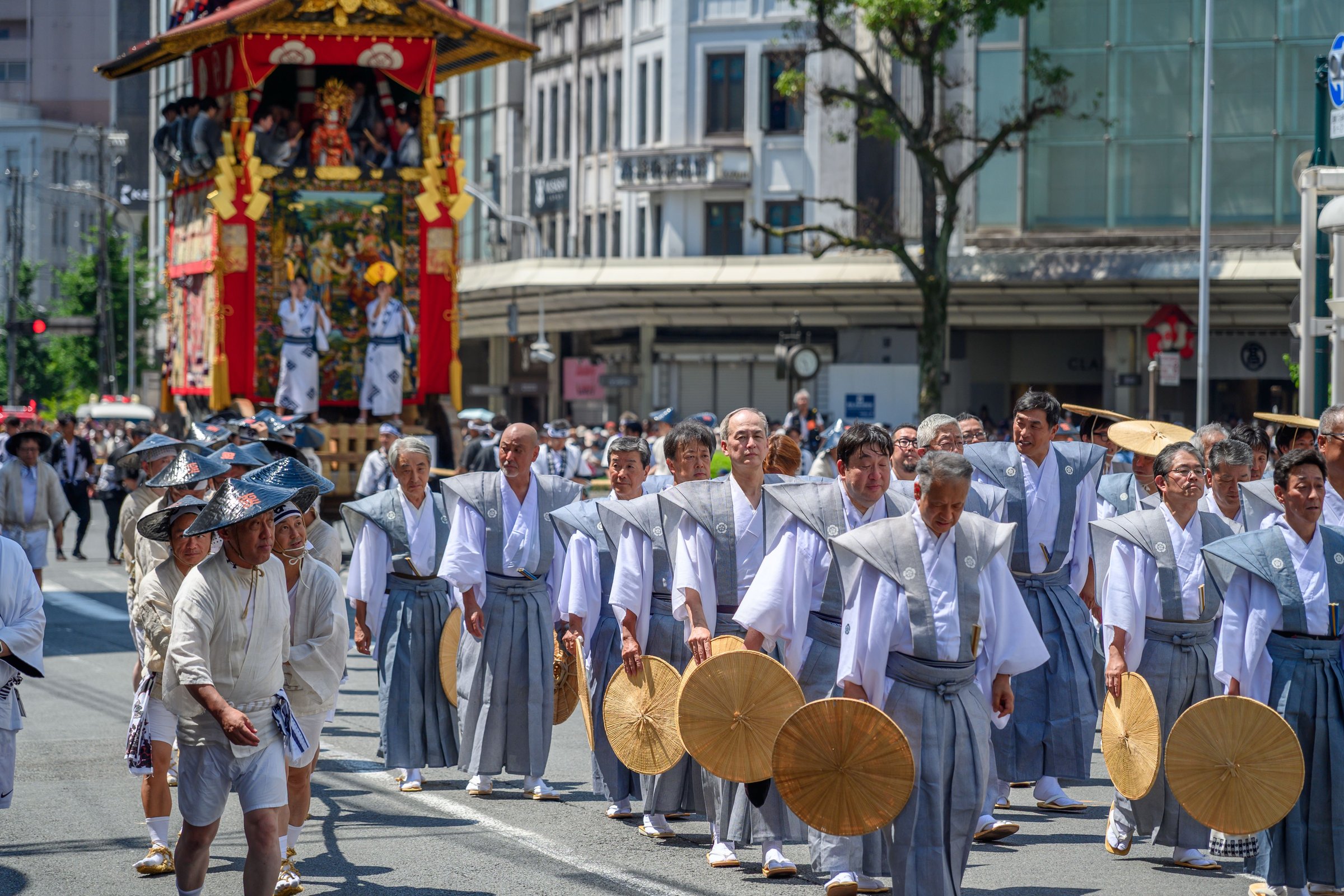
Culture in Japan isn't only in the landmarks. Fushimi Inari and Senso-ji are worth seeing, but a tea ceremony, a night in a ryokan, or an early walk through Kyoto before it wakes up usually tells you more. Festivals run through the year in every region, and they're taken seriously, not staged for visitors.

Travenza tip: If culture is the priority, give Kyoto at least three nights. That's roughly what it takes to see past the landmarks.
Shopping in Japan

Shopping in Japan

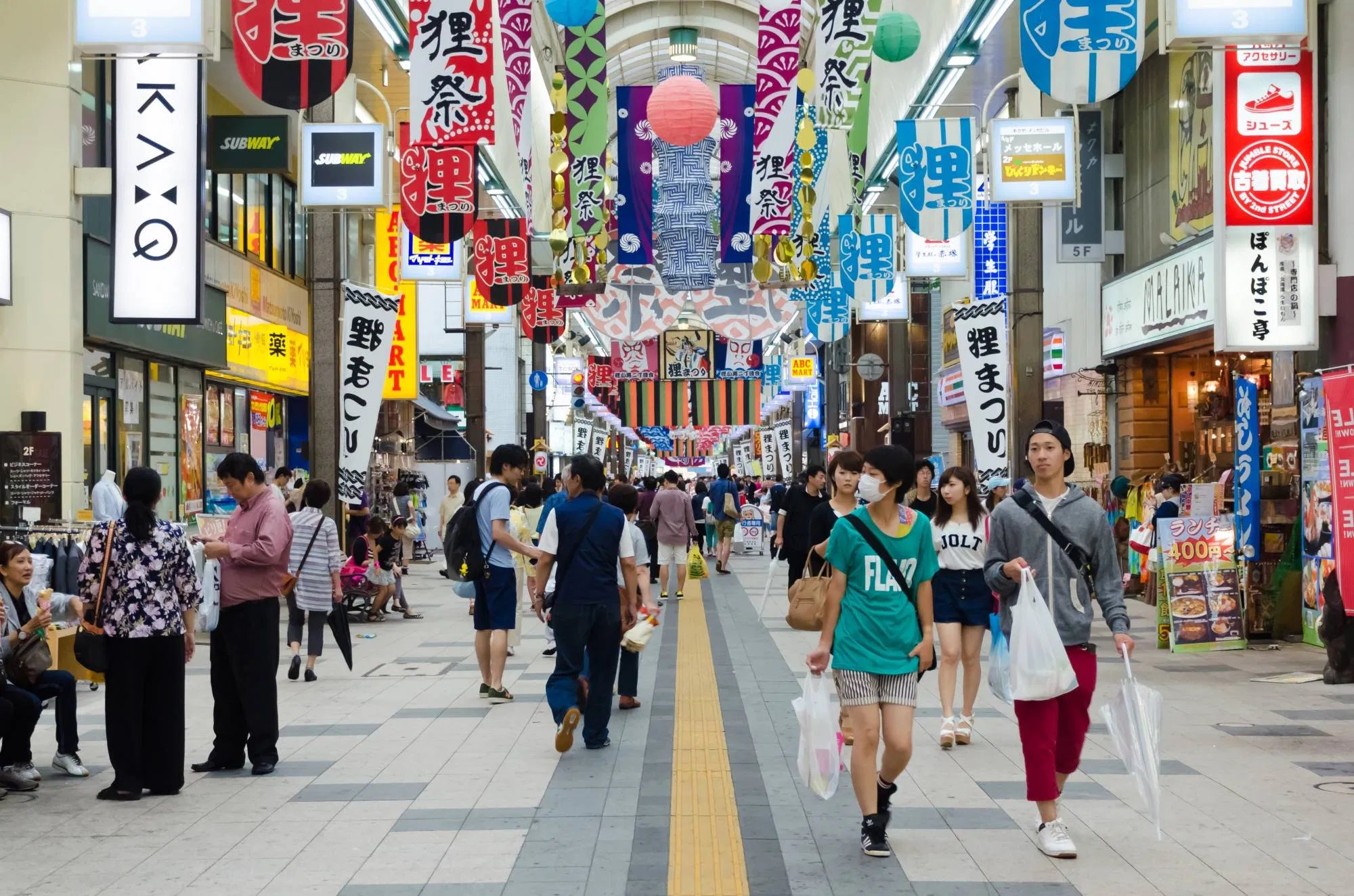
Shopping here is worth doing slowly. Ginza has the flagship stores, Omotesando the independent designers, Kyoto the craft shops that have been open for centuries. Look for handmade knives, ceramics, matcha, skincare, denim. The craftsmanship is real, not marketing. Tokyo is best for luxury and vintage. Osaka is better value. Okinawa has its own pottery and textiles.

Travenza tip: Shop toward the end of the trip. By then you'll know what's actually worth bringing home instead of buying on impulse in week one. Try things on before you buy.

Getting Around Japan

The Shinkansen and Japan's rail network are as good as their reputation. That's also the risk, easy transport tempts people into cramming in too many stops. We'd rather add a night in Kyoto or Hakone than another city on the list. For longer trips into Hokkaido, Kyushu or Okinawa, we mix rail with domestic flights to save time.

Yamato's luggage forwarding is worth knowing about. Hand your bags over the evening before, and they're at your next hotel by the time you check in, no dragging suitcases through stations. Same-day delivery costs a lot more, so a day's notice is worth planning for. Your hotel concierge can sort the timing.

For short hops within a city, ride-hailing apps like Uber and GO are usually cheaper than hailing a taxi on the street. It is worth having installed before you land.

Travenza tip: Thinking about a Japan Rail Pass? Recent price changes mean it's not always worth it. We check it against your actual route before recommending it, individual tickets are often cheaper.

Visa Guide

A Japan tourist visa is straightforward if your paperwork is in order. Most Indian travellers need proof of financial stability, employment or business details, a travel itinerary, and hotel confirmations. We handle this end to end. Documentation, itinerary and confirmations. We'd recommend applying early if you're travelling during cherry blossom or autumn, when both visas and hotels get busy.

Why Japan Stays With You

Some places are remembered for what you saw. Japan is remembered for how it felt. The courtesy here is disarming, small consideration, offered without being asked. Punctuality isn't just about the trains; a week of it changes how you value your own time. Even the cars on the road are spotless, and traffic moves without a single horn. Japan has a way of resetting your sense of discipline and respect, and that's usually what stays with people longest.

The first trip is usually Tokyo, Kyoto, Osaka. The next one might be Hokkaido in the snow, Kyushu's hot springs, or Okinawa's islands. The more of it you see, the more there still is. This is our travel guide to Japan. You can find our opinions on what places to include, what time to visit, how long your visit should be and more.

Your Japan questions, answered

Is Japan a good destination for first-time international travellers?

Yes. It's safe, clean and well organised. This is about as easy as international travel gets, with a solid mix of culture, cities and nature.

How many days should I spend in Japan?

For a first trip, 9–11 days works well. This is enough for Tokyo, Hakone, Kyoto and Osaka without rushing. Add Hokkaido, Kyushu or Okinawa and stretch it to 12–15 days.

When is the best time to visit Japan?

Depends what you're after. Spring for blossoms, autumn for foliage, winter for skiing and onsens, summer for festivals and Hokkaido.

Is Japan suitable for family holidays?

Yes. Safe cities, reliable transport, theme parks, and a country that works well for kids of any age.

Is Japan a good honeymoon destination?

Yes. Ryokans, private onsens and good food, all within easy reach of each other. Works well for honeymoons and anniversaries.

Is vegetarian food available in Japan?

Yes, especially in Tokyo, Kyoto and Osaka, where vegetarian and vegan options have grown a lot in recent years.

Do I need a Japan Rail Pass?

Not always. Since the price changes, individual tickets can work out cheaper depending on your route. We check this per itinerary.

How much should I budget for a Japan holiday?

Depends on season, duration, hotel category and style. As a rough guide, a well-planned 9–11 day trip in good 4- and 5-star hotels starts around ₹3.5–₹4.5 lakh per couple, excluding flights. Luxury ryokans and private experiences push this higher.

Is English widely spoken in Japan?

In hotels, stations and tourist areas, yes. Less so in smaller towns. We share practical apps and tips before you leave so this isn't an issue.

Can I customise my itinerary?

Yes, every trip is built around what you want, whether that's adding Disneyland, extending Kyoto, including Okinawa, or planning around a celebration.

Ready to go?

Plan your Japan trip

Share your dates, group size and interests, we will craft a bespoke itinerary within 48 hours. No obligations.
Plan My Trip → Chat on WhatsApp