Asia Pacific · Southeast Asia
Vietnam Travel Guide
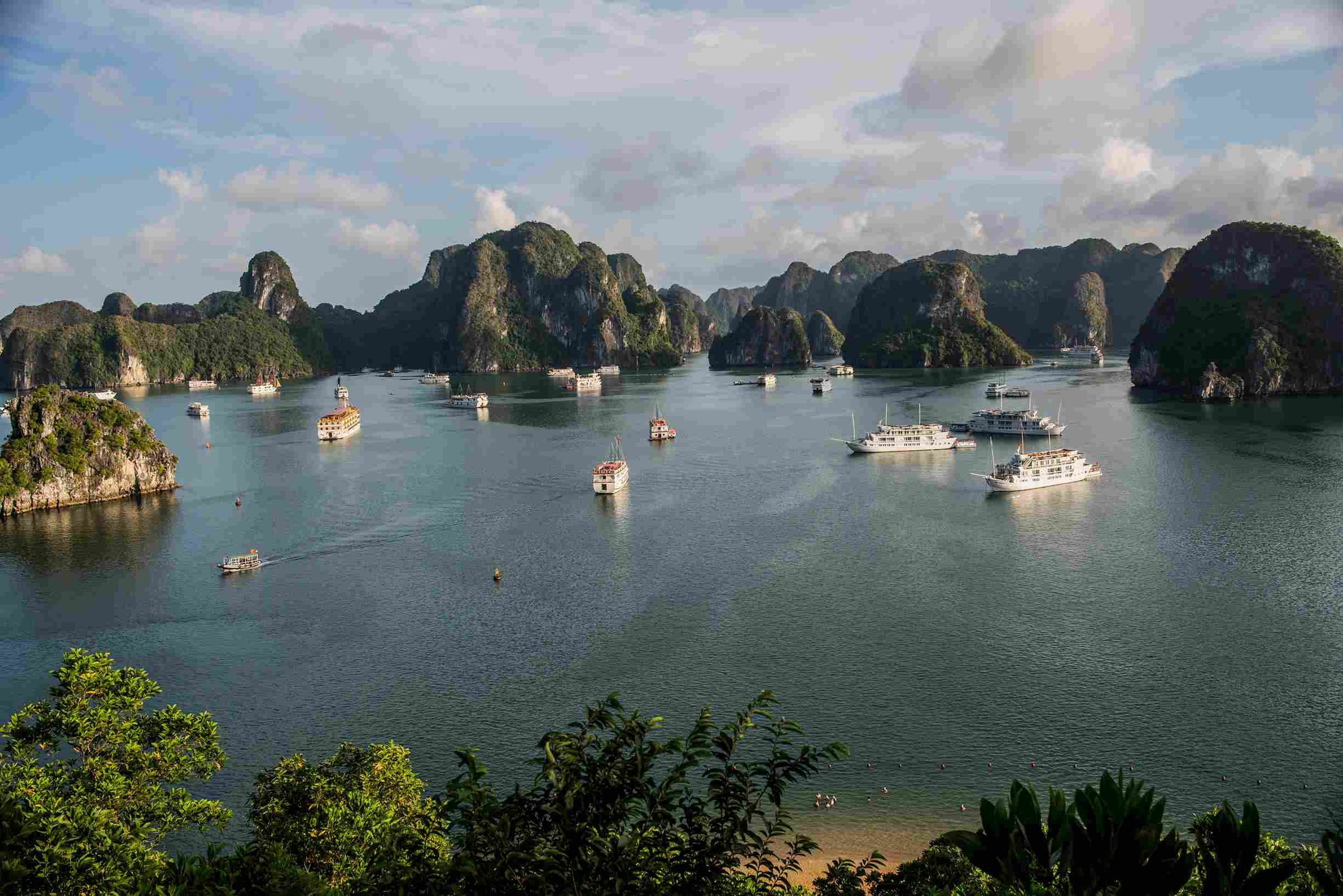
Ancient Hoi An, emerald Ha Long waters and vibrant Saigon streets.
Ancient Hoi An, emerald Ha Long waters and vibrant Saigon streets.
Vietnam runs on hospitality that's warm without slowing down. A street food vendor who's plating your order before you've finished asking. A tailor who remembers your measurements from a fitting the day before. That same care carries through a heritage hotel in Hoi An and a homestay on the Mekong Delta alike, and it's usually what guests mention first when they're back.
It also rewards picking a region rather than trying to cover the whole country in one trip. Vietnam is long. Hanoi to Ho Chi Minh City is nearly the length of the country, and treating it as one compact destination usually means more time on internal flights than anywhere memorable. A good trip and a great one rarely come down to how many cities made the list. They come down to whether you gave the north, centre or south enough time to actually settle into it.
We've been building itineraries since 2013. Not templates, routes built around how you like to travel. We pick the region before the itinerary, and we'll tell you when trying to cover too much isn't worth the transit time. If we wouldn't book it for our own family, we won't book it for you. This is our travel guide to Vietnam. You can find our opinions on what places to include, what time to visit, how long your visit should be and more.
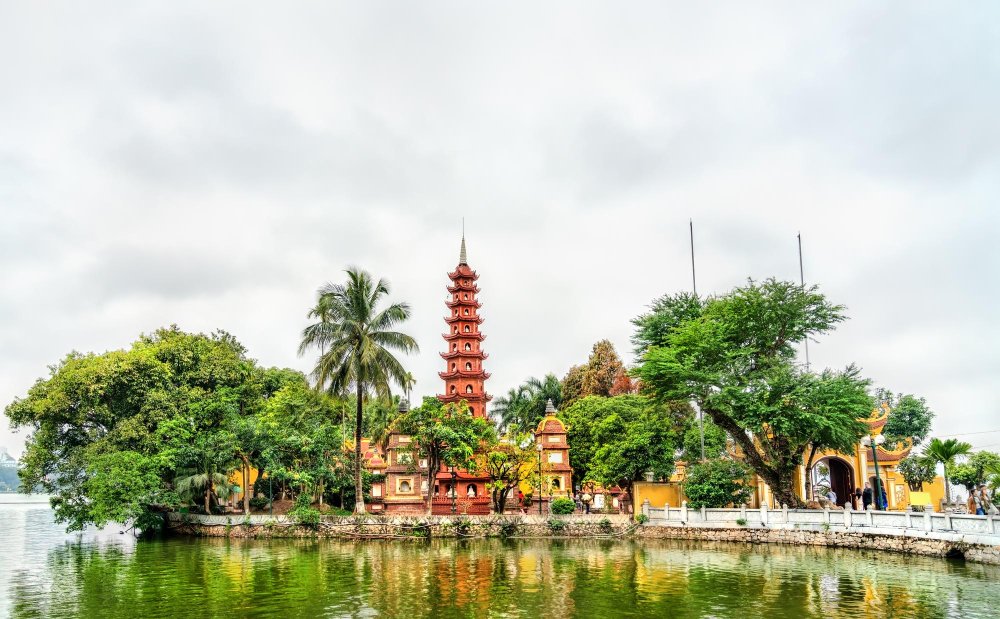
Top Hanoi experiences include, Hanoi Old Quarter is a chaotic medieval neighborhood with narrow streets and…
Read More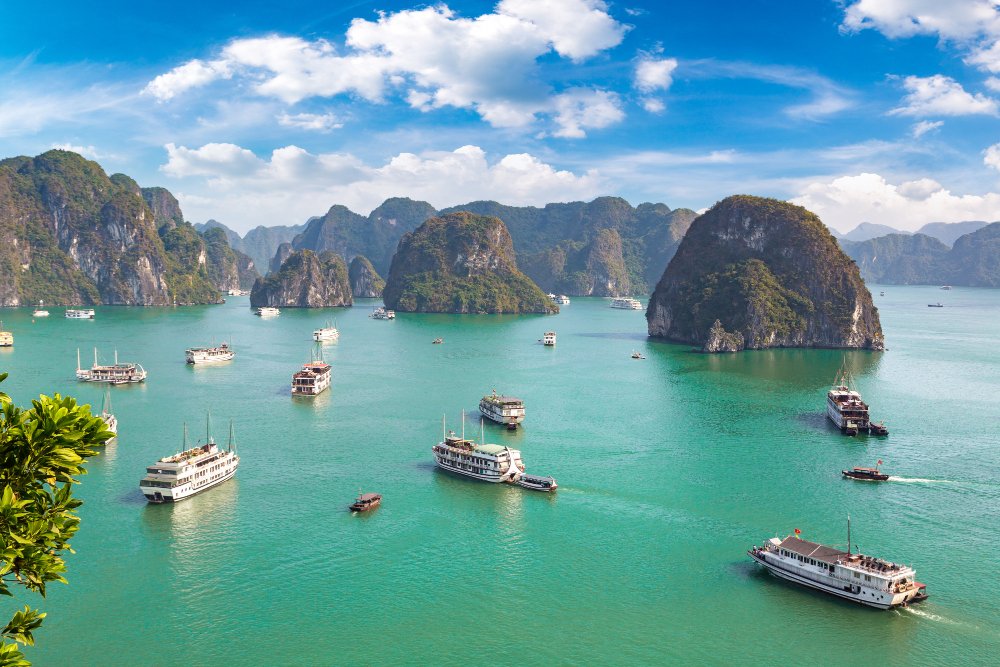
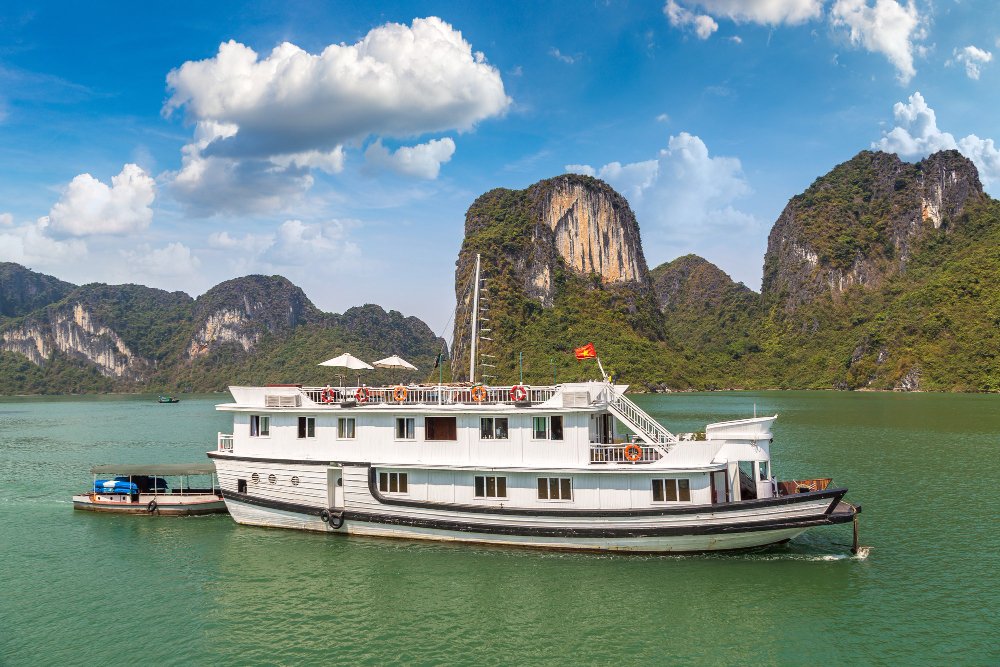
An overnight boat journey through Halong Bay lets you sleep surrounded by limestone islands and wake…
Read More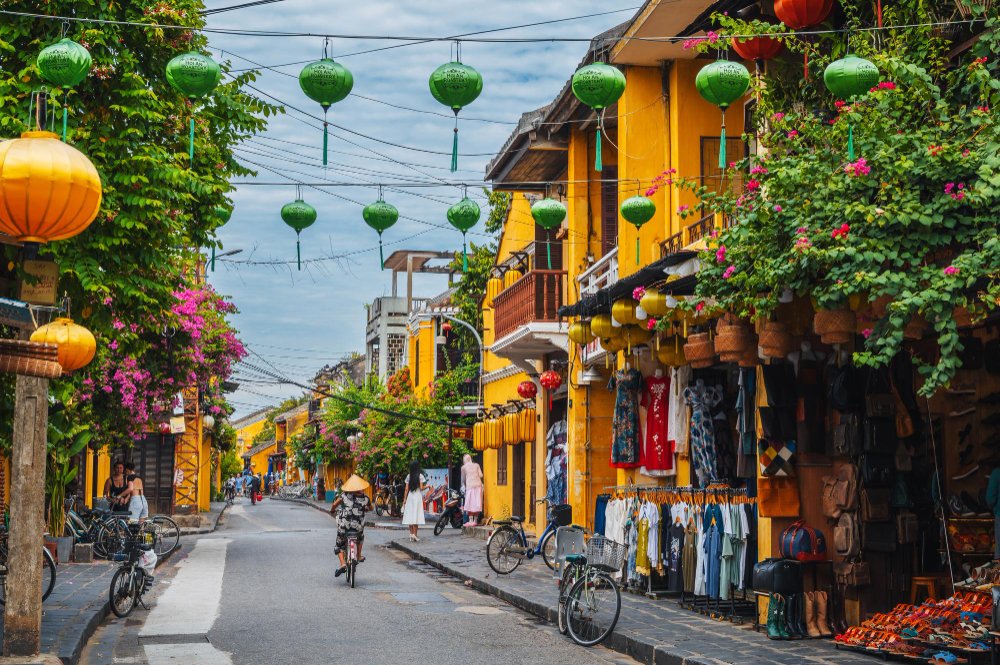
Hoi An Ancient Town becomes magical at night when thousands of silk lanterns illuminate yellow buildings…
Read More
The Golden Bridge at Ba Na Hills is a massive structure suspended in mountains, designed to…
Read More
Cu Chi Tunnels are underground tunnel systems used during the war where visitors can crawl through…
Read More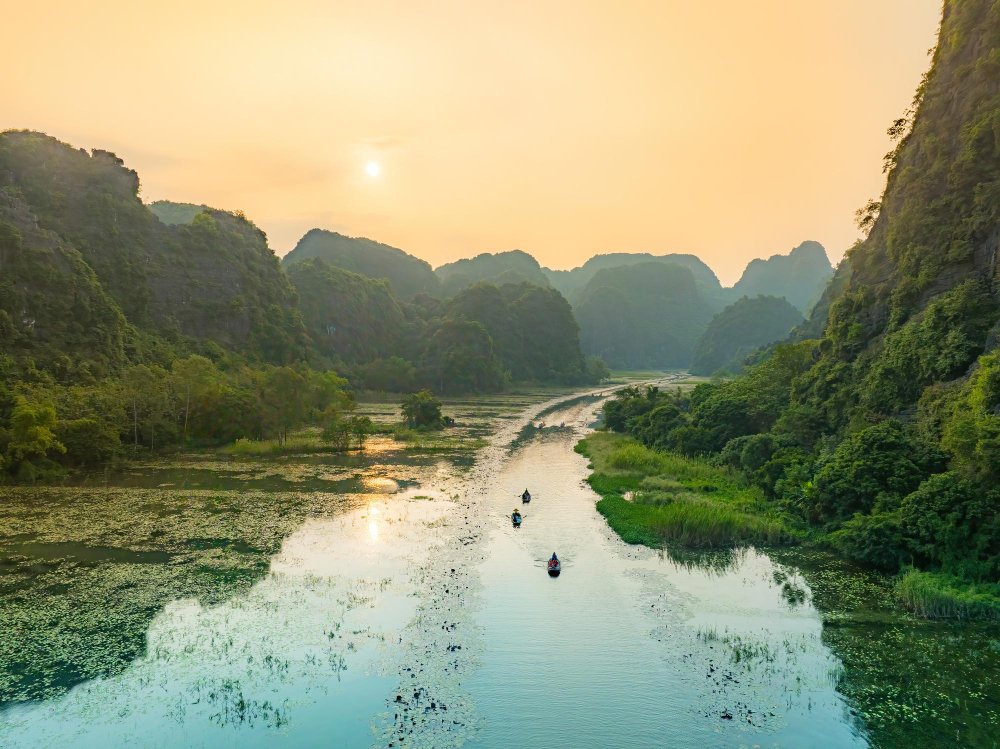
Trang An boat ride takes you through limestone karsts and flooded caves in motorized boats piloted…
Read More
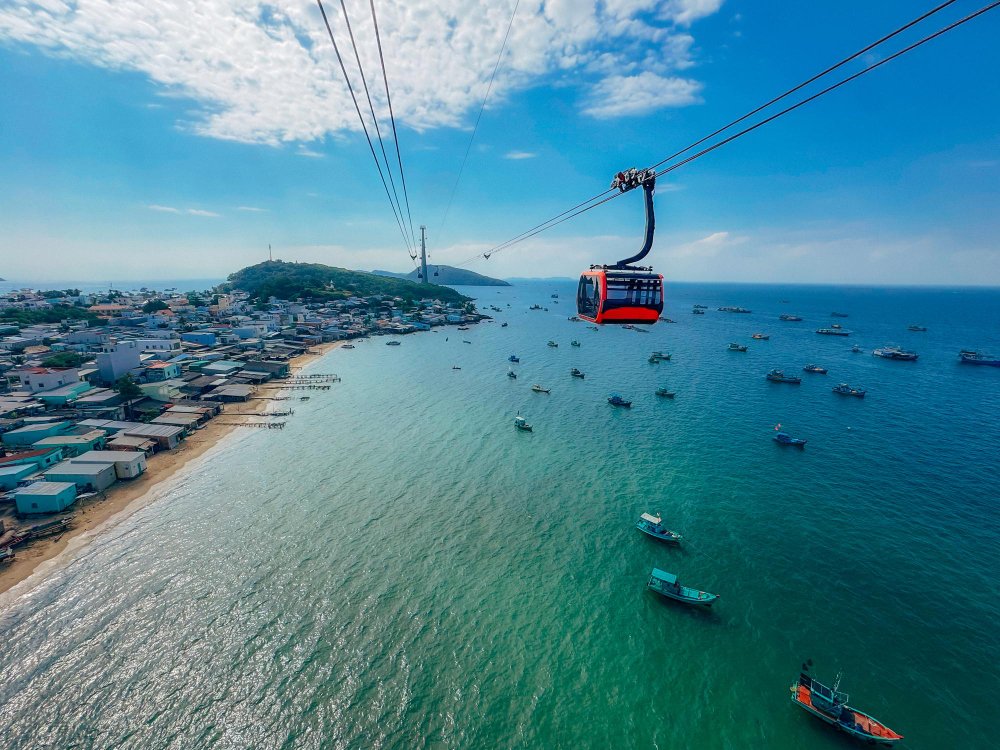
Sao Beach is a pristine long beach with soft white sand and calm turquoise water backed…
Read More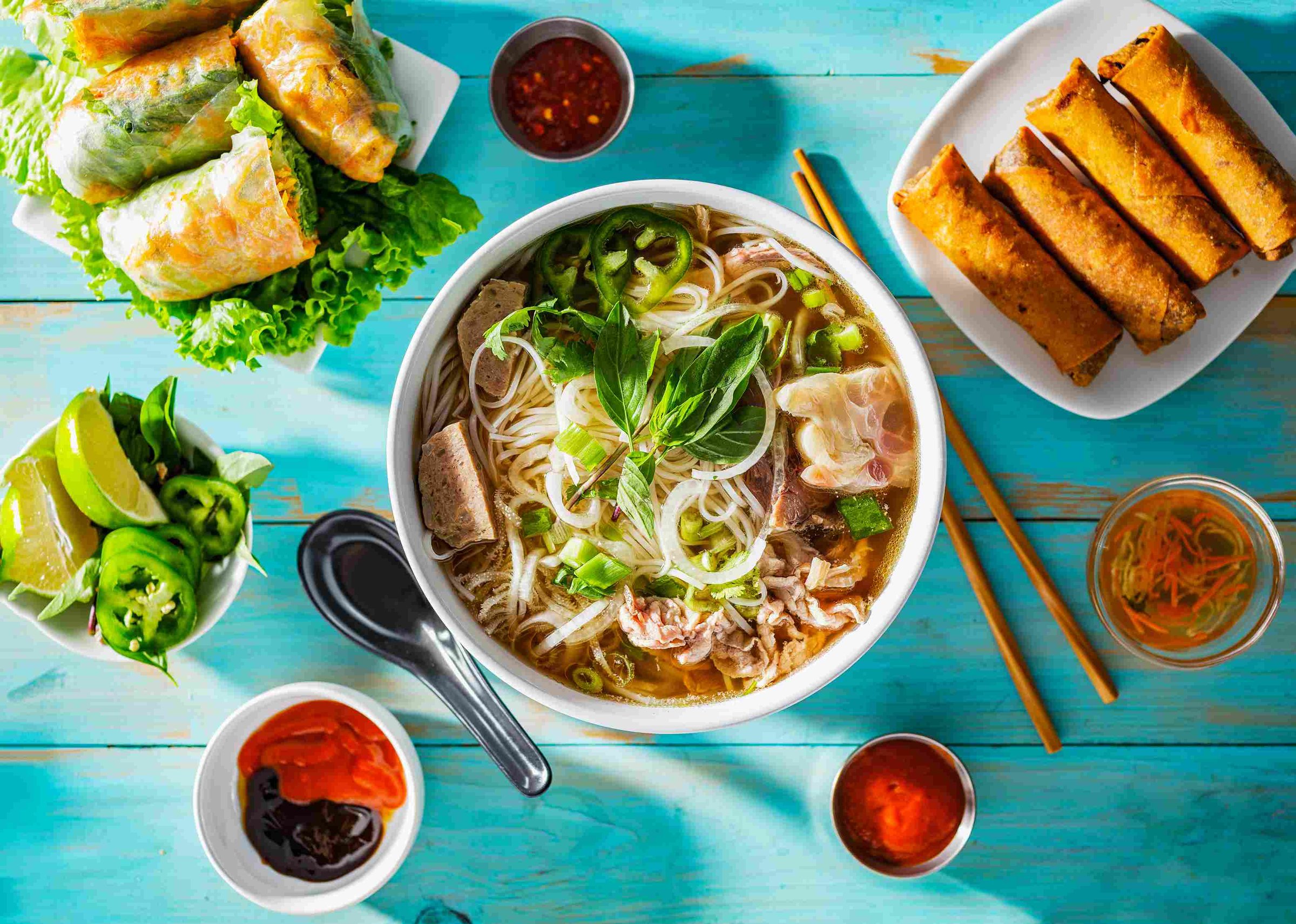
Food is usually what people talk about most when they get back, and Vietnam's regional variation is a big part of why. Hanoi's pho and bun cha set the standard in the north. Hoi An's cao lau, made with water specific to the town's wells, barely exists anywhere else. Ho Chi Minh City's banh mi and street food scene runs at a different pace entirely, fast and constant. Coffee deserves its own mention. Vietnamese egg coffee and the strong drip-brewed cafe sua da are both worth trying properly.
One thing worth knowing, what's labelled Vietnamese food outside the country rarely captures how different each region's cooking actually is. We don't pick restaurants by reputation, we pick them based on what you actually want, whether that's a street food crawl, a cooking class, or a proper regional tasting menu.
Quick tip: Eat at plastic-stool street stalls without hesitation. Some of Vietnam's best food comes from vendors with no menu and no sign, just a queue that tells you everything.
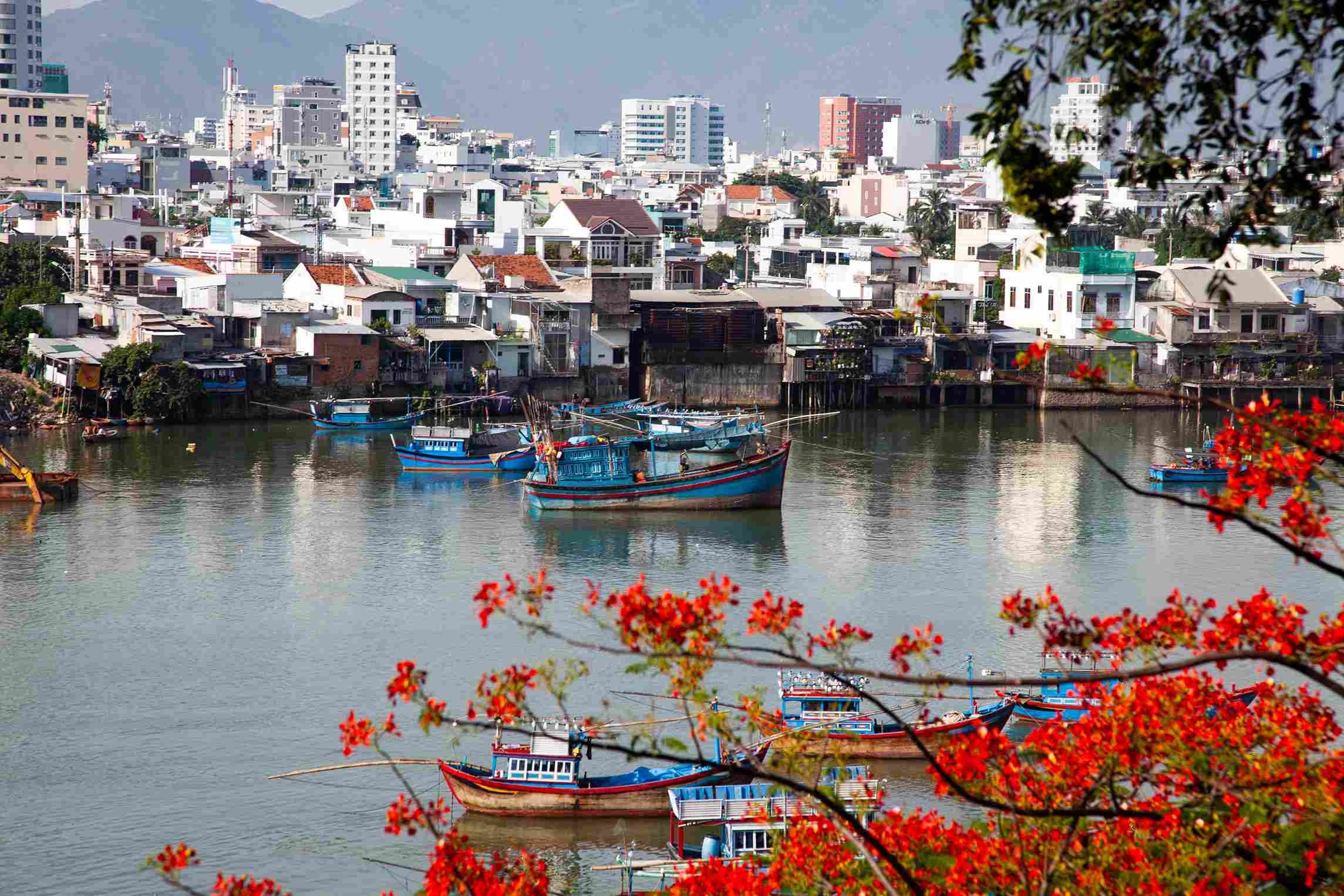
Culture in Vietnam isn't only in the temples and museums. Hoi An's ancient town is worth seeing, but a morning market in Hanoi's Old Quarter, a conversation with a Mekong Delta boat driver, or an early walk before the lanterns come down usually tells you more. French colonial history, Buddhist and Confucian tradition, and the more recent weight of the war all shape daily life here in ways that are easy to miss on a rushed itinerary.
Travenza tip: If history is the priority, give the War Remnants Museum and the Cu Chi Tunnels proper time in Ho Chi Minh City. It's a heavier morning, but it's essential for the rest of the trip.
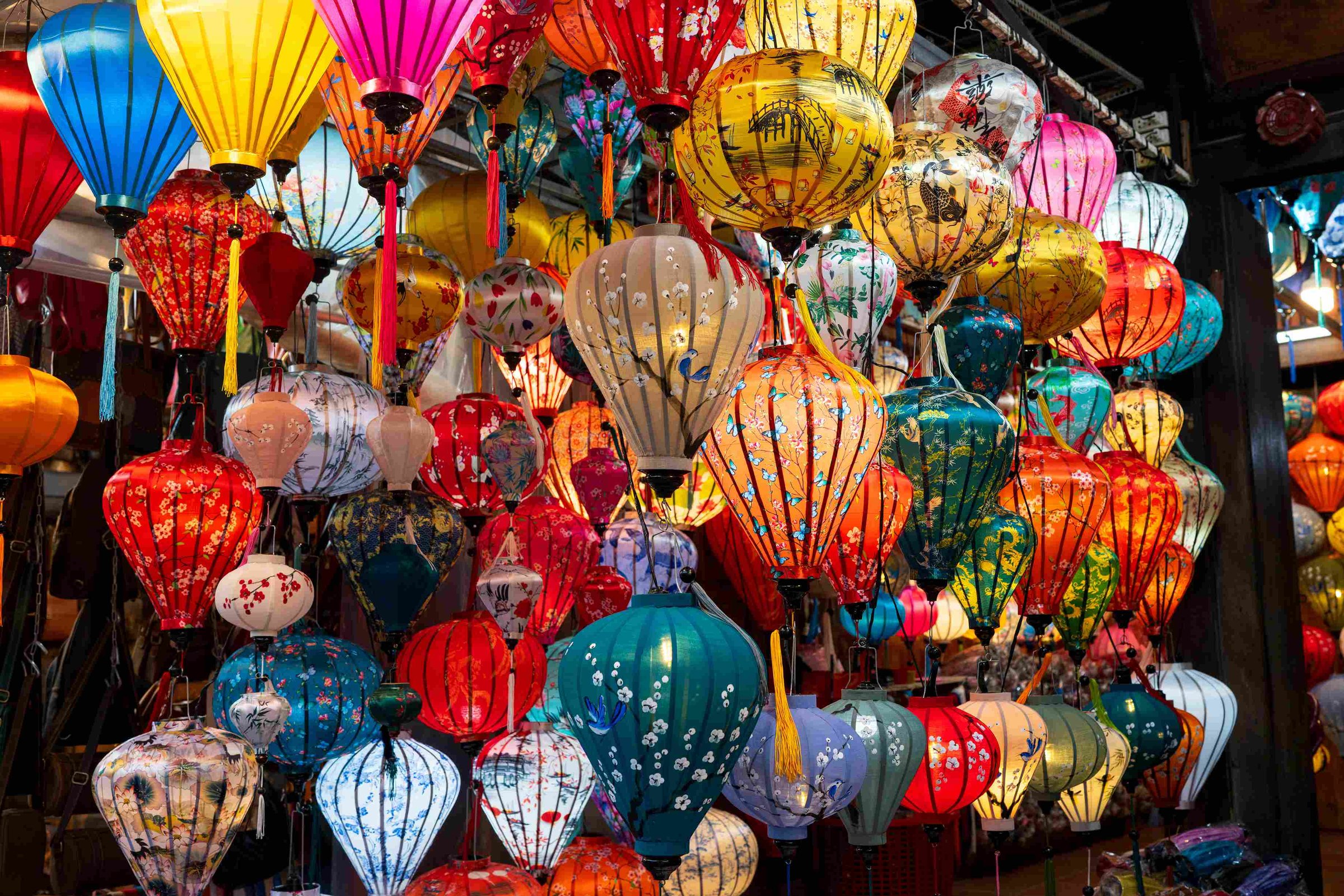
Shopping here rewards a mix of stops. Hoi An's tailors are the headline act with their custom suits, dresses and shoes made to measure within a day or two, at a fraction of what they'd cost elsewhere. Hanoi's Old Quarter and Ho Chi Minh City's Ben Thanh Market cover everyday shopping, from silk to lacquerware to local coffee.
Travenza tip: Choose a Hoi An tailor by reputation, not proximity to your hotel. We can point you toward the shops that consistently deliver good fit and fabric quality, rather than the ones with the loudest street-side sales pitch.
Frequently Asked Questions
Yes. It's affordable, well set up for tourism, and rewarding for first-timers. A guide helps considerably with navigating traffic, language and the logistics of a multi-region trip.
For a first trip, 9–11 days works well enough for two regions, like Hanoi–Halong Bay and Hoi An, without rushing. Covering all three regions comfortably needs 12–14 days.
It depends on the region, October to April suits the north, February to August suits the centre, and November to April suits the south and Phu Quoc. We plan the route around whichever regions you're prioritising.
Yes. A Halong Bay cruise, cooking classes and Phu Quoc's calm beaches all work well for families, and domestic flights make multi-region trips manageable.
Yes, an overnight Halong Bay cruise, Hoi An's lantern-lit evenings and a Phu Quoc beach.
Yes, especially in Hanoi and Ho Chi Minh City, both of which have strong vegetarian and vegan food scenes rooted partly in Buddhist tradition.
Most Indian travellers need an e-visa, applied for online in advance. We confirm the latest requirements and help with the application before you travel.
Depends on season, duration, hotel category and style. As a rough guide, a well-planned 9–11 day trip in good 4- and 5-star hotels starts around ₹1.5–₹2.2 lakh per couple, excluding flights.
In tourist areas, hotels and among guides, yes. Less so in rural areas, where a guide bridges the gap.
Yes, every trip is built around what you want, whether that's adding Sapa, extending Hoi An's tailoring time, including the Mekong Delta, or planning around a celebration.
Ready to go?
Share your dates, group size and interests, we will craft a bespoke itinerary within 48 hours. No obligations.