Europe
Europe Travel Guide
Ancient cities, alpine peaks and coastal villages across one epic continent.
Ancient cities, alpine peaks and coastal villages across one epic continent.
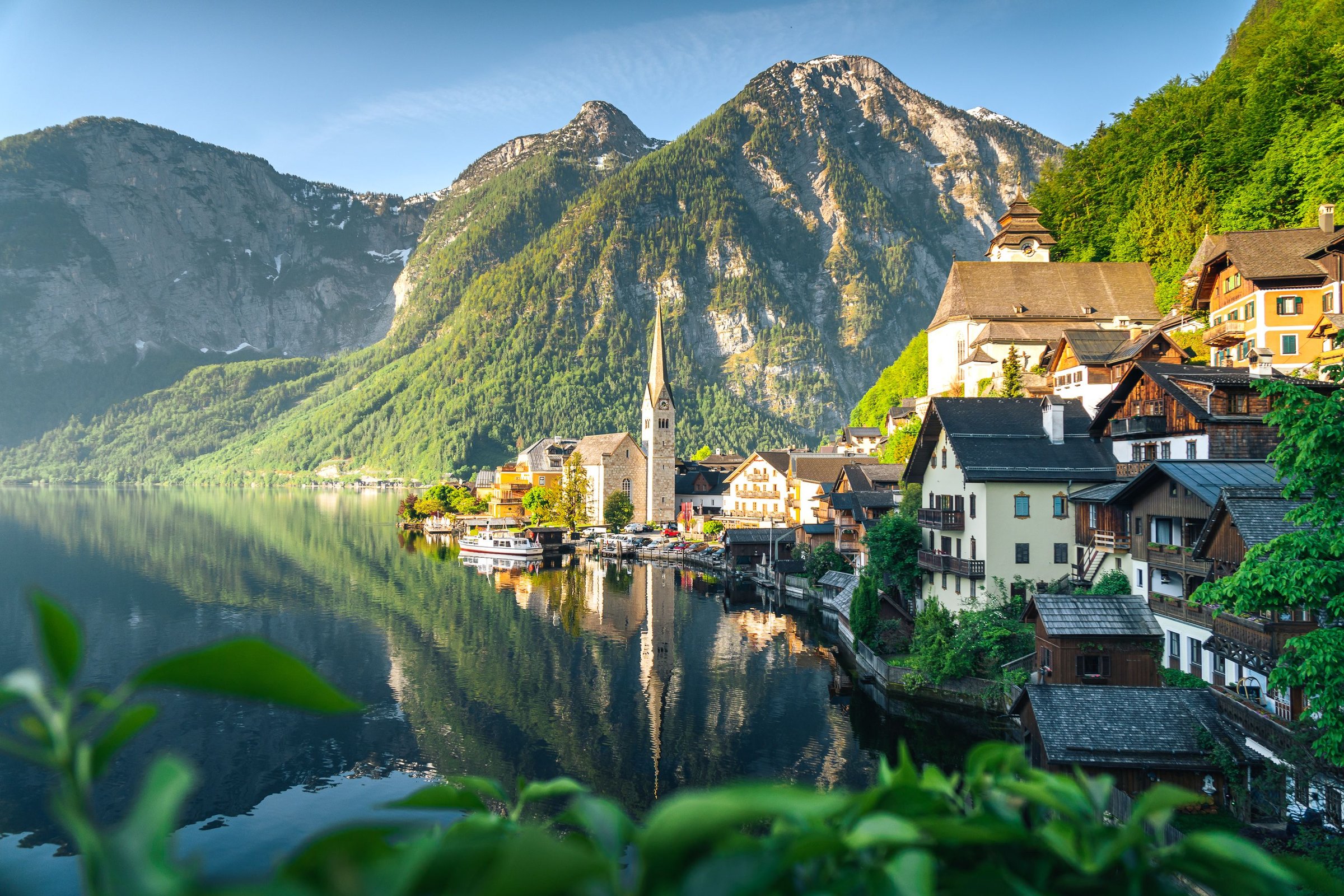
Europe runs on things that have been refined for centuries. Trains that connect city centres, cafés built for lingering, museums that hold the original and not a copy. That care shows up in a Michelin-starred dining room as much as in a village bakery at seven in the morning. You don't plan for these moments, they arrive on their own, and they're usually what people remember most.
They're also easy to lose. Europe looks compact on a map, and that's the trap, travellers stack five countries into ten days and spend the trip on platforms, in airports and at check-in desks. A good trip and a great one rarely differ by how many countries were on the list. They differ by how many mornings you had with nothing to rush for.
We've been designing holidays since 2013. Not templates, routes built around how you like to travel. We choose the base before the sights, the pace before the itinerary, and we'll tell you when something isn't worth your time, whether that's a queue not worth joining or a city better seen in an afternoon than a night. This is our Europe Travel Guide. You can find our opinions on which countries to combine, what time to visit, how long your trip should be and more.
Curated Journeys
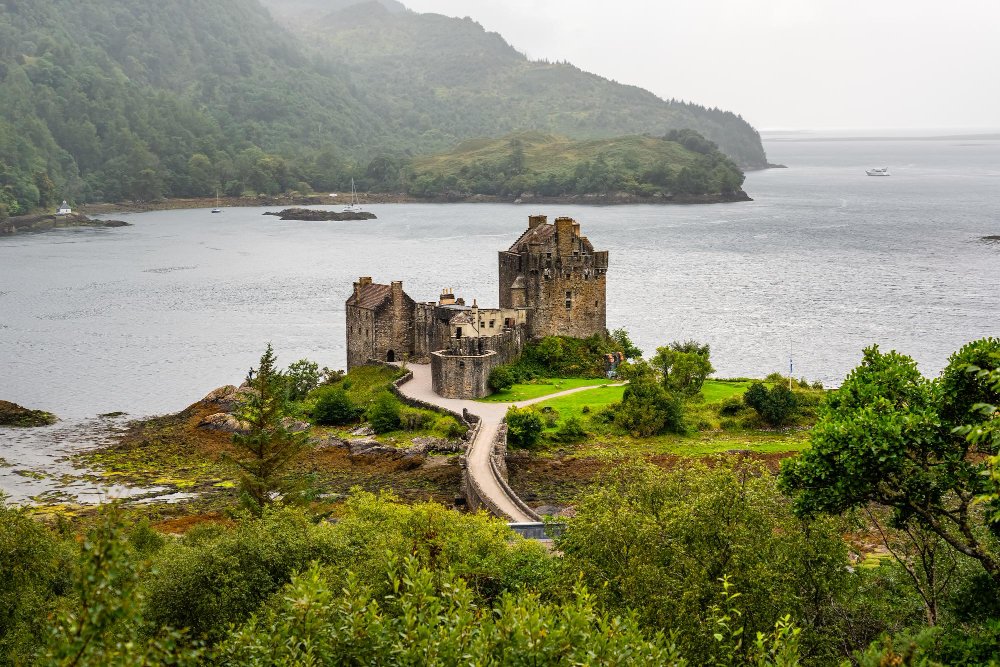
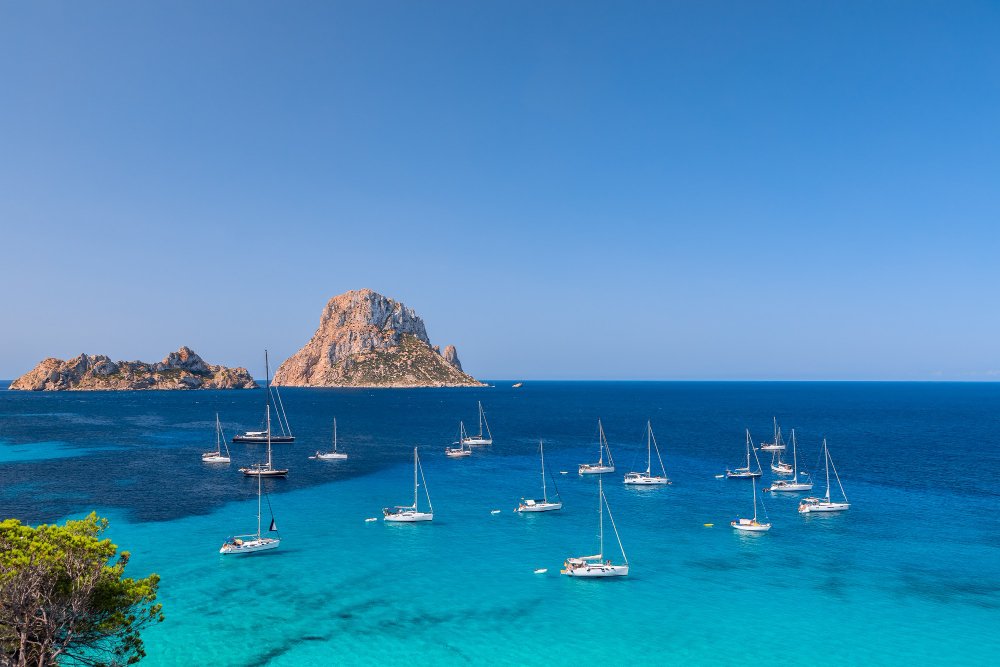
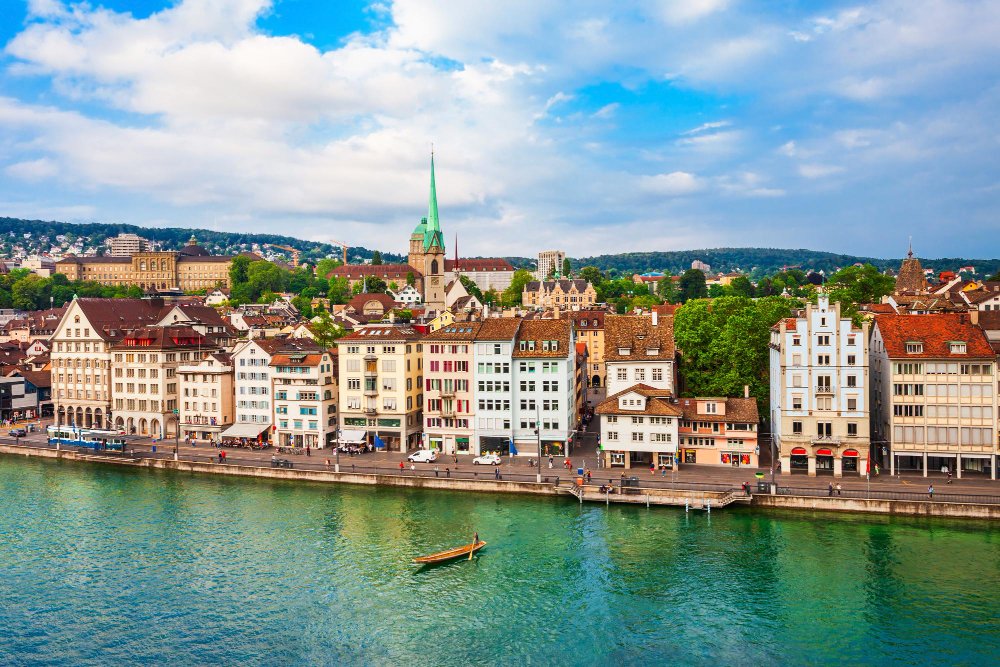
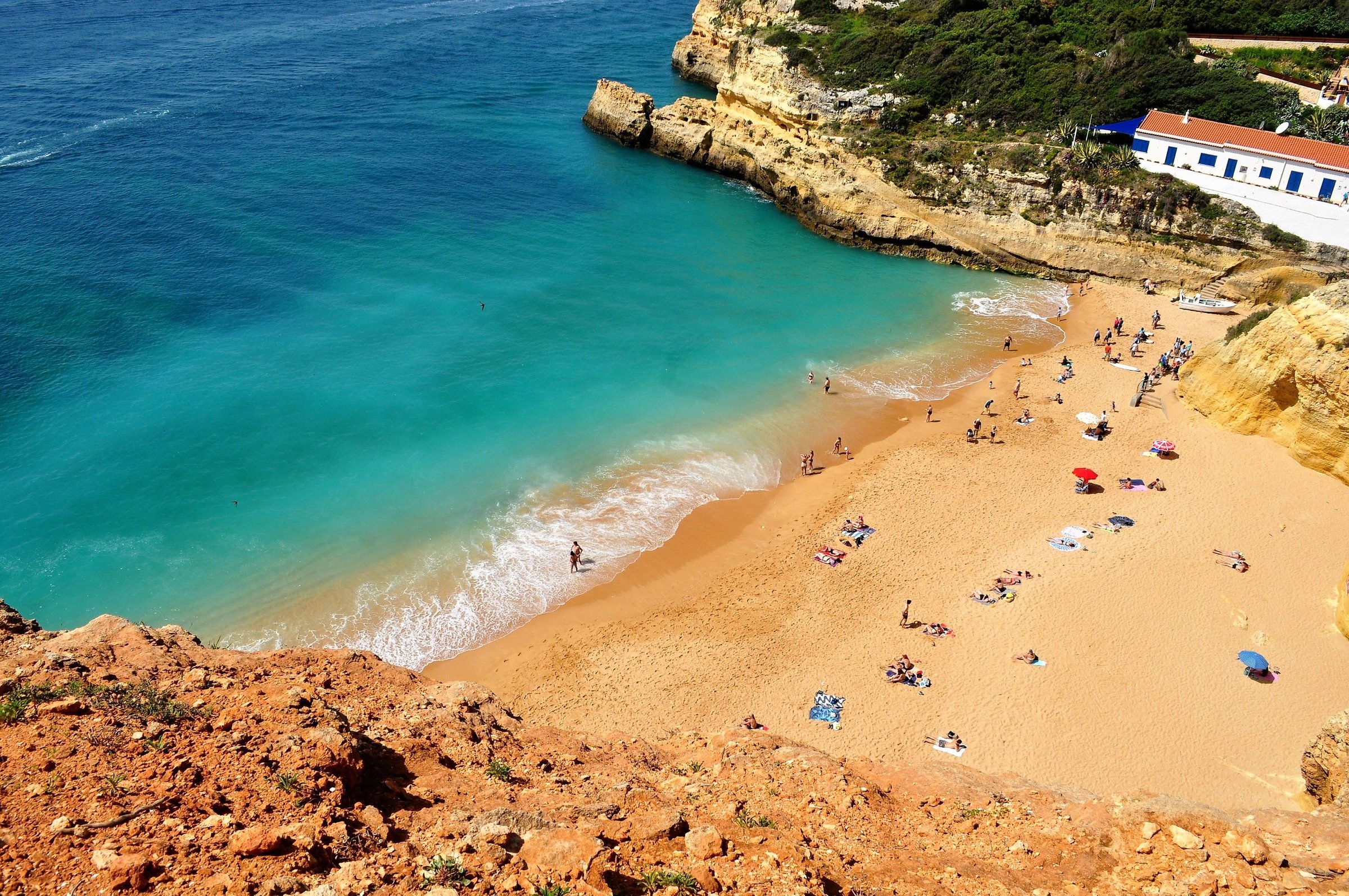
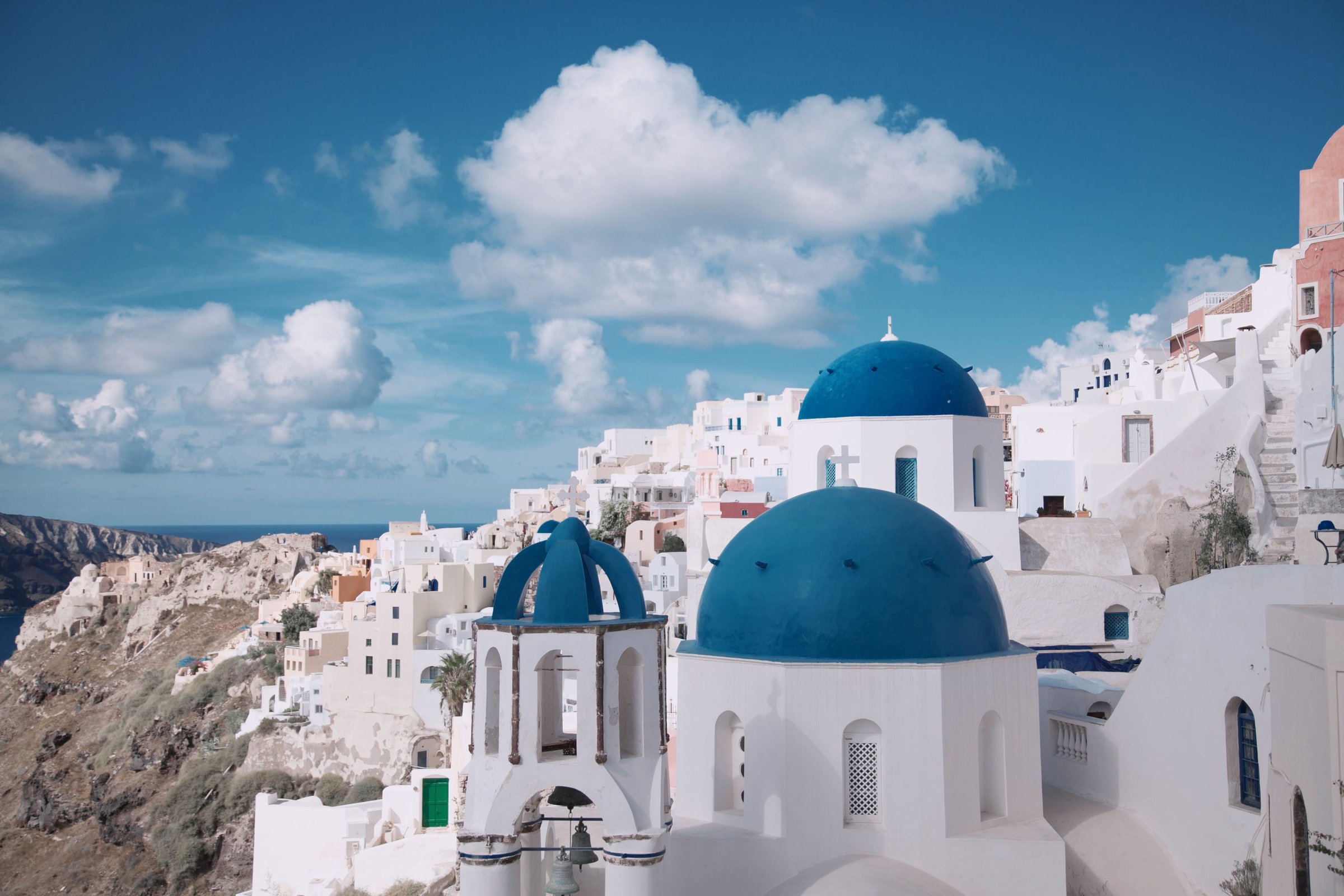
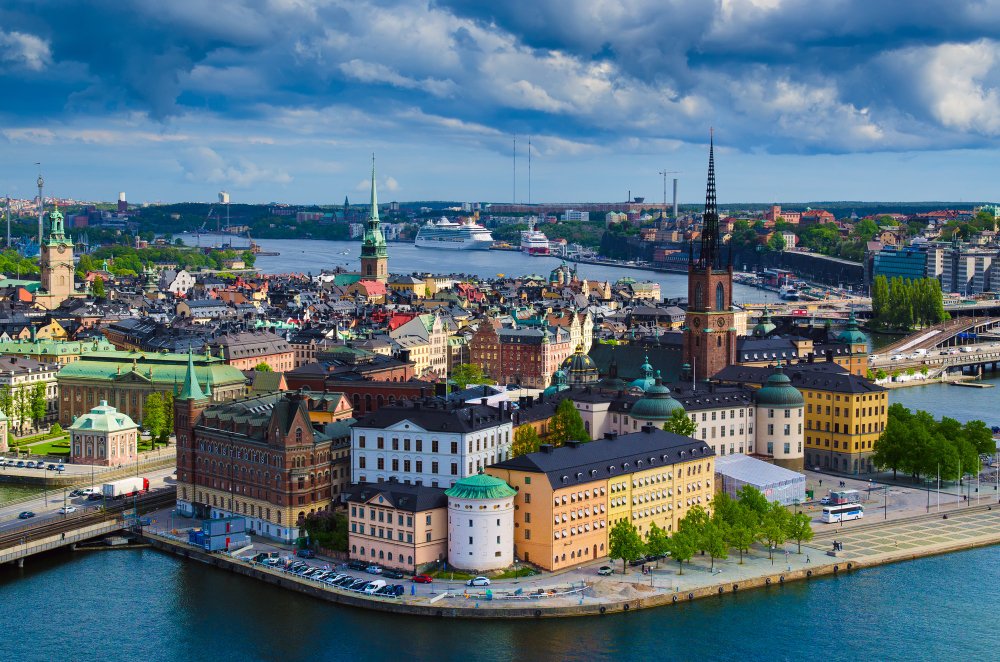
Getting the mix of countries right matters more than trying to cover them all. Here's what each one is actually good for.
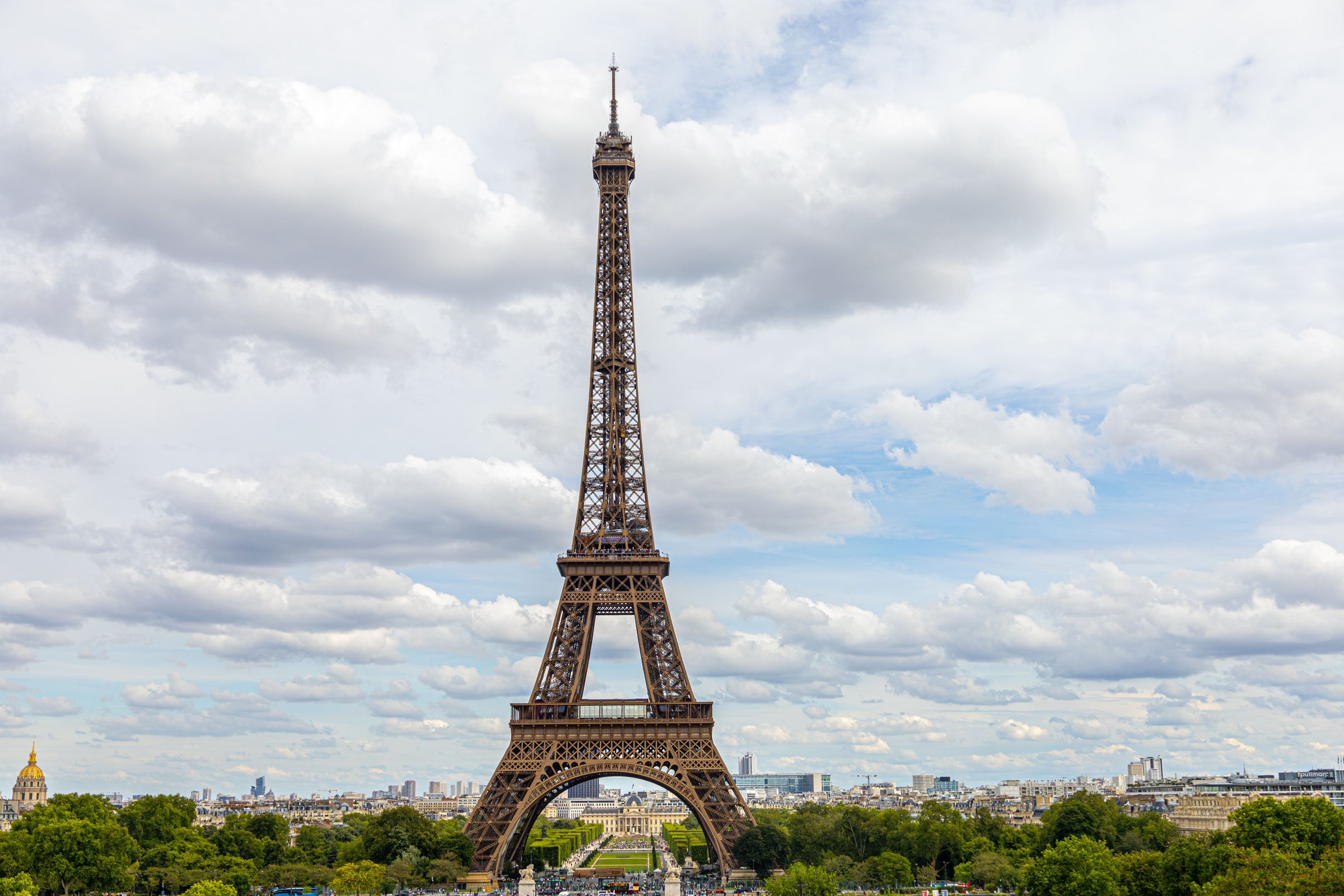
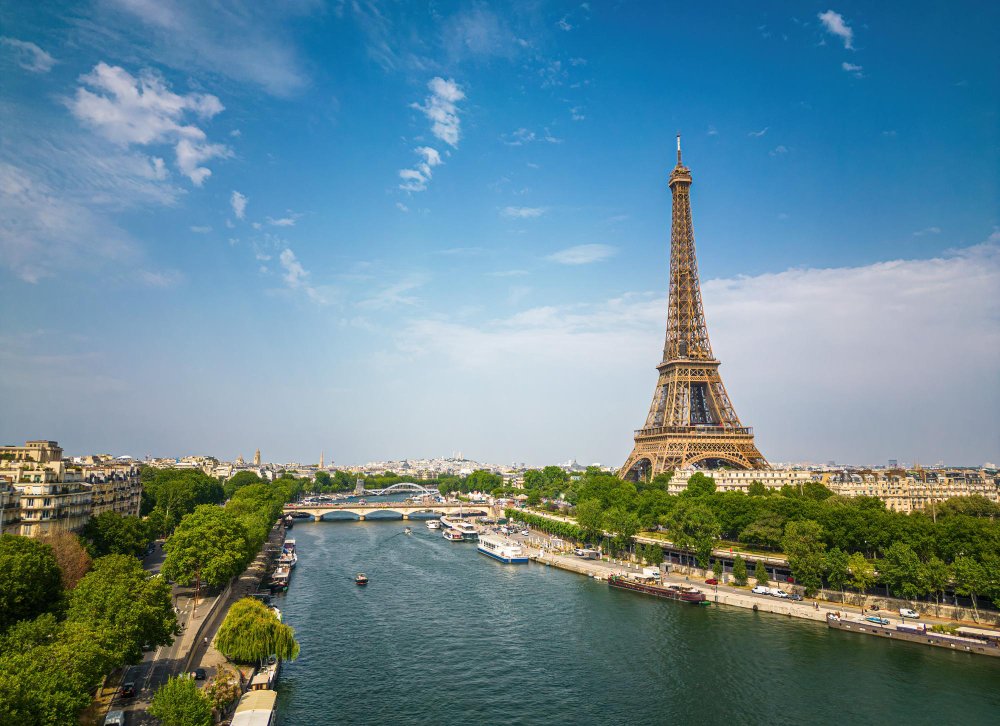
Paris is the natural start: the Eiffel Tower, the Louvre, Montmartre, the Seine at dusk, and…
Read More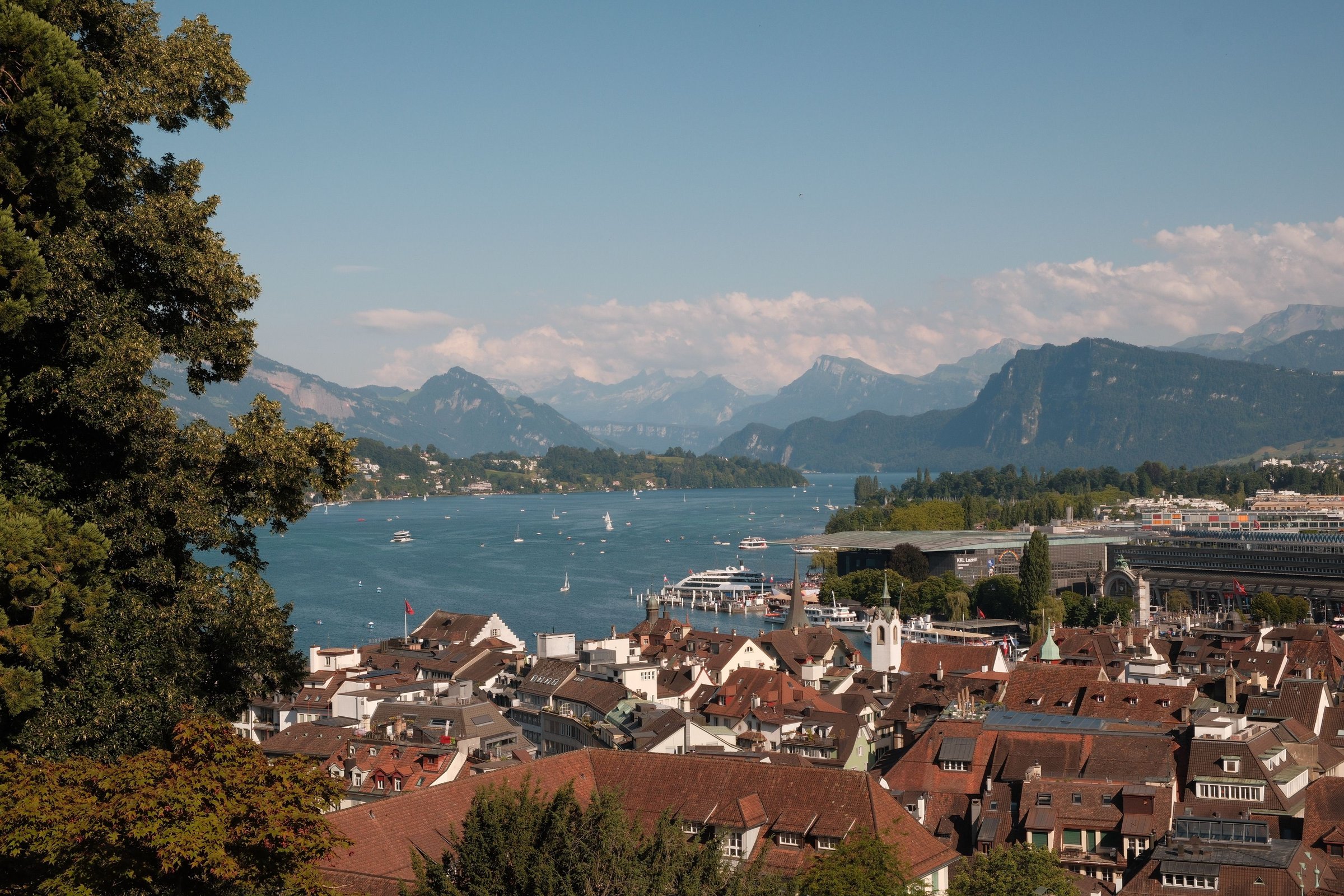
Interlaken sits between two lakes and is the gateway to the Jungfrau region. Jungfraujoch, at 3,454…
Read More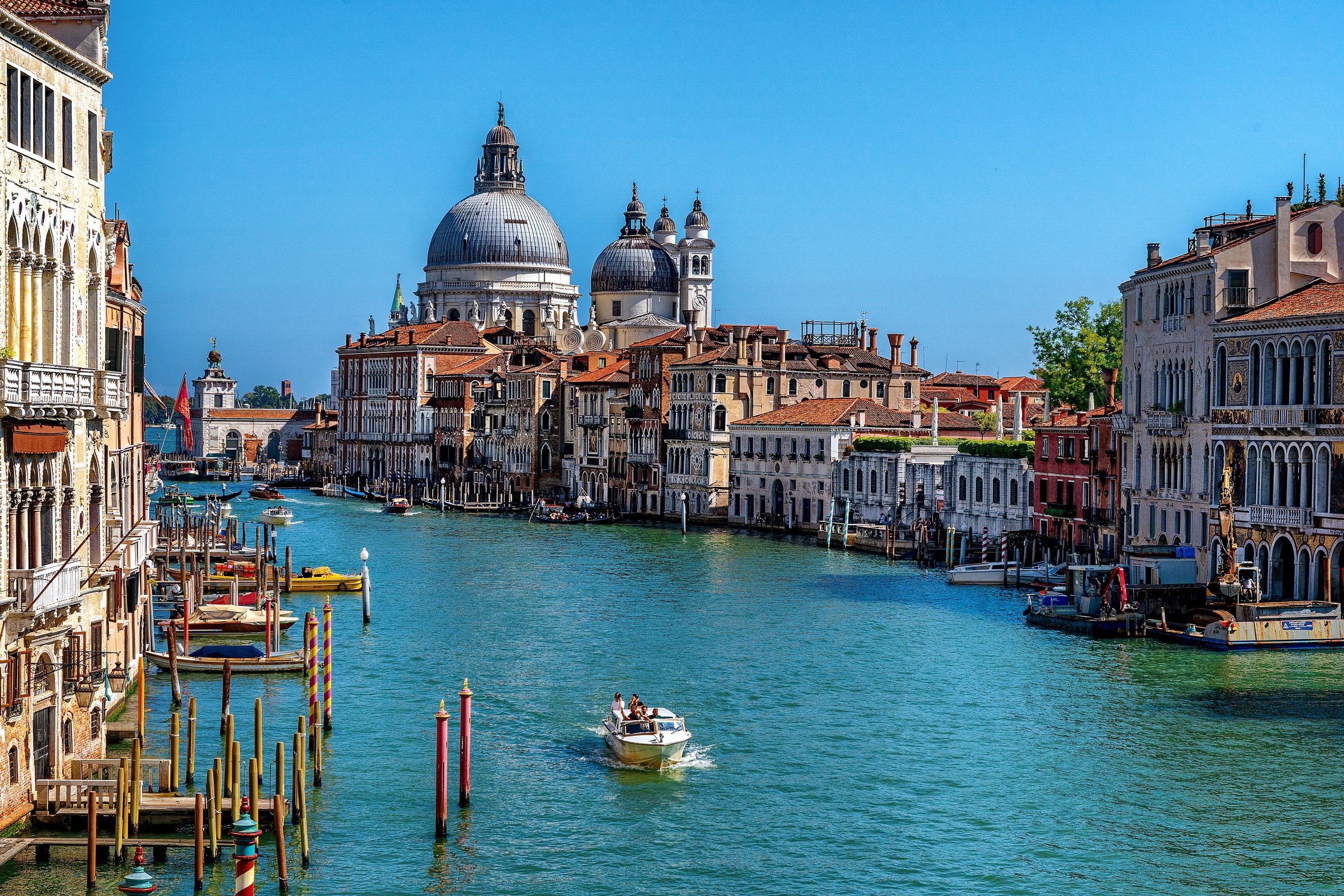
Rome has the Colosseum, the Roman Forum, the Vatican Museums, St. Peter's Basilica and the Trevi…
Read More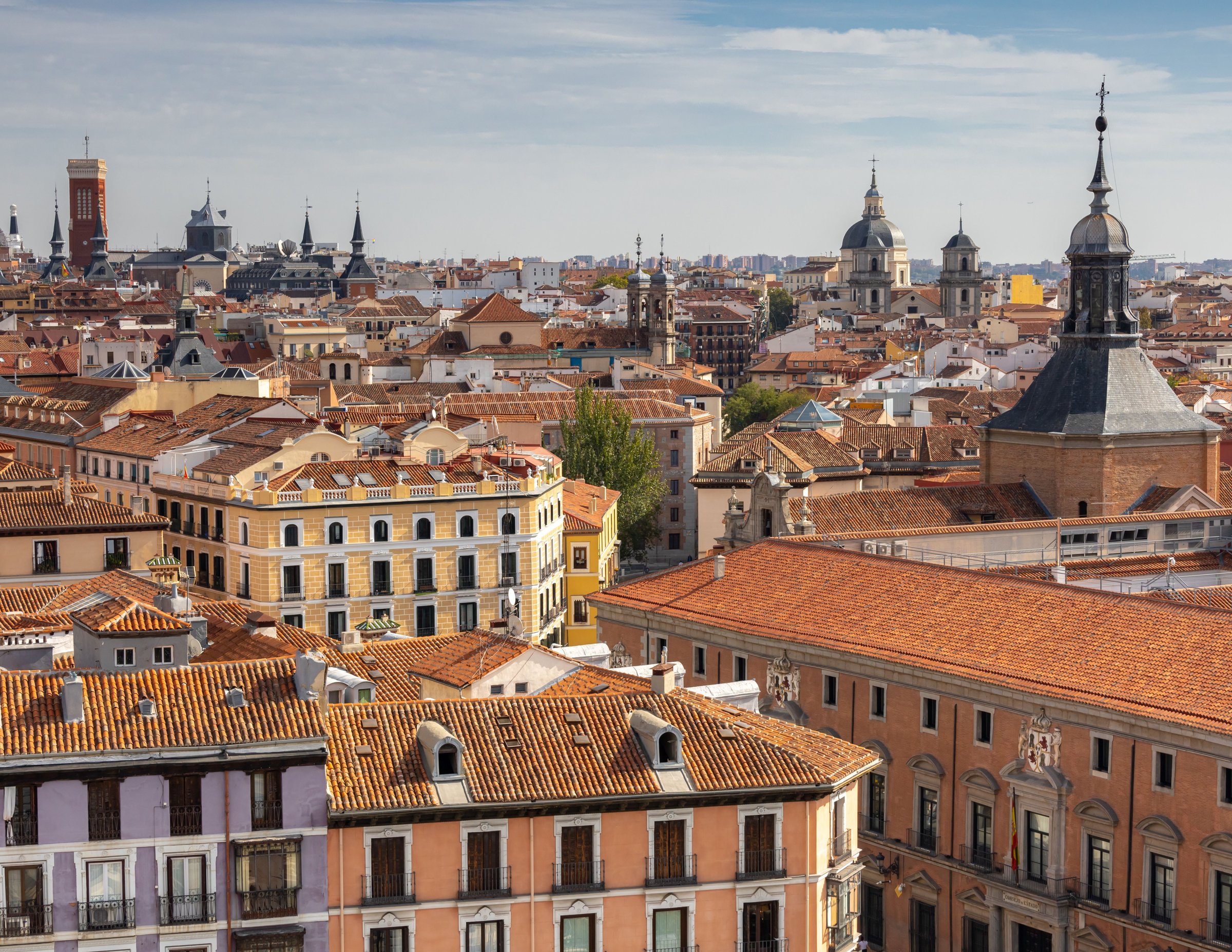
Barcelona has Gaudí's Sagrada Família and Park Güell, the Gothic Quarter and La Boqueria market. Madrid…
Read More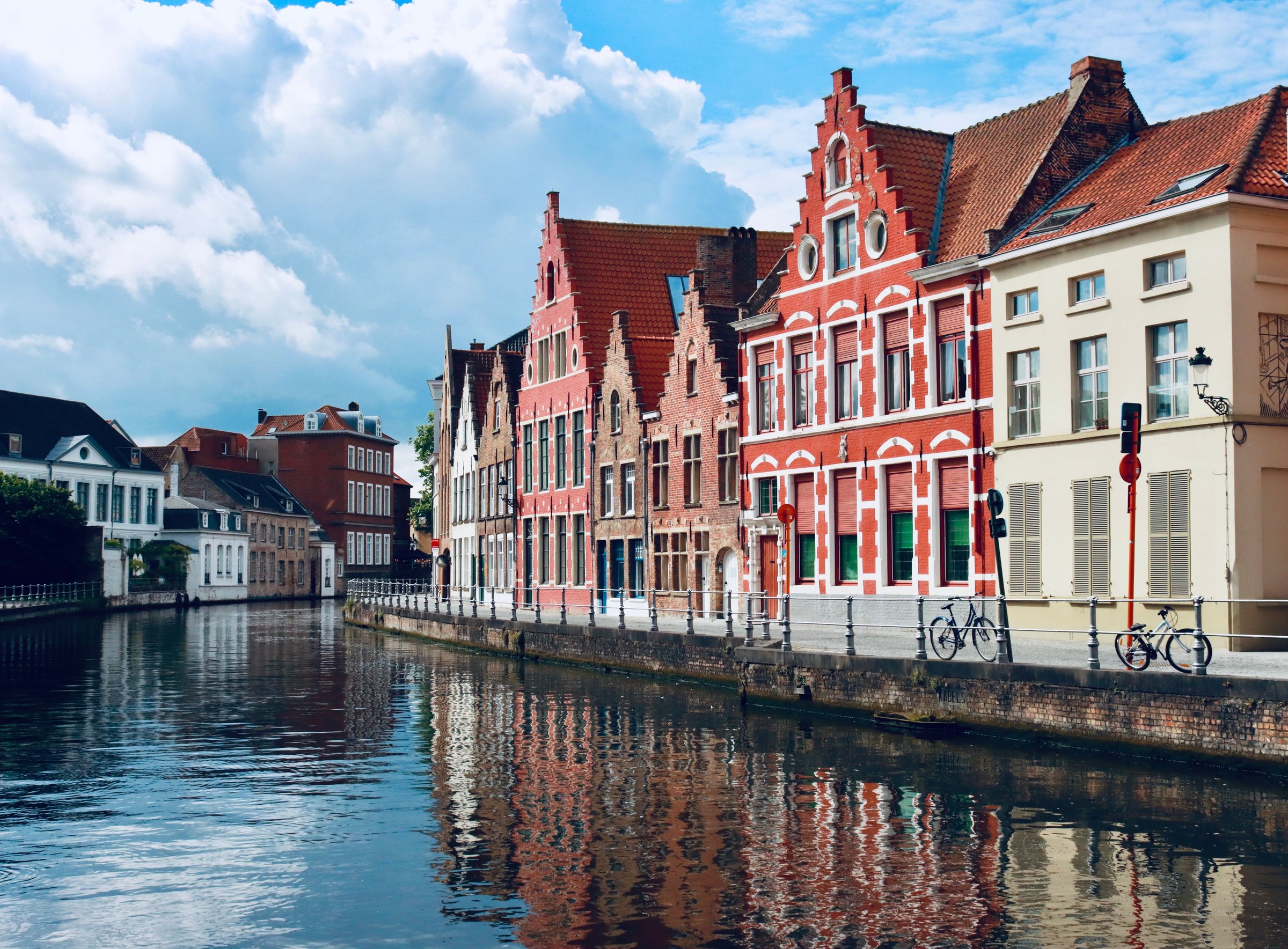
Amsterdam has the canal ring, the Rijksmuseum, the Van Gogh Museum and the Anne Frank House,…
Read More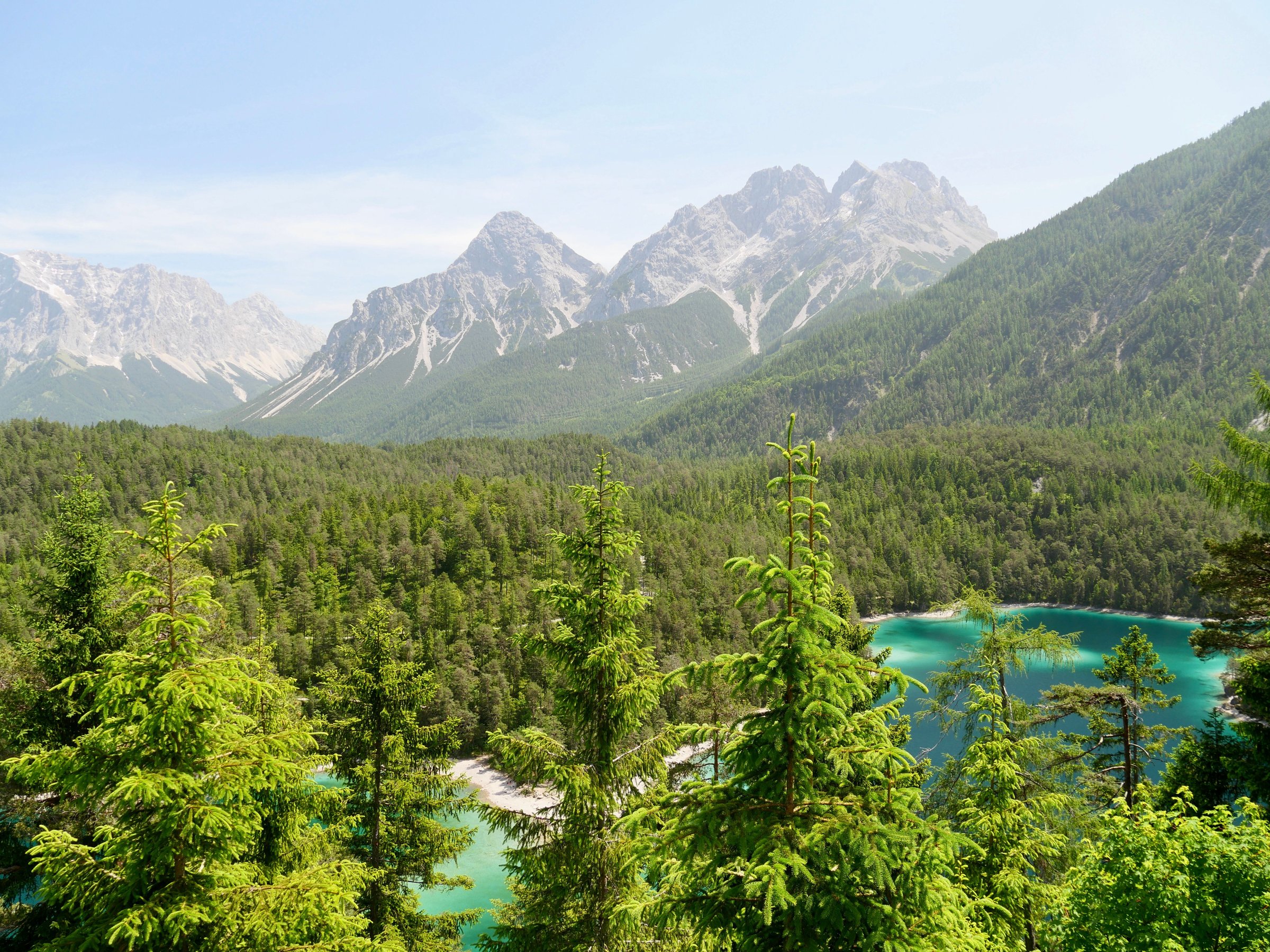
Munich has Marienplatz and traditional beer halls, and Neuschwanstein Castle is a day trip away. Berlin…
Read More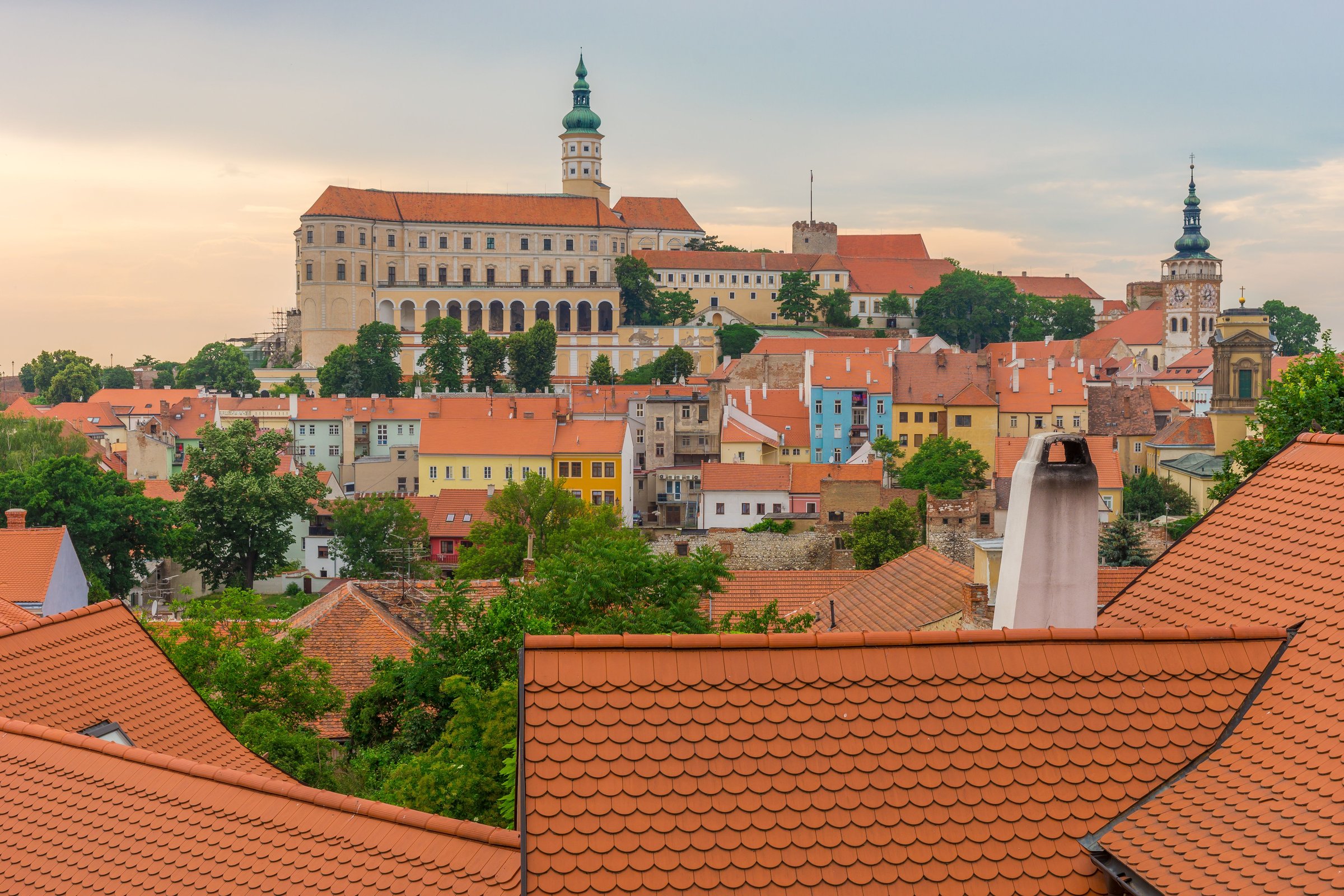
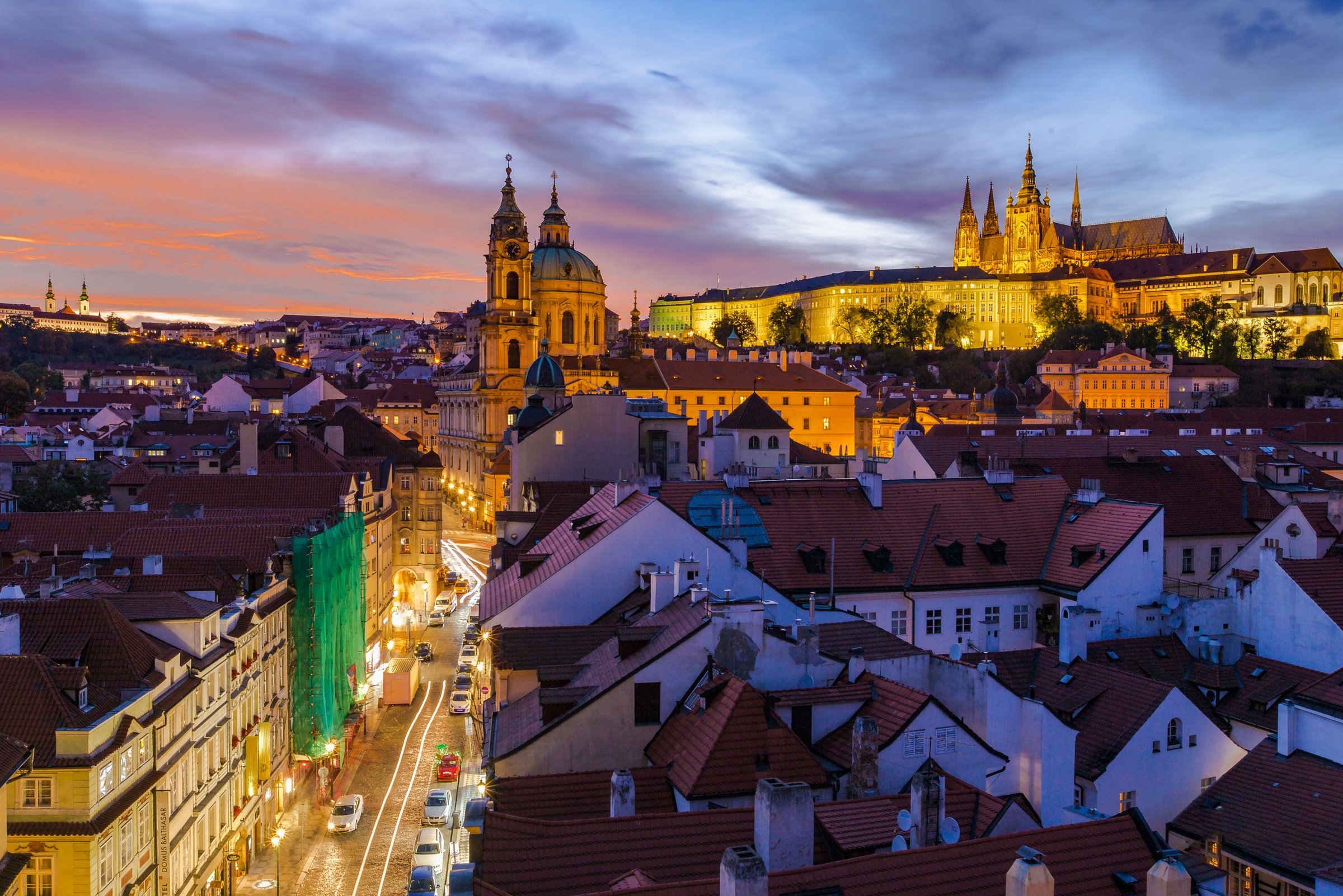
Prague has the Charles Bridge, the Old Town Square with its Astronomical Clock and Prague Castle.…
Read More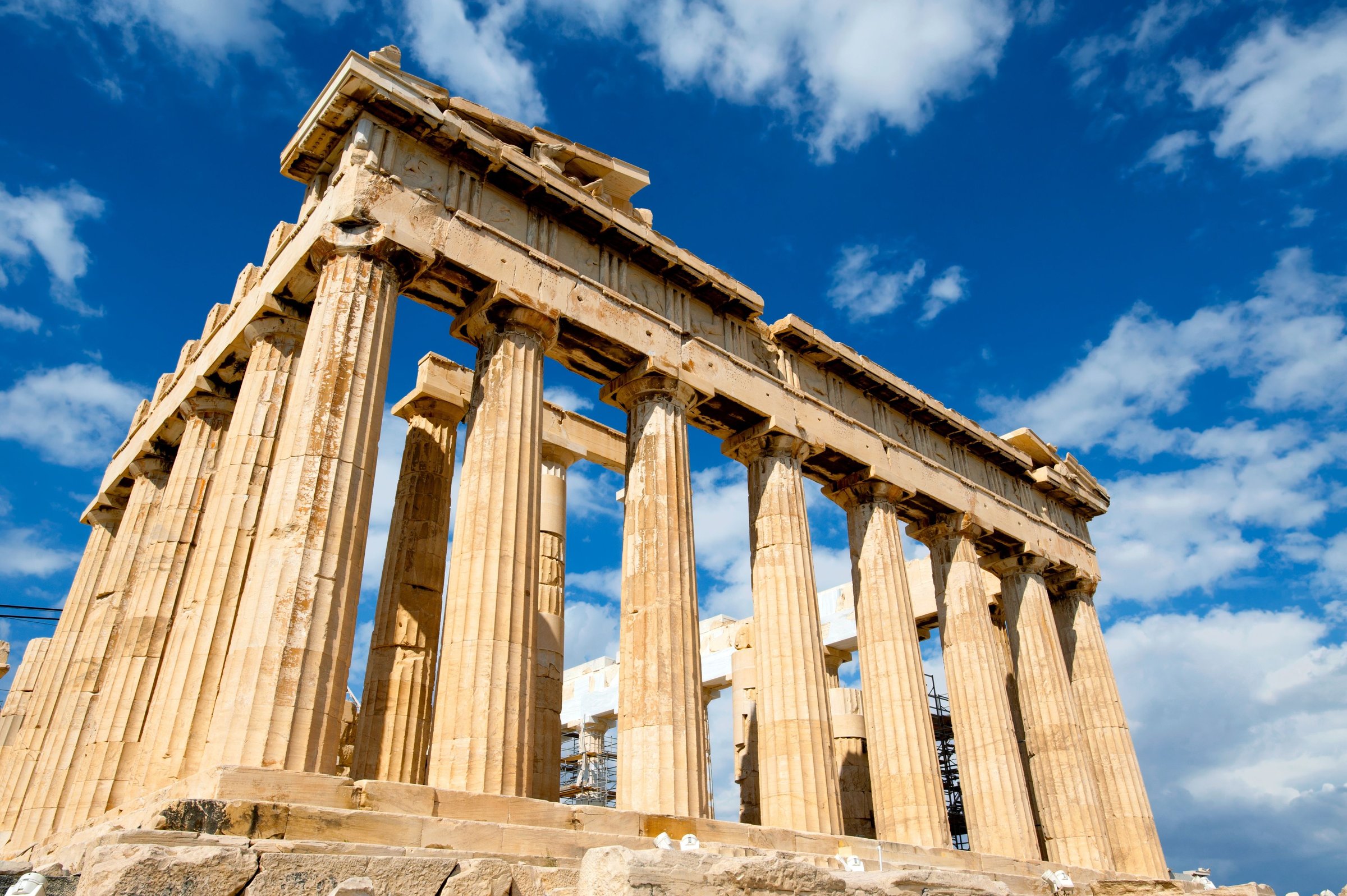
Athens has the Acropolis and the Parthenon, with the Plaka neighbourhood below. Santorini has caldera views…
Read More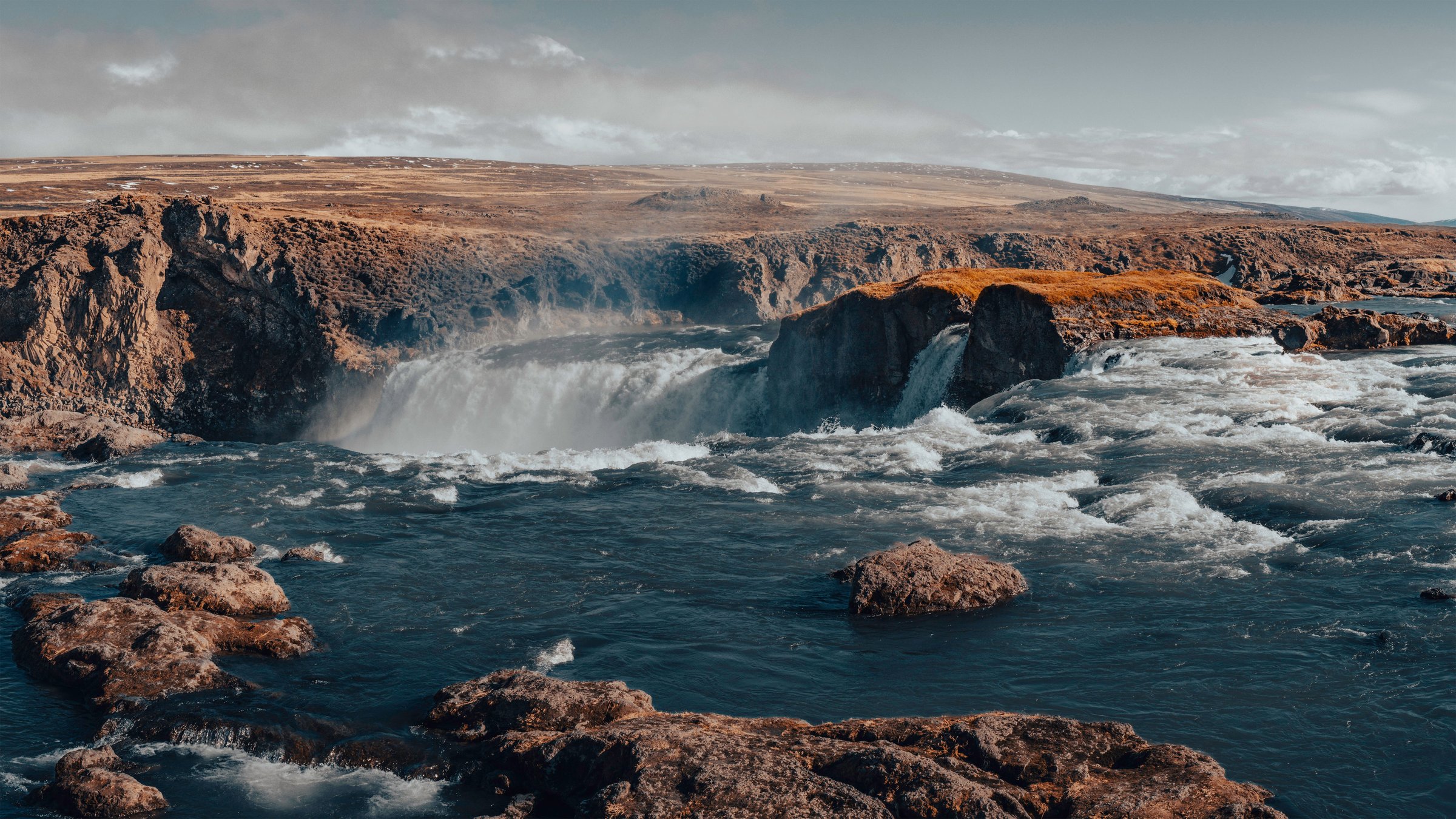
Iceland's Golden Circle covers Þingvellir National Park, the Geysir geothermal area and Gullfoss waterfall, and the…
Read More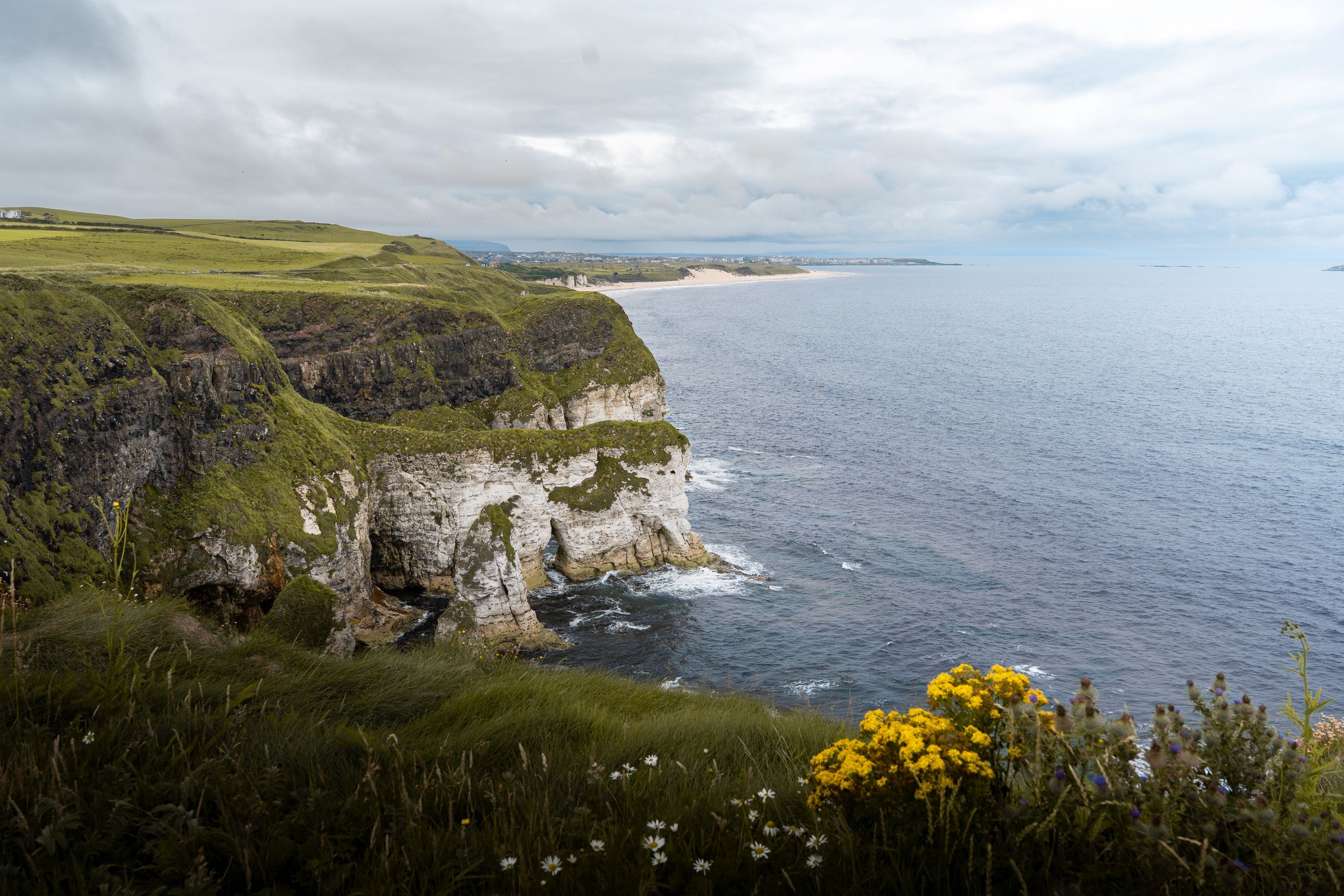
London has the Tower of London, the British Museum and Buckingham Palace. Edinburgh has its castle…
Read More
Food is usually what people talk about most when they get back. France and Italy set the bar, but neither has a single cuisine: pasta in Bologna and pasta in Naples are different dishes. Spain eats late and in small plates. Switzerland does cheese and chocolate properly, Central Europe does hearty comfort food, and Greece keeps it simple and fresh.
One thing worth clearing up, Europe is easier for vegetarians than people expect. Italy, Greece, Spain, Switzerland and the Netherlands all have plenty of meat-free dishes, and Indian restaurants are easy to find in most major cities. Stricter requirements, such as Jain food or no onion and garlic, take more planning, so we brief restaurants and hotels in advance. We don't pick restaurants by reputation, we pick them based on what you actually want, whether that's a tasting menu, a market lunch or a long Sunday table.
Quick tip: Many restaurants in Italy and Spain close between lunch and dinner service, and dinner starts late. Book the evenings that matter and leave the rest open.
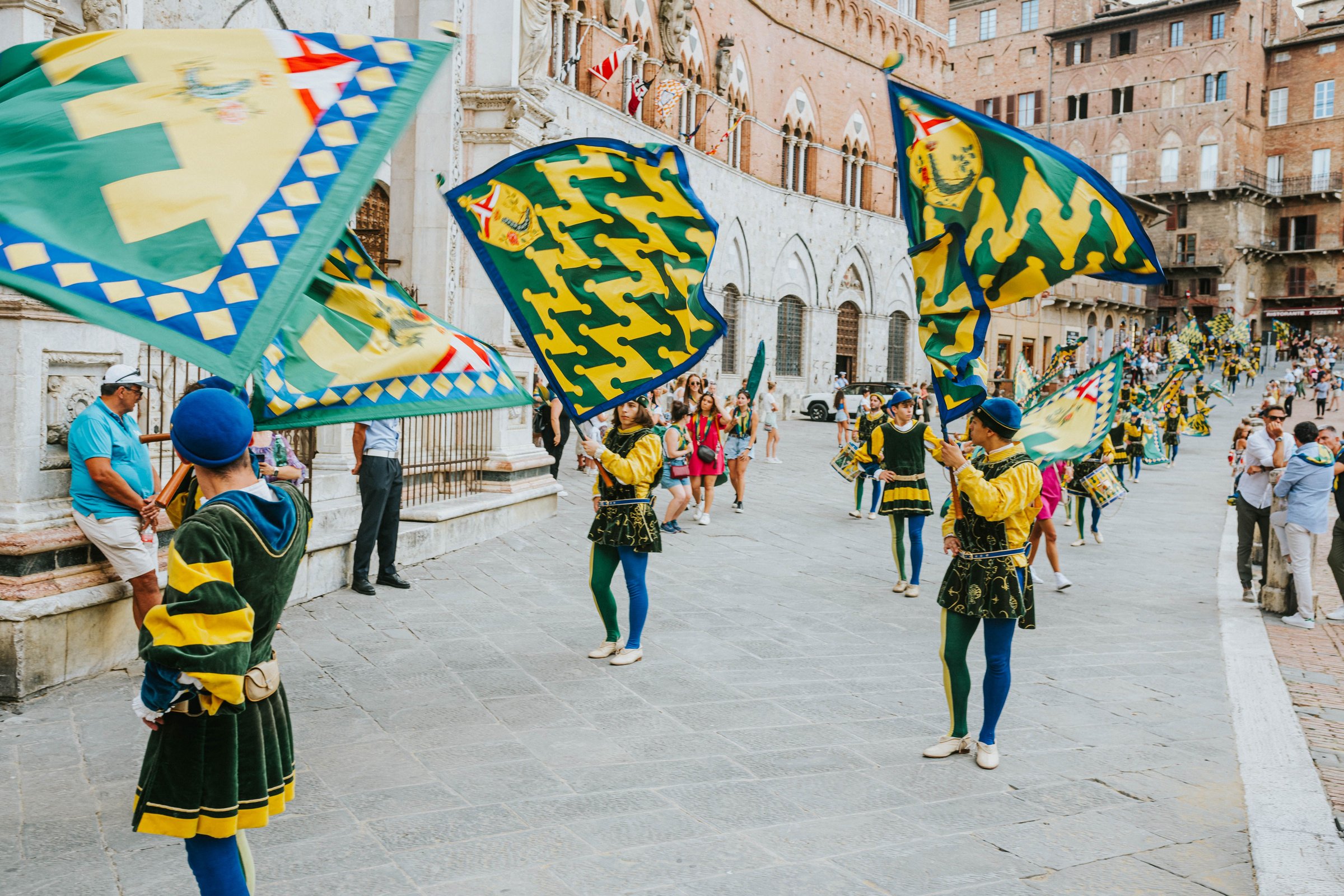
Culture in Europe isn't only in the museums. The Louvre and the Colosseum are worth seeing, but a morning market in Provence, a church bell that sets the rhythm of a village, or an hour on a café terrace with nowhere to be usually tells you more. Each country has its own manners: greet the shopkeeper in France, expect a slow meal in Italy, be punctual in Switzerland and Germany.
Travenza tip: Book the big ticketed sights ahead of time. The Vatican Museums, the Louvre, the Sagrada Família, the Alhambra, the Last Supper in Milan and the Anne Frank House all run timed entries and can sell out. In Italian churches, including St. Peter's, cover your shoulders and knees.
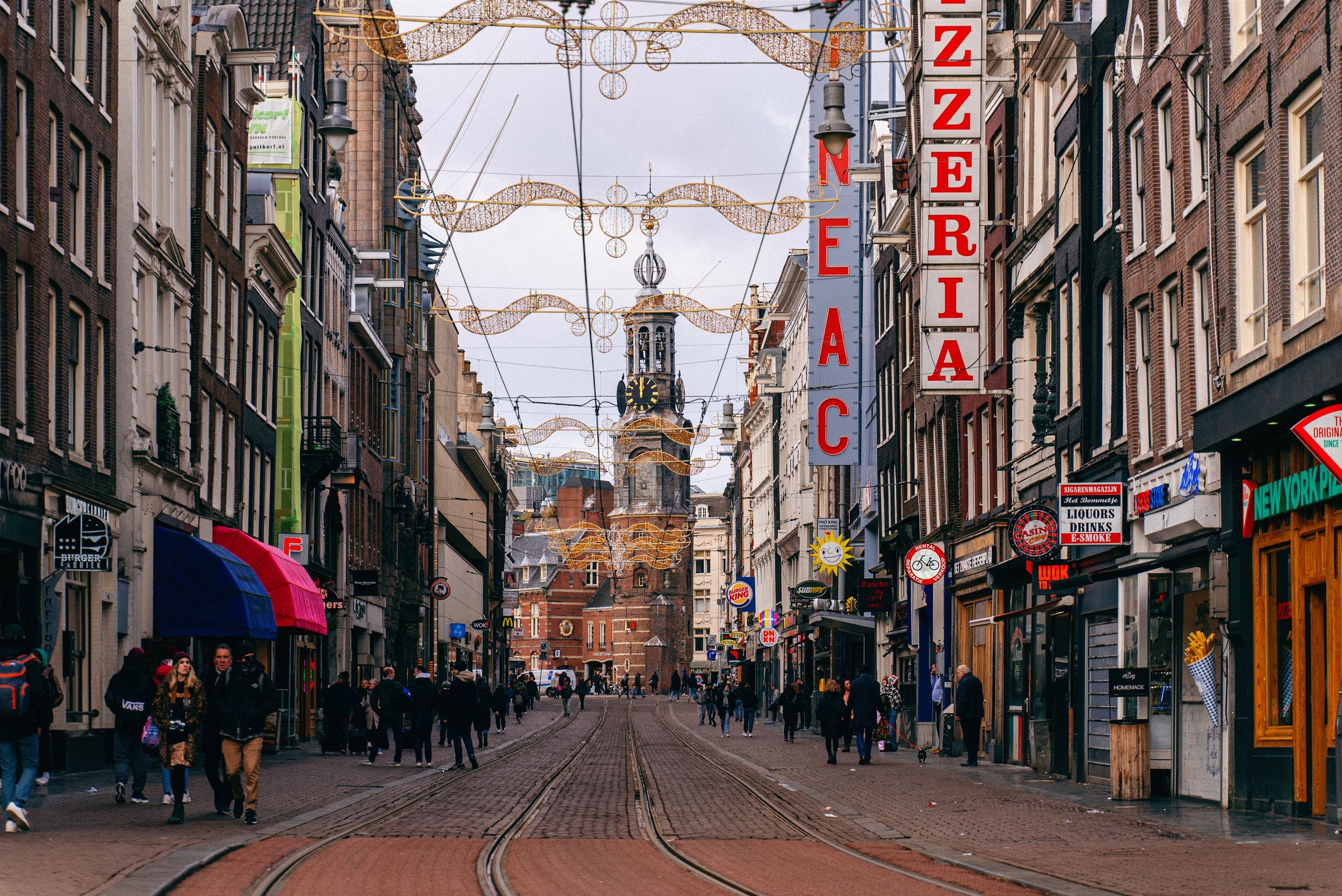
Shopping here is worth doing with intent. Paris and Milan for fashion and luxury, Switzerland for watches and chocolate, Florence for leather, Venice and Murano for glass, the Netherlands for Delft blue ceramics, and Central Europe for crystal and Christmas markets. Designer outlet villages outside the larger cities are worth a half-day if brands are the priority.
Visitors from outside the EU can usually claim back VAT on eligible purchases above a minimum spend, which varies by country. Ask for the tax-free form at the till and get it stamped when you leave. Switzerland runs its own separate refund system.
Travenza tip: Refunds are generally validated at your final exit point from the EU, so keep receipts and the items in your hand luggage, and allow extra time at that airport.
Frequently Asked Questions
Yes. It's safe, well connected and easy to navigate, with English widely understood in tourist areas. A well-paced route makes it easier still.
For a first trip, 9–11 days works well for three bases, such as Paris, Switzerland and Italy. 7–8 days suits two countries, and 12–15 days lets you add Amsterdam, Prague, Vienna or Spain.
Depends what you want. Spring for tulips and mild weather, summer for the Alps and the coast, September–October for food, wine and fewer crowds, and winter for Christmas markets, snow and the Northern Lights.
Yes. Indian passport holders need a Schengen visa for most of continental Europe, valid for stays of up to 90 days in any 180-day period. The UK and Ireland need separate visas. We guide you through documentation and appointments.
Yes. Scenic train rides, walkable cities and family attractions such as Disneyland Paris and Europa-Park in Germany work for children of most ages. We keep the days shorter and the bases longer.
Yes. Paris, the Amalfi Coast, Lake Como, Santorini and the Swiss Alps are all made for it, and each can be paired with a quieter stay to slow the pace.
Yes, especially in Italy, Greece, Spain, Switzerland and the Netherlands, and Indian restaurants are easy to find in most major cities. We brief restaurants in advance for stricter requirements.
Yes, and a single Schengen visa covers most of them. We keep to a few bases and avoid one-night stops, so travel days do not eat the holiday.
Depends on season, duration, countries, hotel category and style. As a rough guide, a well-planned 9 - 11 day trip in good 4- and 5-star hotels starts around ₹3 - ₹3.5 lakh per person, excluding flights. Luxury stays and private experiences push this higher.
In hotels, airports and tourist areas, yes. Less so in smaller towns, particularly in southern and eastern Europe. A few words of the local language are always appreciated.
Yes, every trip is built around what you want, whether that's adding Disneyland Paris, extending Italy, including the Northern Lights, or planning around a celebration.
Ready to go?
Share your dates, group size and interests, we will craft a bespoke itinerary within 48 hours. No obligations.