Europe · Mediterranean

Spain Travel Guide

Golden beaches, Gaudí wonders and flamenco-filled nights.
Spain runs late. Dinner starts at nine, flamenco later still, and nobody treats that as unusual. Every region cooks differently, speaks differently, and has its own opinion about the rest of the country.

Madrid, Barcelona and Andalusia can each fill a trip on their own. Trying to cover all of Spain in one visit usually means seeing less of everything.

Why Spain, and Why With Us

Why Spain, and Why with us

Spain rewards travellers who slow down to its pace. Late meals, longer lunches, an afternoon that doesn't start until the heat breaks. Rushing it works against you here more than in most countries.

We plan Spain trips around that rhythm, not against it. We pick which regions deserve real time and which don't, and we say so plainly before you book anything you'd regret.

We've been building itineraries since 2013. Not templates, routes built around how you like to travel. We pick the region before the itinerary, and we'll tell you when trying to cover too much isn't worth the transit time. If we wouldn't book it for our own family, we won't book it for you. This is our Spain travel guide. You can find our opinions on what places to include, what time to visit, how long your visit should be and more.
With Travenza, You Can Expect

Itineraries for Spain

View All Itineraries →

Best Time to Visit Spain

Spain runs warm most of the year. The variable is heat, not rain.

Spring (April–May)

Best for: Mild weather, festivals

Ideal destinations: Madrid, Barcelona, Seville

If you asked us: Our top pick, Seville especially. This is the time before summer heat makes walking hard.

Summer (June–August)

Best for: Beaches, nightlife

Ideal destinations: Barcelona, Ibiza, San Sebastián

If you asked us: The south turns properly hot. Seville and Granada in August are best avoided.

Autumn (September–October)

Best for: Comfortable weather, wine harvest

Ideal destinations: Madrid, Barcelona, Andalusia

If you asked us: Our second favourite window, with crowds thinning after August.

Winter (November–March)

Best for: Lower rates, mild south

Ideal destinations: Seville, Granada, Madrid

If you asked us: The south stays mild for sightseeing; the north turns cold and wet.

The Best Places to Visit in Spain

Madrid

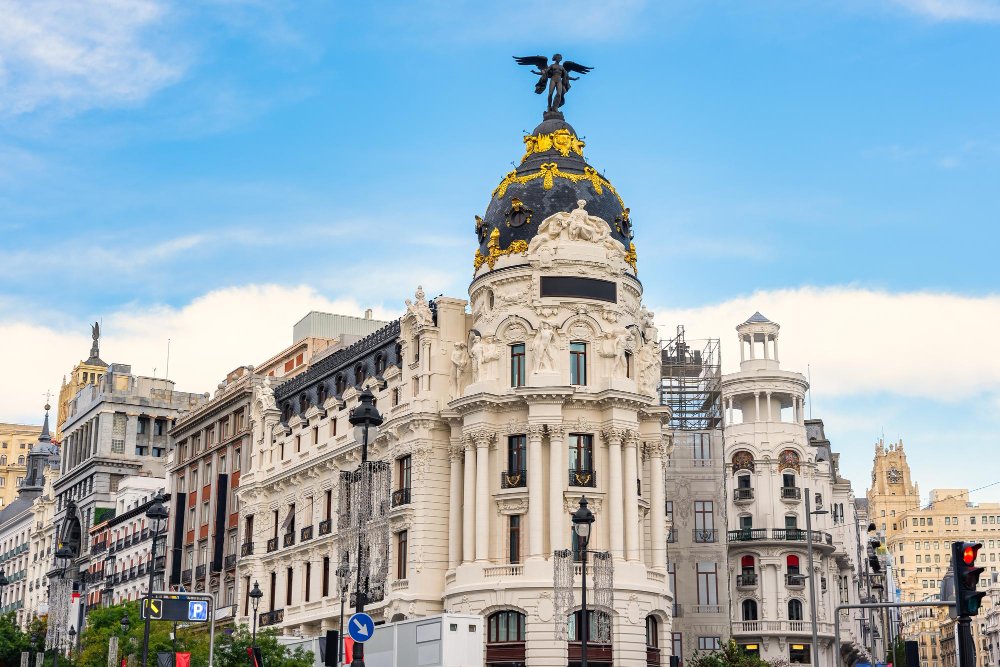
Prado Museum is one of Europe's finest art museums with masterpieces by Goya, Velázquez, and Bosch.…

Read More
Prado Museum is one of Europe's finest art museums with masterpieces by Goya, Velázquez, and Bosch. Retiro Park is a large urban park with gardens, lake, and crystal palace. Plaza Mayor is a historic square surrounded by arcaded buildings and filled with restaurants and shops. Royal Palace is the official residence of the Spanish monarch with ornate rooms and gardens. La Latina tapas crawl is eating small plates and drinks through the medieval neighborhood's narrow streets. Reina Sofía (Guernica) is a modern art museum featuring Picasso's powerful anti-war painting.

Plan My Trip Now

Barcelona

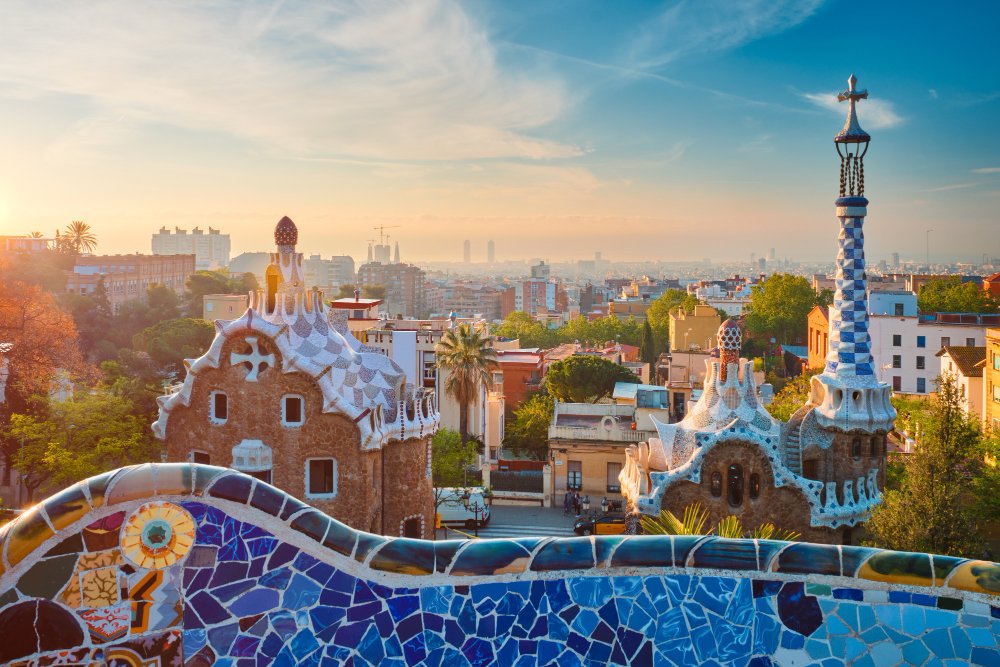
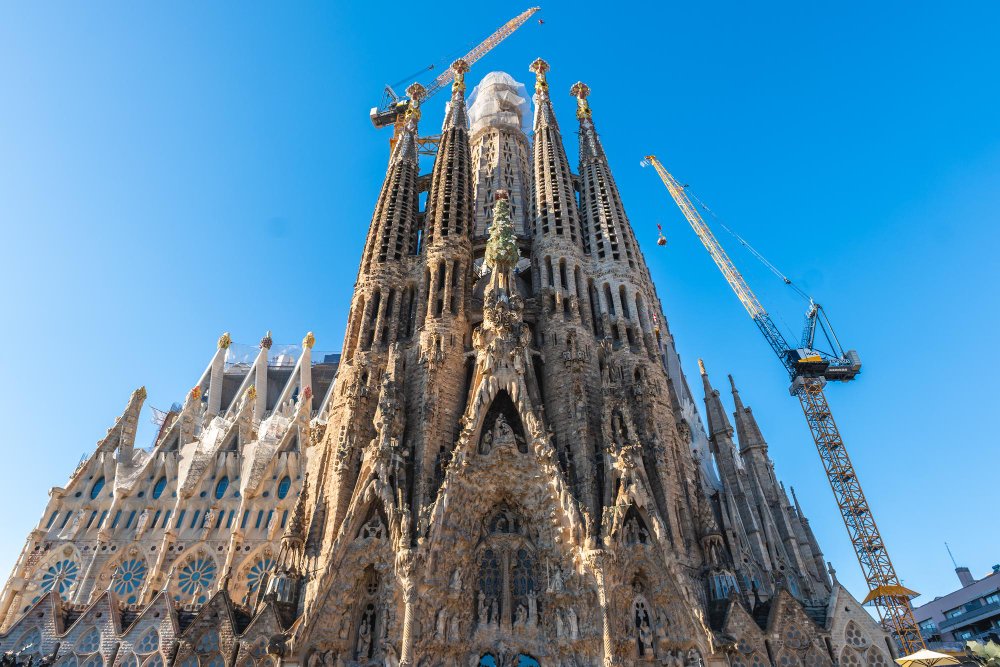
Sagrada Família is Gaudí's iconic basilica under construction with intricate facades and soaring interior columns. Park…

Read More
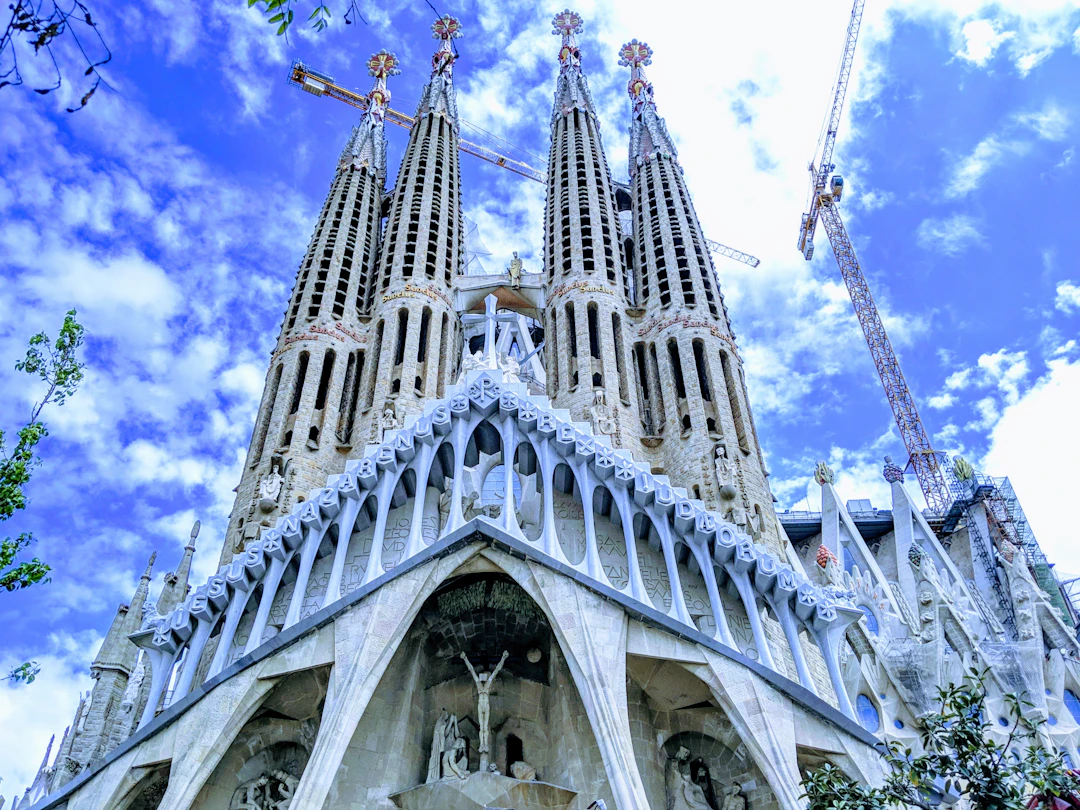
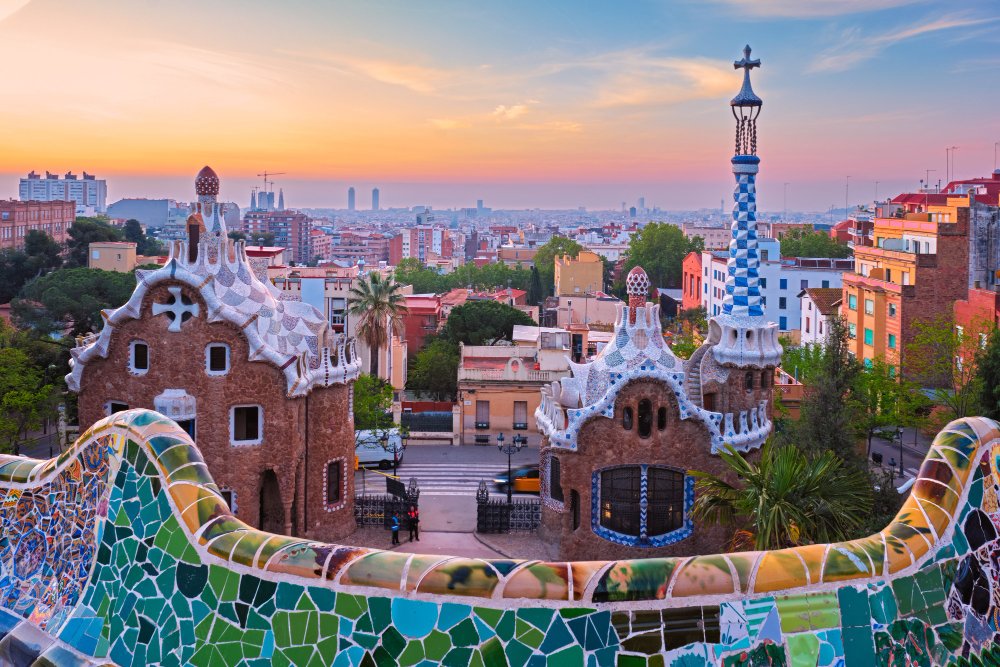
Sagrada Família is Gaudí's iconic basilica under construction with intricate facades and soaring interior columns. Park Güell is a whimsical park designed by Gaudí with colorful mosaics and panoramic city views. Gothic Quarter is a medieval neighborhood with narrow streets, cathedral, and historic buildings. La Boqueria Market is a covered market with fresh produce, seafood, and local goods. Casa Batlló is Gaudí's residential building with wavy facades and organic design elements. Barceloneta Beach is a sandy beach with calm water and beachfront restaurants and bars.

Plan My Trip Now

Seville

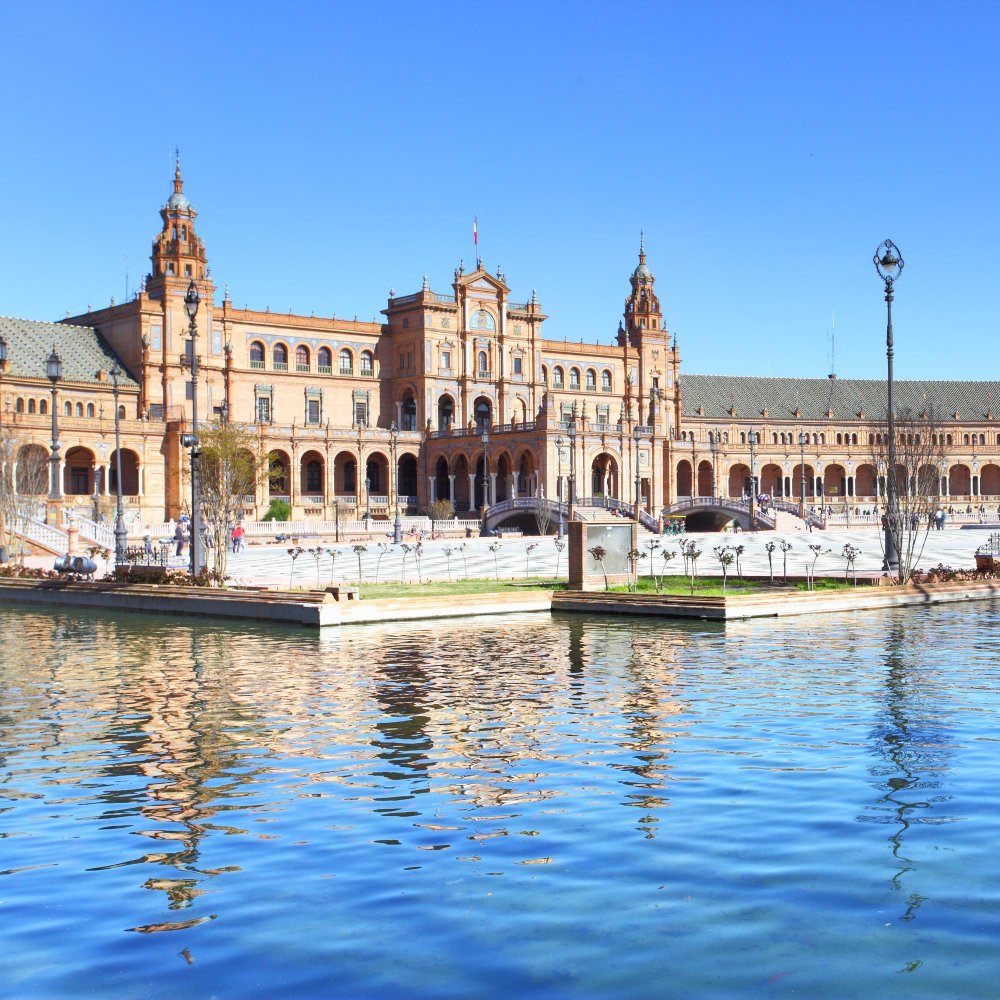
Real Alcázar is a royal palace with Mudéjar architecture, intricate tilework, and lush gardens. Seville Cathedral…

Read More
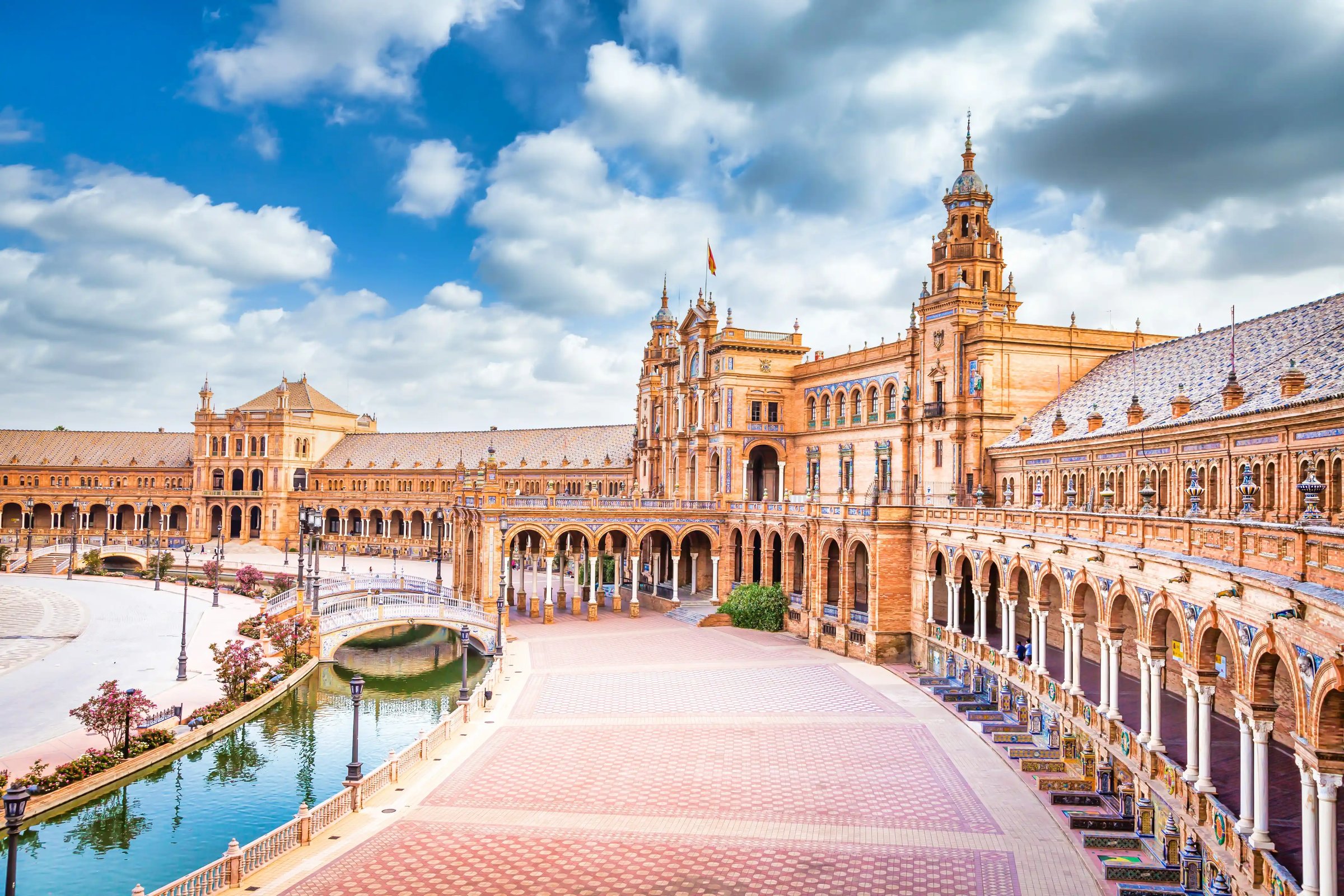
Real Alcázar is a royal palace with Mudéjar architecture, intricate tilework, and lush gardens. Seville Cathedral & Giralda tower is a Gothic cathedral with an iconic bell tower offering city views. Plaza de España is a large semicircular plaza with ornate buildings, bridges, and reflecting pools. Santa Cruz quarter is a historic neighborhood with narrow streets, whitewashed buildings, and local restaurants. A flamenco tablao is an intimate venue where traditional flamenco dancers perform live with passionate guitar and singing.

Plan My Trip Now

Granada

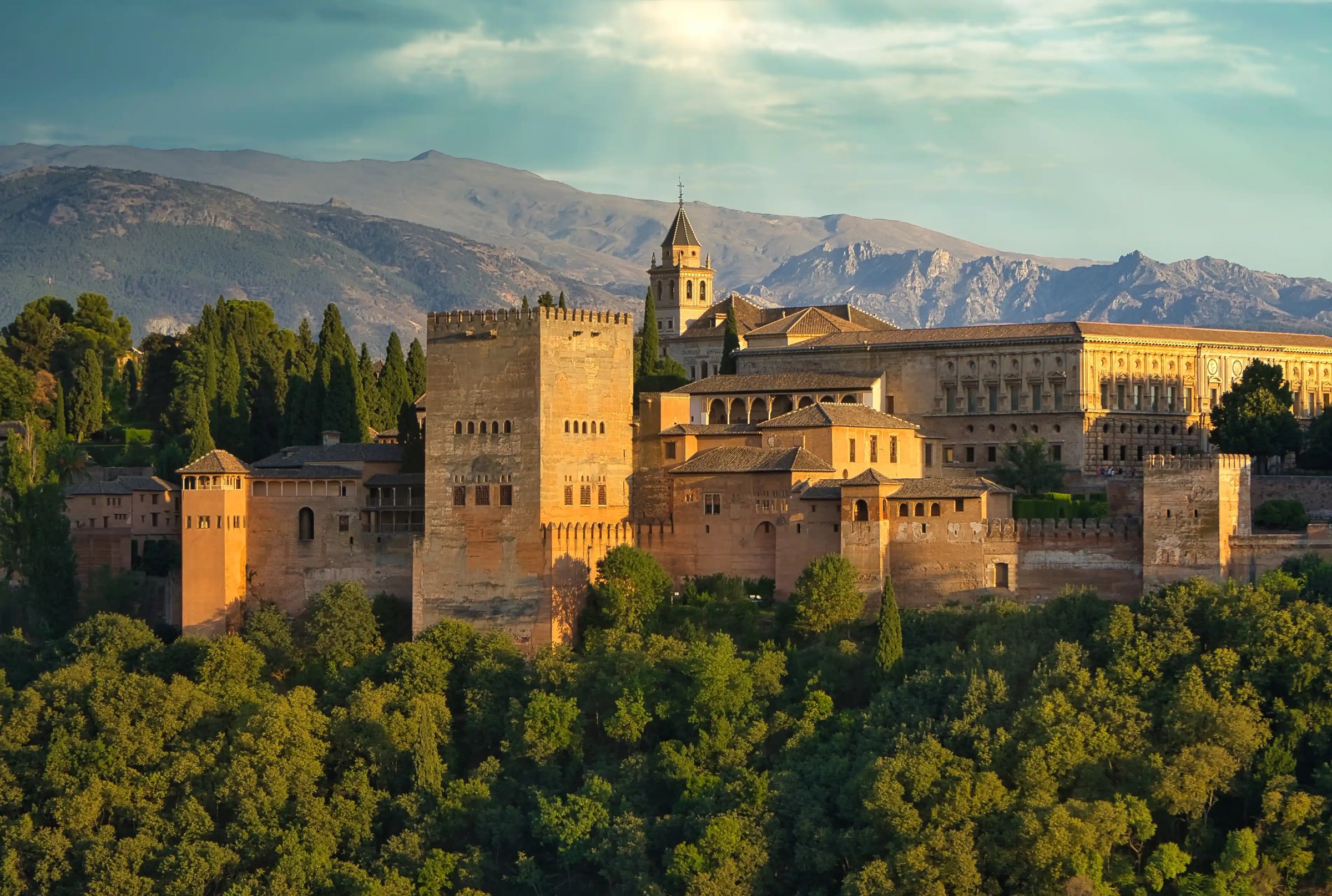
The Alhambra & Generalife Gardens is a stunning Islamic palace complex with intricate tilework, courtyards, and…

Read More
The Alhambra & Generalife Gardens is a stunning Islamic palace complex with intricate tilework, courtyards, and reflecting pools. Albaicín quarter is a historic Moorish neighborhood with narrow streets, whitewashed buildings, and traditional architecture. Mirador de San Nicolás viewpoint is a scenic overlook with views of the Alhambra and Sierra Nevada mountains. Sacromonte caves are cave dwellings and a monastery built into the hillside with gypsy heritage and history.

Plan My Trip Now

Valencia

City of Arts and Sciences is a futuristic complex with white buildings and pools showcasing modern…

Read More
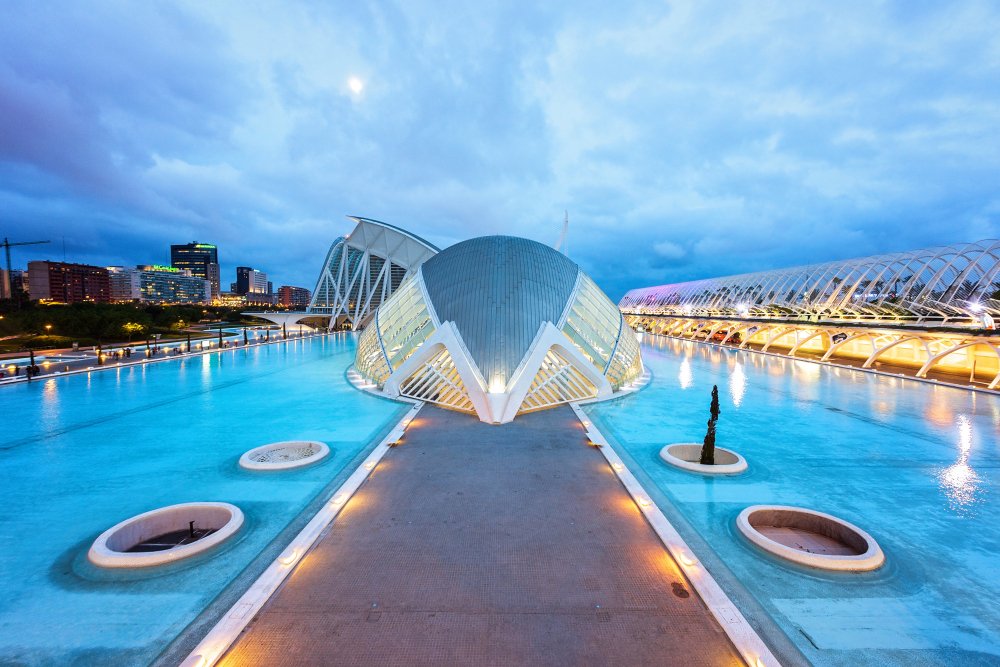
City of Arts and Sciences is a futuristic complex with white buildings and pools showcasing modern architecture. Valencia Cathedral is a historic cathedral with multiple architectural styles spanning centuries. Central Market is a covered market with fresh produce, seafood, and local goods. Turia Gardens is a park following the path of a former riverbed with walking and cycling paths. A proper paella lunch is eating the traditional Valencia rice dish with saffron and seafood at a local restaurant.

Plan My Trip Now

San Sebastián

La Concha Beach is a crescent-shaped beach with white sand and calm water surrounded by green…

Read More
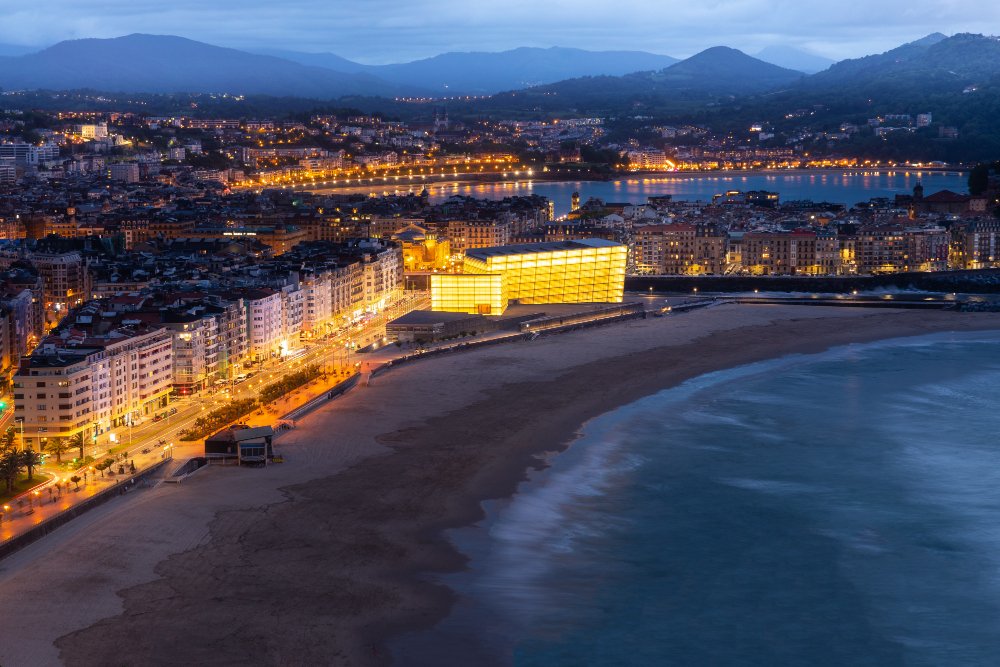
La Concha Beach is a crescent-shaped beach with white sand and calm water surrounded by green hills. Old Town pintxos crawl is eating small appetizers and drinks through the medieval streets and bars. Monte Igueldo funicular is a cable car ascending to a hilltop with panoramic views and an amusement park. San Telmo Museum is a local history museum housed in a Renaissance palace with Basque cultural artifacts.

Plan My Trip Now

Málaga & Marbella (Costa del Sol)

Picasso Museum, Málaga houses the artist's works in a Renaissance palace showing his evolution and styles.…

Read More
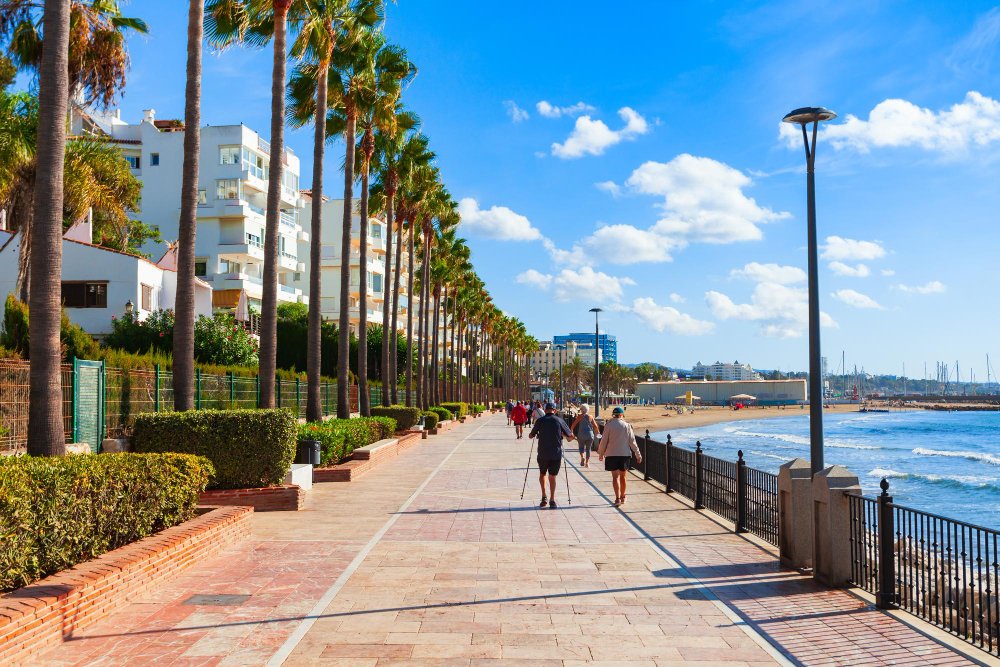
Picasso Museum, Málaga houses the artist's works in a Renaissance palace showing his evolution and styles. Alcazaba fortress is a Moorish castle overlooking the city with gardens and archaeological museum. Málaga's historic centre has narrow streets, shops, restaurants, and traditional plazas. Marbella Old Town is a picturesque whitewashed village with boutique shops and tapas bars. Puerto Banús marina is a luxury yacht harbor with expensive restaurants and upscale shopping. A Costa del Sol beach club offers swimming, sunbathing, and drinks with Mediterranean views.

Plan My Trip Now

Ibiza & the Balearics

Dalt Vila old town is a walled medieval historic district with narrow streets, galleries, and views…

Read More
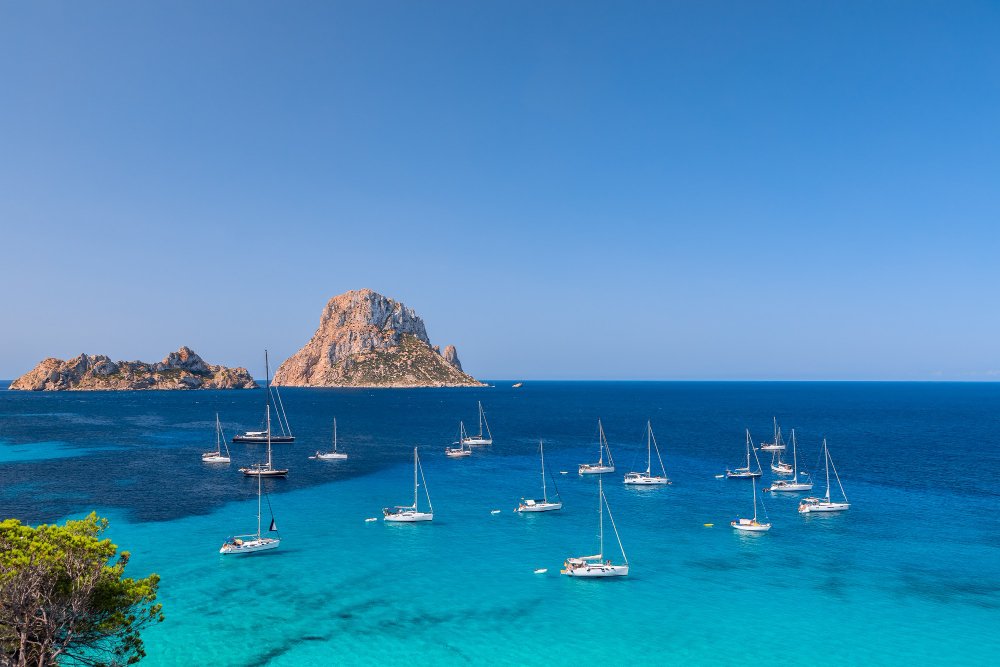
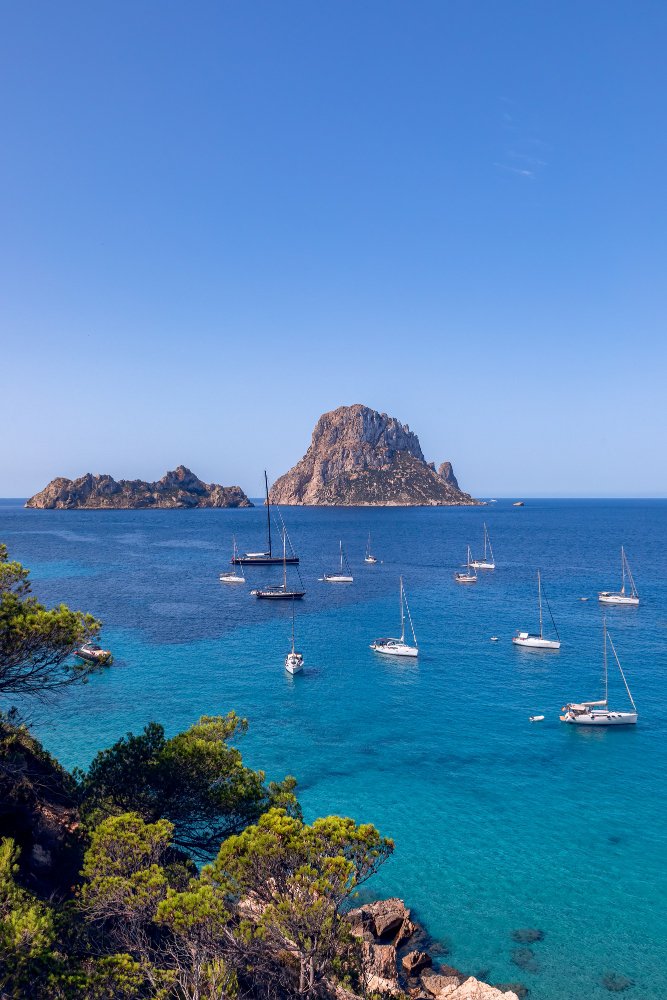
Dalt Vila old town is a walled medieval historic district with narrow streets, galleries, and views of the harbor. Es Vedrà viewpoint is a scenic overlook of a dramatic rock formation rising from the sea at sunset. Cala Comte beach is a pristine sandy beach with turquoise water and few crowds. A sunset beach club offers swimming, lounging, and drinks with Mediterranean views during golden hour.

Plan My Trip Now

Suggested Trip Duration

7–8 days Madrid and Barcelona capture the essential Spanish experience combining urban culture, architecture, and Mediterranean energy for first-time visitors.
9–11 days (our most common recommendation) Add Seville or Granada for Andalusia to experience the region's Islamic heritage, flamenco culture, and historic beauty without rushing.
12–14 days Room for San Sebastián, Valencia or the Costa del Sol to explore Spain's culinary scene, modern innovation, or beach culture alongside the major cities.
15+ days For repeat visitors exploring Spain's diverse regions more deeply, or combining Spain with Portugal or France for a broader Mediterranean and European experience.
A Culinary Journey Through Spain

A Culinary Journey Through Spain

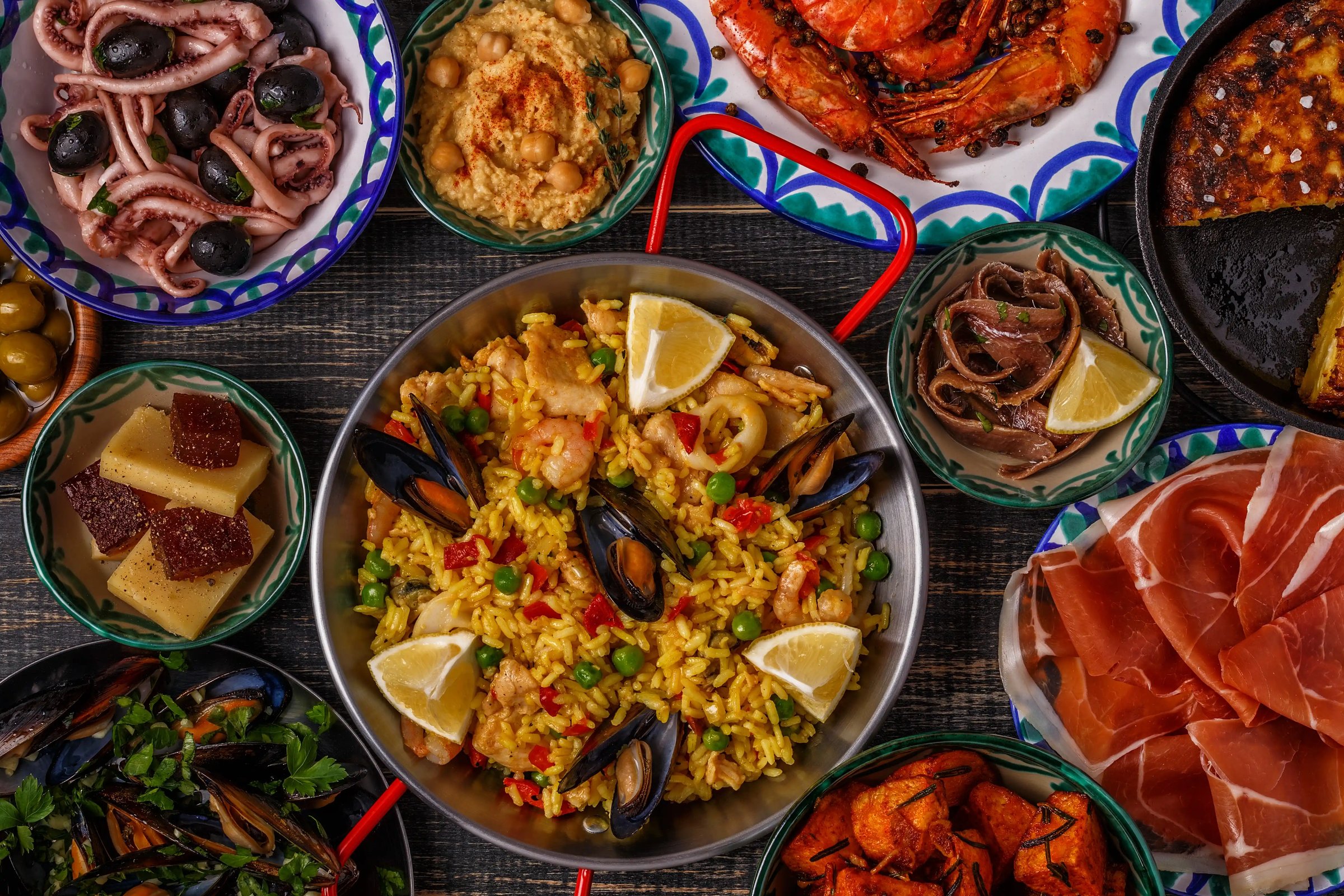
Madrid does tapas in daily life. San Sebastián's pintxos bars turn eating into bar-hopping. Andalusia leans into gazpacho and jamón ibérico. Valencia defends its paella recipe fiercely. We steer guests toward family-run kitchens over restaurants with laminated menus on a main plaza.

Quick tip: Order jamón ibérico de bellota if it's on the menu, it's a different product from standard jamón.
Culture & Traditions

Culture & Traditions

Catalonia and the Basque Country both hold their own languages and identities, and neither appreciates being called simply Spanish. Flamenco is specifically Andalusian. The siesta has faded in big cities but still shapes shop hours in smaller towns.

Travenza tip: Avoid calling Barcelona “typically Spanish” in front of a Catalan host.
Shopping in Spain: From Leather to Ceramics

Shopping in Spain: From Leather to Ceramics

Madrid and Barcelona both hold flagship fashion. Andalusian towns specialise in hand-painted ceramics and leather goods, particularly Seville and Córdoba. Turrón, the traditional almond nougat, travels well as an edible souvenir.

Travenza tip: Buy leather in a smaller Andalusian town rather than a Madrid department store; better price, closer to where it's made.

Getting Around Spain

Spain's high-speed AVE trains connect Madrid, Barcelona, Seville and Valencia in a few hours each. For Andalusia's smaller hill towns, a private driver makes more sense than public transport.

Travenza tip: Book AVE tickets in advance. Popular routes sell out on weekends and holidays.

Visa Guide

Spain is part of the Schengen Area, and most Indian travellers need a Schengen visa arranged in advance. We handle documentation and the application end to end, and recommend applying at least three to four weeks ahead.

Why Spain Stays With You

Spain rarely announces its best moments. A tapas bar with no sign turns out to be the best meal of the trip. A hilltop town nobody planned for becomes the one everyone talks about after. Most first trips cover Madrid and Barcelona with Andalusia built in. Second or third trips involve regions like San Sebastián, the Balearics, or a slower look at the south. We hope our travel guide to Spain has helped you to make better decisions. This is just the tip of the iceberg. Connect with us to curate your dream Spanish holiday.

Your Spain questions, answered

Is Spain a good destination for first-time international travellers?

Yes, safe, well set up for tourism, and easy to navigate by high-speed rail.

How many days should I spend in Spain?

9–11 days for a first trip; 12–14 to add San Sebastián or Valencia.

When is the best time to visit Spain?

April, May, September and October offer the most comfortable weather.

Can I combine Spain with another country?

Yes, Portugal and southern France both connect easily.

Is Spain suitable for family holidays?

Yes, with easy train travel and plenty for kids in Barcelona and Andalusia.

Is Spain a good honeymoon destination?

Yes, Barcelona, Seville and San Sebastián all work well together.

Is vegetarian food available in Spain?

Increasingly well in Madrid and Barcelona; more limited in smaller Andalusian towns.

Do I need a visa for Spain?

Most Indian travellers need a Schengen visa arranged in advance.

How much should I budget for a Spain holiday?

A well-planned 9–11 day trip in good hotels starts around ₹2.4–3.2 lakh per couple, excluding flights.

Can I customise my itinerary?

Yes, every trip is built around what you want.

Ready to go?

Plan your Spain trip

Share your dates, group size and interests, we will craft a bespoke itinerary within 48 hours. No obligations.
Plan My Trip → Chat on WhatsApp