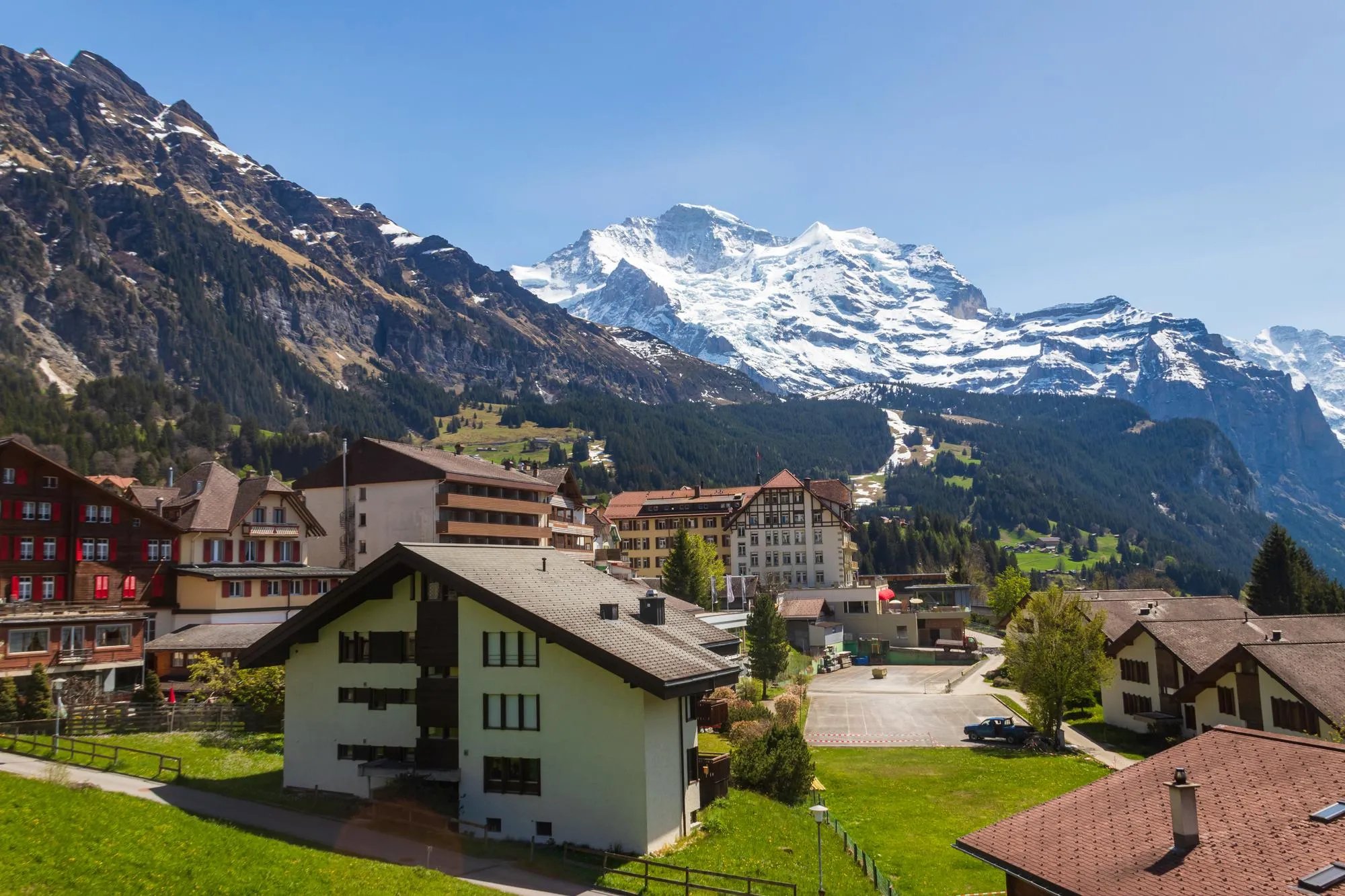
Europe · Switzerland
Switzerland Travel Guide
Snow-capped peaks, mirror lakes and scenic trains through the Swiss Alps.
Snow-capped peaks, mirror lakes and scenic trains through the Swiss Alps.
Switzerland runs on a punctuality that borders on performance art. A train that leaves the platform at the exact minute printed on the board, not a minute before or after. A hotel that's slipped a handwritten note into your room before you've even asked for anything. That same precision shows up on a mountain cable car as easily as it does at check-in, and it's usually what guests bring up first when they're back.
It also punishes an overpacked itinerary more than most destinations. Switzerland is small on a map and expensive by the day, which tempts people into cramming five regions into one week. The country rewards the opposite instinct; fewer bases, longer stays, more time actually looking out the train window instead of rushing to the next platform.
We've been building Switzerland itineraries since 2013. Not templates, routes built around how you like to travel, timed to the Swiss Travel Pass so you're not doing mental arithmetic on every train fare. We pick the base before the itinerary, the pace before the sights, and we'll tell you when a mountain excursion isn't worth the surcharge. This is our travel guide to Switzerland. You can find our opinions on what places to include, what time to visit, how long your visit should be and more.
Curated Journeys
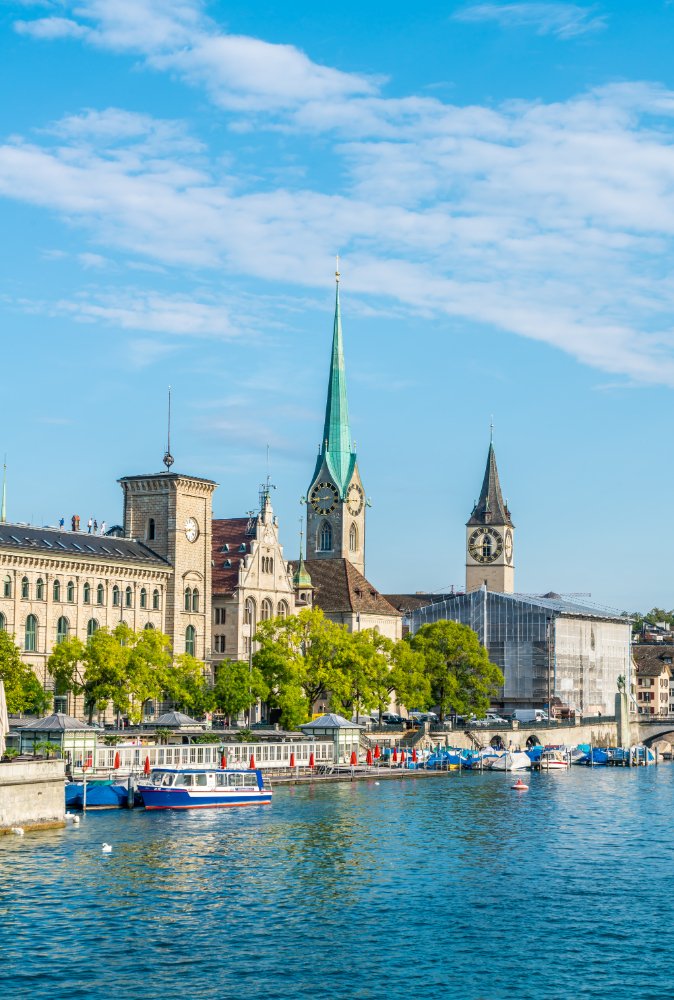
Lindt Home of Chocolate is a museum and shop dedicated to Swiss chocolate with tasting and…
Read More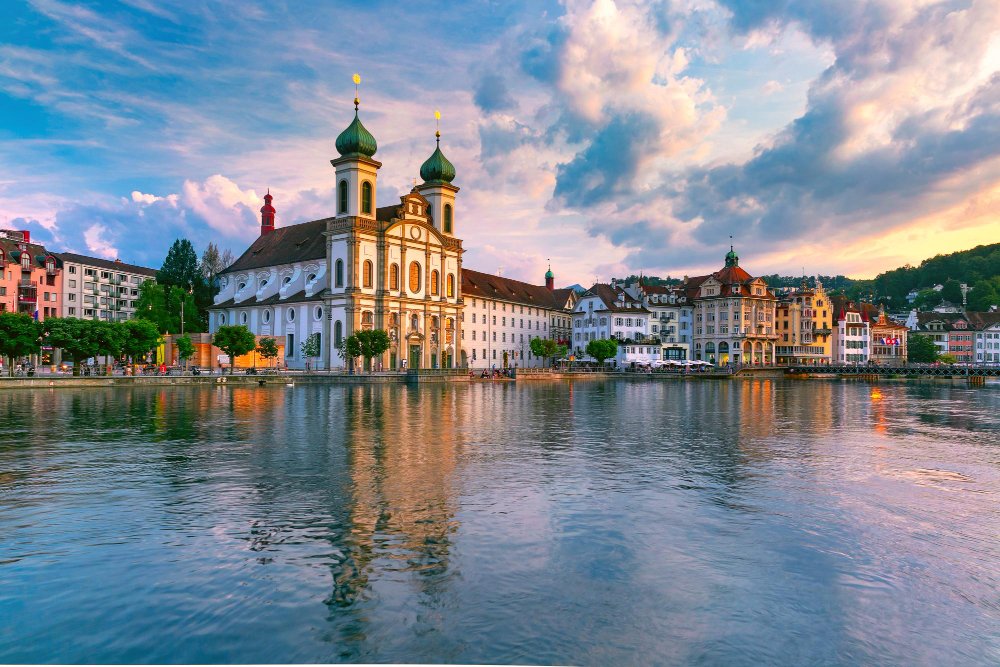
Chapel Bridge (Kapellbrücke) is a historic covered wooden bridge with interior paintings spanning the river. Lake…
Read More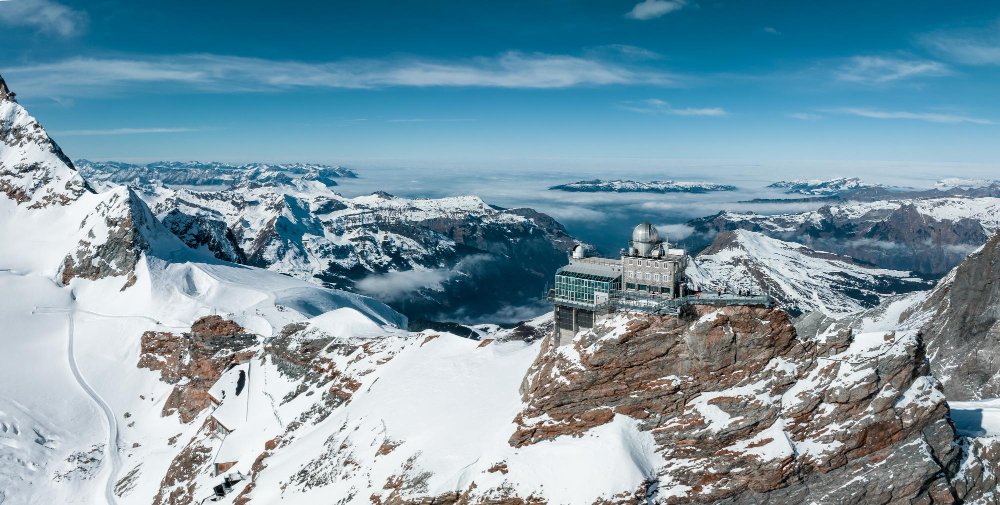
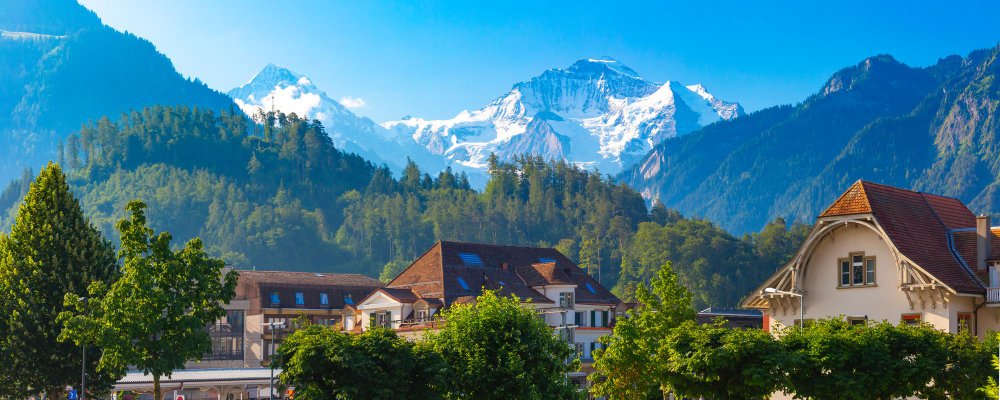
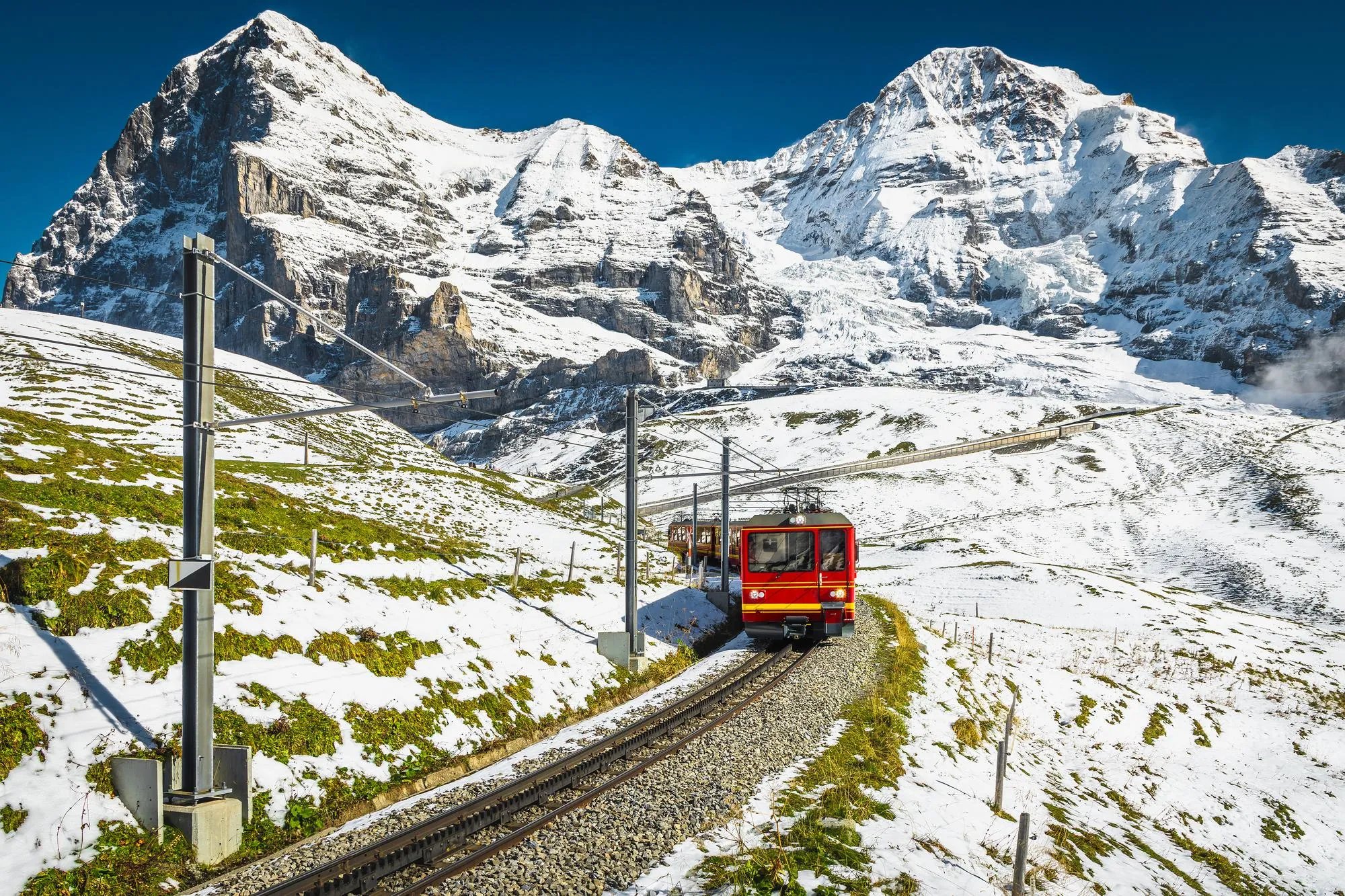
Jungfraujoch (Top of Europe) is a mountain pass at 3,454 meters with glaciers, ice palace, and…
Read More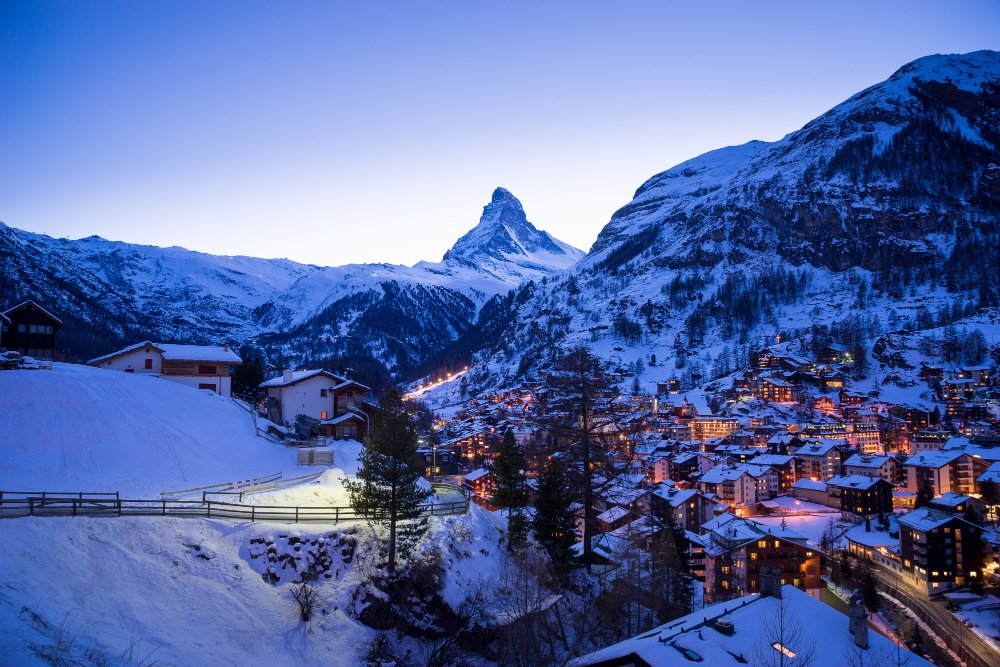
Matterhorn viewpoints offer iconic views of the dramatic pyramid-shaped mountain from various locations around the valley.…
Read More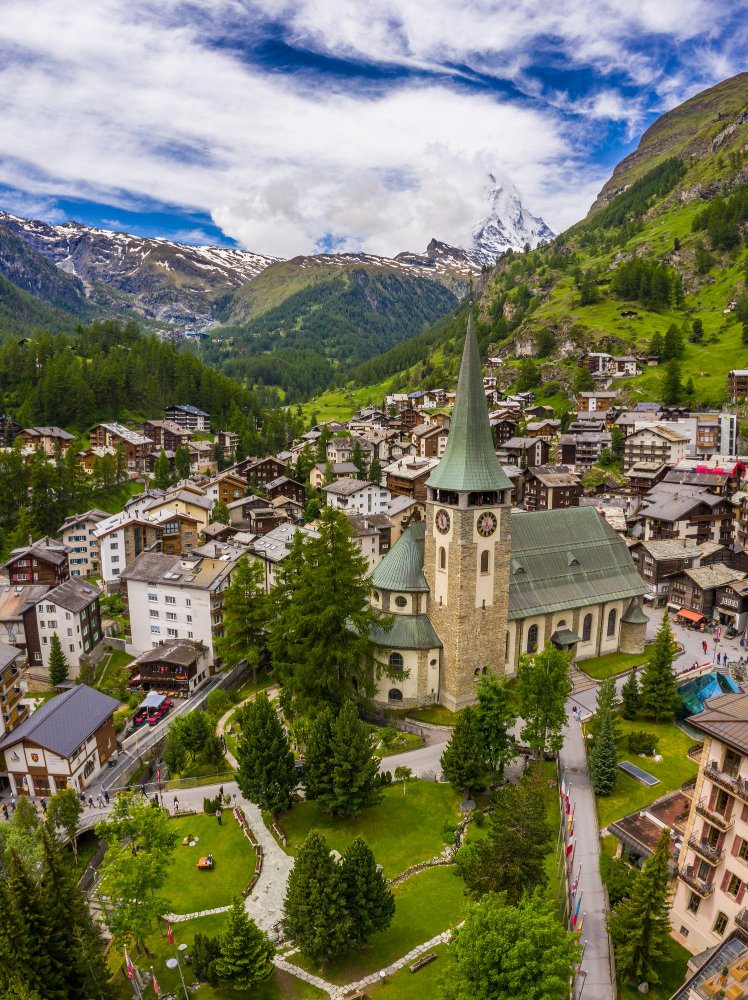
Glacier Express journey is a scenic train ride through the Alps connecting Zermatt and St. Moritz…
Read More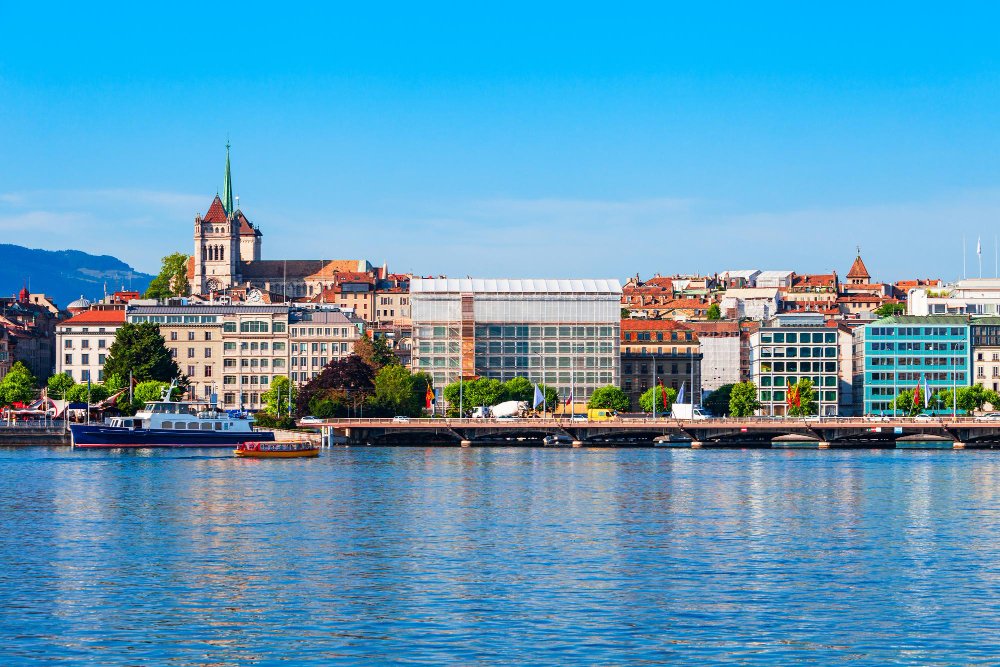
Jet d'Eau is an iconic fountain shooting water 140 meters into the air on Lake Geneva.…
Read More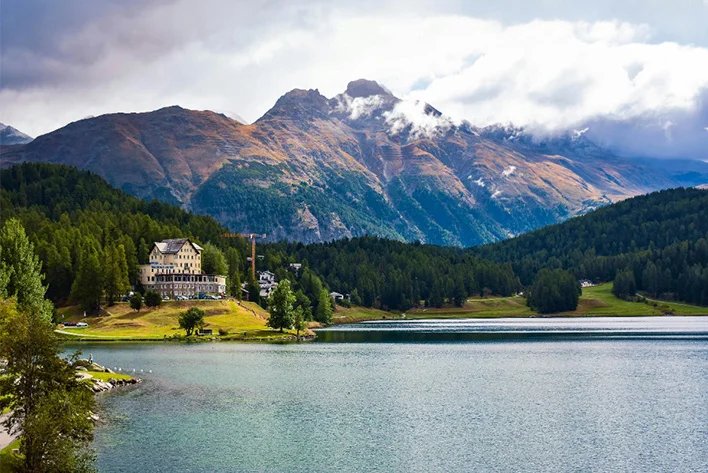
St. Moritz Lake is an alpine lake surrounded by mountains in a scenic valley setting. Glacier…
Read More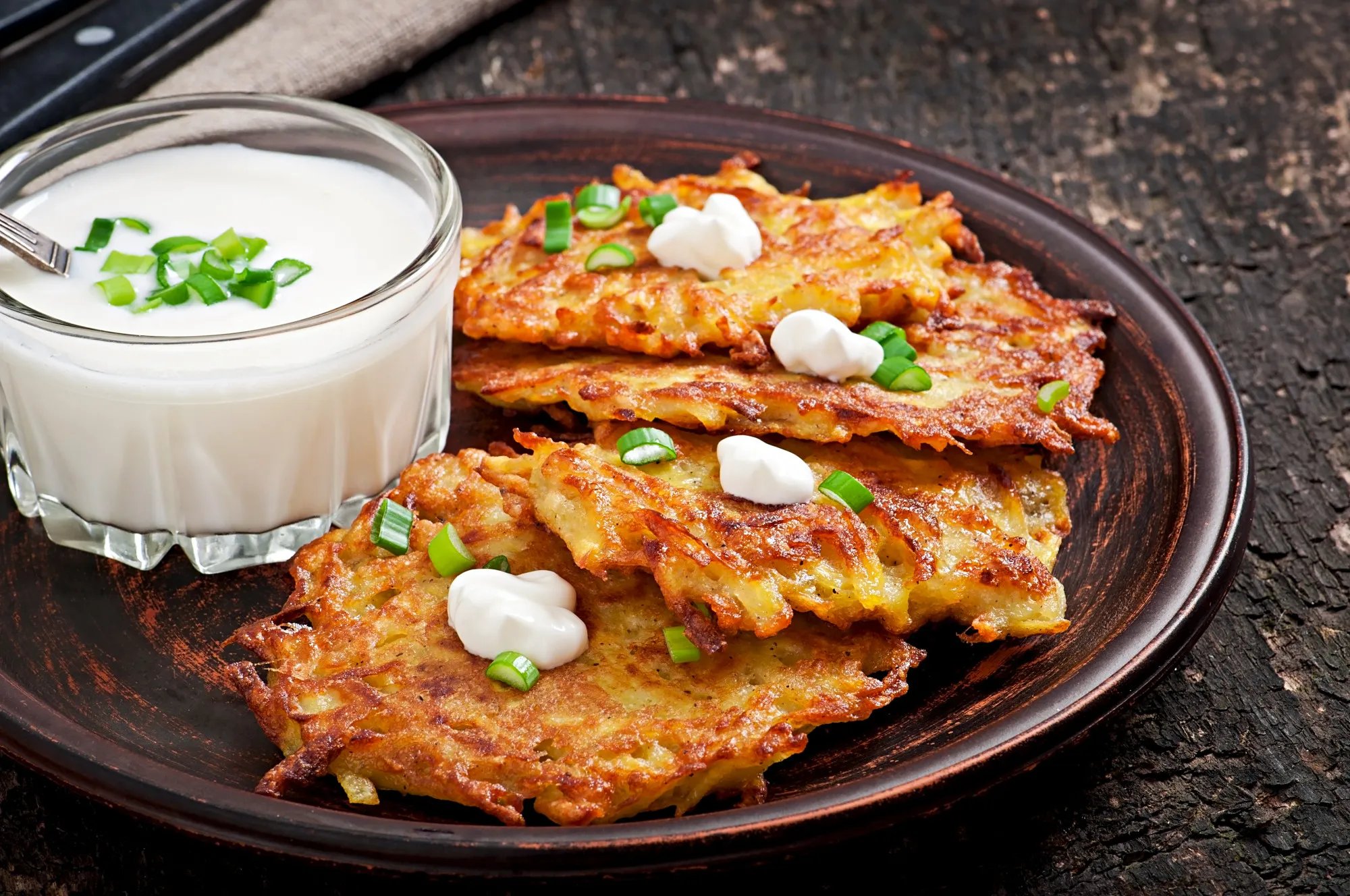
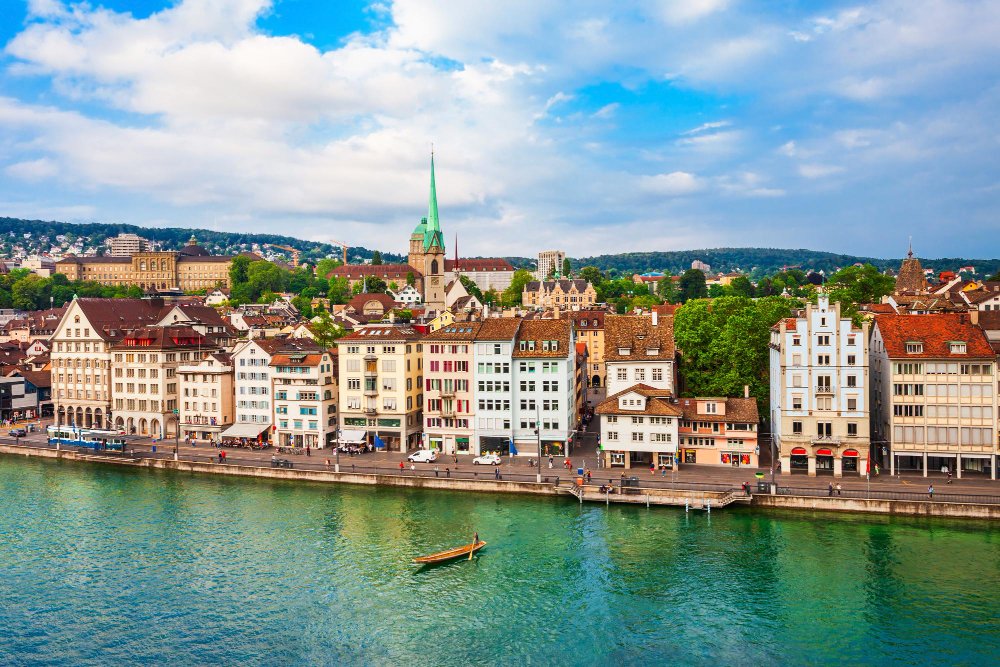
Food is usually a bigger part of the story here than people expect from a country better known for its scenery. Fondue and raclette both taste different depending on altitude and region. A mountain hut version rarely resembles what's served in Zurich. Swiss chocolate earns its reputation properly at the source, and a visit to Lindt's Home of Chocolate in Zurich is worth it even if you think you've had enough chocolate museums for one lifetime. Each region carries its own specialities too, rösti in the German-speaking areas, a very different plate entirely once you cross into French-speaking Geneva.
One thing worth knowing: Switzerland is expensive, and restaurant meals reflect that everywhere, not just in the cities. We don't pick restaurants by reputation, we pick them based on what you actually want, whether that's a mountain hut lunch mid-hike, a proper fondue evening, or a lakeside dinner in Lucerne.
Quick tip: Eat your main meal at lunch in the mountains, where set menus are often better value than the same restaurant's dinner service. It's a small adjustment that makes a real difference to the daily budget.
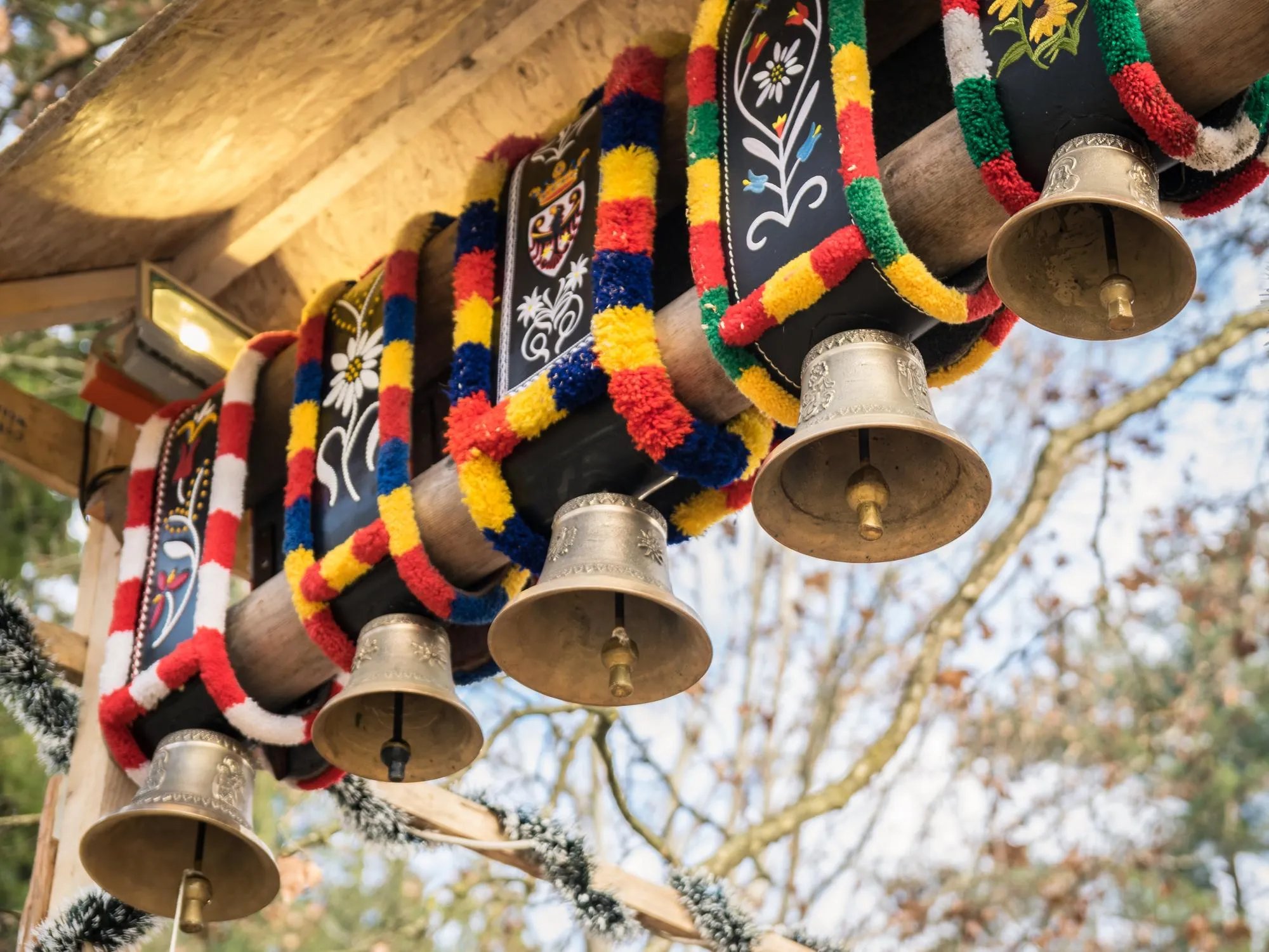
Culture in Switzerland isn't only in the museums. The Lindt Home of Chocolate and Zurich's Old Town are worth seeing, but a village cheese cellar, a cowbell festival if your dates align, or a slow train through a valley that hasn't changed its rhythm in a century usually tells you more. Four languages and four cultural identities; German, French, Italian and Romansh share one small country here, and the shift between them is more noticeable than you'd expect crossing a single internal border.
Travenza tip: If you're crossing from German-speaking Switzerland into Geneva or the French-speaking cantons, notice how much the food, pace and even the architecture shift. It's one of the more understated surprises of a longer Swiss itinerary.
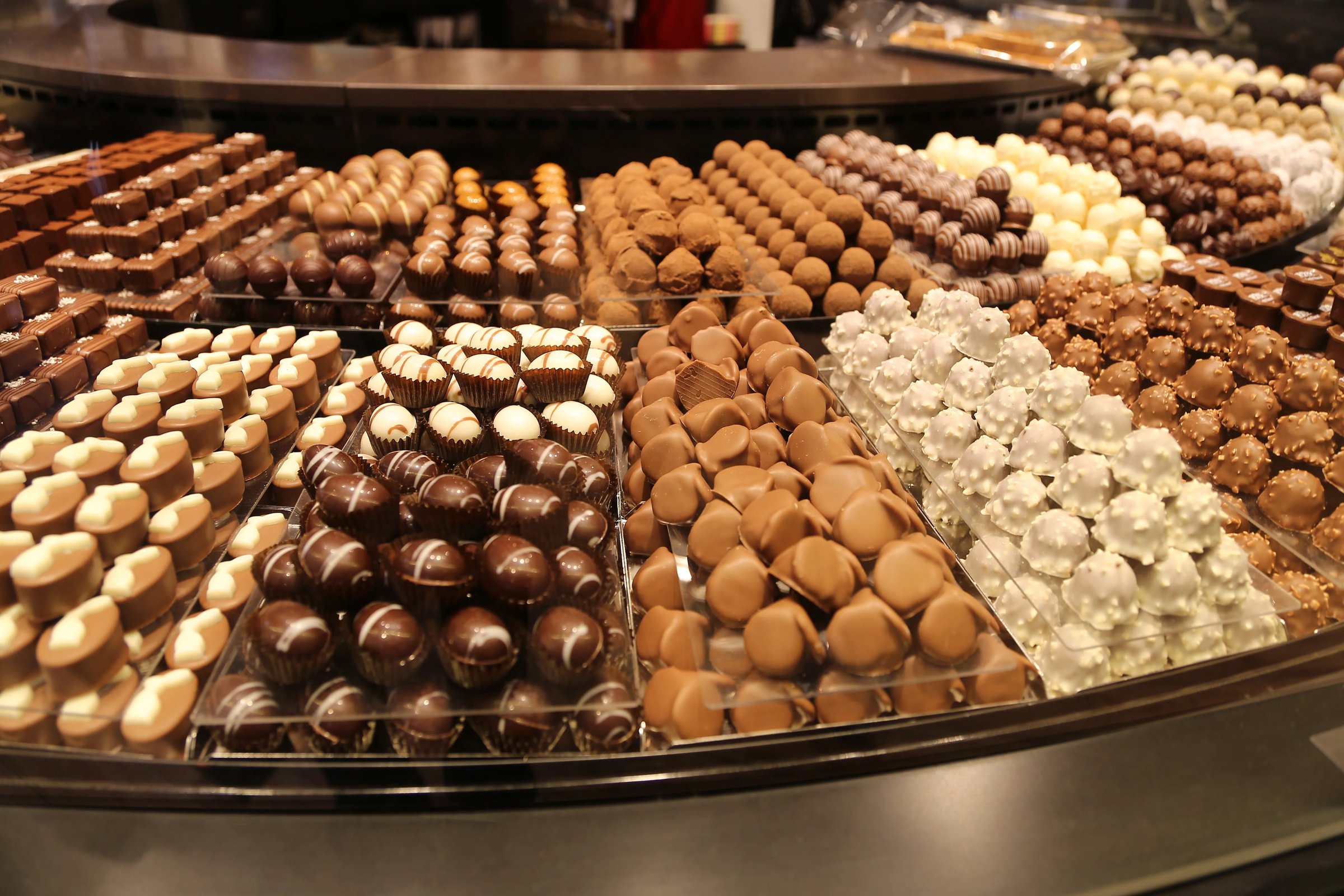
Shopping here has a reputation to live up to, and mostly does. Swiss watches are the obvious draw. Zurich's Bahnhofstrasse holds flagship boutiques from nearly every major watchmaker, worth a browse even if you're not buying. Away from the cities, look for Swiss Army knives, cowbells, and proper chocolate sold by weight rather than in a tourist-priced gift box.
Travenza tip: Buy chocolate from a proper chocolatier or supermarket rather than an airport gift shop. The markup at the airport is real, and the quality difference for the same brand is not.
Frequently Asked Questions
Yes. It's safe, efficient, and one of the easiest countries in Europe to navigate independently, the train network alone makes a multi-region trip simple to plan.
For a first trip, 9–11 days works well. It is enough for Zurich, Lucerne and the Jungfrau region without rushing. Add Zermatt or Geneva and stretch it to 12–14 days.
Summer (June–August) is best for hiking and mountain excursions. Winter (December–March) suits skiing and snow-capped scenery. Shoulder season (April–May, September–October) offers the best value.
Yes. Reliable trains, cable car rides that double as attractions, and chocolate and cheese experiences built for kids make it an easier Alpine destination for families than it might seem.
Yes, Zermatt's Matterhorn views, the Glacier Express and Lucerne's lakeside evenings all work well together for couples wanting scenery with real romance.
Yes, particularly in cities like Zurich and Geneva. It's more limited in smaller mountain villages, so we flag this early if it matters to your trip.
Most Indian travellers need a Schengen visa arranged in advance. We confirm the latest requirements and help with the application before you travel.
Depends on season, duration, hotel category and style. As a rough guide, a well-planned 9–11 day trip with a Swiss Travel Pass in good hotels starts around ₹3–4 lakh per couple, excluding flights. Switzerland runs expensive across the board, and we build the budget around that reality from the start.
Yes, particularly in cities and tourist areas. Combined with German, French and Italian depending on the region, most hospitality staff communicate comfortably in English.
Yes, every trip is built around what you want, whether that's adding St. Moritz, extending Zermatt, including a specific mountain excursion, or planning around a celebration.
Ready to go?
Share your dates, group size and interests, we will craft a bespoke itinerary within 48 hours. No obligations.