Asia Pacific · Indonesia
Bali Travel Guide
Sacred temples, emerald rice terraces and endless beach clubs.
Sacred temples, emerald rice terraces and endless beach clubs.
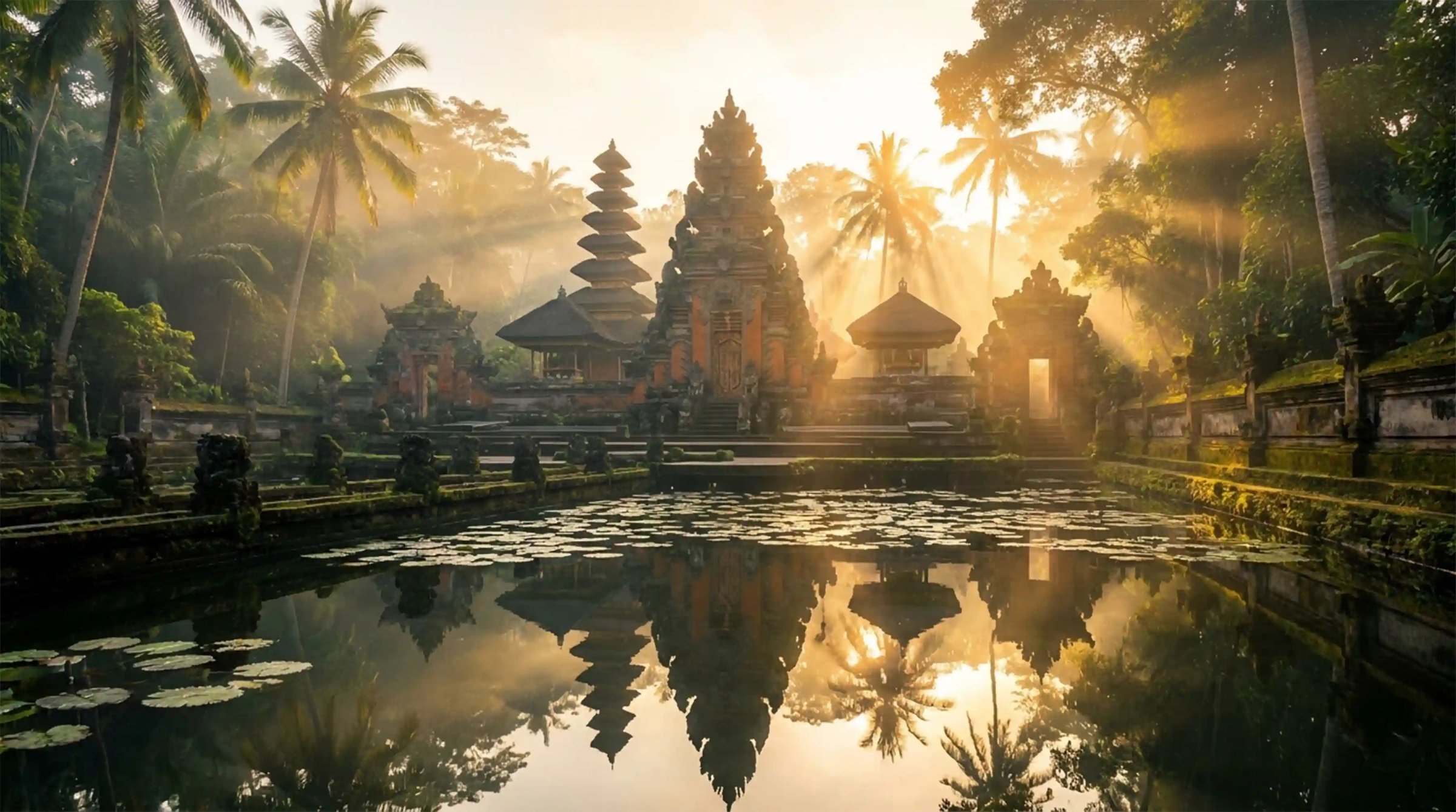
Bali runs on hospitality that doesn't feel rehearsed. A villa staff that learns your coffee order by day two. A driver who becomes part of the trip rather than just transport. That same warmth shows up in a five-star resort as much as it does in a family-run warung. None of it is written into an itinerary, it's just how the island treats you, and it's usually what people remember most.
It's also where a lot of trips lose time without meaning to. Bali looks small on a map, but traffic and terrain make it slower to cross than it seems, and that's the trap, travellers try to see too much and end up spending half the trip in a car. A good trip and a great one rarely differ by how many towns were on the list. They differ by how much time you actually had in each one.
We've been building Bali itineraries since 2013. Not templates, routes built around how you like to travel. We pick the villa before the itinerary, the pace before the sights, and we'll tell you when something isn't worth your time. This is our travel guide to Bali. You can find our opinions on what places to include, what time to visit, how long your visit should be and more.

Potato Head Beach Club is a trendy beach club with an infinity pool and DJ overlooking…
Read More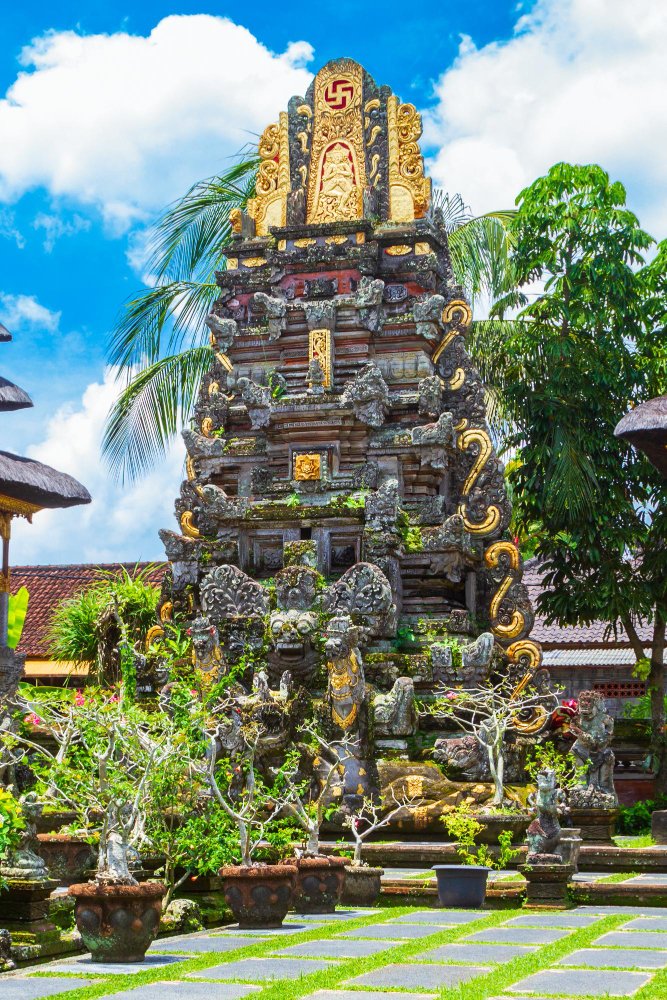
Tegallalang Rice Terraces are stunning rice paddies on hillsides. Sacred Monkey Forest Sanctuary is a forest…
Read More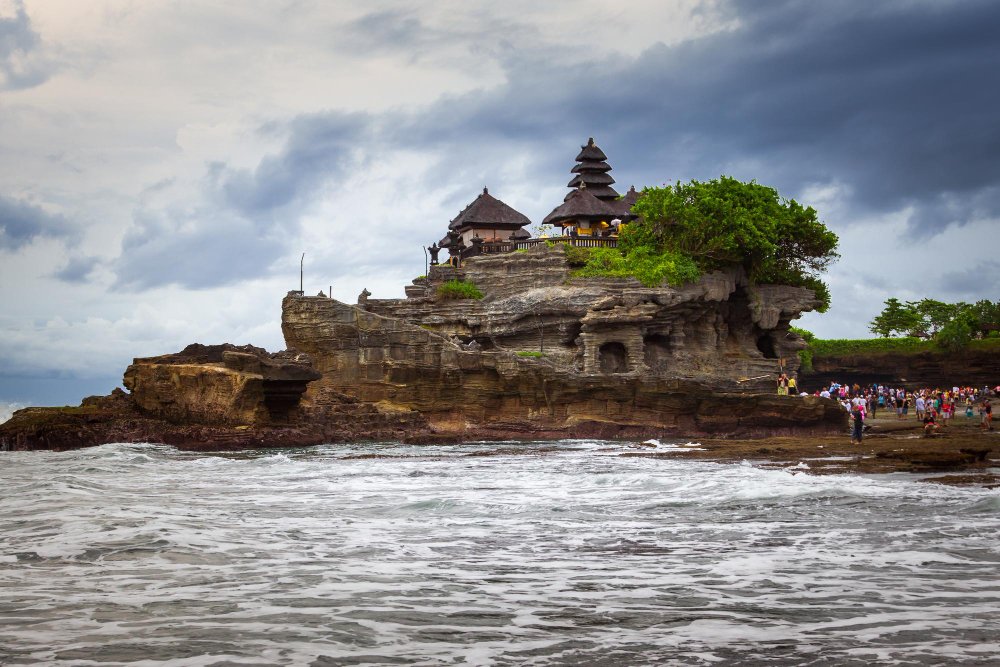
Echo Beach is a black sand beach popular with surfers and known for consistent waves. Batu…
Read More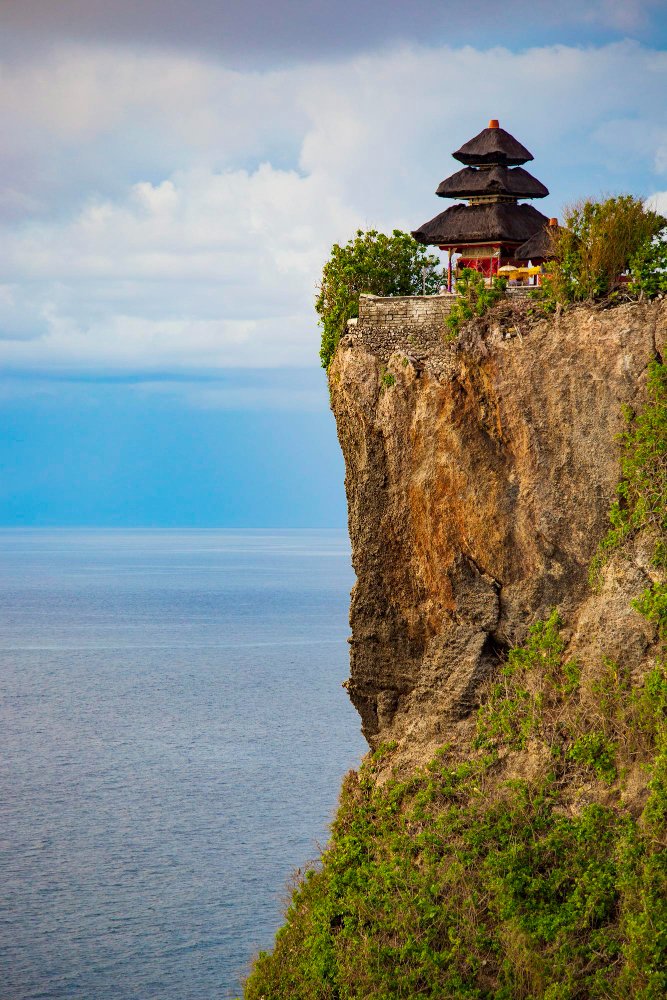
Uluwatu Temple is a clifftop temple with dramatic views overlooking the Indian Ocean. Kecak Fire Dance…
Read More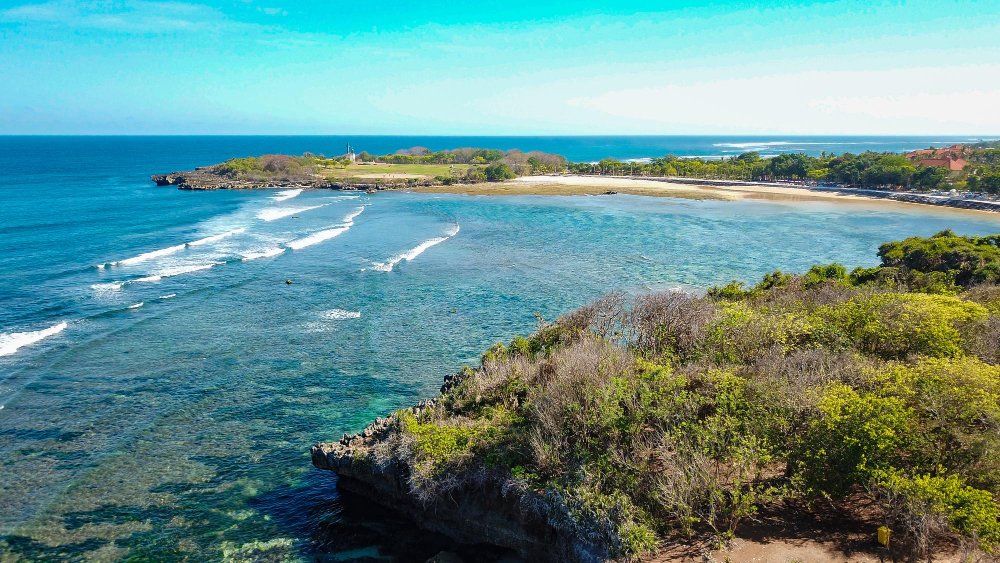
Nusa Dua Beach is a developed resort beach with calm water and watersports. Water Blow is…
Read More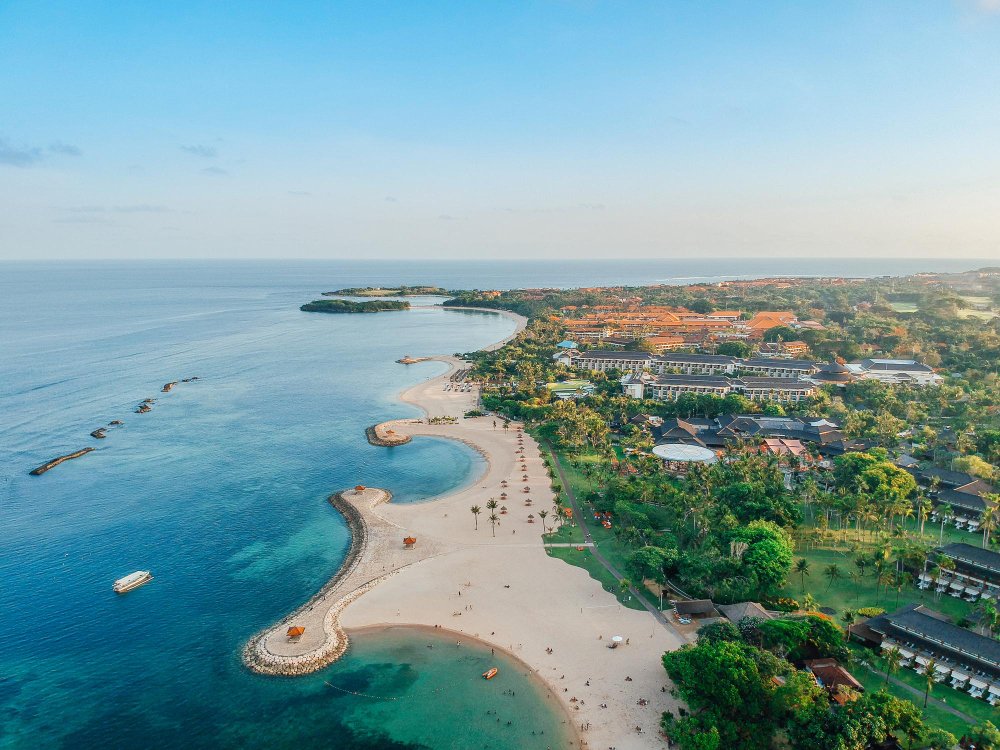
Sanur Beach is a calm beach on the east coast with gentle waves and fishing boats.…
Read More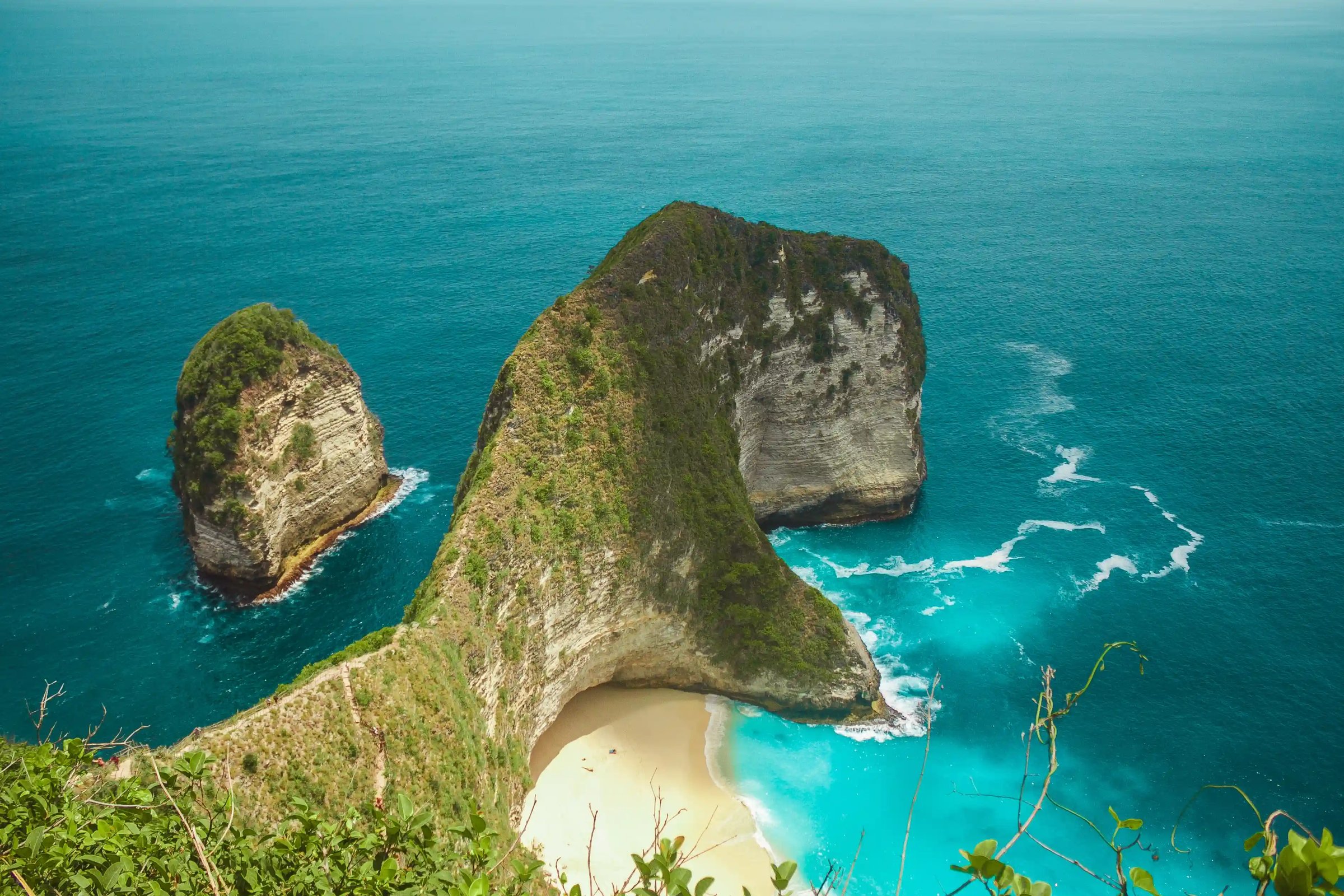
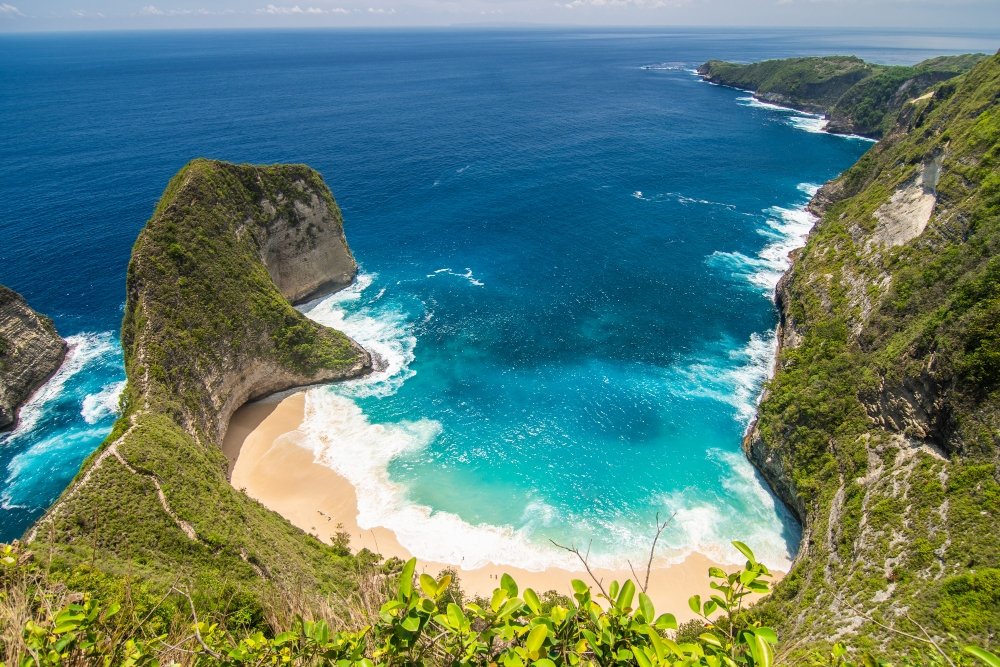
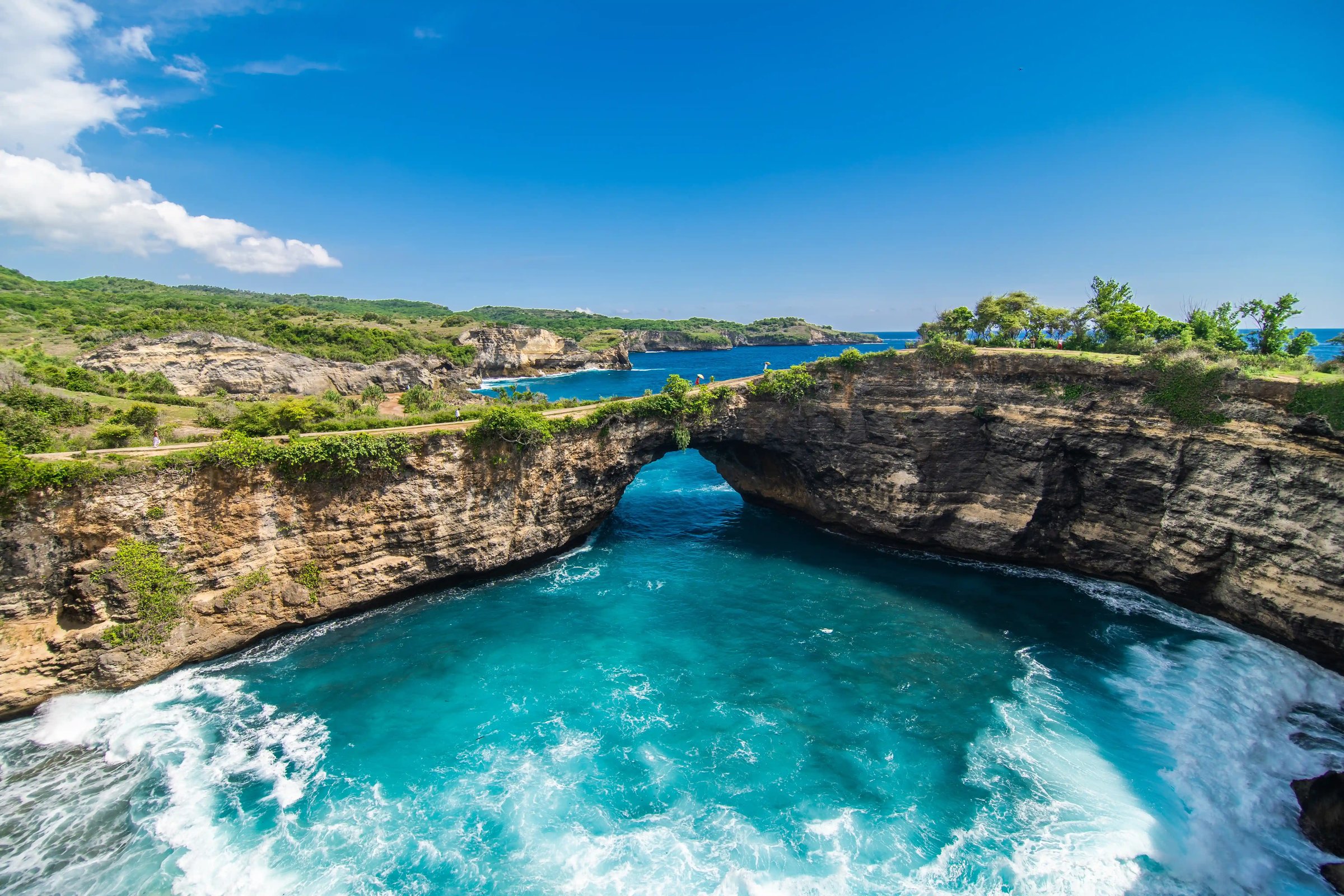
Kelingking Beach is a cliff top viewpoint with a dramatic T-Rex shaped rock formation overlooking the…
Read More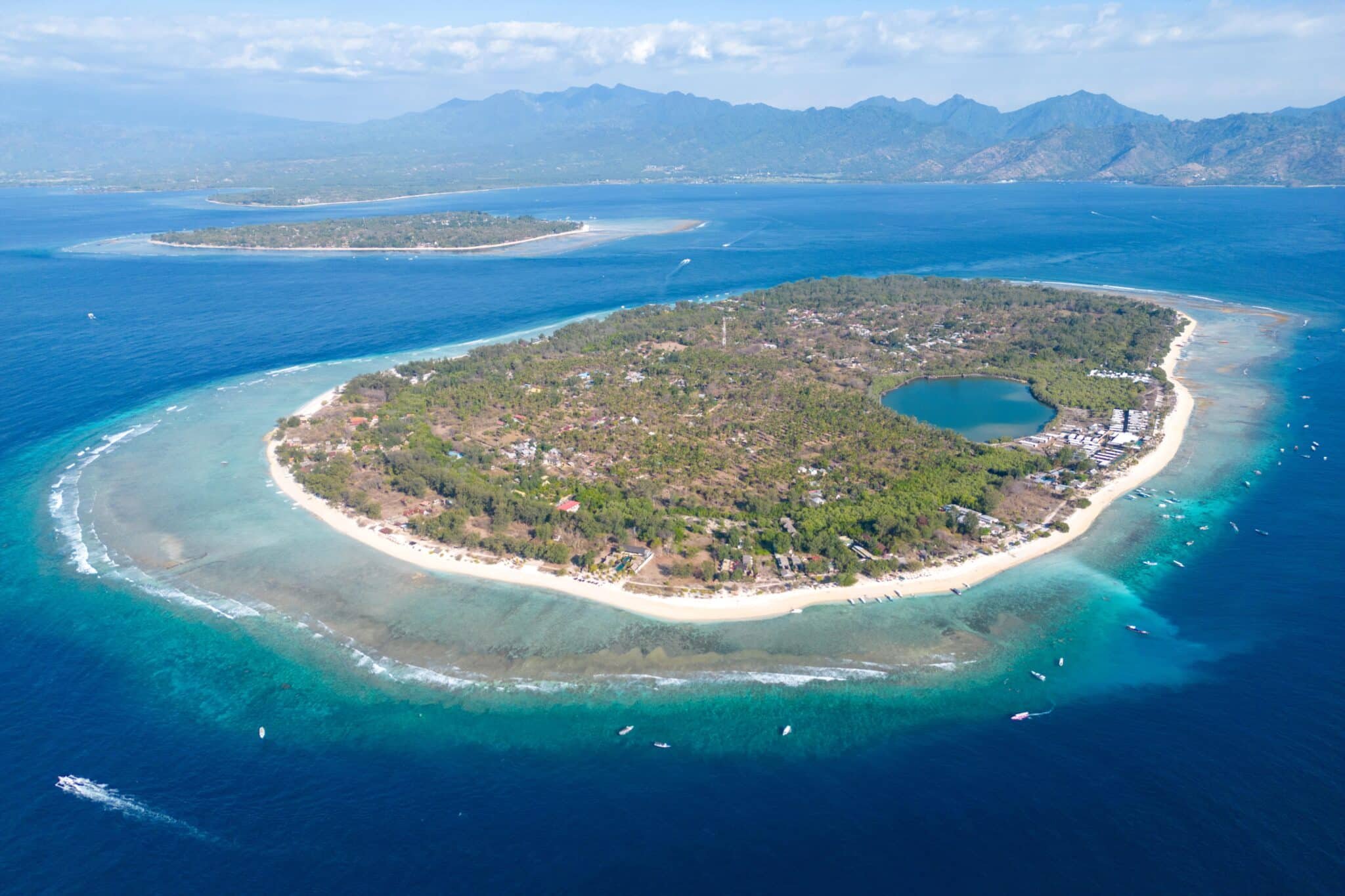
Gili Trawangan is the largest and most developed island with beach bars, restaurants, and nightlife. Gili…
Read More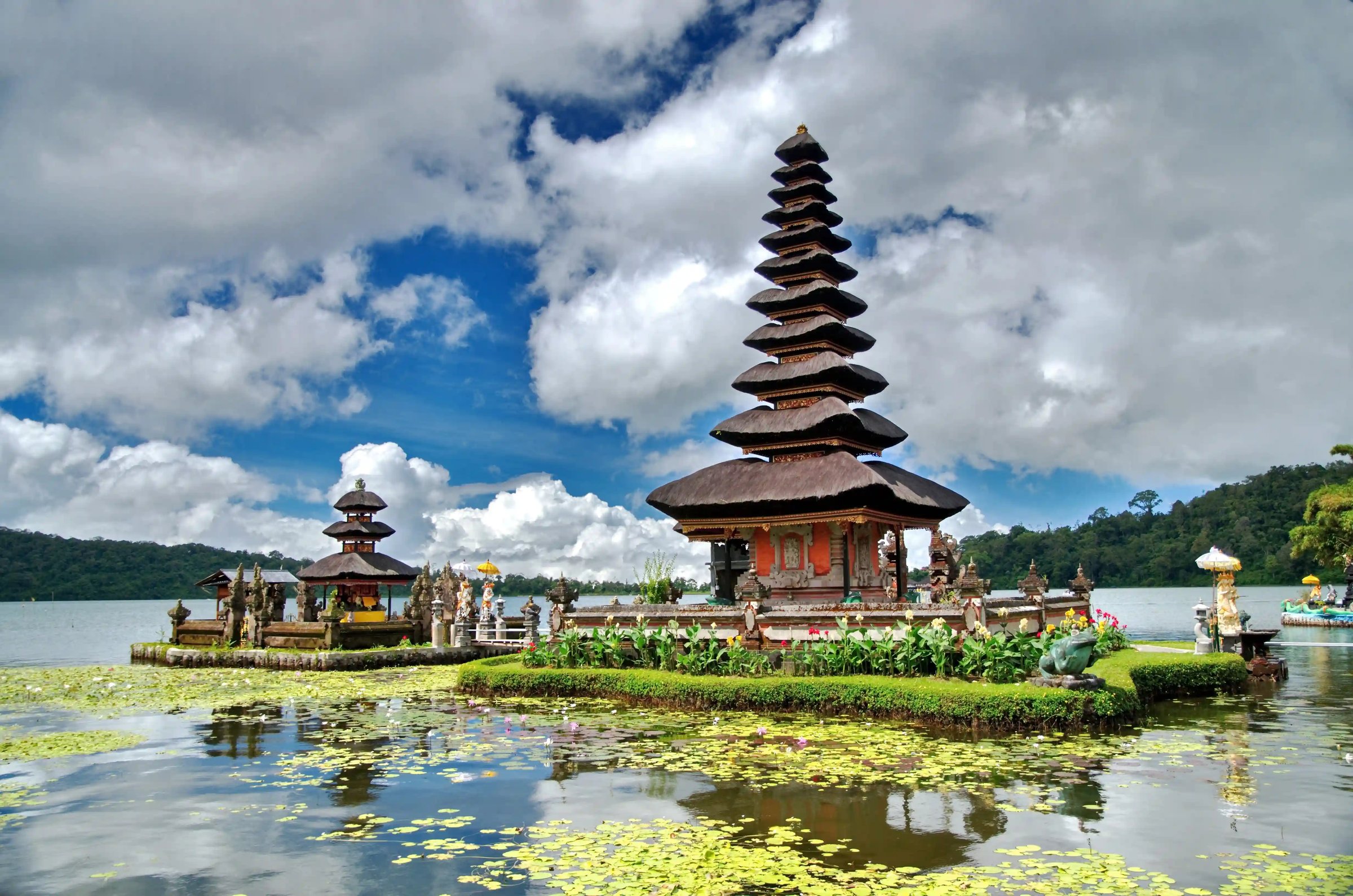
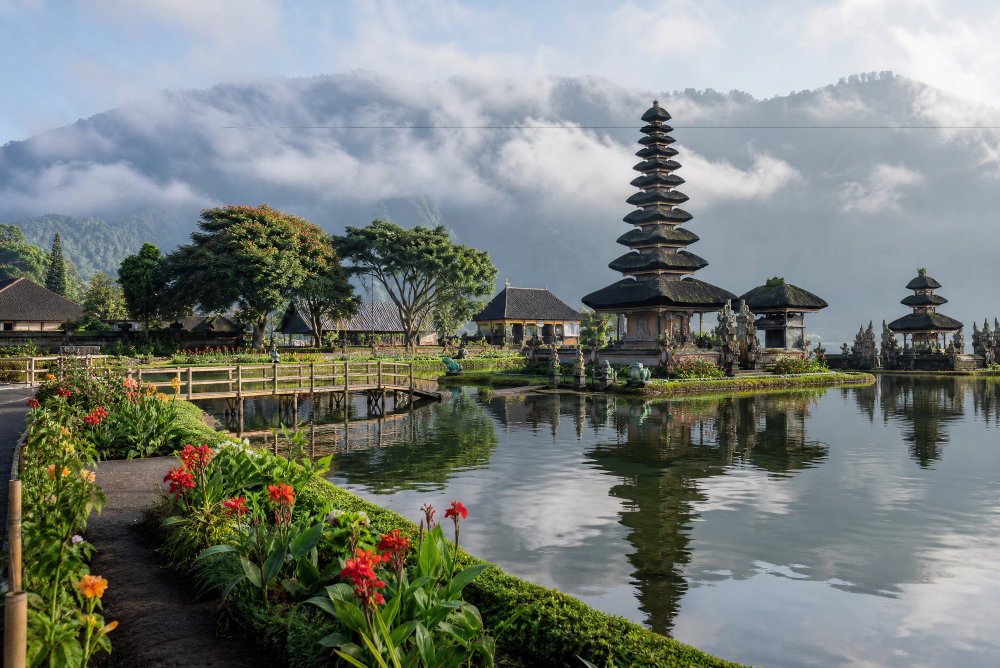
Ulun Danu Beratan Temple is a temple on a lake with a multi-tiered pagoda reflecting in…
Read More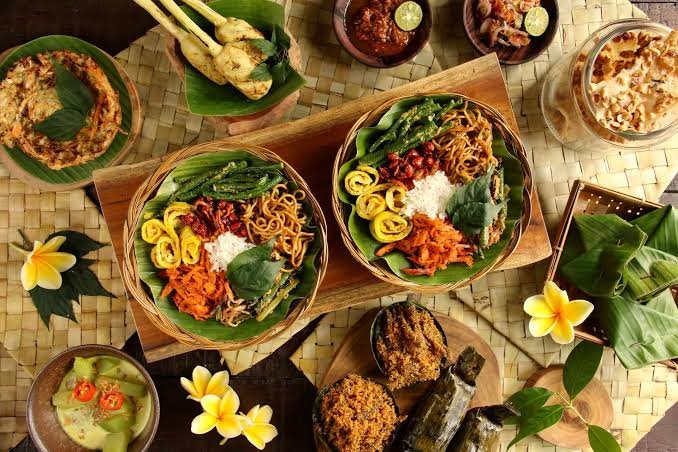
Food is usually what people talk about most when they get back. Ubud's restaurant scene runs from elevated Indonesian tasting menus to a warung serving the same three dishes it's served for decades. Seminyak and Canggu do modern and international cuisines well. Brunch spots, wine bars, beach club dining. Away from the tourist strip, a proper nasi campur or babi guling stall will usually beat anything on a hotel menu.
One thing worth knowing, Balinese food and Indonesian food aren't quite the same thing, and both are worth trying separately. Balinese cooking leans on ceremonial dishes like babi guling and lawar, often tied to a specific occasion. We don't pick restaurants by reputation, we pick them based on what you actually want, whether that's a tasting menu, a warung crawl, or a beach club lunch that runs into the afternoon.
Quick tip: Ask your villa staff or driver where they eat. It's usually better than anything ranked online, and it's rarely where the tour buses stop.
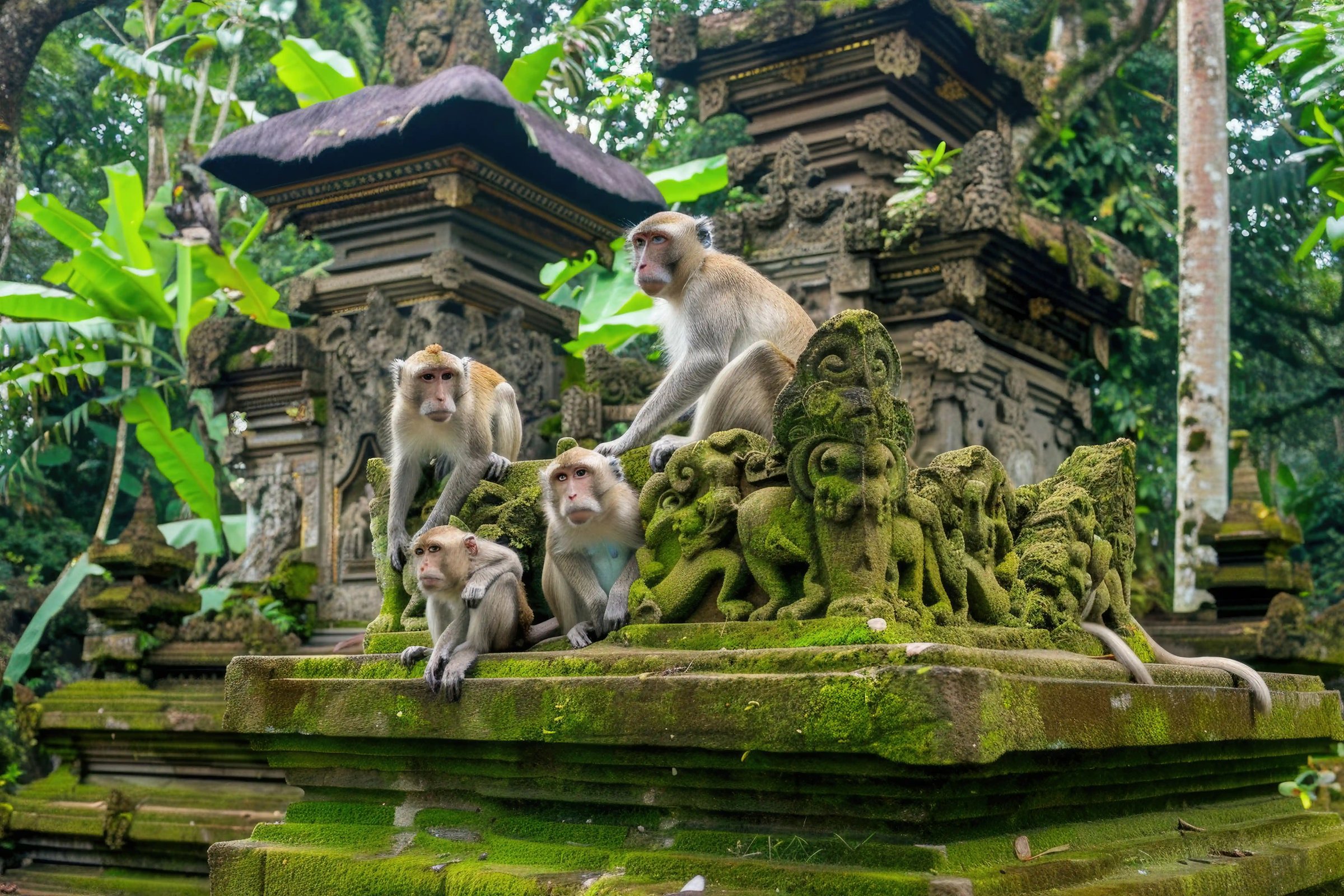
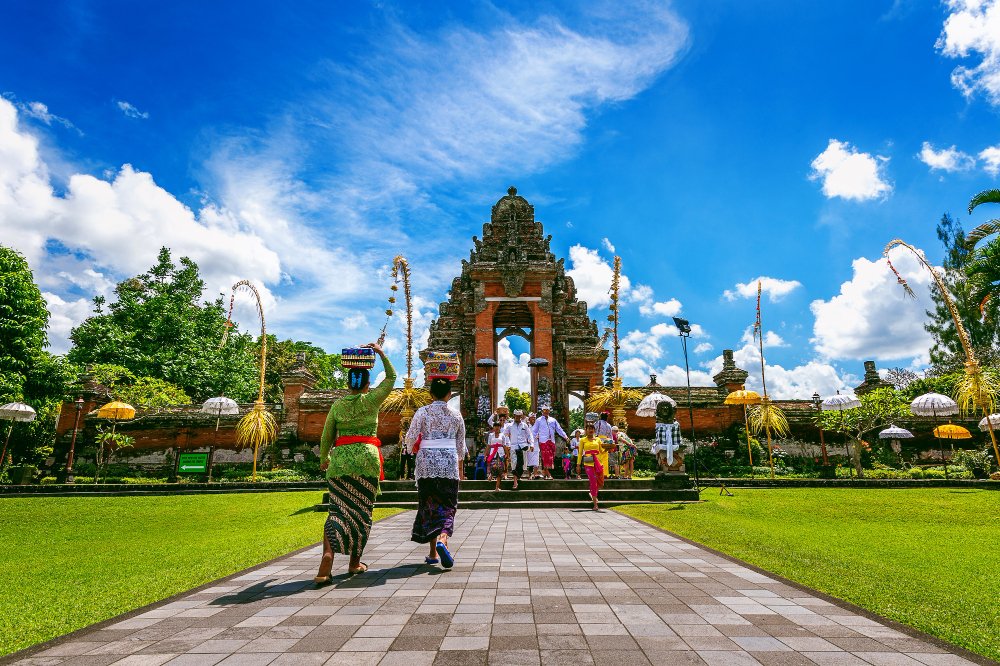
Culture in Bali isn't only in the temples. Uluwatu and Tirta Empul are worth seeing, but a small daily offering left outside a shopfront, a procession that's shut down a street with no warning, or an early morning at a local market usually tells you more. Hindu tradition shapes daily life here in a way that's rare to see this closely, and it's not performed for visitors, it's simply how the island runs.
Travenza tip: If a ceremony or procession crosses your path, stop and watch from a respectful distance rather than walking through it. It's one of the more memorable things guests see, and it's not something you can plan for.

Shopping here rewards a slower pace. Seminyak and Canggu have the concept stores and resortwear labels; Ubud's art market and surrounding villages are where the woodwork, silver and textiles come from directly. Sukawati Market is worth the trip for anyone after batik or handicrafts at local prices, not resort markups.
Travenza tip: Bargaining is expected at markets, not at boutiques or malls. Start around half the asking price at a market stall and settle somewhere in the middle, it's part of the exchange, not a test.
Frequently Asked Questions
Yes. It's easy to navigate, well set up for tourism, and forgiving for first-timers. English is widely spoken in tourist areas, and private drivers make getting around simple.
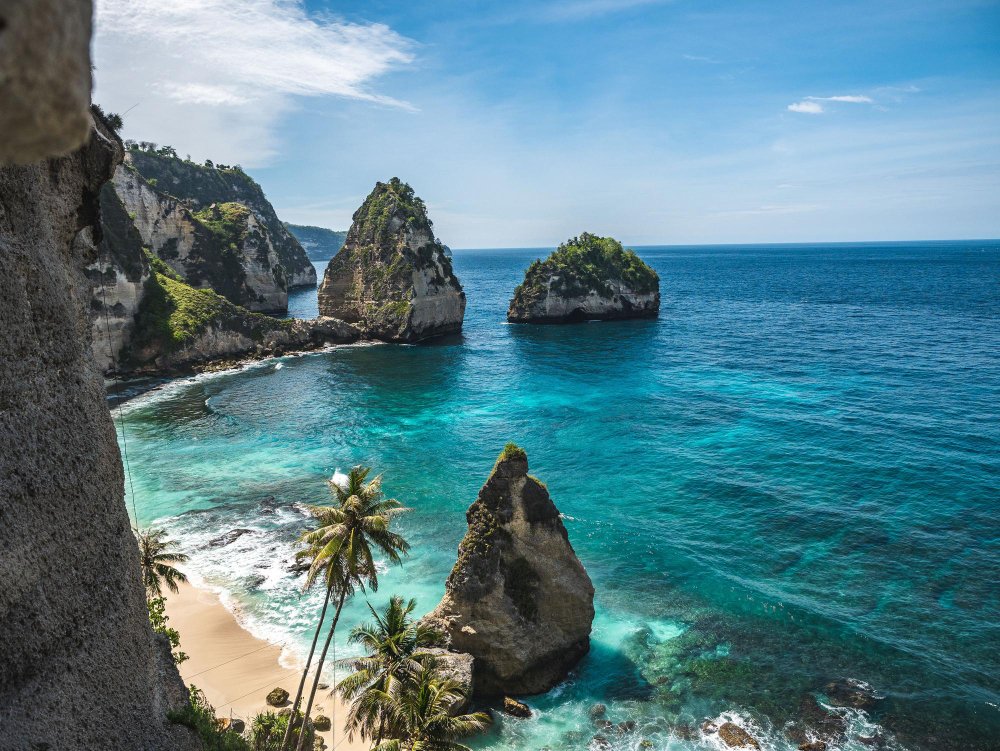
For a first trip, 7–9 days works well. It is enough for a coastal base, Ubud, and a day trip to Nusa Penida without rushing. Add Uluwatu or the Gili Islands and stretch it to 10–12 days.
Dry season (April–September) is the most reliable for weather. May–June and September offer good weather with fewer crowds. Wet season (November–March) brings lower rates and greener landscapes, with rain usually limited to short afternoon showers.
Yes. Calm-water beaches, private villas with pools, and resorts built around family time make it one of our most recommended family destinations.
Yes, private pool villas, clifftop dinners and a pace built for two make it one of the most popular honeymoon destinations we book.
Yes, easily. Ubud in particular has a strong vegetarian and vegan food scene, and most restaurants across the island can accommodate.
Most Indian travellers can get a visa-on-arrival, valid for 30 days. We confirm the latest requirements and help with documentation before you travel.
Depends on season, duration, villa category and style. As a rough guide, a well-planned 7–9 day trip in a good private pool villa starts around ₹1.8–₹2.5 lakh per couple, excluding flights. Clifftop luxury villas and private experiences push this higher.
Yes, especially in tourist areas, hotels and restaurants. Less so in more local, rural areas, where a driver or guide helps.
Yes, every trip is built around what you want, whether that's adding the Gili Islands, extending Ubud, including a wellness retreat, or planning around a celebration.
Ready to go?
Share your dates, group size and interests, we will craft a bespoke itinerary within 48 hours. No obligations.