Asia Pacific · Southeast Asia
Philippines Travel Guide
Island-hopping through turquoise lagoons and secret white-sand coves
Island-hopping through turquoise lagoons and secret white-sand coves
The Philippines runs on a warmth that shows up in the smallest interactions. A boatman who takes the long way round a lagoon because the light was better that way. A resort host who remembers your order without being told twice. That same hospitality carries through whether you're on a private island or a small guesthouse on a fishing village's main street, and it's usually what guests mention first when they're back.
It also rewards picking fewer islands and giving each one real time. The Philippines looks compact on some maps, but inter-island travel means flights and boat transfers, and cramming too many stops into one trip usually means spending more time getting there than being there. A good trip and a great one rarely come down to how many islands made the list. They come down to whether you actually had time to slow down on each one.
We've been building Philippines itineraries since 2013. Not templates, routes built around how you like to travel. We pick the island before the resort, the pace before the itinerary, and we'll tell you when an extra stop isn't worth the transfer time. This is our travel guide to the Philippines. You can find our opinions on what places to include, what time to visit, how long your visit should be and more.
Curated Journeys
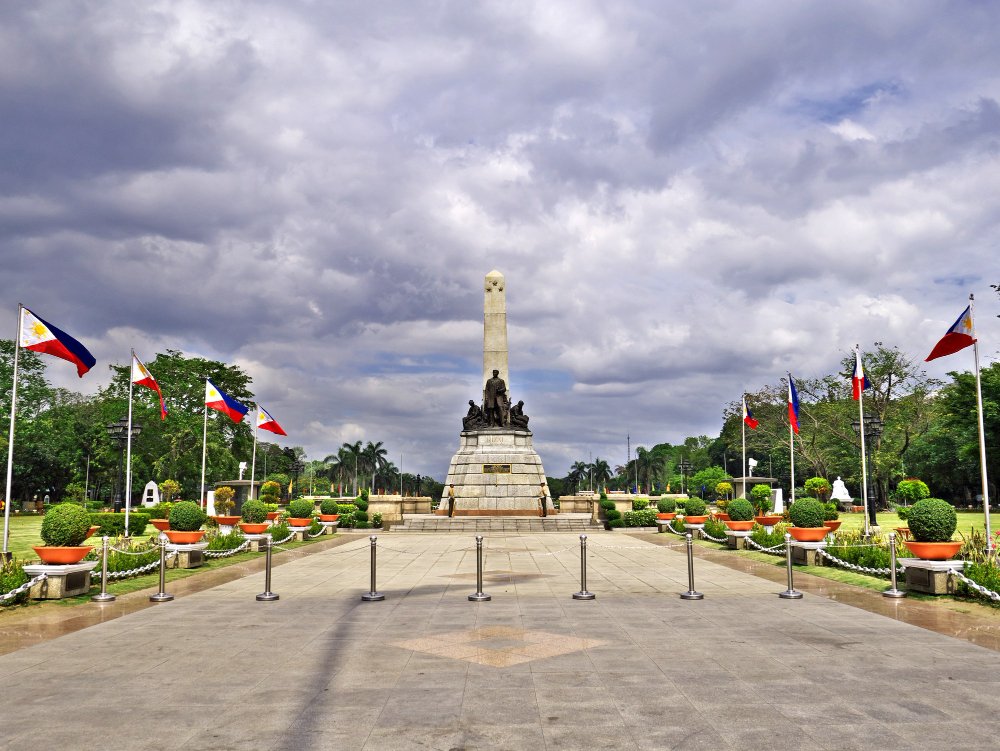
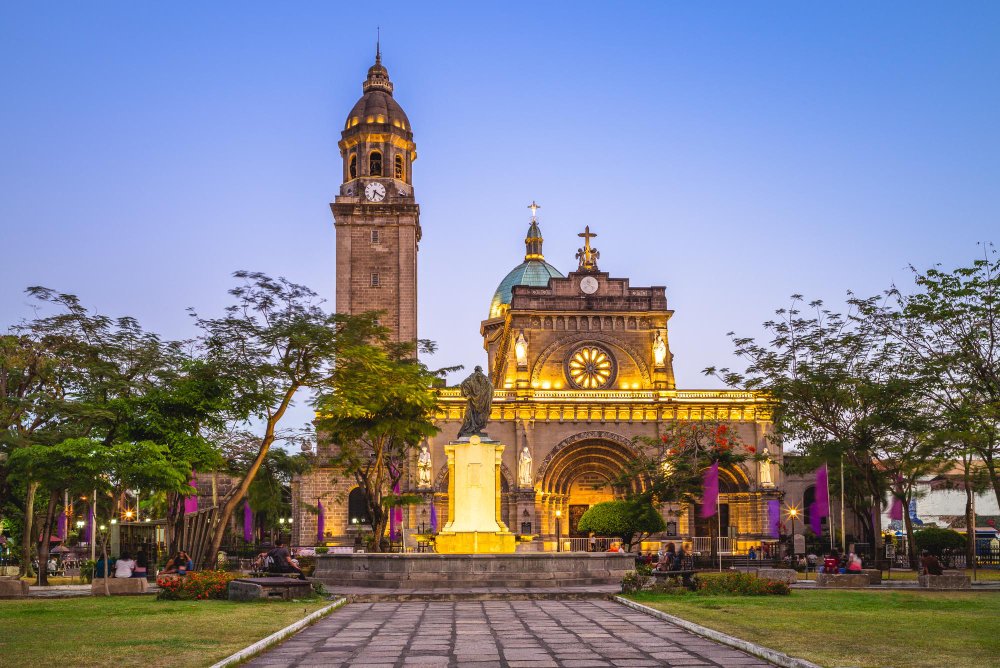
Intramuros walled city is a historic fortified district with Spanish colonial architecture and narrow streets. Rizal…
Read More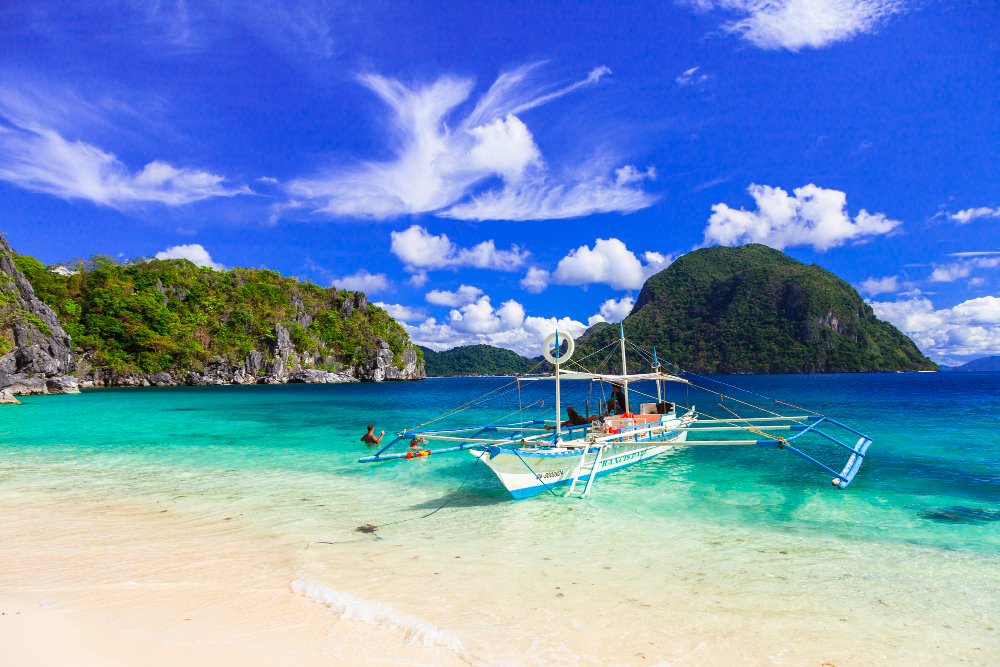
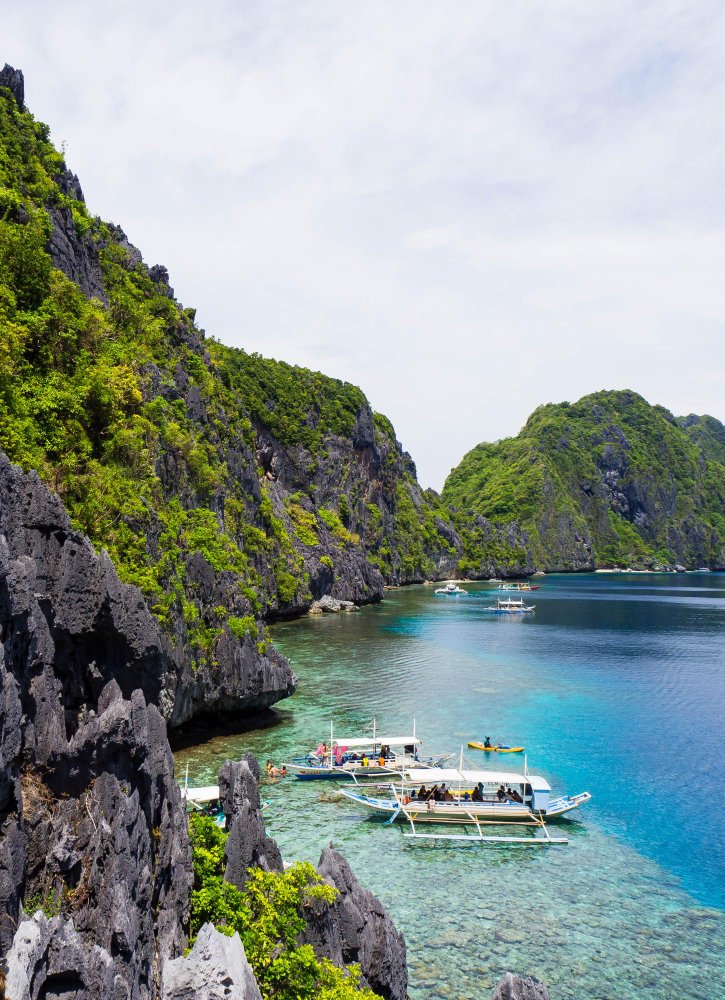
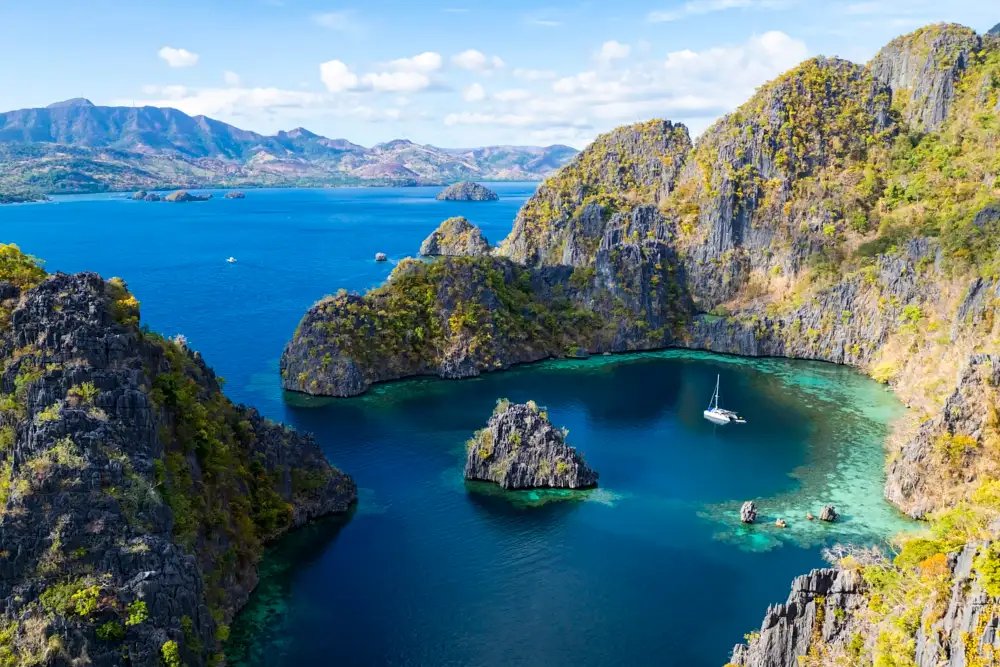
Big Lagoon & Small Lagoon are turquoise lagoons surrounded by limestone cliffs accessible by kayak or…
Read More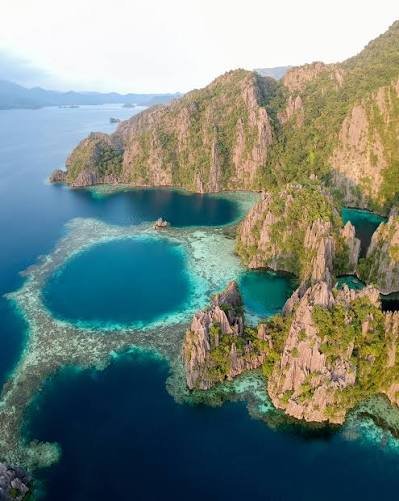
Kayangan Lake is a pristine freshwater lake surrounded by limestone cliffs reachable by boat and short…
Read More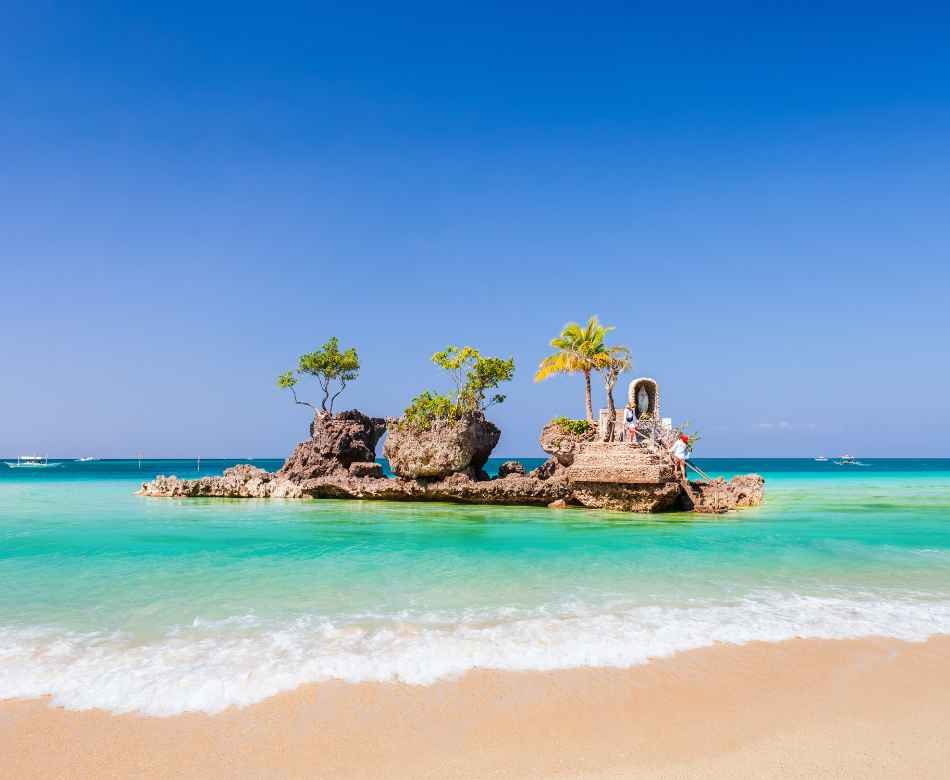
White Beach is the main beach with white sand, calm water, and extensive beach development. Puka…
Read More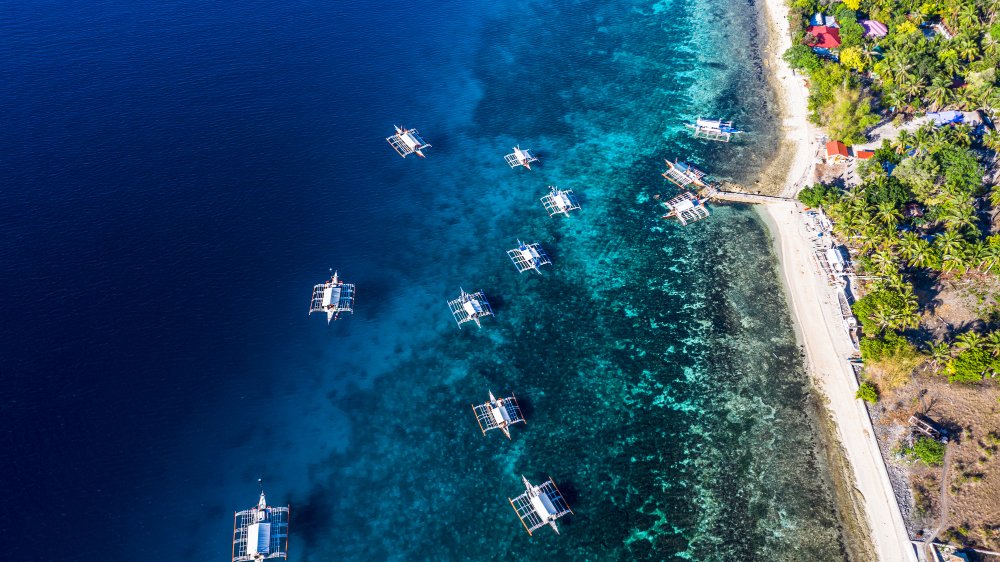
Whale shark watching in Oslob allows you to swim with gentle whale sharks in their natural…
Read More
Chocolate Hills are thousands of cone-shaped hills covered in brown grass turning green seasonally. Tarsier Sanctuary…
Read More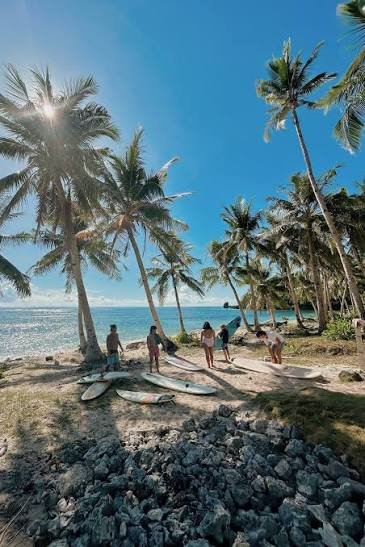
Cloud 9 surf break is the island's most famous surfing spot with consistent waves and international…
Read More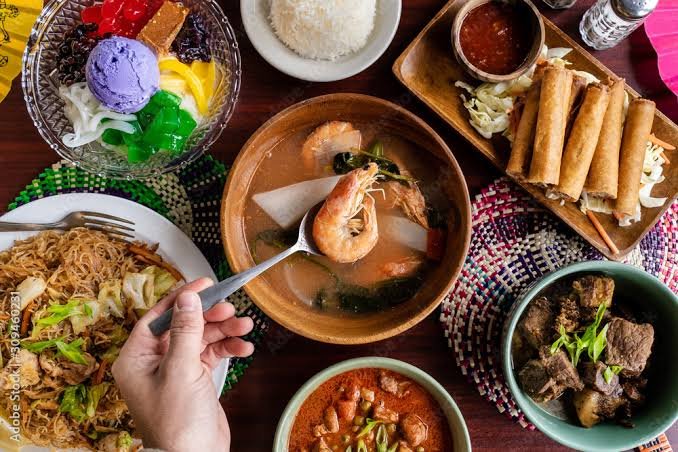
Food is usually a pleasant surprise here for first-time visitors, and it's more varied than its regional reputation suggests. Adobo, meat braised in vinegar, soy and garlic varies from household to household and is worth trying more than once. Cebu's lechon (whole roast pig) is considered the country's best, and a fresh seafood meal on any island beach usually beats anything at a resort buffet. Manila's food scene runs from Spanish-influenced classics to modern Filipino fine dining reclaiming the cuisine's reputation.
One thing worth knowing: Filipino food draws on Spanish, Chinese, Malay and American influences all at once, and it's rarely represented well outside the country. We don't pick restaurants by reputation, we pick them based on what you actually want, whether that's a beachside seafood grill, a proper lechon lunch, or a modern Filipino tasting menu in Manila.
Quick tip: Try halo-halo at least once. A shaved ice dessert piled with everything from beans to flan to purple yam. It looks unusual and works far better than it sounds.

Culture in the Philippines isn't only on the beaches. Manila's Intramuros is worth seeing, but a fiesta if your dates align, a local fish market at dawn, or an afternoon with a fishing community usually tells you more. Spanish colonial history, indigenous tradition and a warm, family-centred culture all shape daily life here in a way that's easy to overlook if you never leave the resort.
Travenza tip: If your dates align with a local fiesta it's worth witnessing. Filipino festivals are colourful, loud, and rarely staged for tourists the way some destinations' cultural shows are.
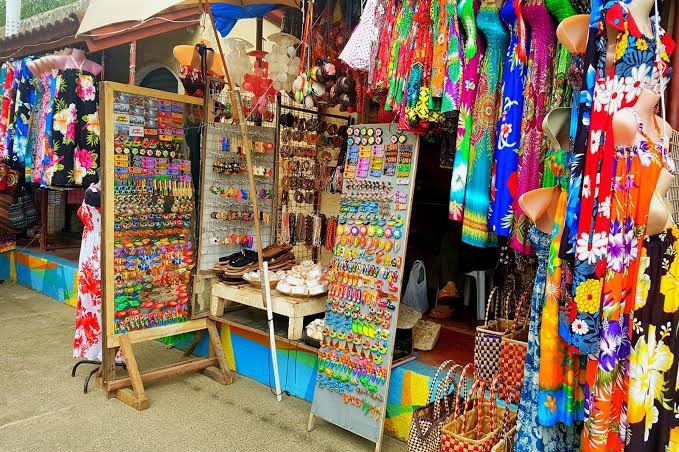
Shopping here spans two extremes. Manila's malls are some of the largest in Asia, with flagship stores and local designers both well represented. On the islands, local markets and small shops sell woven textiles, shell crafts and local delicacies worth bringing home, usually at prices that reward a bit of friendly negotiation.
Travenza tip: Buy dried mangoes and other local snacks from a proper grocery rather than an airport gift shop. The quality is better and the price considerably lower.
Frequently Asked Questions
Yes. English is widely spoken, the islands are set up well for tourism, and Manila and Cebu both connect easily to the rest of the country by domestic flight.
For a first trip, 8–10 days works well, this is enough for two islands, like El Nido and Coron, without feeling rushed by transfers. One island properly done fits in 6–7 days.
November to May is the most reliable, dry season across most of the country. June to October brings a real risk of typhoons, particularly in the north and east.
Yes, particularly Boracay, Cebu and Bohol, which have the resort infrastructure and calmer waters that suit families best. More remote islands like Siargao work better for older kids and adults.
Yes, private lagoons in El Nido, quiet sandbars in Coron and Boracay's beach clubs all work well together for couples wanting a mix of seclusion and energy.
It's improving but still limited outside major cities and resorts. We flag this early and build the itinerary around it so it's not a daily negotiation.
Most Indian travellers need a visa arranged in advance. We handle the application and confirm the latest requirements before you travel.
Depends on season, duration, resort category and style. As a rough guide, a well-planned 8–10 day trip in good 4- and 5-star resorts starts around ₹1.8–₹2.6 lakh per couple, excluding flights.
Yes, extensively. English is an official language and widely spoken across the country, including in smaller towns.
Yes, every trip is built around what you want, whether that's adding Siargao, extending El Nido, including a dive-focused stay, or planning around a celebration.
Ready to go?
Share your dates, group size and interests, we will craft a bespoke itinerary within 48 hours. No obligations.