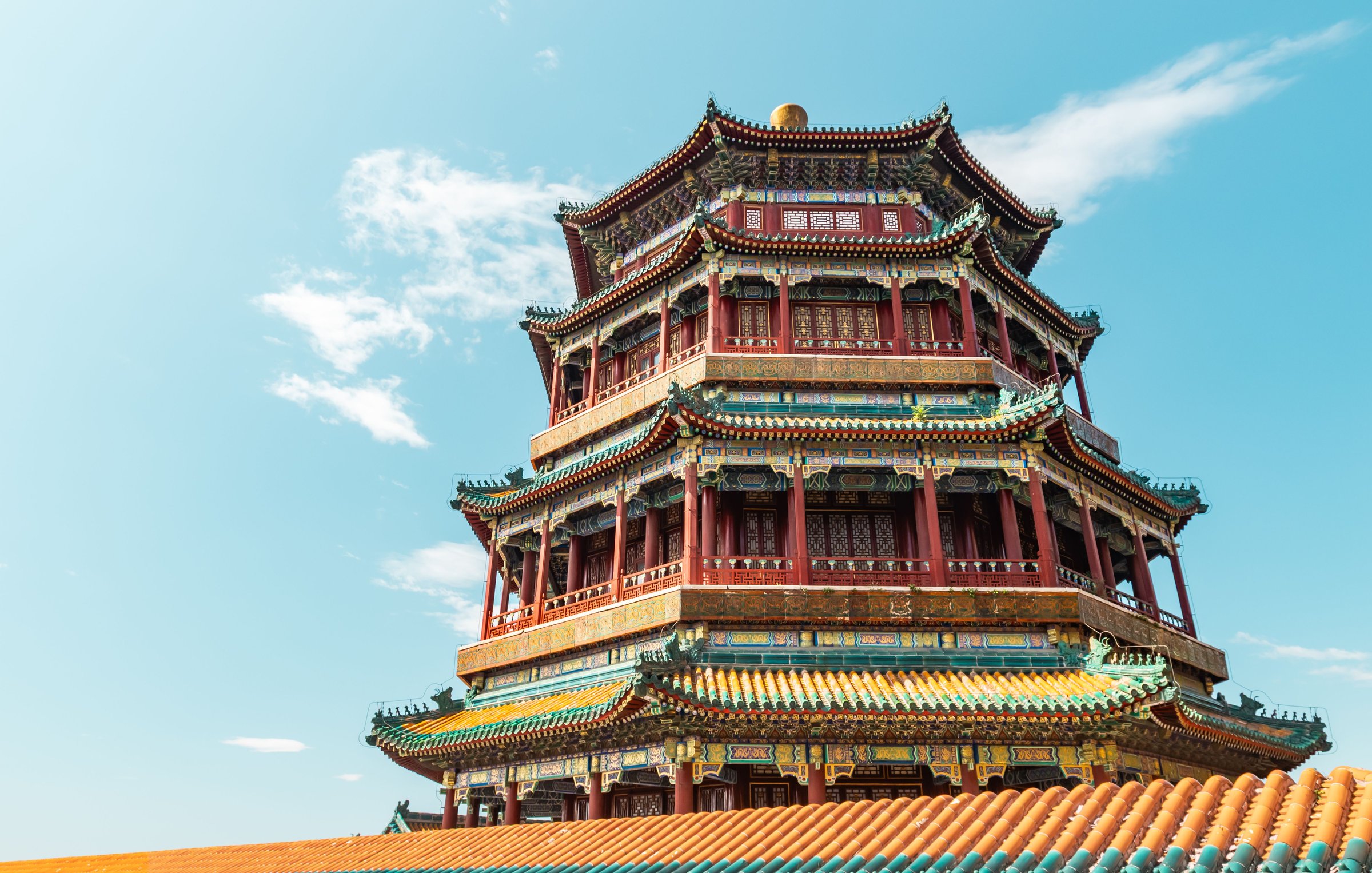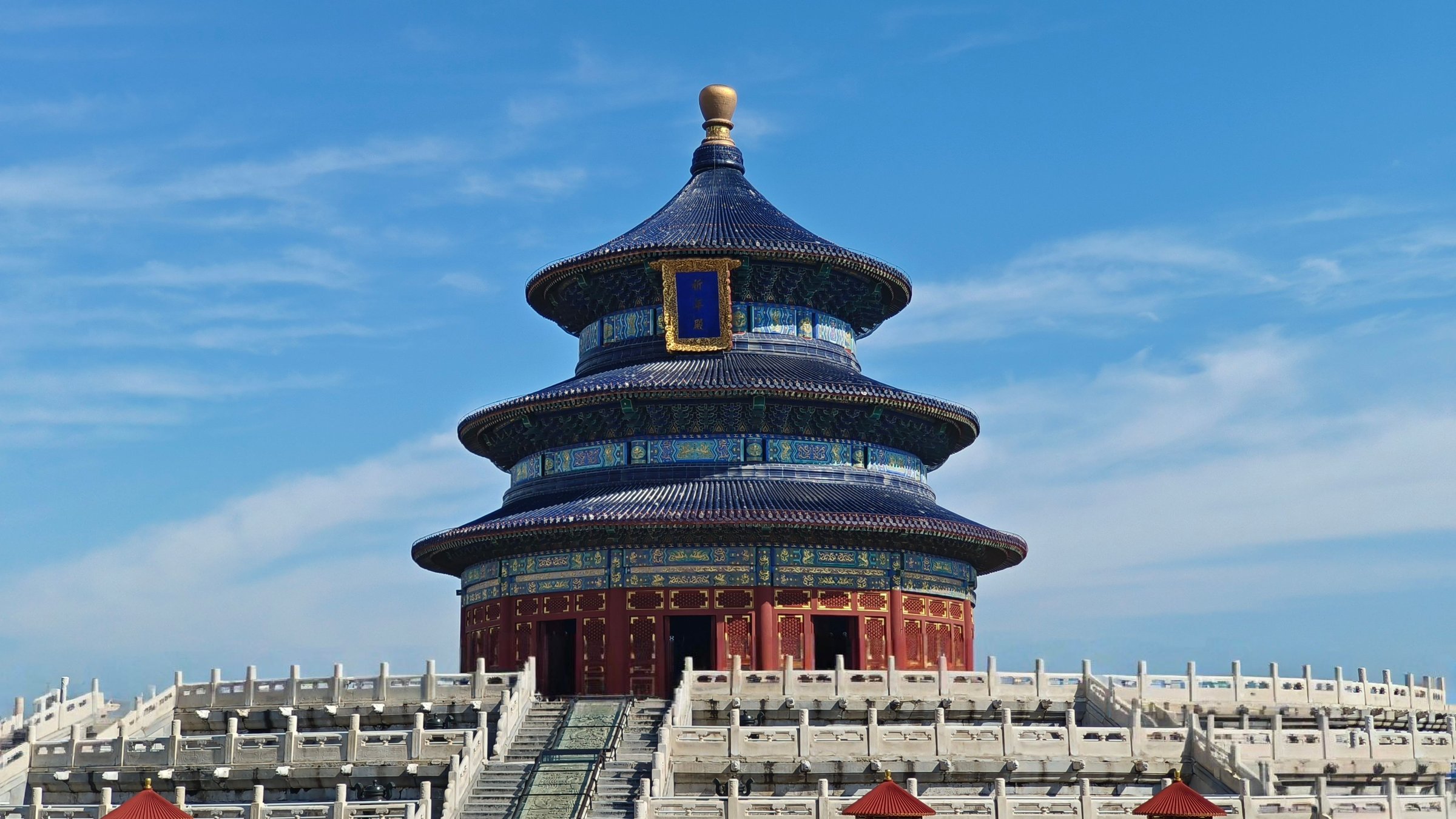
Asia Pacific · East Asia
China Travel Guide
Ancient wonders, futuristic skylines and five thousand years of history
Ancient wonders, futuristic skylines and five thousand years of history
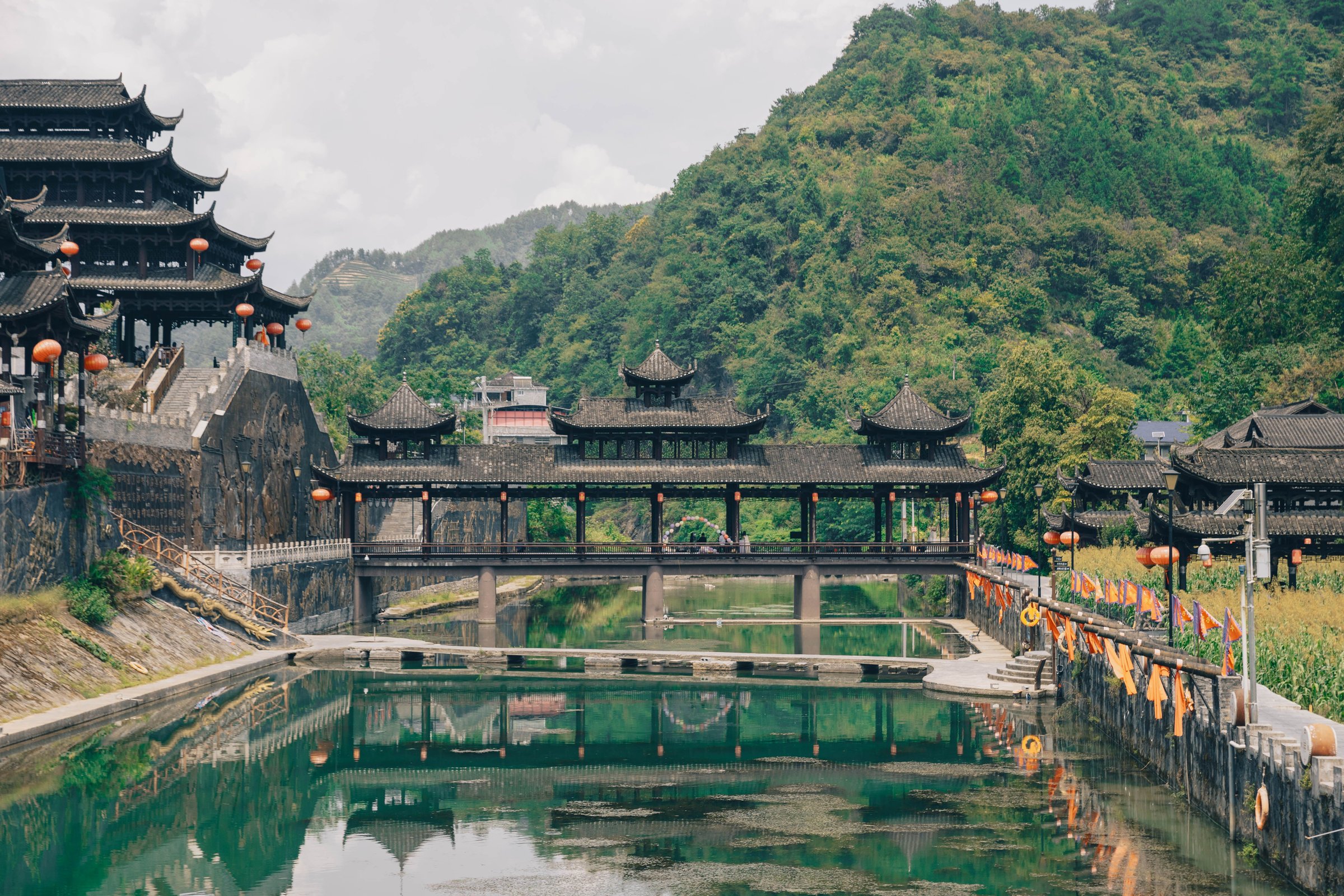
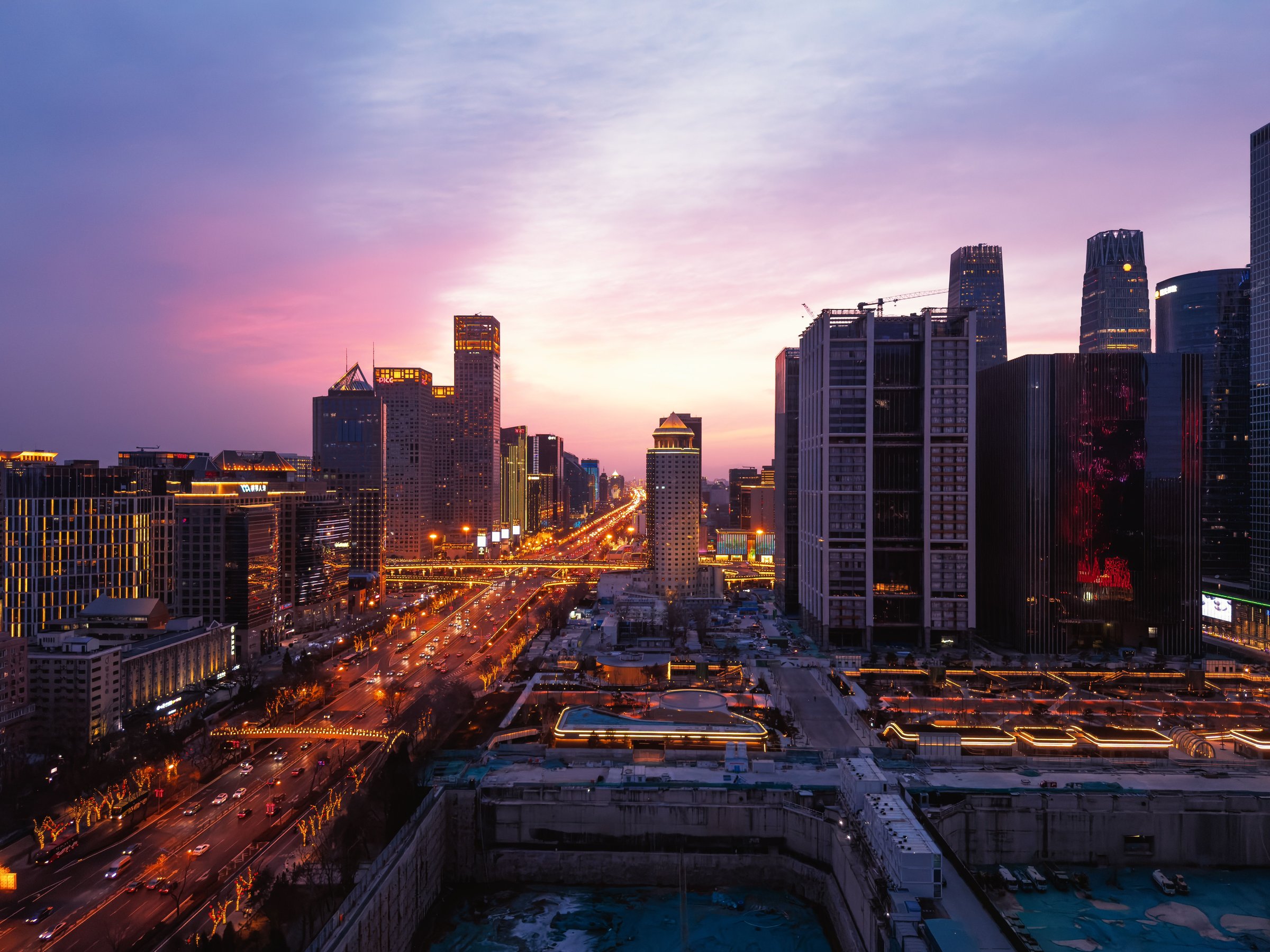
China runs on scale and detail. Trains that leave on the minute, cities that rebuild themselves within a decade, and a food culture in which every province has its own answer. That same care shows up in a palace courtyard as much as in a back-street teahouse. You don't plan for these moments, they just happen, and they're usually what people remember most.
It's also a country that punishes over-ambition. China is vast, and the distances are real, and that's the trap: travellers try to stitch together six cities in ten days and spend the trip in stations and airports. A good trip and a great one rarely differ by how many cities were on the list. They differ by how much time you actually had in each one.
We've been designing holidays since 2013. Not templates, routes built around how you like to travel. We pick the city order before the hotel, the pace before the itinerary, and we'll tell you when something isn't worth your time. This is our travel guide to China. You can find our opinions on what places to include, what time to visit, how long your visit should be and more.
Curated Journeys
Getting the mix of destinations right matters more than trying to see everything. Here's what each one is actually good for.
The Forbidden City is the vast former imperial palace, and it requires advance real-name booking. Tiananmen…
Read More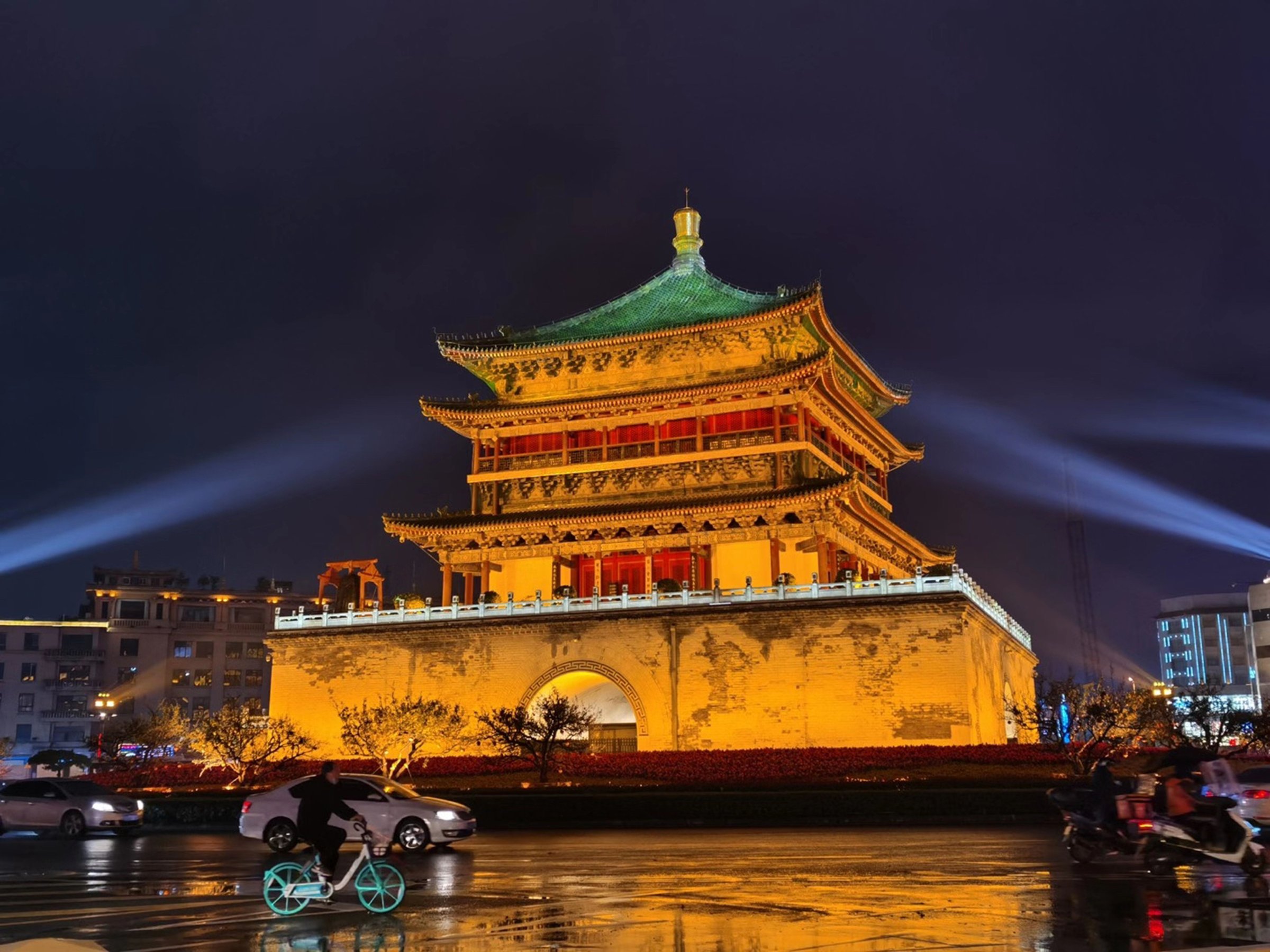
The Terracotta Army is thousands of life-sized clay soldiers buried with the first emperor of unified…
Read More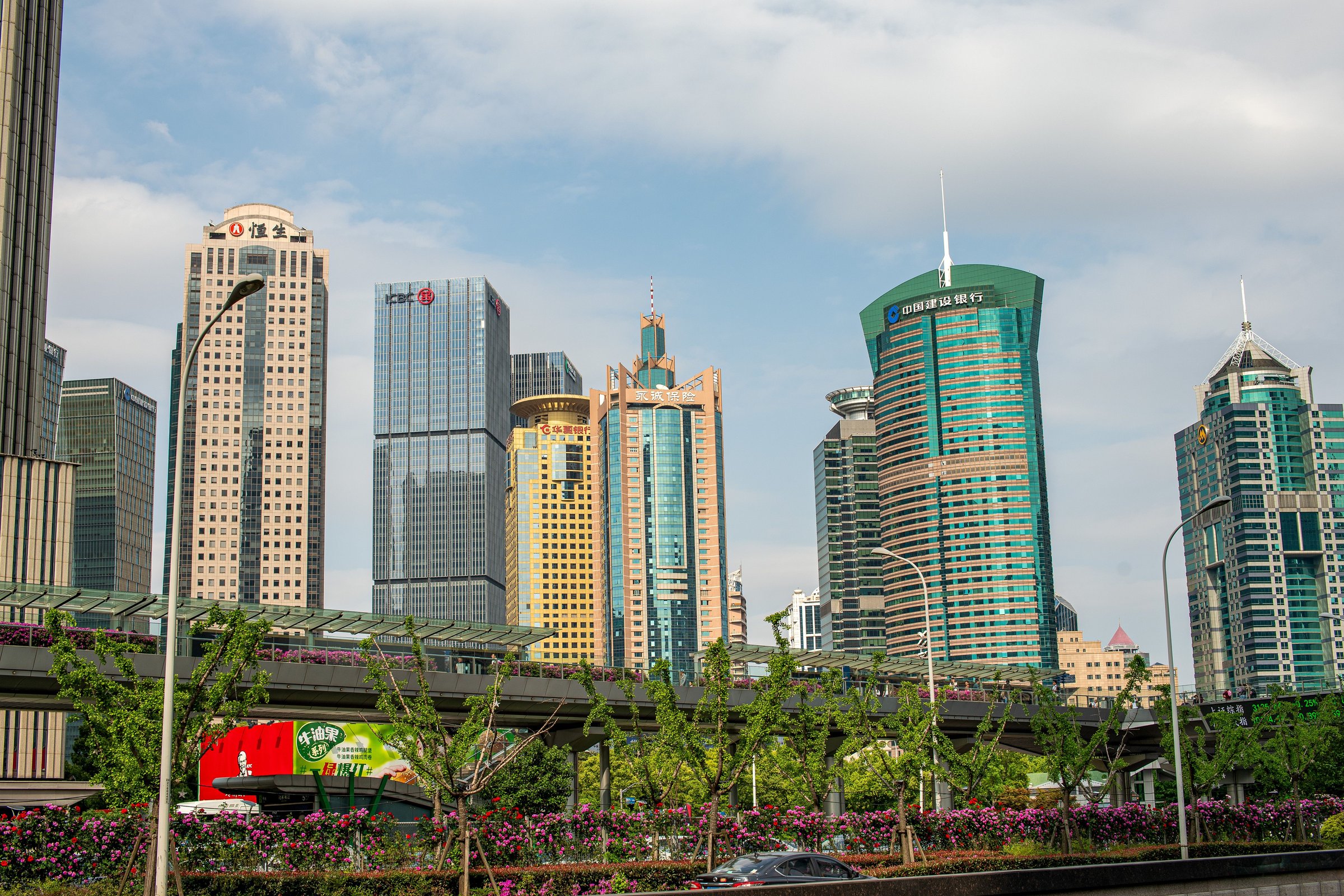
The Bund is the waterfront promenade with colonial-era buildings facing the Pudong skyline. The Oriental Pearl…
Read More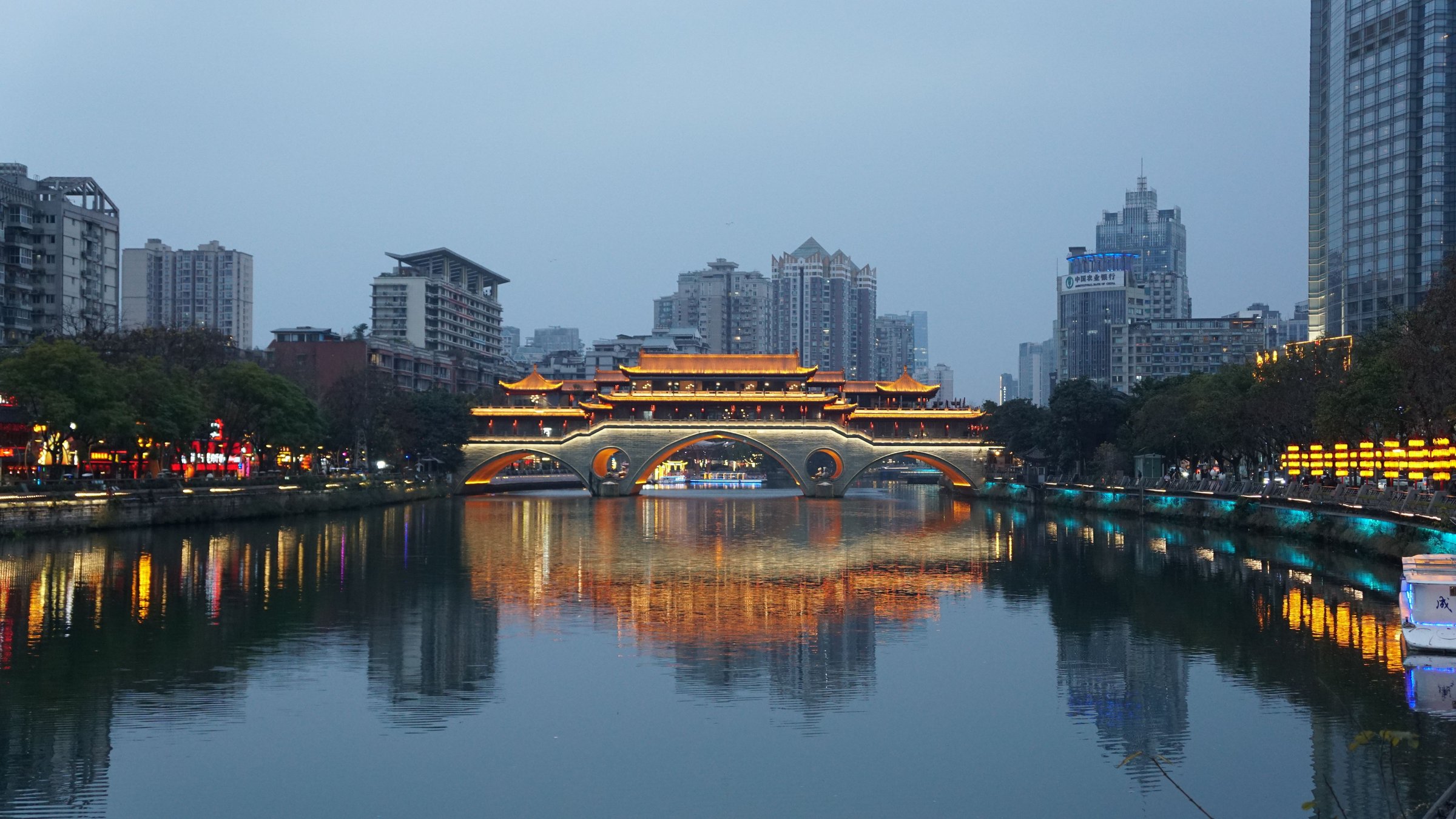
The Chengdu Research Base of Giant Panda Breeding is best visited early in the morning when…
Read More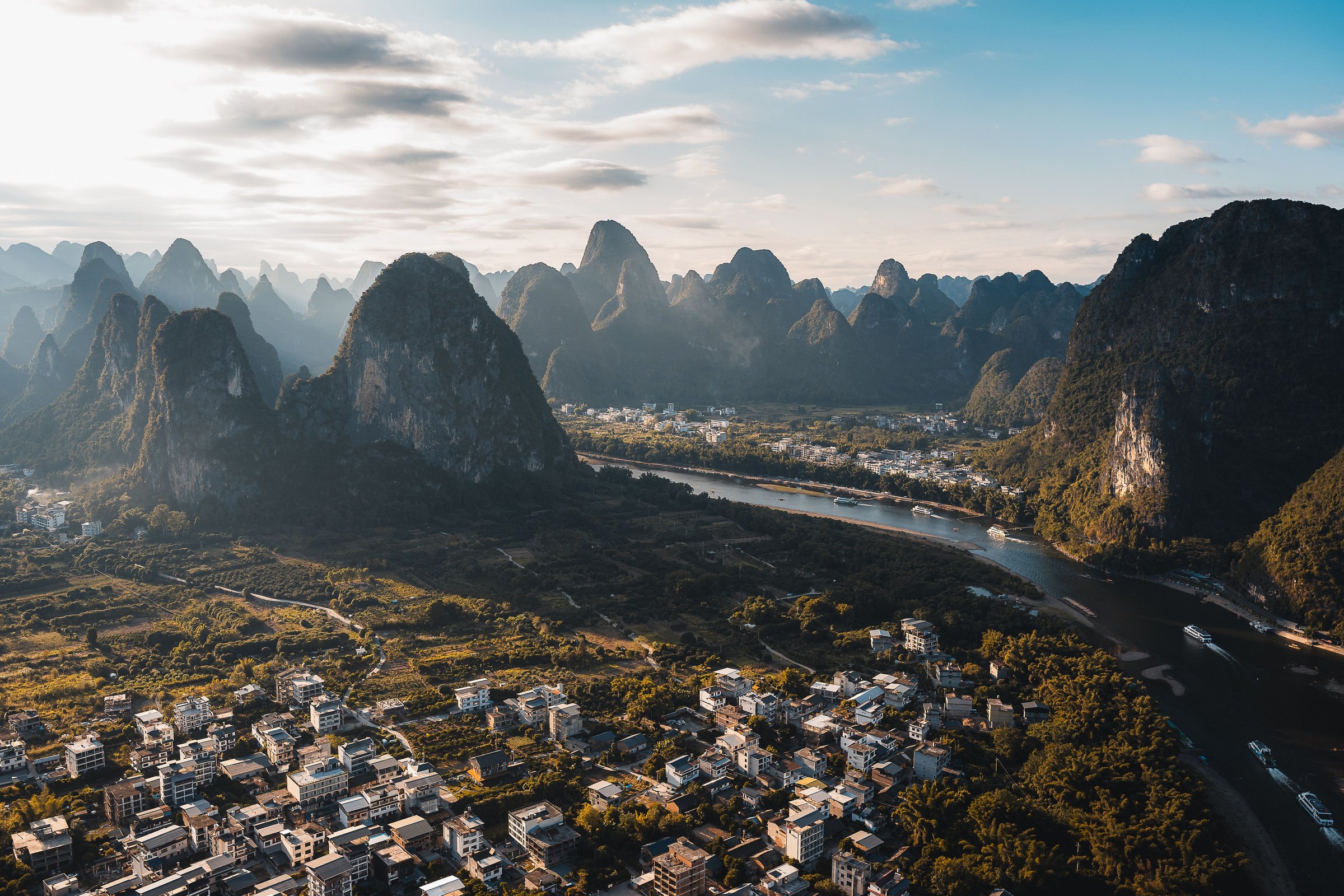
The Li River cruise passes limestone karst peaks and is the classic scenic route. Yangshuo is…
Read More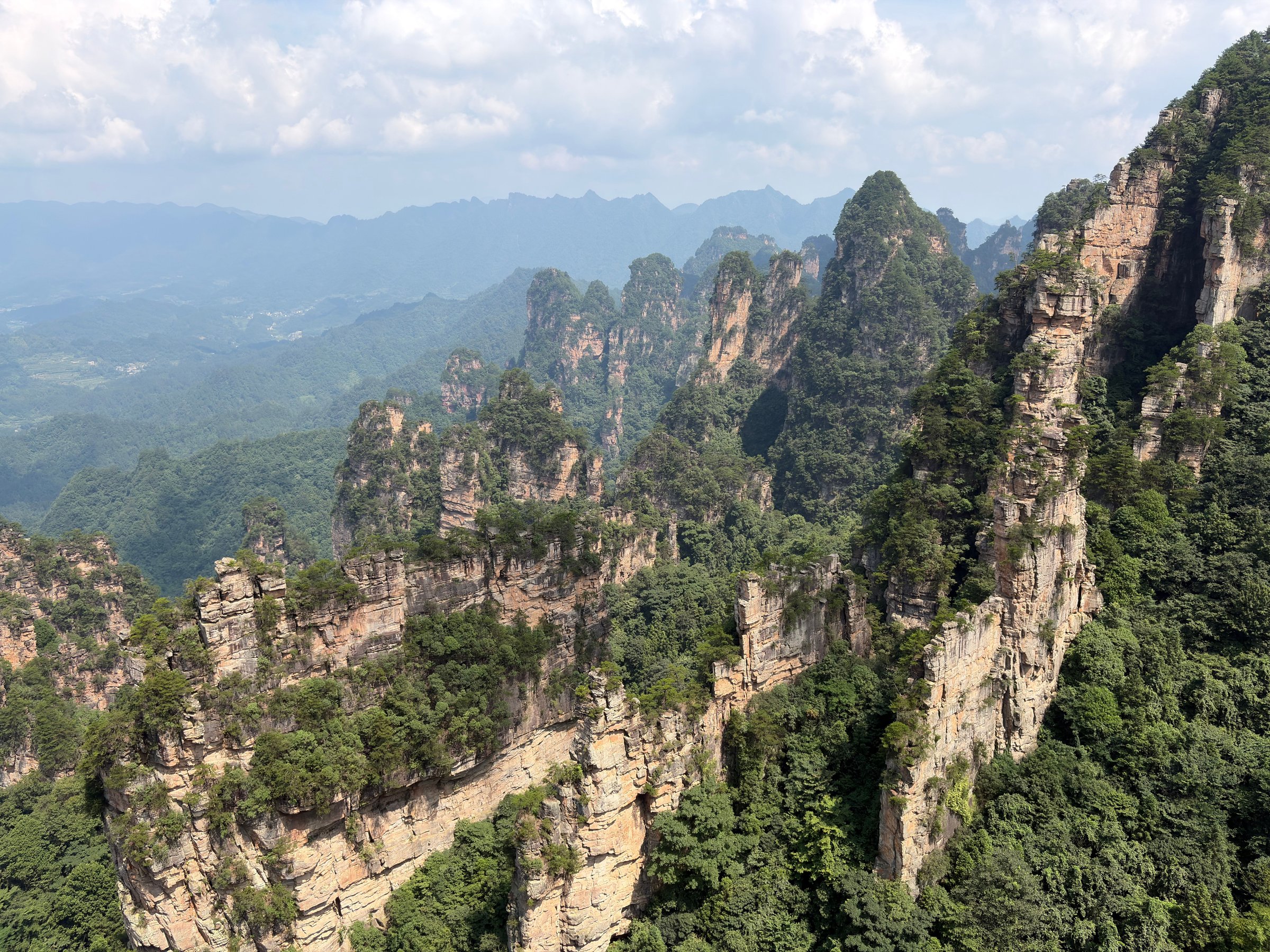
Zhangjiajie National Forest Park has the sandstone pillars said to have inspired the floating mountains in…
Read More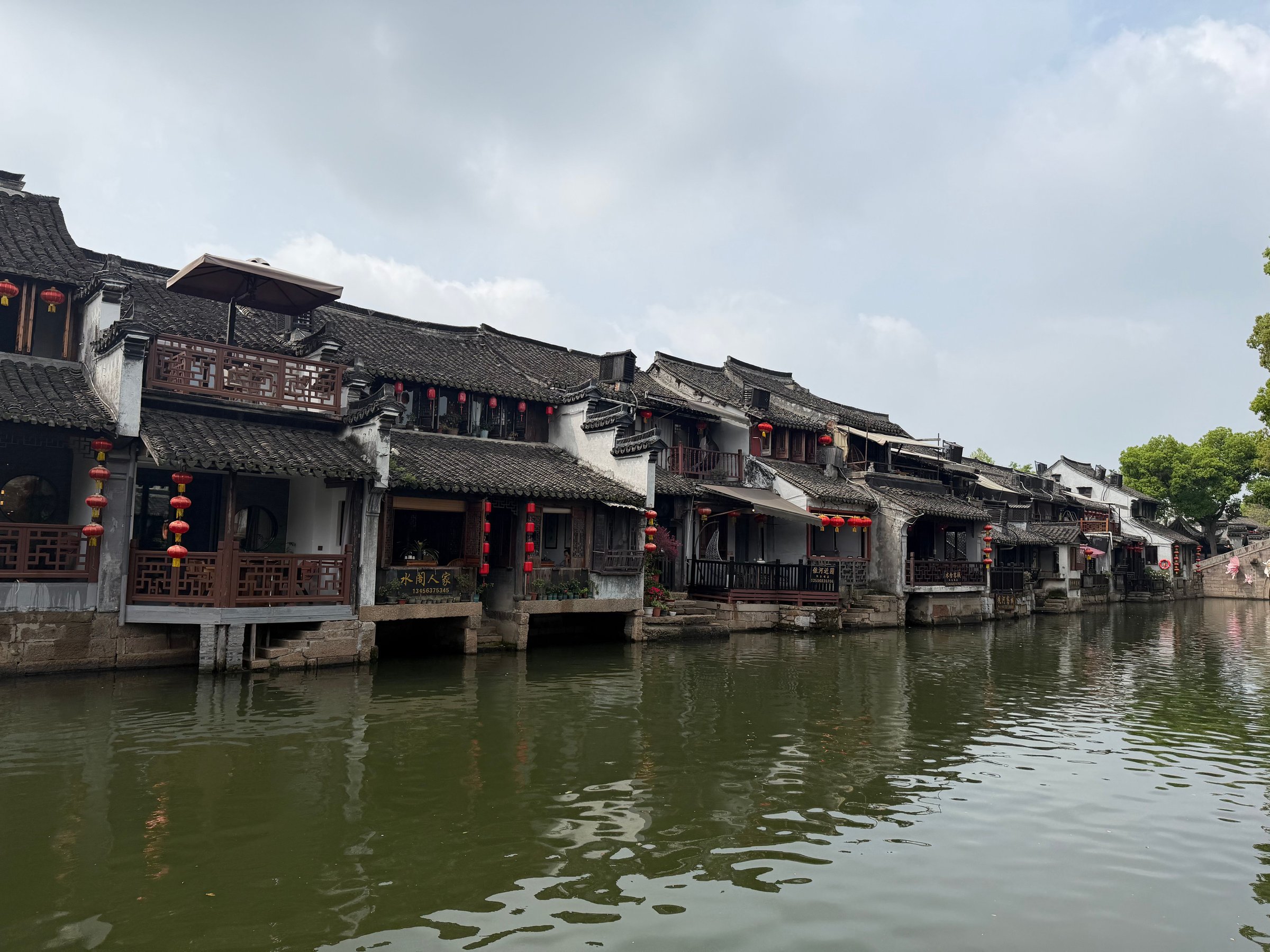
West Lake in Hangzhou is a lake of pagodas, causeways and tea fields, and Longjing tea…
Read More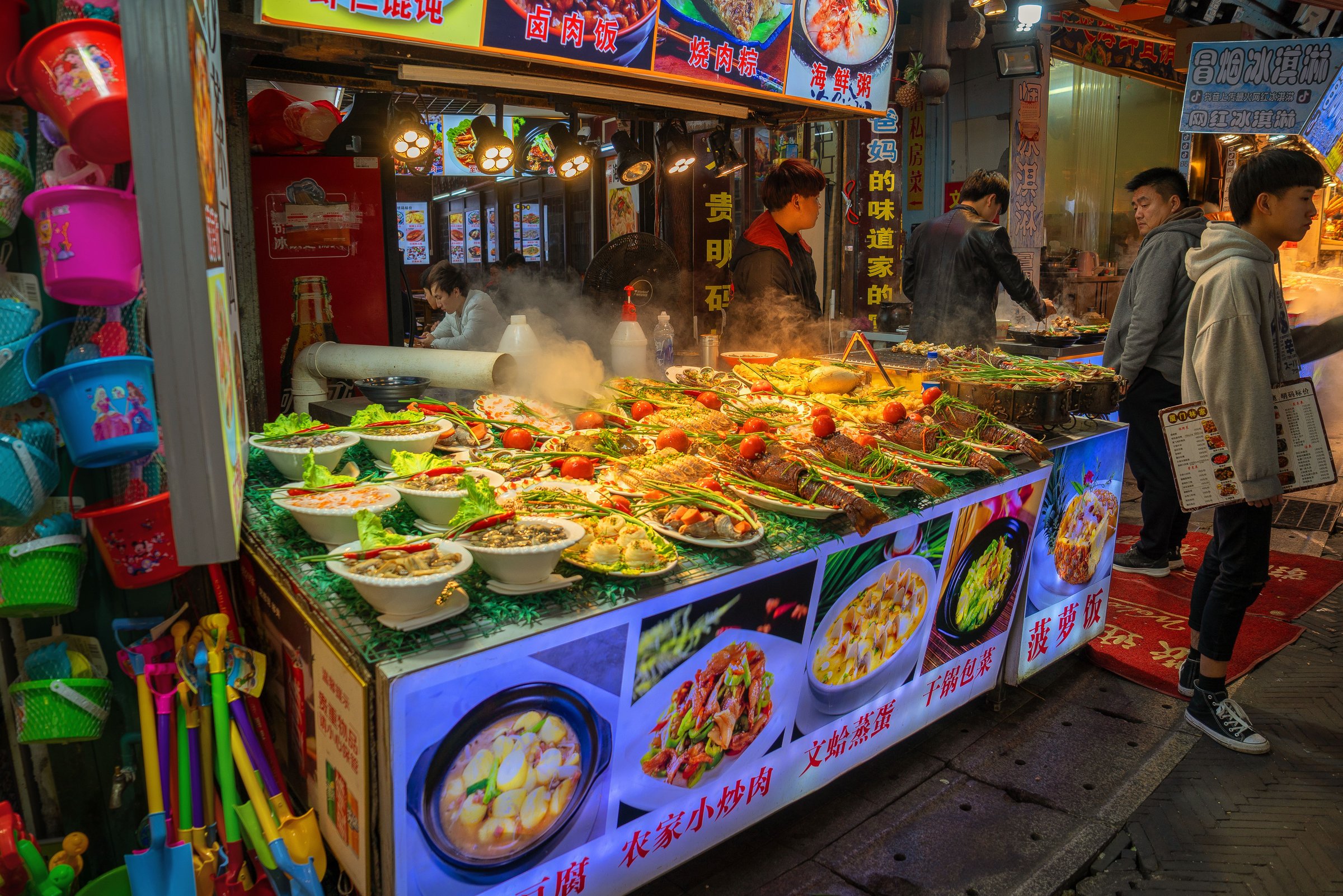
Food is usually what people talk about most when they get back. There is no single Chinese cuisine. Beijing is known for roast duck, Xi'an for hand-pulled noodles and lamb, Shanghai for soup dumplings, Sichuan for chilli and the tingling heat of Sichuan pepper, and Guangdong for dim sum. The best meals are often in busy, unfussy places with a queue of locals.
One thing worth being honest about, China is harder for vegetarians than most of Asia. Broths and cooking oils often contain meat, and vegetable dishes may be cooked with pork or shrimp paste. Buddhist vegetarian restaurants are the best option, and Indian restaurants can be found in Beijing, Shanghai, Guangzhou and other larger cities. We brief restaurants and guides in advance and plan your meals with care. We don't pick restaurants by reputation, we pick them based on what you actually want, whether that's a tasting menu, a noodle counter, or a food walk.
Quick tip: Tap water is not drunk in China, and hot water is the default. Carry bottled water, and take a small stock of snacks for long train days.
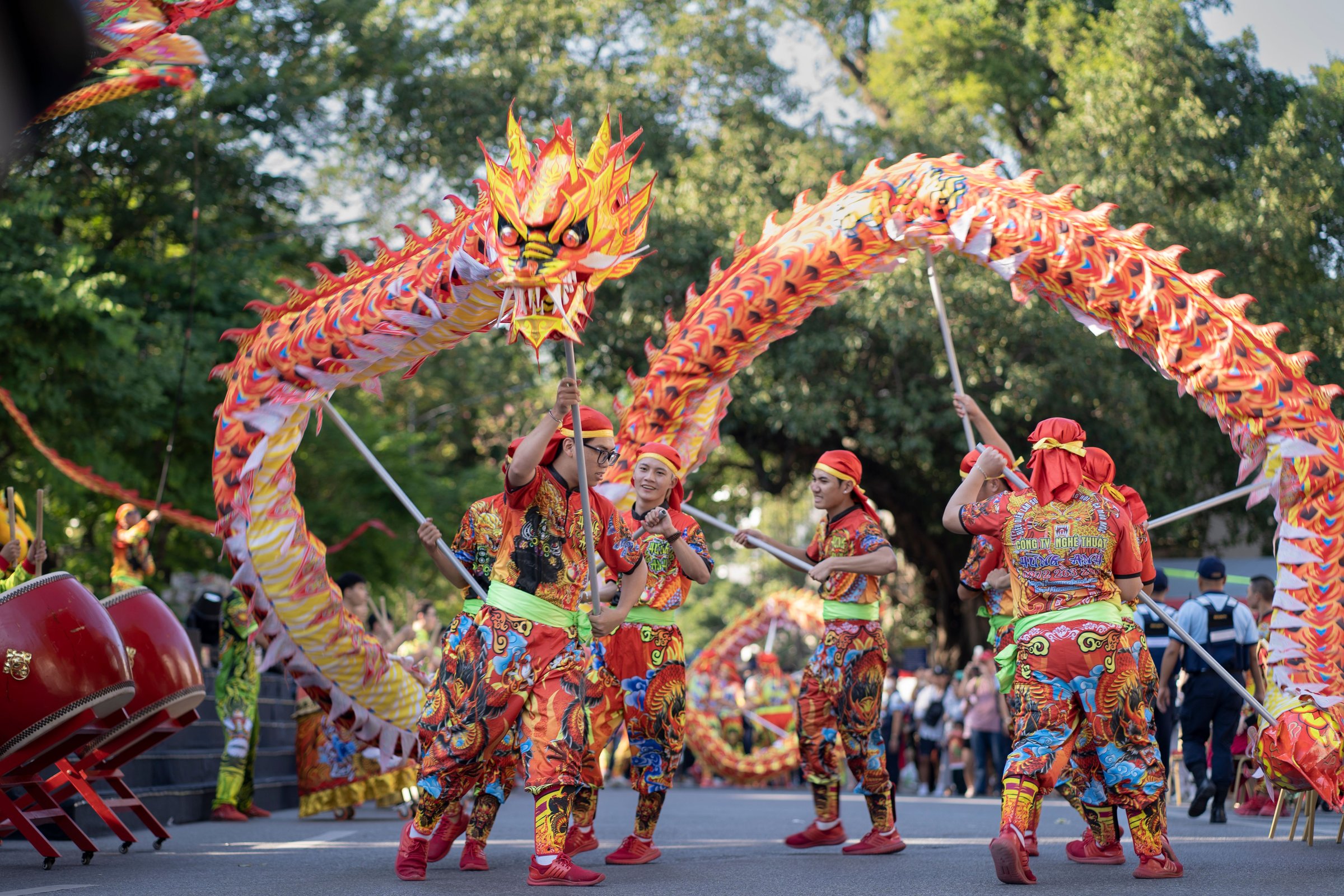
Culture in China isn't only in the palaces. The Forbidden City and the Terracotta Army are worth seeing, but a morning of tai chi in a park, a session in a traditional teahouse, or a family lunch that runs for two hours usually tells you more. Family, hospitality and food sit at the centre of daily life, and travellers are generally treated with warmth and curiosity.
Travenza tip: Chopsticks should never be stuck upright in a bowl of rice, which resembles incense at a funeral. Offer and receive business cards and gifts with both hands.
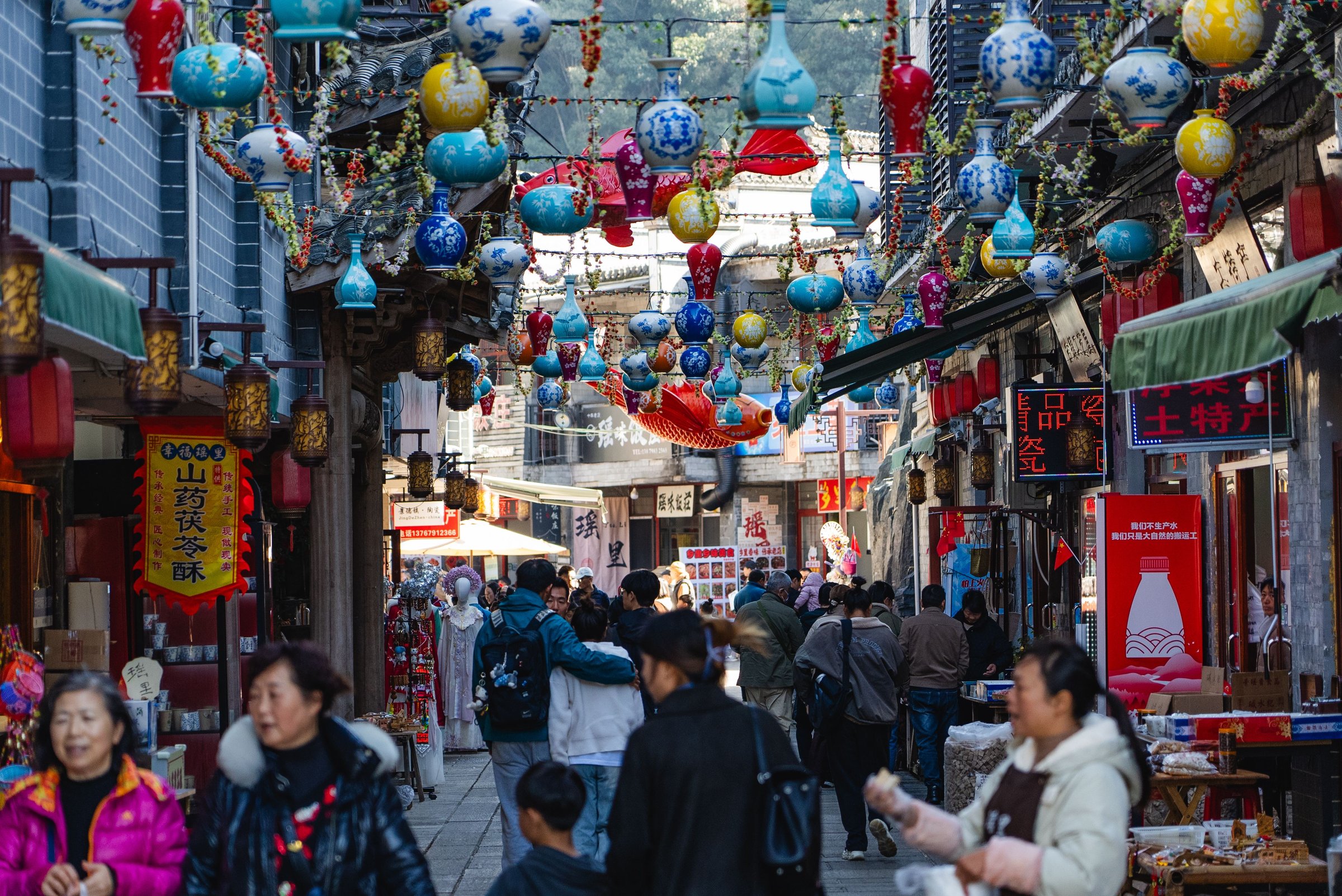
Shopping here is best done with a plan. Silk in Suzhou and Hangzhou, tea in Hangzhou and Chengdu, jade and pearls in Shanghai and Beijing, and calligraphy, porcelain and paper-cut crafts across the country. Beijing's Panjiayuan Market is a large antiques and crafts market, and the Silk Market is known for clothing and bargaining. Shanghai's Nanjing Road and the French Concession suit brands and boutiques.
Bargaining is expected in markets, and you should be sceptical of very low prices for silk, jade and antiques, which may be imitations. Export of genuine antiques is restricted.
Travenza tip: For tea, silk and jade, buy from established shops or from a place your guide has a long relationship with, and keep the receipts.
Frequently Asked Questions
Yes, with the right preparation. It is safe, well organised and rich in sights. Because of the language, payments and connectivity, a guided, well-planned route makes it much easier.
For a first trip, 10–12 days works well. It is enough for Beijing, Xi'an, Shanghai and one more region without rushing. 8–9 days covers the three main cities, and 13–15 days lets you add Zhangjiajie or Hangzhou.
Spring and autumn are the best for most of the country. Avoid Golden Week in early October and Chinese New Year. Summer is hot, and winter is very cold in the north.
Yes. Indian passport holders need a visa before travel, and there is no visa on arrival for tourism. We handle documentation and appointments.
Yes. Pandas in Chengdu, the Great Wall, high-speed trains and Shanghai Disney Resort work well for children. We keep the days shorter for younger travellers.
It can be, with a slower route. Guilin's river landscapes, Hangzhou's West Lake and Shanghai's skyline suit couples, and we pair them with quieter hotels.
It is available, but takes planning. Buddhist vegetarian restaurants are a good option, and Indian restaurants are found in larger cities. We brief restaurants and guides in advance.
Google, WhatsApp and Instagram are not accessible on local networks. An international-roaming eSIM or SIM, set up before travel, is usually the easiest solution. We share a full pre-departure guide.
Depends on season, duration, hotel category and style. As a rough guide, a well-planned 10 - 12 day trip in good 4 and 5 star hotels starts around ₹3,00,000 lakh per person, excluding flights. Luxury stays and private experiences push this higher.
In international hotels and at major sights, some. Less so elsewhere. Your guide handles this, and we share translation apps before you leave.
Yes, every trip is built around what you want, whether that's adding Chengdu, extending Beijing, including the Yangtze or Li River, or planning around a celebration.
Ready to go?
Share your dates, group size and interests, we will craft a bespoke itinerary within 48 hours. No obligations.