Asia Pacific · East Asia
Taiwan Travel Guide
Night markets, misty mountains and warm island hospitality
Night markets, misty mountains and warm island hospitality
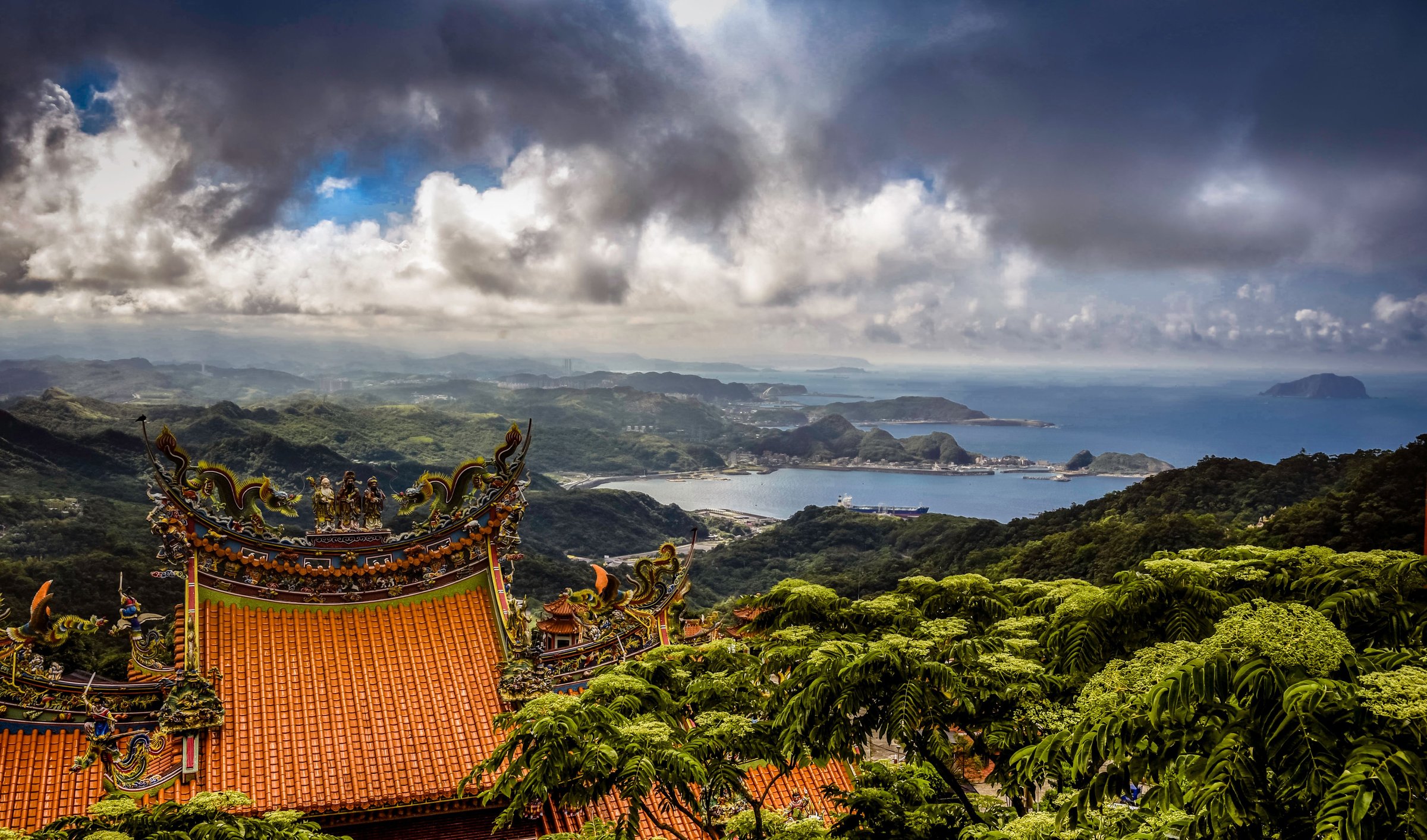
Taiwan runs on warmth and detail. Trains that arrive on time, streets that stay clean, and a culture where a stranger will walk you to the right platform. That same care shows up in a Michelin-listed restaurant as much as in a tiny stall with a stool and a steaming pot. You don't plan for these moments, they just happen, and they're usually what people remember most.
It's also easy to underplan. Taiwan is small enough to look like a quick add-on, and that's the trap: travellers give it three days, see Taipei and nothing else, and leave before the island has started to open up. A good trip and a great one rarely differ by how many stops were on the list. They differ by how much time you had for the mountains, the coast and the food.
We've been designing holidays since 2013. Not templates, routes built around how you like to travel. We pick the neighbourhood before the hotel, the pace before the itinerary, and we'll tell you when something isn't worth your time. This is our Taiwan Travel Guide. You can find our opinions on what places to include, what time to visit, how long your visit should be and more.
Getting the mix of destinations right matters more than trying to see everything. Here's what each one is actually good for.
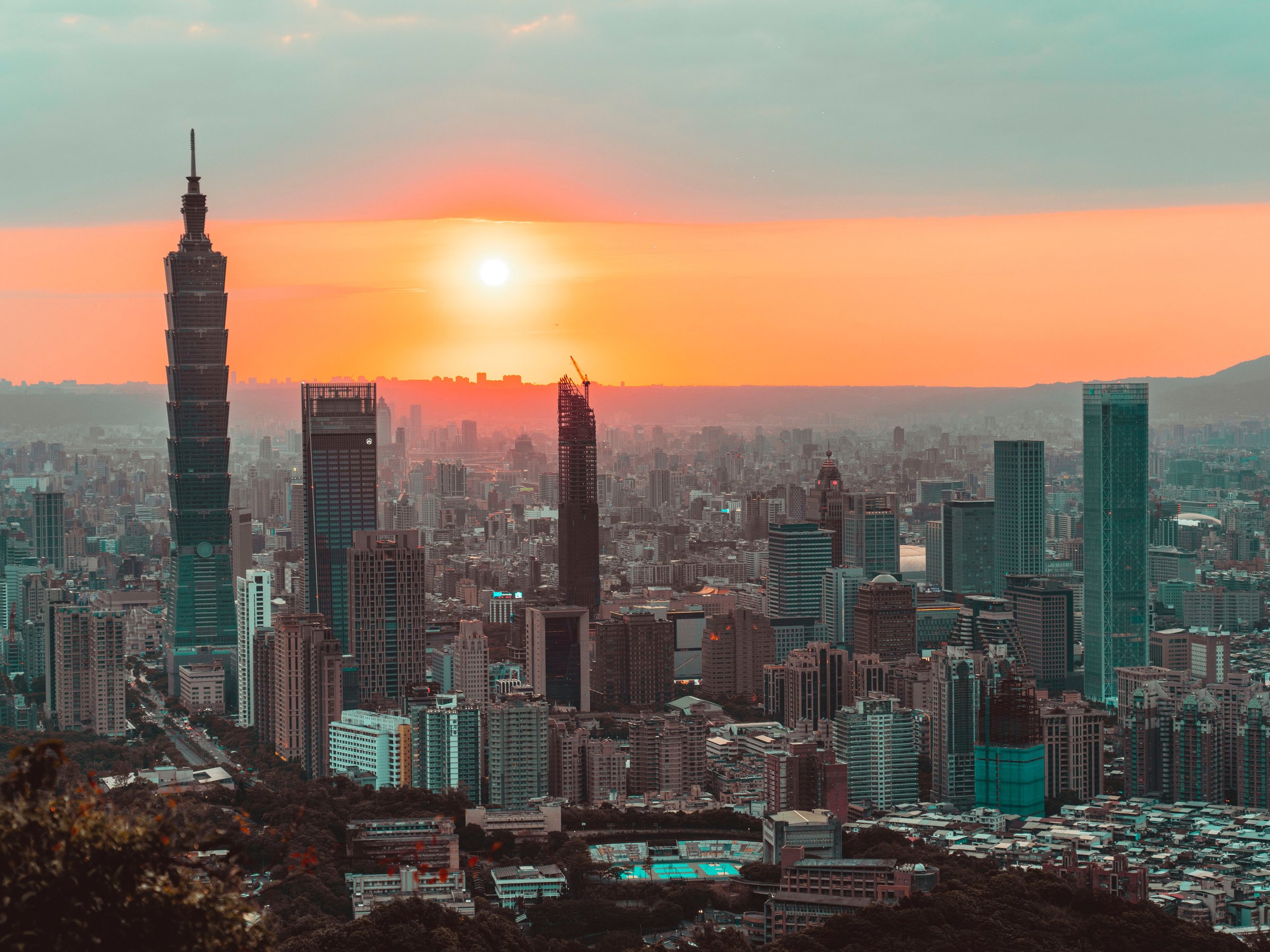
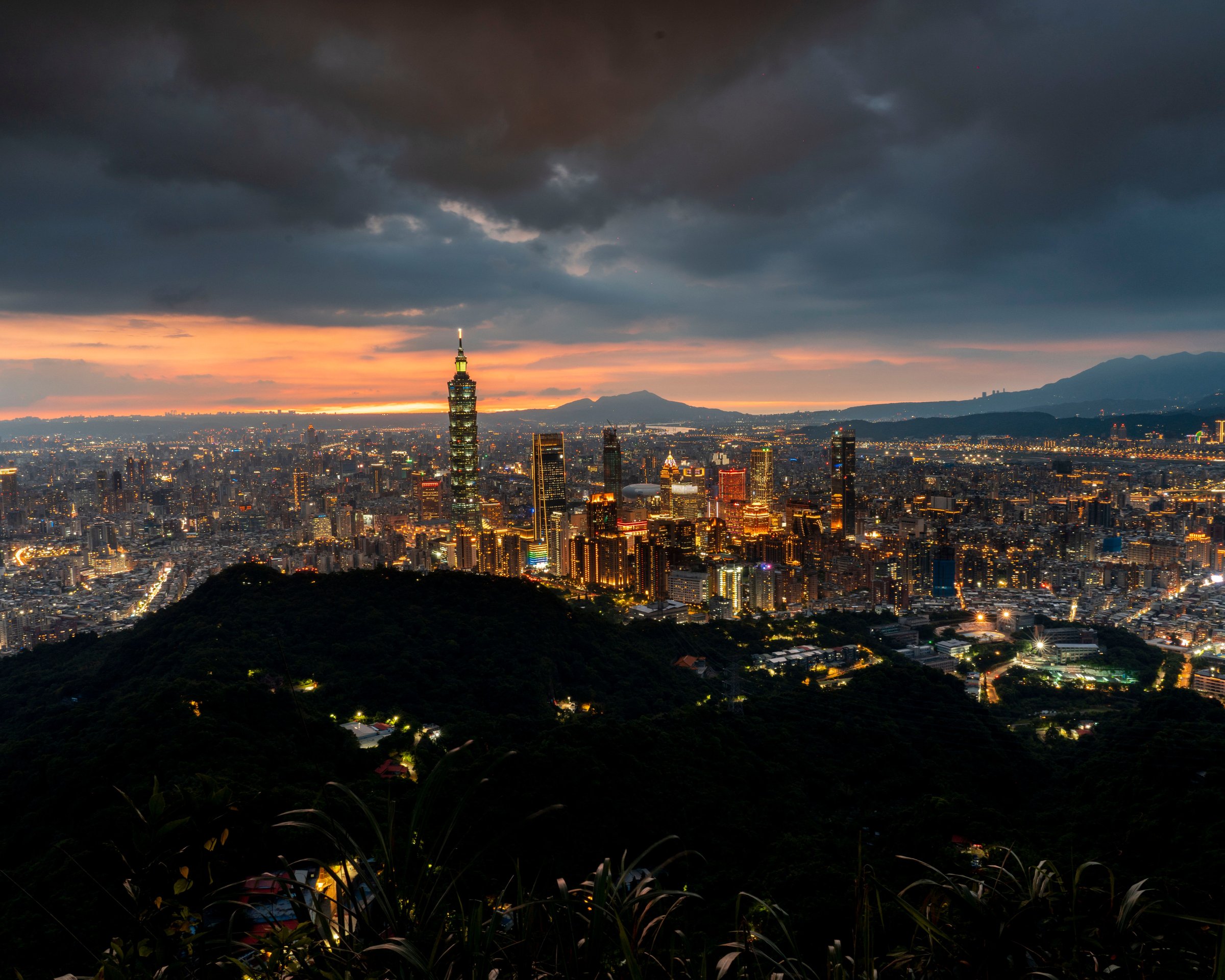
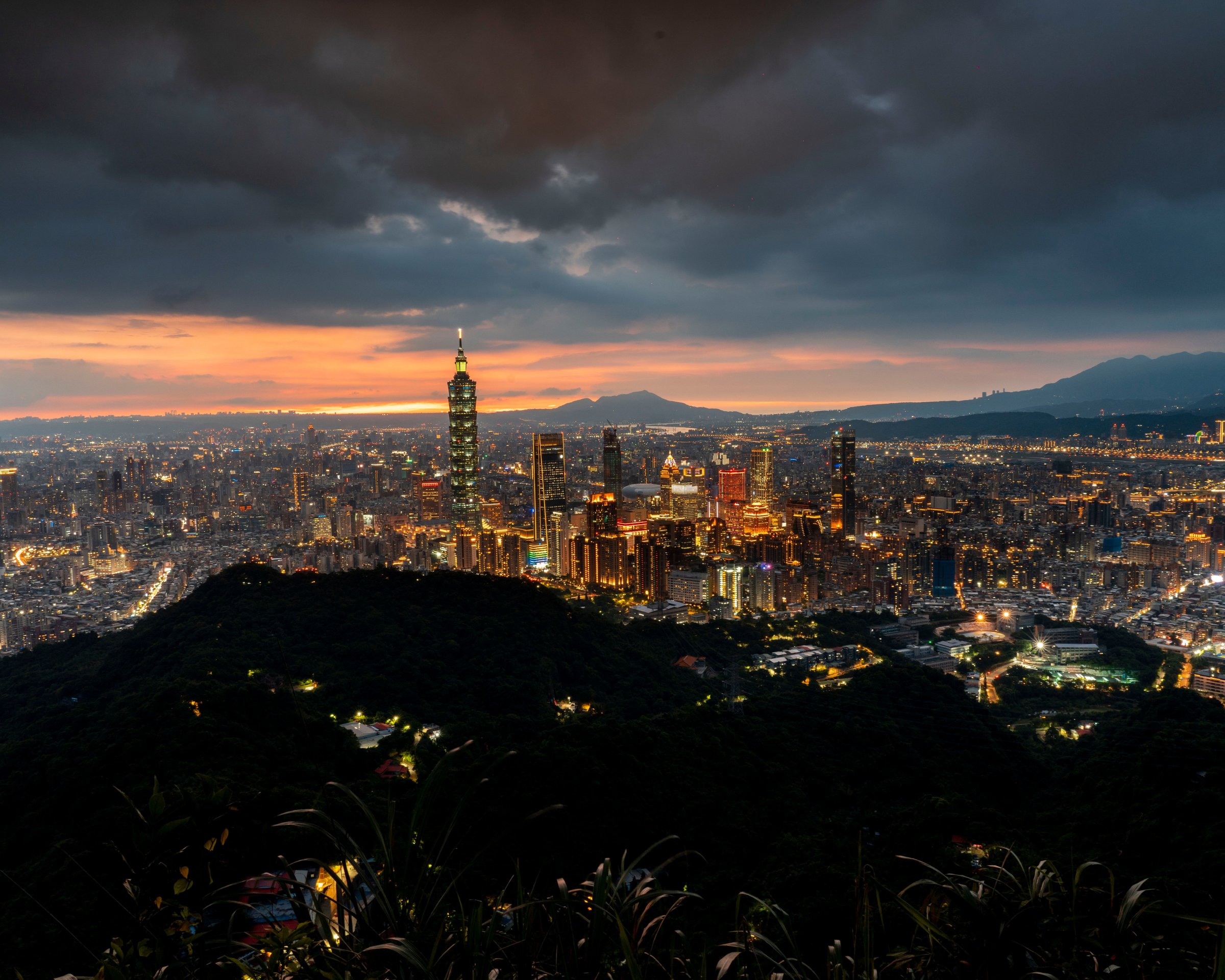
Taipei 101 is a 508-metre tower with an observation deck. The National Palace Museum holds one…
Read More
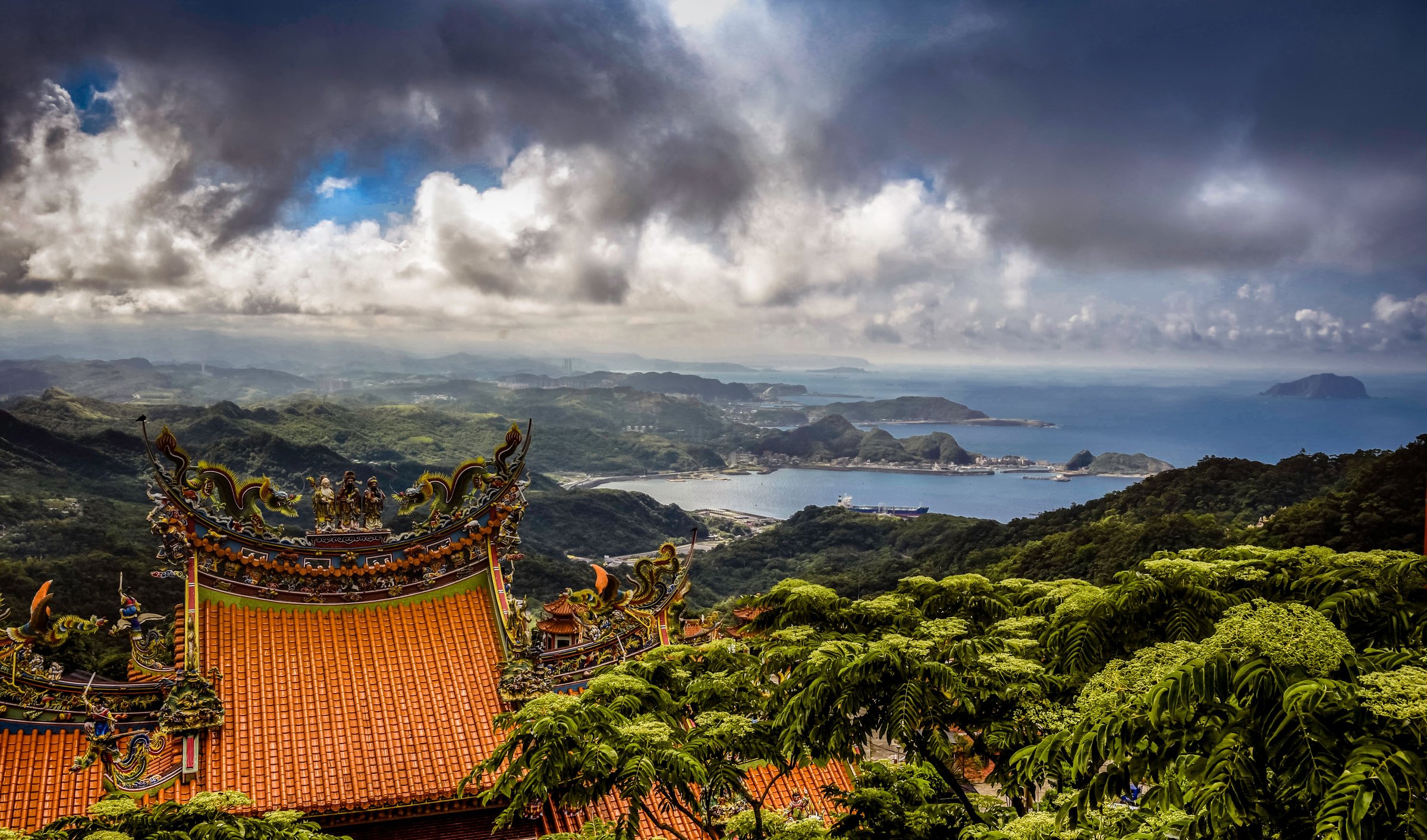
Jiufen is a hillside village of teahouses and lantern-lit lanes, best in the late afternoon and…
Read More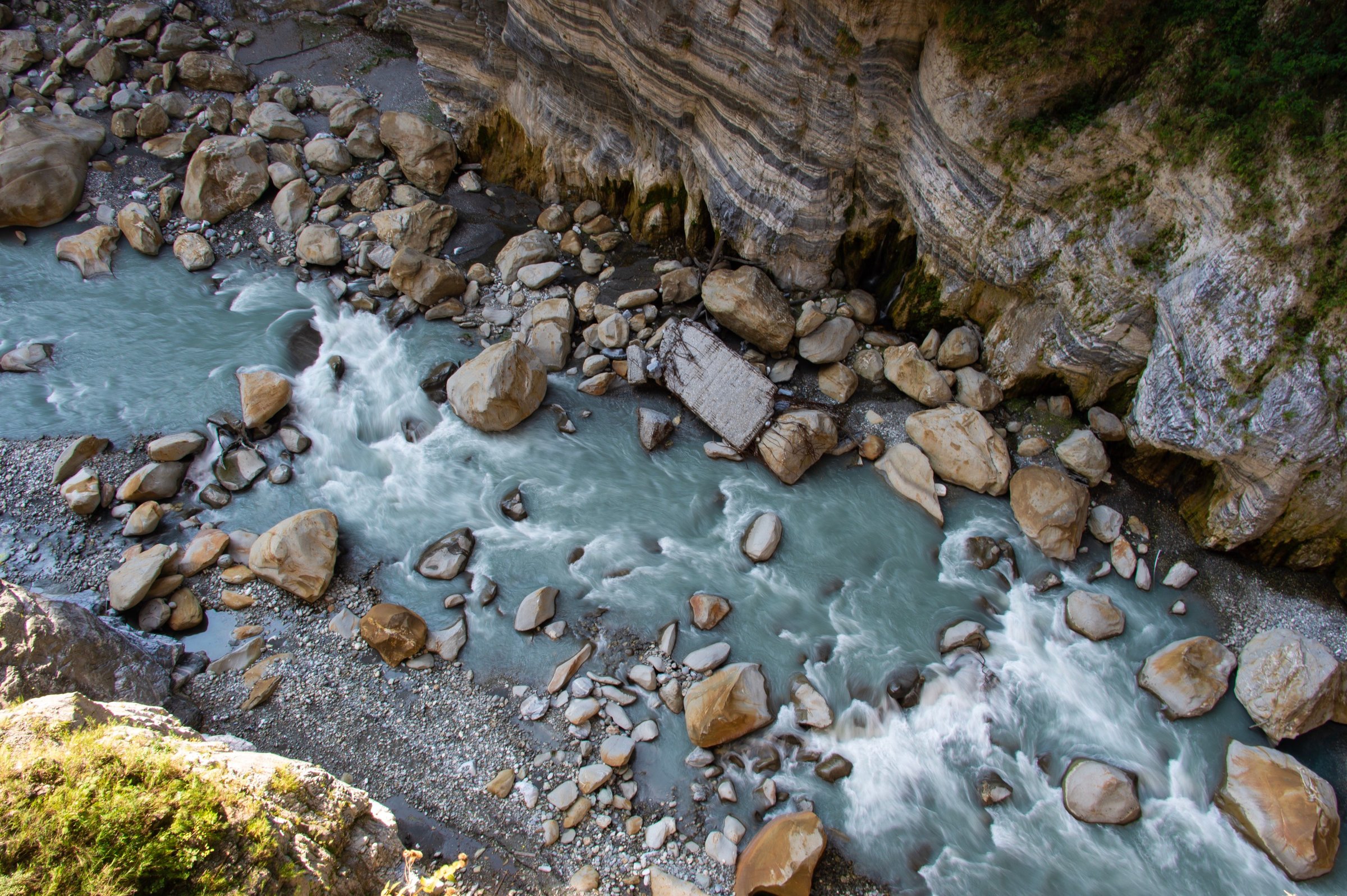
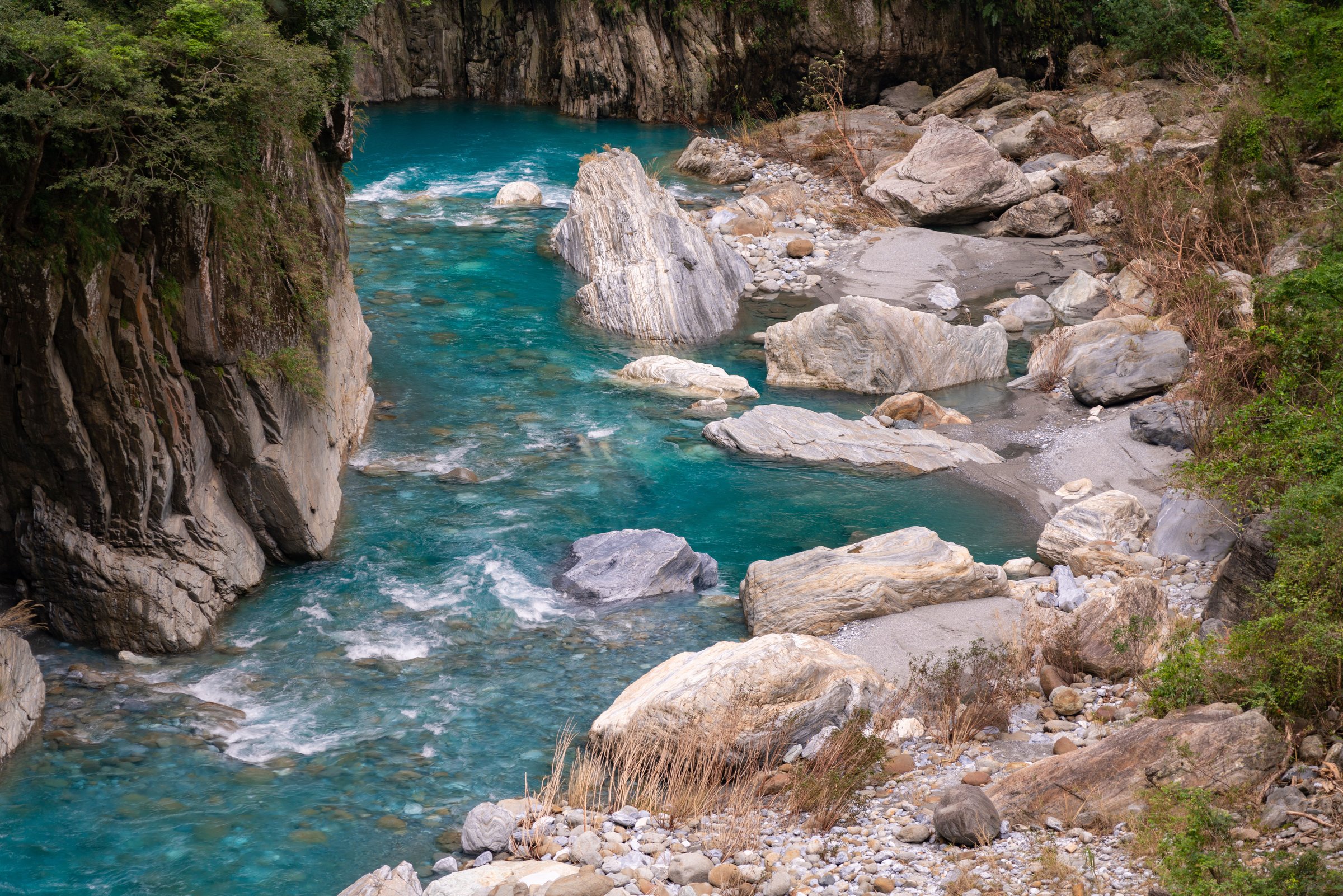
Taroko National Park has marble canyons, tunnels, suspension bridges and waterfalls. The Shakadang Trail is a…
Read More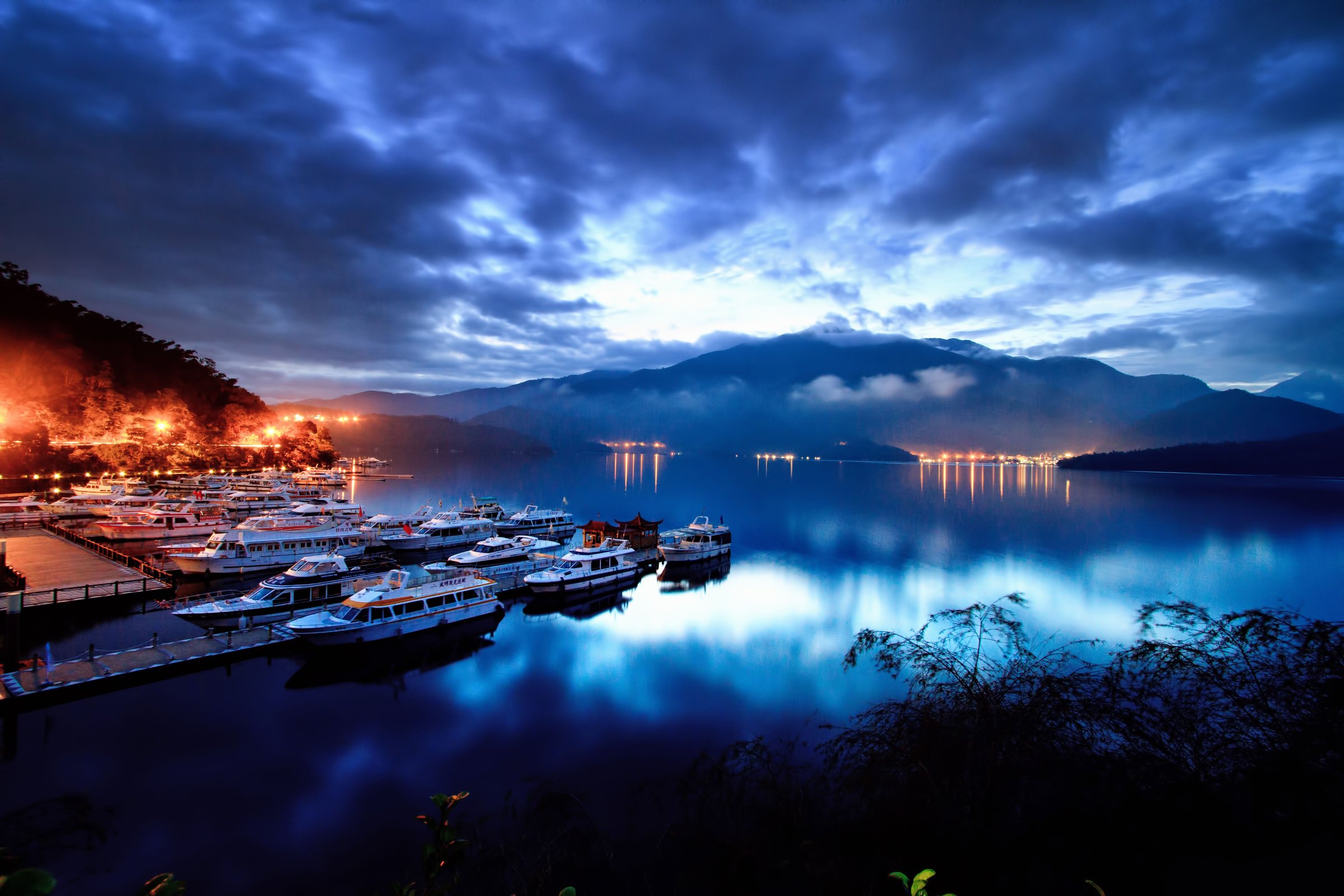
Sun Moon Lake is Taiwan's largest lake, with boat rides, cycle paths and temples along the…
Read More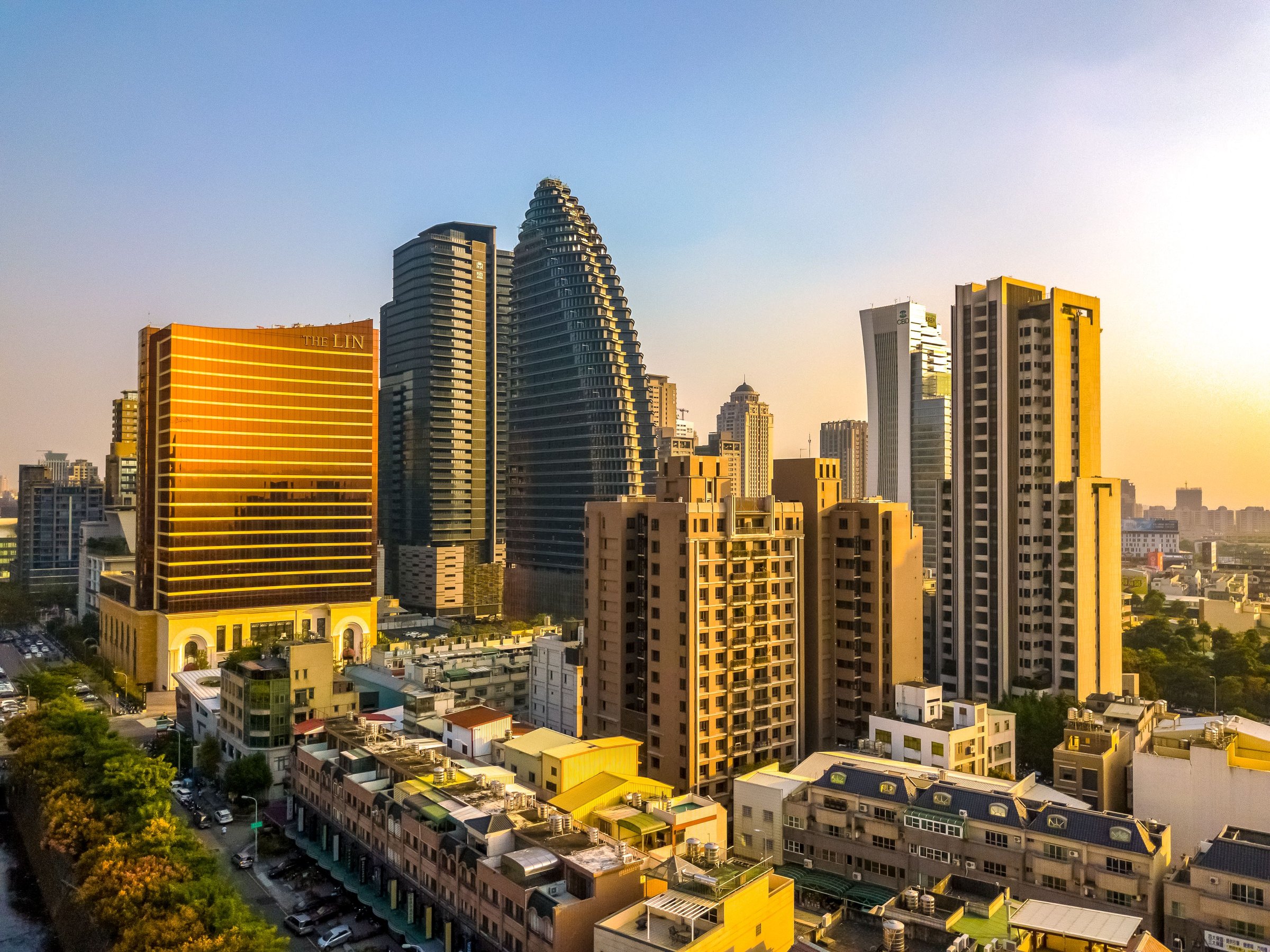
Taichung is a good city break, with the Rainbow Village painted by a veteran, Miyahara, a…
Read More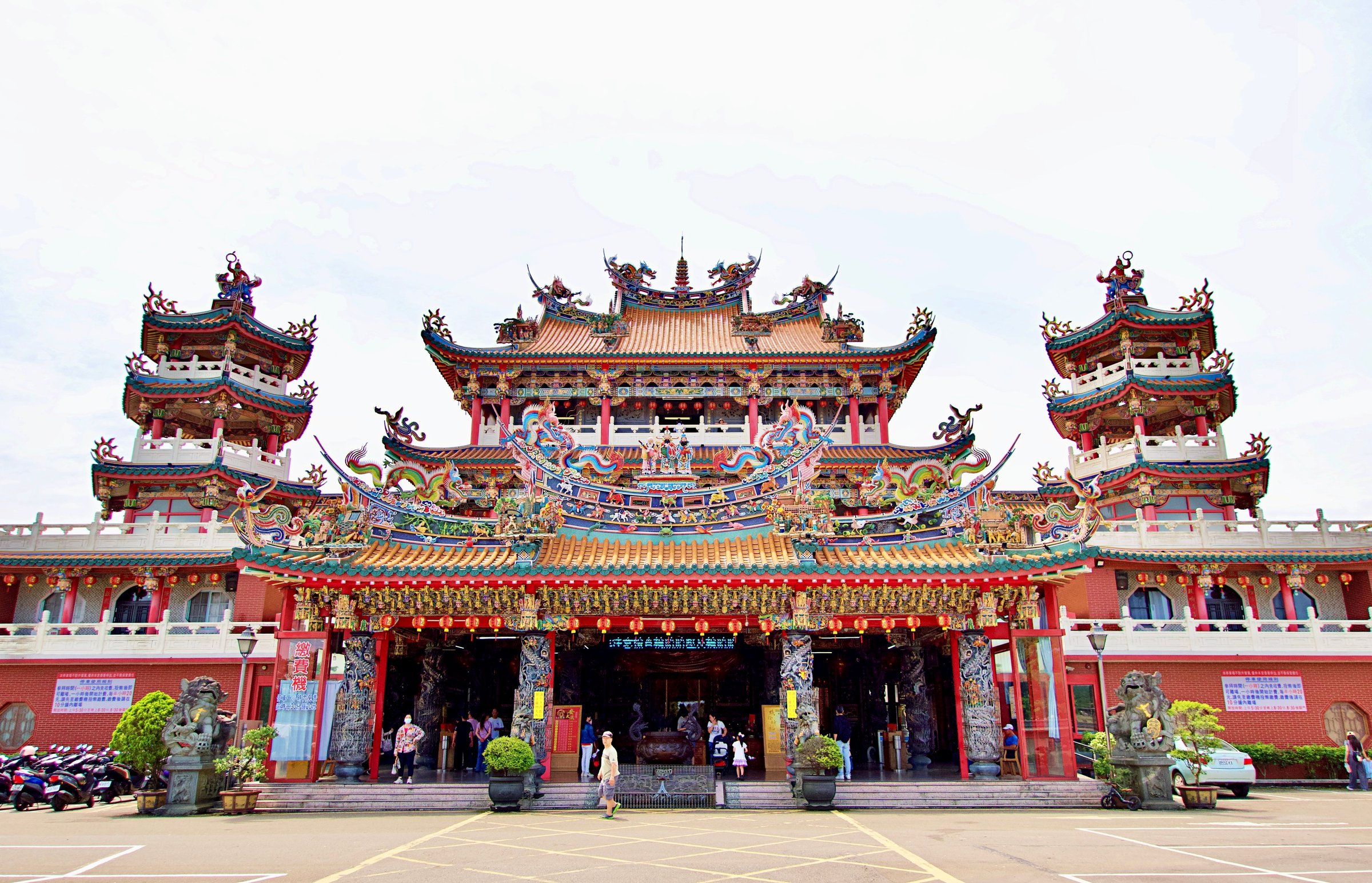
Tainan is Taiwan's oldest city and its food capital. Fort Provintia (Chihkan Tower) and Anping Fort…
Read More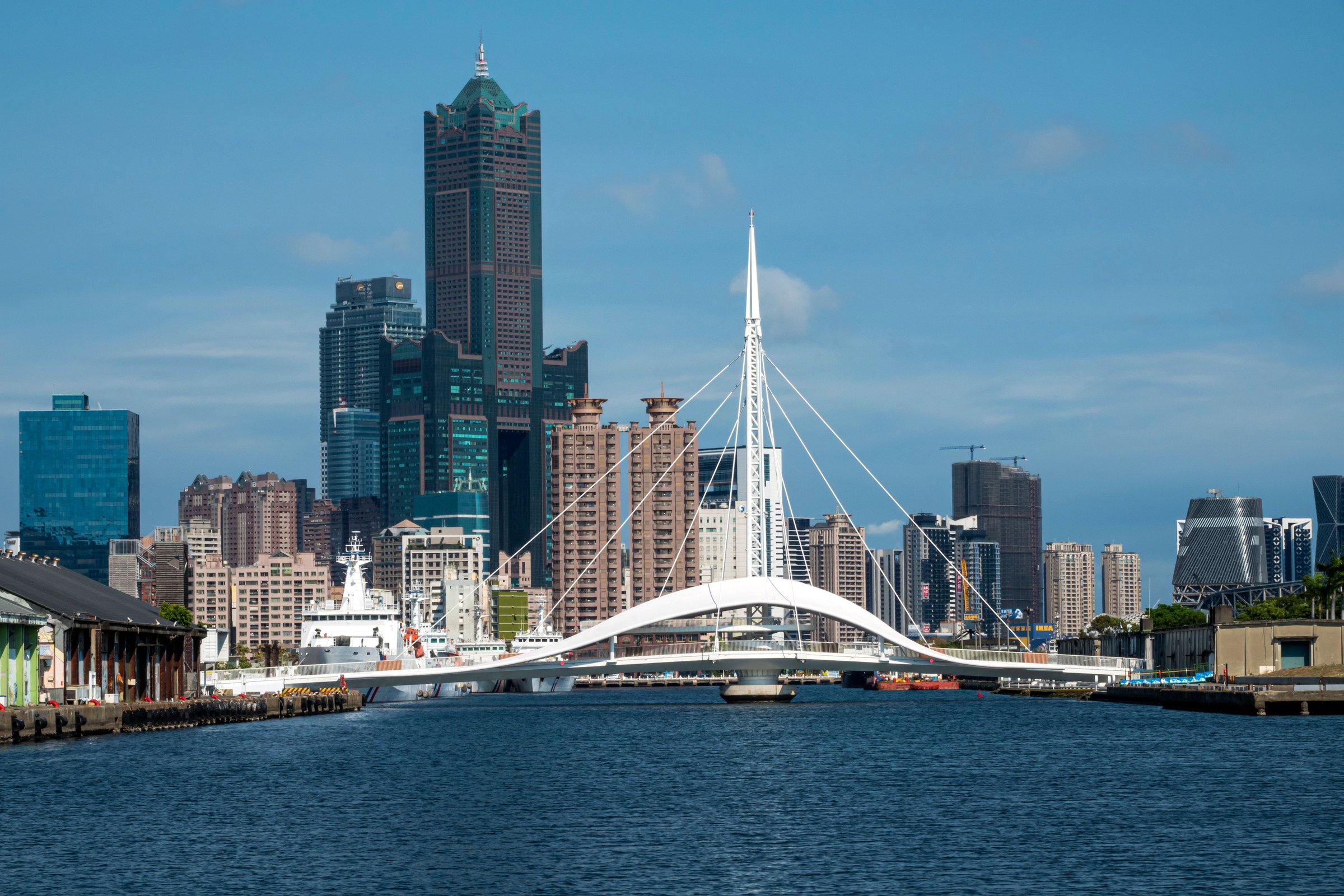
Kaohsiung is a port city with the Pier-2 Art Center, the Lotus Pond temples and the…
Read More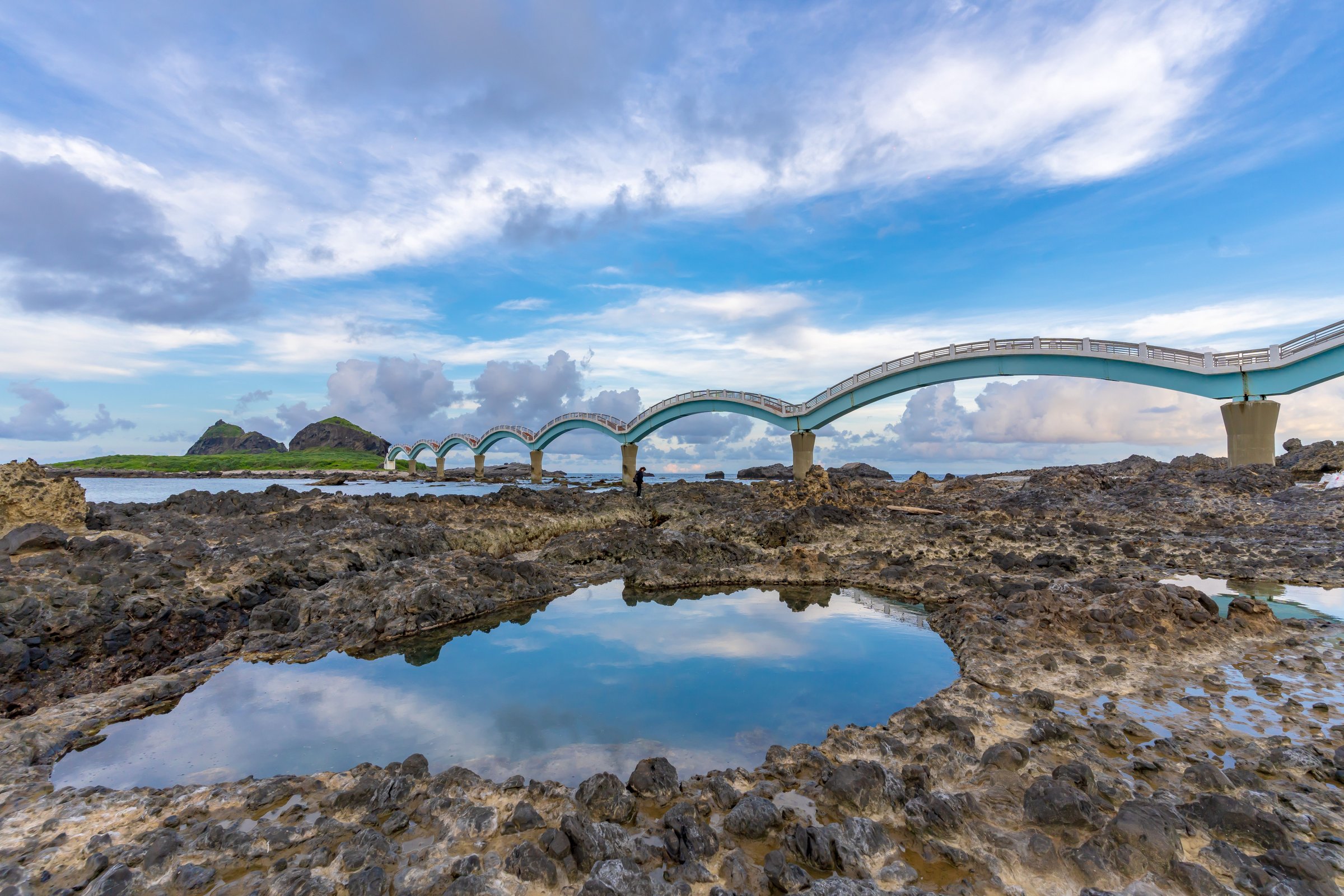
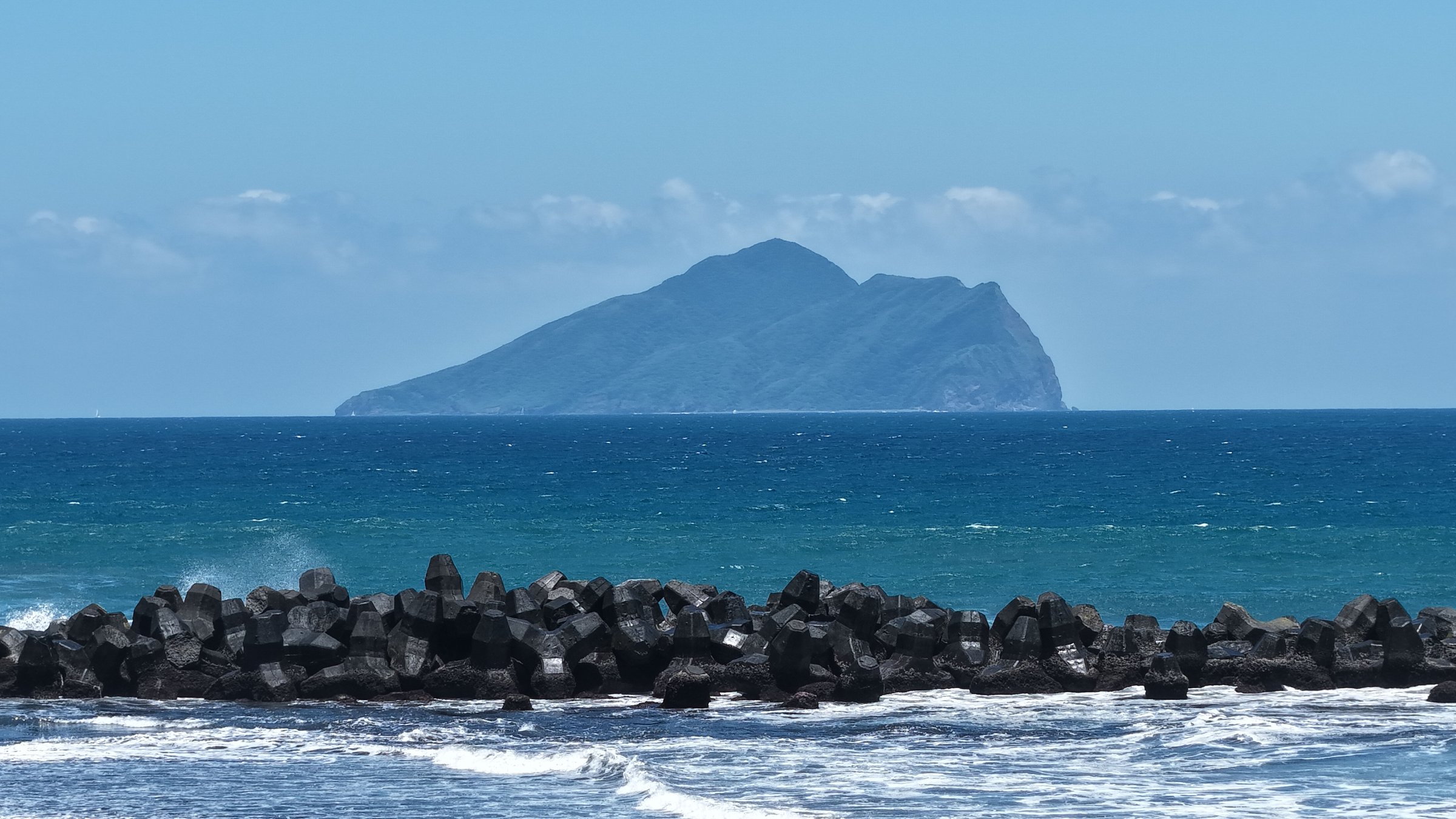
Taitung is a relaxed east-coast region of hot springs, rice fields and cycling routes, and it…
Read More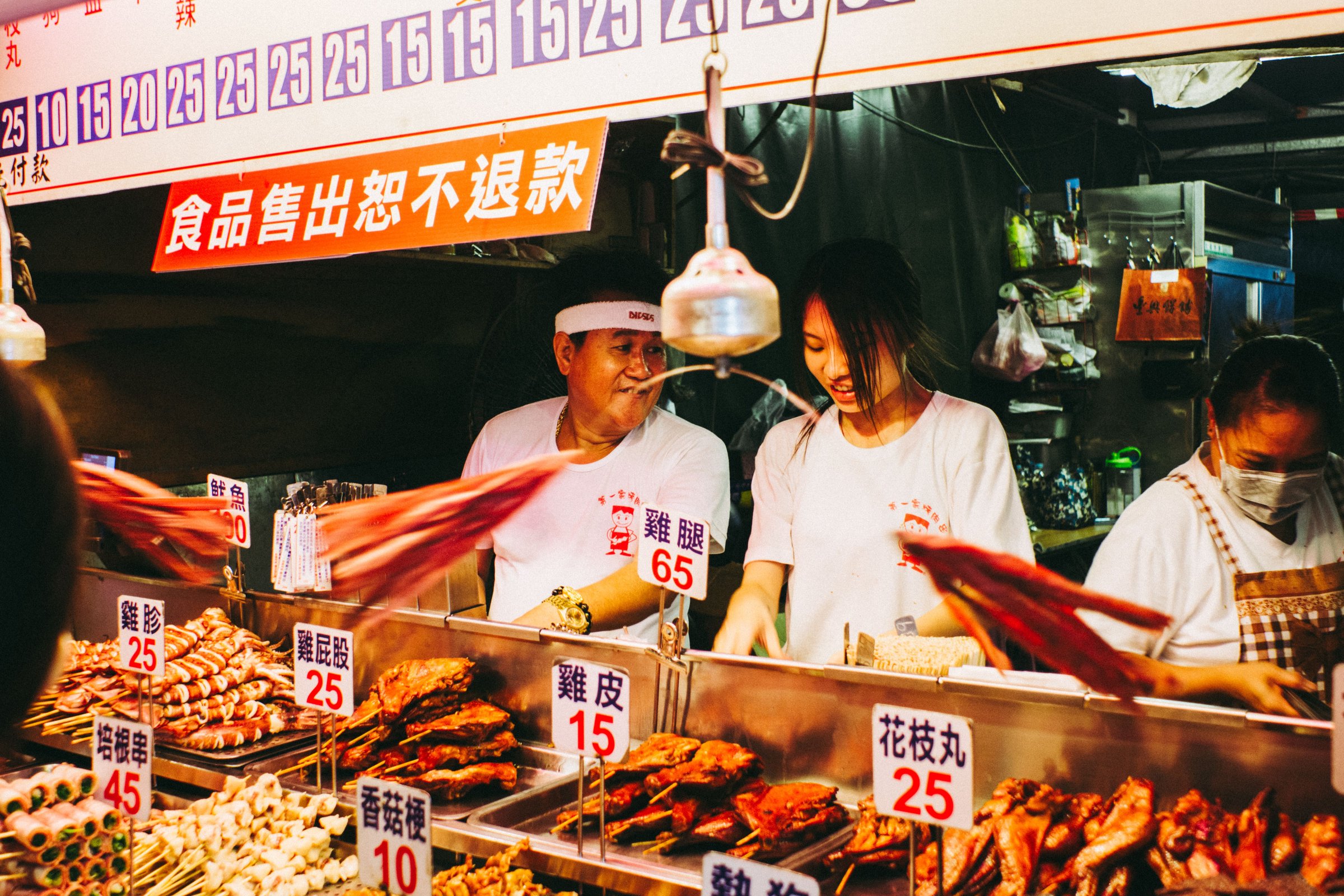
Food is usually what people talk about most when they get back. Taiwan is one of the best food destinations in Asia, and much of it is affordable and unfussy. Beef noodle soup is the unofficial national dish, xiaolongbao are soup dumplings, and braised pork rice, oyster omelette and gua bao are night-market staples. Bubble tea was created here, and pineapple cakes make a good gift. The Michelin Guide covers Taipei, Taichung, Tainan and Kaohsiung.
One thing worth clearing up, Taiwan is one of the easier places in Asia for vegetarians. Vegetarian Buddhist restaurants and buffets are common, and many of them avoid onion and garlic. Look for the character 素 on signs. Some stock and sauces in ordinary restaurants still contain meat, so we brief restaurants in advance. Indian restaurants can be found in Taipei. We don't pick restaurants by reputation, we pick them based on what you actually want, whether that's a tasting menu, a night-market crawl, or a tea-house lunch.
Quick tip: Leave your evenings open for night markets. The best meals are rarely the ones you booked, and most stalls are inexpensive enough to try several.
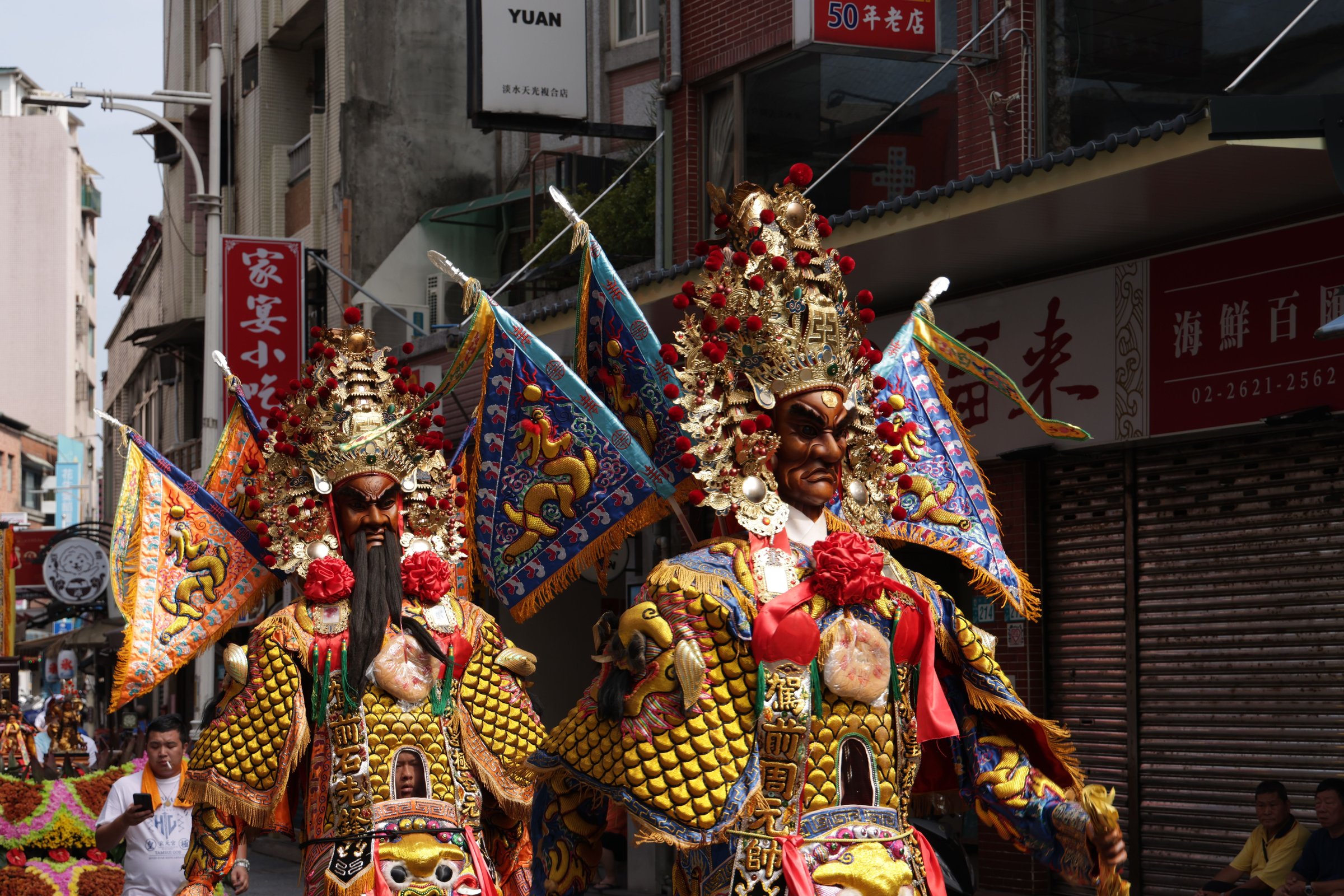
Culture in Taiwan isn't only in the museums. The National Palace Museum is worth seeing, but the incense of a neighbourhood temple, a tea ceremony in the hills, or a local festival with lanterns and drums usually tells you more. Taiwan blends Chinese traditions, Indigenous cultures and Japanese-era influences into something all its own, and it is home to sixteen officially recognised Indigenous peoples.
A few things are worth knowing. Eating and drinking are not allowed on the Taipei metro, and fines apply. Temples welcome visitors, but dress modestly and be quiet. The seventh lunar month, usually in August or September, is Ghost Month, when some locals avoid certain activities, and it does not affect visitors.
Travenza tip: If you're invited to a tea tasting, take your time. It's about the conversation as much as the tea, and the host will refill your cup as long as you stay.
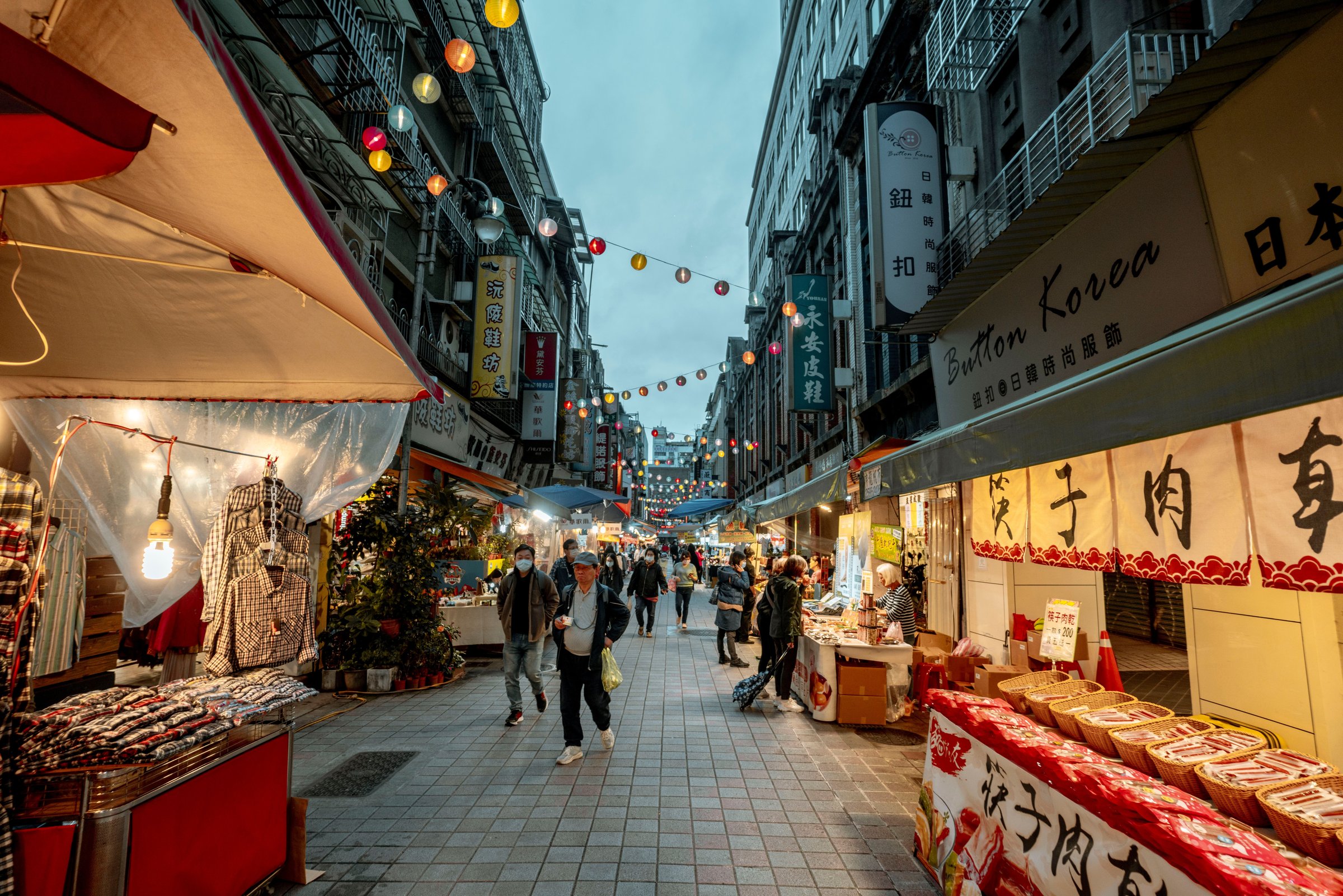
Shopping here is worth doing slowly. Oolong tea from Alishan, Pinglin or Maokong, pineapple cakes, local craft goods, and designer boutiques in Taipei's East District are the classics. Night markets suit clothes and accessories, and Guanghua Digital Plaza is the place for electronics. Eslite Spectrum is an excellent bookstore and design store.
Visitors can usually claim a refund of sales tax (VAT) on eligible purchases from participating stores above a minimum spend. Ask for the refund form at the till.
Travenza tip: Buy tea from a proper tea shop where you can taste first, and look for the harvest month and elevation on the package.
Frequently Asked Questions
Yes. It is safe, clean and easy to navigate, with excellent public transport. English signage is common in cities and on trains.
For a first trip, 7–8 days works well. It is enough for Taipei, Taroko, Sun Moon Lake or Alishan, and one southern city without rushing. 5–6 days covers Taipei and one region, and 9–11 days lets you add Kenting or Taitung.
October to December is the best for most travellers, and March to April is also good. Summer is hot and humid with typhoon risk. Winter is cool and damp in the north.
Indian passport holders need a visa or an approved Travel Authorization Certificate, which is available to eligible travellers. We confirm which route suits you and handle the documentation.
Yes. Safe cities, efficient trains, night markets, hot springs and outdoor attractions suit children of most ages.
Yes. Hot-spring stays, mountain tea houses, lakeside hotels and excellent food make it good for couples looking for something less common.
Yes, more than in most of Asia. Vegetarian Buddhist restaurants are common, and many avoid onion and garlic. We brief restaurants in advance for stricter requirements.
Taiwan is generally regarded as one of the safest destinations in Asia. Typhoon season and earthquakes are the main practical considerations, and we monitor advisories before every departure.
Depends on season, duration, hotel category and style. As a rough guide, a well-planned 7–8 day trip in good 4- and 5-star hotels starts around ₹1,50,000 - ₹1,90,000 lakh per couple, excluding flights. Luxury stays and private experiences push this higher.
In hotels, stations and major attractions, yes. Less so in smaller towns and night markets. We share translation apps and tips before you leave.
Yes, every trip is built around what you want, whether that's adding a hot-spring stay, extending Taipei, including Alishan, or planning around a celebration.
Ready to go?
Share your dates, group size and interests, we will craft a bespoke itinerary within 48 hours. No obligations.