Asia Pacific · Southeast Asia

Vietnam Travel Guide

Ancient Hoi An, emerald Ha Long waters and vibrant Saigon streets.
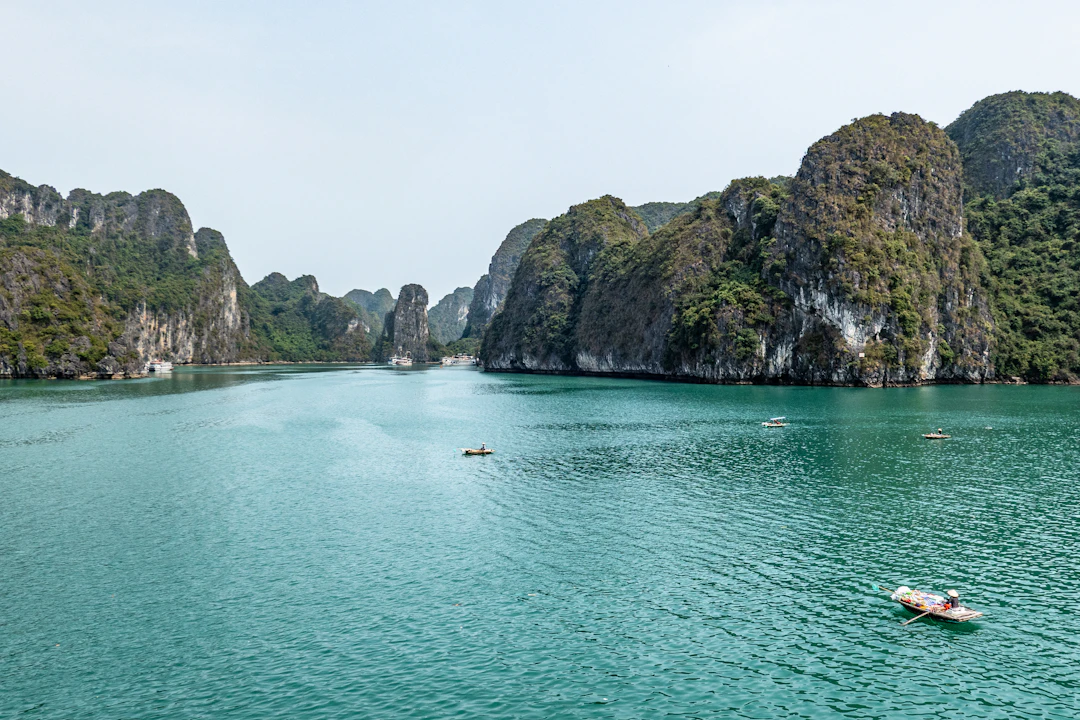
Vietnam runs the length of a continent and feels like it. A bowl of pho from a plastic-stool stall in Hanoi's Old Quarter, better than anything with a menu. A limestone karst rising straight out of Halong Bay's water, exactly as dramatic as the photos suggest. A tailor in Hoi An finishes a suit in twenty-four hours because that's simply how it's done there. That's usually how it goes here.

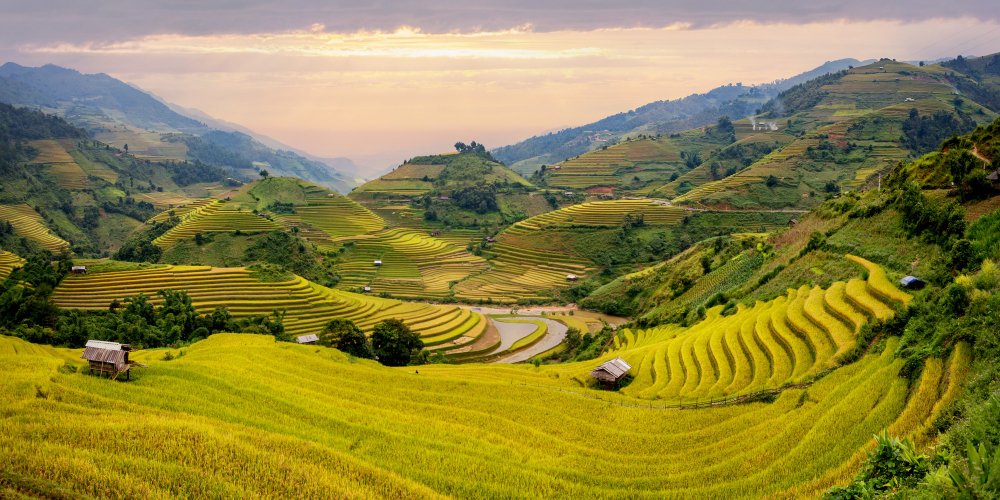
What makes it work is the length of the country itself. The north is misty mountains and a capital that still feels French in places. The centre is lantern-lit old towns and imperial history. The south is the Mekong Delta's waterways and Ho Chi Minh City's relentless motion. Every region moves at its own pace, so no two trips through Vietnam should look the same.

Why Vietnam, and Why With Us

Why Vietnam, and Why with us

Vietnam runs on hospitality that's warm without slowing down. A street food vendor who's plating your order before you've finished asking. A tailor who remembers your measurements from a fitting the day before. That same care carries through a heritage hotel in Hoi An and a homestay on the Mekong Delta alike, and it's usually what guests mention first when they're back.

It also rewards picking a region rather than trying to cover the whole country in one trip. Vietnam is long. Hanoi to Ho Chi Minh City is nearly the length of the country, and treating it as one compact destination usually means more time on internal flights than anywhere memorable. A good trip and a great one rarely come down to how many cities made the list. They come down to whether you gave the north, centre or south enough time to actually settle into it.

We've been building itineraries since 2013. Not templates, routes built around how you like to travel. We pick the region before the itinerary, and we'll tell you when trying to cover too much isn't worth the transit time. If we wouldn't book it for our own family, we won't book it for you. This is our travel guide to Vietnam. You can find our opinions on what places to include, what time to visit, how long your visit should be and more.
With Travenza, You Can Expect

Itineraries for Vietnam

View All Itineraries →

Best Time to Visit Vietnam

Vietnam runs the length of three climate zones, so the right season depends heavily on which region you're prioritising.

North Vietnam (October–December & March–April)

Best for: Hanoi, Halong Bay, Sapa

Ideal destinations: Hanoi, Halong Bay, Sapa

If you asked us: Autumn is our favourite window for the north. The weather is dry, mild, and the best condition for a Halong Bay cruise.

Central Vietnam (February–August)

Best for: Hoi An, Da Nang, dry season sightseeing

Ideal destinations: Hoi An, Da Nang, Ninh Binh

If you asked us: Central Vietnam’s dry season runs opposite to the north's wettest months. Plan the two regions together with this offset in mind.

South Vietnam & Phu Quoc (November–April)

Best for: Ho Chi Minh City, Phu Quoc, Mekong Delta

Ideal destinations: Ho Chi Minh City, Phu Quoc

If you asked us: This is the dry season across the south, the easiest window for combining Phu Quoc's beaches with Ho Chi Minh City's sightseeing.

Wet Season (May–October, varies by region)

Best for: Lush landscapes, lower holiday expense

Ideal destinations: Hanoi, Ho Chi Minh City

If you asked us: Rain tends to arrive in short afternoon bursts rather than all day, particularly in the south, workable if your dates don't align with the dry season.

Best Places to Visit in Vietnam

Hanoi

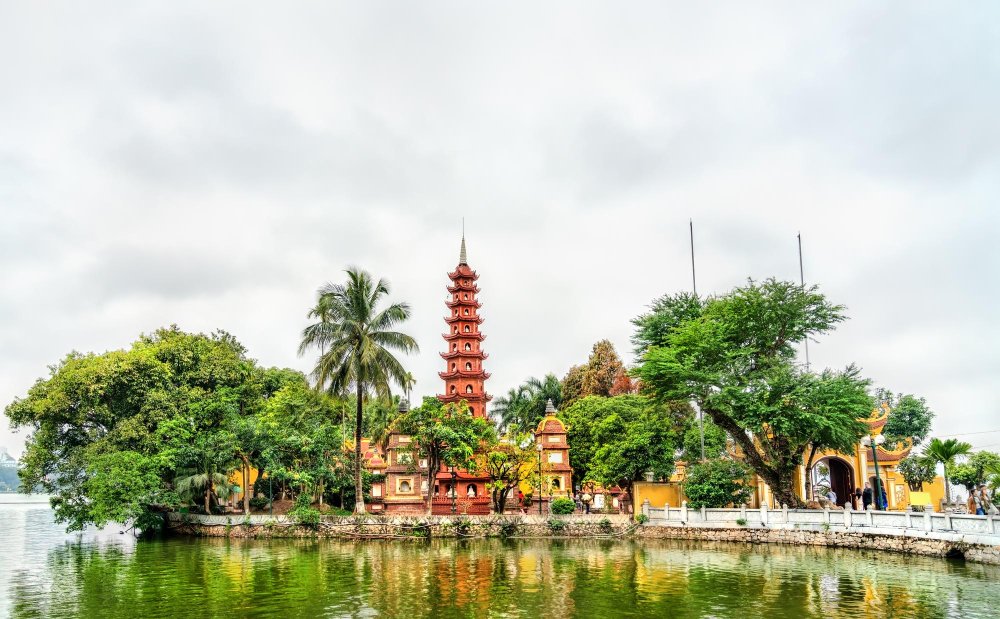
Top Hanoi experiences include, Hanoi Old Quarter is a chaotic medieval neighborhood with narrow streets and…

Read More
Top Hanoi experiences include, Hanoi Old Quarter is a chaotic medieval neighborhood with narrow streets and constant energy. Hoan Kiem Lake is a calm central lake where locals exercise and find peace. Train Street is a narrow residential street where trains pass daily between buildings. Temple of Literature is Vietnam's first university, dedicated to learning and tradition. Ho Chi Minh Mausoleum is a formal complex preserving Ho Chi Minh with heavy security. Egg coffee is strong Vietnamese coffee topped with creamy egg custard.

Plan My Trip Now

Halong Bay

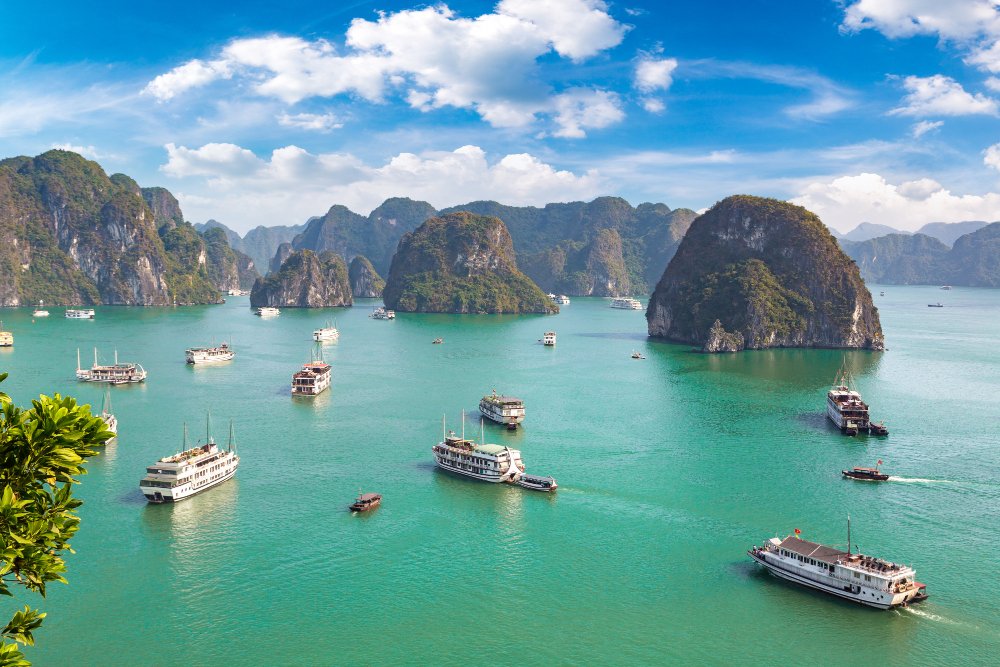
An overnight boat journey through Halong Bay lets you sleep surrounded by limestone islands and wake…

Read More
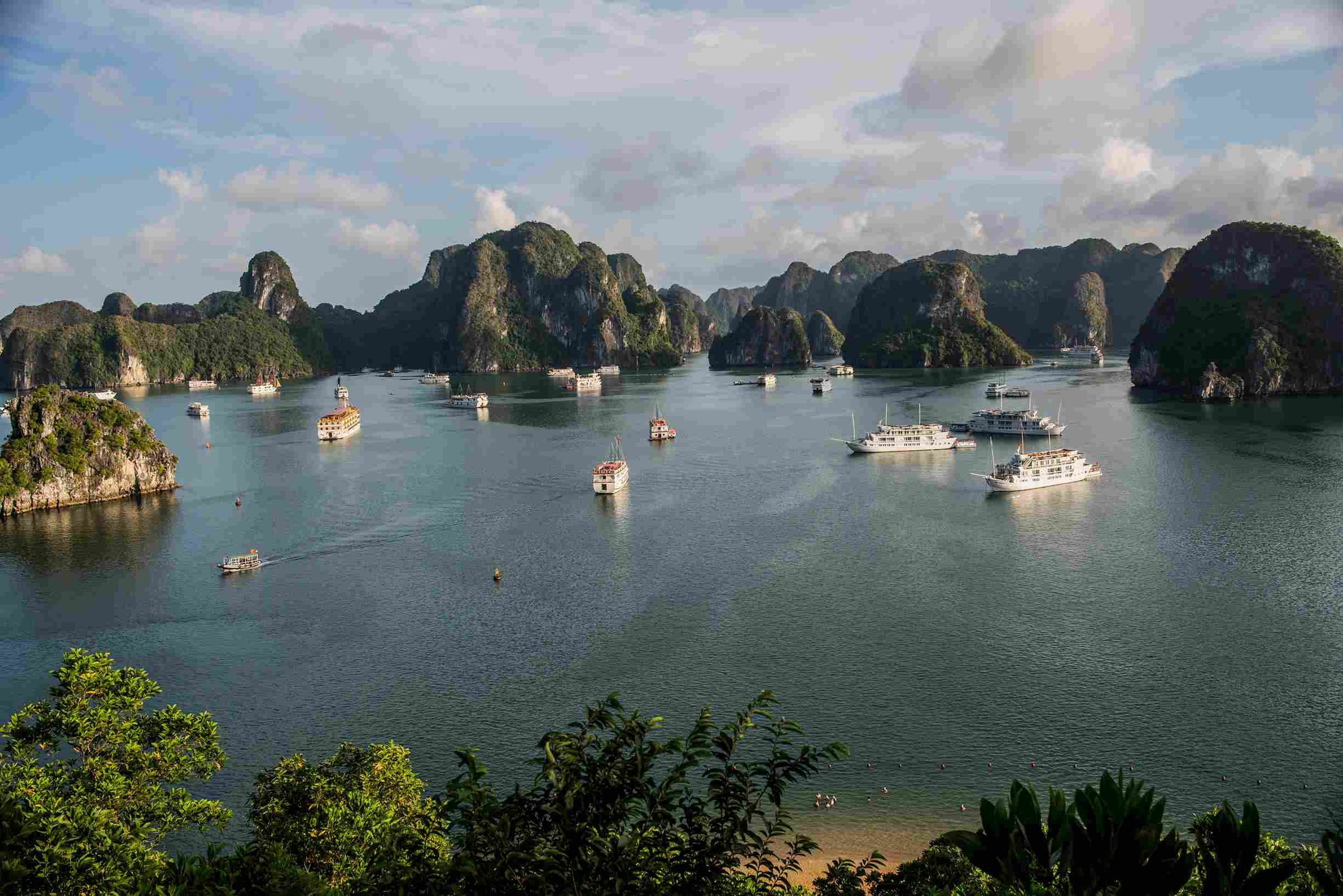
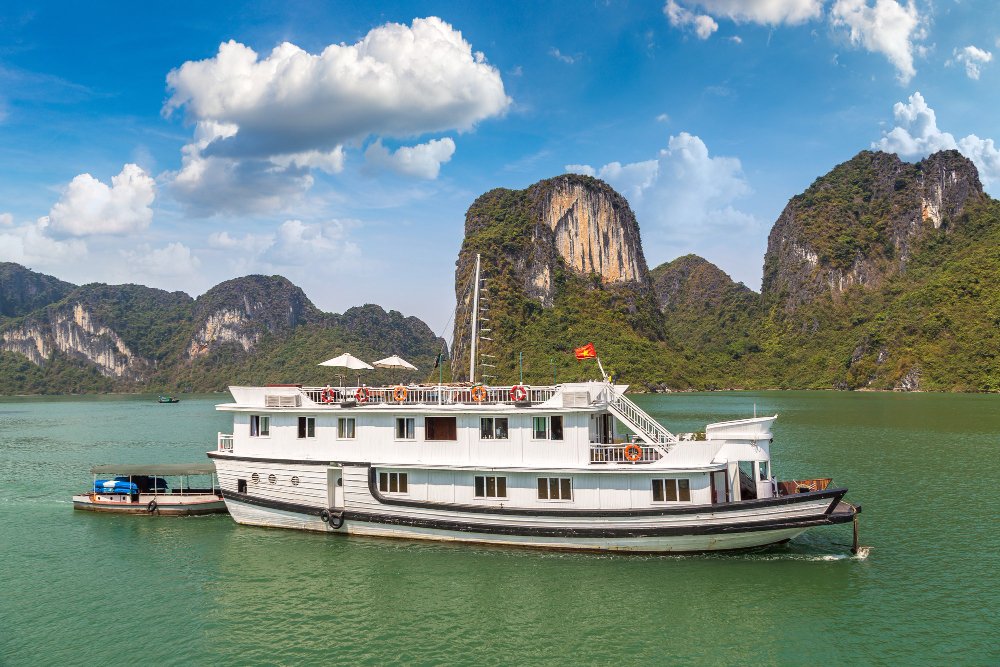
An overnight boat journey through Halong Bay lets you sleep surrounded by limestone islands and wake to dawn mist. Kayaking silently through narrow channels between karsts takes you under rock overhangs and into hidden lagoons. Sung Sot Cave is a massive cavern with impressive stalactites and multiple chambers. Floating fishing villages show communities living permanently on the water as functioning villages, not tourist displays. Ti Top Island viewpoint requires climbing 600 steep stairs for panoramic views of hundreds of limestone islands.

Plan My Trip Now

Hoi An

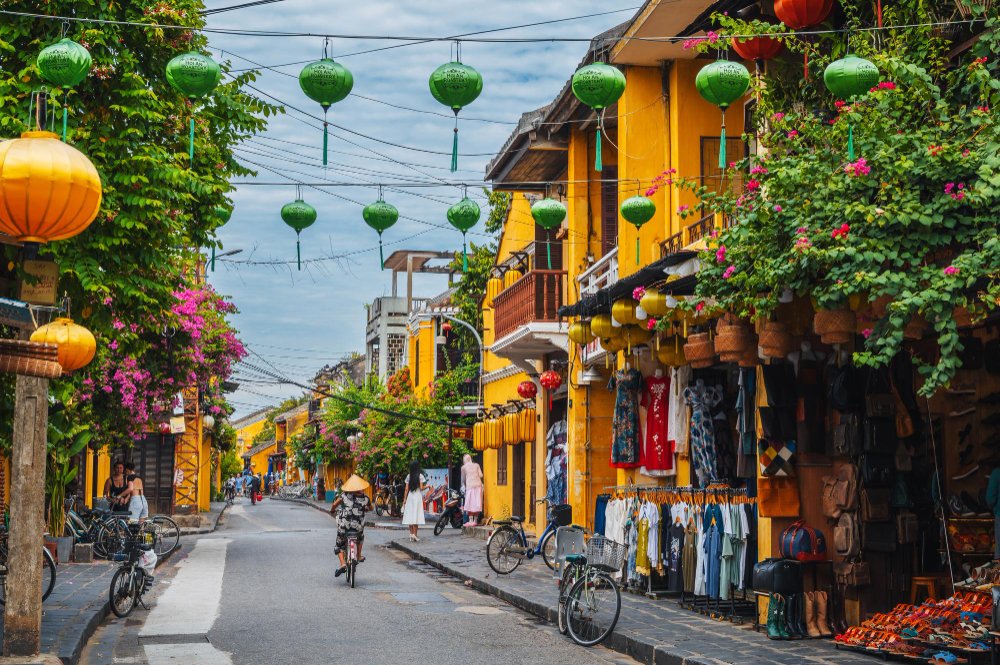
Hoi An Ancient Town becomes magical at night when thousands of silk lanterns illuminate yellow buildings…

Read More
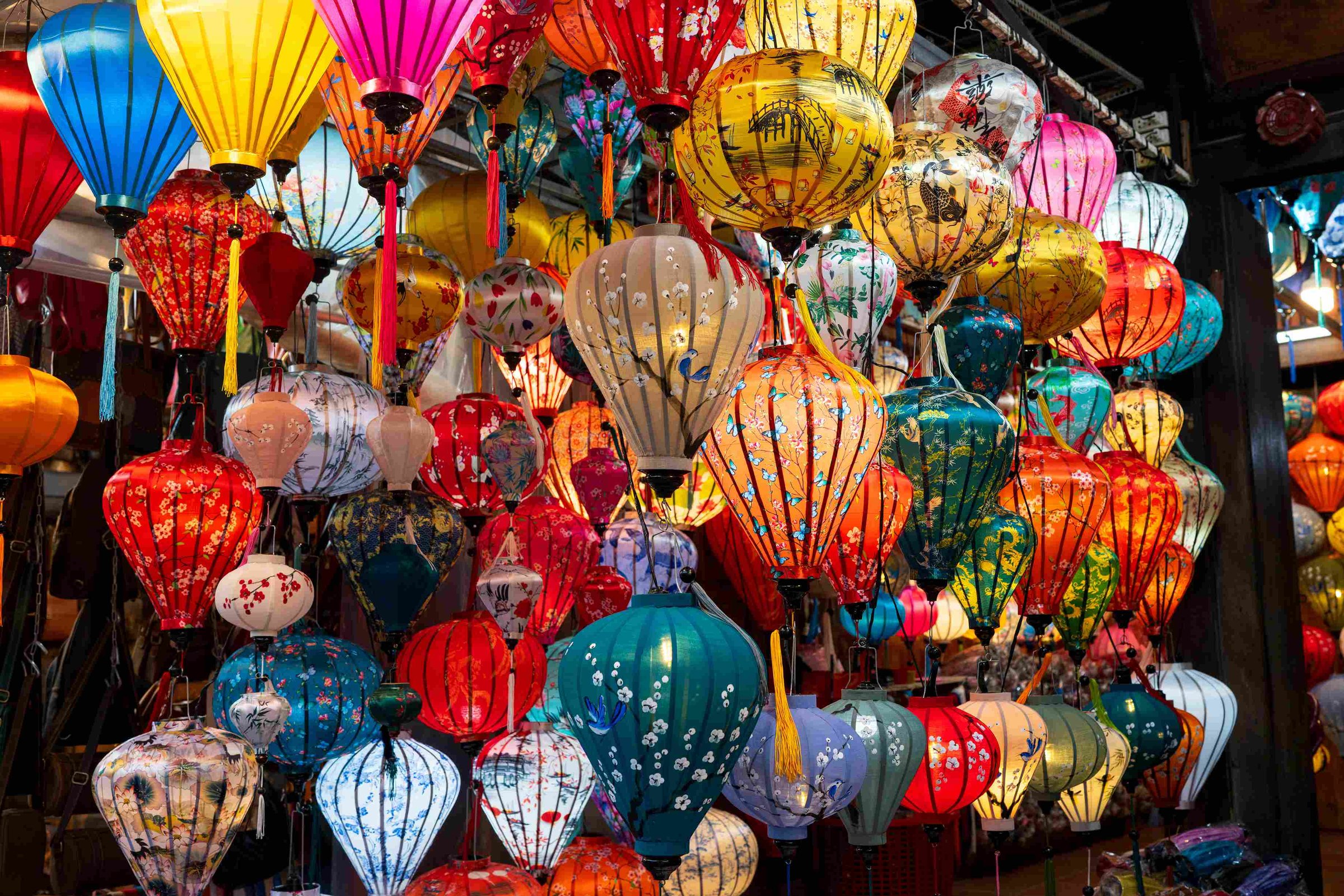
Hoi An Ancient Town becomes magical at night when thousands of silk lanterns illuminate yellow buildings and reflect in the river. The Japanese Covered Bridge is a small ornate structure from the 1600s connecting the town's quarters. Custom tailoring shops throughout town create suits and dresses in 24-48 hours at affordable prices. Lantern-making workshops teach you to construct traditional silk lanterns by hand. An Bang Beach outside town offers quiet swimming and fresh seafood at local restaurants.

Plan My Trip Now

Da Nang

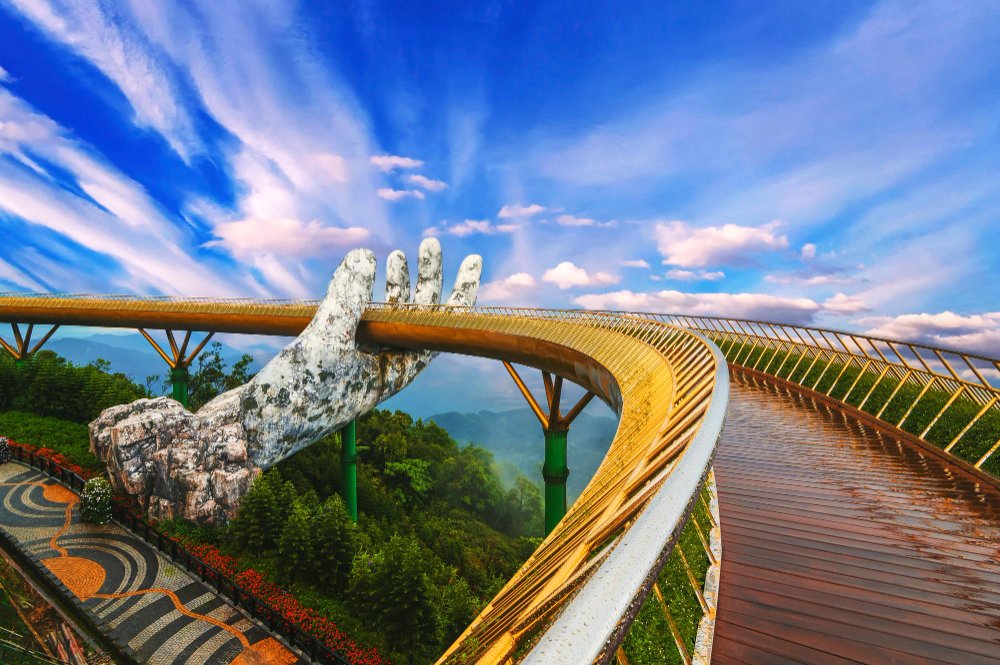
The Golden Bridge at Ba Na Hills is a massive structure suspended in mountains, designed to…

Read More
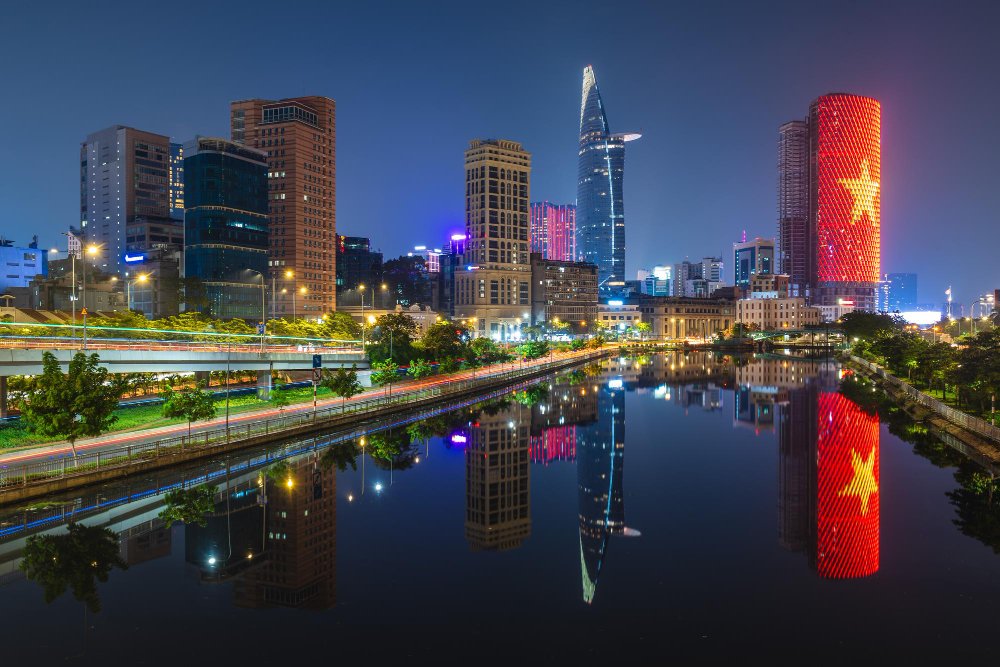
The Golden Bridge at Ba Na Hills is a massive structure suspended in mountains, designed to look like giant hands holding it up. Marble Mountains are limestone hills with caves, temples, and viewpoints offering views of the city and coast. My Khe Beach is a long sandy beach with calm water perfect for swimming and eating fresh seafood. Dragon Bridge is a modern riverside bridge shaped like a dragon that shoots fire from its mouth on weekend nights.

Plan My Trip Now

Ho Chi Minh City

Cu Chi Tunnels are underground tunnel systems used during the war where visitors can crawl through…

Read More
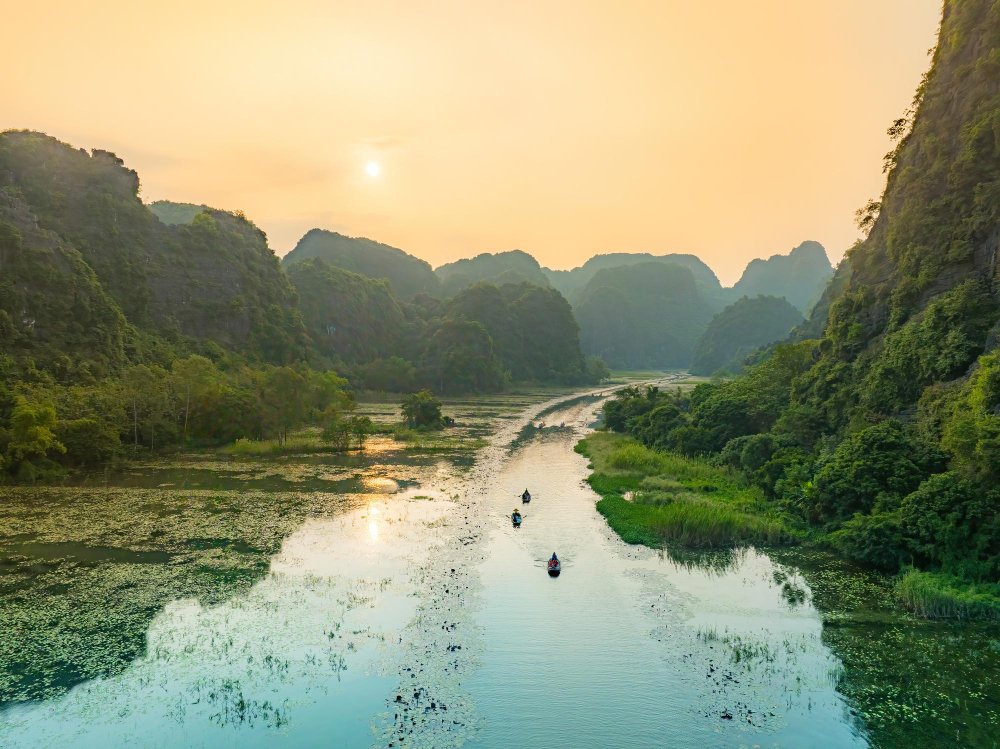
Cu Chi Tunnels are underground tunnel systems used during the war where visitors can crawl through reconstructed passages. Ben Thanh Market is a massive covered market with thousands of stalls selling textiles, souvenirs, clothing, and fresh produce. Notre-Dame Cathedral Basilica is a French colonial Catholic cathedral built in 1880 with Gothic architecture. Bitexco Financial Tower Skydeck is a 49th-floor observation deck offering 360-degree views of Ho Chi Minh City.

Plan My Trip Now

Ninh Binh

Trang An boat ride takes you through limestone karsts and flooded caves in motorized boats piloted…

Read More

Trang An boat ride takes you through limestone karsts and flooded caves in motorized boats piloted by local guides. Tam Coc rowboat tour uses traditional rowing technique where a single rower propels a wooden boat silently through three caves. Mua Cave viewpoint hike involves climbing 500+ steep stairs to reach a cave and panoramic views of the entire valley. Bai Dinh Pagoda is Vietnam's largest Buddhist temple complex with 1,000 steps leading to massive gold-accented buildings.

Plan My Trip Now

Phu Quoc

Sao Beach is a pristine long beach with soft white sand and calm turquoise water backed…

Read More
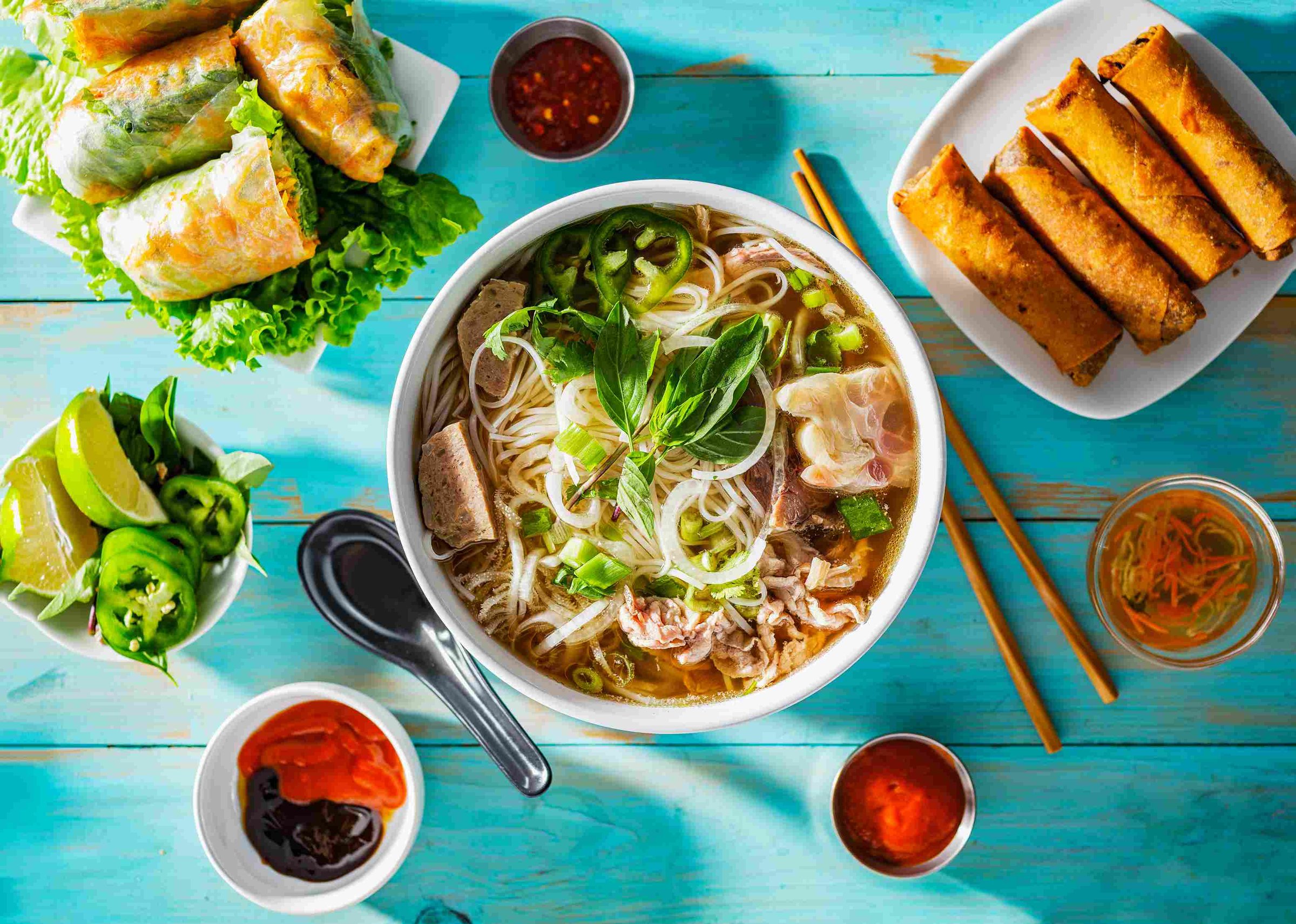
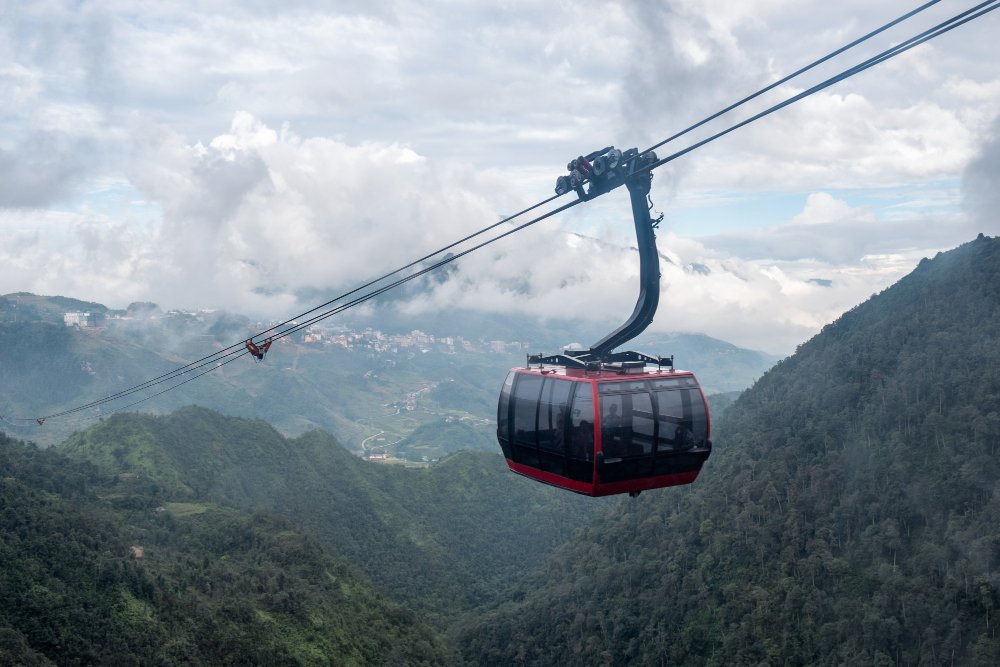
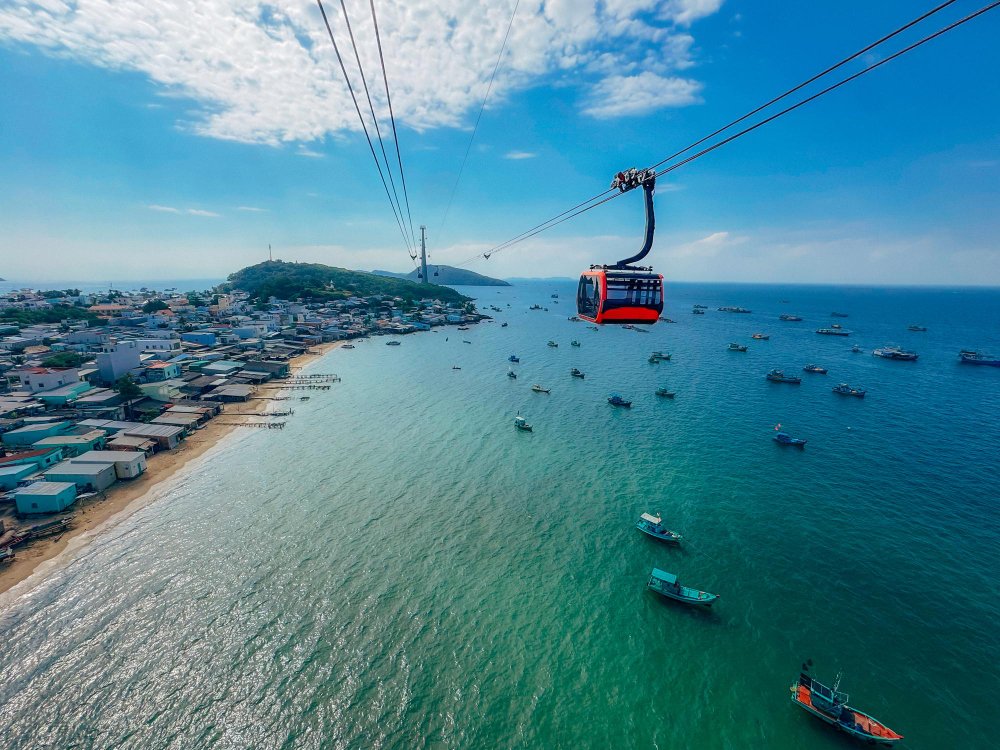
Sao Beach is a pristine long beach with soft white sand and calm turquoise water backed by palm trees. Phu Quoc National Park covers forested mountains with trekking trails, waterfalls, and wildlife in the island's less developed north. Hon Thom Cable Car transports visitors across water to a resort island in a modern gondola system. Phu Quoc Night Market operates in the evening with food stalls, vendors, and local goods where Vietnamese families shop. Snorkelling around An Thoi Islands includes boat trips to multiple islands with coral, fish, and beach time.

Plan My Trip Now

Suggested Trip Duration

7–8 days One region can be covered properly. The north (Hanoi and Halong Bay) or the centre (Hoi An and Da Nang). Good for a first trip.
9–11 days (our most common recommendation) Two regions, like Hanoi–Halong Bay paired with Hoi An, or a beach finish in Phu Quoc can be covered.
12–14 days Room for north, centre and south together without feeling rushed between flights.
15+ days For repeat visitors adding Sapa's mountains or the Mekong Delta's waterways.
Culinary Journey Through Vietnam

Culinary Journey Through Vietnam

Food is usually what people talk about most when they get back, and Vietnam's regional variation is a big part of why. Hanoi's pho and bun cha set the standard in the north. Hoi An's cao lau, made with water specific to the town's wells, barely exists anywhere else. Ho Chi Minh City's banh mi and street food scene runs at a different pace entirely, fast and constant. Coffee deserves its own mention. Vietnamese egg coffee and the strong drip-brewed cafe sua da are both worth trying properly.

One thing worth knowing, what's labelled Vietnamese food outside the country rarely captures how different each region's cooking actually is. We don't pick restaurants by reputation, we pick them based on what you actually want, whether that's a street food crawl, a cooking class, or a proper regional tasting menu.

Quick tip: Eat at plastic-stool street stalls without hesitation. Some of Vietnam's best food comes from vendors with no menu and no sign, just a queue that tells you everything.
Culture & Traditions

Culture & Traditions

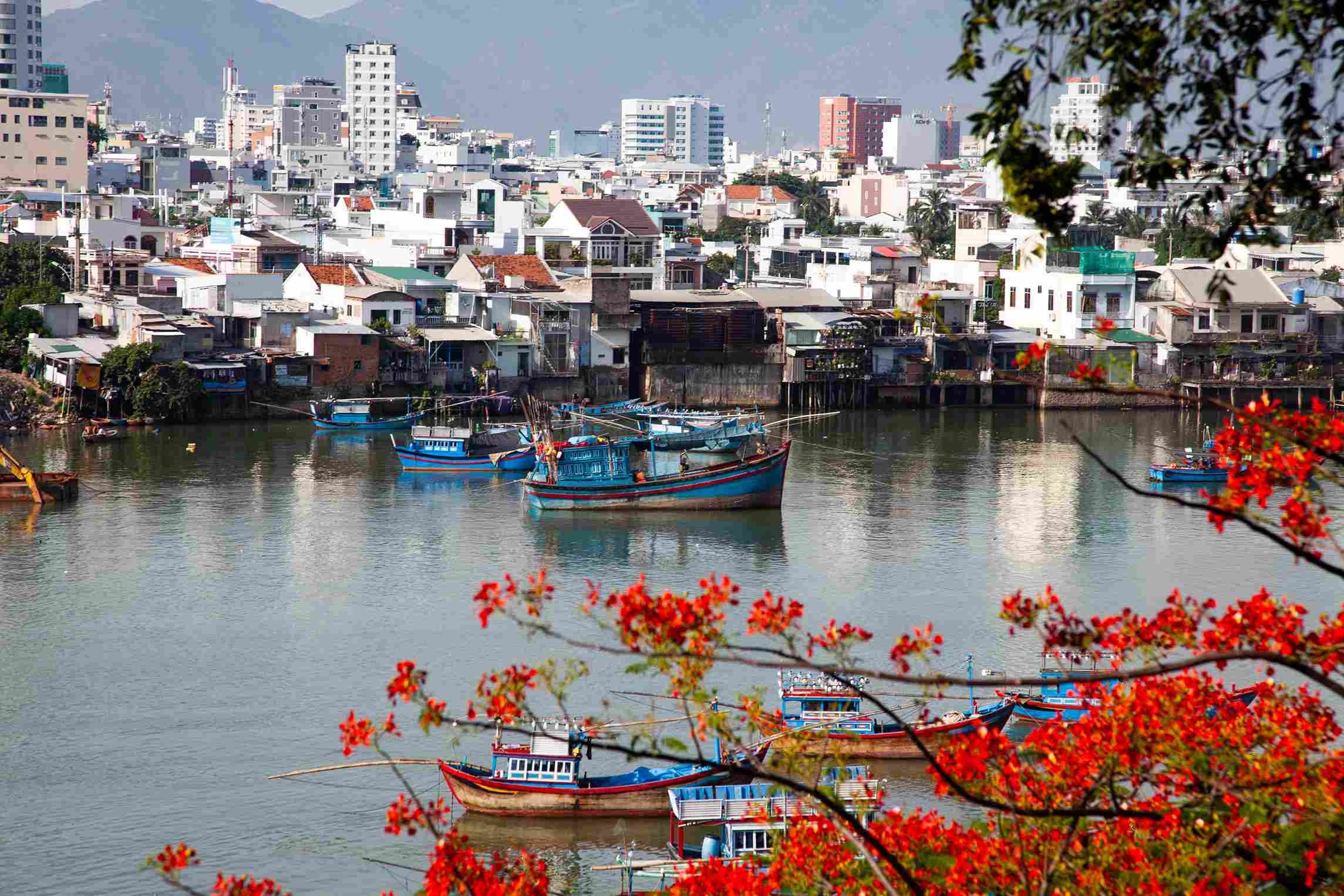
Culture in Vietnam isn't only in the temples and museums. Hoi An's ancient town is worth seeing, but a morning market in Hanoi's Old Quarter, a conversation with a Mekong Delta boat driver, or an early walk before the lanterns come down usually tells you more. French colonial history, Buddhist and Confucian tradition, and the more recent weight of the war all shape daily life here in ways that are easy to miss on a rushed itinerary.

Travenza tip: If history is the priority, give the War Remnants Museum and the Cu Chi Tunnels proper time in Ho Chi Minh City. It's a heavier morning, but it's essential for the rest of the trip.
Shopping in Vietnam

Shopping in Vietnam

Shopping here rewards a mix of stops. Hoi An's tailors are the headline act with their custom suits, dresses and shoes made to measure within a day or two, at a fraction of what they'd cost elsewhere. Hanoi's Old Quarter and Ho Chi Minh City's Ben Thanh Market cover everyday shopping, from silk to lacquerware to local coffee.

Travenza tip: Choose a Hoi An tailor by reputation, not proximity to your hotel. We can point you toward the shops that consistently deliver good fit and fabric quality, rather than the ones with the loudest street-side sales pitch.

Getting Around Vietnam

Vietnam's length makes domestic flights the practical way to connect its regions. Hanoi to Da Nang or Ho Chi Minh City both run under two hours by air, versus a full day or more by road or rail. Within cities, a private driver handles day-to-day movement, while Halong Bay and Ninh Binh are explored by boat as part of the experience itself.

The Reunification Express train between Hanoi and Ho Chi Minh City is scenic but slow but worth it as a deliberate leg of a longer trip, not as a default way to connect the two cities.

Travenza tip: Don't underestimate Hanoi and Ho Chi Minh City traffic when planning a day. Both cities run on scooters more than cars, and crossing the street takes a bit of nerve the first few times, your guide will show you how.

Visa Guide

Most Indian travellers need a Vietnam e-visa, applied for online before travel. It's a straightforward process, we confirm the latest requirements and handle documentation, and would recommend applying at least two to three weeks ahead of your trip.

Why Vietnam Stays With You

Some places are remembered for what you saw. Vietnam is remembered for how differently each region felt, despite being one country. Hanoi's chaos and quiet lakes in the same afternoon. Halong Bay's karsts emerging from morning mist like something out of a painting. Hoi An's lanterns reflected in a river that's been carrying boats the same way for centuries. Vietnam has a way of feeling like three or four countries in one trip, and that's usually what stays with people longest.

A first trip is usually Hanoi and Halong Bay, with Hoi An built in. The next one might be Ho Chi Minh City and the Mekong Delta, Sapa's mountains, or a slower, deeper look at the centre. The more of it you see, the more there still is. We hope our travel guide to Vietnam has helped you to make better decisions. This is just the tip of the iceberg. Connect with us to curate your dream Vietnam holiday.

Your Vietnam questions, answered

Is Vietnam a good destination for first-time international travellers?

Yes. It's affordable, well set up for tourism, and rewarding for first-timers. A guide helps considerably with navigating traffic, language and the logistics of a multi-region trip.

How many days should I spend in Vietnam?

For a first trip, 9–11 days works well enough for two regions, like Hanoi–Halong Bay and Hoi An, without rushing. Covering all three regions comfortably needs 12–14 days.

When is the best time to visit Vietnam?

It depends on the region, October to April suits the north, February to August suits the centre, and November to April suits the south and Phu Quoc. We plan the route around whichever regions you're prioritising.

Is Vietnam suitable for family holidays?

Yes. A Halong Bay cruise, cooking classes and Phu Quoc's calm beaches all work well for families, and domestic flights make multi-region trips manageable.

Is Vietnam a good honeymoon destination?

Yes, an overnight Halong Bay cruise, Hoi An's lantern-lit evenings and a Phu Quoc beach.

Is vegetarian food available in Vietnam?

Yes, especially in Hanoi and Ho Chi Minh City, both of which have strong vegetarian and vegan food scenes rooted partly in Buddhist tradition.

Do I need a visa for Vietnam?

Most Indian travellers need an e-visa, applied for online in advance. We confirm the latest requirements and help with the application before you travel.

How much should I budget for a Vietnam holiday?

Depends on season, duration, hotel category and style. As a rough guide, a well-planned 9–11 day trip in good 4- and 5-star hotels starts around ₹1.5–₹2.2 lakh per couple, excluding flights.

Is English widely spoken in Vietnam?

In tourist areas, hotels and among guides, yes. Less so in rural areas, where a guide bridges the gap.

Can I customise my itinerary?

Yes, every trip is built around what you want, whether that's adding Sapa, extending Hoi An's tailoring time, including the Mekong Delta, or planning around a celebration.

Ready to go?

Plan your Vietnam trip

Share your dates, group size and interests, we will craft a bespoke itinerary within 48 hours. No obligations.
Plan My Trip → Chat on WhatsApp