Asia Pacific · Southeast Asia

Cambodia Travel Guide

Magnificent temples, vibrant traditions and life along the Mekong.
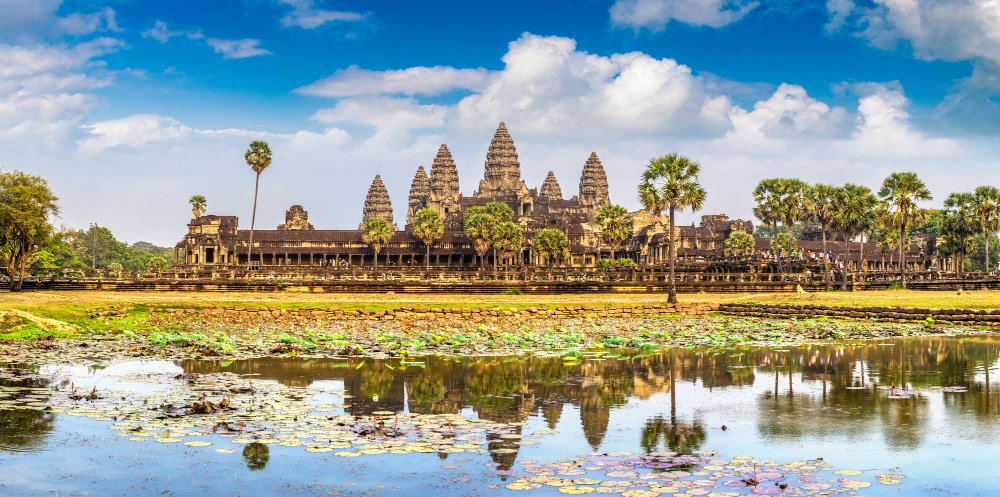
Angkor Wat's towers catch the first light of sunrise while a few hundred people wait quietly in the dark for exactly that moment, a ritual that repeats every clear morning regardless of the crowd. Phnom Penh carries its recent history openly, not tucked away. The Cambodian countryside outside Siem Reap still runs on rice paddies and ox carts, a short drive from a UNESCO World Heritage site drawing millions of visitors a year.

Cambodia rewards guests who give Angkor Wat's temple complex proper time rather than a single rushed morning. The wider site holds dozens of temples worth exploring across two or three days, and pairing it with Phnom Penh or the coast changes the whole shape of the trip.

Why Cambodia, and Why With Us

Why Cambodia, and Why with us

Cambodia runs on a resilience that shows up in quiet, unforced ways. A Siem Reap guide who explains Angkor's history with real pride, a Phnom Penh local who's rebuilt a life and a livelihood after a deeply difficult national history. That context matters, and we make sure it's part of the trip, not glossed over.

Angkor's temple complex is considerably larger than most first-time guests expect, and a rushed single day usually means seeing only Angkor Wat itself while missing Bayon's carved faces or Ta Prohm's jungle-reclaimed ruins entirely. We build in proper time across multiple days.

We've been building itineraries since 2013. Not templates, routes built around how you like to travel. We pick the region before the itinerary, and we'll tell you when trying to cover too much isn't worth the transit time. If we wouldn't book it for our own family, we won't book it for you. This is our travel guide to Cambodia. You can find our opinions on what places to include, what time to visit, how long your visit should be and more.

With Travenza, You Can Expect

Best Time to Visit Cambodia

Cambodia runs on a dry and wet season, and temple-heavy itineraries specifically favour the drier months.

Dry Season (November–March)

Best for: Comfortable temperatures, ideal for temple visits

Ideal destinations: Siem Reap, Phnom Penh

If you asked us: Our top pick. Comfortable enough for full days exploring Angkor's temples without the wet season's afternoon downpours.

Peak Season (December–January)

Best for: The coolest, driest weather

Ideal destinations: Siem Reap

If you asked us: The best weather overlaps with the busiest dates. Book Angkor sunrise slots and accommodation well ahead.

Hot Season (April–May)

Best for: Fewer crowds, lower rates

Ideal destinations: Siem Reap, Phnom Penh

If you asked us: Properly hot for temple exploring. Plan early morning starts and build in midday breaks if travelling now.

Wet Season (June–October)

Best for: Lush landscapes, dramatic skies

Ideal destinations: Siem Reap

If you asked us: Rain tends to arrive in short afternoon bursts rather than all day. It is workable if your dates don't align with the dry season.

The Best Places to Visit in Cambodia

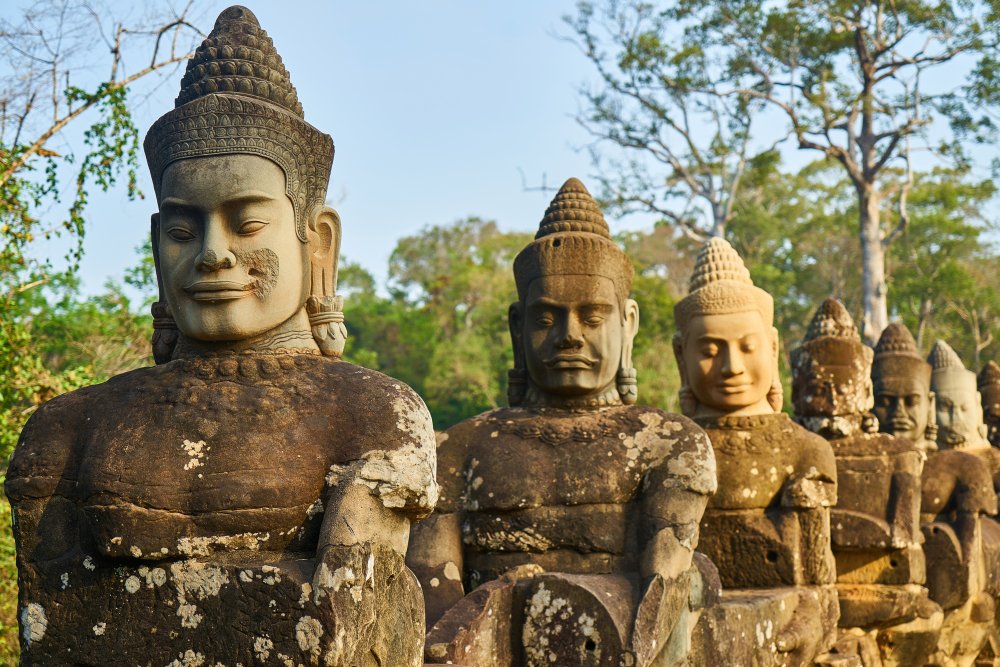
Angkor Wat at sunrise is the world's largest religious monument illuminated as the sun rises. Bayon Temple features massive stone faces carved into towers. Ta Prohm is a temple with jungle vegetation reclaiming the ruins. Tonlé Sap floating village shows communities living permanently on the water. Pub Street evening is a lively area with restaurants, bars, and nightlife.
Phnom Penh

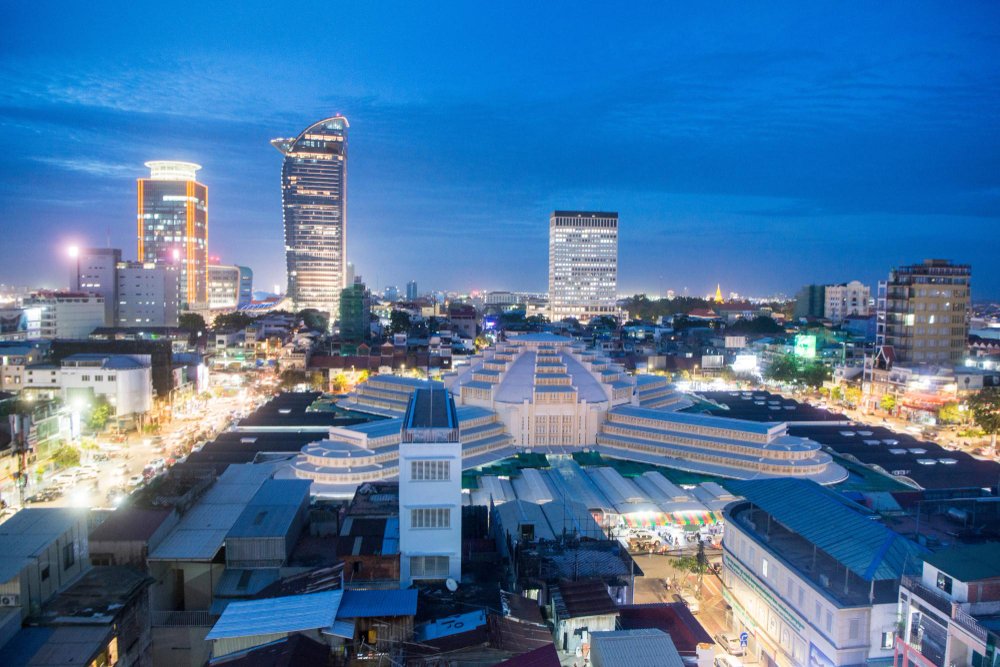
Royal Palace & Silver Pagoda is the official residence with ornate architecture and intricate decorations. Killing…

Read More
Royal Palace & Silver Pagoda is the official residence with ornate architecture and intricate decorations. Killing Fields (Choeung Ek) is a memorial site documenting the Khmer Rouge genocide. Tuol Sleng Genocide Museum is a former prison turned museum showing the history of the regime. Riverside promenade is a waterfront area with parks, restaurants, and walking paths. Central Market is a covered market selling clothing, jewelry, and souvenirs.

Plan My Trip Now

Battambang

Bamboo Train ride is a unique local experience riding on a bamboo platform on train tracks…

Read More
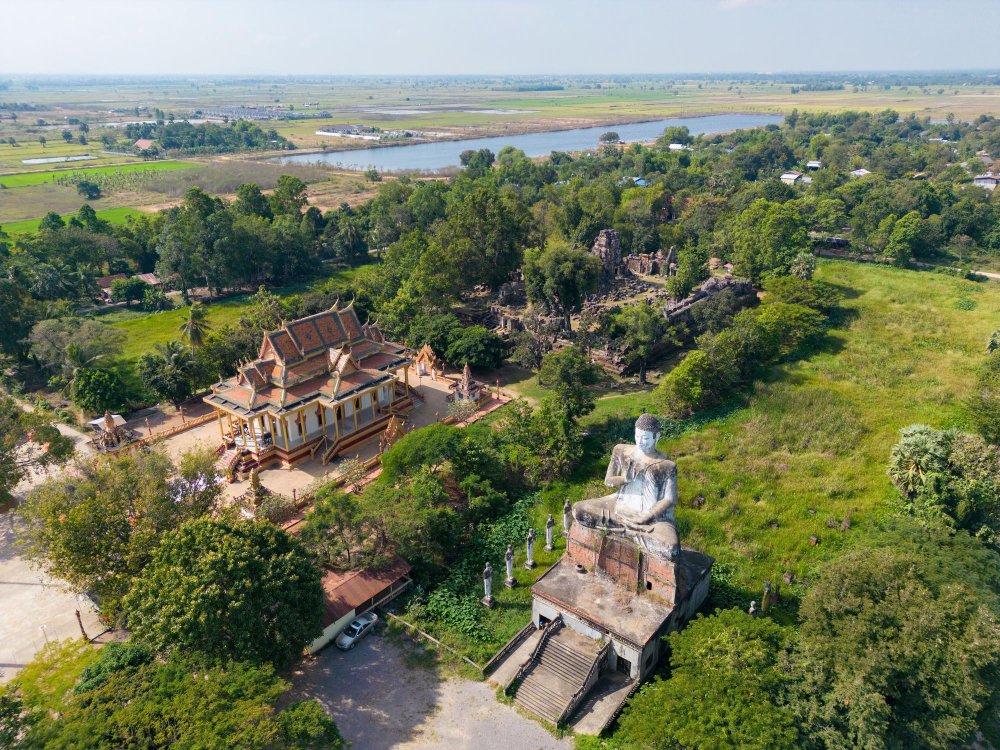
Bamboo Train ride is a unique local experience riding on a bamboo platform on train tracks through countryside. Colonial old town has historic French architecture and traditional wooden buildings. Phnom Sampeau & the Killing Caves is a hilltop with caves used during the Khmer Rouge regime. Countryside cycling allows you to bike through rural villages and rice paddies on local roads.

Plan My Trip Now

Sihanoukville & the Coast

Koh Rong island beaches are pristine island beaches accessible by boat from the mainland. Snorkelling &…

Read More
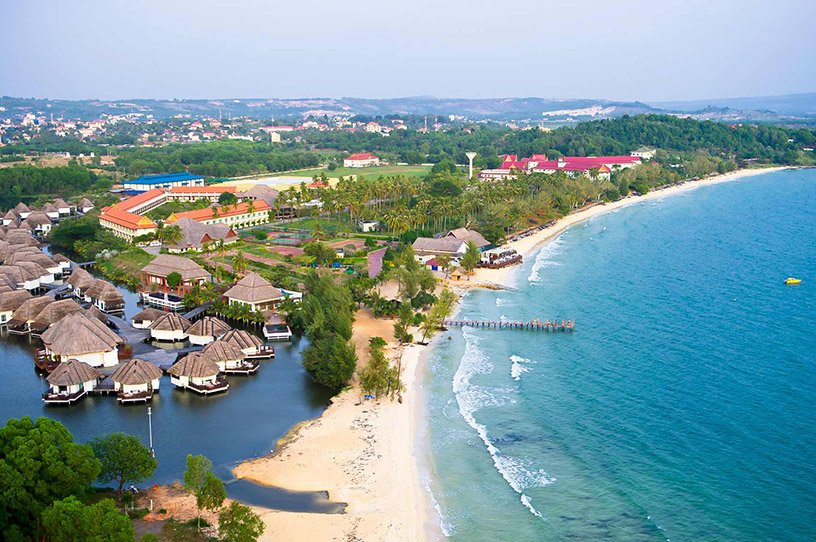
Koh Rong island beaches are pristine island beaches accessible by boat from the mainland. Snorkelling & island boat trips take you to multiple islands with coral and marine life. Otres Beach is a quieter beach outside the main town with calm water. Ream National Park is a coastal national park with mangroves, islands, and wildlife.

Plan My Trip Now

Suggested Trip Duration

6–7 days Siem Reap and Angkor done properly covers the highlights.
8–10 days (our most common recommendation) Add Phnom Penh for deeper history and culture.
11–13 days This provides room for Battambang or the coast alongside a slower pace.
14+ days For repeat visitors exploring further, or combining Cambodia with Vietnam or Thailand.
A Culinary Journey Through Cambodia

A Culinary Journey Through Cambodia

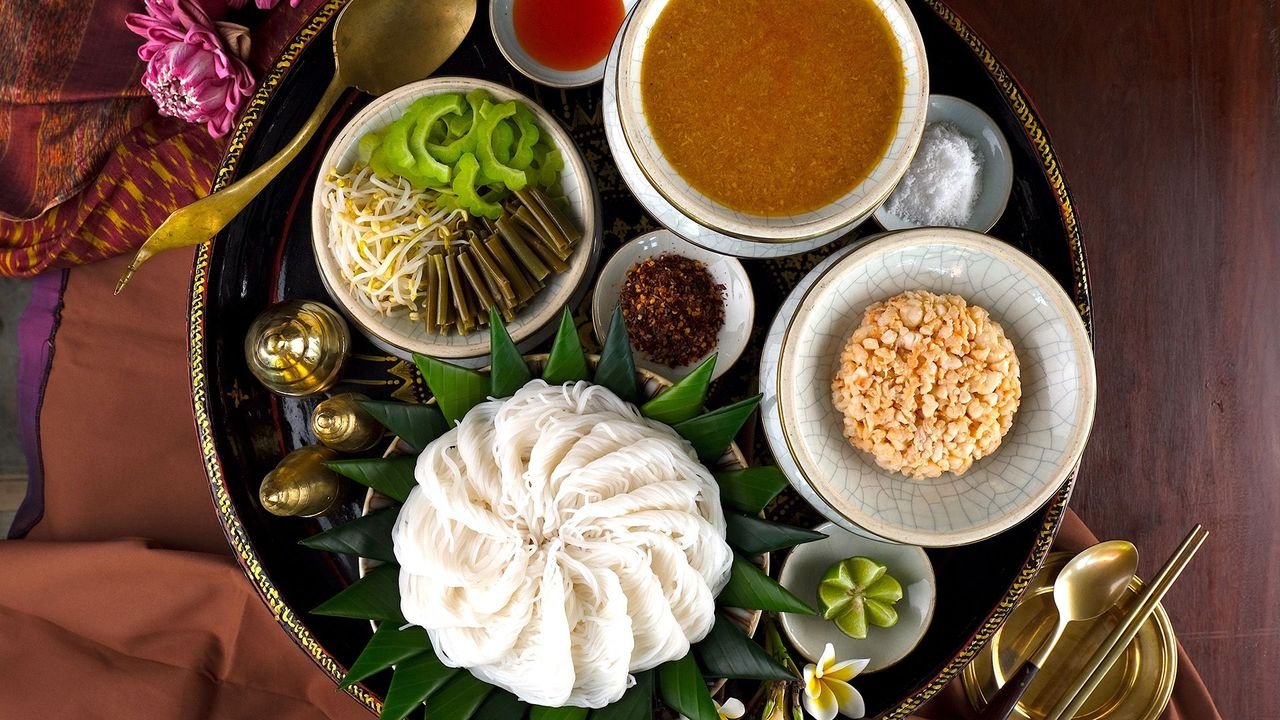
Khmer food runs milder and less internationally known than its Thai or Vietnamese neighbours, and it deserves more attention than it usually gets. Amok, fish steamed in a coconut curry inside a banana leaf, is close to a national dish. Fresh spring rolls and Cambodian noodle soups are worth seeking out from a local market stall rather than a tourist-menu restaurant.

Quick tip: Try Cambodian street food from a stall with a visible local queue, particularly around Siem Reap's Old Market. It is considerably better than the restaurants lining Pub Street.
Culture & Traditions

Culture & Traditions

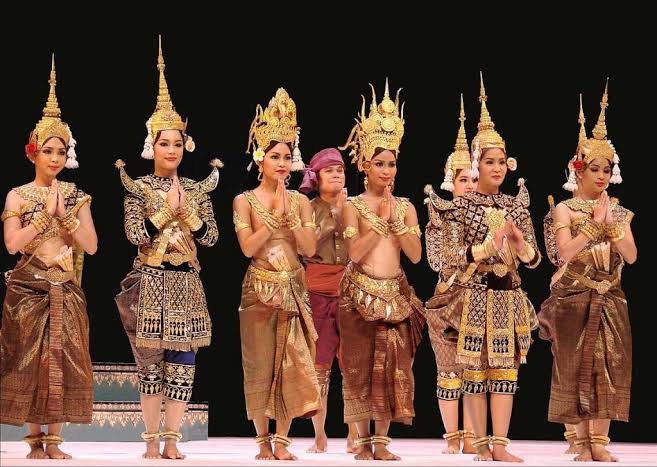
Cambodia's Buddhist traditions run alongside a recent, difficult national history that shapes how the country talks about itself. Angkor's temples represent the peak of the ancient Khmer Empire, while Phnom Penh's genocide memorials address the Khmer Rouge period directly, without softening it for visitors.

Travenza tip: Approach the Killing Fields and Tuol Sleng with real time and quiet reflection rather than a rushed stop. These sites are treated with seriousness.
Shopping in Cambodia

Shopping in Cambodia

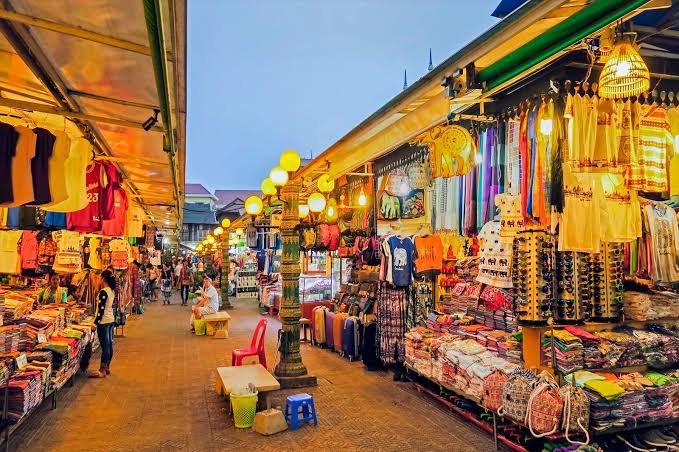
Cambodian silk, particularly from workshops around Siem Reap, represents genuine skilled craftsmanship worth buying from a proper weaving centre. Stone carving, echoing Angkor's own artistry, is worth seeking out from an established workshop rather than a mass-produced tourist stall.

Travenza tip: Visit a silk or stone-carving workshop to see the process before buying. It changes how you value the finished piece, and it directly supports the artisans still practising these traditional crafts.

Getting Around Cambodia

Domestic flights connect Siem Reap and Phnom Penh quickly, though the road between them, at around five to six hours, is also a reasonable option if you want to see the countryside along the way. Within Siem Reap, a private tuk-tuk driver is the easiest way to move between Angkor's spread-out temples.

Travenza tip: Arrange a private tuk-tuk driver for your full Angkor visit rather than a rushed single-day tour bus. The flexibility to linger at one temple or skip another is worth it.

Visa Guide

Most Indian travellers need a visa for Cambodia, available as an e-visa applied for online in advance or on arrival. We confirm the latest requirements and handle documentation, recommending at least two to three weeks ahead.

Why Cambodia Stays With You

Cambodia is remembered for how much sits alongside its most famous image, a sunrise over Angkor Wat's towers, and just as powerfully, a country that's rebuilt itself within living memory of genuine hardship. Most first trips cover Siem Reap and Phnom Penh; return visits add Battambang or the coast. We hope our travel guide to Cambodia has helped you to make better decisions. This is just the tip of the iceberg. Connect with us to curate your dream Cambodia holiday.

Your Cambodia questions, answered

Is Cambodia a good destination for first-time international travellers?

Yes, Siem Reap and Phnom Penh are both well set up for tourism, with English widely spoken in tourist areas.

How many days should I spend in Cambodia?

8–10 days for a first trip, covering Siem Reap's temples and Phnom Penh; 11–13 to add Battambang or the coast.

When is the best time to visit Cambodia?

November to March offers the most comfortable temperatures for exploring Angkor's temples.

Can I combine Cambodia with another country?

Yes, Vietnam and Thailand both connect easily by a short flight.

Is Cambodia suitable for family holidays?

Yes, Angkor's temples and a Tonlé Sap floating village. Visit both hold every age's attention well.

Is Cambodia a good honeymoon destination?

Yes, a private Angkor Wat sunrise and a quiet coastal finish work well together for a trip with real depth.

Is vegetarian food available in Cambodia?

Yes, increasingly well in Siem Reap and Phnom Penh, both of which have a growing number of vegetarian-friendly restaurants.

Do I need a visa for Cambodia?

Most Indian travellers need a visa, available as an e-visa in advance or on arrival.

How much should I budget for a Cambodia holiday?

A well-planned 8–10 day trip in good hotels starts around ₹1.6–2.4 lakh per couple, excluding flights.

Can I customise my itinerary?

Yes, every trip is built around what you want.

Ready to go?

Plan your Cambodia trip

Share your dates, group size and interests, we will craft a bespoke itinerary within 48 hours. No obligations.

Plan My Trip → Chat on WhatsApp