Asia Pacific · East Asia

China Travel Guide

Ancient wonders, futuristic skylines and five thousand years of history
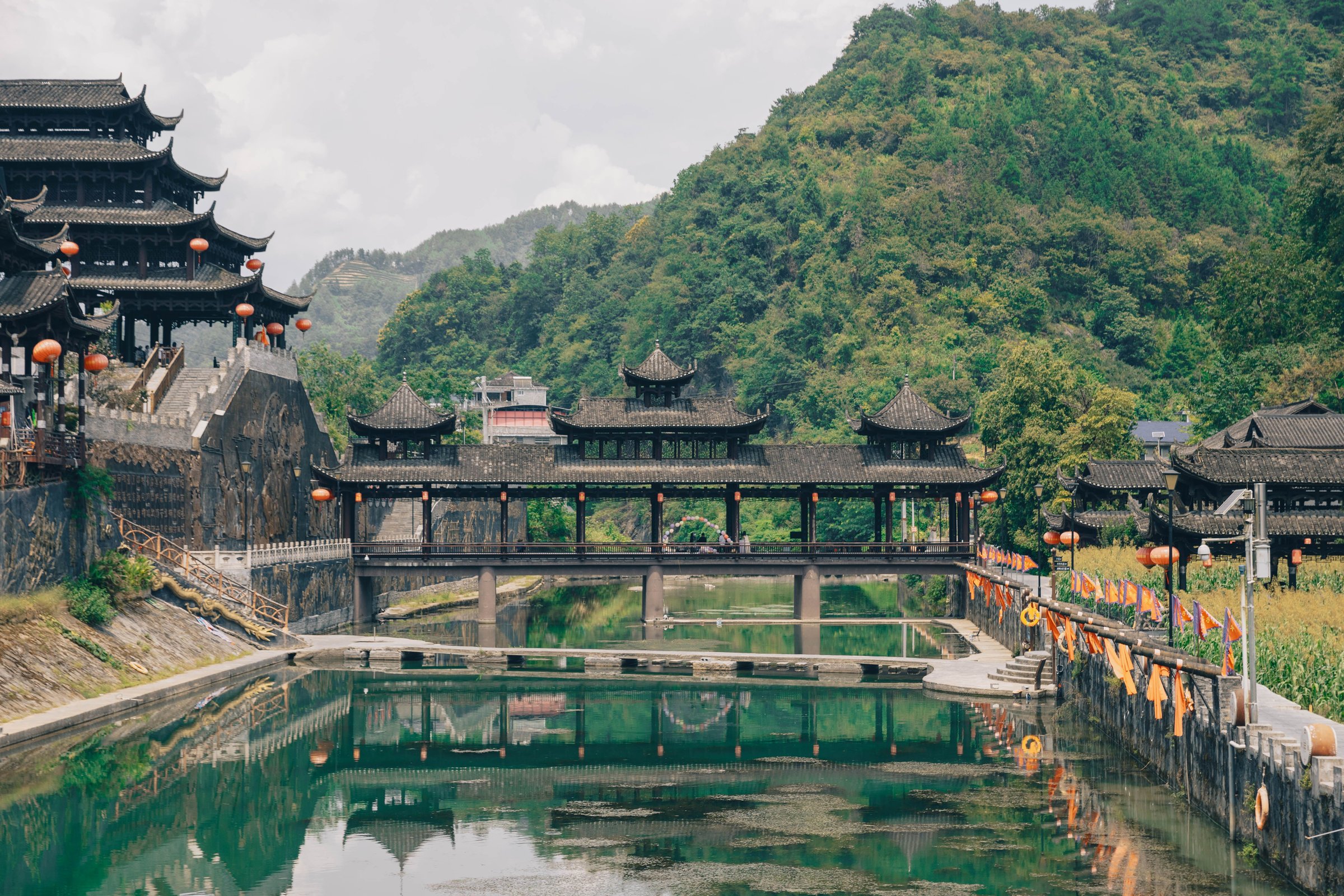
China works on a scale that is hard to picture until you are standing in it. The Great Wall running over a ridge with no one else on it. A bowl of hand-pulled noodles at a counter in Xi'an at eleven at night. A glass-and-steel skyline in Shanghai across the river from a street of century-old houses. That's usually how it goes here.

What makes it work is the depth. Emperors' palaces, limestone rivers, bullet trains and neon cities all sit within one country, and the differences from region to region are large. Beijing is imperial, Xi'an ancient, Shanghai modern, Chengdu unhurried. So no two trips through China should look the same.

Why China, and Why With Us

Why China, and Why with us

China runs on scale and detail. Trains that leave on the minute, cities that rebuild themselves within a decade, and a food culture in which every province has its own answer. That same care shows up in a palace courtyard as much as in a back-street teahouse. You don't plan for these moments, they just happen, and they're usually what people remember most.

It's also a country that punishes over-ambition. China is vast, and the distances are real, and that's the trap: travellers try to stitch together six cities in ten days and spend the trip in stations and airports. A good trip and a great one rarely differ by how many cities were on the list. They differ by how much time you actually had in each one.

We've been designing holidays since 2013. Not templates, routes built around how you like to travel. We pick the city order before the hotel, the pace before the itinerary, and we'll tell you when something isn't worth your time. This is our travel guide to China. You can find our opinions on what places to include, what time to visit, how long your visit should be and more.

With Travenza, You Can Expect

Itineraries for China

View All Itineraries →

Best Time to Visit China

China is huge and the climate changes with the region. The right season depends on where you are going.

Spring (March–May)

Best for: Mild weather, blossoms, city sightseeing, river scenery

Ideal destinations: Beijing, Shanghai, Hangzhou, Suzhou, Xi'an

If you asked us: April and May are among the best months for the big cities. Guilin and the south get more rain from spring into early summer. Note that the May Labour Day holiday brings domestic crowds for several days at the start of the month.

Summer (June–August)

Best for: Mountains, highland scenery, family holidays

Ideal destinations: Zhangjiajie, Chengdu region, northern highlands

If you asked us: Most of eastern China is hot and humid, with regular rain, and July and August are the peak season for Chinese domestic travellers. It's not our first pick for the big-city circuit. If you go, we build the days around early starts and indoor afternoons.

Autumn (September–November)

Best for: Comfortable weather, clear skies, photography

Ideal destinations: Beijing, Xi'an, Shanghai, Chengdu, Guilin

If you asked us: The easiest season to plan around. The weather is dry and mild, and the light is good. Avoid the first week of October, known as Golden Week, when the whole country travels and prices and crowds peak.

Winter (December–February)

Best for: Winter festivals, warm-weather escapes, fewer tourists

Ideal destinations: Harbin, Sanya, Yunnan, Shanghai

If you asked us: Beijing and the north are very cold, with sub-zero temperatures, but the sights are quieter. Harbin's ice festival is a draw, and the south is milder. Avoid Chinese New Year, which falls in late January or February, when hundreds of millions of people travel and many businesses close.

Best Places to Visit in China

Getting the mix of destinations right matters more than trying to see everything. Here's what each one is actually good for.
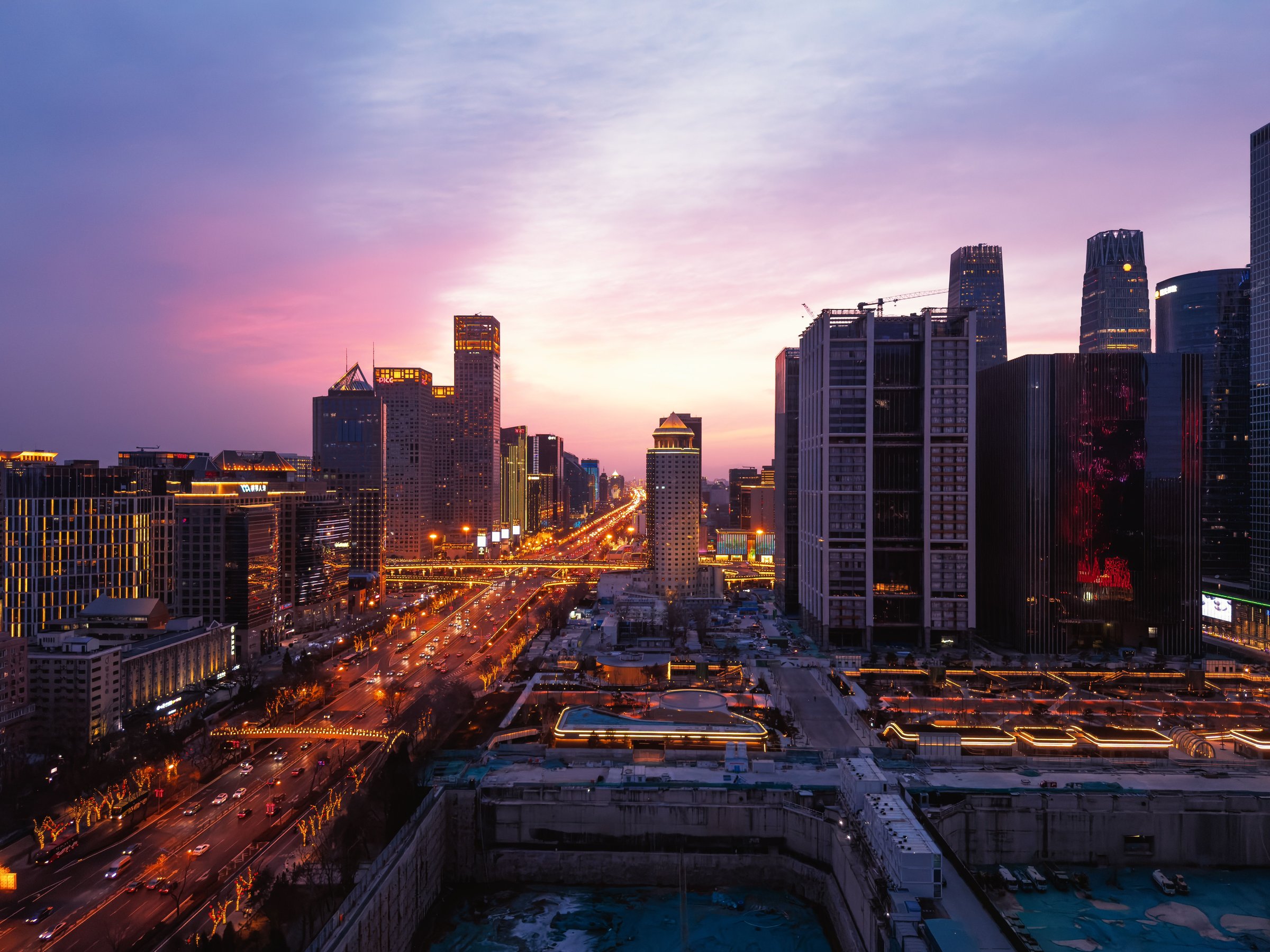
Beijing

The Forbidden City is the vast former imperial palace, and it requires advance real-name booking. Tiananmen…

Read More
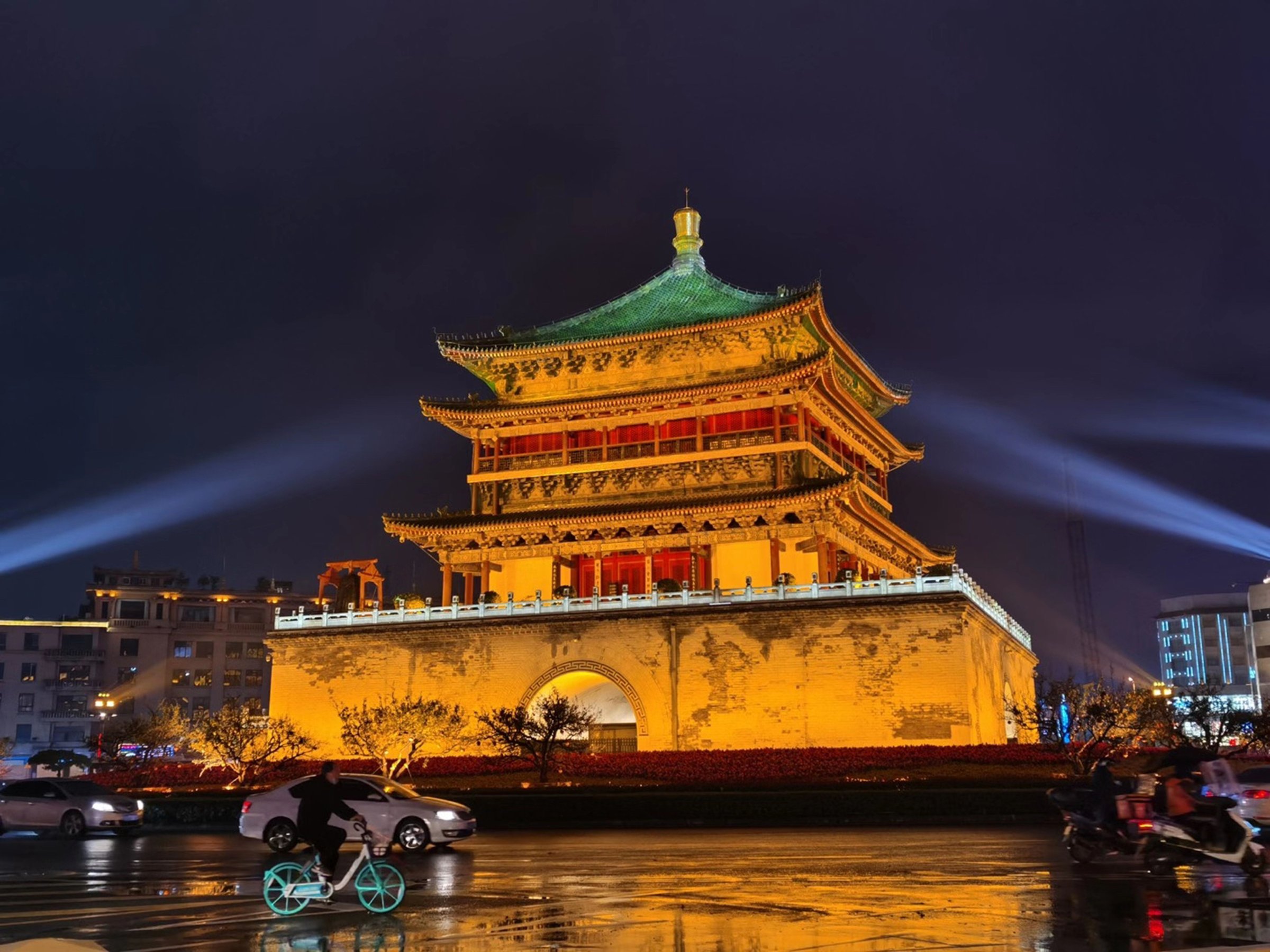
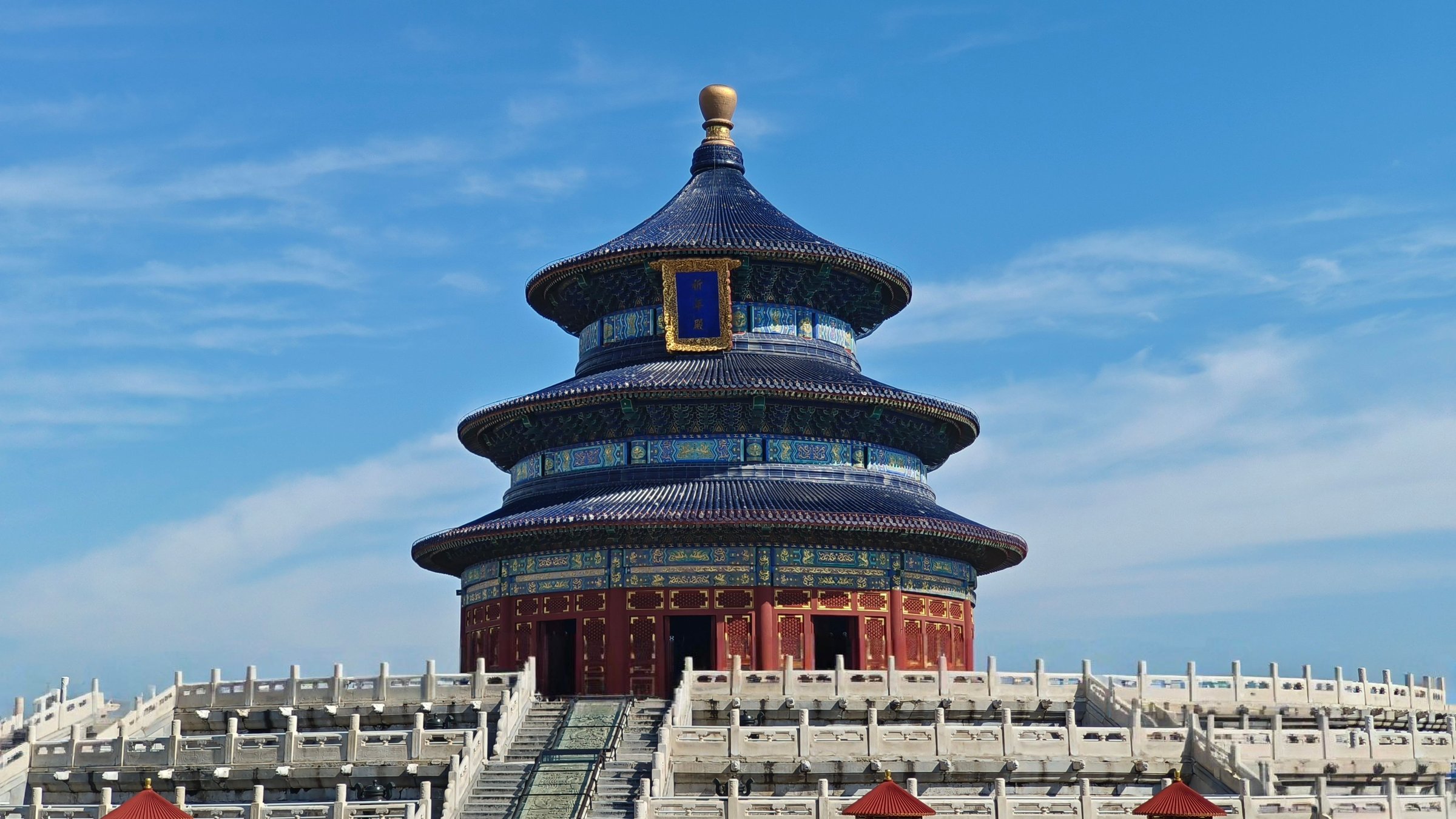
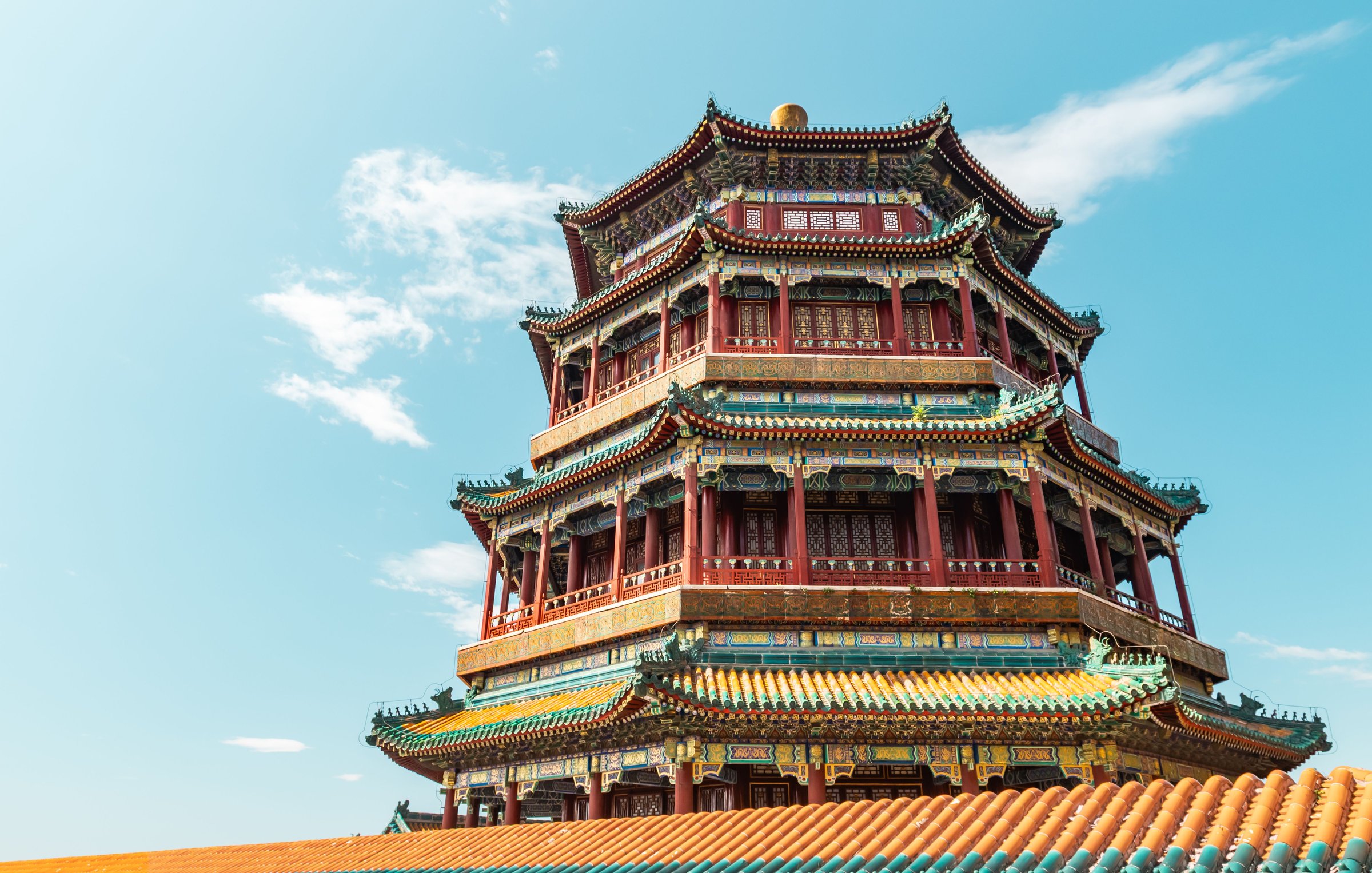
The Forbidden City is the vast former imperial palace, and it requires advance real-name booking. Tiananmen Square is the ceremonial heart of the capital. The Great Wall can be visited at Mutianyu, which is more scenic and less crowded, Badaling, which is the closest, or Jinshanling, which is best for hiking. The Temple of Heaven is a ceremonial complex and morning park. The Summer Palace is an imperial garden on a lake. The hutongs are old courtyard lanes, best explored by rickshaw or on foot. The 798 Art Zone is a former factory district of galleries.

Plan My Trip Now

Xi'an

The Terracotta Army is thousands of life-sized clay soldiers buried with the first emperor of unified…

Read More
The Terracotta Army is thousands of life-sized clay soldiers buried with the first emperor of unified China. The Ancient City Wall is one of the best-preserved city walls in China, and can be cycled. The Muslim Quarter is a street-food district around the Drum and Bell Towers. The Big Wild Goose Pagoda is a Tang-dynasty Buddhist landmark.

Plan My Trip Now

Shanghai

The Bund is the waterfront promenade with colonial-era buildings facing the Pudong skyline. The Oriental Pearl…

Read More
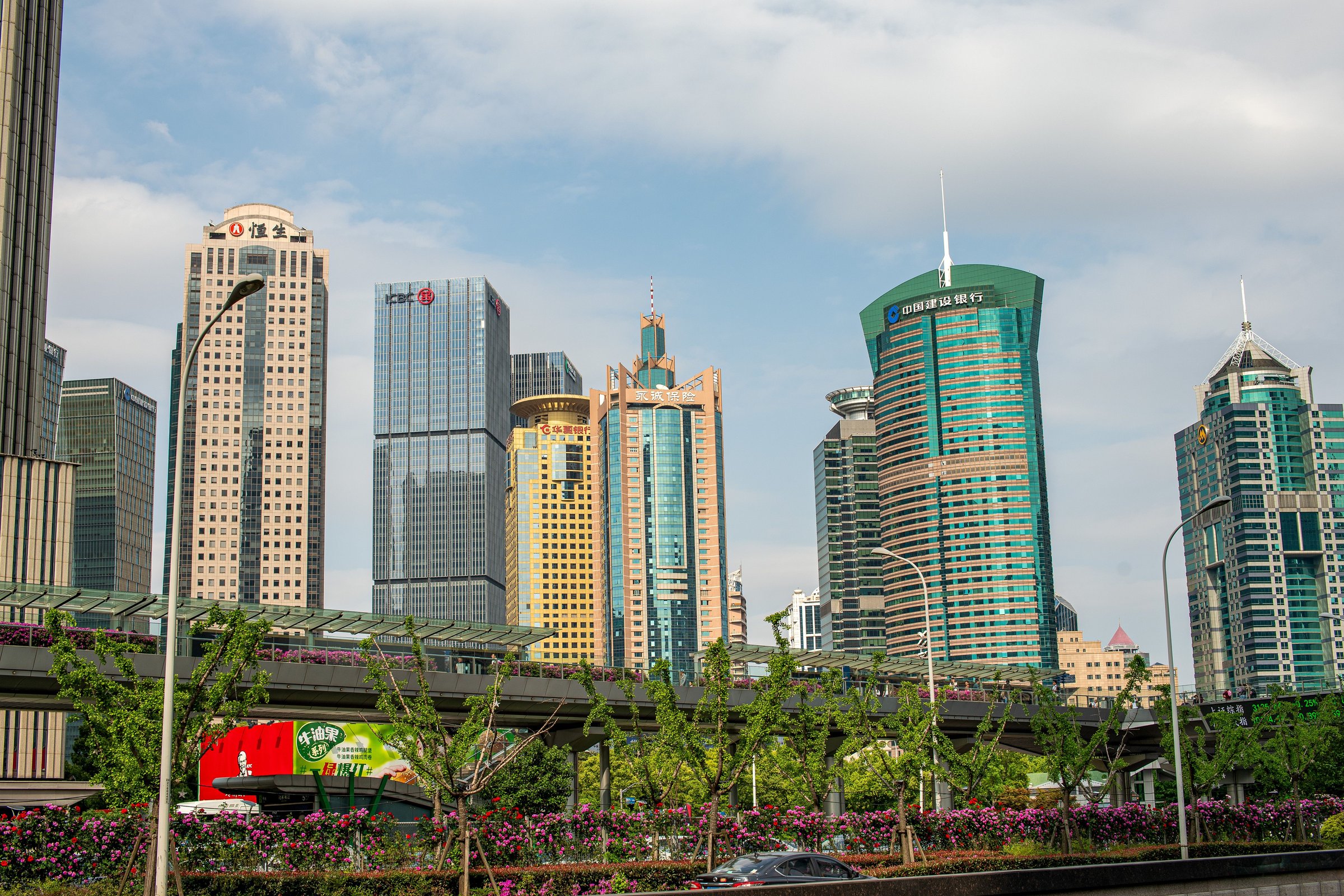
The Bund is the waterfront promenade with colonial-era buildings facing the Pudong skyline. The Oriental Pearl Tower and Shanghai Tower are the skyline's landmarks, and the latter has an observation deck. Yu Garden is a classical Chinese garden with a bazaar. The former French Concession is a leafy district of cafés and boutiques. Nanjing Road is the main shopping street. Shanghai Disney Resort is a full-scale theme park.

Plan My Trip Now

Chengdu

The Chengdu Research Base of Giant Panda Breeding is best visited early in the morning when…

Read More
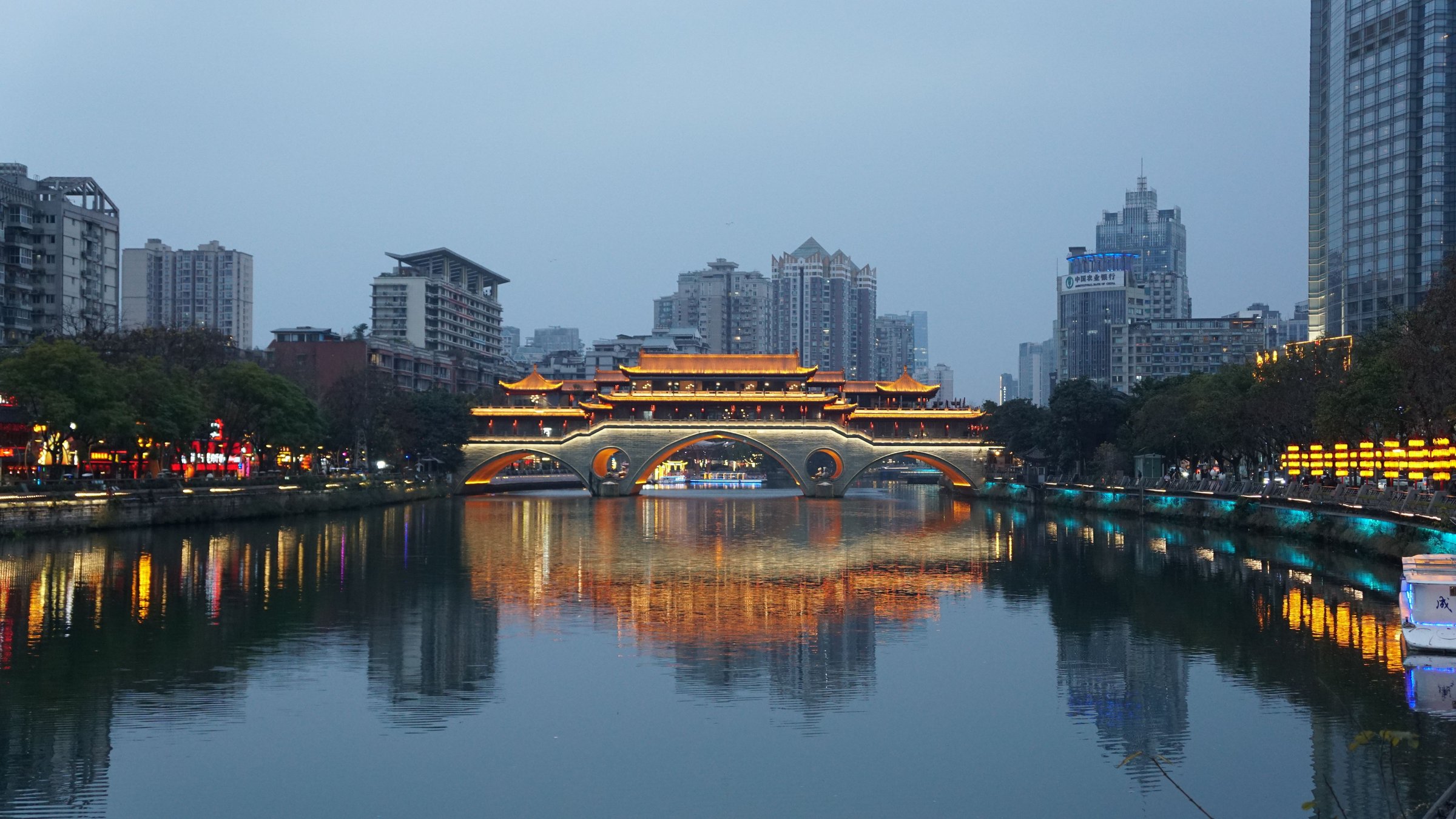
The Chengdu Research Base of Giant Panda Breeding is best visited early in the morning when the pandas are most active. The Leshan Giant Buddha is a huge stone Buddha carved into a cliff, and it can be a day trip. Jinli Ancient Street and Kuanzhai Alley are historic streets of food and teahouses. Sichuan opera with its face-changing performances is a good evening out.

Plan My Trip Now

Guilin & Yangshuo

The Li River cruise passes limestone karst peaks and is the classic scenic route. Yangshuo is…

Read More
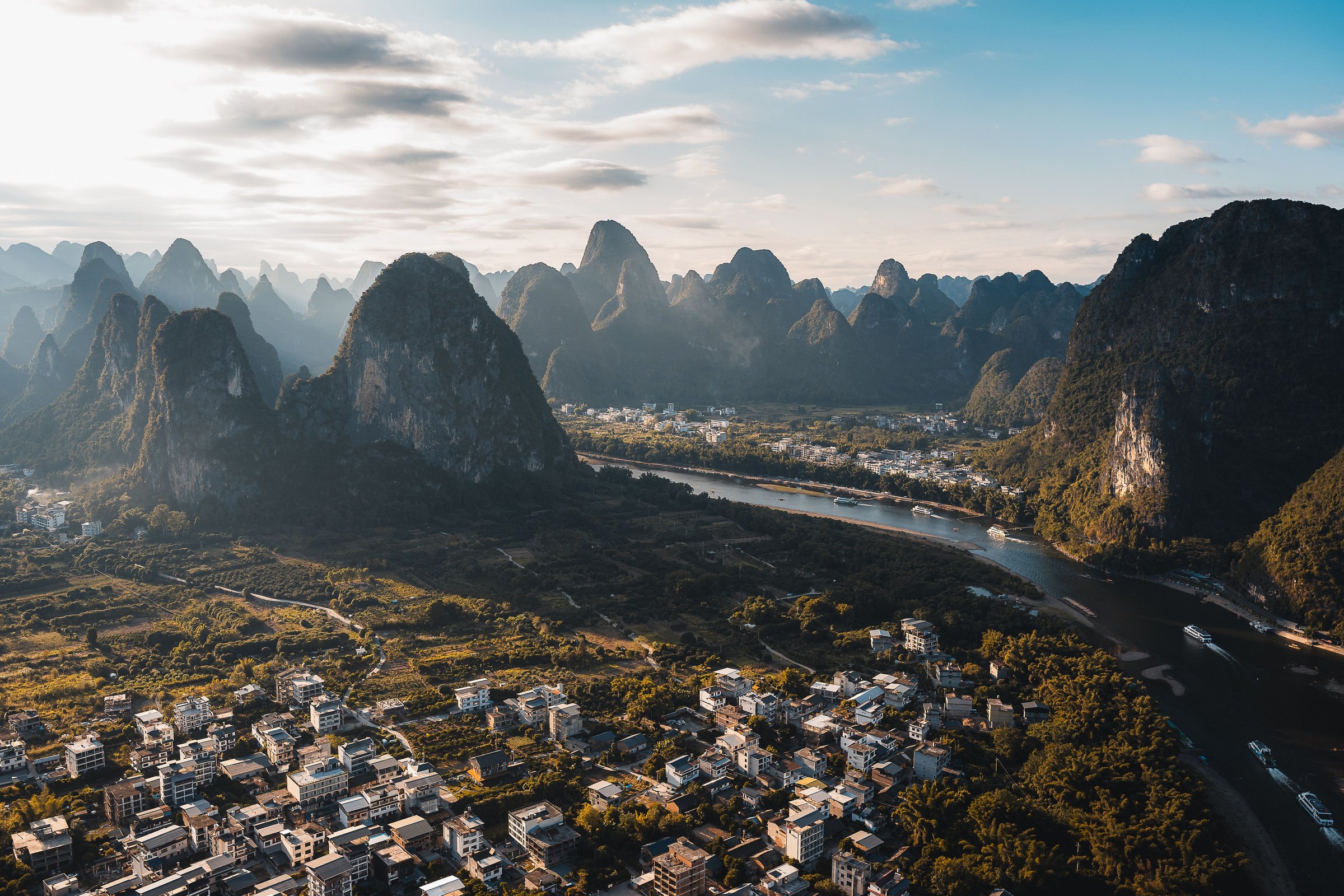
The Li River cruise passes limestone karst peaks and is the classic scenic route. Yangshuo is a small town among the karst hills, good for cycling and a relaxed pace. The Longji Rice Terraces are terraced hillsides best in spring and autumn.

Plan My Trip Now

Zhangjiajie

Zhangjiajie National Forest Park has the sandstone pillars said to have inspired the floating mountains in…

Read More
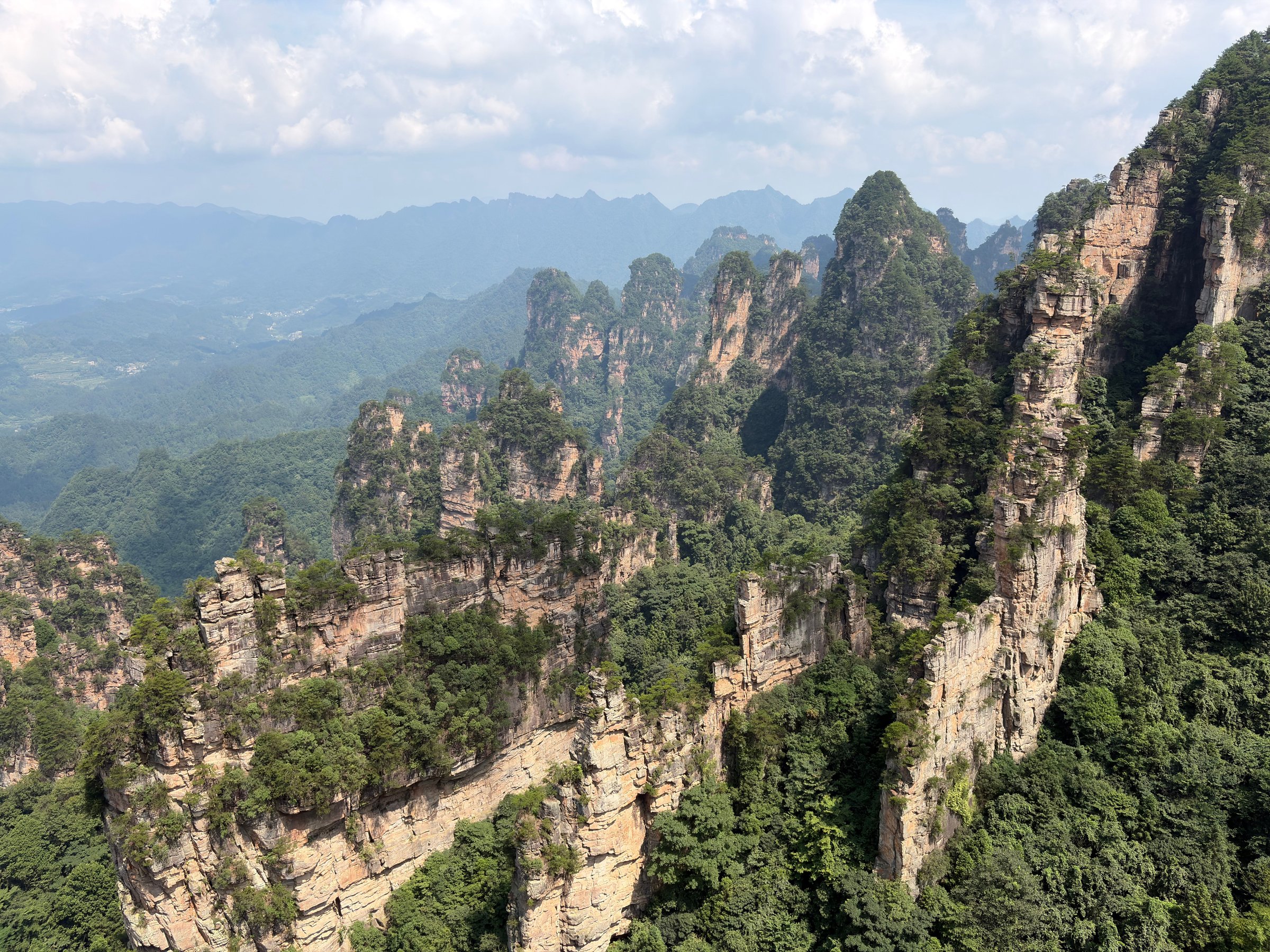
Zhangjiajie National Forest Park has the sandstone pillars said to have inspired the floating mountains in the film Avatar. Tianmen Mountain has a cable car and a glass-bottomed walkway. The area is best visited on clear days, and we plan for weather.

Plan My Trip Now

Hangzhou, Suzhou & Water Towns

West Lake in Hangzhou is a lake of pagodas, causeways and tea fields, and Longjing tea…

Read More
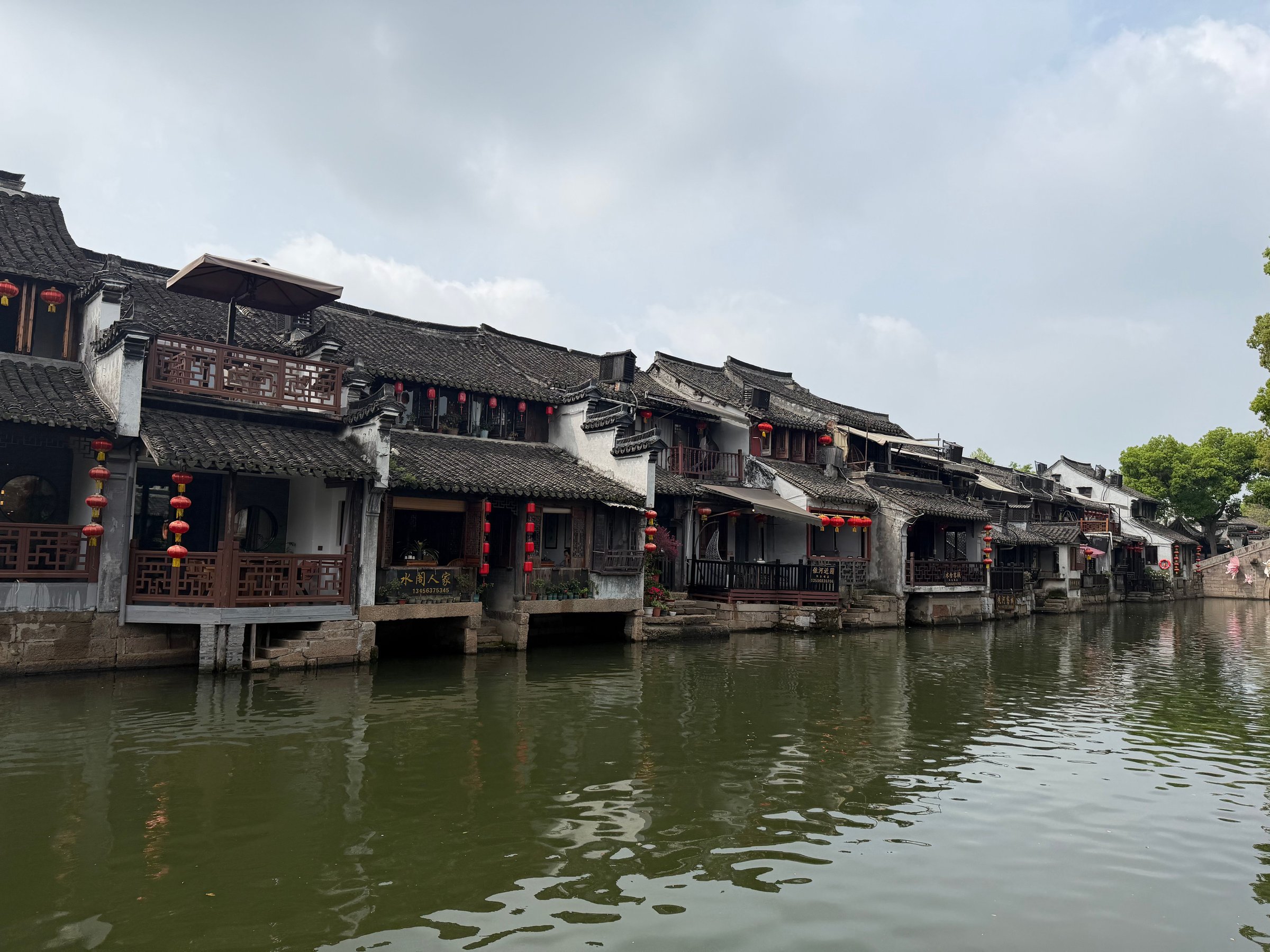
West Lake in Hangzhou is a lake of pagodas, causeways and tea fields, and Longjing tea is grown in the hills nearby. Suzhou has classical gardens, several of them UNESCO-listed. Water towns such as Zhouzhuang and Wuzhen offer canals and stone bridges within reach of Shanghai.

Plan My Trip Now

Suggested Trip Duration

8–9 days Beijing, Xi'an and Shanghai cover the highlights for a first trip.
10–12 days (our most common recommendation) Enough time to slow down, and to add Chengdu or Guilin without cutting anything important.
13–15 days Room to add Zhangjiajie, Hangzhou and Suzhou, or a river cruise, without rushing.
16+ days For repeat visitors exploring new regions, such as Yunnan, at their own pace.
A Culinary Journey Through China

A Culinary Journey Through China

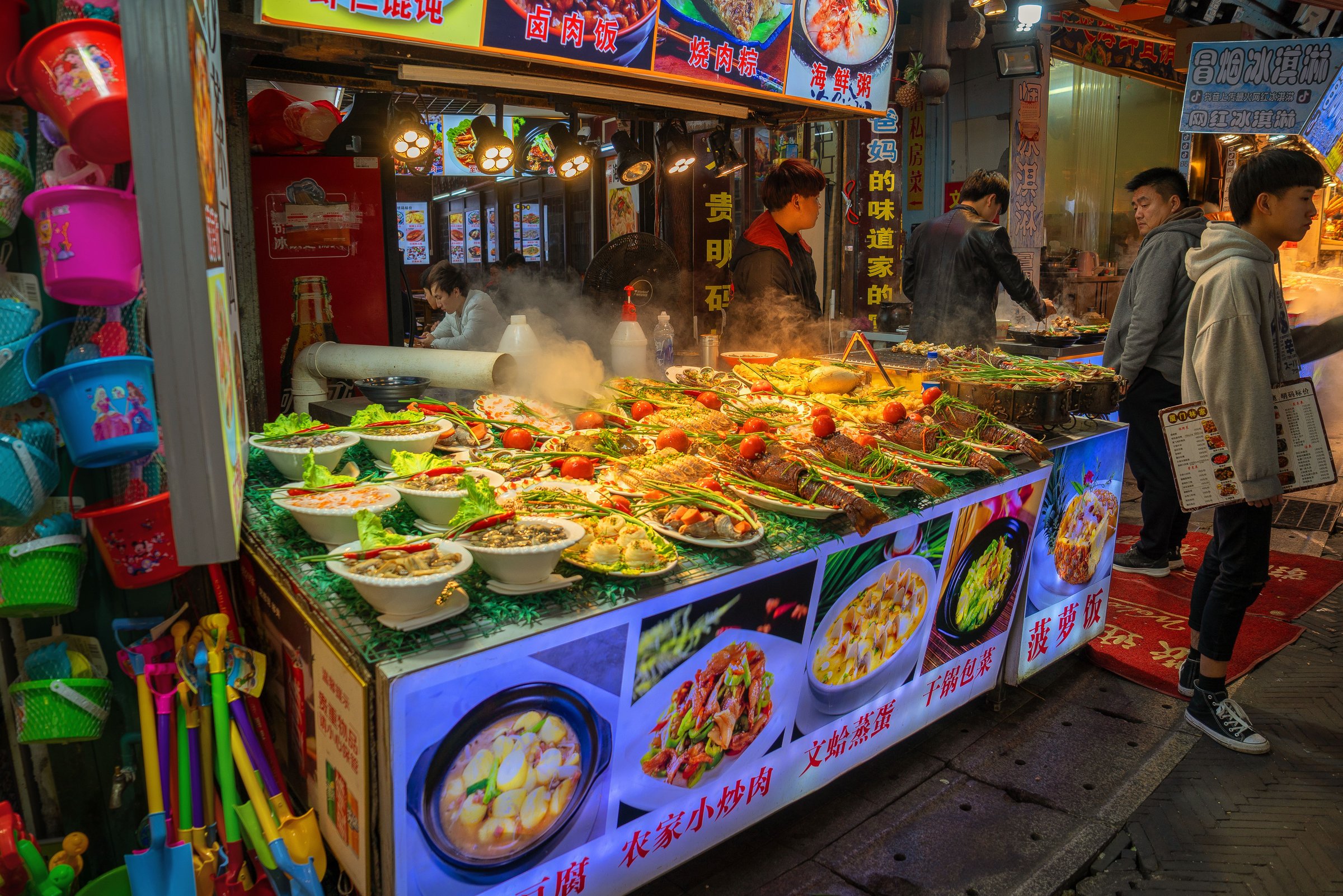
Food is usually what people talk about most when they get back. There is no single Chinese cuisine. Beijing is known for roast duck, Xi'an for hand-pulled noodles and lamb, Shanghai for soup dumplings, Sichuan for chilli and the tingling heat of Sichuan pepper, and Guangdong for dim sum. The best meals are often in busy, unfussy places with a queue of locals.

One thing worth being honest about, China is harder for vegetarians than most of Asia. Broths and cooking oils often contain meat, and vegetable dishes may be cooked with pork or shrimp paste. Buddhist vegetarian restaurants are the best option, and Indian restaurants can be found in Beijing, Shanghai, Guangzhou and other larger cities. We brief restaurants and guides in advance and plan your meals with care. We don't pick restaurants by reputation, we pick them based on what you actually want, whether that's a tasting menu, a noodle counter, or a food walk.

Quick tip: Tap water is not drunk in China, and hot water is the default. Carry bottled water, and take a small stock of snacks for long train days.
Culture & Traditions

Culture & Traditions

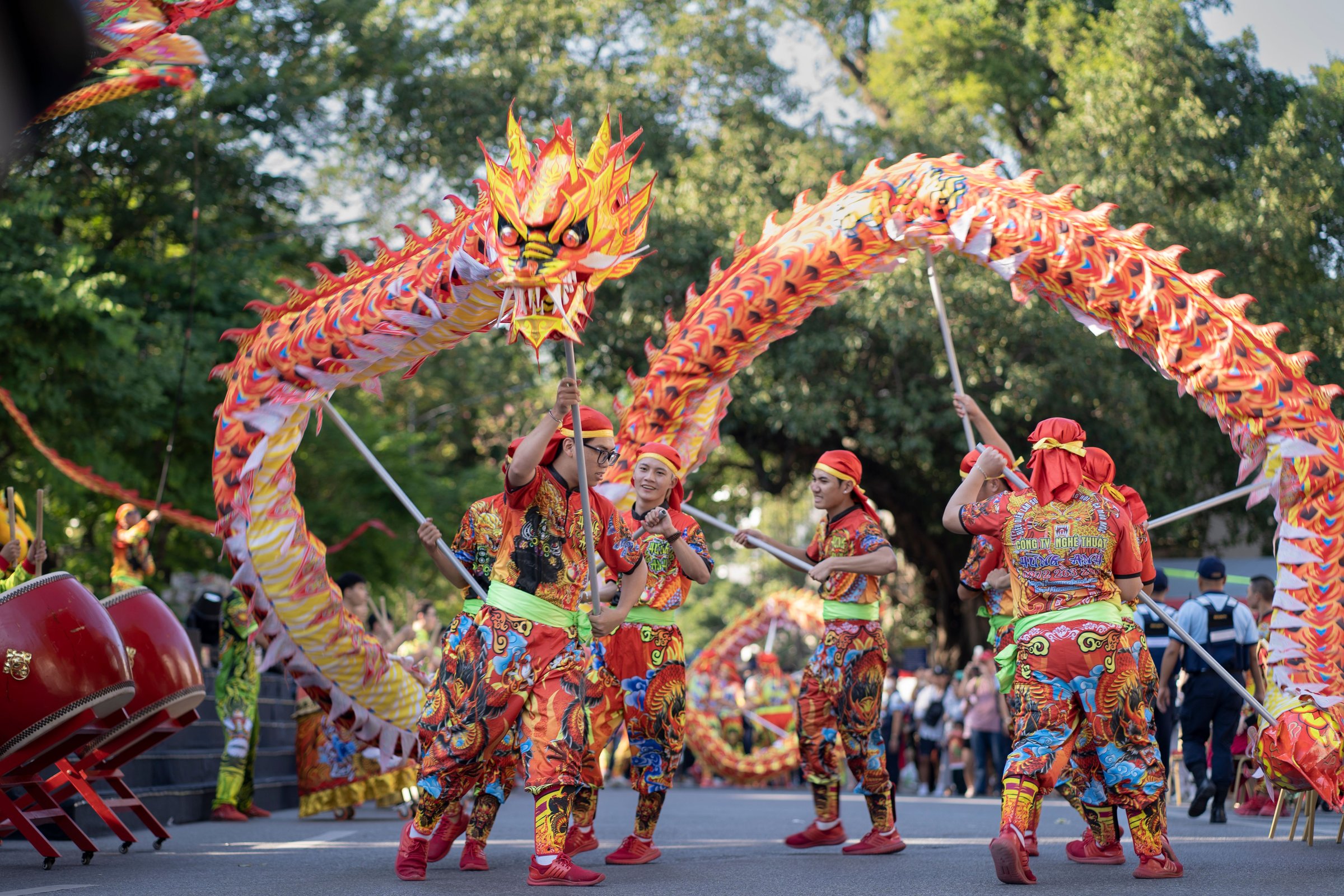
Culture in China isn't only in the palaces. The Forbidden City and the Terracotta Army are worth seeing, but a morning of tai chi in a park, a session in a traditional teahouse, or a family lunch that runs for two hours usually tells you more. Family, hospitality and food sit at the centre of daily life, and travellers are generally treated with warmth and curiosity.

Travenza tip: Chopsticks should never be stuck upright in a bowl of rice, which resembles incense at a funeral. Offer and receive business cards and gifts with both hands.
Shopping in China

Shopping in China

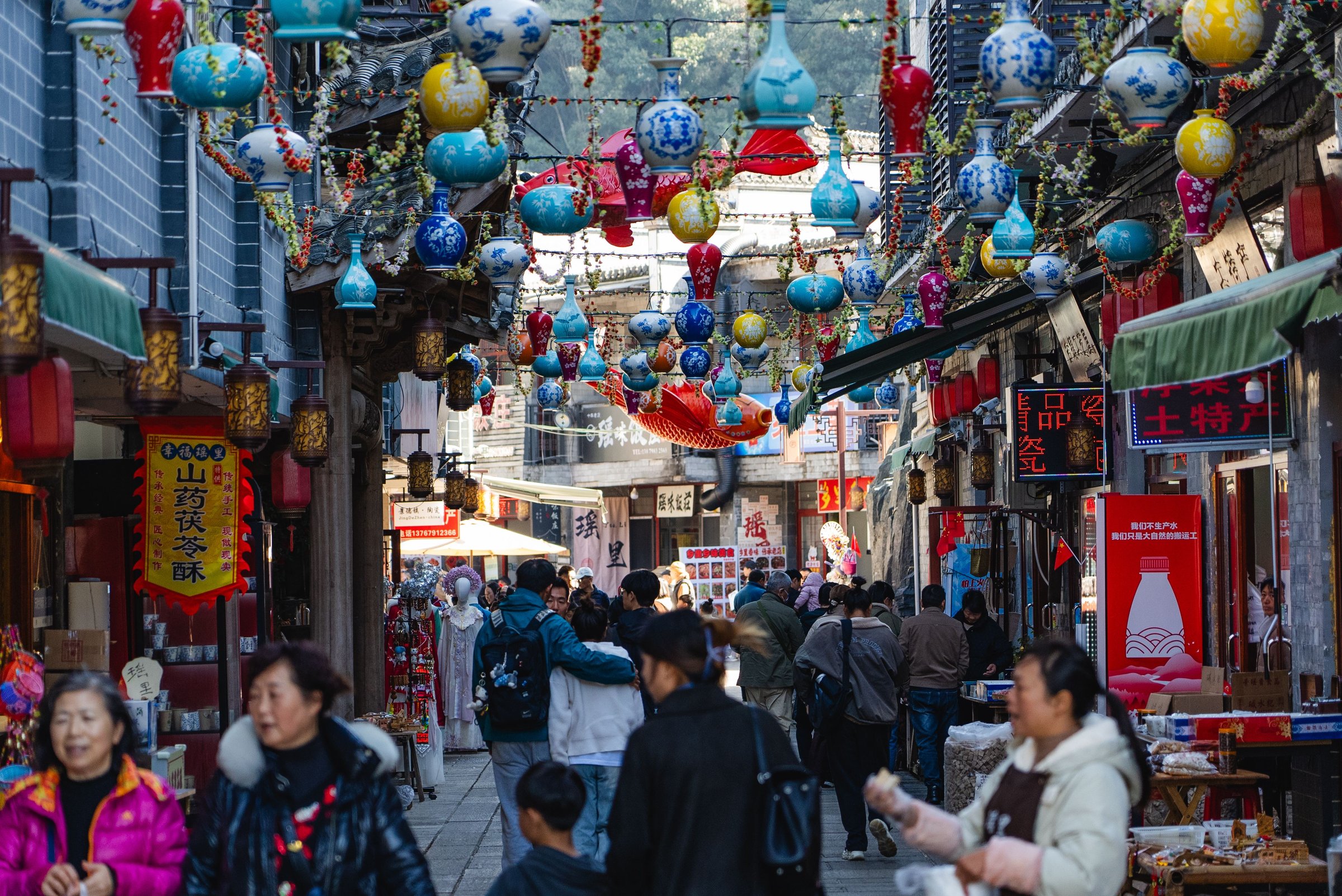
Shopping here is best done with a plan. Silk in Suzhou and Hangzhou, tea in Hangzhou and Chengdu, jade and pearls in Shanghai and Beijing, and calligraphy, porcelain and paper-cut crafts across the country. Beijing's Panjiayuan Market is a large antiques and crafts market, and the Silk Market is known for clothing and bargaining. Shanghai's Nanjing Road and the French Concession suit brands and boutiques.

Bargaining is expected in markets, and you should be sceptical of very low prices for silk, jade and antiques, which may be imitations. Export of genuine antiques is restricted.

Travenza tip: For tea, silk and jade, buy from established shops or from a place your guide has a long relationship with, and keep the receipts.

Getting Around China

China's high-speed rail network is fast, punctual and very extensive. Beijing to Shanghai takes about four and a half hours by train, and Shanghai to Hangzhou under an hour. That's also the risk: easy transport tempts people into cramming in too many stops. We'd rather add a night in Xi'an than another city on the list. For longer distances, such as Beijing to Chengdu or Guilin, we use domestic flights.

Stations and airports require passports, and station security means arriving early. Cities have clean, cheap metros. For short hops, DiDi works well, and taxis are metered. In every city we arrange a private driver or guide for the key sightseeing days, which saves time at queues and gates.

Travenza tip: Book the Forbidden City and other major sights in advance. Many require real-name booking with a passport, and the Forbidden City is closed on Mondays for much of the year.

Staying Connected & Paying in China

China works differently online, and it is worth preparing before you land. Google, WhatsApp, Instagram and many other foreign apps are not accessible on local networks. An international-roaming eSIM or SIM, set up before you fly, is usually the easiest way to stay connected, and we suggest downloading offline maps and a translation app.

Daily life runs on mobile payments. Alipay and WeChat Pay can be linked to many international cards, and it is worth setting them up before you arrive. Cards are accepted at most hotels and large venues, but cash and mobile payments both help in smaller places. DiDi, the local ride-hailing app, is widely used in cities.

Travenza tip: Set up your payments and your connectivity at home, not at the airport. We share a short pre-departure guide with every traveller.

Visa Guide

Indian passport holders need a visa to visit China, and there is no visa on arrival for tourism. The tourist (L) visa is applied for through a Chinese Visa Application Service Centre in India. Applications generally need a passport valid for at least six months with blank pages, a completed application form, a recent photograph, flight and hotel confirmations or an invitation, a day-wise itinerary, and financial and employment documents. Processing times and fees vary, and biometric and fee rules have changed in recent years.

China's visa-free schemes do not currently apply to Indian passport holders. Transit and visa-free stopovers have their own conditions, which we check case by case. We handle this end to end: documentation, itinerary and confirmations. We'd recommend applying early if you're travelling in April, May, or around Golden Week, when appointments fill up.

Why China Stays With You

Some places are remembered for what you saw. China is remembered for its scale. A wall that disappears into mist. A city that doesn't sleep. A meal you couldn't name, at a table you'd never have found on your own. China has a way of rearranging your sense of what is possible, and that's usually what stays with people longest.

The first trip is usually Beijing, Xi'an and Shanghai. The next one might be Chengdu's pandas, Guilin's rivers, or Zhangjiajie's pillars. The more of it you see, the more there still is. We hope this travel guide to China has helped you plan better. Connect with us to design your China holiday.

Your China questions, answered

Is China a good destination for first-time international travellers?

Yes, with the right preparation. It is safe, well organised and rich in sights. Because of the language, payments and connectivity, a guided, well-planned route makes it much easier.

How many days should I spend in China?

For a first trip, 10–12 days works well. It is enough for Beijing, Xi'an, Shanghai and one more region without rushing. 8–9 days covers the three main cities, and 13–15 days lets you add Zhangjiajie or Hangzhou.

When is the best time to visit China?

Spring and autumn are the best for most of the country. Avoid Golden Week in early October and Chinese New Year. Summer is hot, and winter is very cold in the north.

Do I need a visa for China?

Yes. Indian passport holders need a visa before travel, and there is no visa on arrival for tourism. We handle documentation and appointments.

Is China suitable for family holidays?

Yes. Pandas in Chengdu, the Great Wall, high-speed trains and Shanghai Disney Resort work well for children. We keep the days shorter for younger travellers.

Is China a good honeymoon destination?

It can be, with a slower route. Guilin's river landscapes, Hangzhou's West Lake and Shanghai's skyline suit couples, and we pair them with quieter hotels.

Is vegetarian food available in China?

It is available, but takes planning. Buddhist vegetarian restaurants are a good option, and Indian restaurants are found in larger cities. We brief restaurants and guides in advance.

Will my phone and apps work in China?

Google, WhatsApp and Instagram are not accessible on local networks. An international-roaming eSIM or SIM, set up before travel, is usually the easiest solution. We share a full pre-departure guide.

How much should I budget for a China holiday?

Depends on season, duration, hotel category and style. As a rough guide, a well-planned 10 - 12 day trip in good 4 and 5 star hotels starts around ₹3,00,000 lakh per person, excluding flights. Luxury stays and private experiences push this higher.

Is English widely spoken in China?

In international hotels and at major sights, some. Less so elsewhere. Your guide handles this, and we share translation apps before you leave.

Can I customise my itinerary?

Yes, every trip is built around what you want, whether that's adding Chengdu, extending Beijing, including the Yangtze or Li River, or planning around a celebration.

Ready to go?

Plan your China trip

Share your dates, group size and interests, we will craft a bespoke itinerary within 48 hours. No obligations.
Plan My Trip → Chat on WhatsApp