Oceania · Pacific Islands

Fiji Travel Guide

Overwater villas, coral reefs and the art of slowing down
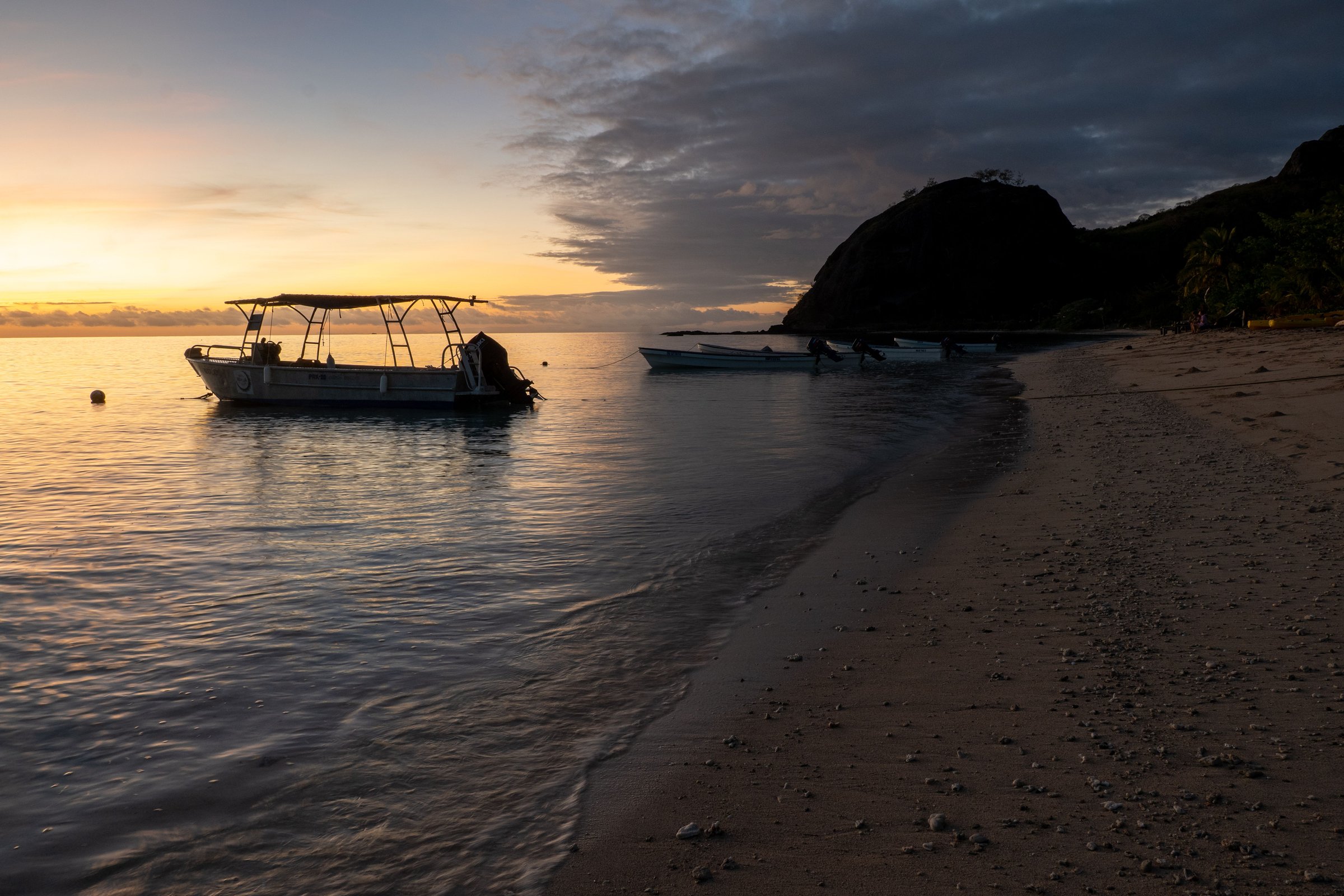
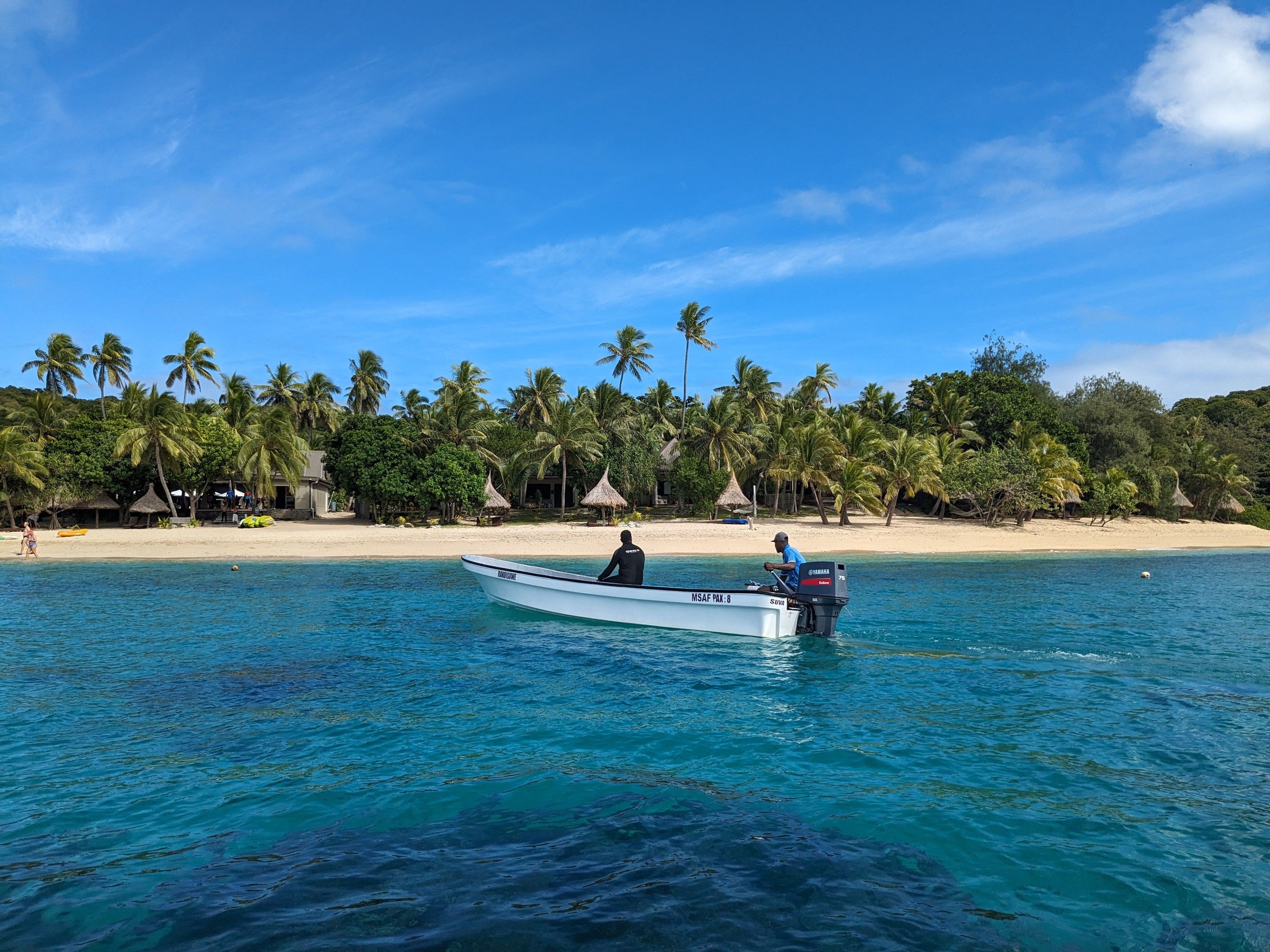
Fiji doesn't rush you into anything. A boat pulling up to a beach with no footprints on it. A kava bowl passed round a circle in a village, with a clap before you drink. A lagoon so clear the shadow of your boat follows you across the sand below. That's usually how it goes here.

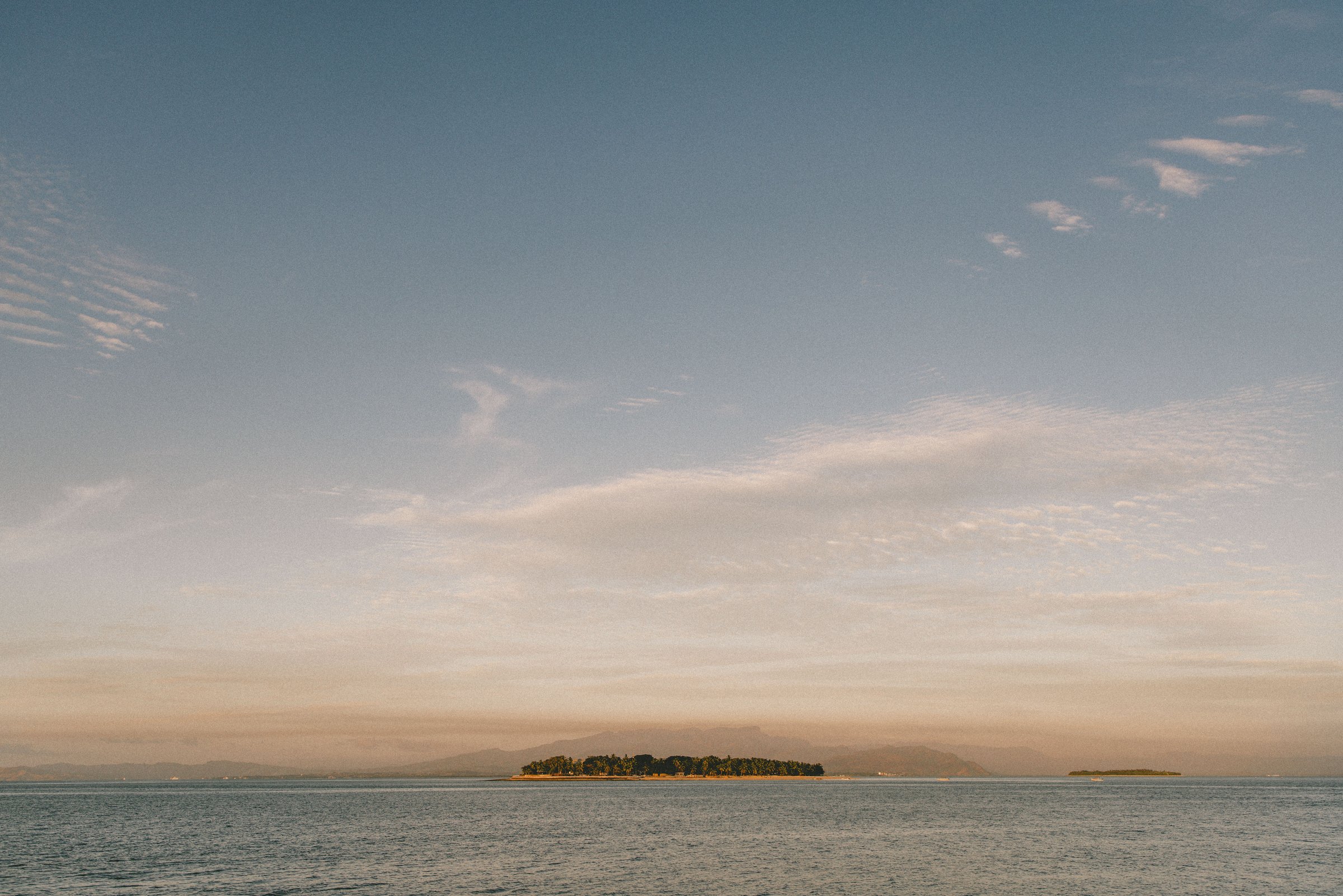
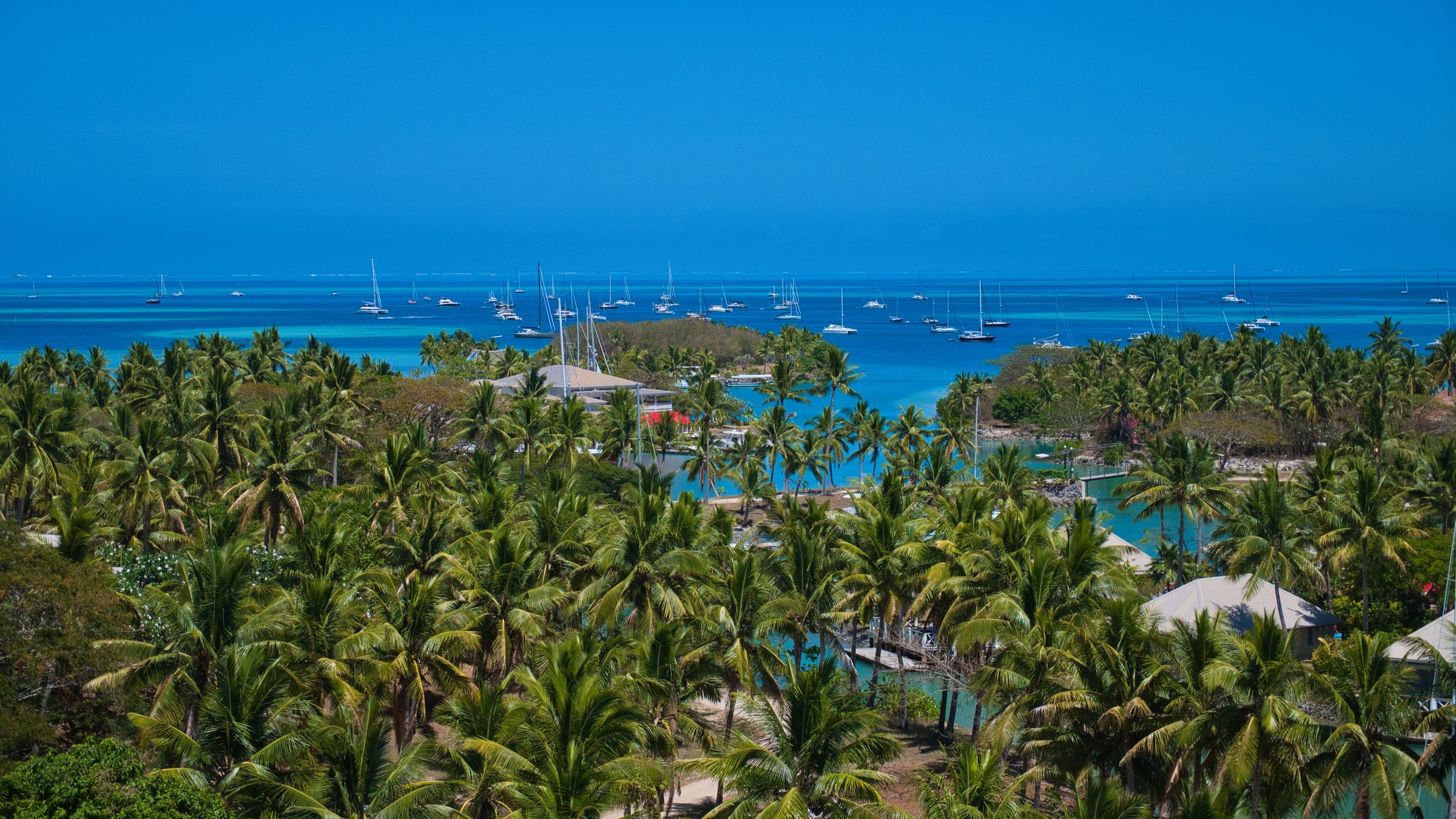
What makes it work is the scatter. Fiji is made up of over three hundred islands, and each one has its own character. Viti Levu is the hub, the Mamanucas are the easy resort islands, the Yasawas are wilder, and Taveuni is green and remote. So no two trips through Fiji should look the same.

Why Fiji, and Why With Us

Why Fiji, and Why with us

Fiji runs on a welcome that doesn't feel rehearsed. Staff who greet you with a Bula at every turn. A village where you are invited to sit and eat. That same warmth shows up in a private-island resort as much as in a family-run guesthouse. None of it is written into an itinerary, and it's usually what people remember most.

It's also a long way from India, and that's the trap: travellers try to fit Fiji into a short window, and spend a large share of it in transit. A good trip and a great one rarely differ by how many islands were on the list. They differ by how much time you actually had on each one, and how well the long journey was planned.

We've been designing holidays since 2013. Not templates, routes built around how you like to travel. We pick the island and the resort before the itinerary, the pace before the activities, and we'll tell you when something isn't worth your time. This is our travel guide to the Fiji Islands. You can find our opinions on what places to include, what time to visit, how long your visit should be and more.

With Travenza, You Can Expect

Best Time to Visit Fiji Islands

Fiji is warm all year, and the real question is dry season or wet season.

Dry Season (May–October)

Best for: Beach days, snorkelling, diving, island hopping

Ideal destinations: Mamanuca Islands, Yasawa Islands, Denarau, Coral Coast

If you asked us: Cooler, less humid, and the most reliable weather. It's also when Australians and New Zealanders arrive, particularly in July and August, so book resorts early.

Shoulder Months (May–June & October)

Best for: Good weather, fewer crowds, better rates

Ideal destinations: Mamanucas, Yasawas, Taveuni

If you asked us: This is the window we point most guests toward. The weather is dry, the resorts are quieter, and rates are easier to manage.

Wet Season (November–April)

Best for: Lower rates, lush landscapes, quieter resorts

Ideal destinations: Denarau, Coral Coast, Taveuni

If you asked us: Hotter, more humid and wetter, with heavy showers. It is also the cyclone season, generally from November to April, and travel insurance and flexible plans matter more. Rain often comes in bursts rather than all day.

Peak Periods

Best for: Those who plan ahead

Ideal destinations: All the popular islands

If you asked us: July to August and December to January are the busiest. Family resorts and small island properties sell out early, and we suggest booking well ahead.

Best Places to Visit in Fiji Islands

Getting the mix of islands right matters more than trying to see them all. Here's what each one is actually good for.
Nadi & Denarau Island

Nadi is the main gateway. Sri Siva Subramaniya Swami Temple is a colourful Hindu temple, and…

Read More
Nadi is the main gateway. Sri Siva Subramaniya Swami Temple is a colourful Hindu temple, and it is widely described as the largest in the Southern Hemisphere. The Garden of the Sleeping Giant is an orchid garden in the hills. Sabeto Mud Pool and Hot Springs offers a soak and a mud treatment. Denarau Island is a resort enclave with a marina, restaurants and an easy departure point for the Mamanuca and Yasawa Islands.

Plan My Trip Now

Mamanuca Islands

The Mamanucas are a chain of small islands off Nadi, reached by boat, seaplane or helicopter…

Read More
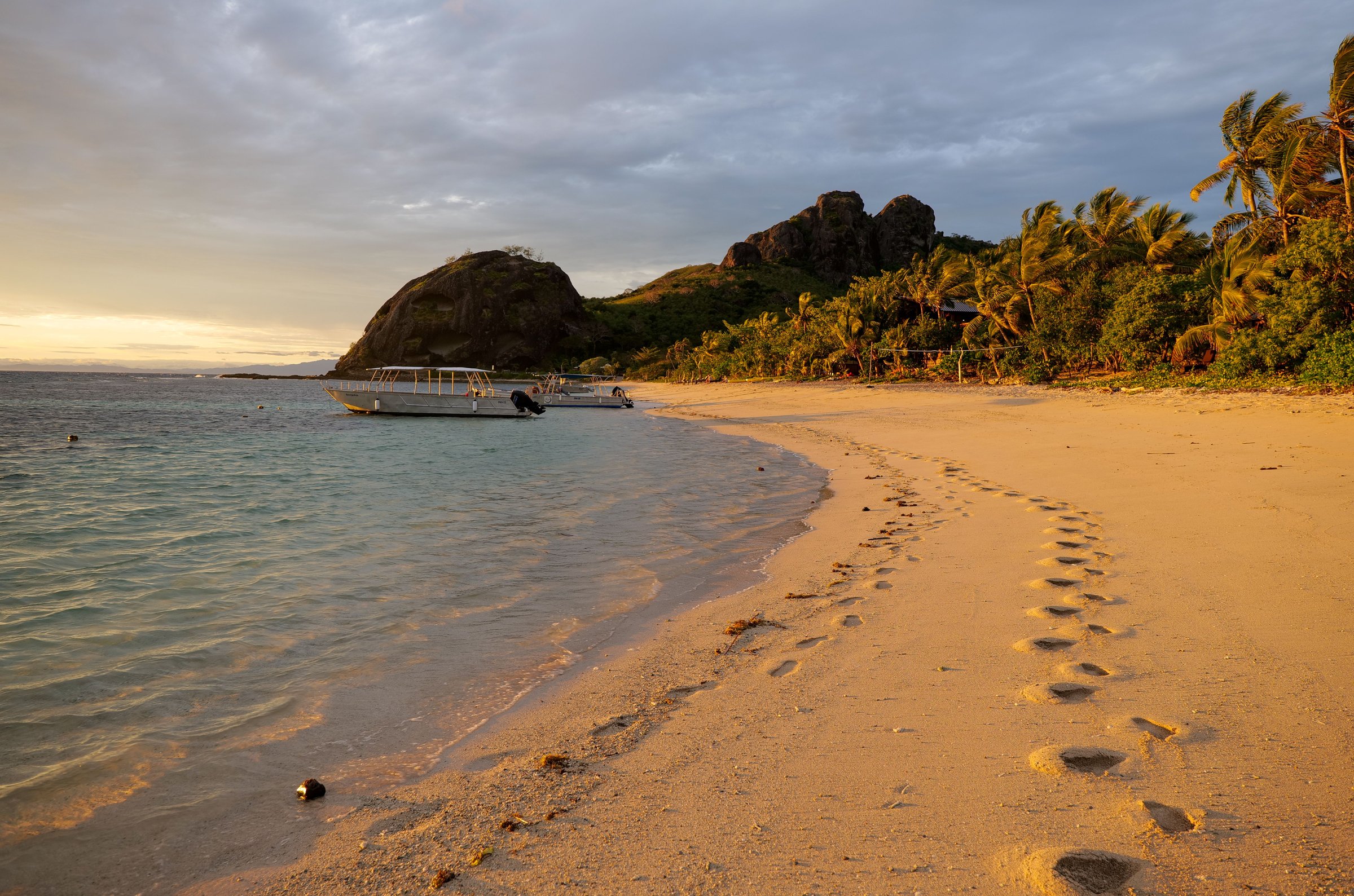
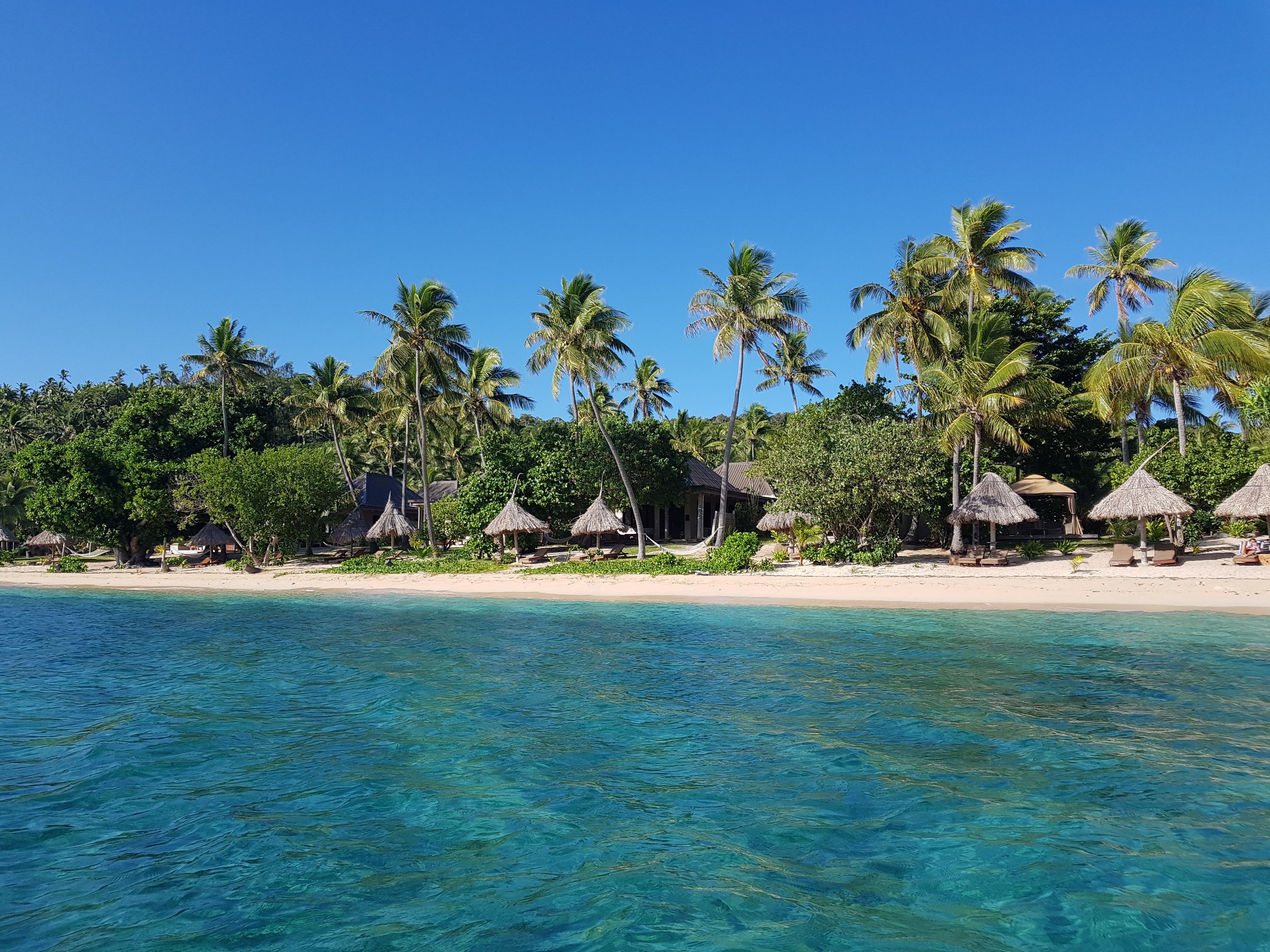
The Mamanucas are a chain of small islands off Nadi, reached by boat, seaplane or helicopter in under an hour. They offer resorts for every style, from families to couples and adults-only stays, plus calm lagoons and reef snorkelling. Monuriki is the island used in the film Cast Away, and Cloudbreak is a world-famous surf break. Day cruises and sunset sails are easy to add.

Plan My Trip Now

Yasawa Islands

The Yasawas are further north and wilder, with long white-sand beaches and dramatic limestone caves. Sawa-i-Lau…

Read More
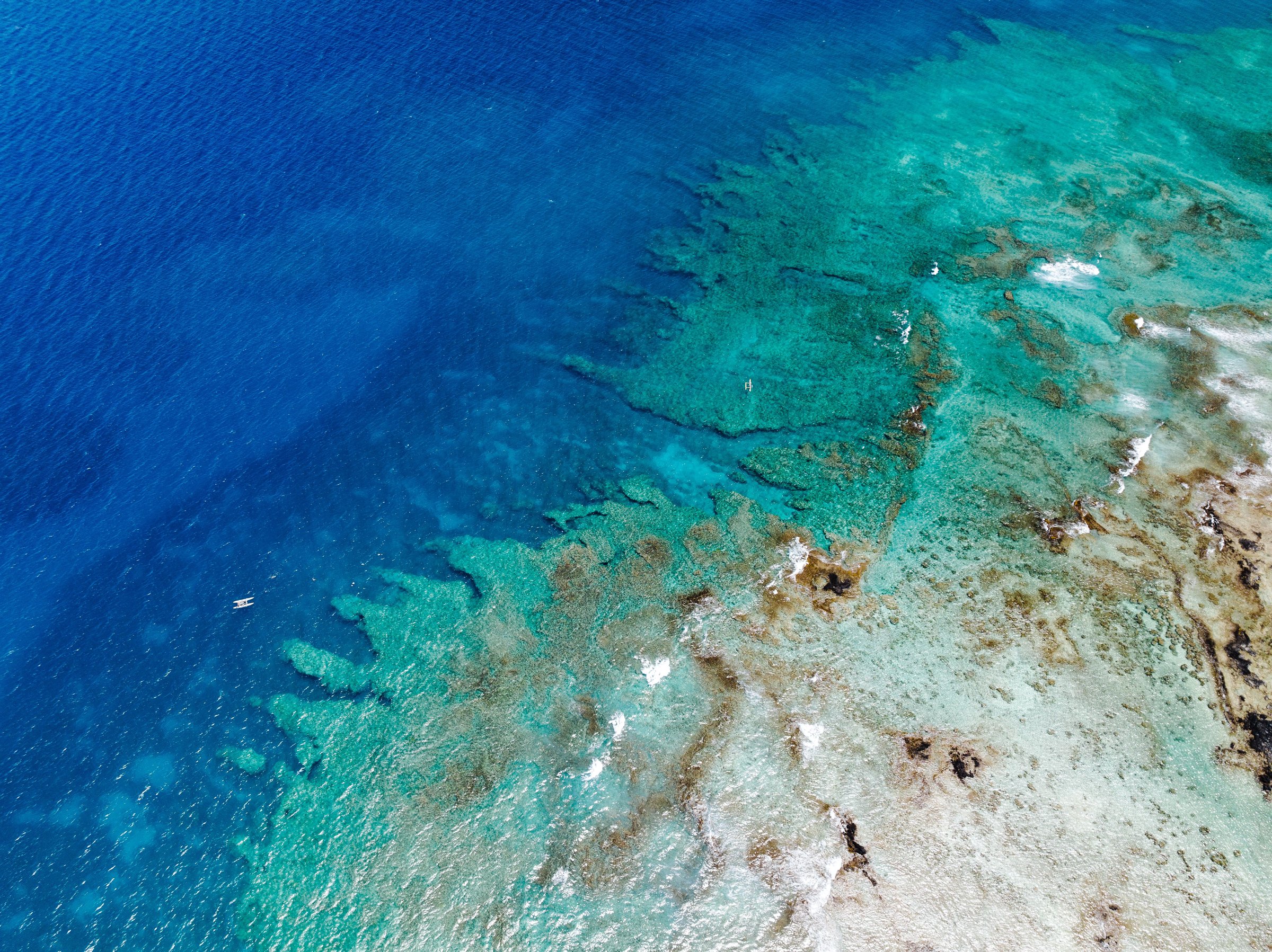
The Yasawas are further north and wilder, with long white-sand beaches and dramatic limestone caves. Sawa-i-Lau is a limestone cave that can be swum into. The Blue Lagoon on Nanuya Lailai is a beach and lagoon that appeared in the 1980 film. Stays here range from simple beach resorts to upscale island retreats, and transfers take longer.

Plan My Trip Now

Coral Coast & Pacific Harbour

The Coral Coast is a stretch of the main island with long beaches and family resorts,…

Read More
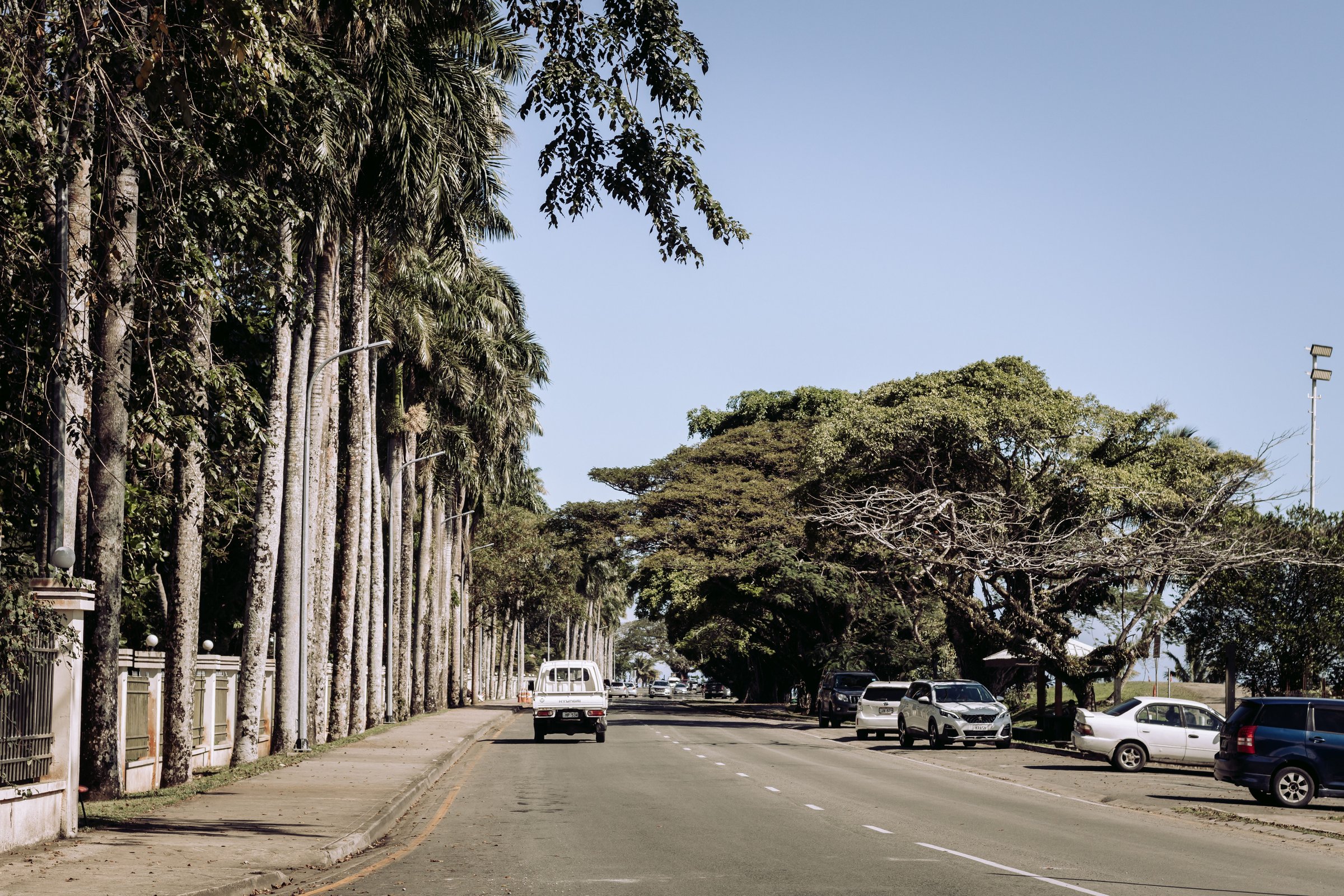
The Coral Coast is a stretch of the main island with long beaches and family resorts, and Natadola is among the best beaches on Viti Levu. Sigatoka Sand Dunes National Park has walking trails and archaeological sites. Pacific Harbour is known as Fiji's adventure capital, with river rafting, zipline and shark-diving in Beqa Lagoon.

Plan My Trip Now

Suva & Levuka

Suva is Fiji's capital, with the Fiji Museum, the municipal market and the Colo-i-Suva Forest Park.…

Read More
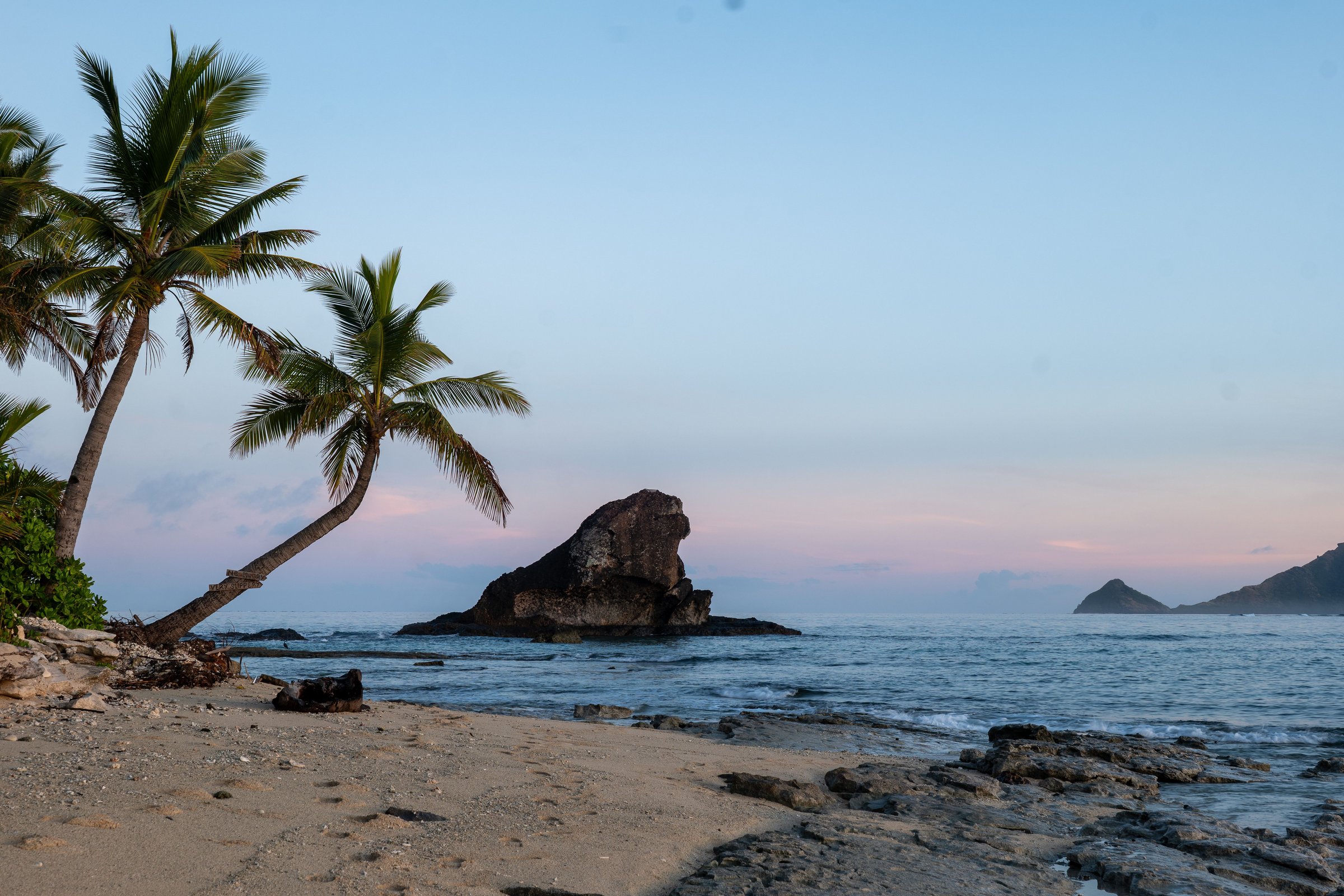
Suva is Fiji's capital, with the Fiji Museum, the municipal market and the Colo-i-Suva Forest Park. Levuka on Ovalau Island is a UNESCO-listed former capital and colonial port town with a well-preserved main street. Both are for travellers who want to see beyond the resorts.

Plan My Trip Now

Taveuni & Savusavu

Taveuni, the Garden Island, has rainforest, waterfalls at Tavoro and Bouma National Heritage Park, and world-class…

Read More
Taveuni, the Garden Island, has rainforest, waterfalls at Tavoro and Bouma National Heritage Park, and world-class diving on the Rainbow Reef. Savusavu on Vanua Levu is a small harbour town of hot springs and pearl farms. Both have a quieter, less resort-led feel.

Plan My Trip Now

Suggested Trip Duration

5–6 days Nadi or Denarau with one island stay, usually in the Mamanucas, for a first short trip.
7–8 days (our most common recommendation) Time for the mainland, an island stay in the Mamanucas or Yasawas, and a day or two on the Coral Coast without rushing.
9–11 days Room to add Taveuni, Suva or Pacific Harbour without cutting anything short.
12+ days For repeat visitors slowing down further, or combining Fiji with Australia or New Zealand.
A Culinary Journey Through the Fiji Islands

A Culinary Journey Through the Fiji Islands

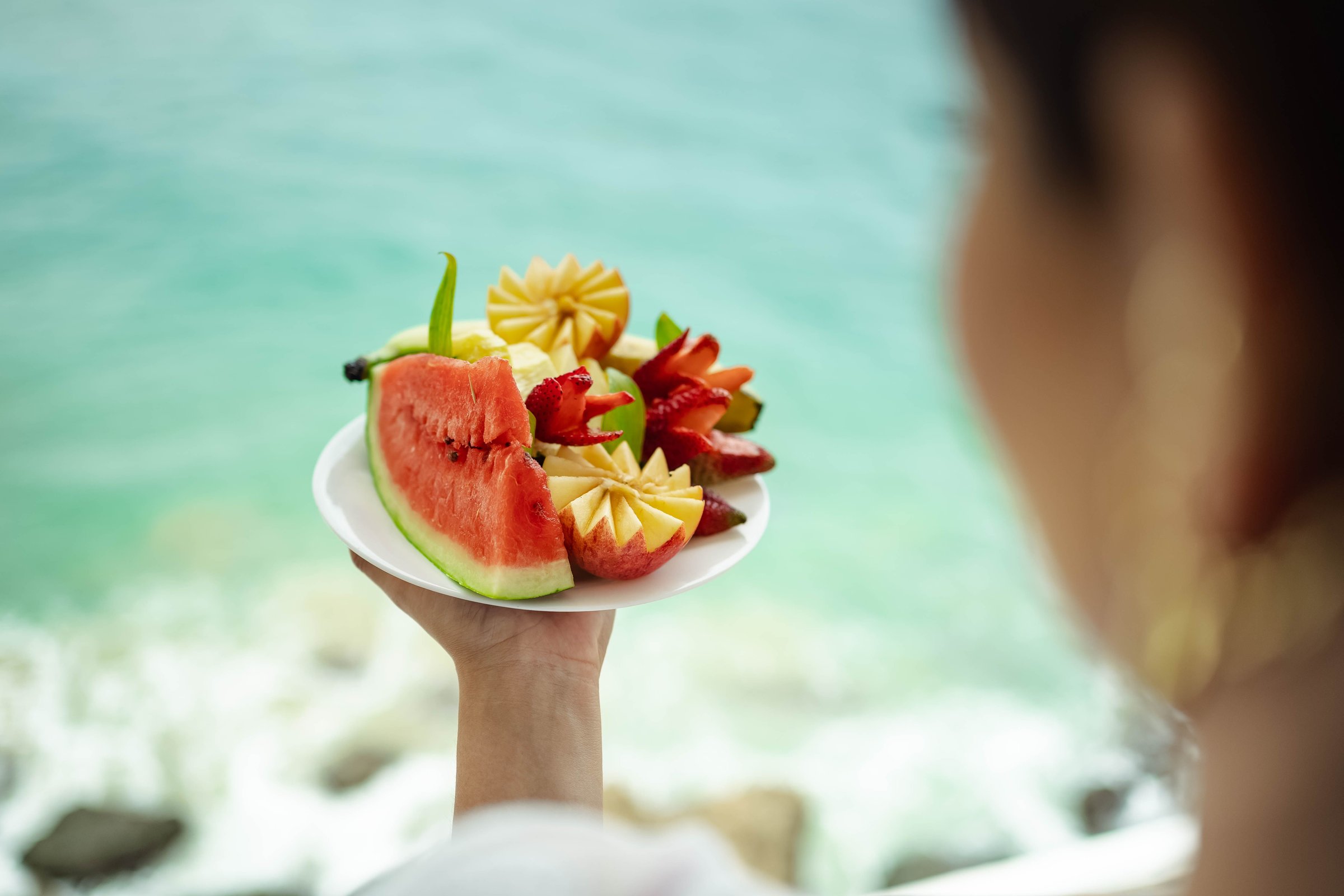
Food is usually what people talk about most when they get back. Fijian cooking is built around root vegetables, coconut, and the sea. Kokoda is raw fish cured in lime juice and mixed with coconut milk, similar to ceviche. Lovo is food cooked in an underground oven, and rourou is taro leaves in coconut cream. Fiji also has a large Indo - Fijian community, so curries, roti and samosas are part of everyday eating, and the flavours will feel familiar.

One thing worth clearing up, Fiji is easier for Indian travellers than most Pacific destinations. Indian food is widely available on the main island, and Hindi is spoken in many communities. On smaller island resorts, menus are set by the kitchen, so vegetarian and Jain requests need to be briefed in advance, which we do. We don't pick resorts by reputation, we pick them based on what you actually want, whether that's a family stay, a villa, or an adults-only island.

Quick tip: Try kava at least once, in a village setting. It is a mild, earthy drink and a traditional welcome, and you will be asked to clap once before you drink.
Culture & Traditions

Culture & Traditions

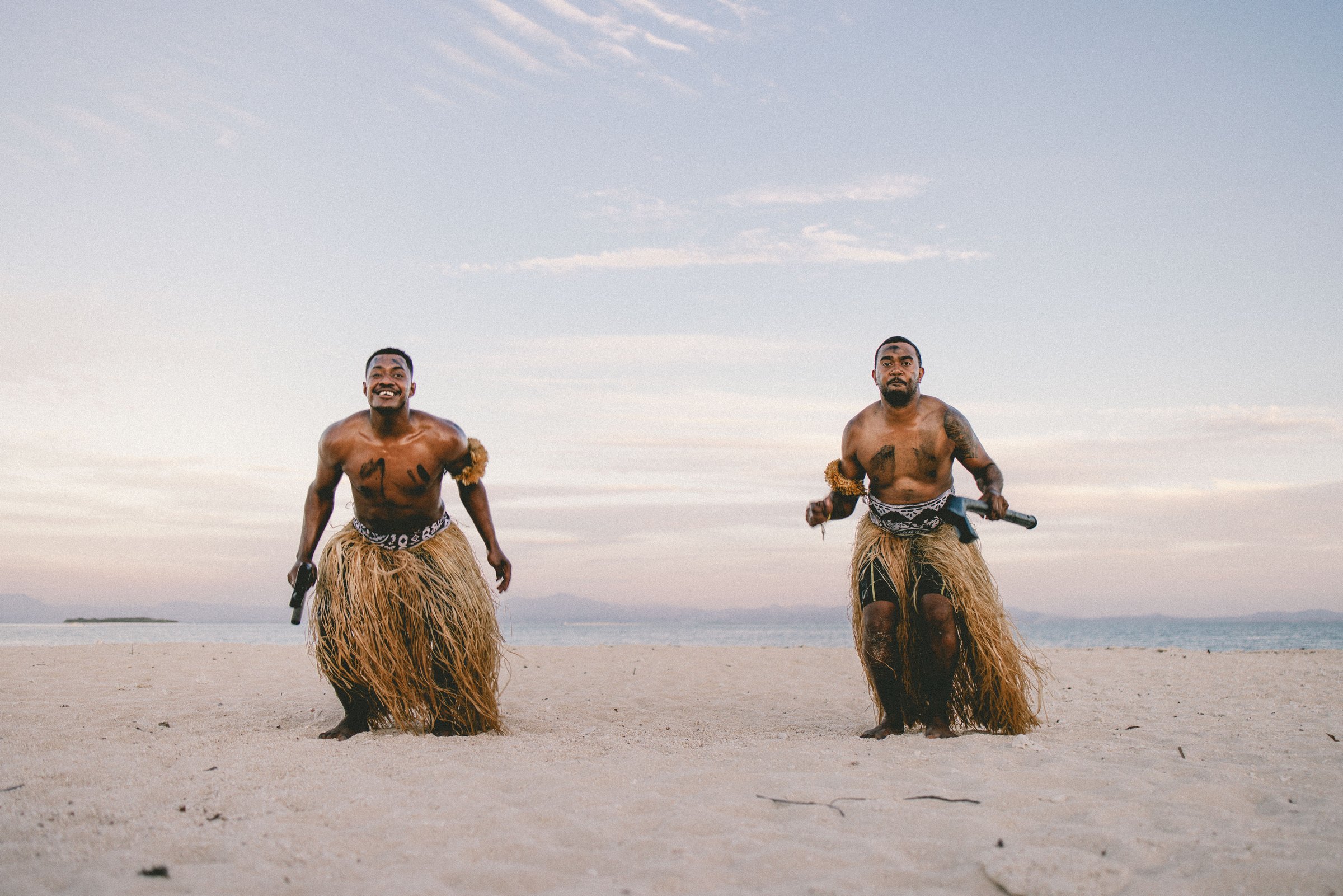
Culture in Fiji isn't only in the resorts. The islands are worth seeing, but a village visit, a meke dance performance, or a lovo feast usually tells you more. Fijian villages follow traditional customs, and a visit is often preceded by a sevusevu, a gift of kava root presented to the village chief. Indo-Fijians make up over a third of the population and their history goes back to the indentured labourers who arrived from India from 1879. Diwali is a public holiday, and Hindu temples are part of the landscape.

English, Fijian and Fiji Hindi are all official languages. Dress modestly in villages, remove your hat, and avoid touching anyone's head.

Travenza tip: If you are invited to a village, ask your guide about the protocol first. Cover your shoulders and knees.
Shopping in Fiji Islands

Shopping in Fiji Islands

Shopping here is relaxed. Look for masi (bark cloth), woven mats, wood carvings, kava bowls, sulus (wraparound sarongs), and pearls from Savusavu. The Nadi and Suva markets are good for handicrafts and spices, and Cumming Street in Suva is known for textiles and Indian goods.

Some items made from shells, coral or protected wildlife are restricted or prohibited to export, so buy only from reputable sellers and ask for documentation where appropriate.

Travenza tip: Markets are the best place for craft, and bargaining is gentle rather than fierce. A smile goes further than a hard negotiation.

Getting Around Fiji Islands

Fiji's islands are connected by boat, seaplane, helicopter and small domestic flights. Nadi International Airport is the main gateway, and catamarans run from Denarau to the Mamanuca and Yasawa Islands. Domestic flights serve Taveuni, Savusavu and other islands. On the main island, roads are good on the Queens Road and drive on the left, as in India.

Transfers depend on weather and sea conditions. Flights to Fiji from India usually connect through Singapore, Hong Kong, Australia or New Zealand, so the journey is long. We plan the routing carefully, and we recommend a night in Nadi or Denarau before heading on to an island.

Travenza tip: Leave a buffer day before your international departure when staying on an island. Transfers can be cancelled or delayed by weather.

Visa Guide

Indian passport holders do not need a visa for a tourist visit to Fiji, and a visitor's permit is issued on arrival, generally for up to four months. You will need a passport valid for at least six months, a return or onward ticket, proof of sufficient funds and your accommodation details. Extensions can be applied for through Fiji immigration.

Rules can change, so we confirm the latest process before you travel. Because most itineraries connect through a third country, you may also need a transit or entry visa for that country, and we check this as part of your plan. We handle documentation, itinerary and confirmations end to end.

Why Fiji Islands Stays With You

Some places are remembered for what you saw. Fiji is remembered for how it was to arrive. A song at the pier. A bowl of kava in a circle of strangers. A lagoon that stayed calm until sunset. Fiji has a way of making you feel expected, and that's usually what stays with people longest.

The first trip is usually Denarau and the Mamanucas. The next one might be the Yasawas, Taveuni's rainforest, or a longer stay on the Coral Coast. The more of it you see, the more there still is. We hope this travel guide to the Fiji Islands has helped you plan better. Connect with us to design your Fiji holiday.

Your Fiji questions, answered

Is Fiji a good destination for first-time international travellers?

Yes. It is welcoming, English is an official language, and resort stays are easy to manage. The main challenge is the journey, and we plan that carefully.

How many days should I spend in Fiji?

For a first trip, 7–8 days works well. It is enough for the mainland and an island stay without rushing. 5–6 days covers one island stay, and 9–11 days lets you add Taveuni or Suva.

When is the best time to visit Fiji?

May to October is the dry season and the most reliable. May, June and October are the best value. November to April is the wet and cyclone season.

Do I need a visa for Fiji?

Indian passport holders do not need a visa for tourism. A visitor permit is issued on arrival, generally for up to four months, and we confirm the requirements.

Is Fiji suitable for family holidays?

Yes. Calm lagoons, kids clubs, family resorts and friendly staff make it one of the best family destinations in the Pacific.

Is Fiji a good honeymoon destination?

Yes. Private villas, adults-only islands, sunset cruises and secluded beaches make it a classic honeymoon choice.

Is vegetarian food available in Fiji?

Yes. Indo-Fijian cuisine is widely available on the main island, and resorts can prepare vegetarian meals with notice.

How long is the journey from India?

Flights usually connect through Singapore, Hong Kong, Australia or New Zealand, so plan for a long travel day, sometimes more. We plan connections and rest stops.

How much should I budget for a Fiji holiday?

Depends on season, duration, resort category and style. As a rough guide, a well-planned 7-8 day trip in good resorts starts around ₹2,70,000 - ₹3,30,000 lakh per couple, excluding flights. Private islands and luxury villas push this higher.

Is English widely spoken in Fiji?

Yes. English is an official language and is used throughout resorts, hotels and tourist areas.

Can I customise my itinerary?

Yes, every trip is built around what you want, whether that's adding Taveuni, extending an island stay, combining with Australia or New Zealand, or planning around a celebration.

Ready to go?

Plan your Fiji trip

Share your dates, group size and interests, we will craft a bespoke itinerary within 48 hours. No obligations.

Plan My Trip → Chat on WhatsApp