Europe · Western Europe
Netherlands Travel Guide
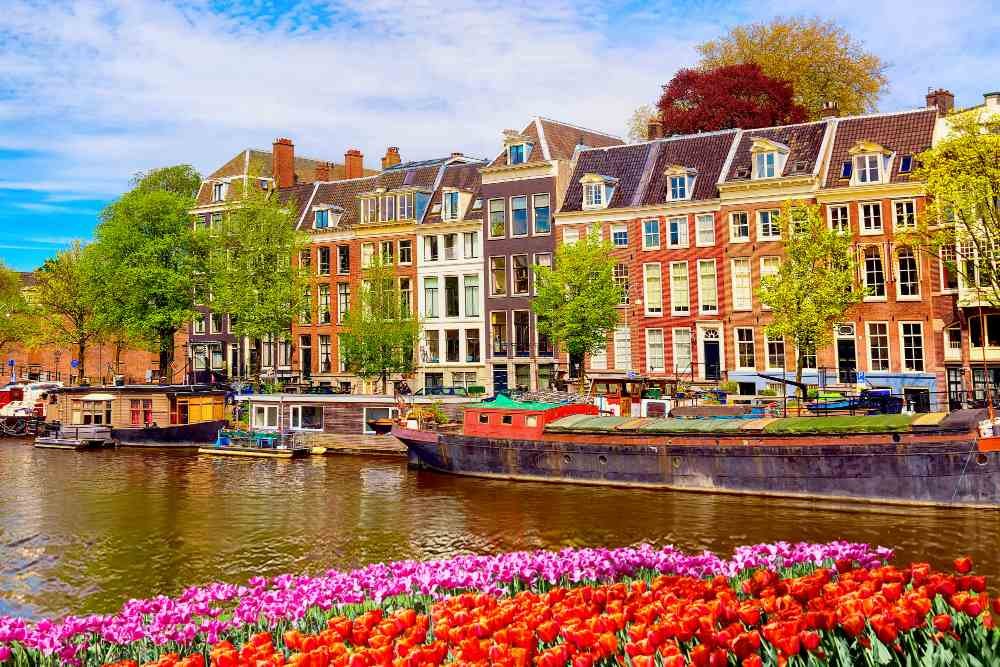
Amsterdam runs on water and bicycles, with pedestrians a distant third priority.
Amsterdam runs on water and bicycles, with pedestrians a distant third priority.
The Netherlands runs on directness that some visitors mistake for coldness before realising its efficiency. Once you adjust to the pace, that honesty becomes one of the more refreshing parts of the trip.
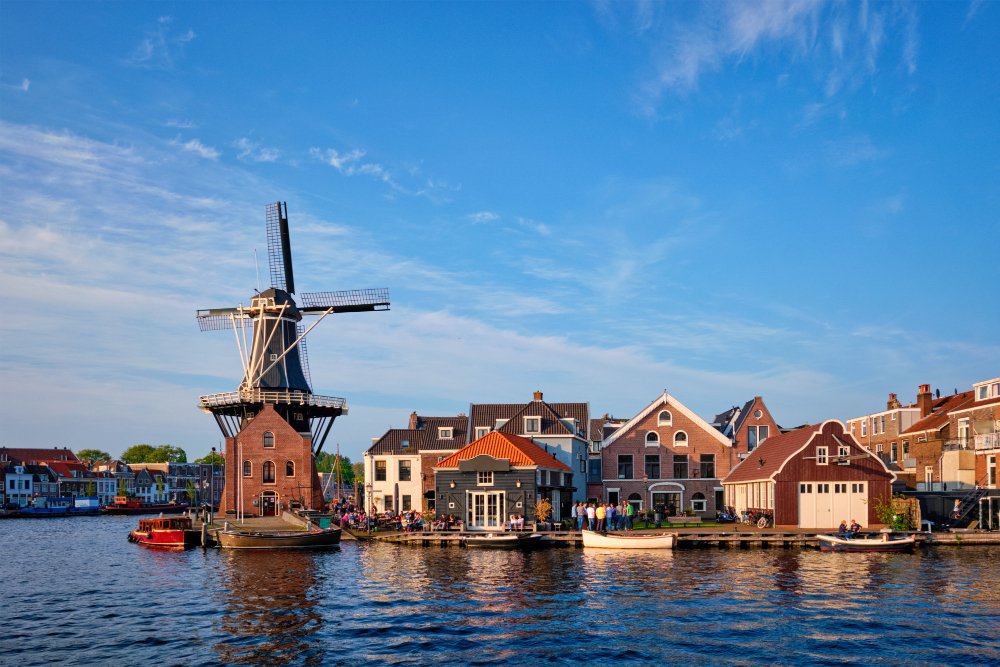
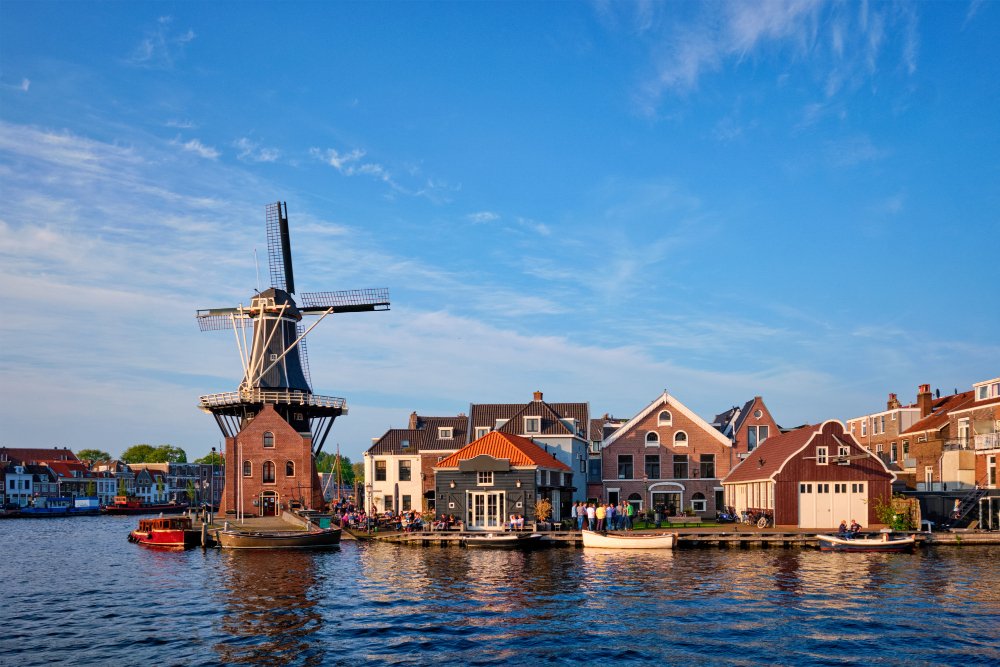
Windmills, tulip fields and fishing villages sit within easy reach of Amsterdam, and skipping them for a second city day usually means missing the more distinctly Dutch half of the trip. We build countryside day trips into most itineraries.
We've been building itineraries since 2013. Not templates, routes built around how you like to travel. We pick the region before the itinerary, and we'll tell you when trying to cover too much isn't worth the transit time. If we wouldn't book it for our own family, we won't book it for you. This is our travel guide to Netherlands. You can find our opinions on what places to include, what time to visit, how long your visit should be and more.
Curated Journeys
Amsterdam carries most of the weight, but the countryside rewards real time too. Here's what each stop delivers.
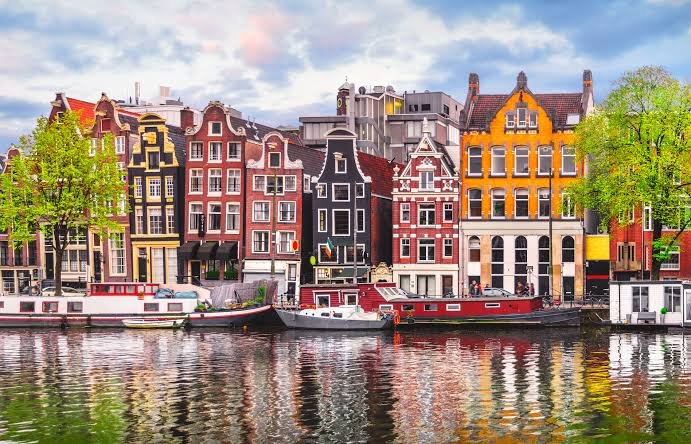
Canal cruise, Grachtengordel takes you through historic waterways lined with 17th-century merchant houses and charming bridges.…
Read More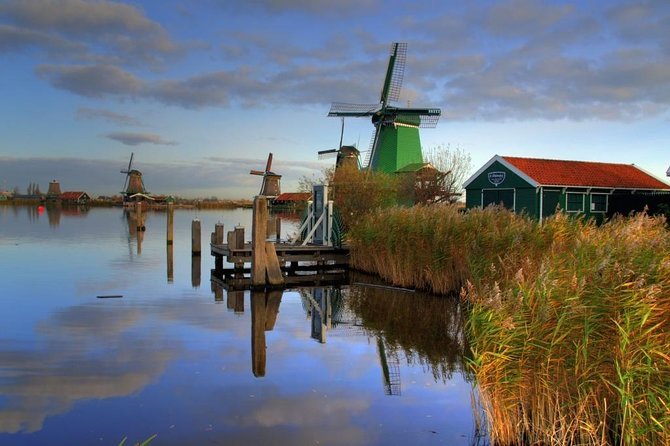
Zaanse Schans windmills are preserved historic windmills from the 17th and 18th centuries still functioning as…
Read More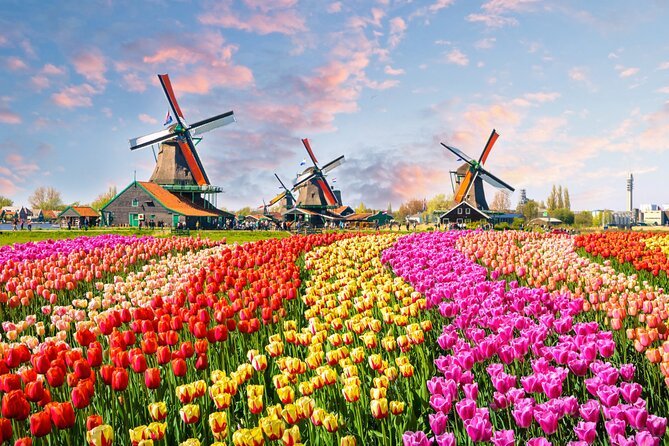
Keukenhof Gardens (seasonal) is the world's largest flower garden showcasing millions of spring bulbs and elaborate…
Read More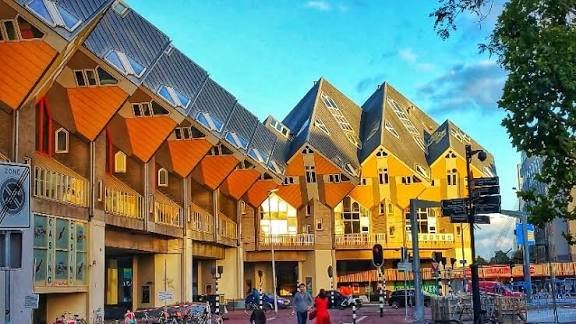
Cube Houses are innovative yellow architectural structures shaped like cubes tilted at 45 degrees designed by…
Read More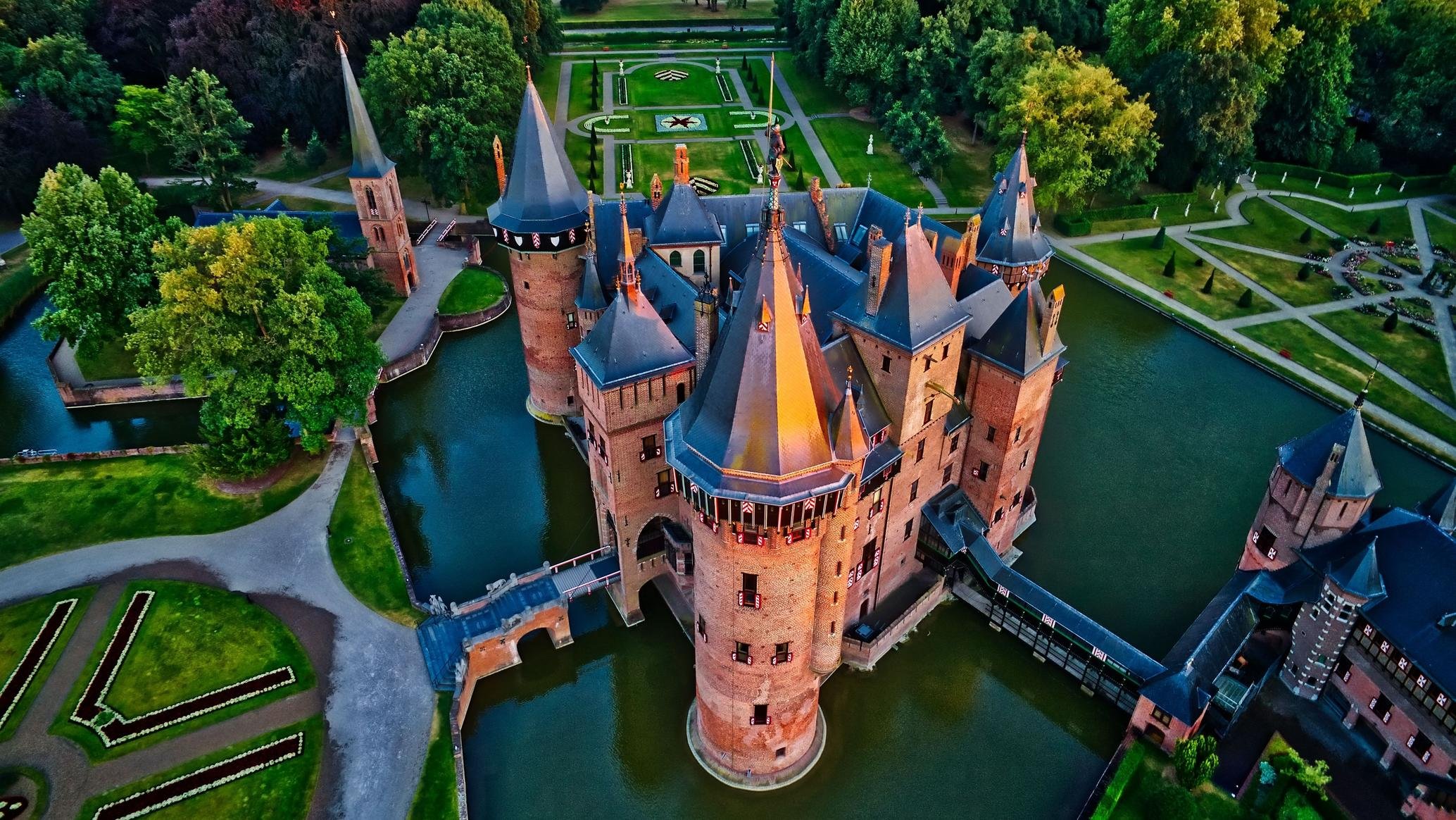
Dom Tower is a 14th-century bell tower with a distinctive spire offering views of the city…
Read More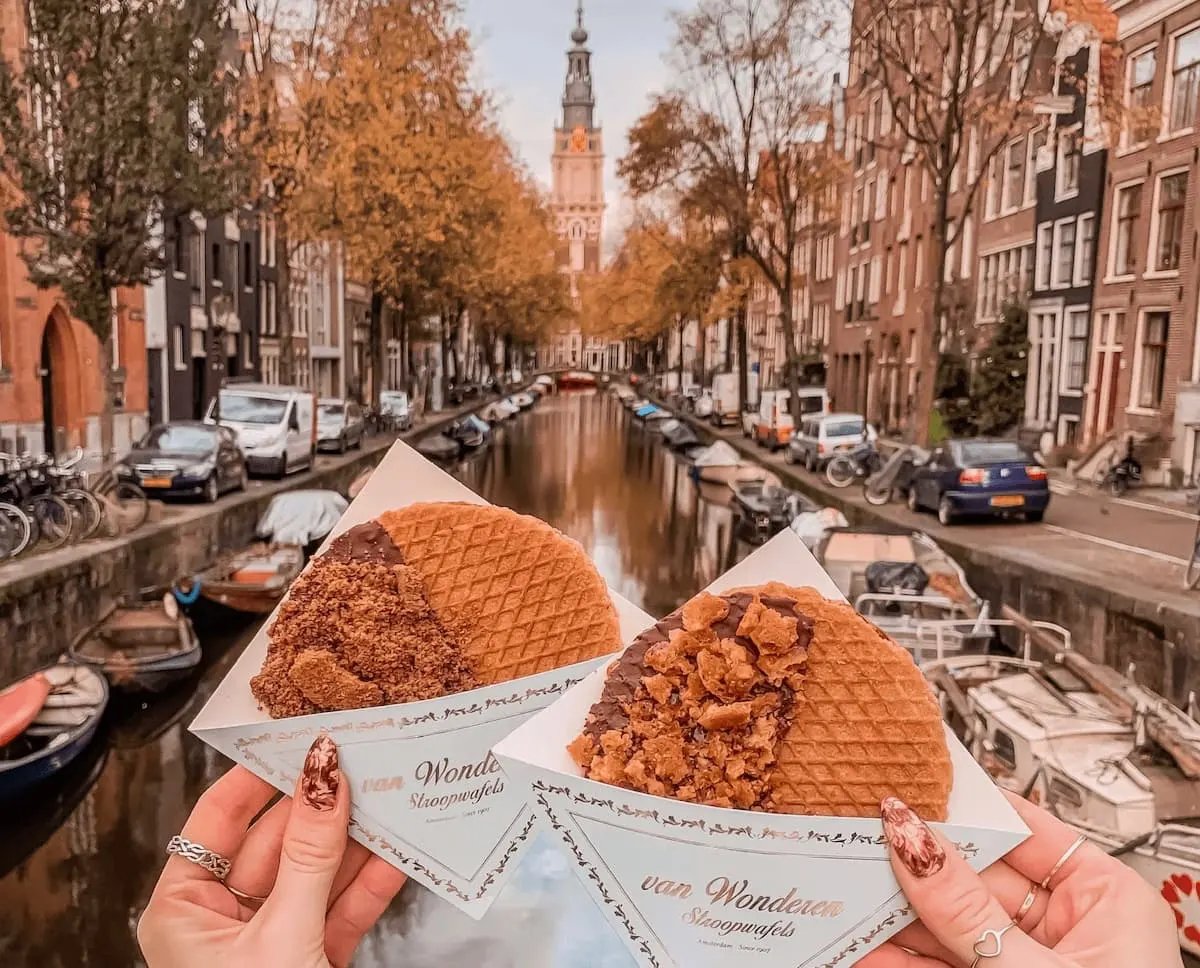
Cheese is the obvious strength. Edam and Gouda both name actual towns as well as the cheeses, and a proper tasting shows real range. Herring, eaten raw by the tail, is a genuine local institution. Rijsttafel, a spread of Indonesian dishes reflecting Dutch colonial history, counts as comfort food here as much as anything traditionally Dutch.
Quick tip: Try a fresh, warm stroopwafel from a market stall rather than a packaged supermarket one. The difference is considerable.
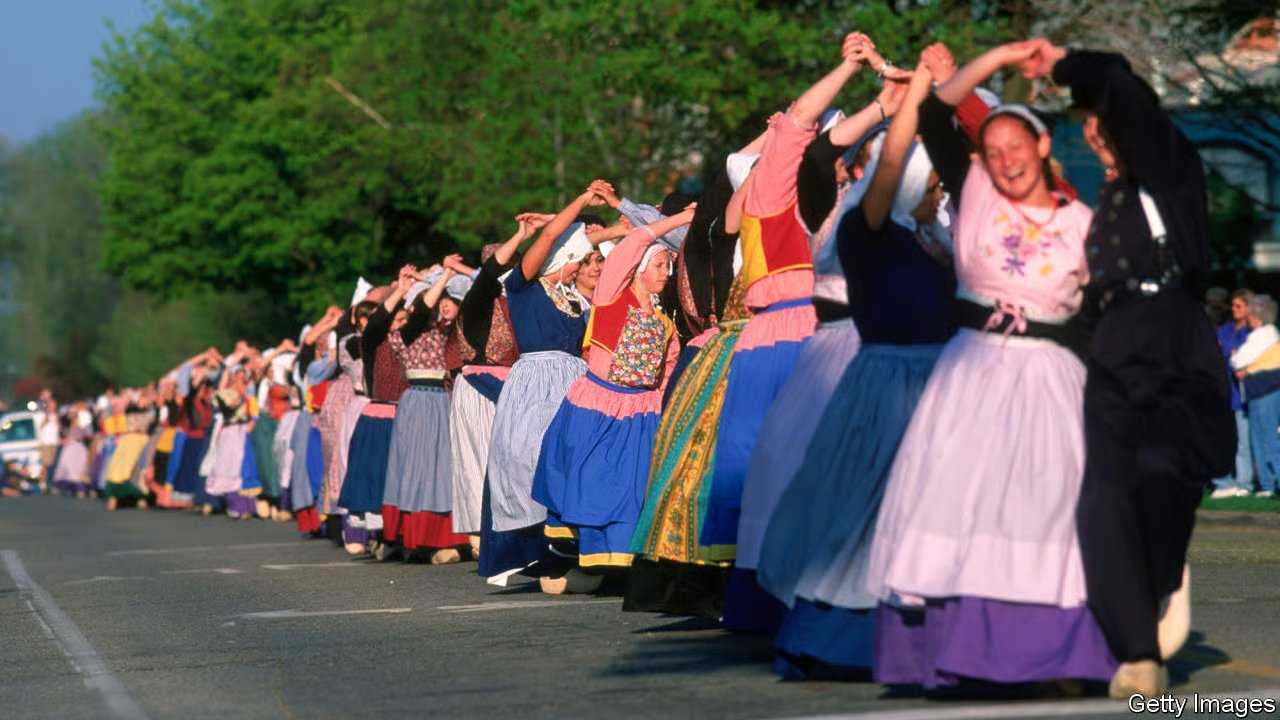
Dutch culture runs on directness. Much of the country sits below sea level, held back by a centuries-old dyke system. The Dutch Golden Age still shows up in the canal houses and the Rijksmuseum's collection.
Travenza tip: Don't mistake Dutch directness for rudeness. A blunt answer is usually meant as helpful, not dismissive.
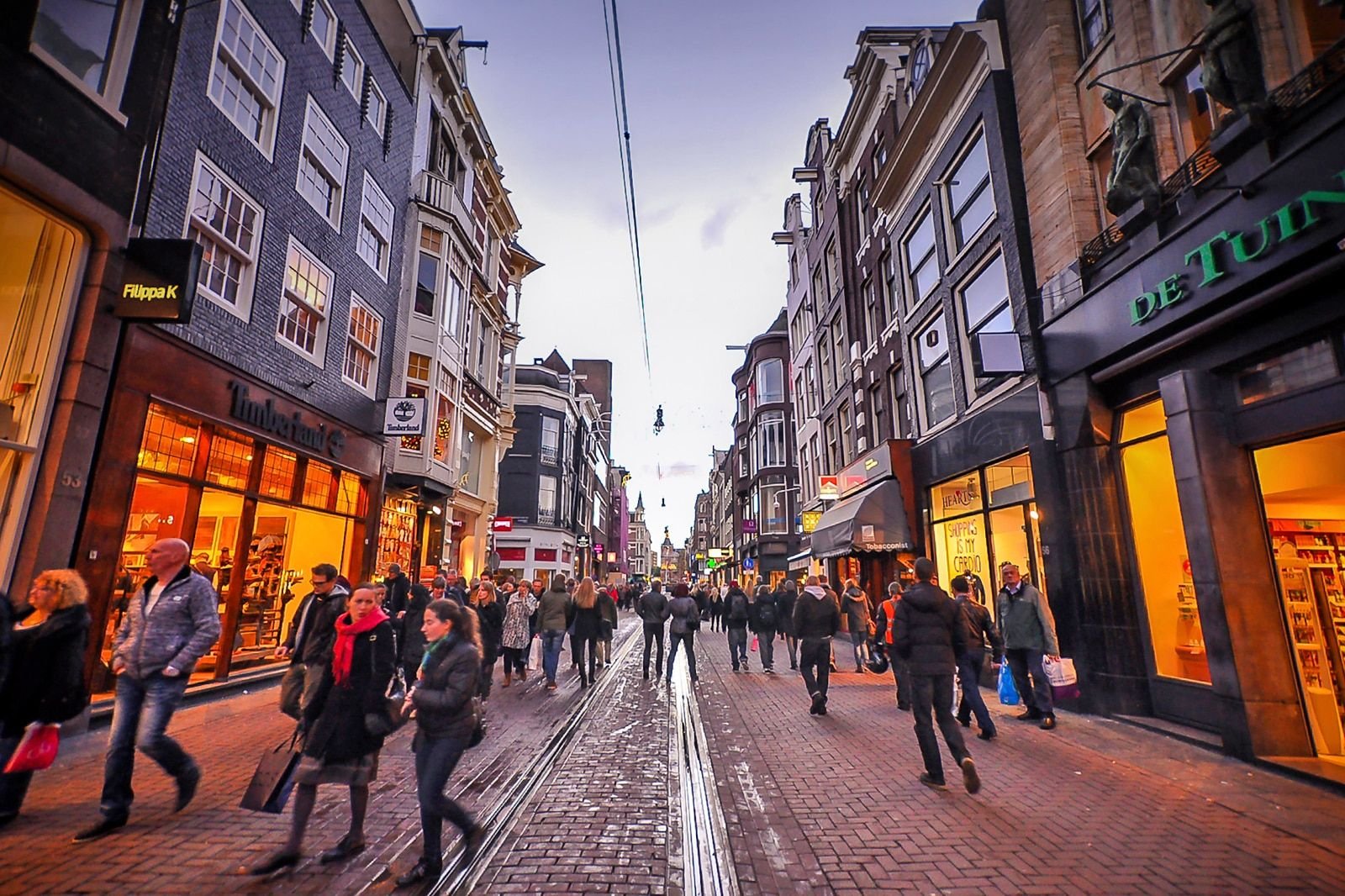
Cheese, vacuum-sealed from a proper shop, is the easiest reliable souvenir. Delft Blue pottery, hand-painted, is worth seeking out from a genuine workshop. Tulip bulbs need official export certification to clear customs.
Travenza tip: Buy tulip bulbs only from a shop offering export certification. Uncertified bulbs are routinely confiscated.
Frequently Asked Questions
Yes. Safe, well organised, and English is spoken almost universally.
6–8 days for a first trip; 9–11 to add Utrecht or Rotterdam.
Late March to mid-May for tulip season; summer for the driest weather.
Yes. Belgium and France both connect easily by short train rides.
Yes. Canal cruises and windmill villages hold a family's attention well.
Yes. A private canal cruise and a countryside tulip afternoon work well together.
Yes, easily, particularly in Amsterdam and Utrecht.
Most Indian travellers need a Schengen visa arranged in advance.
A well-planned 6–8 day trip in good hotels starts around ₹2–2.8 lakh per couple, excluding flights.
Yes. Every trip is built around what you want.
Ready to go?
Share your dates, group size and interests, we will craft a bespoke itinerary within 48 hours. No obligations.