Americas · South America
Peru Travel Guide
Lost city of the Incas, Andean peaks and Lima's gastronomic scene.
Lost city of the Incas, Andean peaks and Lima's gastronomic scene.
Peru runs on a deep respect for its own history , a Cusco guide who explains Inca stonework with real pride, a Sacred Valley weaver who still uses techniques passed down for generations. That care shows up in how the country presents itself, not just what it shows you.
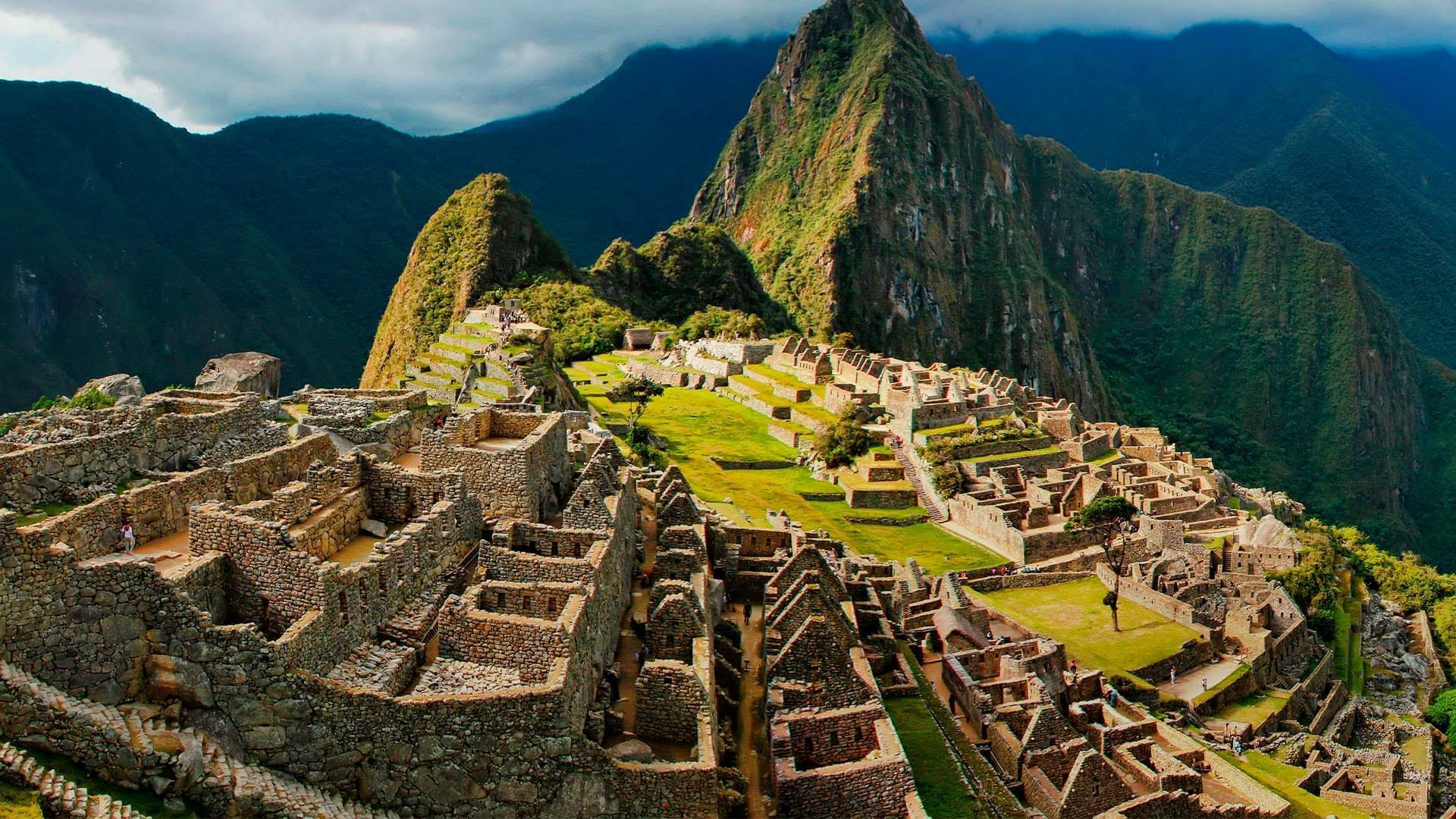
Machu Picchu access is limited by daily ticket quotas, and a rushed booking usually means missing the entry time or route you actually wanted. We build every Peru itinerary around securing the right Machu Picchu slot first, then sequencing everything else around it.
Curated Journeys
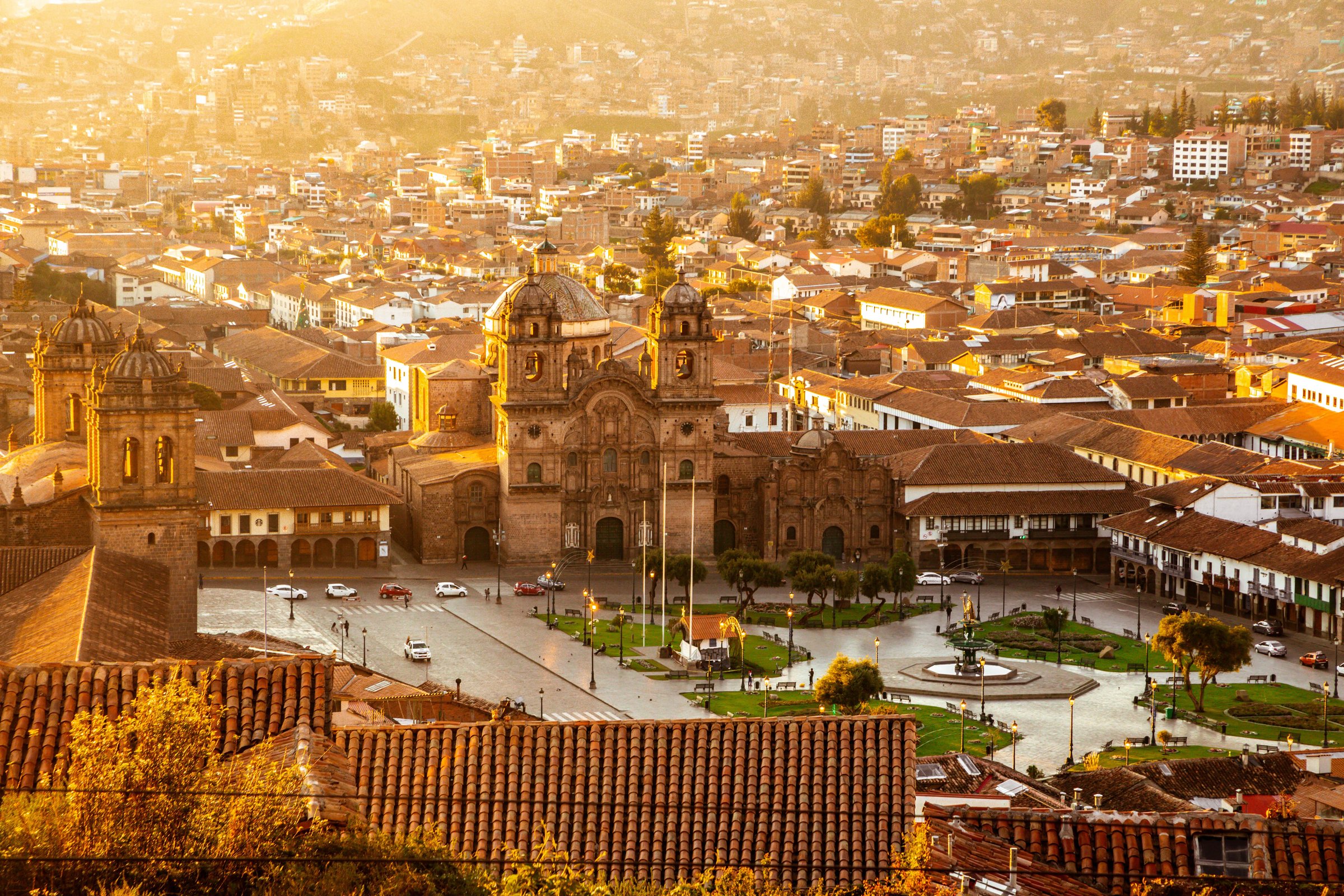
Plaza de Armas is the main central plaza surrounded by colonial buildings, the cathedral, and traditional…
Read More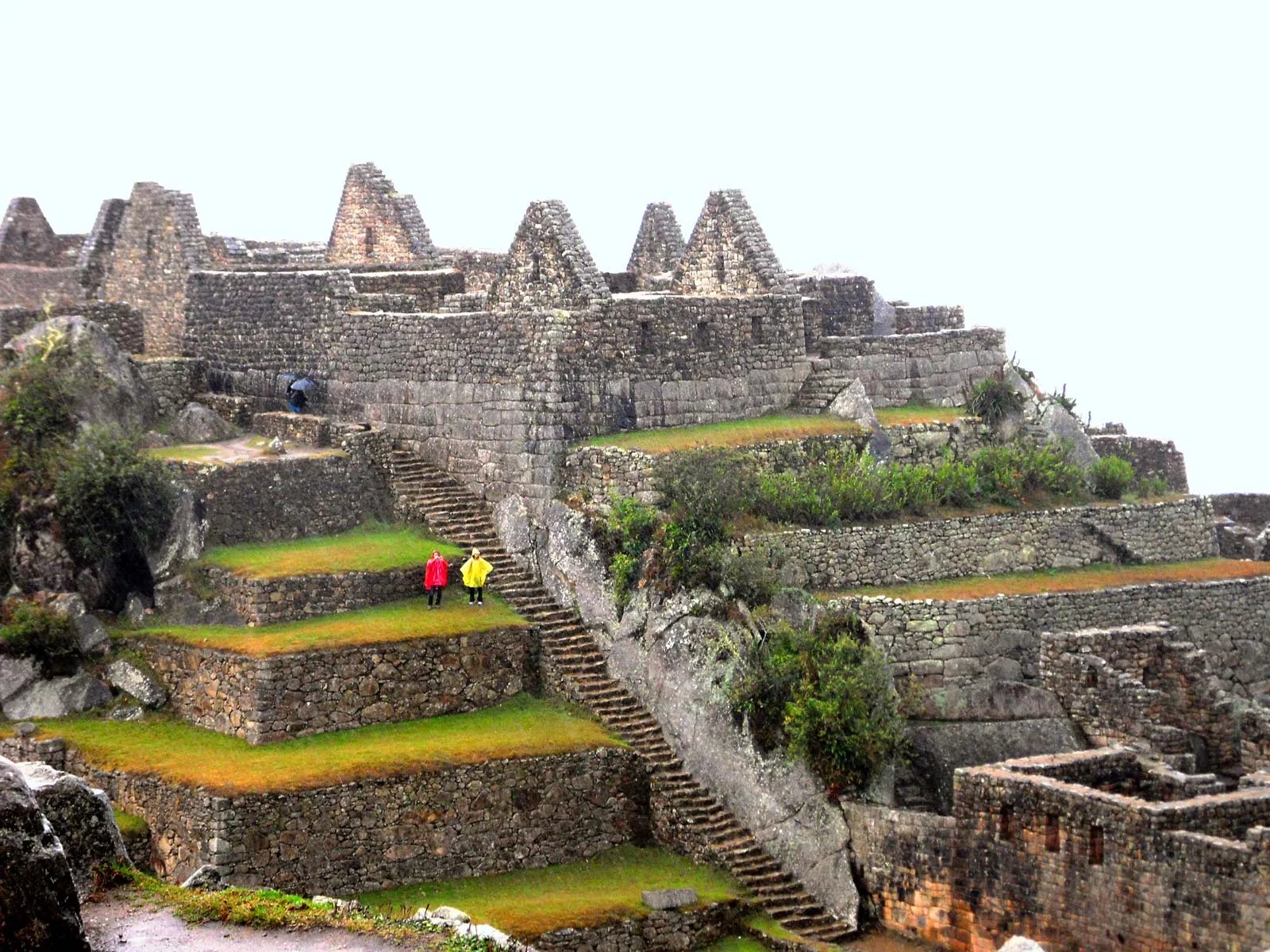
Main citadel entry is accessing the central archaeological complex with temples, plazas, and structures showcasing Incan…
Read More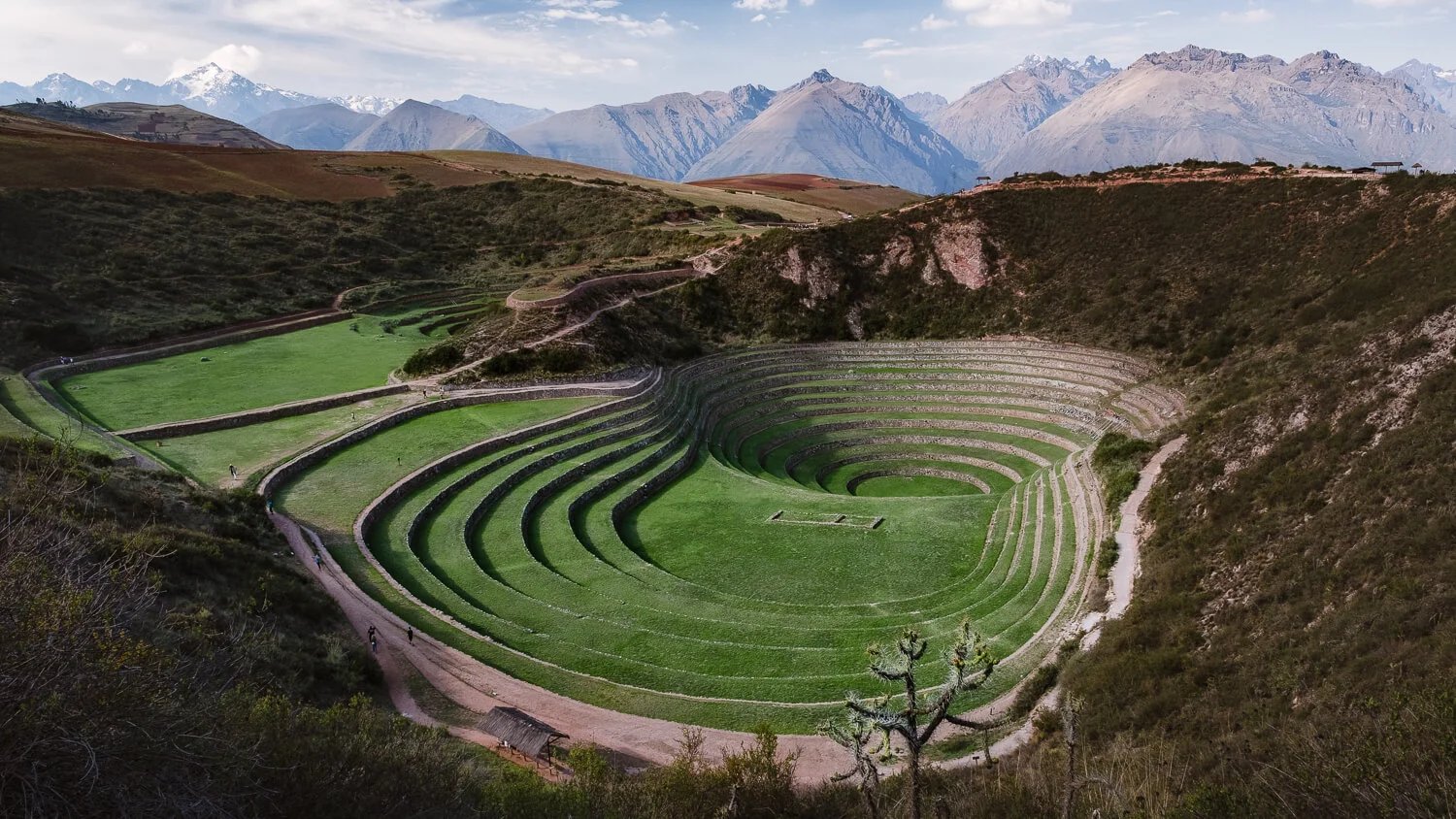
Pisac market & ruins is a traditional market selling crafts and produce alongside Incan archaeological terraces…
Read More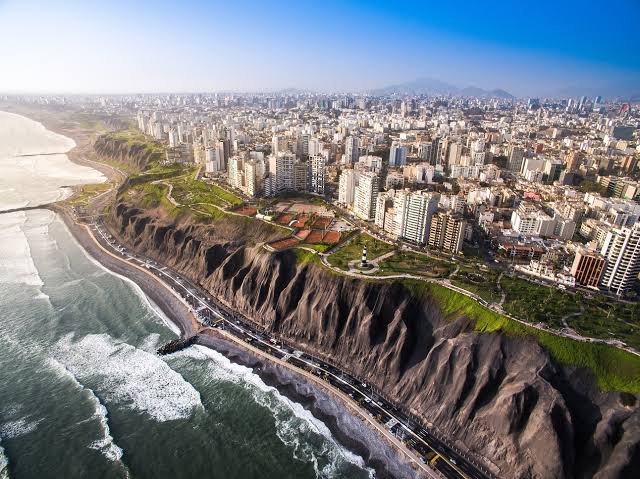
Miraflore's coastal walk is a scenic promenade along Pacific cliffs with parks, restaurants, and ocean views…
Read More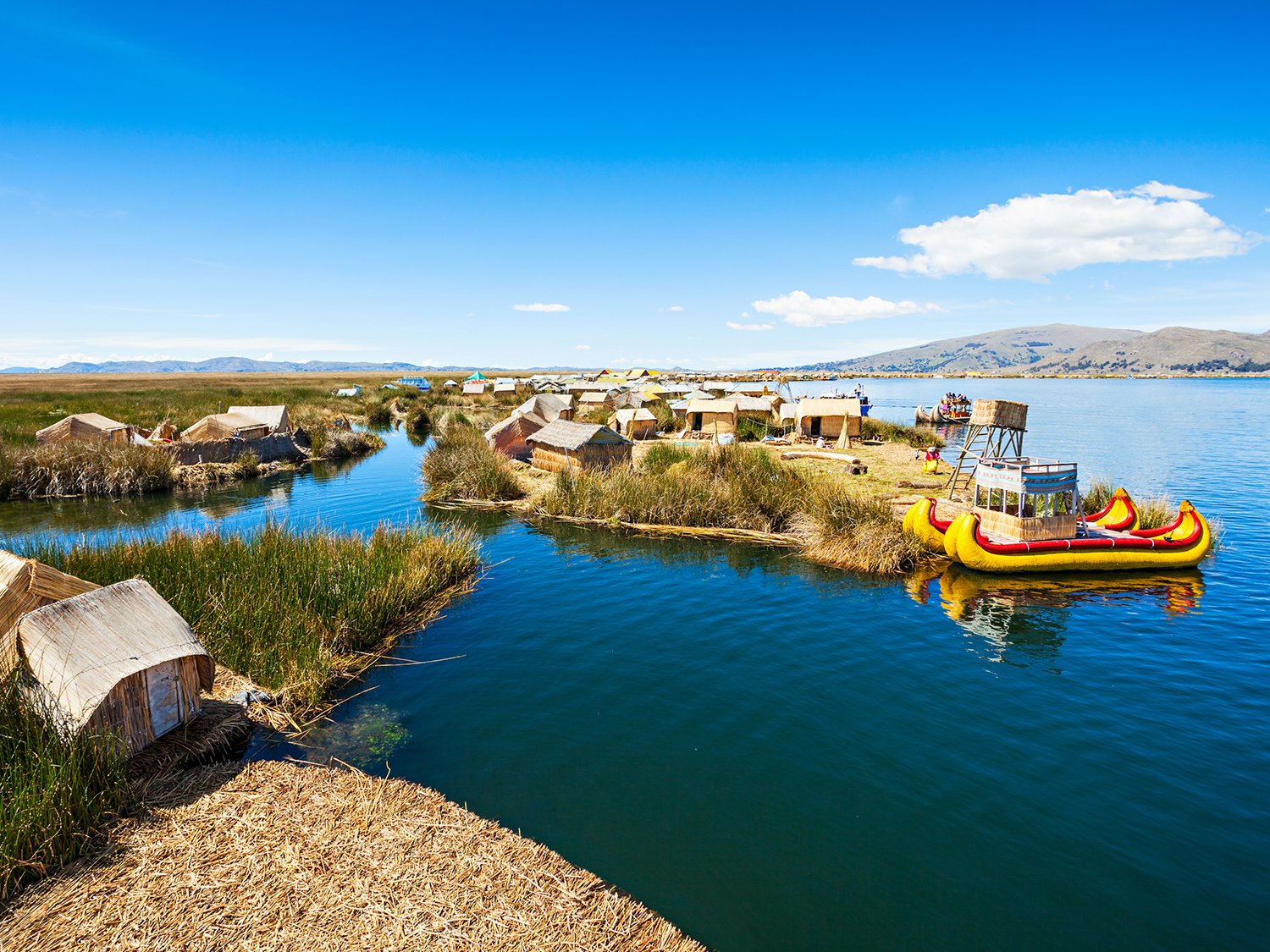
Uros floating islands are artificial islands constructed from totora reeds where indigenous communities live and maintain…
Read More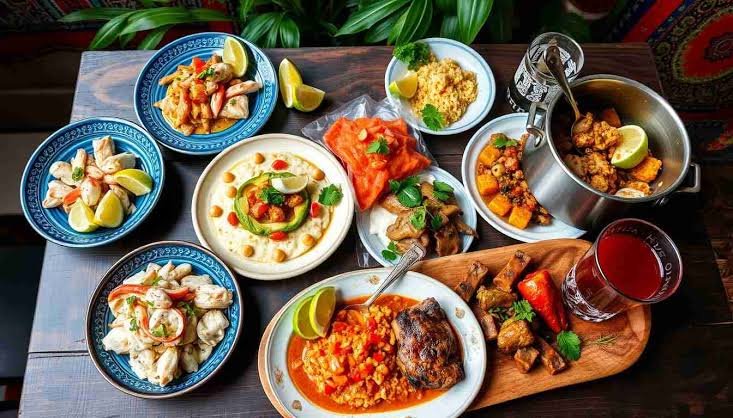
Peruvian food has earned its global reputation properly , ceviche, raw fish cured in citrus, is close to a national dish, and Lima does it better than anywhere else. Andean cooking around Cusco leans on potatoes, in far more varieties than most visitors have ever encountered, and quinoa in its actual place of origin. Peruvian-Japanese fusion, known as Nikkei cuisine, reflects real immigrant history rather than a trend.
Quick tip: Try a pisco sour at least once , Peru's national cocktail, and worth having from a proper bar rather than a hotel minibar version.
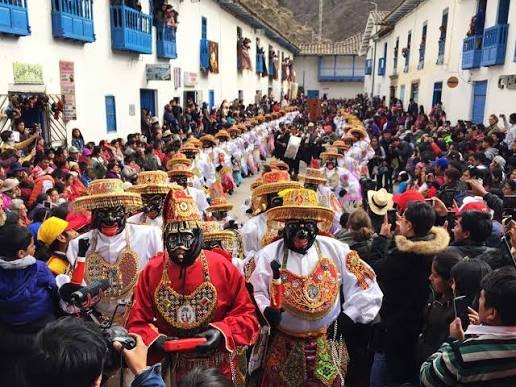
Inca history sits alongside a living Andean culture that never disappeared , weaving techniques, agricultural terracing and Quechua language all continue in the Sacred Valley's villages, not just in museums. A market visit in Pisac or Chinchero tells you more about daily Andean life than the ruins alone.
Travenza tip: Buy textiles directly from a weaving cooperative in Chinchero rather than a Cusco tourist shop , you'll see the whole process, and the money goes directly to the weavers.
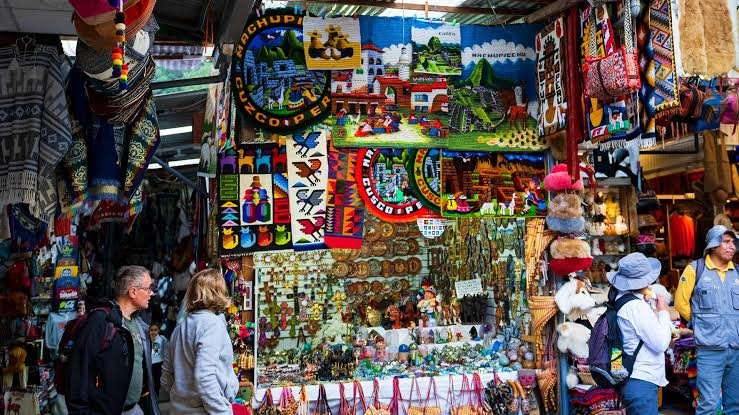
Alpaca wool clothing, particularly baby alpaca, is noticeably soft and considerably better quality than the synthetic blends sold as alpaca in tourist areas. Peruvian silver jewellery, especially from Cusco's workshops, is worth seeking out from an established dealer. Pisco, Peru's grape brandy, travels well as an edible souvenir.
Travenza tip: Feel the wool before buying anything labelled alpaca , genuine baby alpaca feels noticeably softer and warmer than the acrylic blends common at market stalls.
Frequently Asked Questions
Yes , Cusco and Machu Picchu are both well set up for tourism, though altitude requires realistic planning.
9–11 days for a first trip, covering Cusco, the Sacred Valley, Machu Picchu and Lima; 12–14 to add Lake Titicaca.
May to September offers the most reliable weather for Machu Picchu and the Andes.
Yes , Chile connects naturally via the Atacama Desert, and Bolivia is close to Lake Titicaca.
Yes , Machu Picchu and the Sacred Valley's markets both hold every age's attention well, with a manageable pace.
Yes , a private Machu Picchu sunrise visit and a Lima food evening work well together for a trip with real depth.
Yes, increasingly well, particularly in Lima and Cusco, both of which have strong vegetarian options built around Andean grains and vegetables.
Most Indian travellers need a visa arranged in advance.
A well-planned 9–11 day trip in good hotels starts around ₹2.6–3.6 lakh per couple, excluding flights.
Yes , every trip is built around what you want.
Ready to go?
Share your dates, group size and interests, we will craft a bespoke itinerary within 48 hours. No obligations.