Europe · Switzerland

Switzerland Travel Guide

Snow-capped peaks, mirror lakes and scenic trains through the Swiss Alps.
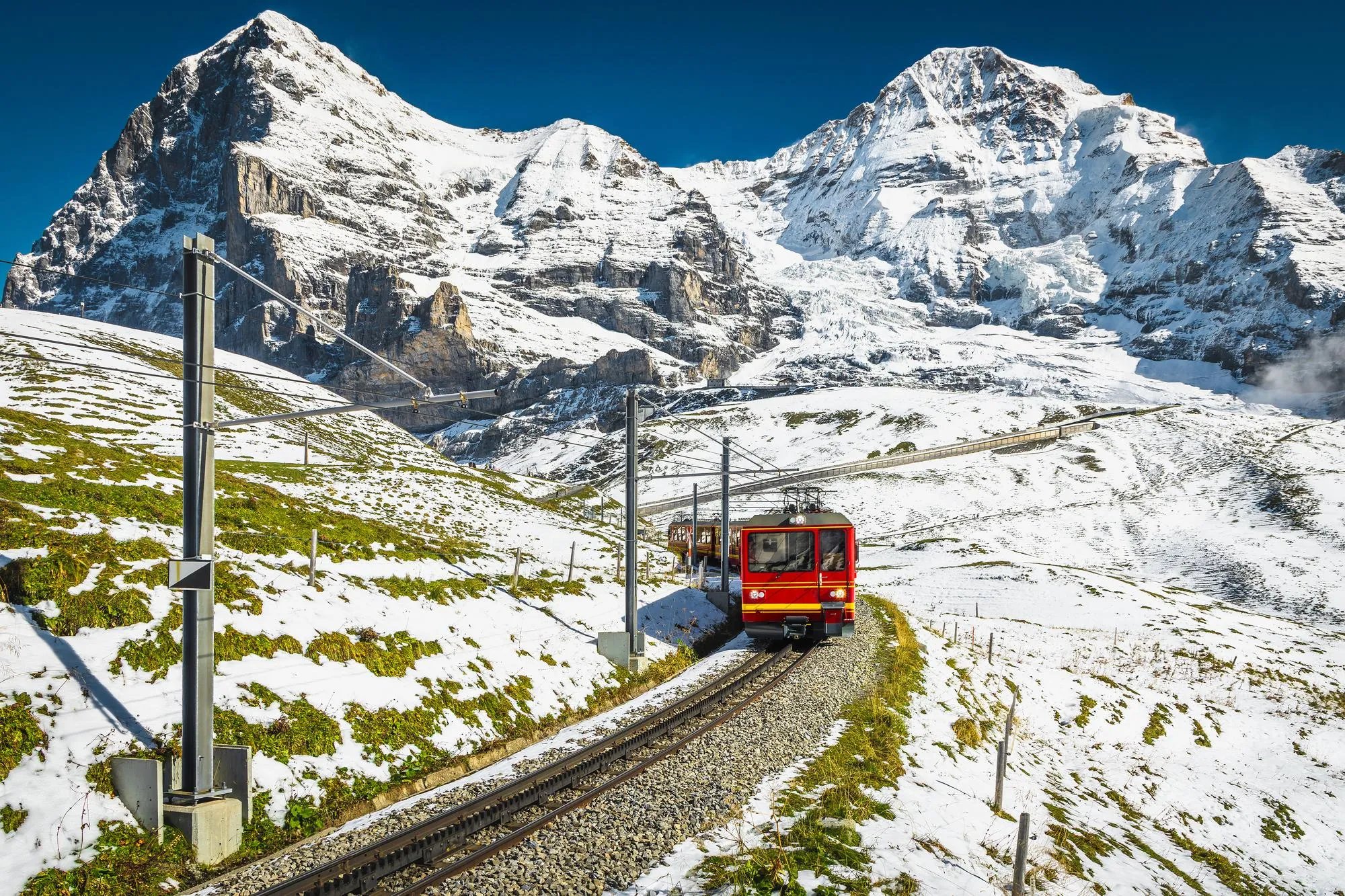
Switzerland doesn't ease you in. A train pulls out of Zurich and within the hour you're staring at a glacier through the window, wondering if the photo will do it justice. It won't. A cable car lifts you past the cloud line to a viewing platform the Swiss call the Top of Europe, and for once the name undersells it. A fondue at 2,000 metres tastes better than the same fondue would at sea level, and no one can quite explain why. That's usually how it goes here.

What makes it work is precision applied to scenery this dramatic. Trains connect glacier valleys the way a subway connects city blocks, on time, every time, scenery included. Lake towns share the country with high-altitude ski resorts and a capital most visitors forget is even the capital. Every region moves at its own altitude and its own pace, so no two trips through Switzerland should look the same.

Why Switzerland, and Why With Us

Why Switzerland, and Why with us

Switzerland runs on a punctuality that borders on performance art. A train that leaves the platform at the exact minute printed on the board, not a minute before or after. A hotel that's slipped a handwritten note into your room before you've even asked for anything. That same precision shows up on a mountain cable car as easily as it does at check-in, and it's usually what guests bring up first when they're back.

It also punishes an overpacked itinerary more than most destinations. Switzerland is small on a map and expensive by the day, which tempts people into cramming five regions into one week. The country rewards the opposite instinct; fewer bases, longer stays, more time actually looking out the train window instead of rushing to the next platform.

We've been building Switzerland itineraries since 2013. Not templates, routes built around how you like to travel, timed to the Swiss Travel Pass so you're not doing mental arithmetic on every train fare. We pick the base before the itinerary, the pace before the sights, and we'll tell you when a mountain excursion isn't worth the surcharge. This is our travel guide to Switzerland. You can find our opinions on what places to include, what time to visit, how long your visit should be and more.

With Travenza, You Can Expect

Itineraries for Switzerland

View All Itineraries →

Best Time to Visit Switzerland

Switzerland runs on four real seasons, and altitude changes the picture as much as the calendar does.

Summer (June–August)

Best for: Hiking, cable cars, mountain excursions

Ideal destinations: Interlaken, Grindelwald, Lucerne

If you asked us: This is when the high-altitude trails and cable cars are fully open. Jungfraujoch and Grindelwald First both run at their best, and lake towns like Lucerne are actually warm enough to swim.

Peak Season (July–August)

Best for: Those who don't mind company

Ideal destinations: Interlaken, Zermatt, Lucerne

If you asked us: The best hiking weather overlaps with the busiest and priciest dates. Book mountain excursion reservations. Jungfraujoch and the Glacier Express both need them weeks ahead.

Winter (December–March)

Best for: Skiing, snow-capped scenery, Christmas markets

Ideal destinations: Zermatt, St. Moritz, Andermatt

If you asked us: Zermatt and St. Moritz are two of the most established ski destinations in the world for good reason. Book accommodation early, since winter sells out faster than summer.

Shoulder Season (April–May & September–October)

Best for: Fewer crowds, better rates, comfortable sightseeing

Ideal destinations: Zurich, Lucerne, Geneva

If you asked us: Our pick for value, lower hotel rates, thinner crowds on the trains, and mountain excursions are usually still open, weather depending.

The Best Places to Visit in Switzerland

Zurich

Lindt Home of Chocolate is a museum and shop dedicated to Swiss chocolate with tasting and…

Read More
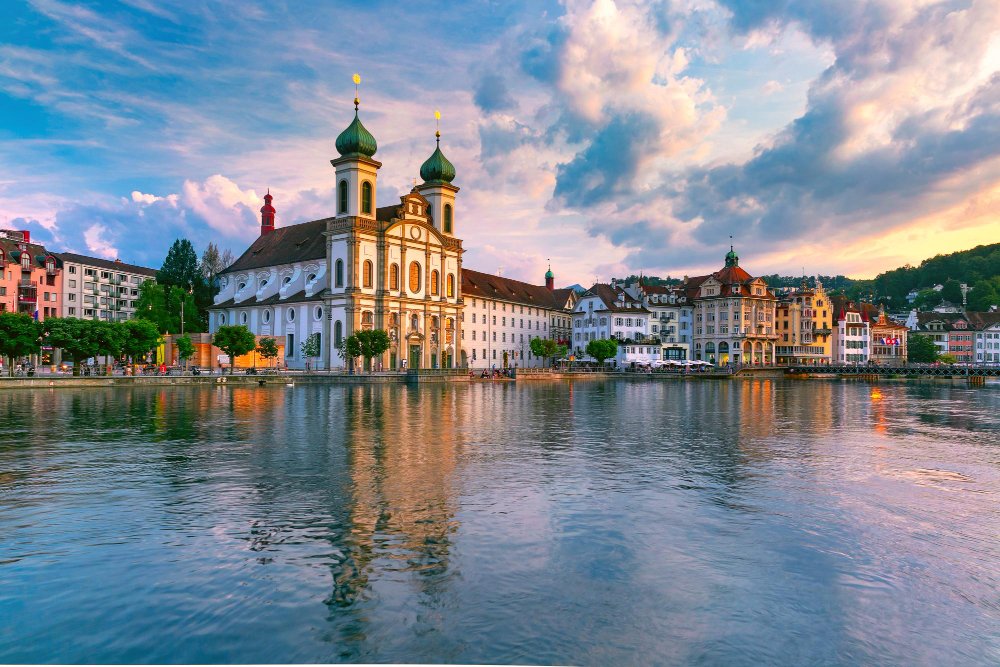
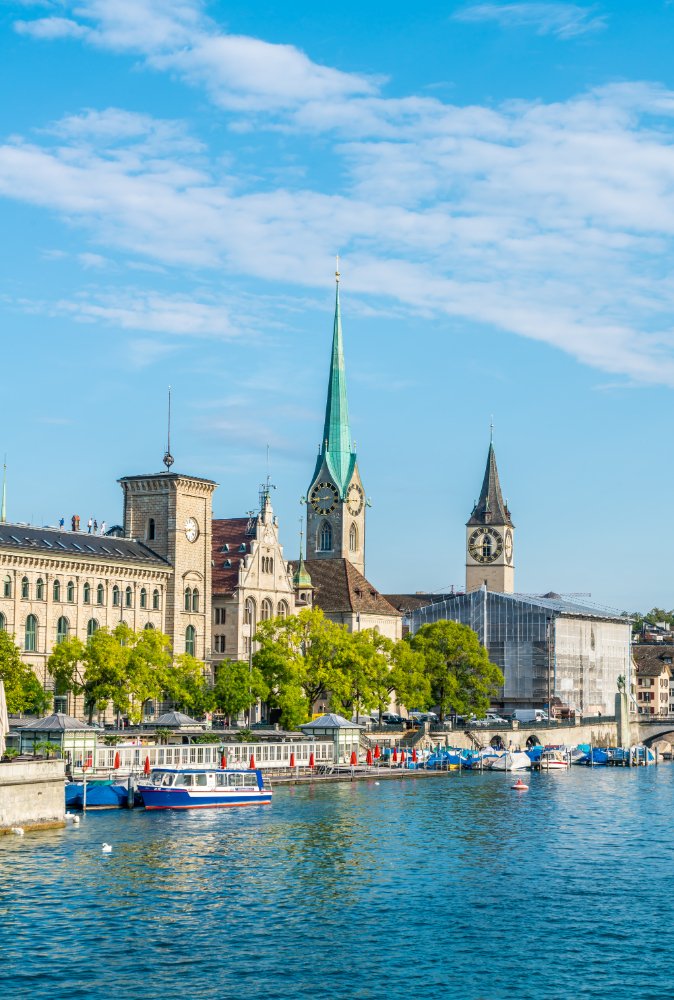
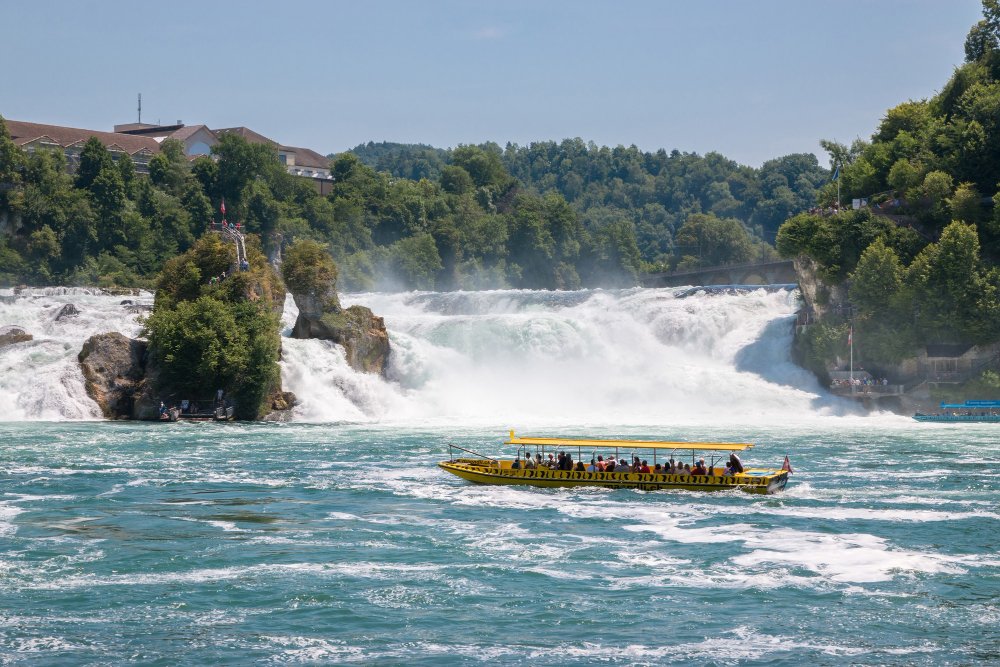
Lindt Home of Chocolate is a museum and shop dedicated to Swiss chocolate with tasting and exhibits. Rhine Falls day trip is a visit to Switzerland's largest waterfall outside the city. Zurich Old Town is a medieval district with narrow streets and historic buildings. Lake Zurich boat cruise takes you on the lake with views of the city and surrounding landscape. Bahnhofstrasse is a luxury shopping street with high-end brands and department stores. Grossmünster is a historic Gothic church with twin spires dominating the skyline.

Plan My Trip Now

Lucerne

Chapel Bridge (Kapellbrücke) is a historic covered wooden bridge with interior paintings spanning the river. Lake…

Read More
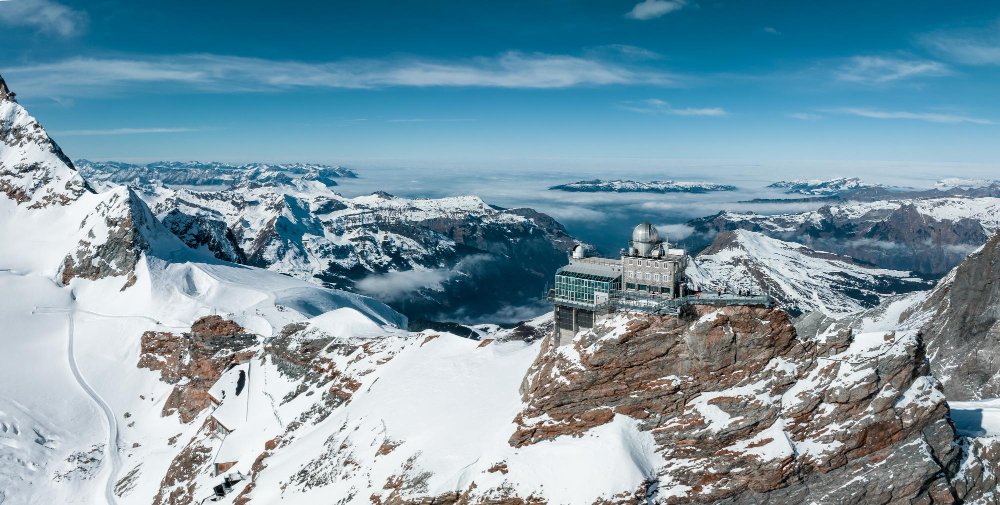
Chapel Bridge (Kapellbrücke) is a historic covered wooden bridge with interior paintings spanning the river. Lake Lucerne cruise takes you on the lake with views of mountains and surrounding landscape. Lion Monument is a sculpture of a lion carved into a rock memorial for fallen soldiers. Old Town clock tower is a historic tower in the medieval Old Town with detailed mechanics. Mount Titlis day trip is a mountain excursion accessible by cable car with views and snow year-round.

Plan My Trip Now

Interlaken & Grindelwald

Jungfraujoch (Top of Europe) is a mountain pass at 3,454 meters with glaciers, ice palace, and…

Read More
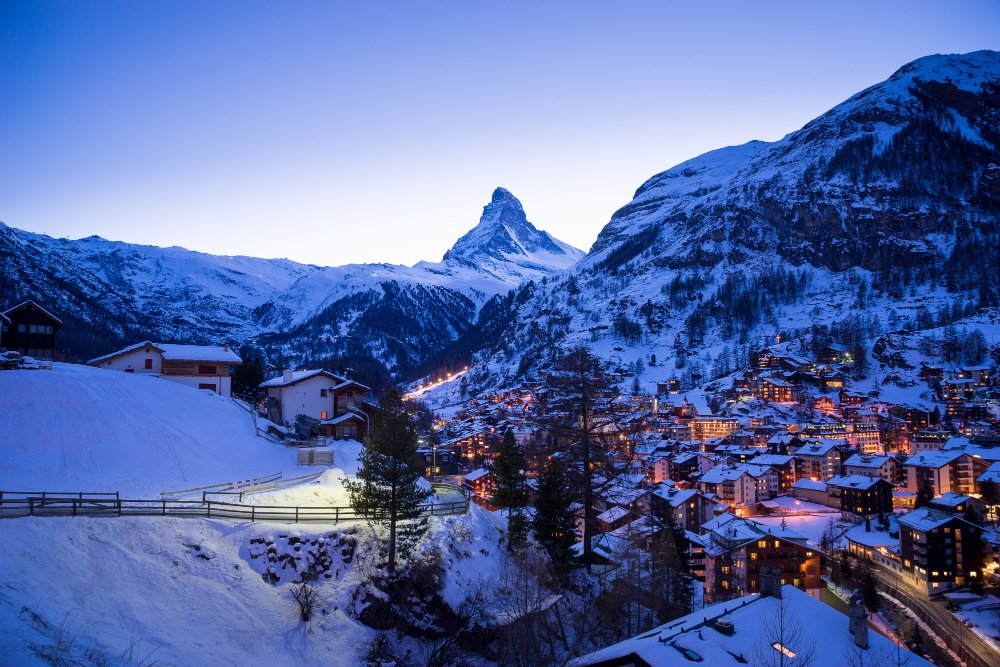
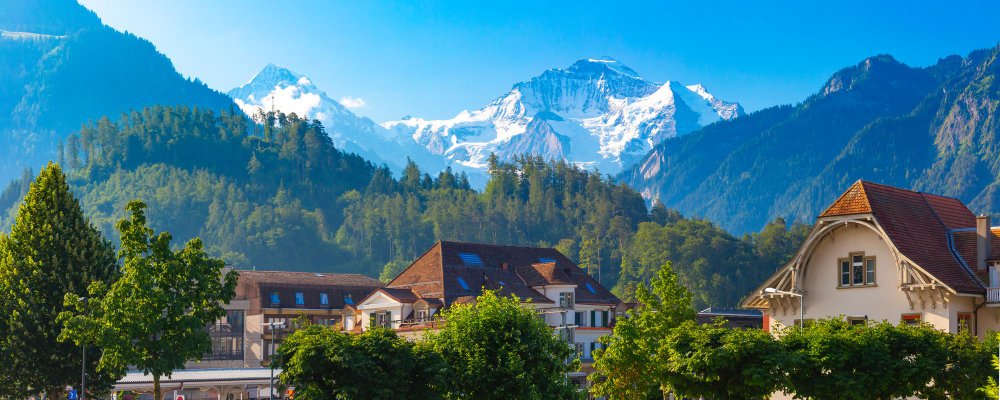
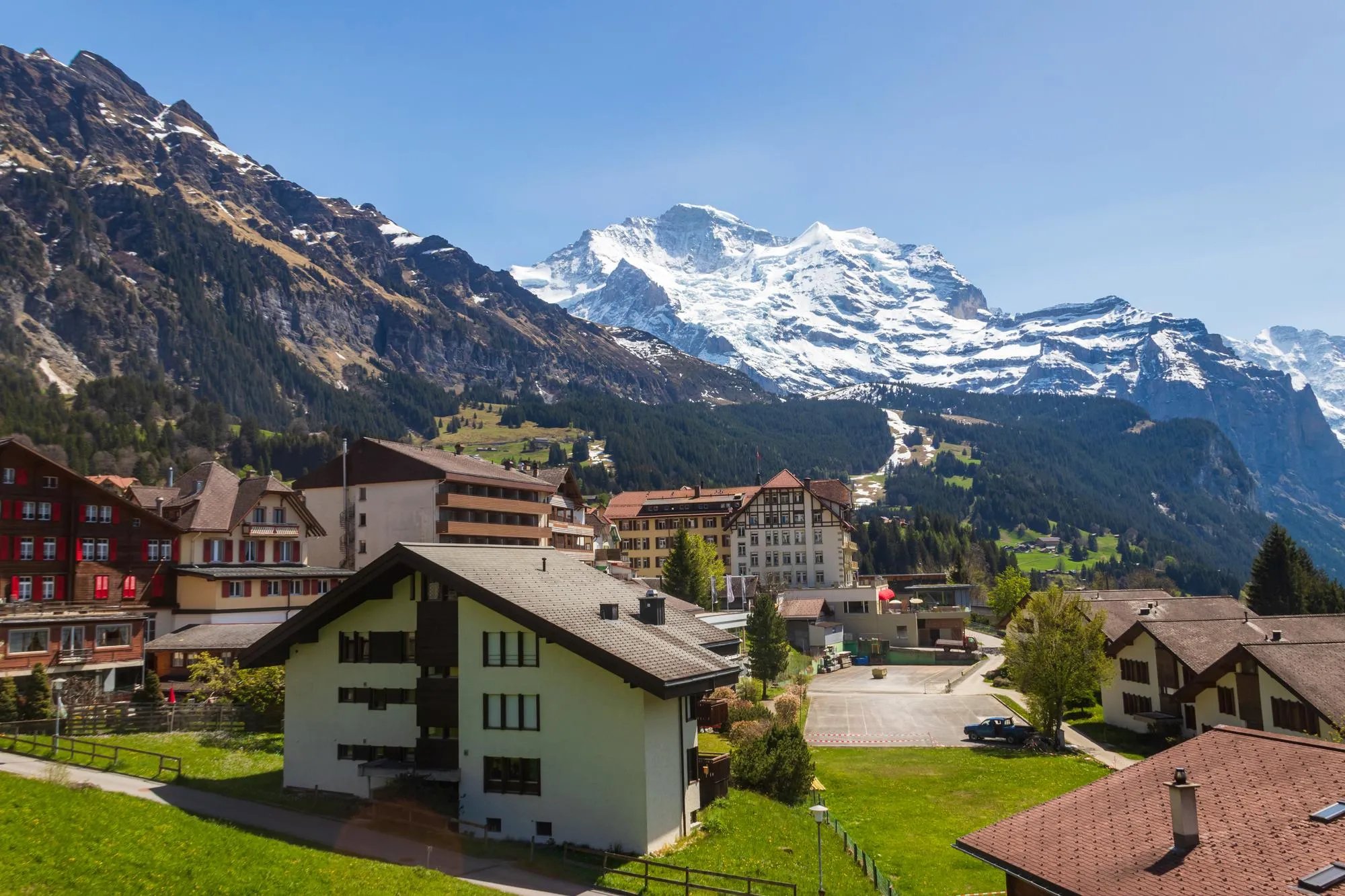
Jungfraujoch (Top of Europe) is a mountain pass at 3,454 meters with glaciers, ice palace, and alpine views accessible by train. Grindelwald First offers the Flyer (thrilling slide), Cliff Walk (suspension bridge), and Mountain Carts for downhill rides. Lauterbrunnen is a valley with vertical cliffs and Trümmelbach Falls cascading through a mountain. Wengen village is a car-free mountain settlement accessible by cable car with hiking trails. Schilthorn is a peak with a rotating restaurant and panoramic mountain views reachable by cable car.

Plan My Trip Now

Zermatt

Matterhorn viewpoints offer iconic views of the dramatic pyramid-shaped mountain from various locations around the valley.…

Read More
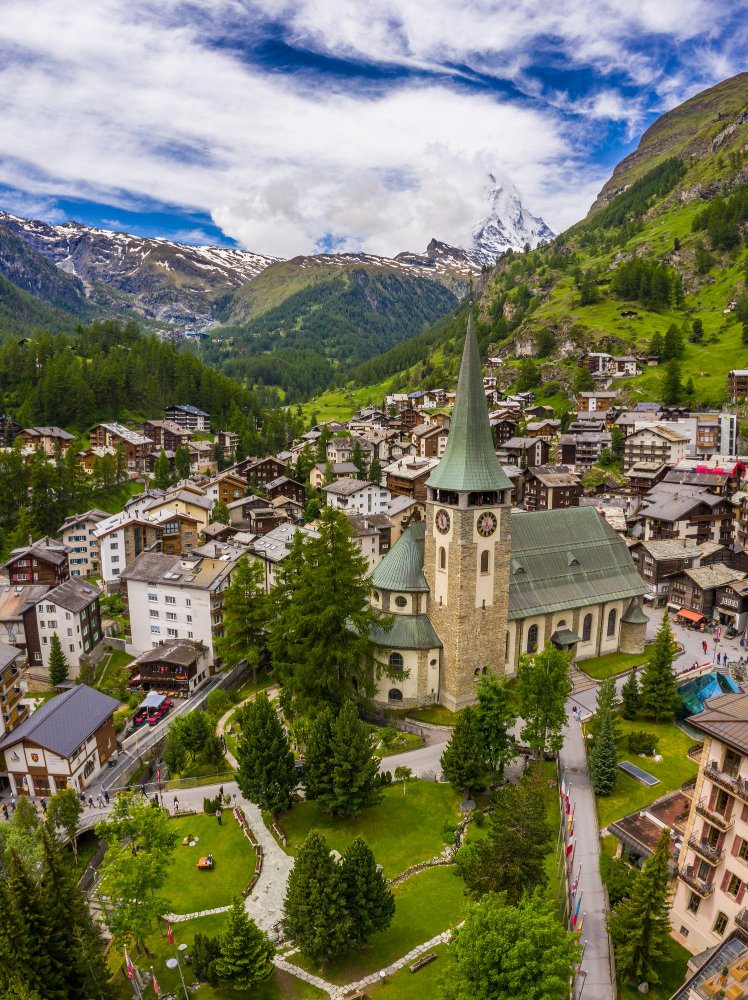
Matterhorn viewpoints offer iconic views of the dramatic pyramid-shaped mountain from various locations around the valley. Gornergrat Railway is a cogwheel train climbing to a viewpoint with panoramic alpine views. Zermatt village stroll lets you walk through a car-free mountain village with chalets and mountain scenery. Glacier Paradise cable car ascends to high altitude with glacier views and glacial landscape. Ski season slopes (winter) provide world-class skiing on varied terrain during winter months.

Plan My Trip Now

Andermatt

Glacier Express journey is a scenic train ride through the Alps connecting Zermatt and St. Moritz…

Read More
Glacier Express journey is a scenic train ride through the Alps connecting Zermatt and St. Moritz with mountain views. Oberalp Pass views show dramatic alpine scenery as the train crosses the highest point. Andermatt village is a mountain town at the heart of the Alps with traditional architecture. SkiArena Andermatt-Sedrun (winter) offers extensive ski terrain with modern facilities and varied slopes for all levels.

Plan My Trip Now

Geneva

Jet d'Eau is an iconic fountain shooting water 140 meters into the air on Lake Geneva.…

Read More
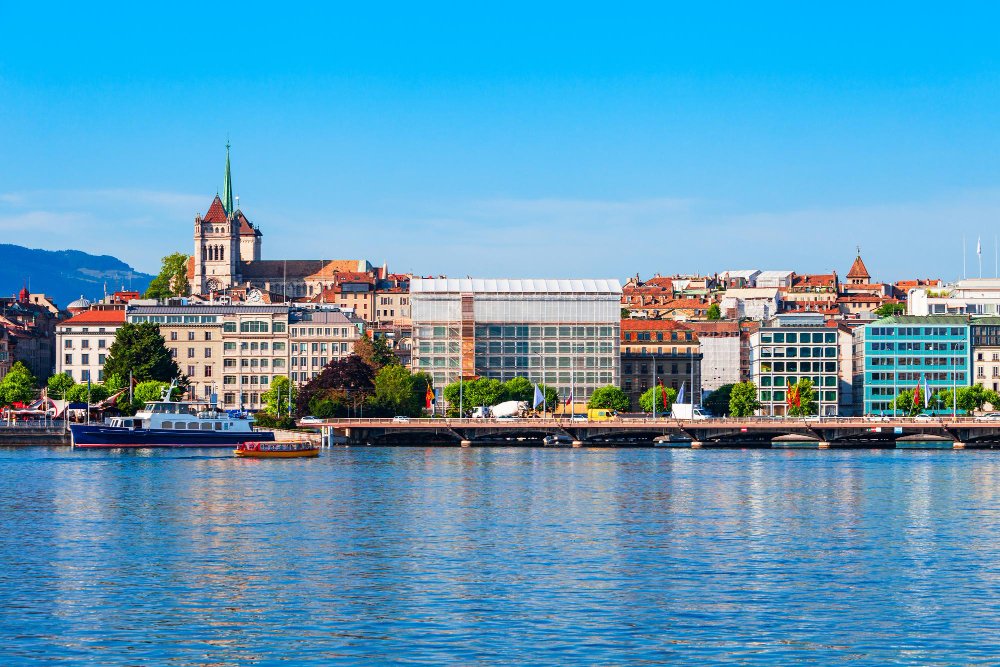
Jet d'Eau is an iconic fountain shooting water 140 meters into the air on Lake Geneva. Geneva Old Town is a medieval district with cobblestone streets, historic buildings, and the Cathedral of St. Peter. Lake Geneva promenade is a waterfront walking path with views of the lake and mountains. United Nations Office visit allows tours of the UN headquarters and meeting chambers. Patek Philippe Museum is a luxury watch museum showcasing rare timepieces and horological history.

Plan My Trip Now

St. Moritz

St. Moritz Lake is an alpine lake surrounded by mountains in a scenic valley setting. Glacier…

Read More
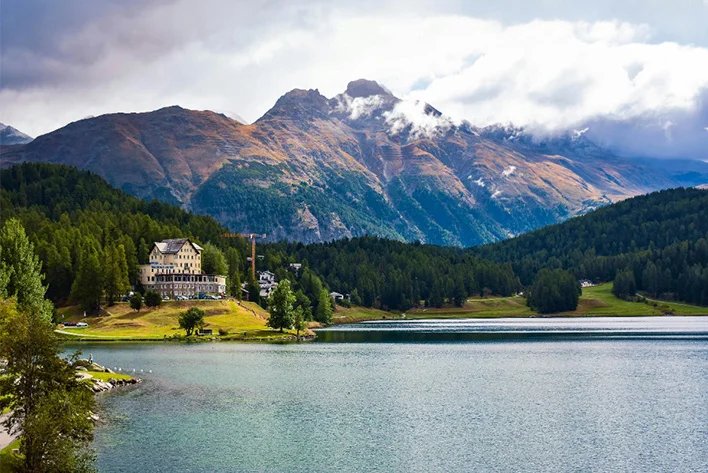
St. Moritz Lake is an alpine lake surrounded by mountains in a scenic valley setting. Glacier Express (eastern terminus) is the arrival point of the scenic train journey from Zermatt through the Alps. Winter sports (seasonal) includes world-class skiing, ice skating, and bobsledding on Olympic-level facilities during winter. Segantini Museum houses paintings by Swiss artist Giovanni Segantini with views of the surrounding mountains.

Plan My Trip Now

Suggested Trip Duration

7–8 days Zurich, Lucerne and Interlaken captures the essential Swiss experience combining urban culture, lakeside beauty, and mountain scenery for first-time visitors.
9–11 days (our most common recommendation) Add Zermatt or Grindelwald's mountain excursions for Alpine experiences without rushing through any region.
12–14 days Room for Geneva or St. Moritz, and an unhurried pace throughout allowing time to absorb each destination's character.
15+ days For repeat visitors slowing down further into the smaller valleys and villages, or combining Switzerland with France or Italy for a broader Alpine experience.
A Culinary Journey Through Switzerland

A Culinary Journey Through Switzerland

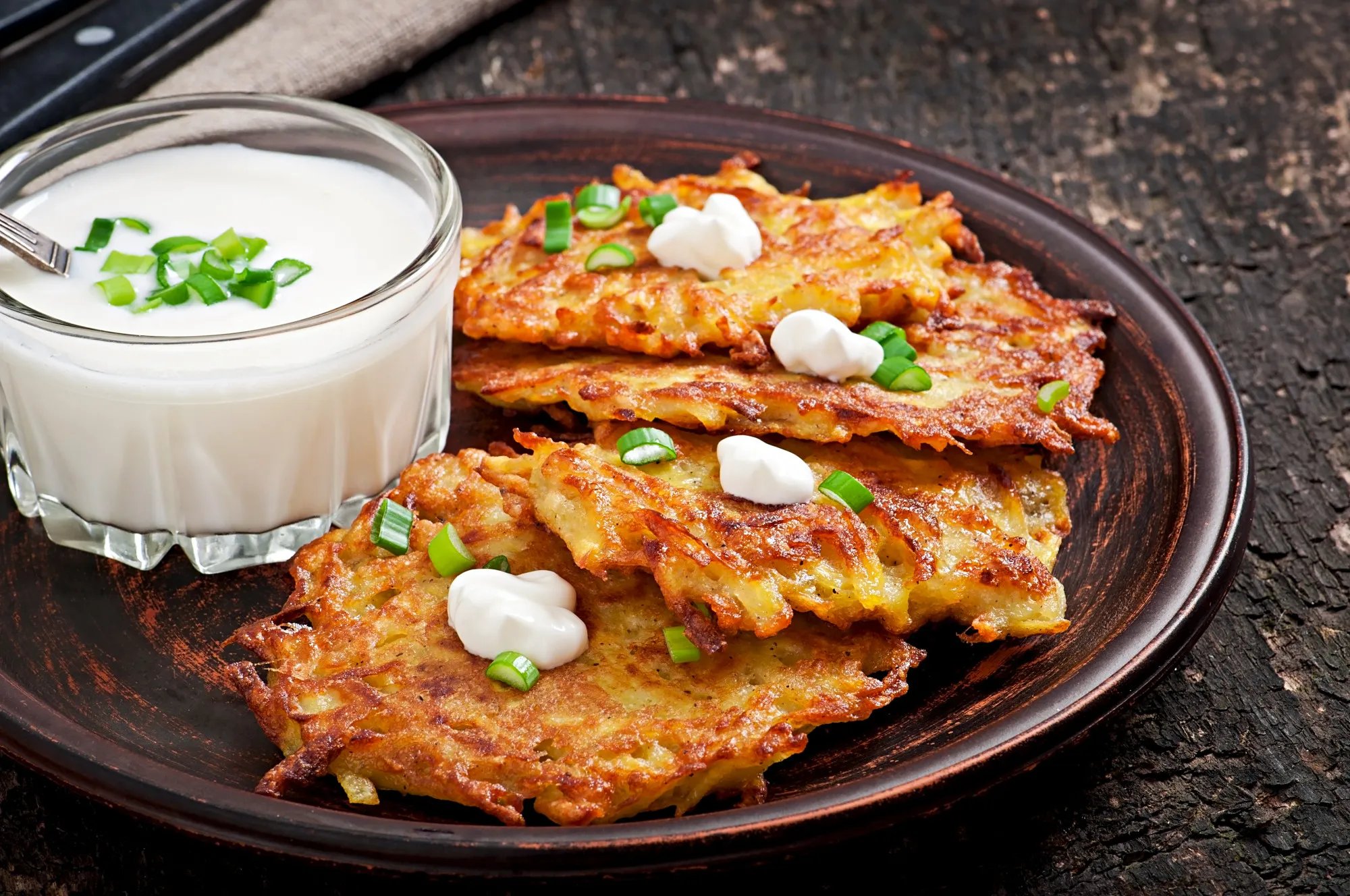
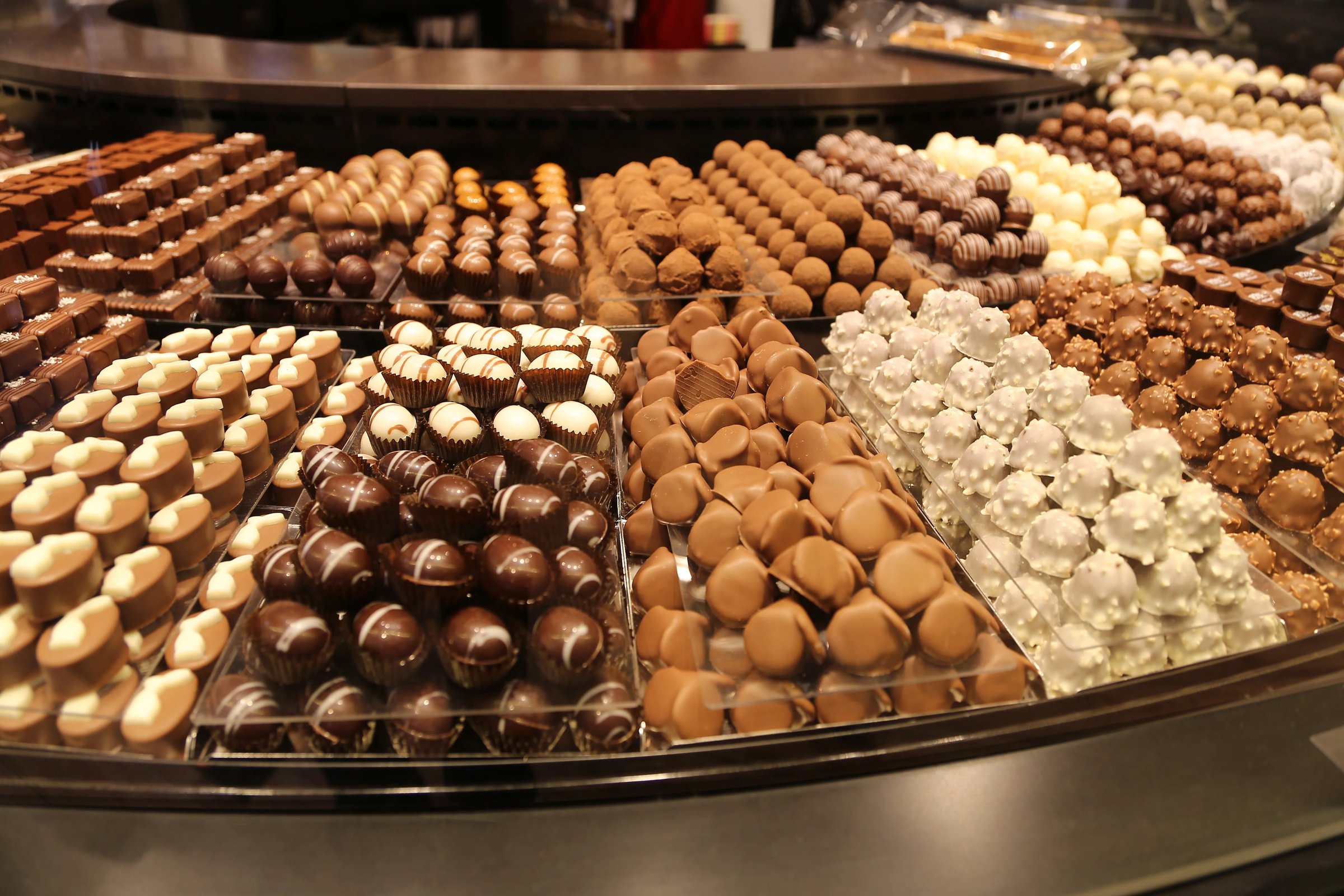
Food is usually a bigger part of the story here than people expect from a country better known for its scenery. Fondue and raclette both taste different depending on altitude and region. A mountain hut version rarely resembles what's served in Zurich. Swiss chocolate earns its reputation properly at the source, and a visit to Lindt's Home of Chocolate in Zurich is worth it even if you think you've had enough chocolate museums for one lifetime. Each region carries its own specialities too, rösti in the German-speaking areas, a very different plate entirely once you cross into French-speaking Geneva.

One thing worth knowing: Switzerland is expensive, and restaurant meals reflect that everywhere, not just in the cities. We don't pick restaurants by reputation, we pick them based on what you actually want, whether that's a mountain hut lunch mid-hike, a proper fondue evening, or a lakeside dinner in Lucerne.

Quick tip: Eat your main meal at lunch in the mountains, where set menus are often better value than the same restaurant's dinner service. It's a small adjustment that makes a real difference to the daily budget.
Culture & Traditions

Culture & Traditions

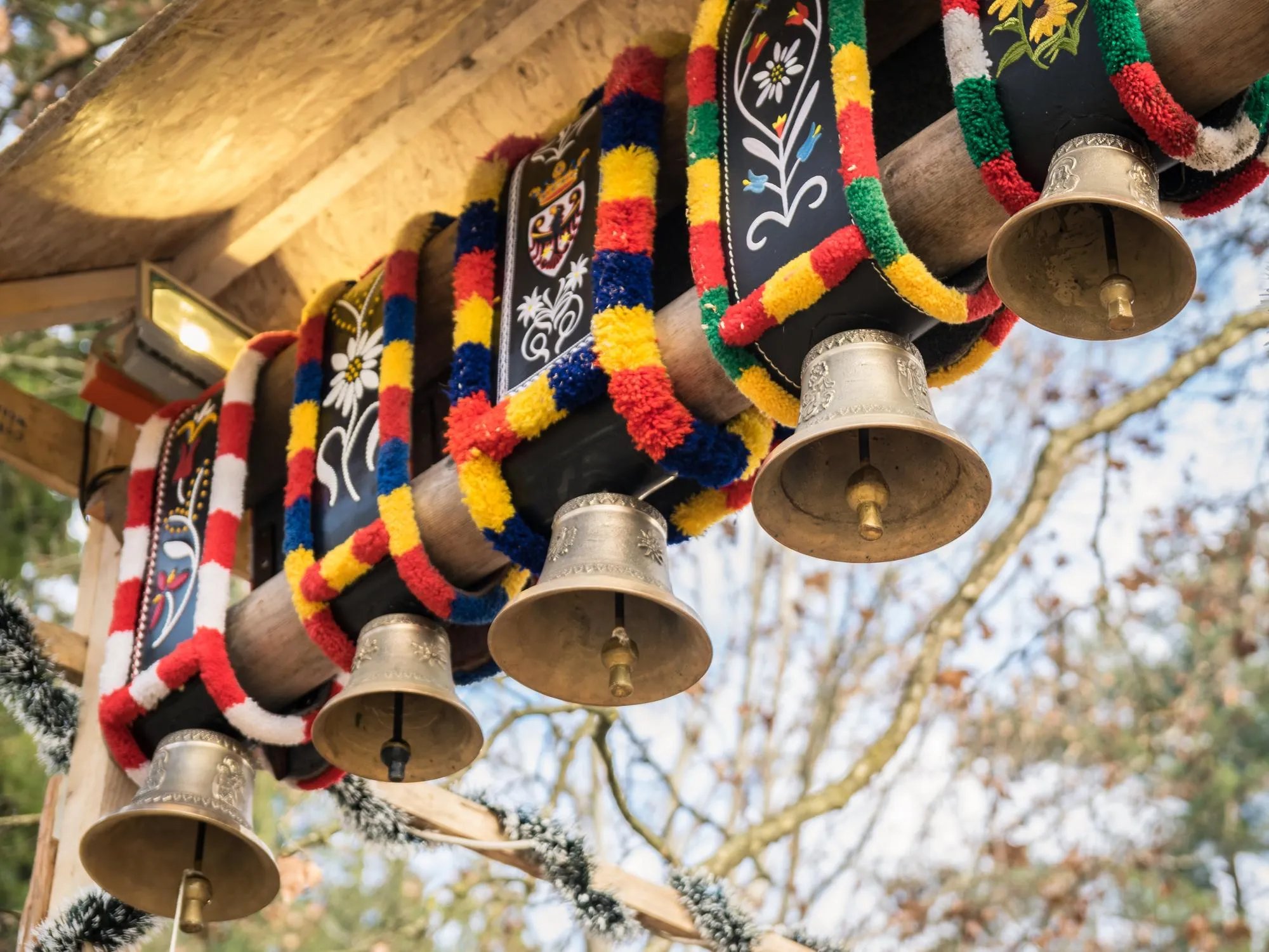
Culture in Switzerland isn't only in the museums. The Lindt Home of Chocolate and Zurich's Old Town are worth seeing, but a village cheese cellar, a cowbell festival if your dates align, or a slow train through a valley that hasn't changed its rhythm in a century usually tells you more. Four languages and four cultural identities; German, French, Italian and Romansh share one small country here, and the shift between them is more noticeable than you'd expect crossing a single internal border.

Travenza tip: If you're crossing from German-speaking Switzerland into Geneva or the French-speaking cantons, notice how much the food, pace and even the architecture shift. It's one of the more understated surprises of a longer Swiss itinerary.
Shopping in Switzerland: From Watches to Alpine Craft

Shopping in Switzerland: From Watches to Alpine Craft

Shopping here has a reputation to live up to, and mostly does. Swiss watches are the obvious draw. Zurich's Bahnhofstrasse holds flagship boutiques from nearly every major watchmaker, worth a browse even if you're not buying. Away from the cities, look for Swiss Army knives, cowbells, and proper chocolate sold by weight rather than in a tourist-priced gift box.

Travenza tip: Buy chocolate from a proper chocolatier or supermarket rather than an airport gift shop. The markup at the airport is real, and the quality difference for the same brand is not.

Getting Around Switzerland

The Swiss Travel Pass is the backbone of almost every itinerary we build here. One pass covers most trains, lake cruises and city transport, and takes the guesswork out of pricing individual tickets. Trains run on a precision that's rare anywhere else. Connections are timed to the minute, and a train pulling out exactly on schedule is the rule here, not the exception.

Scenic routes like the Glacier Express need a seat reservation on top of the pass, and mountain excursions like Jungfraujoch or Mount Titlis usually carry their own surcharge even with a valid pass. We factor both into every itinerary so there's no surprise cost once you're there.

Travenza tip: Don't try to cover too many mountain excursions in one trip. Jungfraujoch, Titlis, Schilthorn, Grindelwald First, each, is a half-day commitment and its own additional cost. Pick the ones that matter most rather than collecting all of them.

Visa Guide

Switzerland is part of the Schengen Area, and most Indian travellers need a Schengen visa arranged in advance of travel. We handle documentation and the application process end to end, and would recommend applying at least three to four weeks ahead of your trip, given how detailed Schengen applications tend to be.

Why Switzerland Stays With You

Some places are remembered for what you saw. Switzerland is remembered for how precisely it all worked. A train that left the platform at the exact printed minute. A cable car that lifted you past the clouds into a view that made the surcharge feel irrelevant. A cowbell somewhere in a valley, ringing for no one in particular. Switzerland has a way of making precision feel like generosity, not just efficiency, and that's usually what stays with people longest.

A first trip is usually Zurich and Lucerne, with Interlaken built in. The next one might be Zermatt's Matterhorn views, the Glacier Express in full, or Geneva's entirely different pace. The more of it you see, the more there still is. We hope our travel guide to Switzerland has helped you to make better decisions. This is just the tip of the iceberg. Connect with us to curate your dream Switzerland holiday.

Your Switzerland questions, answered

Is Switzerland a good destination for first-time international travellers?

Yes. It's safe, efficient, and one of the easiest countries in Europe to navigate independently, the train network alone makes a multi-region trip simple to plan.

How many days should I spend in Switzerland?

For a first trip, 9–11 days works well. It is enough for Zurich, Lucerne and the Jungfrau region without rushing. Add Zermatt or Geneva and stretch it to 12–14 days.

When is the best time to visit Switzerland?

Summer (June–August) is best for hiking and mountain excursions. Winter (December–March) suits skiing and snow-capped scenery. Shoulder season (April–May, September–October) offers the best value.

Is Switzerland suitable for family holidays?

Yes. Reliable trains, cable car rides that double as attractions, and chocolate and cheese experiences built for kids make it an easier Alpine destination for families than it might seem.

Is Switzerland a good honeymoon destination?

Yes, Zermatt's Matterhorn views, the Glacier Express and Lucerne's lakeside evenings all work well together for couples wanting scenery with real romance.

Is vegetarian food available in Switzerland?

Yes, particularly in cities like Zurich and Geneva. It's more limited in smaller mountain villages, so we flag this early if it matters to your trip.

Do I need a visa for Switzerland?

Most Indian travellers need a Schengen visa arranged in advance. We confirm the latest requirements and help with the application before you travel.

How much should I budget for a Switzerland holiday?

Depends on season, duration, hotel category and style. As a rough guide, a well-planned 9–11 day trip with a Swiss Travel Pass in good hotels starts around ₹3–4 lakh per couple, excluding flights. Switzerland runs expensive across the board, and we build the budget around that reality from the start.

Is English widely spoken in Switzerland?

Yes, particularly in cities and tourist areas. Combined with German, French and Italian depending on the region, most hospitality staff communicate comfortably in English.

Can I customise my itinerary?

Yes, every trip is built around what you want, whether that's adding St. Moritz, extending Zermatt, including a specific mountain excursion, or planning around a celebration.

Ready to go?

Plan your Switzerland trip

Share your dates, group size and interests, we will craft a bespoke itinerary within 48 hours. No obligations.
Plan My Trip → Chat on WhatsApp