Europe · Mediterranean

Croatia Travel Guide

Medieval old towns, turquoise coves and island-hopping down the Adriatic.
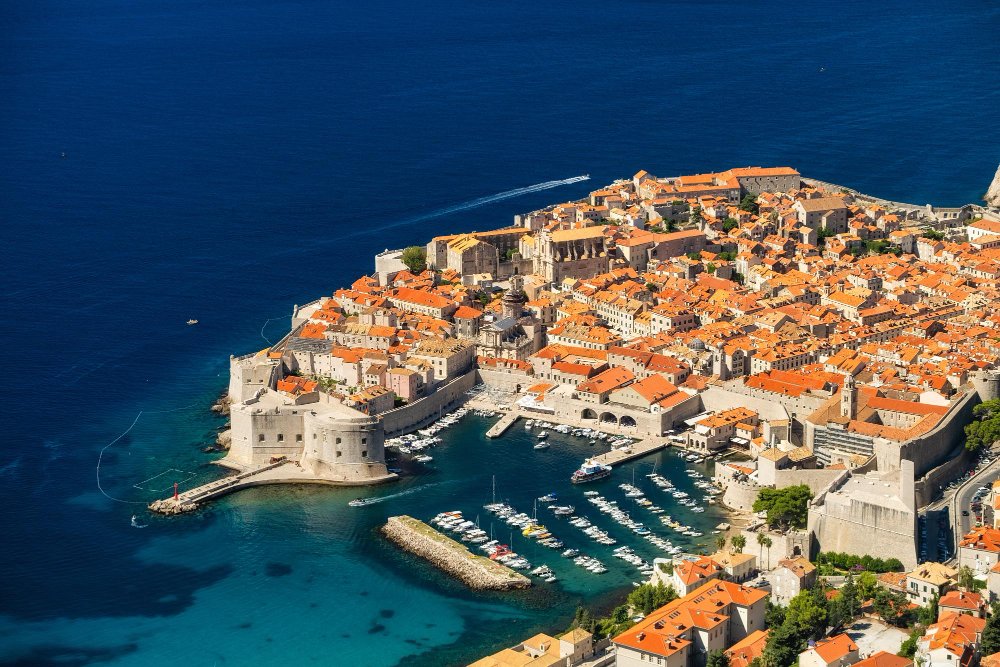
Dubrovnik's city walls hold the crowds who came for the view and the locals who couldn't care less, mostly in the same café. A speedboat cuts its engine outside a cave on Biševo Island, and the water underneath turns the exact blue everyone photographs and nobody quite captures. A grandmother in Hvar sells you cherry liqueur from a bottle with no label, made from fruit off her own tree.

Croatia's coastline runs over a thousand islands long, and the country barely slows down to explain itself in between them. Roman ruins double as a city's living room in Split. A national park bans swimming in water so clear it looks staged. Head inland and Zagreb feels like a different country from the coast, closer in spirit to Vienna than to the Adriatic twenty minutes away by plane. Plan around the coast alone and you'll miss half of what makes this country worth the distance.

Why Croatia, and Why With Us

Why Croatia, and Why with us

Croatia rewards travellers who show up expecting a beach country and leave talking about the old towns instead. A speedboat captain who knows exactly which cove empties out by four in the afternoon. A guesthouse owner in Hvar who hands you a glass before you've even asked what's good. The coastline gets people here , the detail is usually what gets remembered.

It's also a country that punishes a rushed itinerary specifically because of its shape. Croatia runs long and thin along the Adriatic, and the distance between Zagreb, Split and Dubrovnik is real driving time, not a quick hop. Add Slovenia's Lake Bled or a Montenegro day trip, both easy from the right base, and an itinerary fills up fast. We'd rather cut a city than cut the time you get in each one.

We've spent over a decade routing Croatia's coast the way it actually works, not the way a map suggests it should. Ferries run on their own schedule, island-hopping tours have a real cutoff time before the wind picks up, and a coastal transfer that looks like three hours can become five on a summer weekend. We plan around all of it, and we'll say so plainly when an extra stop isn't worth what it costs the rest of the trip. This is our travel guide to Croatia. You can find our opinions on what places to include, what time to visit, how long your visit should be and more.
With Travenza, You Can Expect

Itineraries for Croatia

View All Itineraries →

Best Time to Visit Croatia?

The Adriatic gets crowded exactly when the weather's best, which is worth knowing before you pick your dates.

Peak Summer (July–August)

Best for: swimming weather, island life, warm evenings

Ideal destinations: Hvar, Split, Dubrovnik

If you asked us: The sea is at its warmest and every beach club is open, but this is also when Dubrovnik's Old Town feels more like a queue than a city. Book boat tours and restaurant tables well ahead.

Shoulder Season (May–June & September)

Best for: swimmable water without July's crowds

Ideal destinations: Split, Hvar, Dubrovnik

If you asked us: This is the window we point most guests toward , the water's warm enough to swim by late May, and Dubrovnik in September is a calmer city than it is in August.

Spring (April)

Best for: Plitvice Lakes at their fullest, mild inland weather

Ideal destinations: Zagreb, Plitvice Lakes, Ljubljana

If you asked us: The waterfalls run at full force after winter snowmelt, and inland Croatia and Slovenia are pleasant for walking cities without summer's heat.

Winter (November–March)

Best for: Zagreb's Christmas markets, lower rates

Ideal destinations: Zagreb, Ljubljana

If you asked us: The coast largely shuts down for the season , ferries reduce their schedules and island hotels close. Winter here means Zagreb and inland Slovenia, not the Adriatic.

Best Places to Visit in Croatia

Zagreb

Zagreb Old Town (Gornji Grad) is a historic district with medieval architecture, narrow streets, and traditional…

Read More
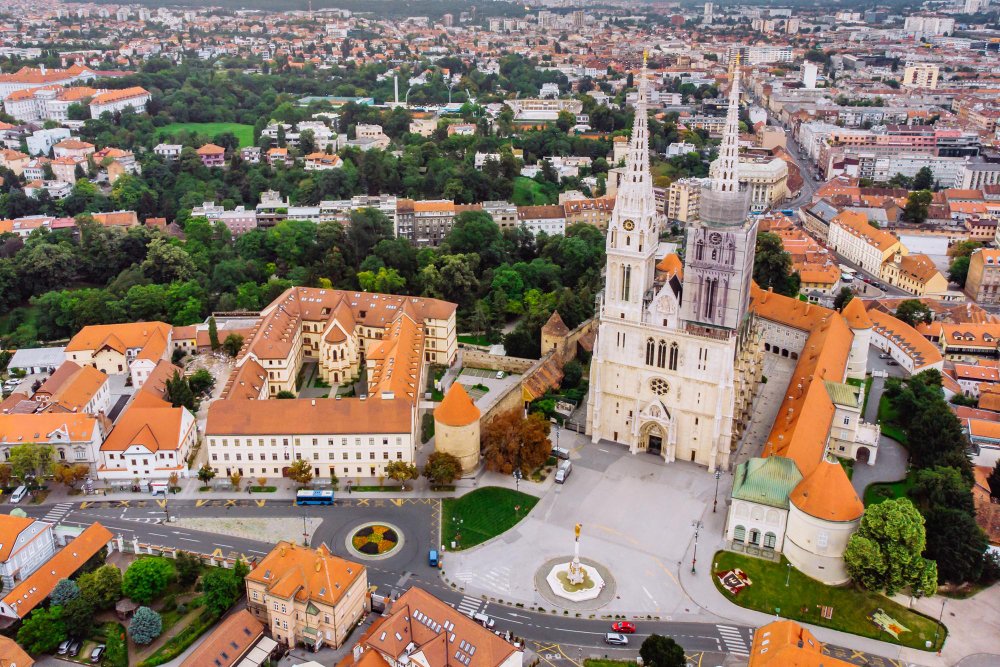
Zagreb Old Town (Gornji Grad) is a historic district with medieval architecture, narrow streets, and traditional buildings. Dolac Market is an open-air market selling fresh produce, meats, and local goods. Zagreb Cathedral is a Gothic cathedral with twin spires dominating the city skyline. Tkalčićeva Street cafés is a charming pedestrian street lined with cafes, shops, and restaurants. Museum of Broken Relationships is a unique museum displaying personal items and stories about past relationships.

Plan My Trip Now

Plitvice Lakes National Park

Lower Lakes walkway is a scenic trail with wooden boardwalks along the lower lake system surrounded…

Read More
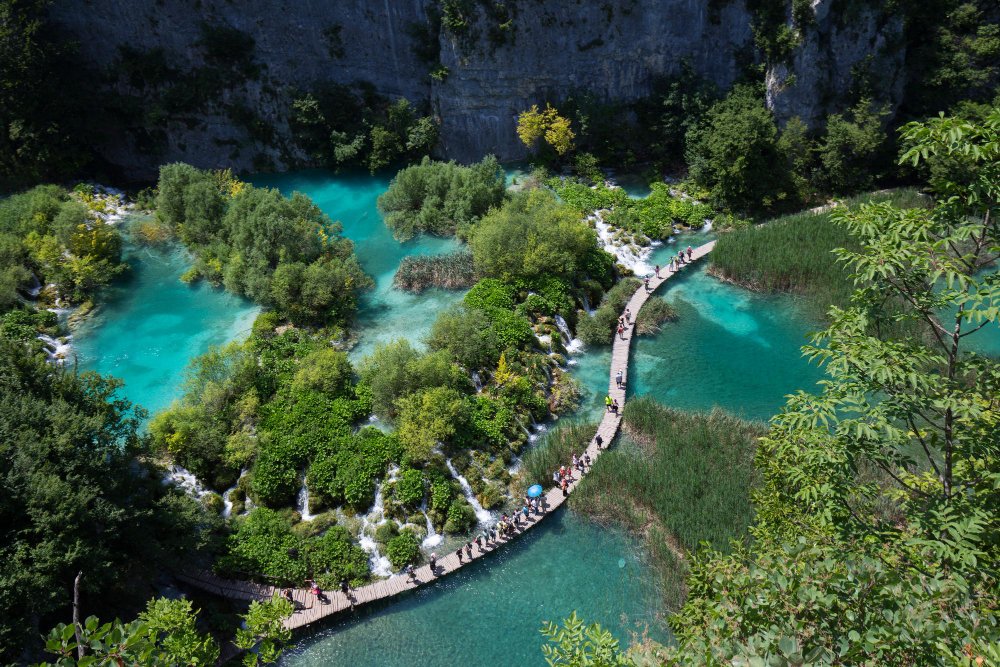
Lower Lakes walkway is a scenic trail with wooden boardwalks along the lower lake system surrounded by forest. Upper Lakes viewpoint trail is a hiking path offering panoramic views of the upper lakes and cascading waterfalls. Veliki Slap (Great Waterfall) is the largest waterfall in the park cascading into pools below surrounded by lush vegetation. Park boat crossing is a scenic boat ride across one of the central lakes connecting different sections of the park.

Plan My Trip Now

Split

Diocletian's Palace is a well-preserved Roman palace complex with historic architecture and underground chambers. Split's Riva…

Read More
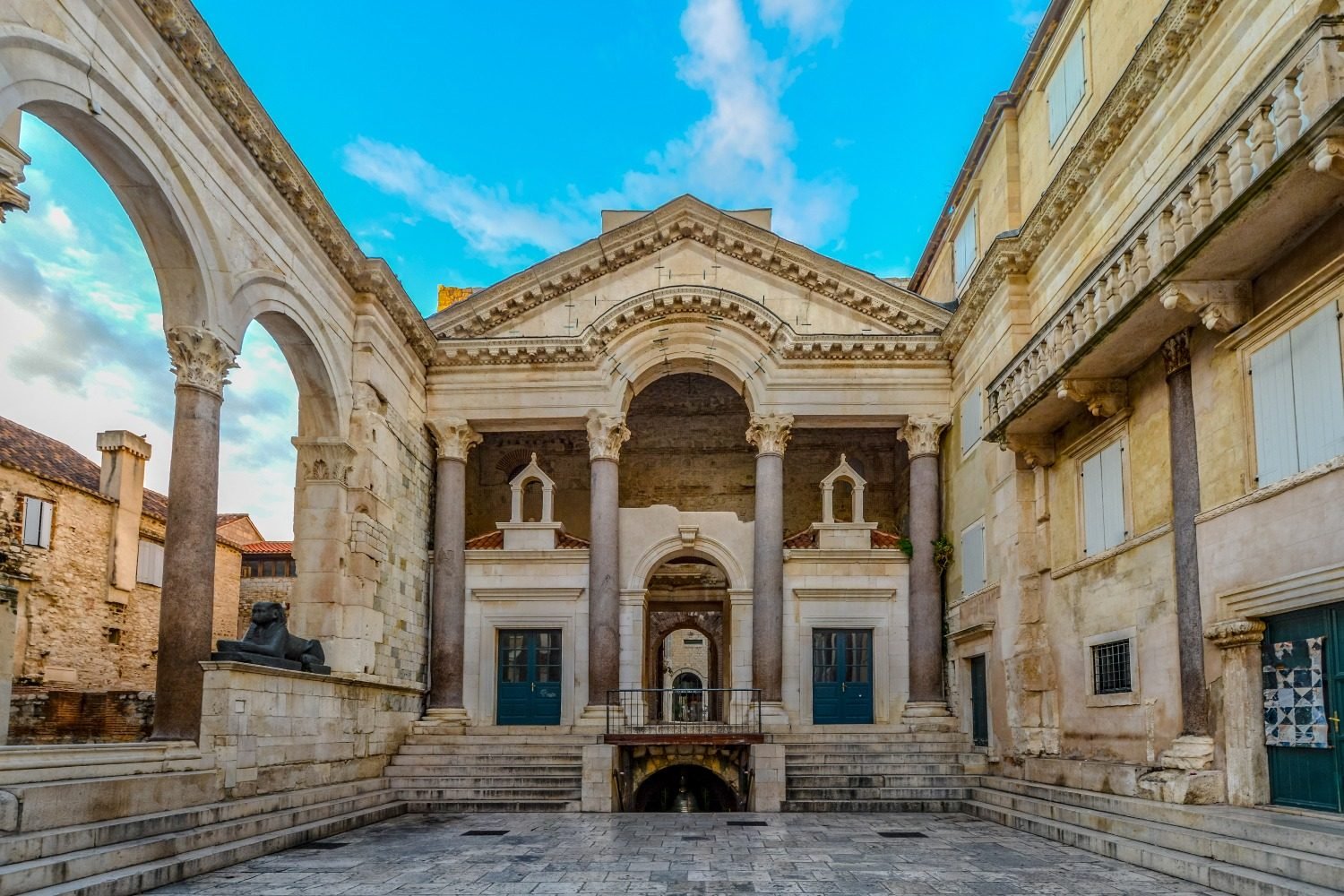
Diocletian's Palace is a well-preserved Roman palace complex with historic architecture and underground chambers. Split's Riva waterfront is a lively promenade lined with cafes, restaurants, and Mediterranean charm. Marjan Hill viewpoint is a green hill offering panoramic views of Split and the Adriatic coastline. Green Market is a traditional open-air market selling fresh produce, fish, and local goods. Cathedral of St. Domnius bell tower is a historic tower offering views of the city and harbor.

Plan My Trip Now

Hvar

Hvar Fortress (Fortica) is a historic fortress on a hilltop offering panoramic views of the town…

Read More
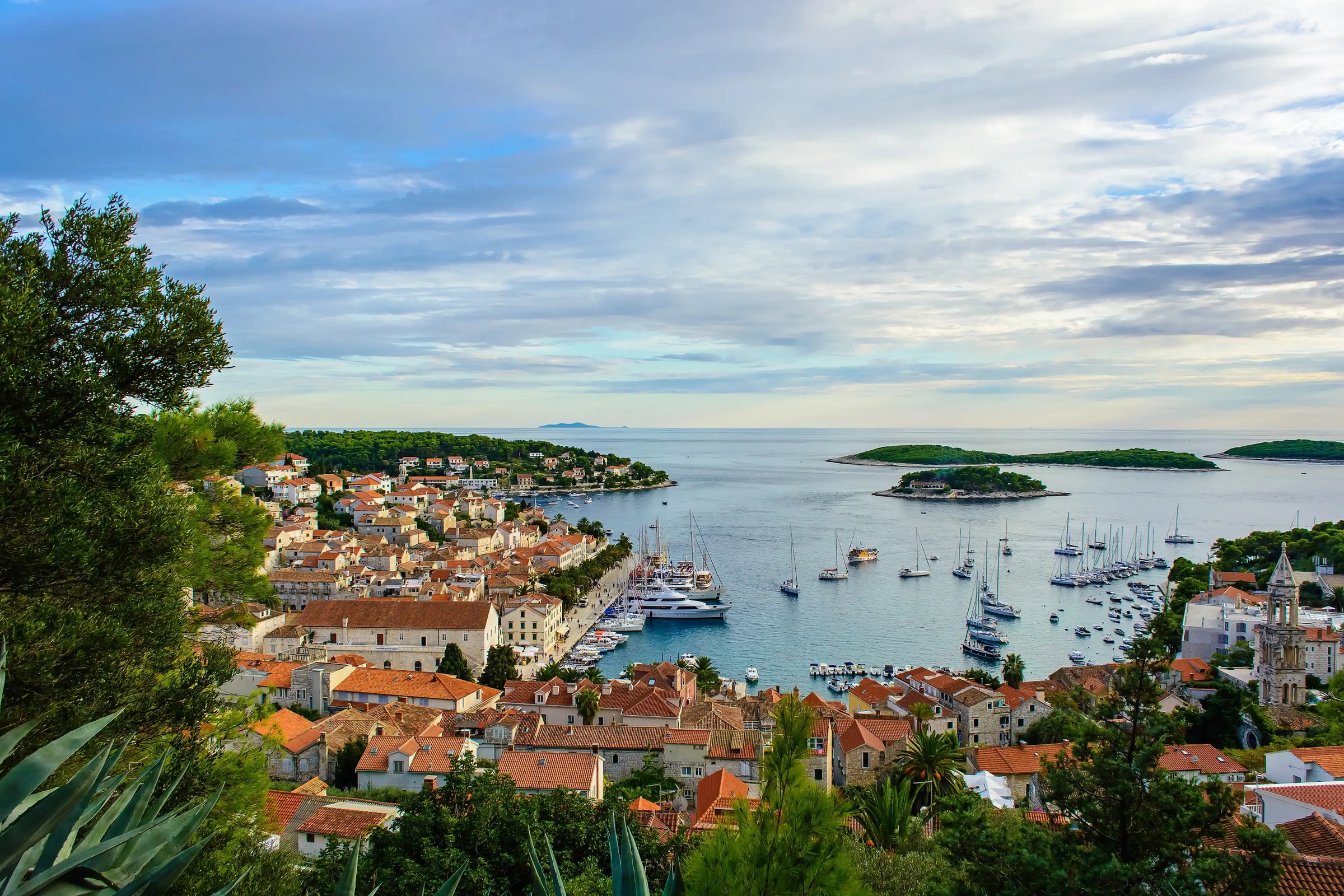
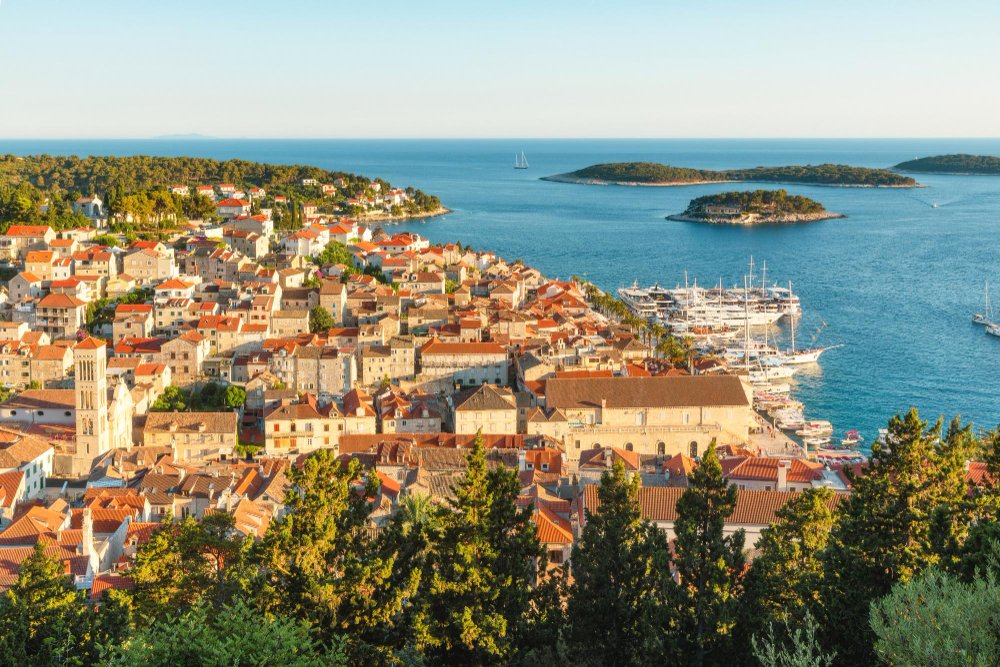
Hvar Fortress (Fortica) is a historic fortress on a hilltop offering panoramic views of the town and surrounding islands. Pakleni Islands boat trip is an excursion to nearby islands with pristine beaches and clear swimming water. Hvar Town harbour is the picturesque waterfront area lined with cafes, restaurants, and traditional Mediterranean architecture. Lavender fields (June) are purple fields of blooming lavender creating a scenic landscape during the summer season. St. Stephen's Square is the main plaza in Hvar Town with Renaissance architecture and waterfront views.

Plan My Trip Now

Dubrovnik

Dubrovnik City Walls is a fortified wall surrounding the old town offering panoramic views of the…

Read More
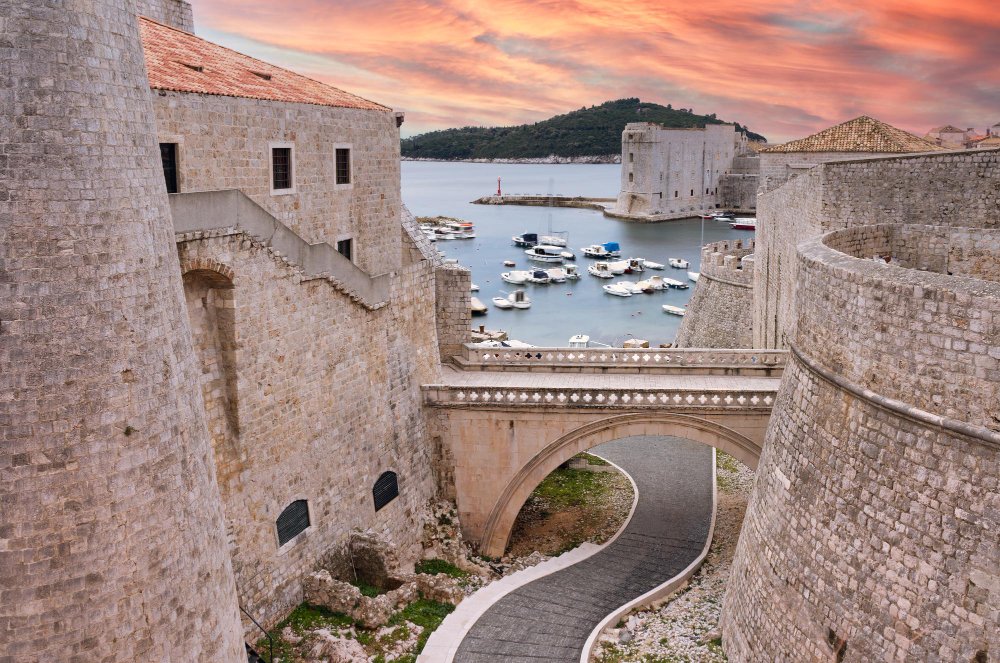
Dubrovnik City Walls is a fortified wall surrounding the old town offering panoramic views of the city and sea. Pile Gate & Old Town is the main entrance to the historic district with medieval streets and limestone buildings. Elafiti Islands boat trip is an excursion to nearby islands with beaches, villages, and swimming stops. Mount Srđ cable car ascends to a hilltop offering dramatic views of Dubrovnik and the Adriatic coast. Fort Lovrijenac is a historic fortress overlooking the city with panoramic vistas and cultural significance.

Plan My Trip Now

Zadar

Sea Organ is an underwater musical instrument creating sounds from sea waves passing through pipes. Greeting…

Read More
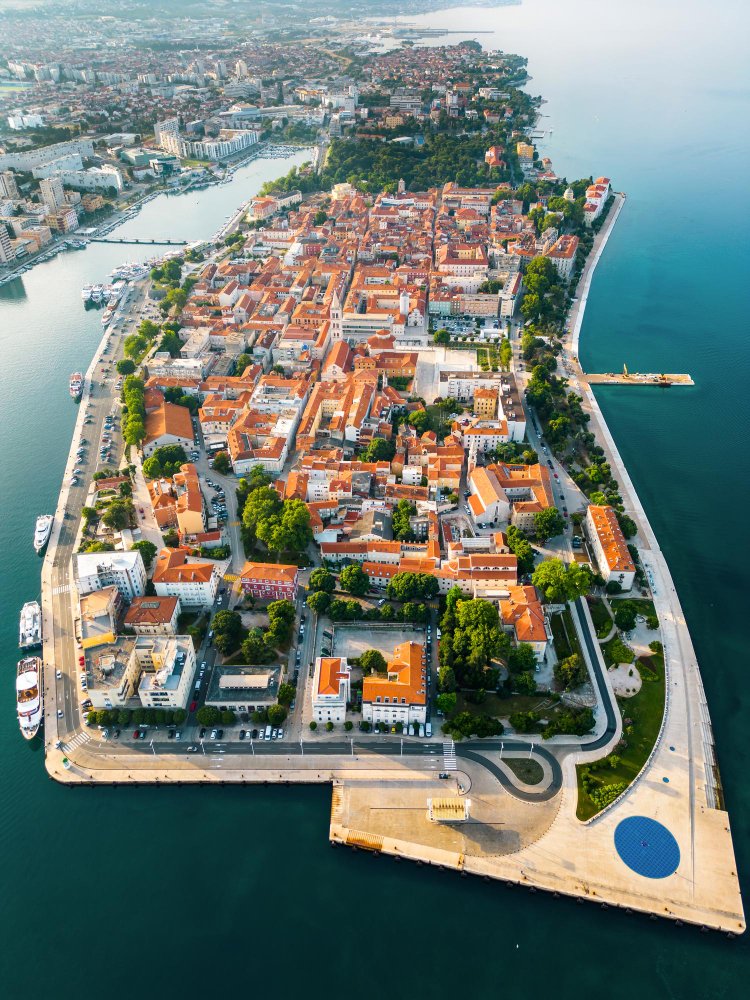
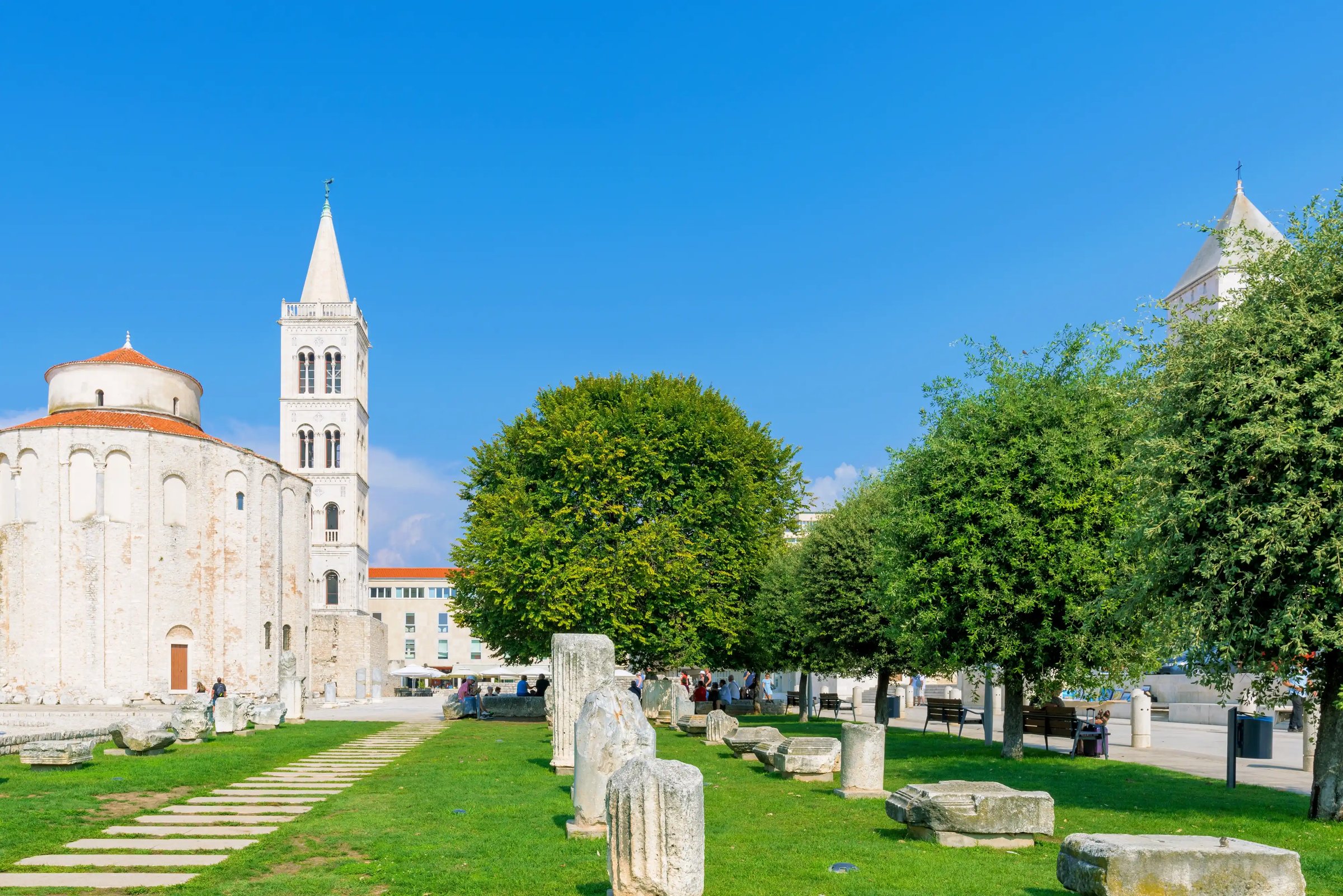
Sea Organ is an underwater musical instrument creating sounds from sea waves passing through pipes. Greeting to the Sun installation is a solar-powered light display creating a mesmerizing nighttime effect on the waterfront. Zadar Old Town is a medieval historic district with narrow streets and traditional Dalmatian architecture. St. Donatus Church is a Byzantine church from the 9th century with distinctive cylindrical architecture. Kalelarga main street is the historic pedestrian street lined with shops, cafes, and traditional buildings.

Plan My Trip Now

Blue Cave & the Adriatic Islands

Blue Cave, Biševo Island is a sea cave illuminated by natural light creating brilliant blue water…

Read More

Blue Cave, Biševo Island is a sea cave illuminated by natural light creating brilliant blue water accessible by boat. Green Cave swim stop is a cave with green water where visitors can swim in the sheltered space. Vis Island is a historic island with medieval architecture, beaches, and authentic island culture. Hidden coves (Stiniva, Budikovac) are secluded beaches and coves with turquoise water surrounded by dramatic cliffs. Hvar's Pakleni archipelago is a group of islands off the coast offering pristine beaches and clear swimming water.

Plan My Trip Now

Suggested Trip Duration

7–8 days Split, Hvar and Dubrovnik covers the essential highlights of the coast for a first-time visitor.
9–11 days (our most common recommendation) Add Zagreb and Plitvice Lakes inland, or a Bosnia or Montenegro day trip from Dubrovnik without rushing any region.
12–14 days Room for Zadar and a slower pace across the whole coastline allowing time for island exploration.
15+ days For repeat visitors pairing Croatia with Slovenia, Montenegro or a longer Balkan route for a broader regional experience.
A Culinary Journey Through Croatia

A Culinary Journey Through Croatia

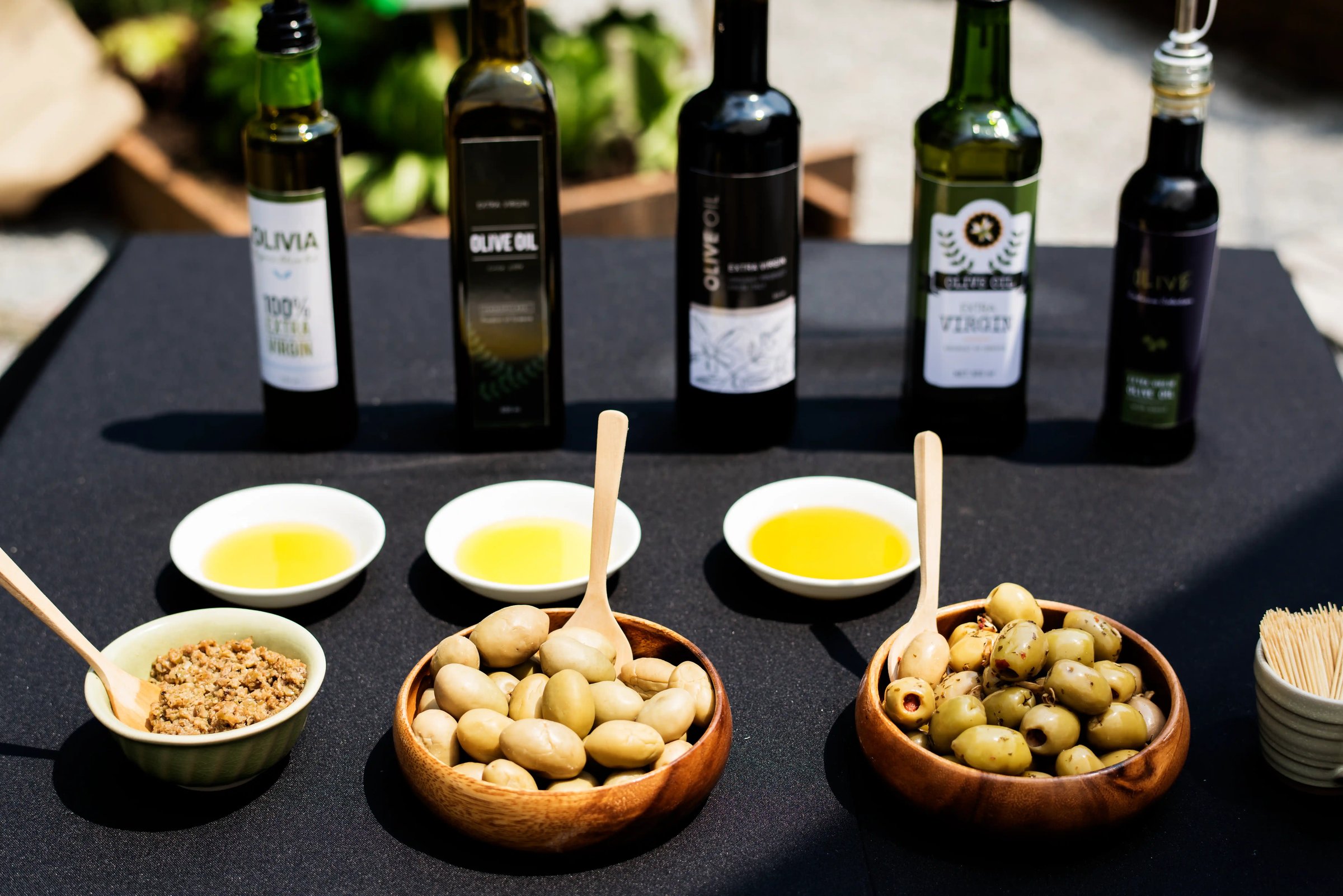
Coastal Croatia eats like Italy's quieter cousin , fresh grilled fish, olive oil worth asking about by name, and a peka, meat or seafood slow-cooked under a metal dome, that needs ordering hours in advance for good reason. Inland, Zagreb's food leans Central European , hearty, meat-forward, closer to Vienna than to anything on the coast. Truffles from Istria show up on menus across the country, usually with more confidence than the price justifies.

A konoba , a small, family-run tavern, often with no printed menu , usually beats anything with a harbour view and a laminated wine list. We steer guests toward these deliberately, and toward a proper peka dinner at least once, since it's as much a ritual as a meal.

Quick tip: Order peka the night before if you can. It's cooked slowly under embers and ash, and a kitchen that's rushing it isn't doing it properly.
Culture & Traditions

Culture & Traditions

Croatia carries visible layers of the empire, and none of it reads as a museum piece. Roman ruins in Split, Venetian influence in Dubrovnik and along the coast, Austro-Hungarian architecture in Zagreb , people live inside the Roman walls in Split, and Zagreb's cafés still run on a coffee-house pace that has nothing to do with the Adriatic twenty minutes down the coast. The 1990s war is recent enough that it shapes conversation more than a guidebook usually lets on, and a guide who can speak to it honestly adds real depth to a Croatia trip.

Travenza tip: Ask your guide about the 1990s war if the moment feels right. It's within living memory here, and most Croatians are open to talking about it , the context changes how you see the rest of the country.
Shopping in Croatia: From Lavender to Fine Lace

Shopping in Croatia: From Lavender to Fine Lace

Hvar's lavender products , oil, soap, sachets , are the honest souvenir of the coast, made from fields you'll likely have already driven past. Dubrovnik and Split both have small jewellers working in red coral, harvested locally for centuries. Look out too for Pag lace, a centuries-old needlework tradition from the island of Pag, delicate enough that a good piece takes weeks to finish.

Travenza tip: Buy lavender oil directly from a roadside stall in Hvar's interior rather than a harbour-front shop. It's the same product for less, straight from the people who grew it.

Getting Around Croatia

Croatia's coastline is built for boats and driving, not trains , the rail network barely touches the Dalmatian coast at all. Ferries connect the islands and run to a schedule that tightens in winter and loosens, helpfully, in summer. For the mainland coastal route , Split to Dubrovnik, for instance , a private transfer beats the public coach for both time and the ability to stop wherever the view demands it.

Inland, a train connects Zagreb with Ljubljana comfortably, and it's one of the more relaxed legs of a longer itinerary. The coastal roads themselves are dramatic but slow , cliffside, two lanes, and busier than they look in July and August.

Travenza tip: Don't underestimate the Split-to-Dubrovnik drive. It's around 230 kilometres but rarely under four hours, longer with summer traffic , we build it in as a scenic day, not a quick transfer.

Visa Guide

Croatia is part of the Schengen Area, and most Indian travellers need a Schengen visa arranged in advance. We handle documentation and the application process end to end, and would recommend applying at least three to four weeks ahead of your trip, especially if Slovenia, Bosnia or Montenegro border crossings are part of the plan.

Why Croatia Stays With You

Croatia has a habit of undercutting its own reputation, in the best way. You book the coast and end up talking about Zagreb's coffee culture on the flight home. A cove with no name turns out to be the best swim of the whole trip, found because a boat captain thought you'd like it, not because it was on any list.

Most guests start with Split, Hvar and Dubrovnik. Return trips tend to go further , Zadar's sunsets, a proper Plitvice morning, or a Balkan route that folds in Montenegro and Bosnia alongside the coast. Croatia rarely feels finished after one visit.

We hope our travel guide to Croatia has helped you to make better decisions. This is just the tip of the iceberg. Connect with us to curate your dream Croatia holiday.

Your Croatia questions, answered

Is Croatia a good destination for first-time international travellers?

Yes. It's safe, well set up for tourism along the coast, and the language barrier is smaller than expected , English is common in every town that sees visitors.

How many days should I spend in Croatia?

9–11 days cover the coast properly , Split, Hvar and Dubrovnik, with Zagreb and Plitvice added inland. Stretch to 12–14 days for a slower pace or a Zadar stop.

When is the best time to visit Croatia?

May, June and September give you swimmable water without July and August's crowds. April suits Plitvice's waterfalls and inland cities. Winter largely closes the coast down.

Can I combine Croatia with another country?

Yes , it's one of the more common ways we build a Croatia trip. Mostar and Kotor work as day trips from Dubrovnik without an extra hotel night. For a longer combination, Switzerland and Paris both connect easily by a short flight from Dubrovnik or Split, and Slovenia's Ljubljana and Lake Bled slot naturally in ahead of Zagreb.

Is Croatia suitable for family holidays?

Yes. Plitvice's walkways, island-hopping boat days and old towns compact enough to navigate easily all work well for families, especially with children aged six and up.

Is Croatia a good honeymoon destination?

Yes , a private island cove, Hvar's harbour evenings and Dubrovnik's walls at sunrise all give a trip real range between energy and quiet.

Is vegetarian food available in Croatia?

It's improving, especially in Split, Zagreb and Dubrovnik, though the coast leans heavily toward seafood and grilled meat. We flag this early and build the itinerary around it.

Do I need a visa for Croatia?

Most Indian travellers need a Schengen visa arranged in advance. We confirm the latest requirements and handle documentation before you travel.

How much should I budget for a Croatia holiday?

Depends on season, duration, hotel category and style. As a rough guide, a well-planned 9–11 day trip in good hotels starts around ₹2.6–3.4 lakh per couple, excluding flights. Peak summer pushes this higher.

Can I customise my itinerary?

Yes , every trip is built around what you want, whether that's adding Zadar, extending Hvar, including a Switzerland or Paris extension, or planning around a celebration.

Ready to go?

Plan your Croatia trip

Share your dates, group size and interests, we will craft a bespoke itinerary within 48 hours. No obligations.
Plan My Trip → Chat on WhatsApp