Asia Pacific · East Asia
Japan Travel Guide
Precision, contrast and a country that never repeats itself
Precision, contrast and a country that never repeats itself
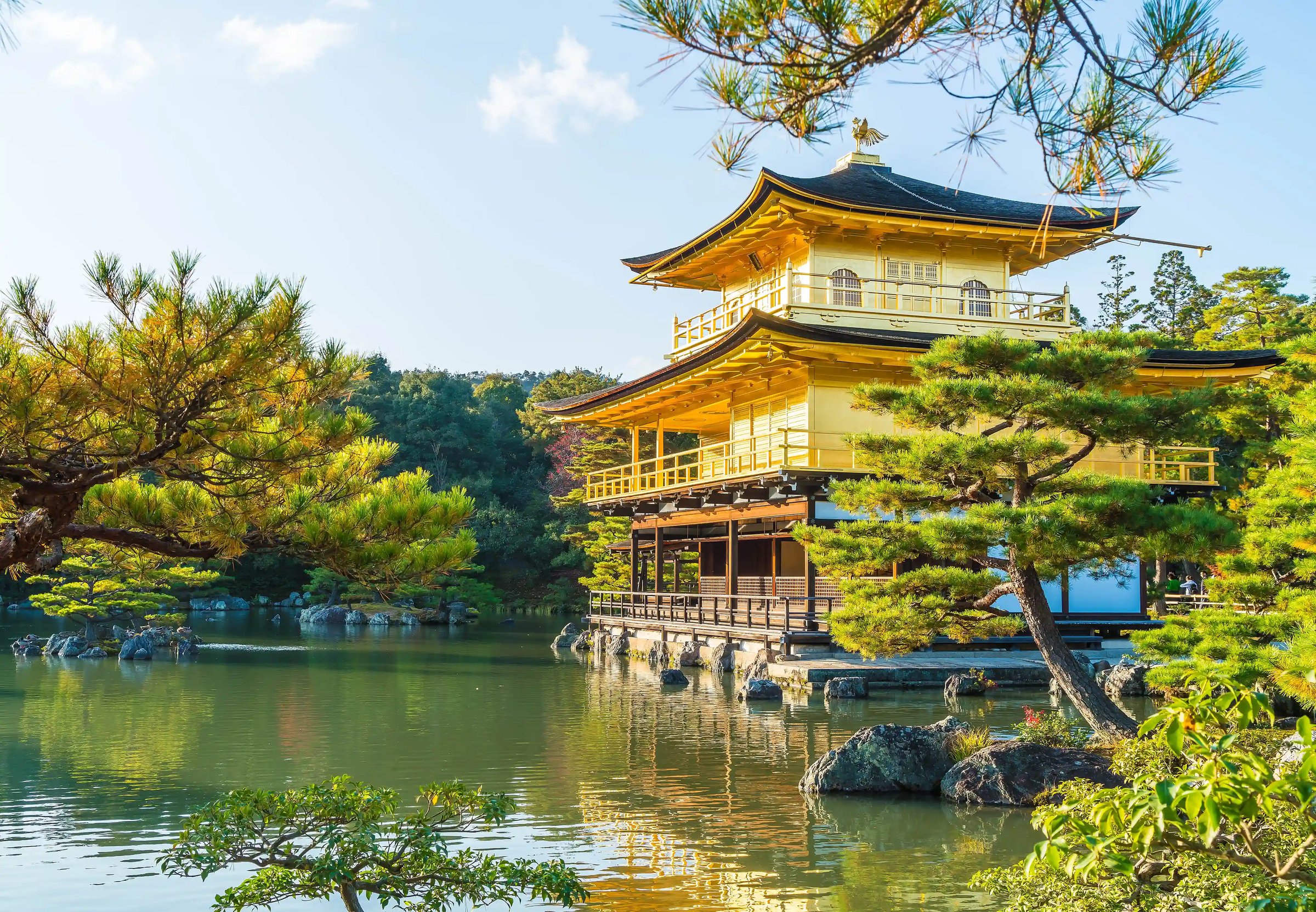
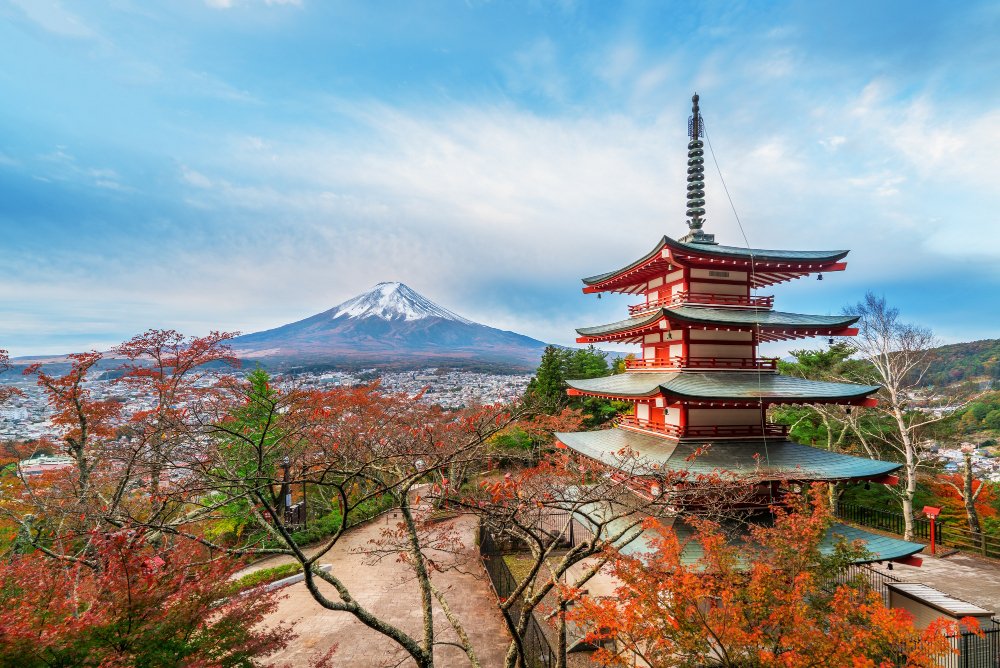
Japan runs on precision. Trains arrive on the minute. Service is polite without being pushy. That same care shows up in a bowl of noodles as much as it does in a 400-year-old shrine. You don't plan for these things, they just happen, and they're usually what people remember most.
They're also easy to miss. Japan's transport makes almost anywhere reachable, and that's the trap, travellers try to see too much and end up experiencing too little. A good trip and a great one rarely differ by how many cities were on the list. They differ by how much time you actually had in each one.
We've been building Japan itineraries since 2013. Not templates, routes built around how you like to travel. We pick the neighbourhood before the hotel, the pace before the itinerary, and we'll tell you when something isn't worth your time. This is our travel guide to Japan. You can find our opinions on what places to include, what time to visit, how long your visit should be and more.
Getting the mix of destinations right matters more than trying to see everything. Here's what each place is actually good for.
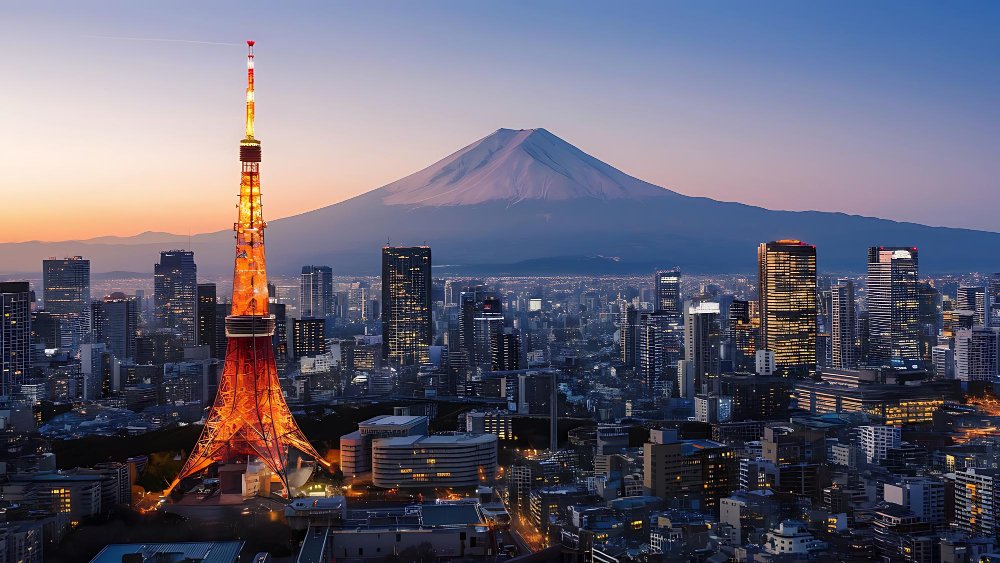
Tokyo Imperial Palace is the main residence of the Emperor of Japan. Senso-ji is the oldest…
Read More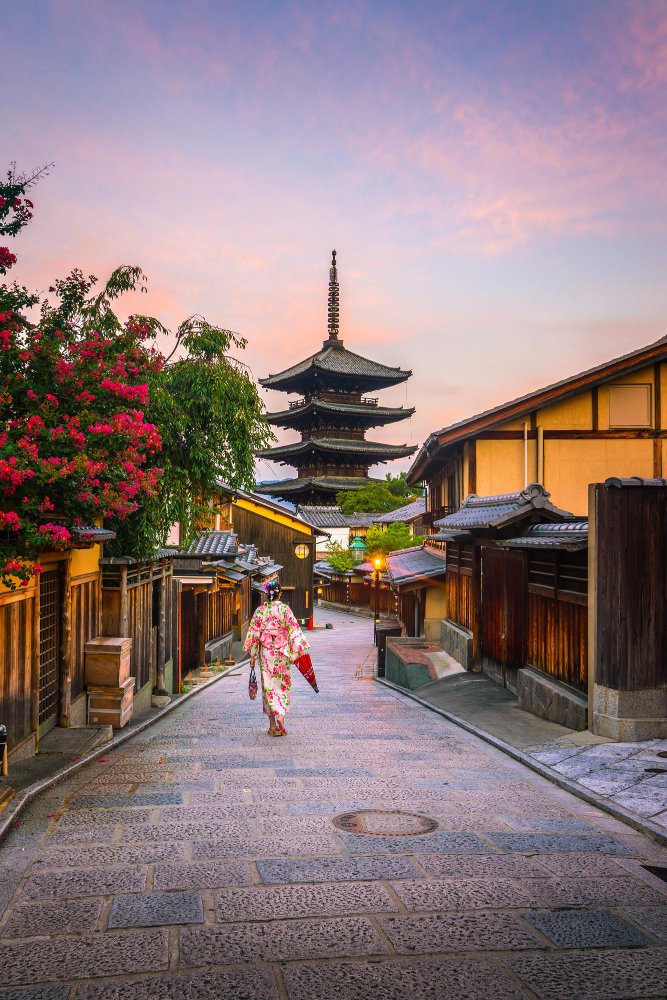
Kyoto Imperial Palace is the former imperial residence with gardens and traditional architecture. Nijo Castle features…
Read More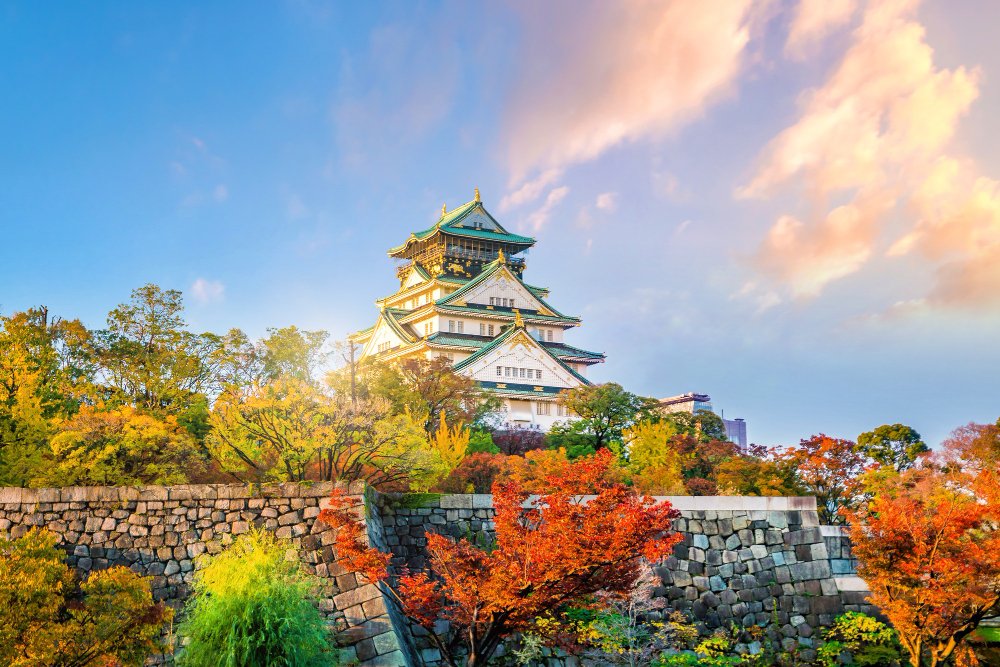
Osaka Castle is a historic fortress with city views. Dotonbori is an entertainment district with neon…
Read More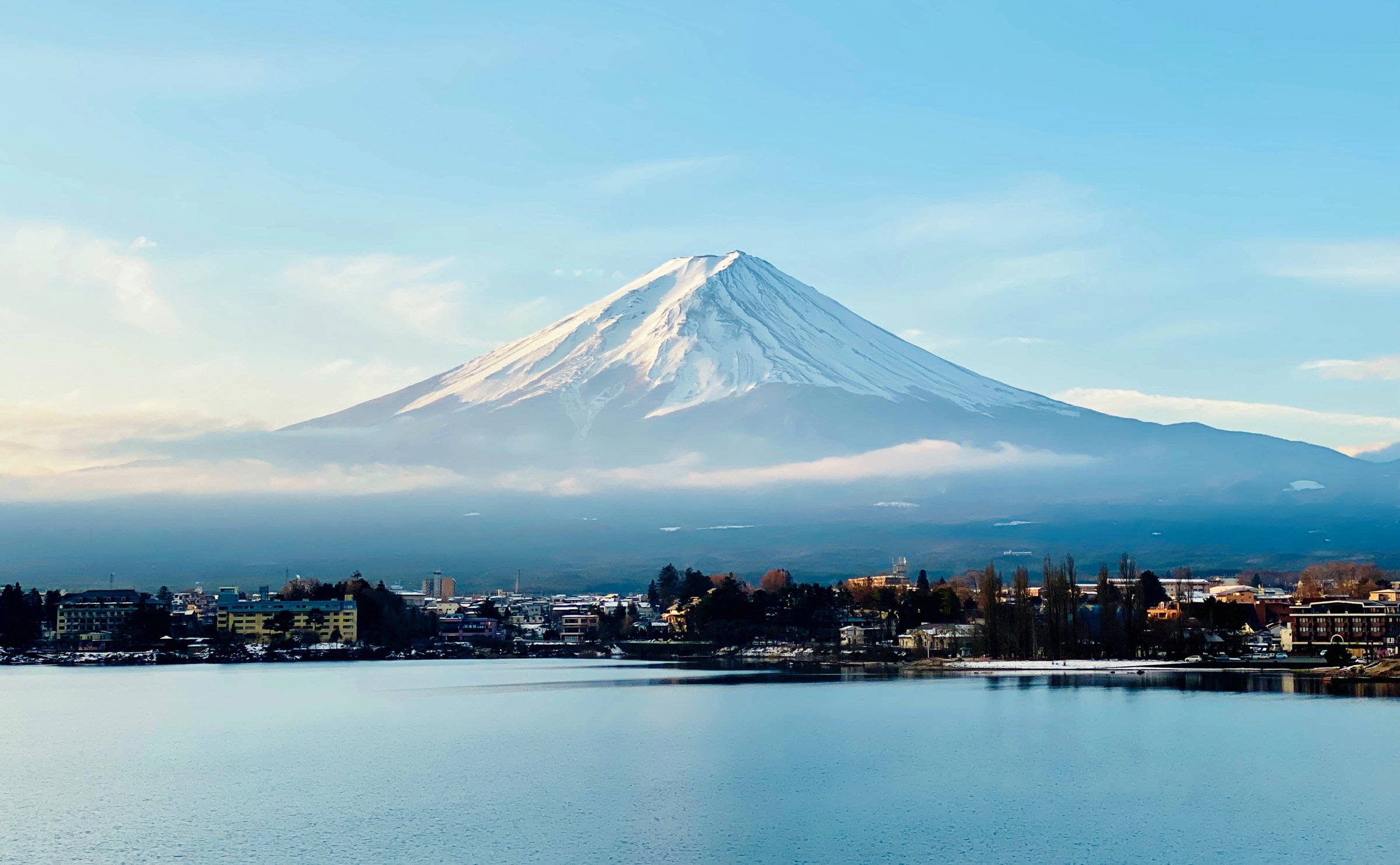
Lake Ashi is a volcanic lake surrounded by mountains with Mount Fuji visible on clear days.…
Read More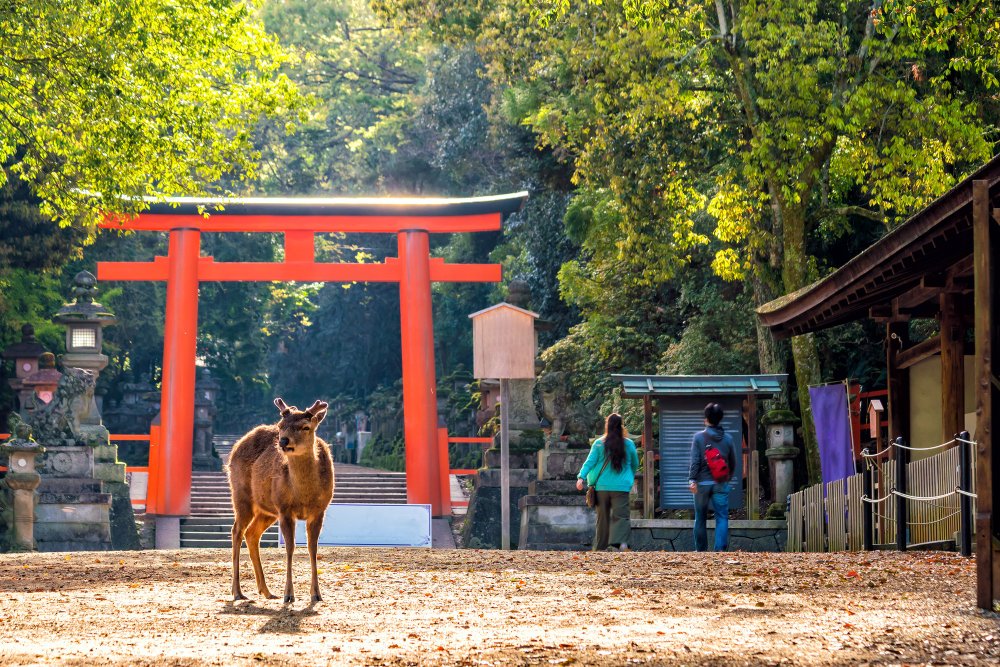
Nara Park has deer roaming freely throughout a massive park. Todai-ji is a massive temple housing…
Read More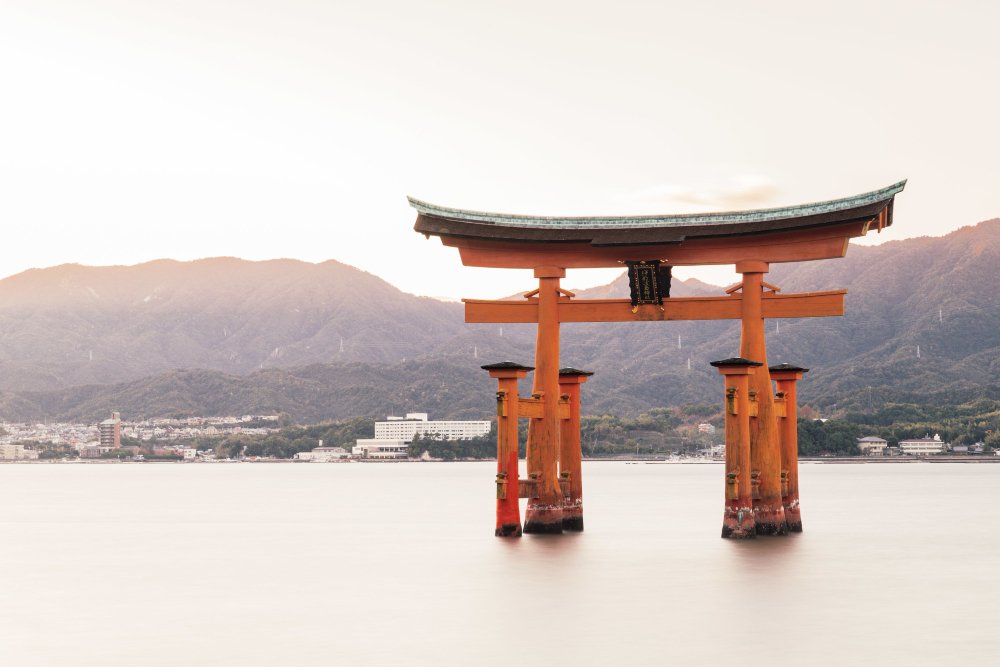
Hiroshima Peace Memorial Park is a sprawling park built around the memory of the atomic bombing…
Read More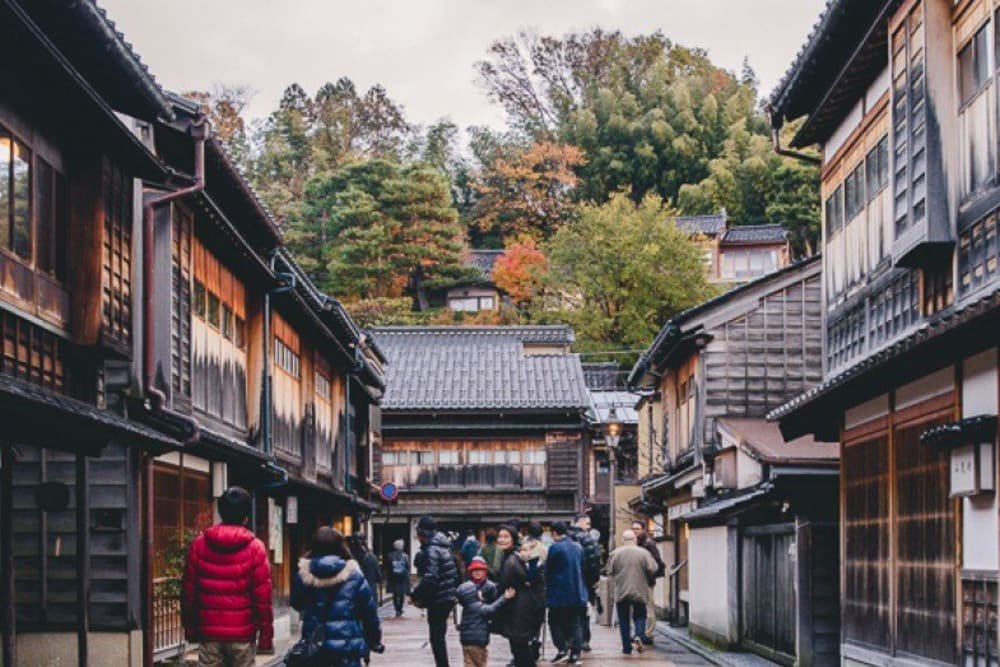
Takayama Old Town has narrow streets with wooden buildings and sake breweries. Takayama Jinya is a…
Read More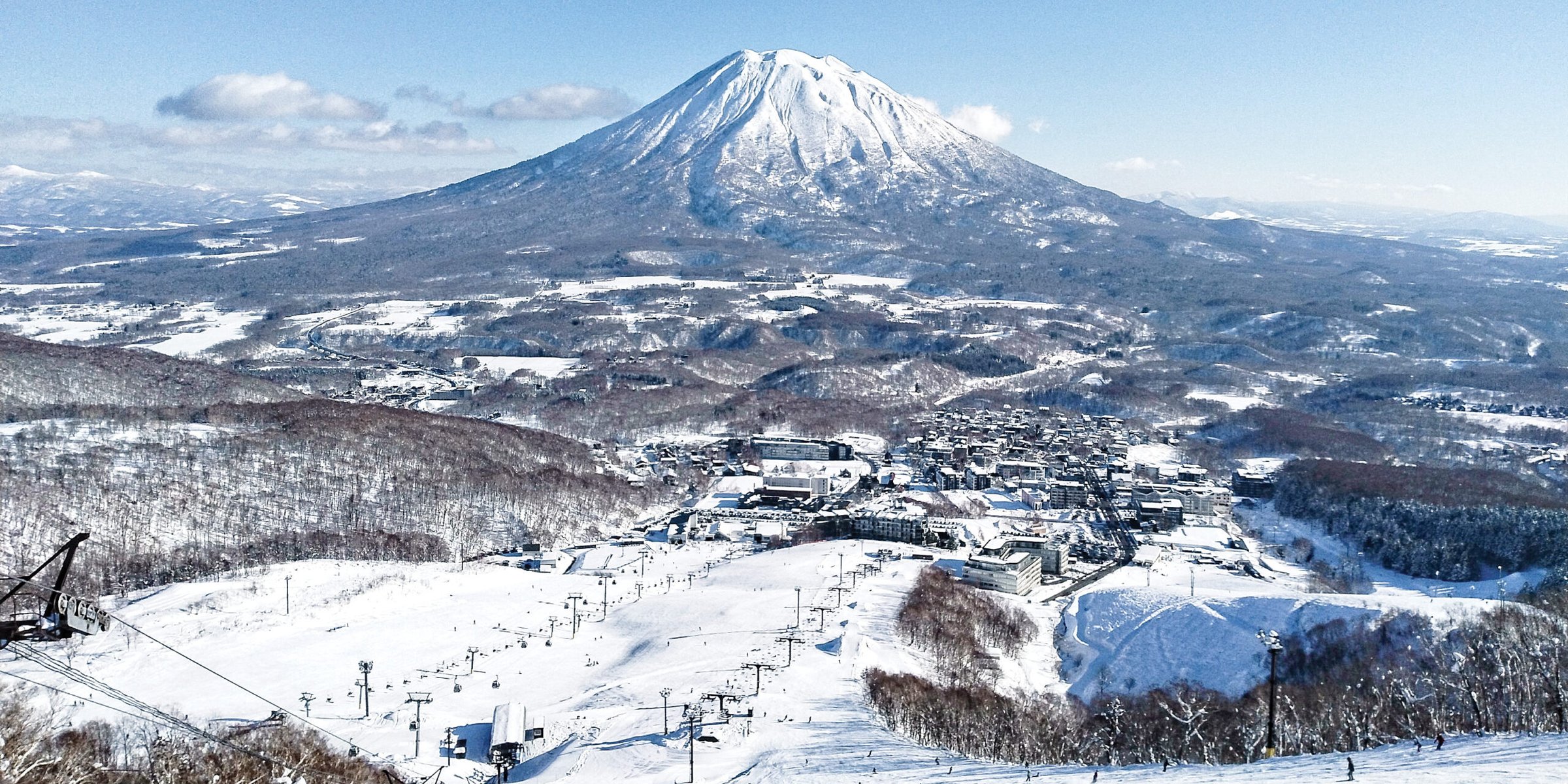
Odori Park is a long park running through the city center. Sapporo Clock Tower is a…
Read More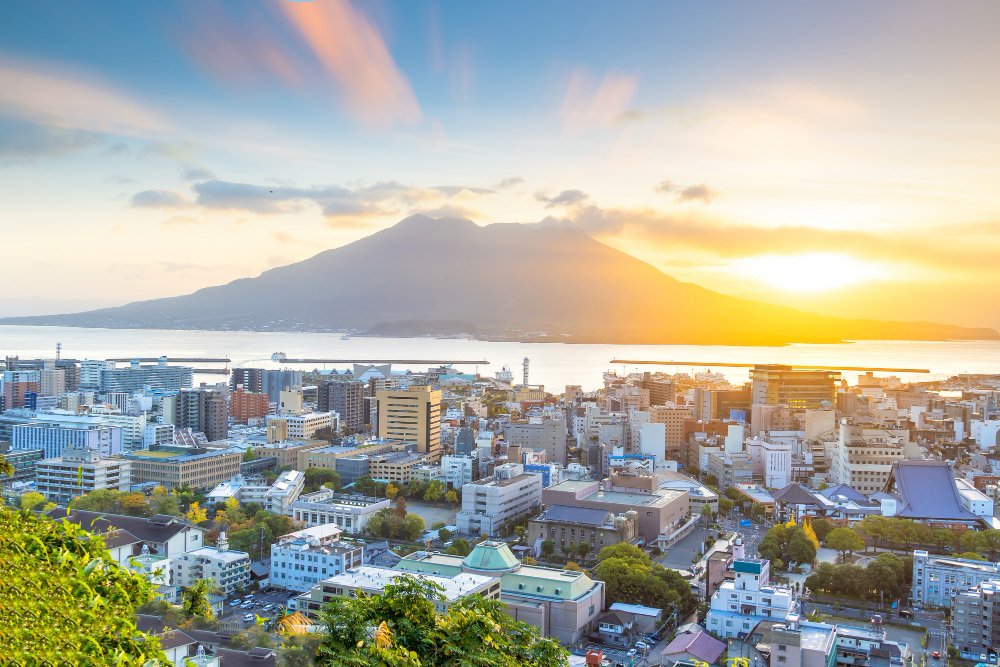
Kumamoto Castle is one of Japan's largest castles recently restored with impressive stonework. Mount Aso is…
Read More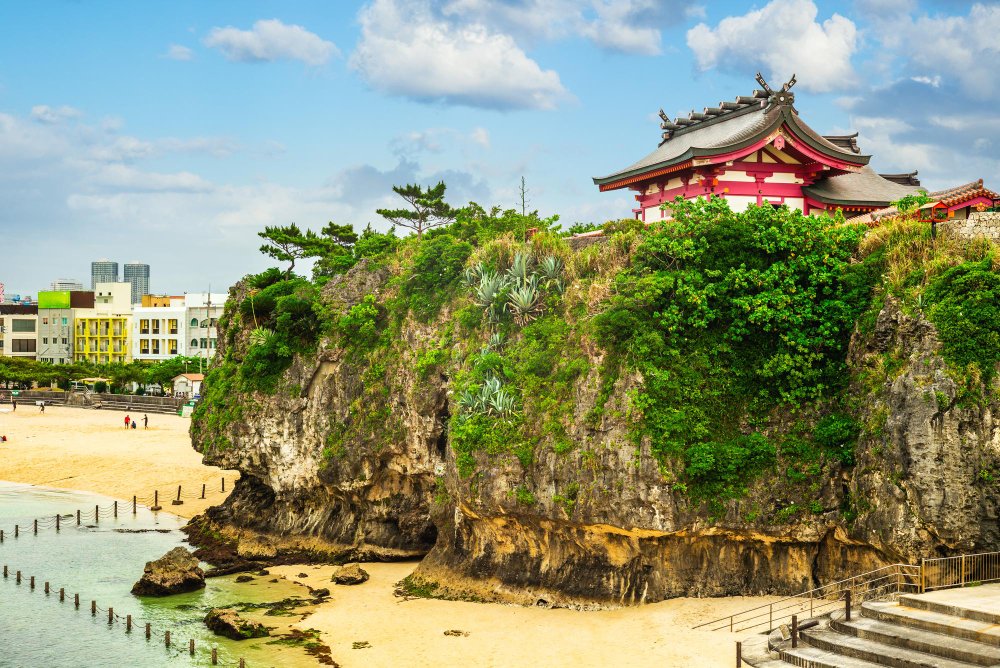
Shuri Castle is a royal palace reconstructed after WWII with Okinawan architecture. Okinawa Churaumi Aquarium is…
Read More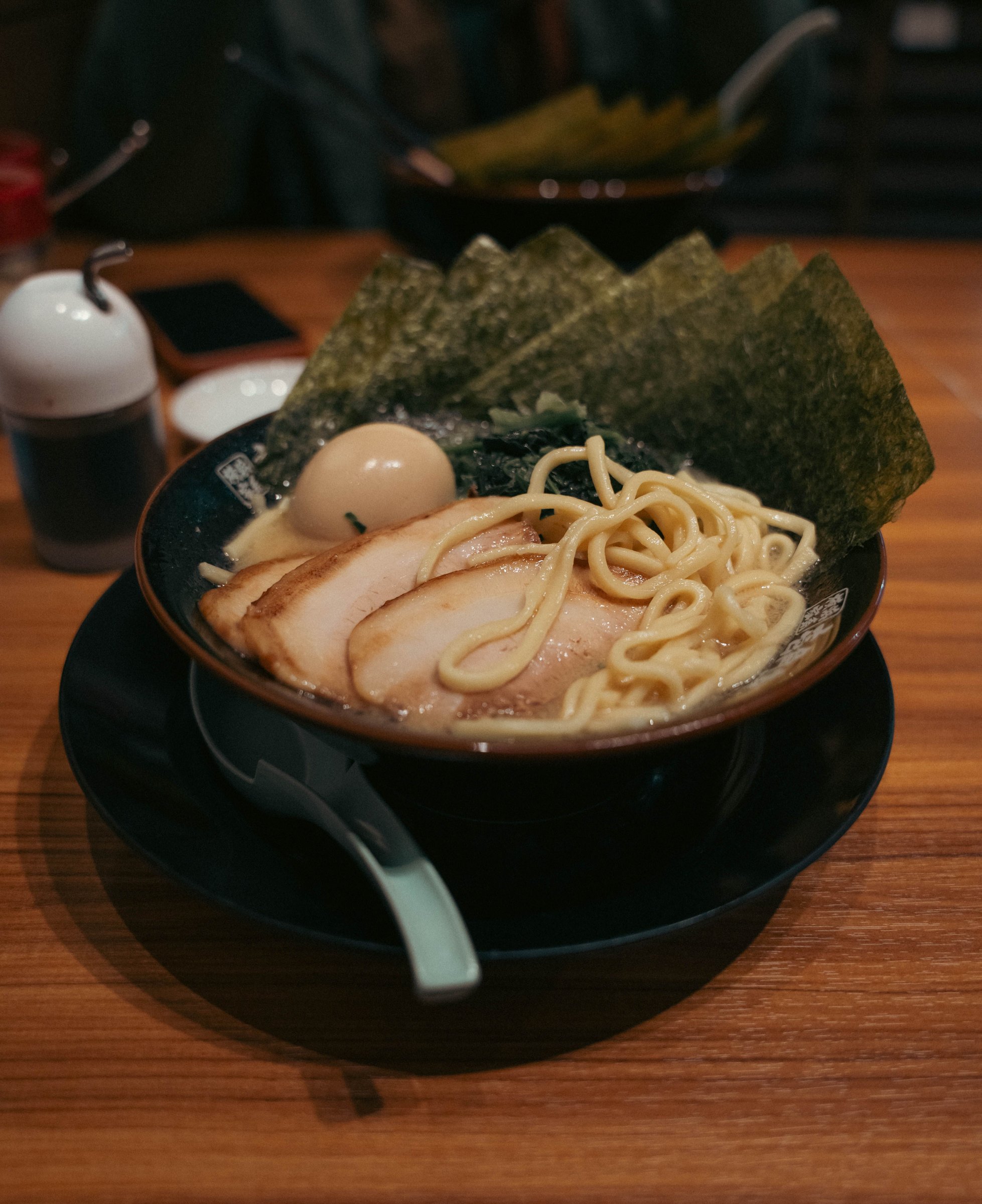
Food is usually what people talk about most when they get back. Tokyo has more Michelin stars than any other city. Sushi counters, kaiseki, and small places locals keep to themselves. Kyoto does seasonal kaiseki well. Osaka earns its reputation through street food and markets, not fine dining. Further out, Hokkaido's seafood, Fukuoka's tonkotsu ramen, Kobe's wagyu and Takayama's regional dishes each say something about where they're from.
One thing worth clearing up, Japan isn't as hard for vegetarians as people think. Traditional stock often uses seafood, but the major cities now have solid vegetarian and vegan options. We don't pick restaurants by reputation, we pick them based on what you actually want, whether that's a tasting menu, a ramen counter, or an omakase night.
Quick tip: Leave a few meals unplanned. The best ones usually aren't the ones you booked.
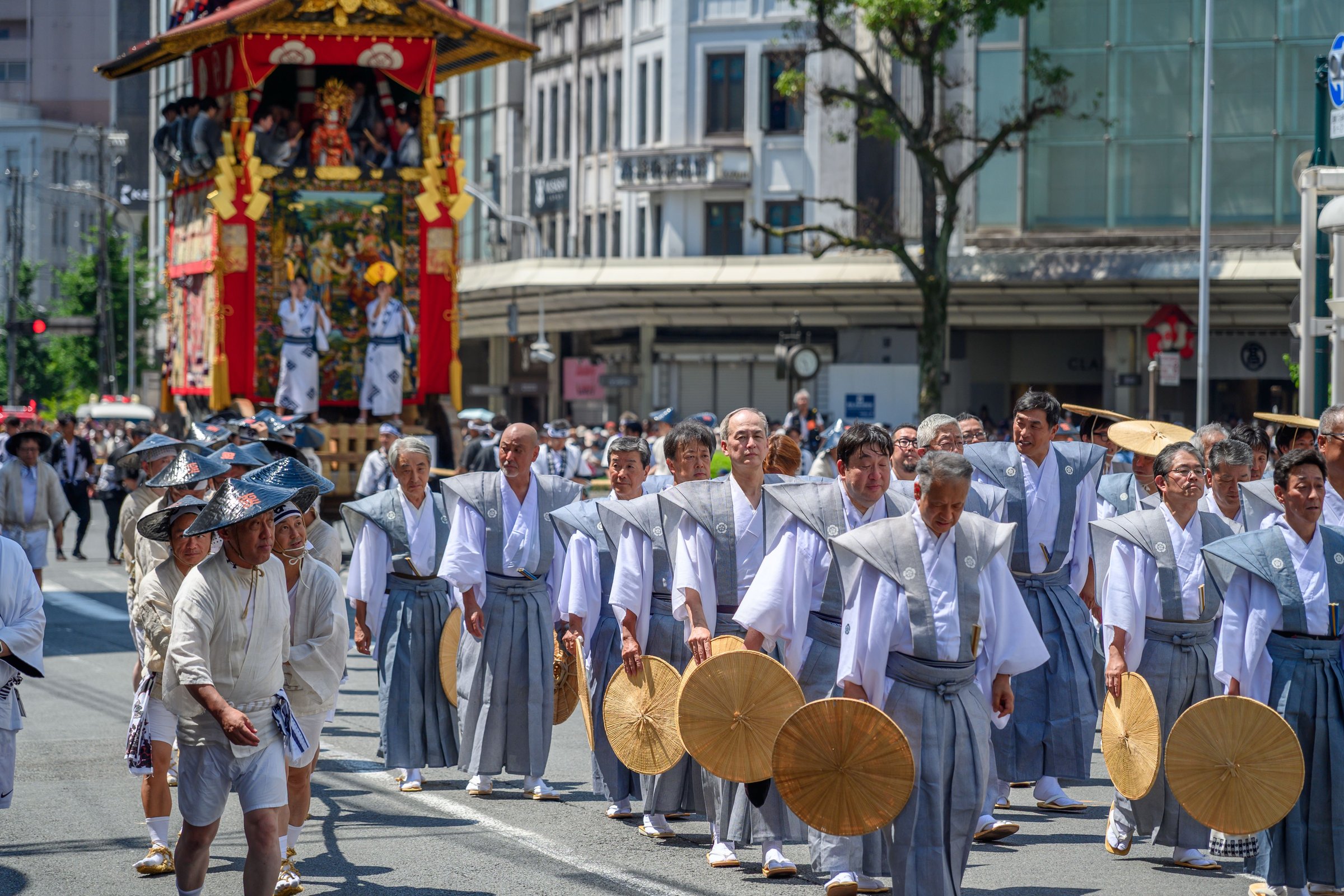
Culture in Japan isn't only in the landmarks. Fushimi Inari and Senso-ji are worth seeing, but a tea ceremony, a night in a ryokan, or an early walk through Kyoto before it wakes up usually tells you more. Festivals run through the year in every region, and they're taken seriously, not staged for visitors.
Travenza tip: If culture is the priority, give Kyoto at least three nights. That's roughly what it takes to see past the landmarks.
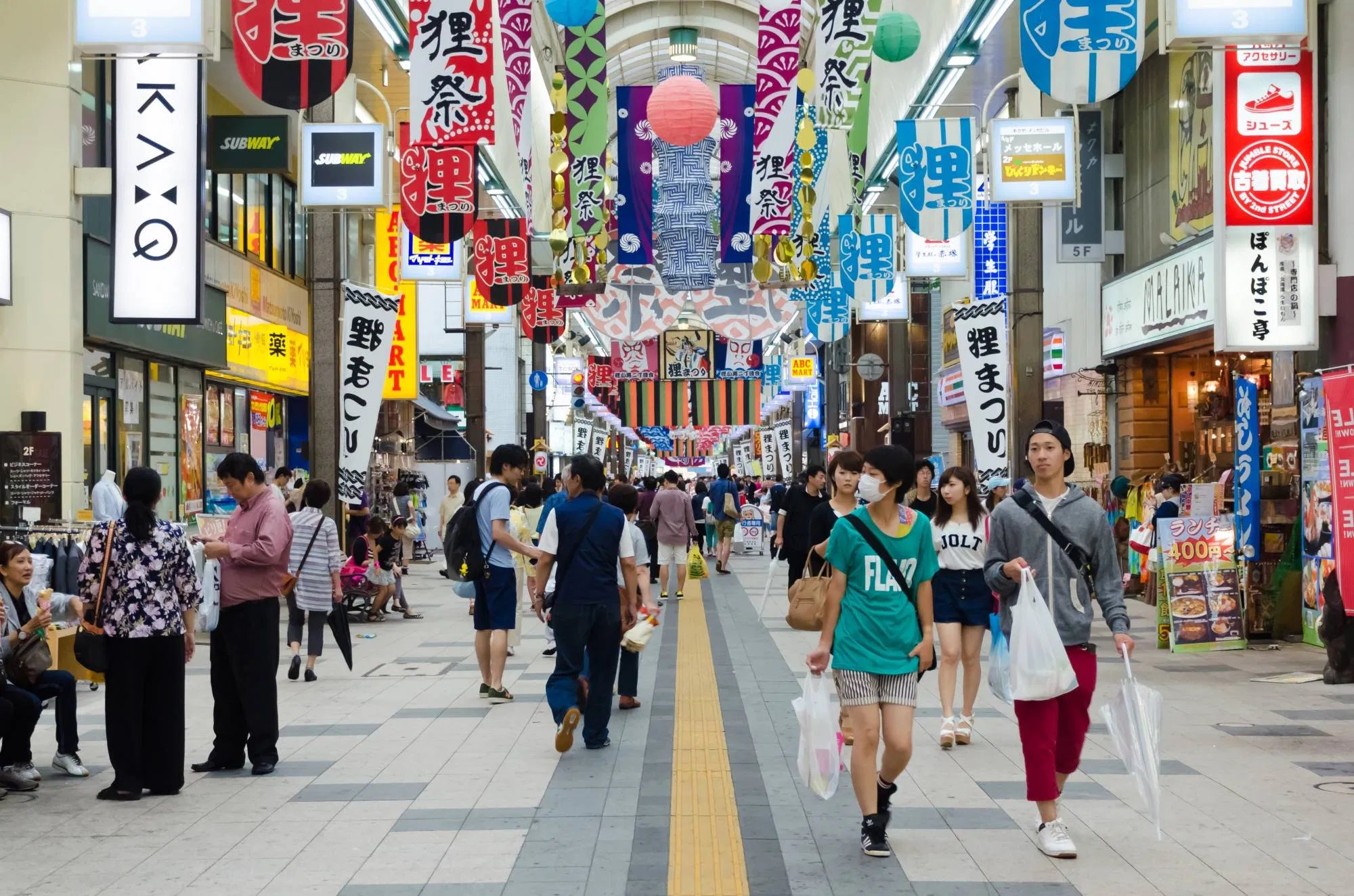
Shopping here is worth doing slowly. Ginza has the flagship stores, Omotesando the independent designers, Kyoto the craft shops that have been open for centuries. Look for handmade knives, ceramics, matcha, skincare, denim. The craftsmanship is real, not marketing. Tokyo is best for luxury and vintage. Osaka is better value. Okinawa has its own pottery and textiles.
Travenza tip: Shop toward the end of the trip. By then you'll know what's actually worth bringing home instead of buying on impulse in week one. Try things on before you buy.
Frequently Asked Questions
Yes. It's safe, clean and well organised. This is about as easy as international travel gets, with a solid mix of culture, cities and nature.
For a first trip, 9–11 days works well. This is enough for Tokyo, Hakone, Kyoto and Osaka without rushing. Add Hokkaido, Kyushu or Okinawa and stretch it to 12–15 days.
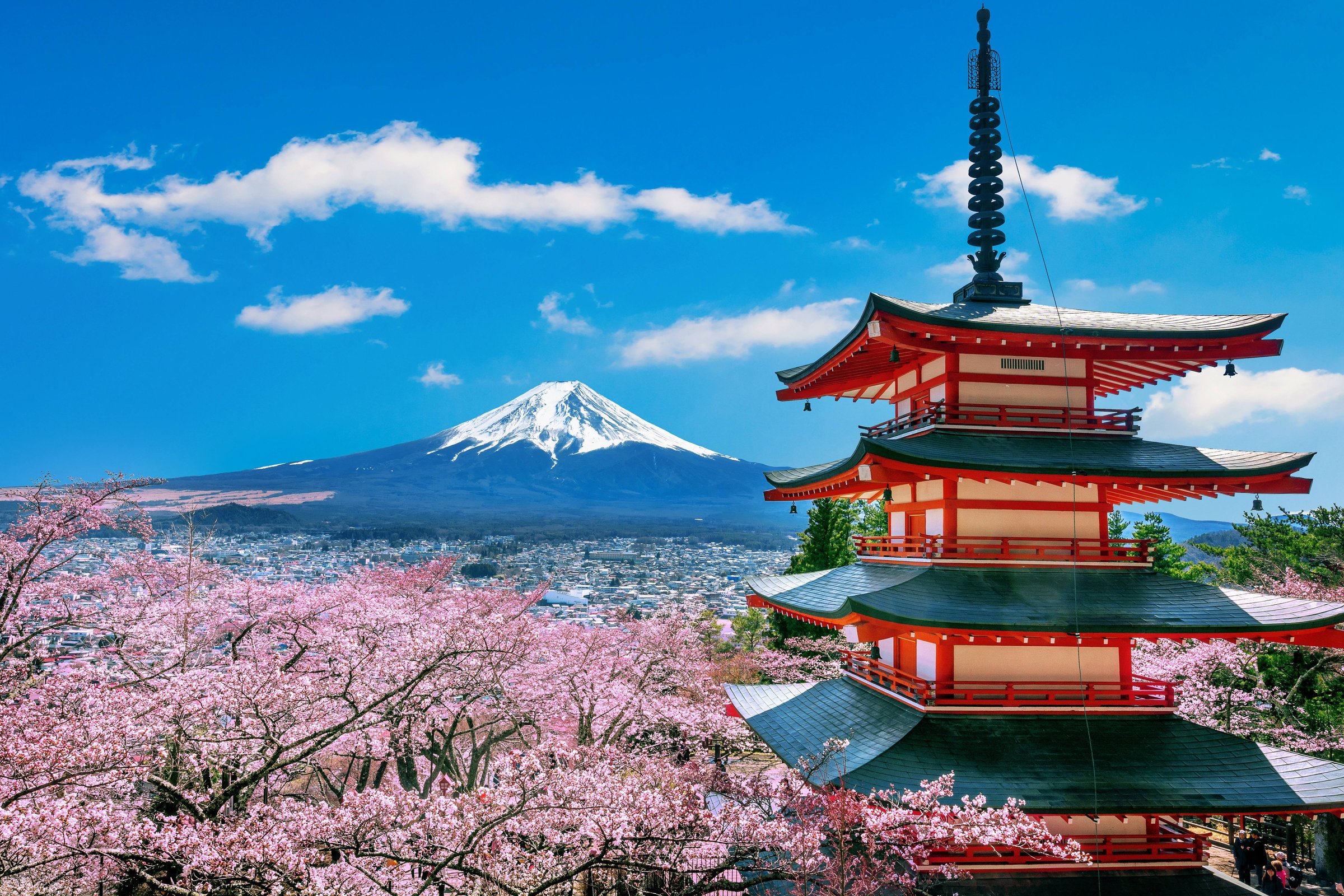
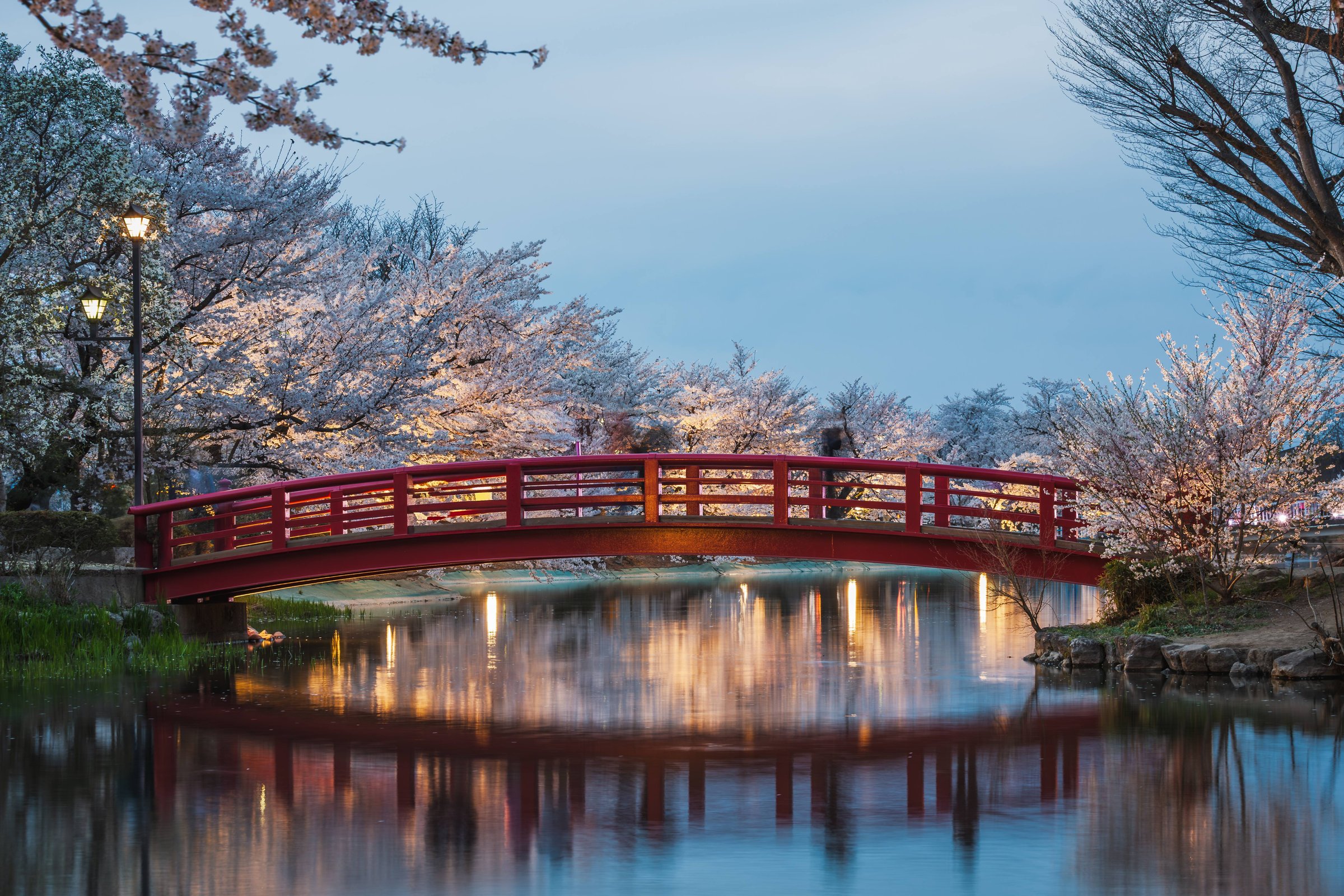
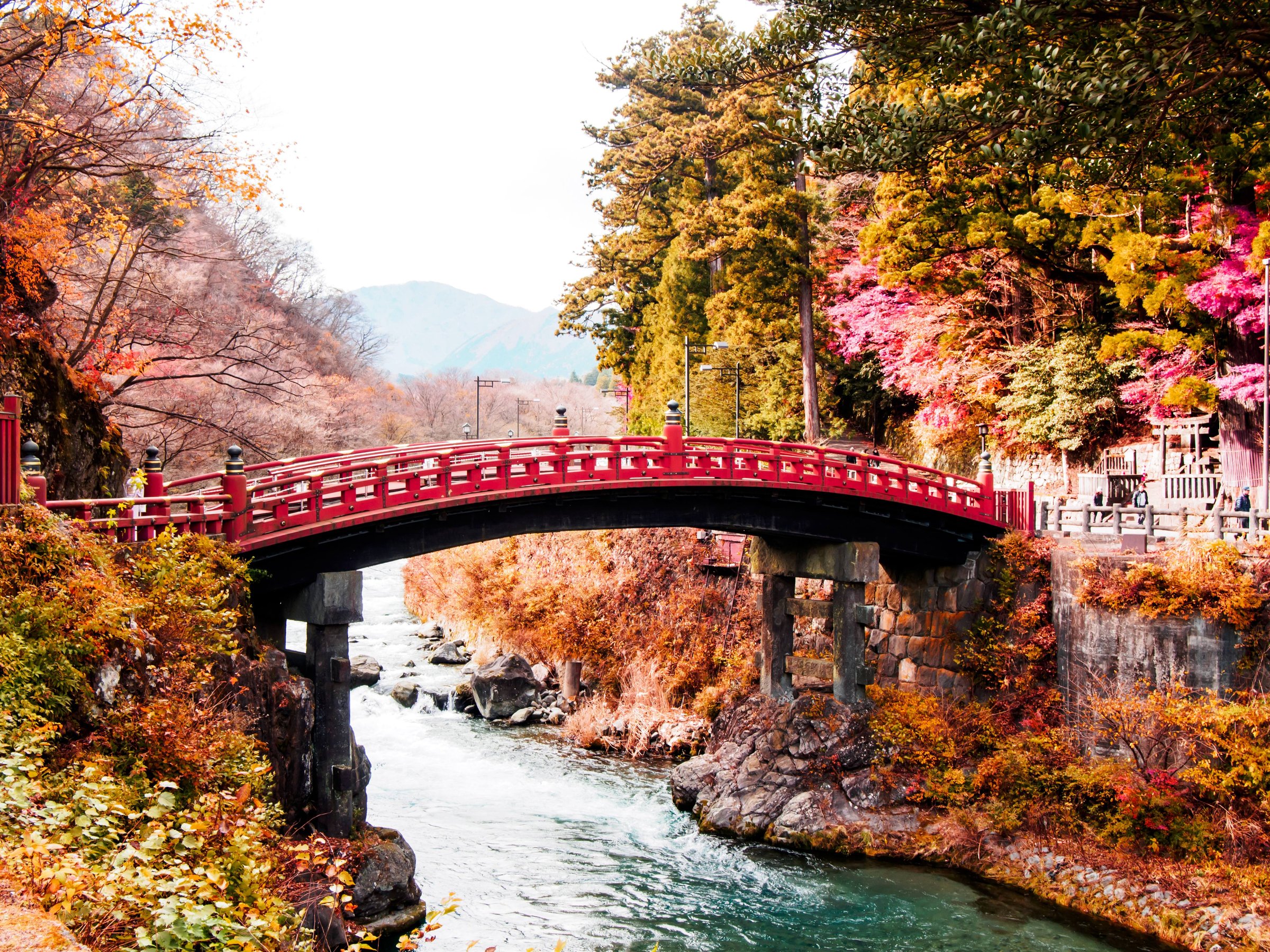
Depends what you're after. Spring for blossoms, autumn for foliage, winter for skiing and onsens, summer for festivals and Hokkaido.
Yes. Safe cities, reliable transport, theme parks, and a country that works well for kids of any age.
Yes. Ryokans, private onsens and good food, all within easy reach of each other. Works well for honeymoons and anniversaries.
Yes, especially in Tokyo, Kyoto and Osaka, where vegetarian and vegan options have grown a lot in recent years.
Not always. Since the price changes, individual tickets can work out cheaper depending on your route. We check this per itinerary.
Depends on season, duration, hotel category and style. As a rough guide, a well-planned 9–11 day trip in good 4- and 5-star hotels starts around ₹3.5–₹4.5 lakh per couple, excluding flights. Luxury ryokans and private experiences push this higher.
In hotels, stations and tourist areas, yes. Less so in smaller towns. We share practical apps and tips before you leave so this isn't an issue.
Yes, every trip is built around what you want, whether that's adding Disneyland, extending Kyoto, including Okinawa, or planning around a celebration.
Ready to go?
Share your dates, group size and interests, we will craft a bespoke itinerary within 48 hours. No obligations.