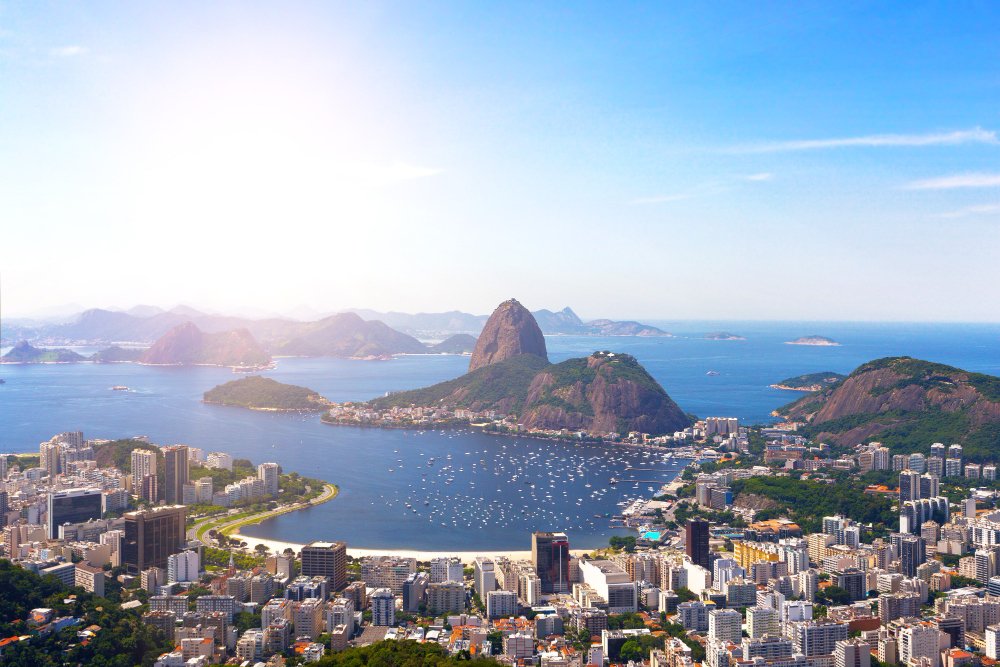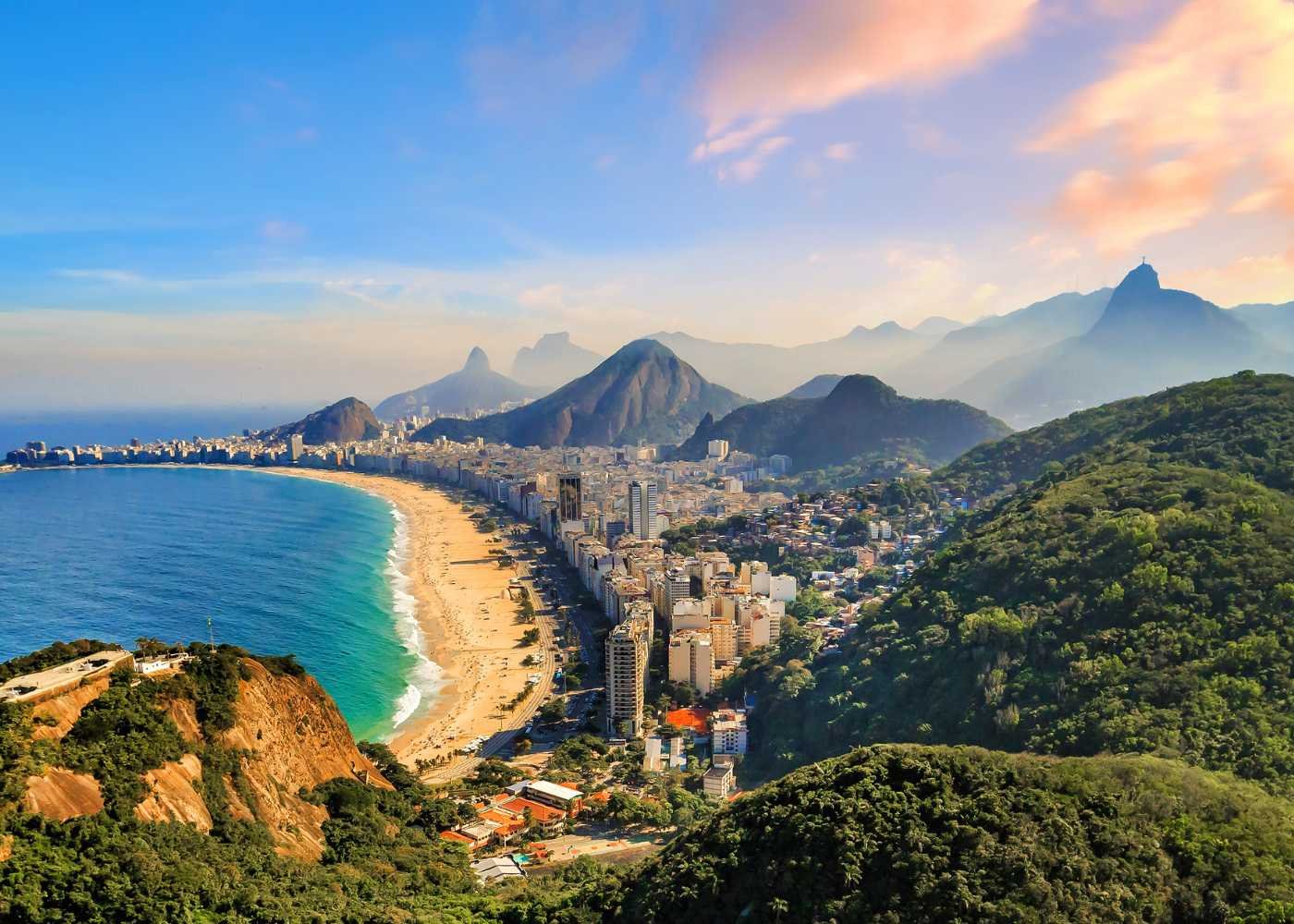
Americas · South America
Brazil Travel Guide
Carnival rhythm, Amazon wilderness and waterfalls that shake the earth
Carnival rhythm, Amazon wilderness and waterfalls that shake the earth
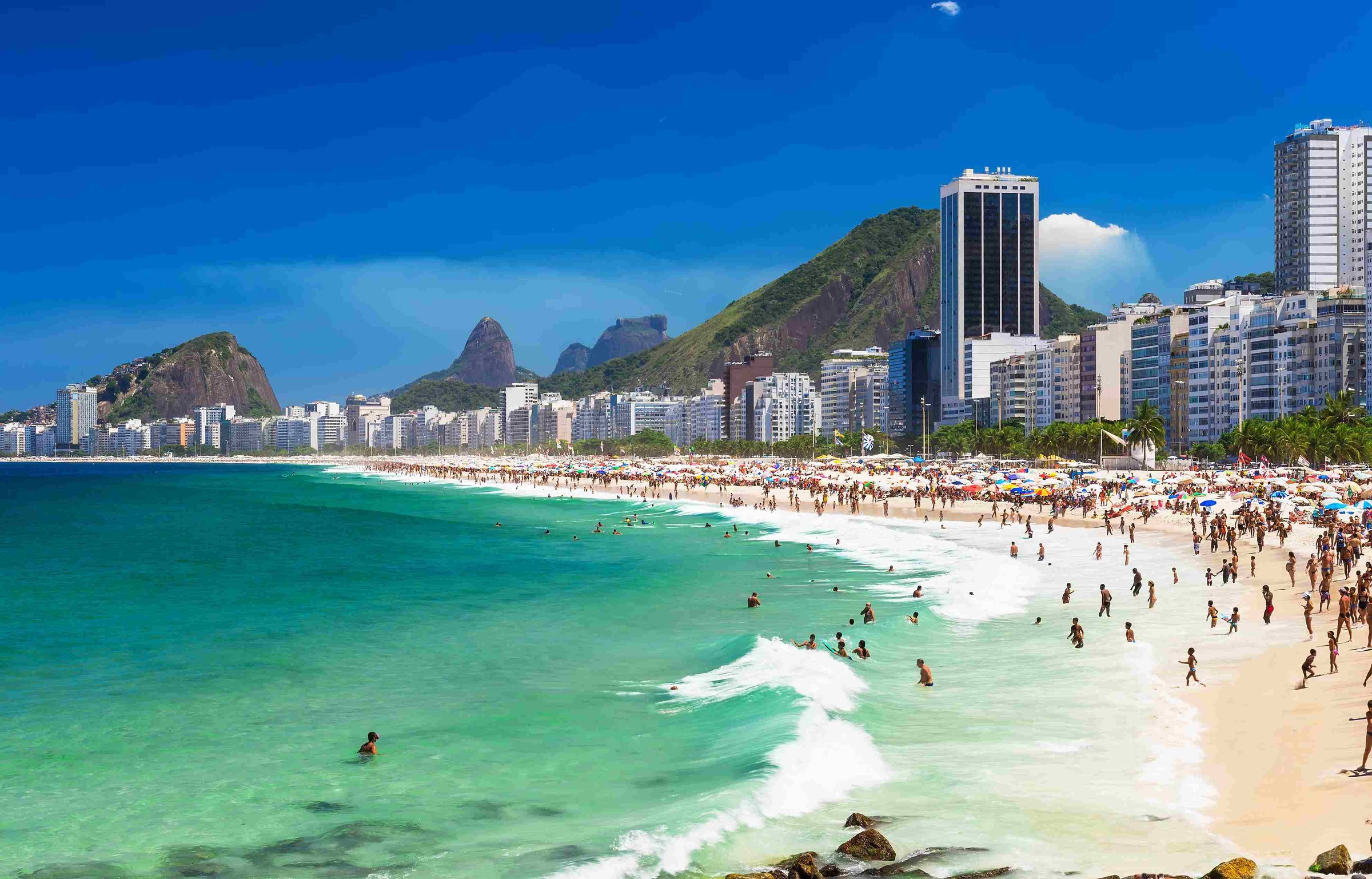
Brazil runs on warmth that shows up loudly and immediately , a Rio local who'll strike up a conversation on the beach within minutes, a Salvador drummer who pulls you into a street rehearsal without much ceremony. That openness carries through the whole country.
Brazil's distances are real, and a rushed itinerary trying to fit Rio, Iguazu and the Amazon into ten days usually means more time in transit than at the places worth the flight. We build every Brazil trip around two or three regions done properly, sequenced by real flight times.
We've been building itineraries since 2013. Not templates, routes built around how you like to travel. We pick the region before the itinerary, and we'll tell you when trying to cover too much isn't worth the transit time. If we wouldn't book it for our own family, we won't book it for you. This is our travel guide to Brazil. You can find our opinions on what places to include, what time to visit, how long your visit should be and more.
Curated Journeys
Getting the mix of city, falls and rainforest right matters more than trying to cover everything. Here's what each stop delivers.
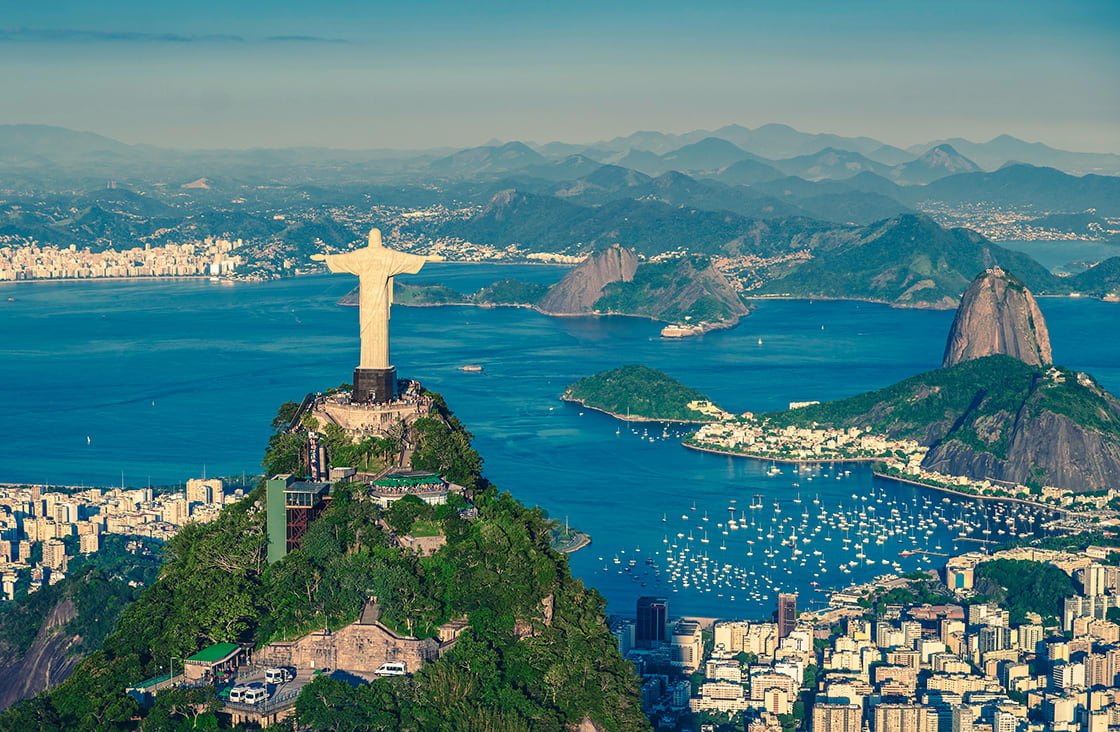
Christ the Redeemer is a colossal statue atop a mountain offering panoramic views of the city,…
Read More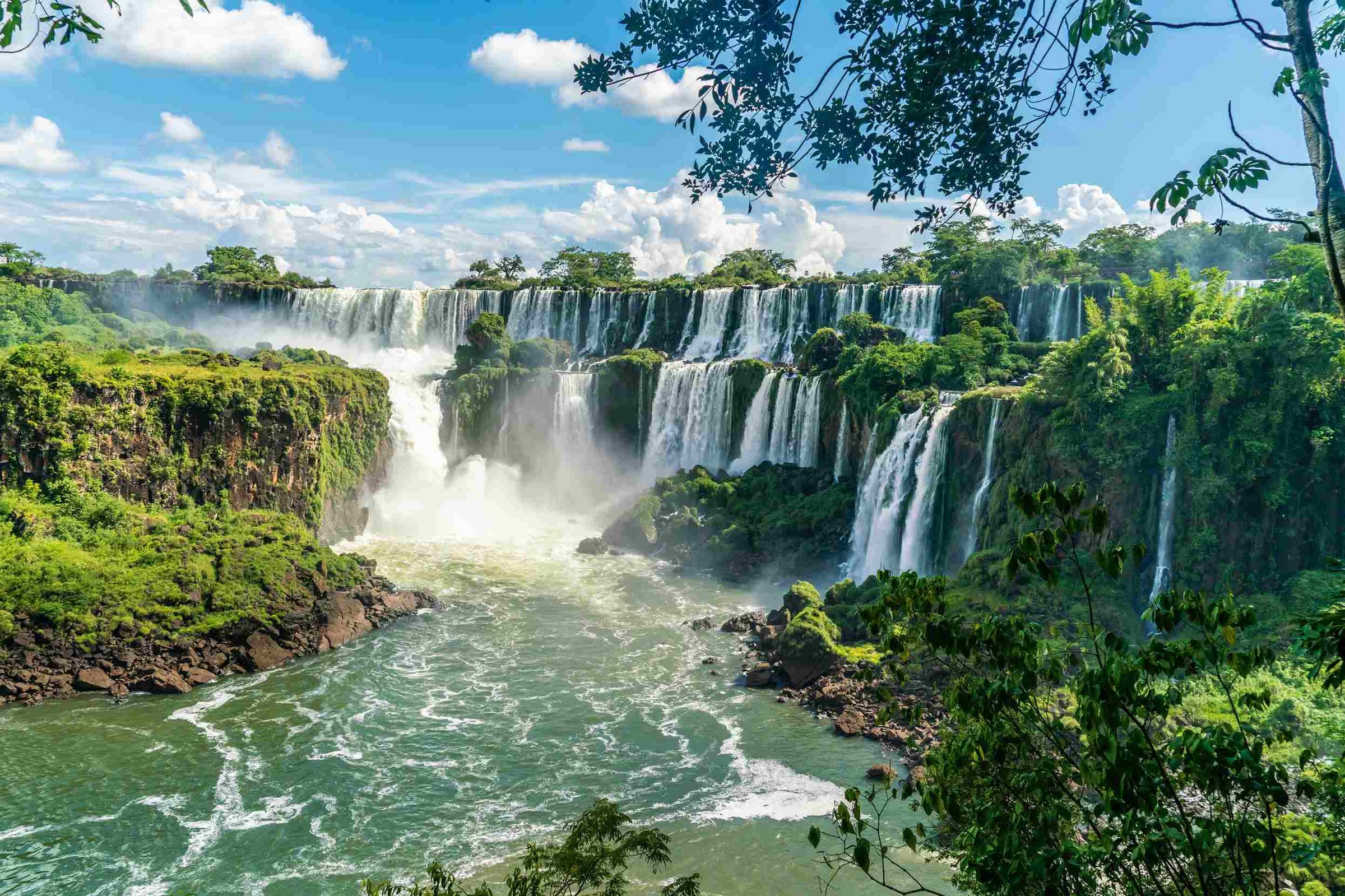
Brazilian side walkway views is a scenic pathway offering panoramic vistas of the entire waterfall system…
Read More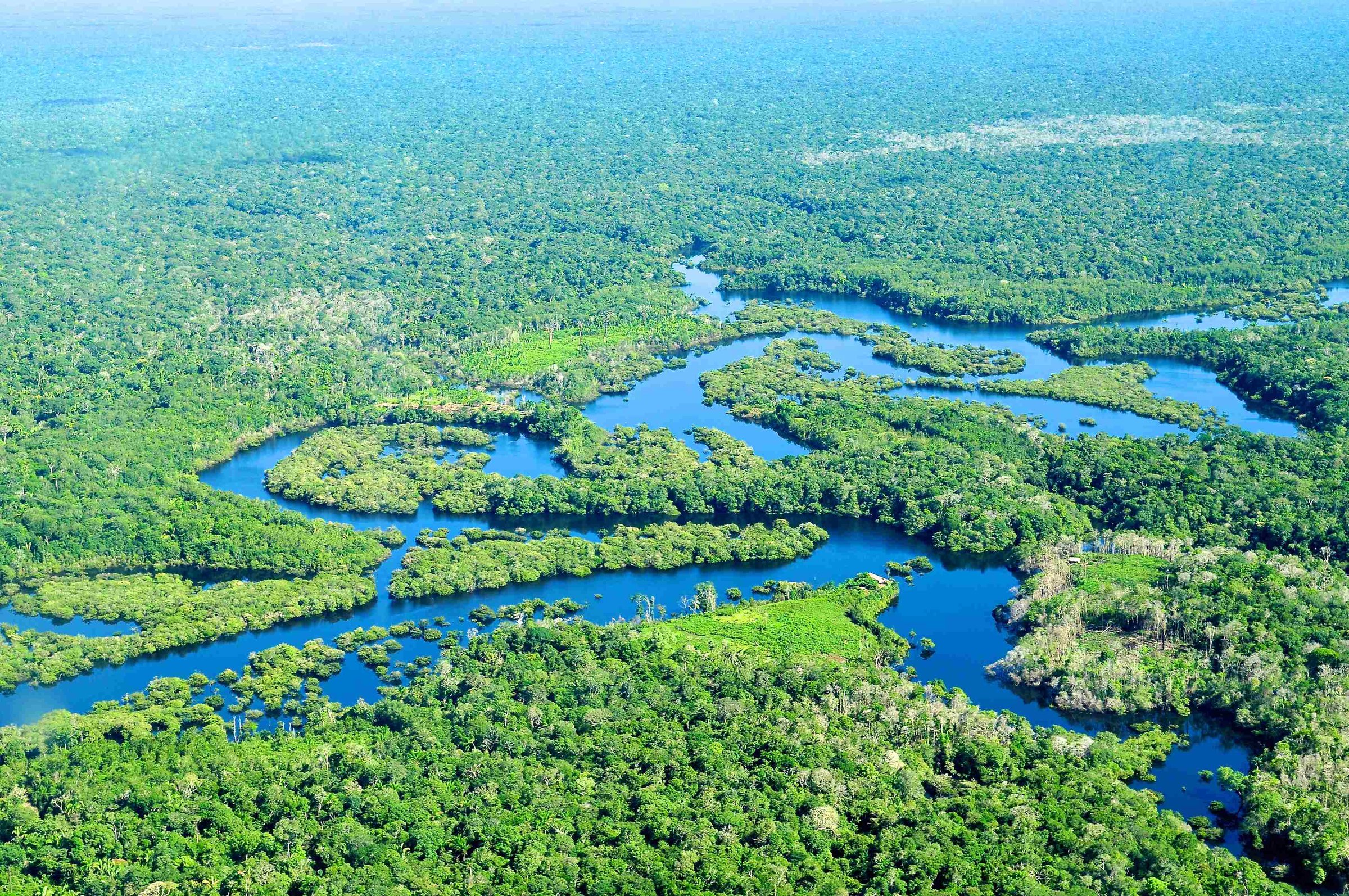
Jungle lodge stay is residing in a rainforest lodge immersed in the ecosystem with guided nature…
Read More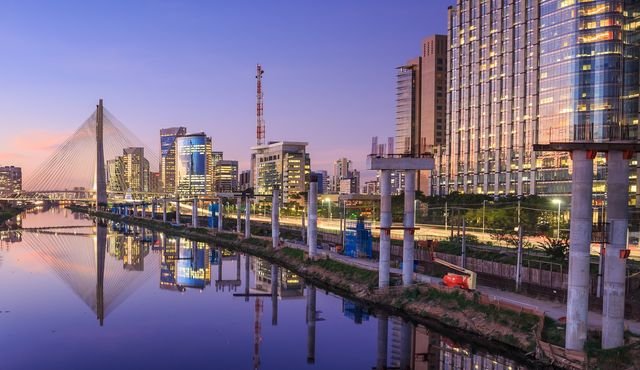
Avenida Paulista is a famous avenue lined with museums, galleries, shops, and restaurants representing modern São…
Read More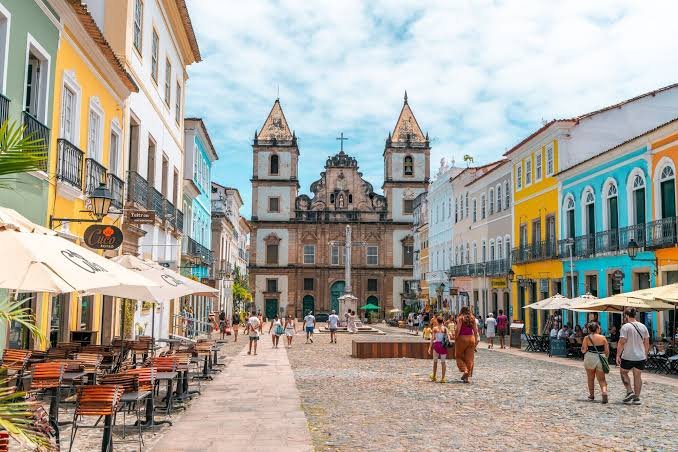
Pelourinho historic centre is a colorful colonial district with pastel buildings, cobblestone streets, and African-influenced Bahian…
Read More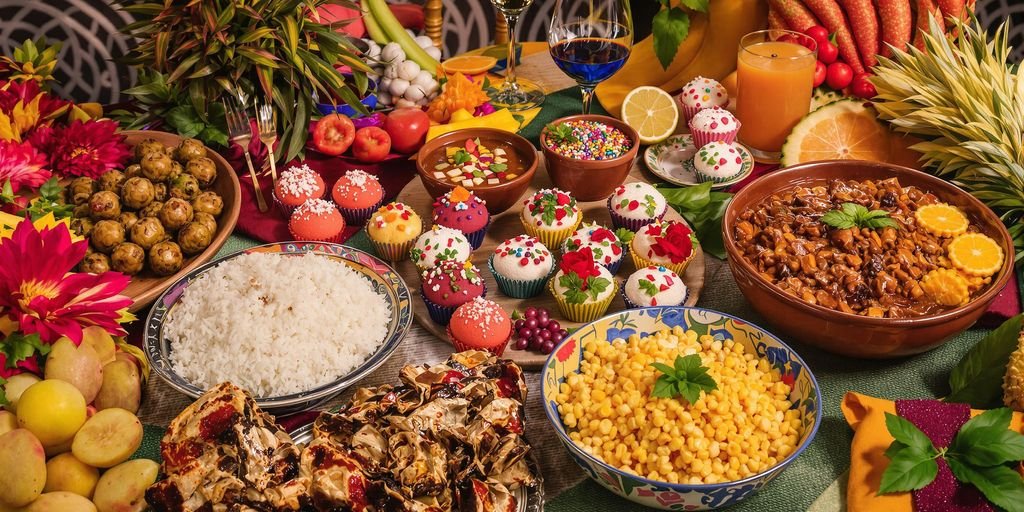
A proper churrascaria, Brazilian barbecue served tableside off skewers, is worth experiencing at least once from a kitchen that takes the cuts seriously. Feijoada, a black bean and pork stew, is close to a national dish, traditionally eaten on Saturdays. Bahian food in Salvador leans on coconut milk, palm oil and West African influence, distinct from anywhere else in the country.
Quick tip: Try açaí the way Brazilians actually eat it , savoury-adjacent and unsweetened, not the sugary dessert bowl sold internationally.
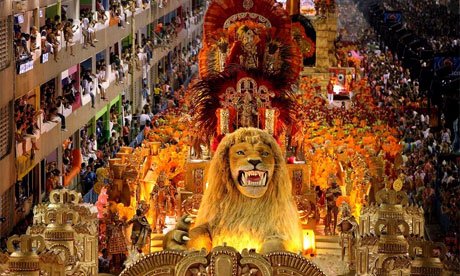
Brazil's culture runs on rhythm more visibly than almost anywhere else , samba, capoeira and Carnival aren't performed for tourists so much as lived daily, particularly in Rio and Salvador. Afro-Brazilian heritage, especially strong in Bahia, shapes the country's music, food and religious traditions in ways a quick city tour rarely captures.
Travenza tip: If your dates don't align with Carnival, ask about a smaller samba school rehearsal in Rio , considerably more accessible and just as genuine an introduction to the tradition.
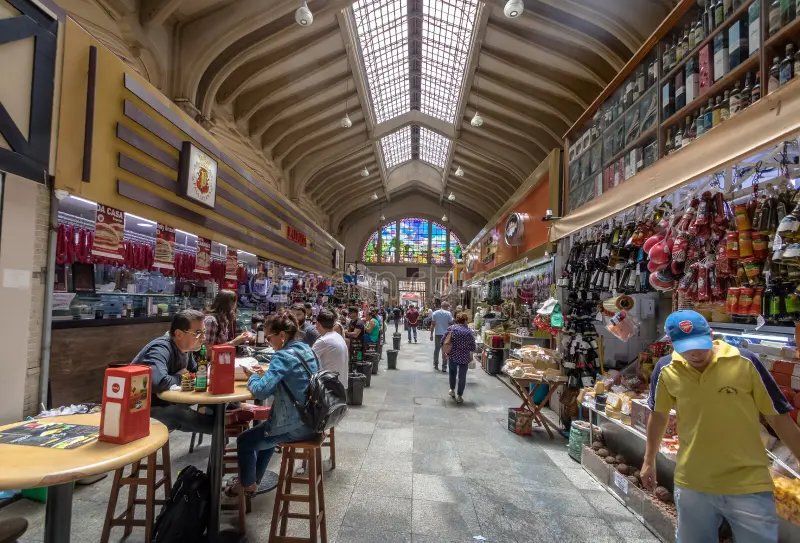
Brazilian gemstones, particularly amethyst and tourmaline, are worth buying from an established jeweller rather than a street stall. Havaianas flip-flops are considerably cheaper and better made locally than the export version sold abroad. Handicrafts from the Amazon region, bought through a proper cooperative, support indigenous communities directly.
Travenza tip: Buy gemstones with a certificate of authenticity from a registered dealer , quality and pricing both vary widely at informal markets.
Frequently Asked Questions
Yes , Rio and Iguazu Falls are both well set up for tourism, though Portuguese is more useful than English outside the main tourist areas.
9–11 days for a first trip, covering Rio, Iguazu Falls and the Amazon; 12–14 to add Salvador.
May to September offers the most comfortable weather for Iguazu Falls and the Amazon.
Yes , Argentina connects naturally, particularly since Iguazu Falls sits on both countries' borders.
Yes , Rio's beaches and Iguazu Falls' walkways both hold every age's attention well.
Yes , a boutique Amazon lodge and a Fernando de Noronha beach finish work well together for a trip with real range.
Yes, increasingly well in Rio and São Paulo, though traditional regional cooking leans heavily on meat.
Most Indian travellers need a visa arranged in advance.
A well-planned 9–11 day trip in good hotels and lodges starts around ₹3–4 lakh per couple, excluding flights.
Yes , every trip is built around what you want.
Ready to go?
Share your dates, group size and interests, we will craft a bespoke itinerary within 48 hours. No obligations.