Asia Pacific · Southeast Asia
Laos Travel Guide
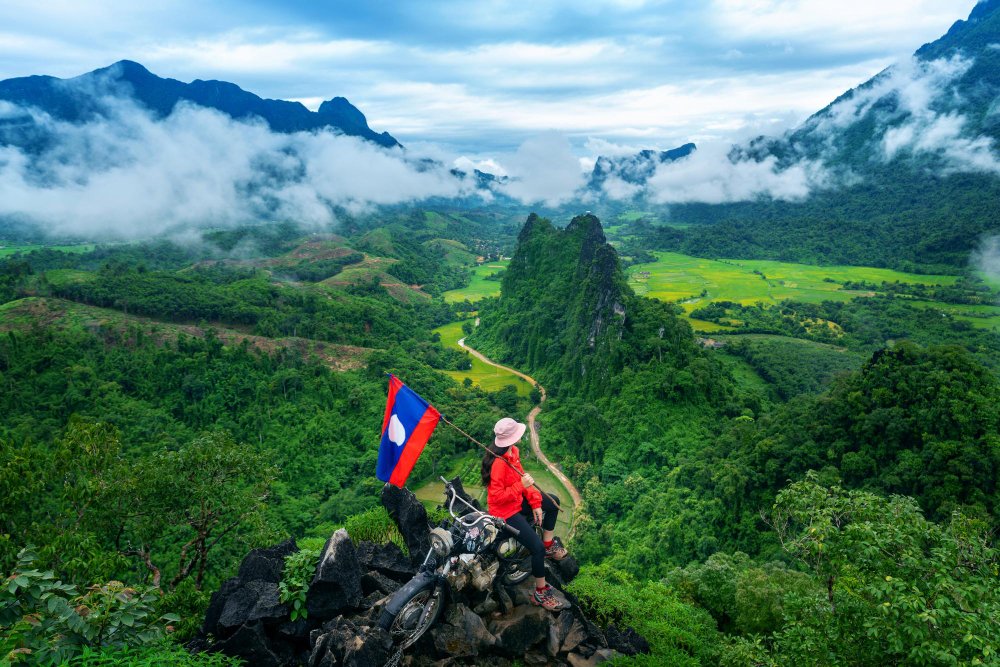
Misty mountains, golden temples and a beautifully slower pace of life.
Misty mountains, golden temples and a beautifully slower pace of life.
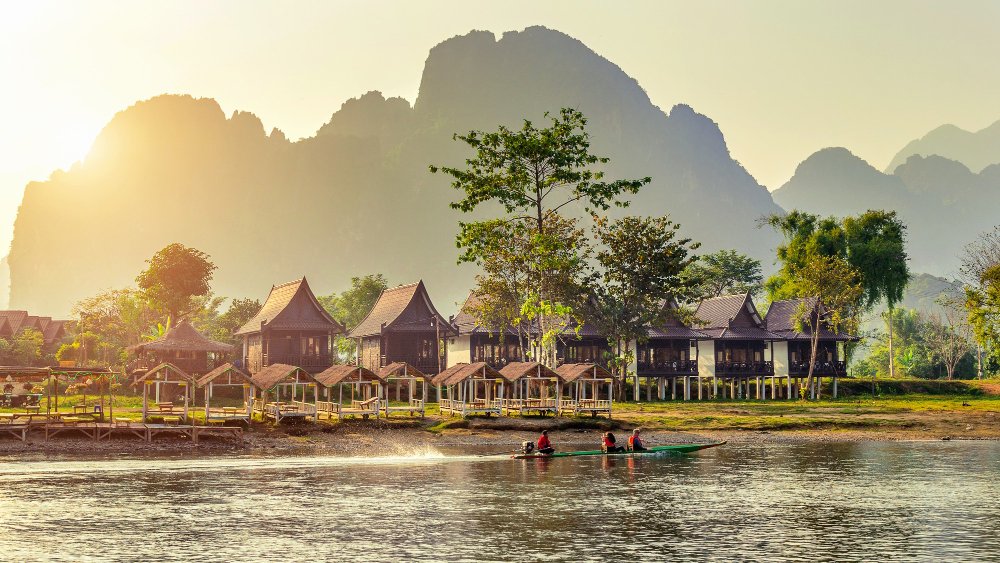
Laos runs on a stillness that's increasingly rare in this part of the world. A guesthouse owner who sits down and talks rather than just checks you in. A boat driver who cuts the engine so you can hear the river properly. That same unhurried quality shows up in a boutique riverside hotel as easily as it does in a village homestay, and it's usually what guests mention first when they're back.
It also asks you to slow down more than most itineraries are built for. Laos isn't a country to rush, the roads are slower than neighbouring Thailand or Vietnam, and that's largely the point. A good trip and a great one rarely differ by how many towns made the list. They differ by how much time you actually had in each one.
We've been building Southeast Asia itineraries since 2013, and Laos is where we send guests who want the region without the crowds. Not templates, routes built around how you like to travel. We pick the pace before the itinerary, and we'll tell you when something isn't worth your time. This is our travel guide to Laos. You can find our opinions on what places to include, what time to visit, how long your visit should be and more.
Curated Journeys
Alms-giving ceremony is an early morning ritual where Buddhist monks collect alms from locals and tourists.…
Read More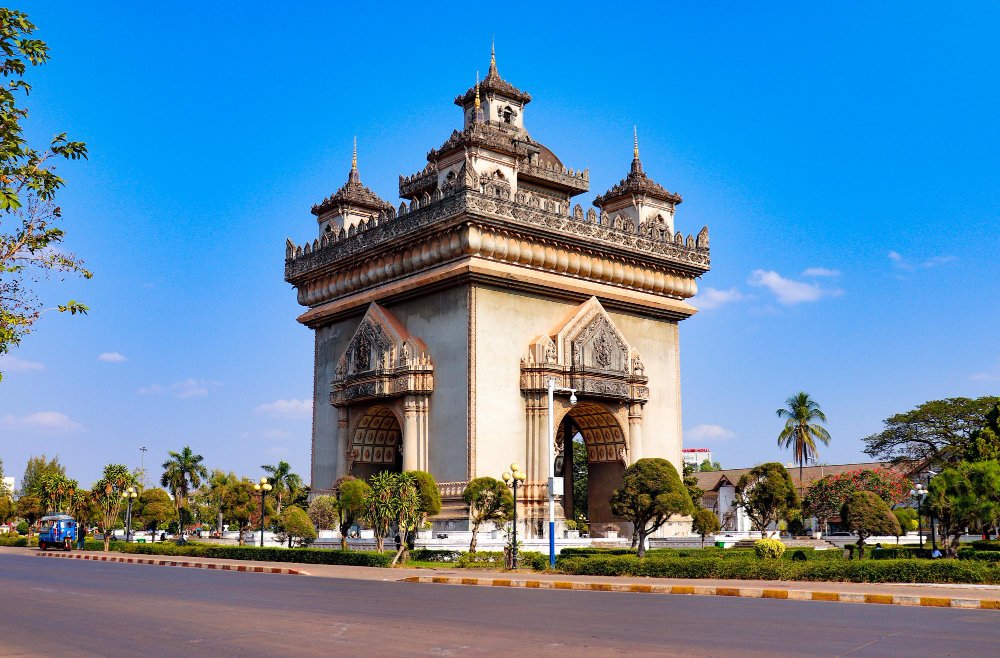
Pha That Luang is a massive golden stupa and national symbol of Laos with religious significance.…
Read More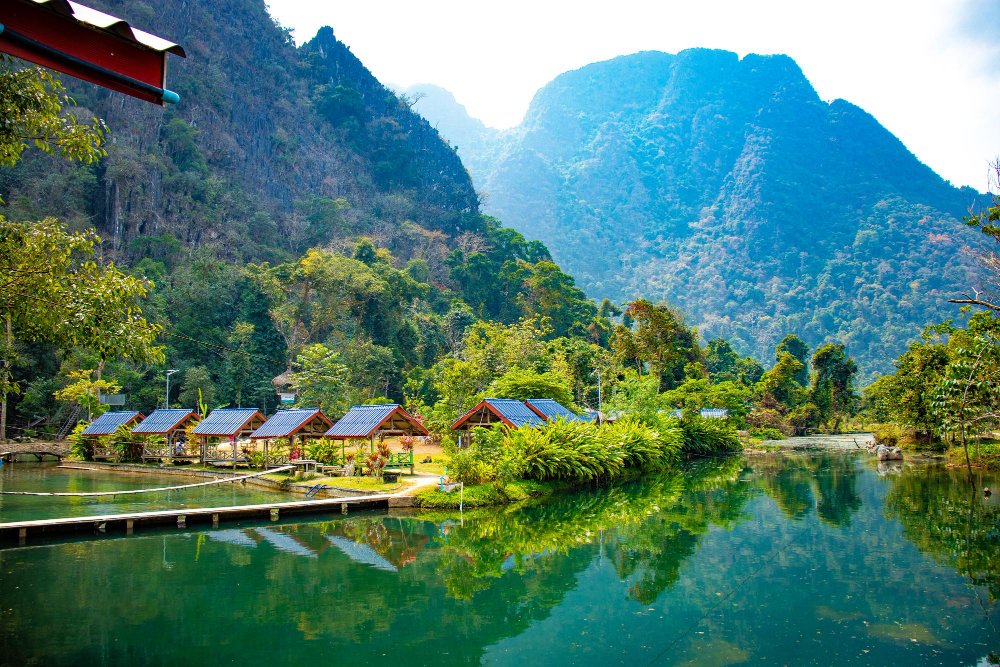
Nam Song River tubing & kayaking allows you to float or paddle down the river with…
Read More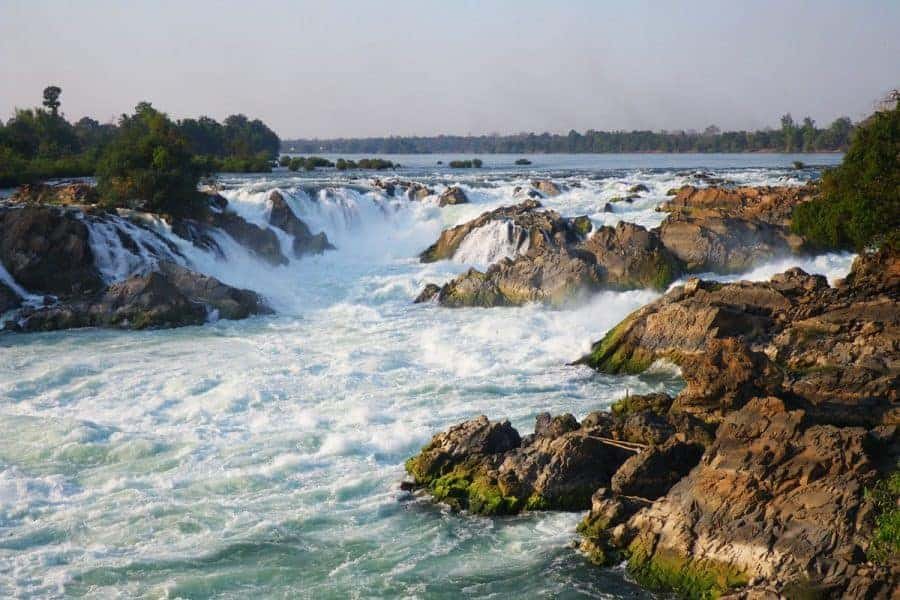
Irrawaddy dolphin watching is an early morning boat trip to spot rare freshwater dolphins. Khone Phapheng…
Read More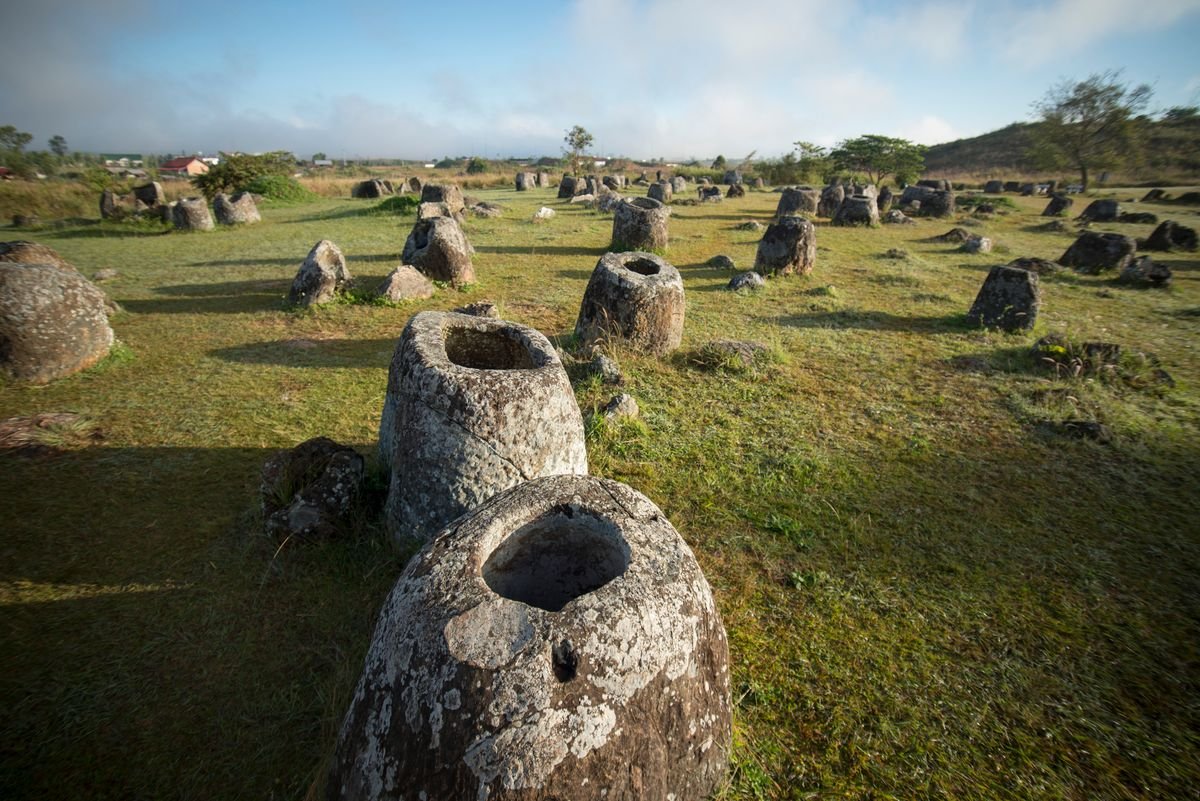
Site 1 is the largest jar cluster with hundreds of ancient stone jars scattered across a…
Read More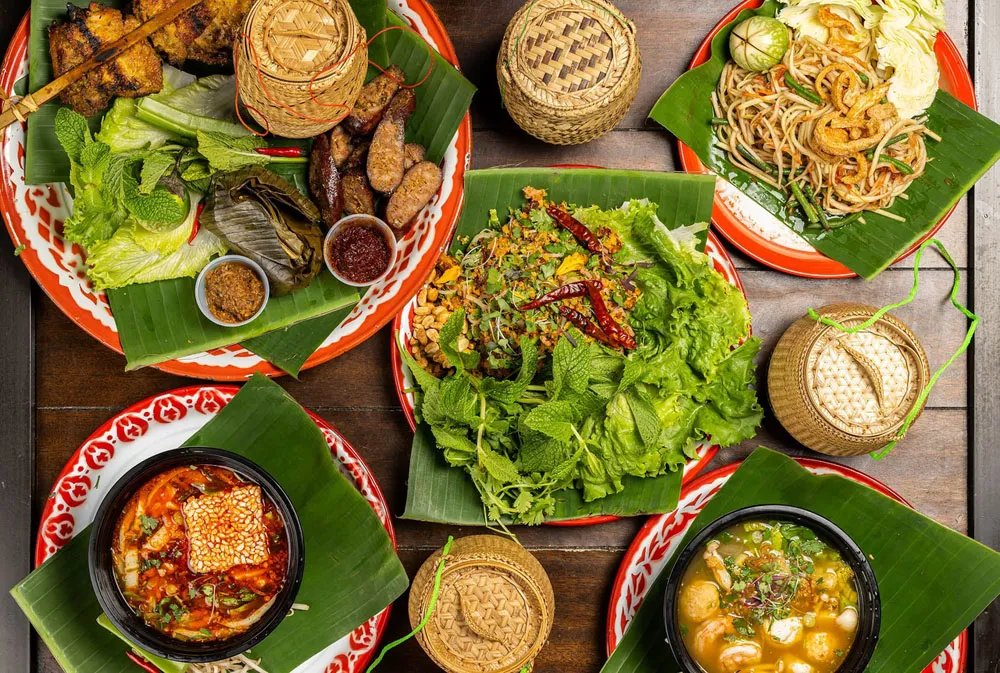
Food is usually what people talk about most when they get back, and Laos does it quietly compared to its neighbours. Laap, a minced meat salad built on herbs, lime and chilli is close to a national dish and worth trying properly, not as a rushed side order. Sticky rice comes with almost everything, eaten by hand. Luang Prabang's night market food stalls and its small French-Lao fusion restaurants both deserve an evening.
One thing worth knowing. Lao food shares ingredients with Thai cooking but leans more herbal and less sweet. It's its own cuisine, not a variation on a neighbour's. We don't pick restaurants by reputation, we pick them based on what you actually want, whether that's a tasting menu, a night market crawl, or a home-cooked meal at a village homestay.
Quick tip: Try Lao coffee, grown in the southern highlands. It's some of the best in the region and rarely gets the attention it deserves outside the country.
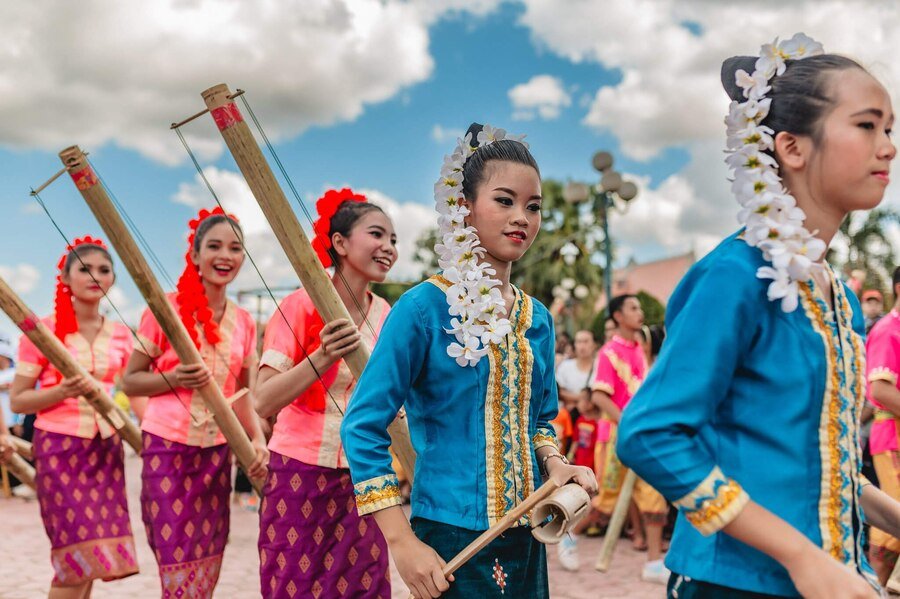
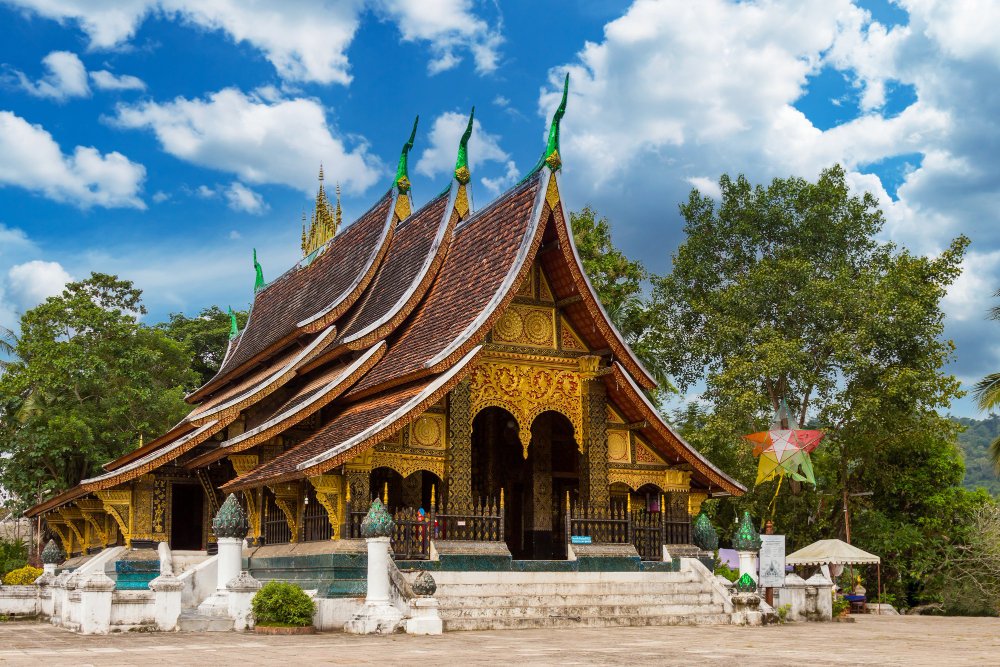
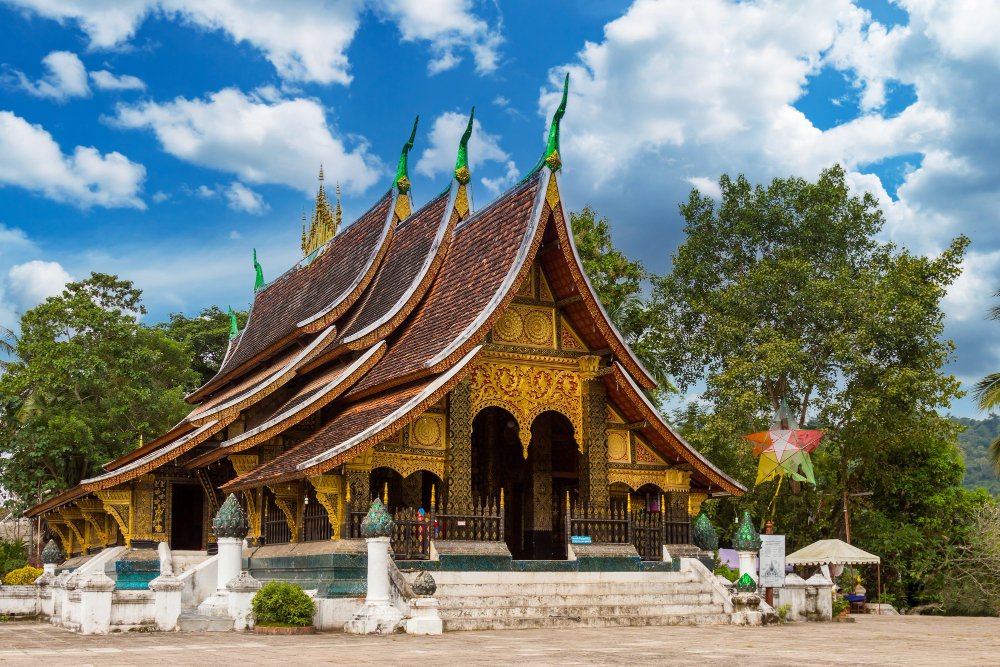
Culture in Laos isn't only in the temples. Wat Xieng Thong is worth seeing, but the alms-giving ceremony at dawn, a village visit along the Mekong, or an evening at a local market usually tells you more. Theravada Buddhism shapes daily life here in a way that's visible everywhere, not staged for visitors, it's simply how the country runs.
Travenza tip: If you take part in the alms-giving ceremony, buy your offerings from a local vendor rather than a hotel package, and follow a guide's lead on the etiquette. It matters more here than in most places we send guests.
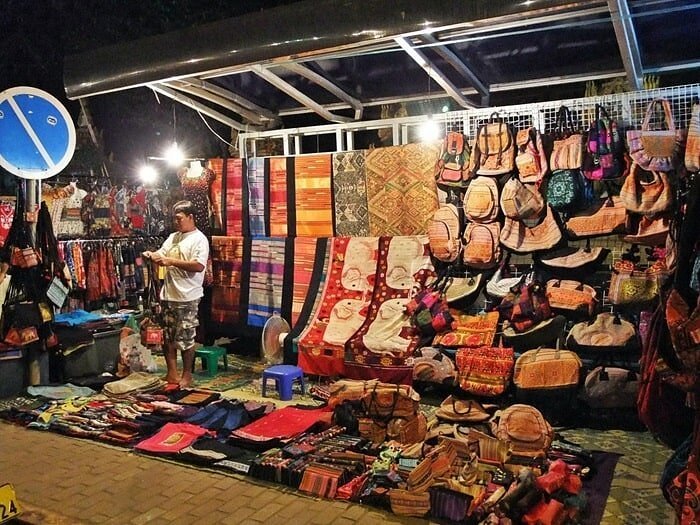
Shopping here is understated compared to its neighbours, and that's part of the appeal. Luang Prabang's night market is the best single stop. Handwoven textiles, silverwork and Hmong embroidery, much of it made by the sellers themselves. Vientiane's Talat Sao morning market covers a broader mix, from local goods to everyday essentials.
Travenza tip: Bargaining is expected but should stay gentle here. Laos doesn't have the more aggressive market culture of some neighbouring countries, and a fair offer is usually accepted quickly.
Frequently Asked Questions
Yes, particularly for travellers who've already done a busier Southeast Asian destination and want something quieter. It's safe and welcoming, though infrastructure is more basic than neighbouring Thailand or Vietnam.
For a first trip, 7–9 days works well. This is enough for Luang Prabang and Vang Vieng without rushing. Add the 4000 Islands and stretch it to 10–12 days.
Cool season (November–February) is the most reliable for weather. Hot season suits guests chasing lower rates. Green season brings the waterfalls to their fullest, with some rural road disruption possible.
Yes, especially for families who prefer a slower pace. Waterfalls, elephant sanctuaries and river boats all work well, though it suits children aged 5 and up better than very young kids given the travel times.
Yes, private riverside villas, Mekong sunset cruises and a pace that stays unhurried throughout make it one of the quieter, more intimate honeymoon options in the region.
Yes, though options are more limited outside Luang Prabang and Vientiane. We flag this early and build the food itinerary around it.
Most Indian travellers can get a visa on arrival or apply for an e-visa in advance. We confirm the latest requirements and help with documentation before you travel.
Depends on season, duration, hotel category and style. As a rough guide, a well-planned 7–9 day trip in good 4- and 5-star hotels starts around ₹1.3–₹1.8 lakh per couple, excluding flights.
Limited outside hotels and tourist areas. We provide an English-speaking guide for most itineraries, since this is one of the bigger adjustments for first-time visitors here.
Yes, every trip is built around what you want, whether that's adding the 4000 Islands, extending Luang Prabang, including a village homestay, or planning around a celebration.
Ready to go?
Share your dates, group size and interests, we will craft a bespoke itinerary within 48 hours. No obligations.