Europe · Western Europe
Portugal Travel Guide
Portugal moves slower than its bigger neighbour, and it's built that way on purpose.
Portugal moves slower than its bigger neighbour, and it's built that way on purpose.
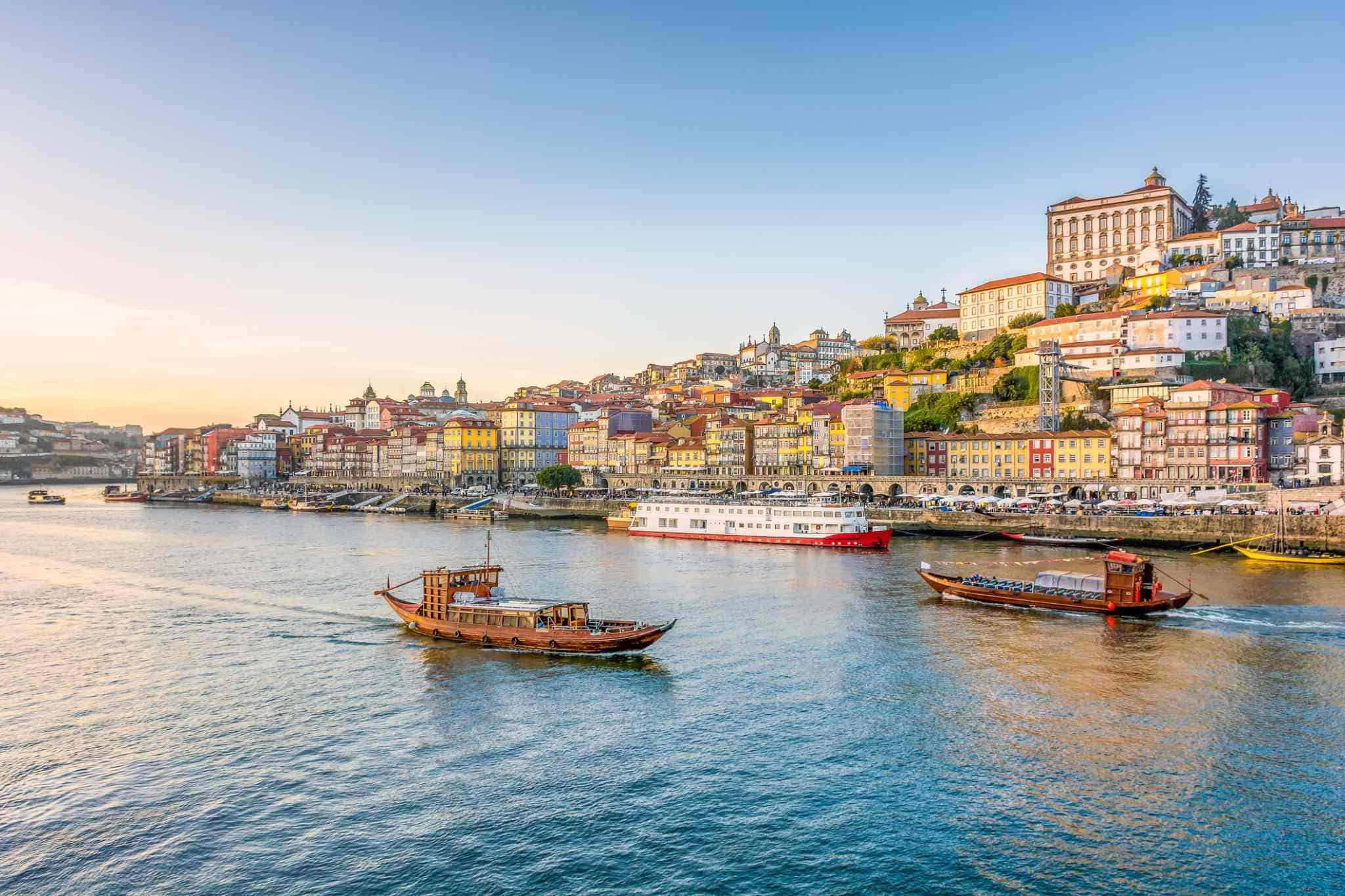
Portugal's hospitality doesn't announce itself. A tasca owner brings out whatever's good that day, unasked. That quiet warmth carries through the whole country, and it's usually what guests mention first when they're back.
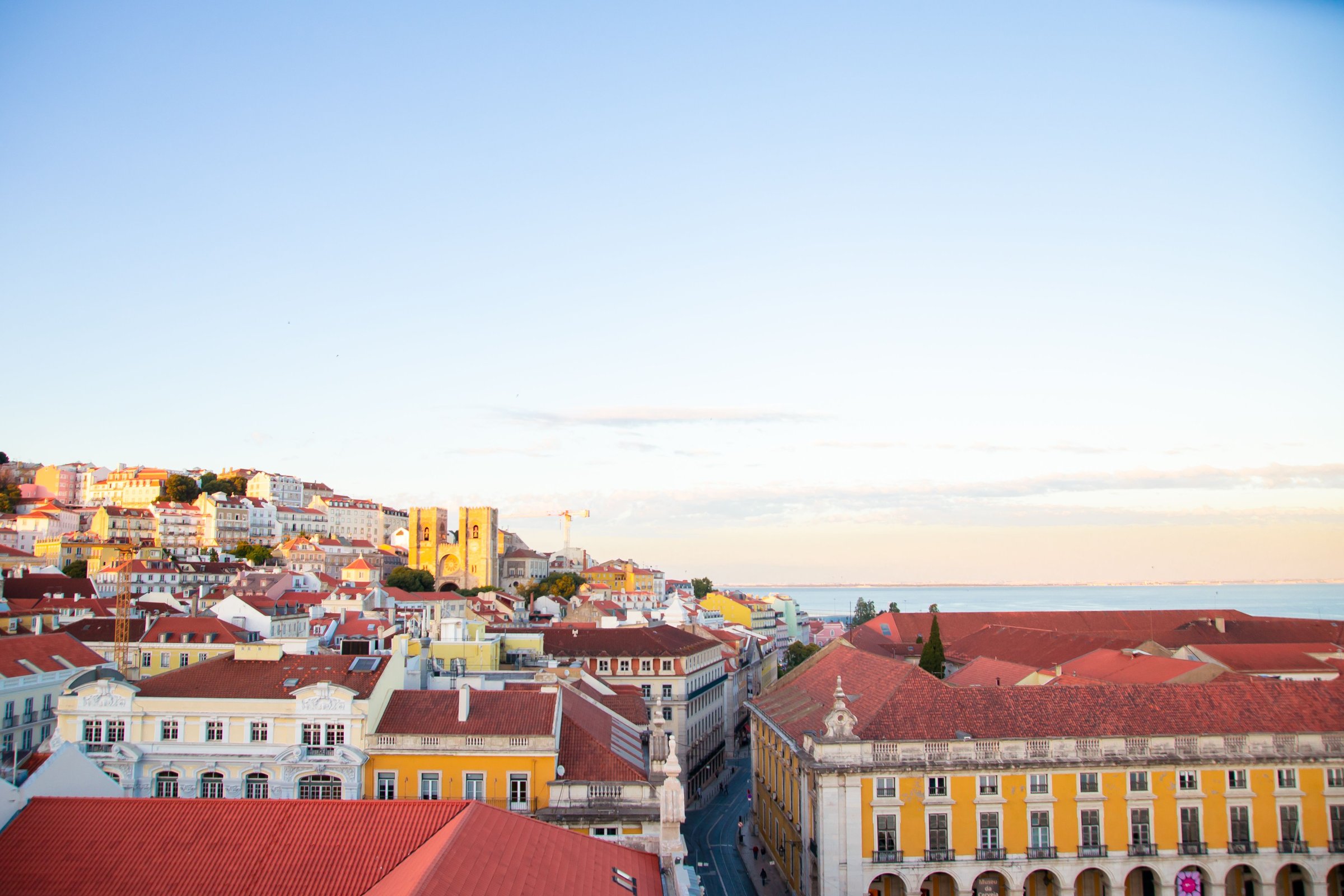
We build Portugal itineraries around fewer stops and more time in each. A Lisbon neighbourhood picked for its hills and views, a Douro Valley lunch that's allowed to run long. If a stop feels like filler, we'll say so.
We've been building itineraries since 2013. Not templates, routes built around how you like to travel. We pick the region before the itinerary, and we'll tell you when trying to cover too much isn't worth the transit time. If we wouldn't book it for our own family, we won't book it for you. This is our travel guide to Portugal. You can find our opinions on what places to include, what time to visit, how long your visit should be and more.
Each region carries its own character. Here's what each stop delivers.
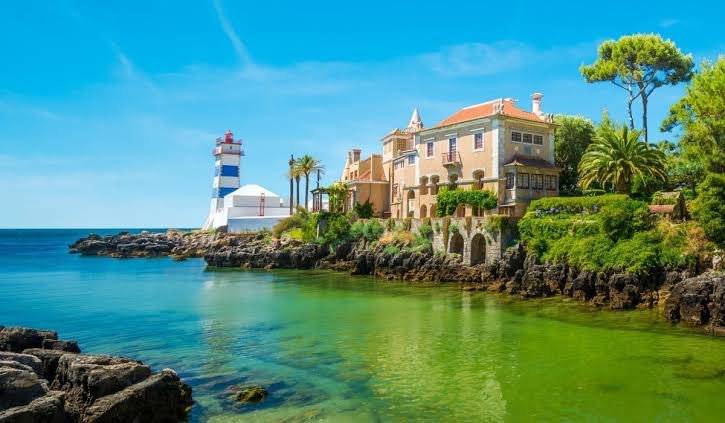
Alfama district & Tram 28 is a historic neighborhood with narrow streets, traditional tiles, and a…
Read More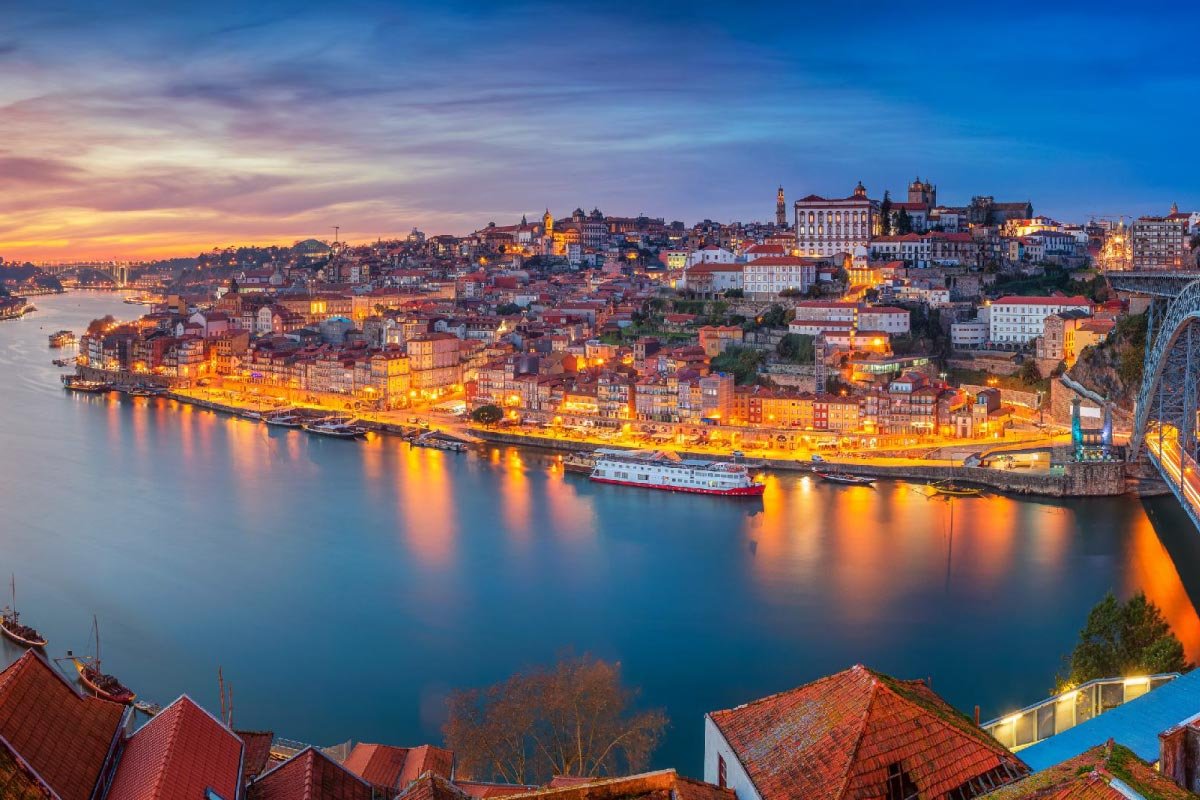
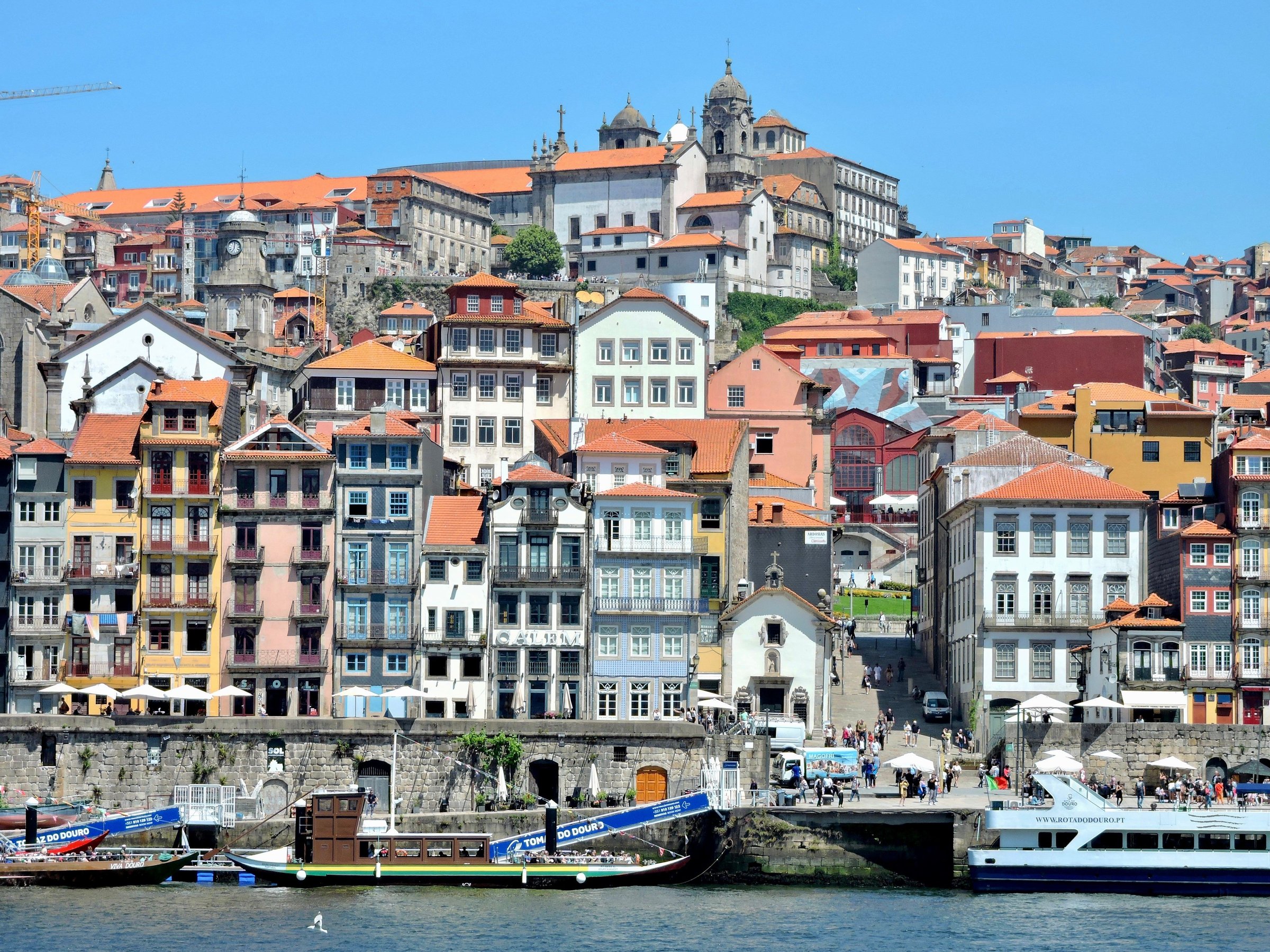
Port wine cellar tour, Vila Nova de Gaia is a wine lodge across the river offering…
Read More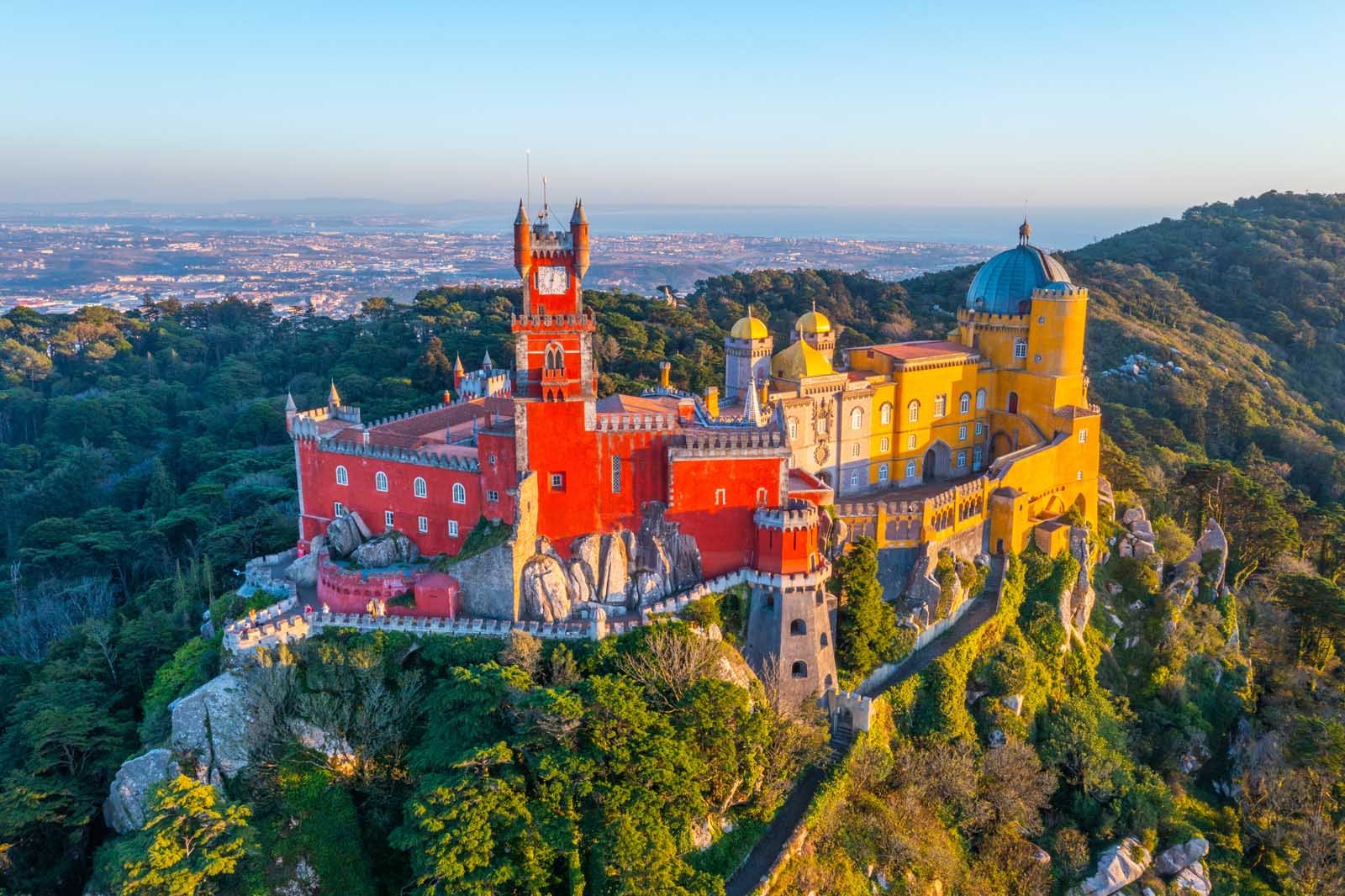
Pena Palace is a colorful romantic palace perched on a hilltop with eclectic architecture and surrounding…
Read More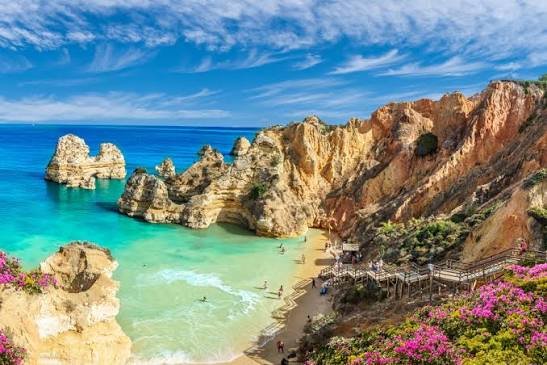
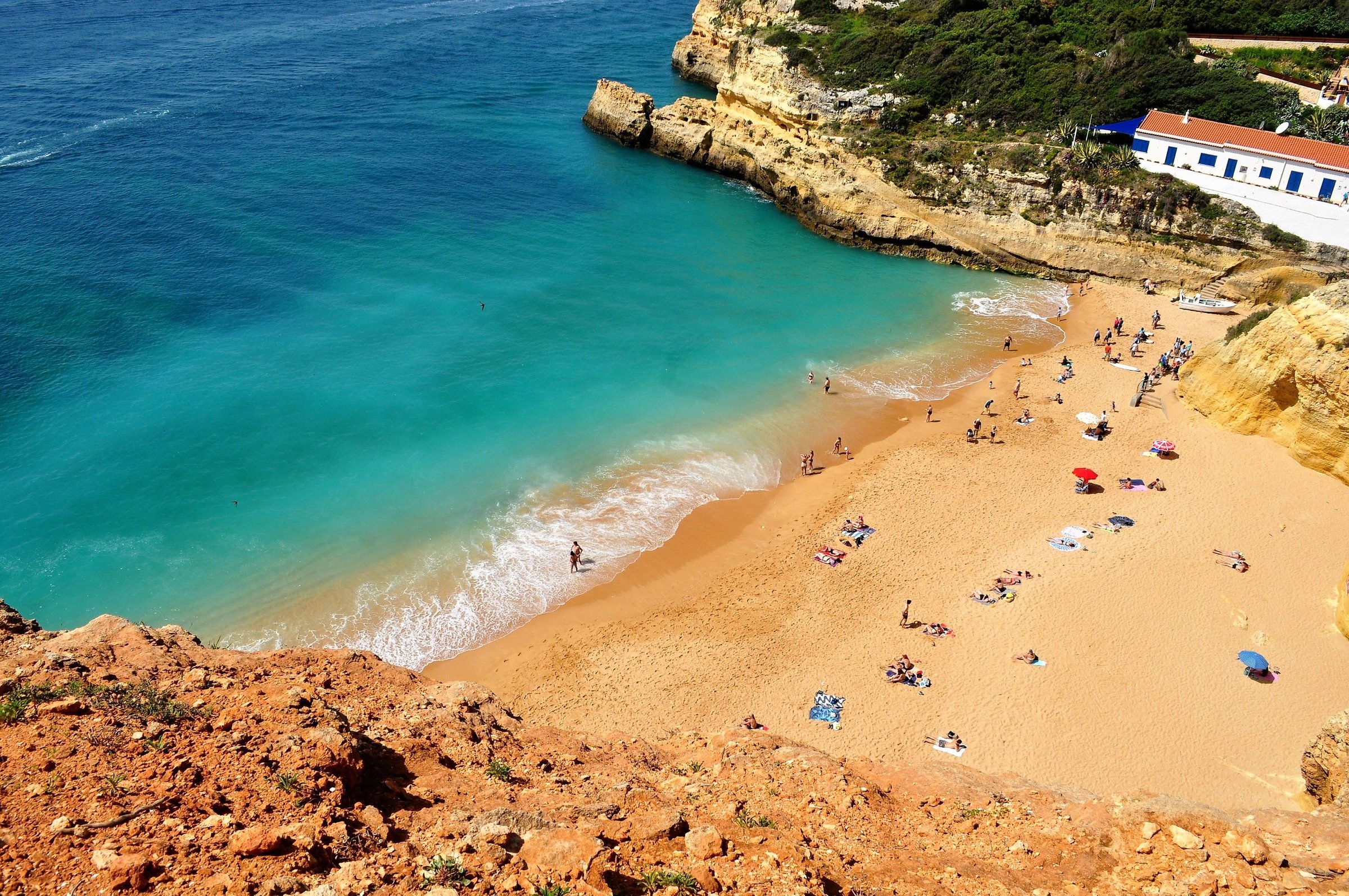
Benagil Sea Cave boat tour takes you to a massive sea cave with a natural skylight…
Read More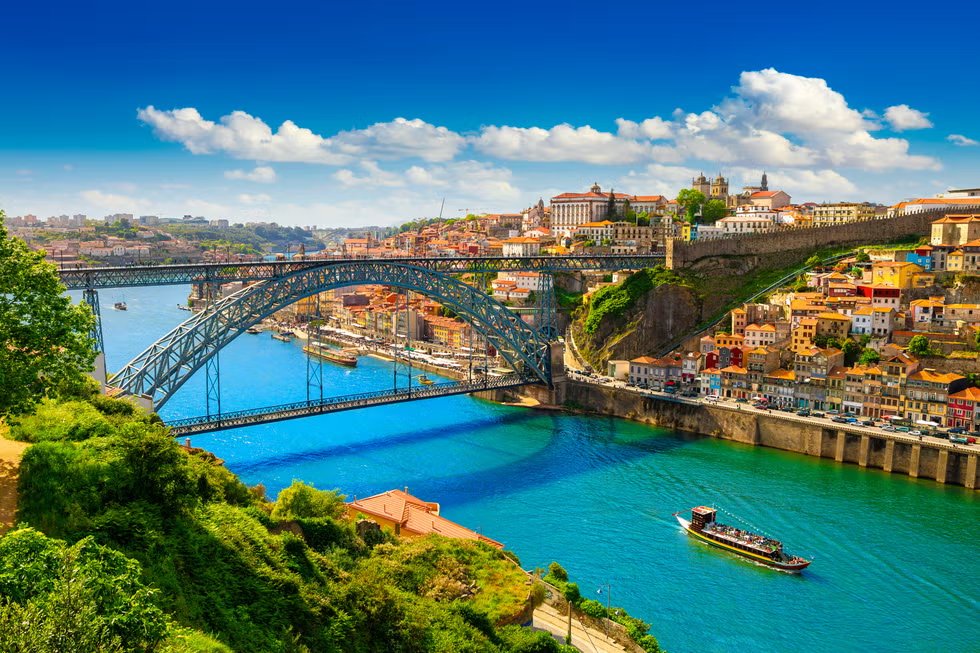
Vineyard & port wine tasting visits traditional wine estates with terraced vineyards and tastings of fortified…
Read More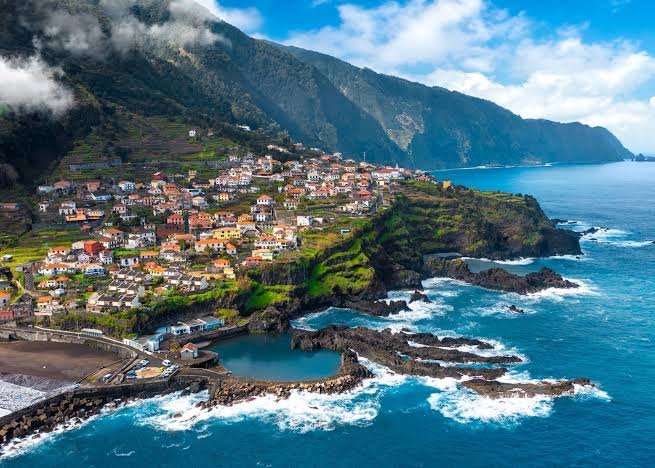
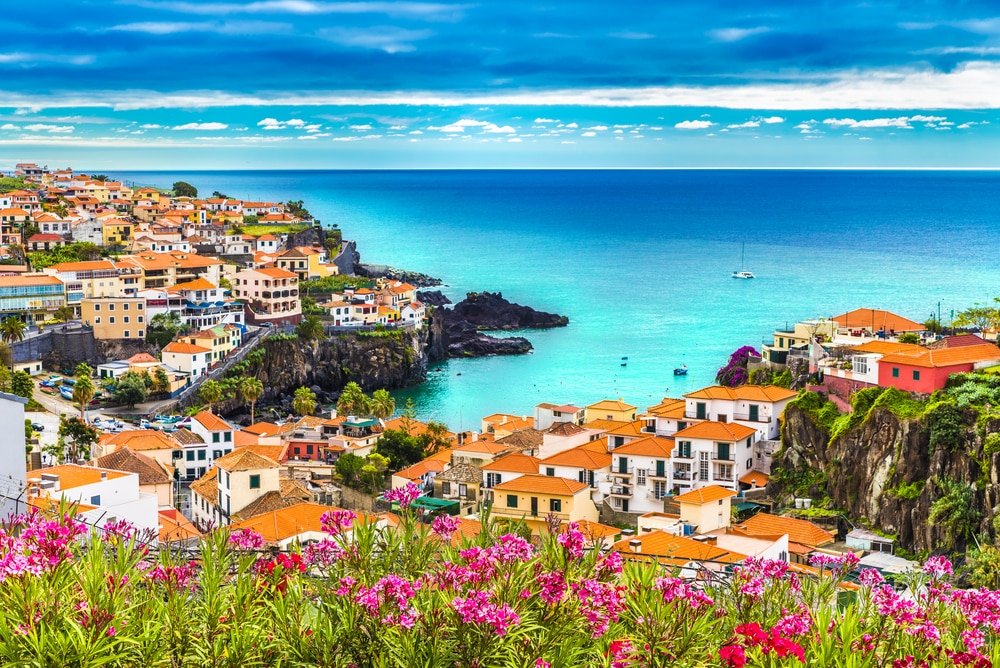
Levada hiking trails follow historic water irrigation channels carved into mountainsides with lush vegetation and waterfall…
Read More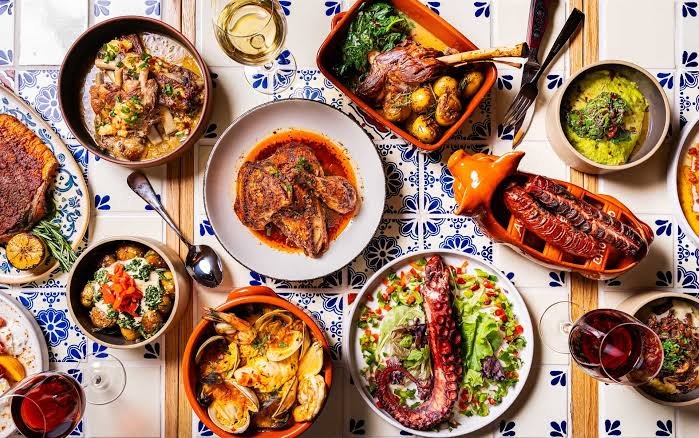
A proper pastel de nata, warm from a Lisbon bakery, bears little resemblance to the export version. Bacalhau, salted cod, is close to a national obsession. Porto's francesinha is a hearty sandwich, not a light lunch. We steer guests toward a fado dinner in Lisbon's Alfama at least once.
Quick tip: Order bacalhau from a restaurant that's clearly been making it for decades. The preparation varies widely.
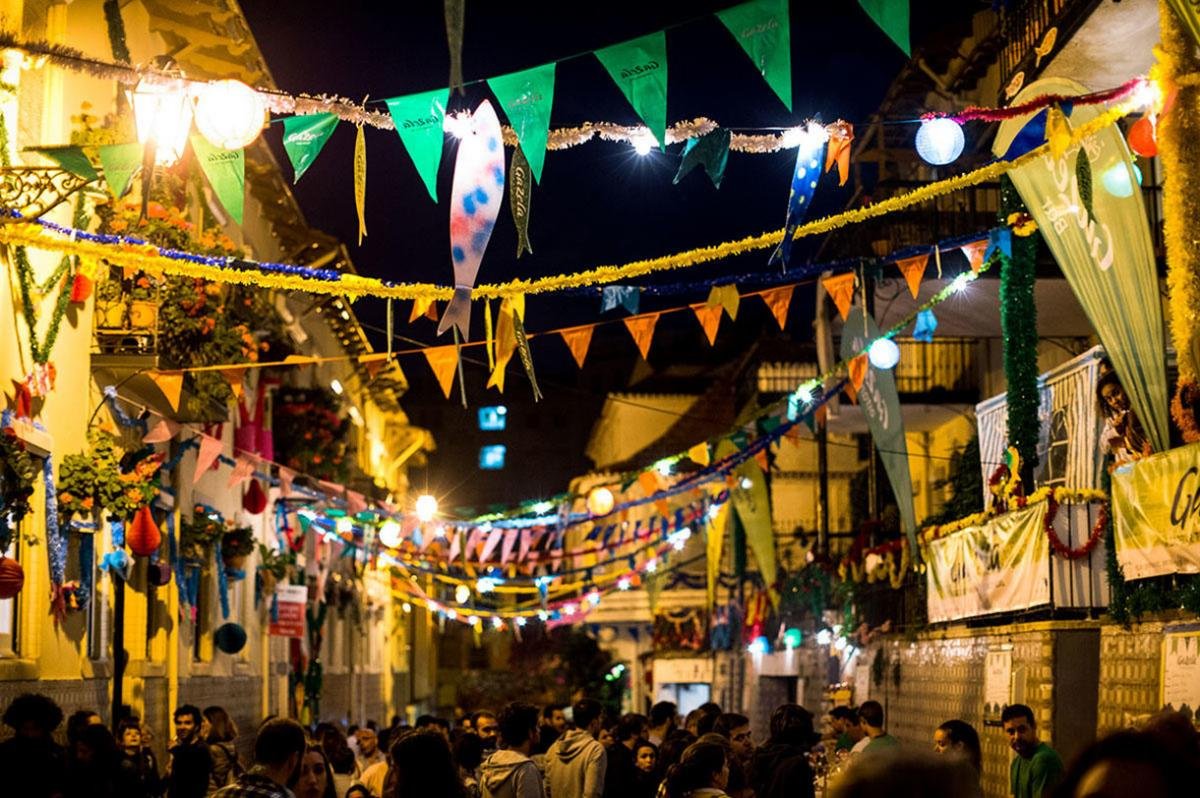
Portugal carries its history quietly. Blue-and-white azulejo tiles line entire façades, and fado, the melancholic musical tradition, is built around saudade, a longing for something that may not return. Portugal was once a major maritime empire, and Lisbon's monuments reflect it without much fanfare.
Travenza tip: Sit through a full fado set rather than treating it as dinner background music.
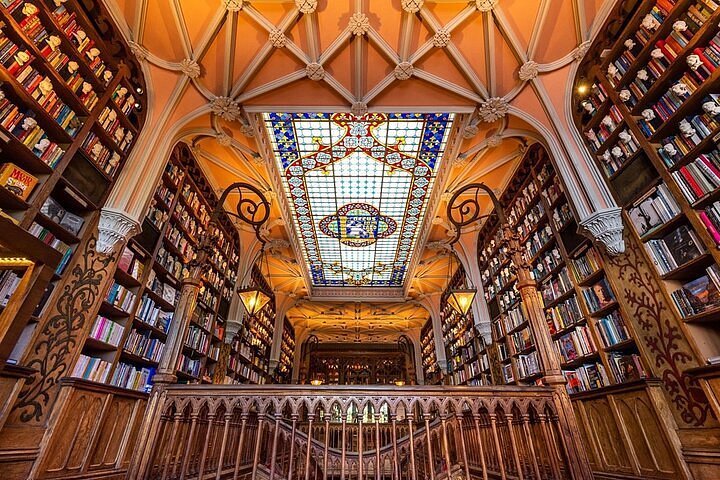
Lisbon's flea markets and ceramics shops hold genuine azulejo tile work. Porto's port wine houses sell bottles rarely found outside Portugal, often cheaper bought directly from a Douro Valley quinta.
Travenza tip: Buy tiles from a specialist workshop, not a souvenir stand near a landmark.
Frequently Asked Questions
Yes. Safe, easy to navigate, and one of the more affordable Western European countries.
8–10 days for a first trip; 11–13 to add the Algarve or Madeira.
April, May, September and October offer the most comfortable weather.
Yes, Spain connects easily by train or a short flight.
Yes, trams, calm beaches and a river cruise all work well for families.
Yes. A Douro Valley quinta stay, Lisbon dinners and Algarve coves all pair well.
More limited than some countries, given how seafood- and meat-forward the cuisine runs.
Most Indian travellers need a Schengen visa arranged in advance.
A well-planned 8–10 day trip in good hotels starts around ₹2–2.8 lakh per couple, excluding flights.
Yes, every trip is built around what you want.
Ready to go?
Share your dates, group size and interests, we will craft a bespoke itinerary within 48 hours. No obligations.