Asia Pacific · Himalayas

Bhutan Travel Guide

The last Himalayan kingdom, where happiness is measured in every sunrise.
Bhutan measures its national progress by Gross National Happiness alongside GDP, an idea the country takes seriously rather than as a slogan. Prayer flags run along mountain ridges for kilometres, placed by hand, one at a time.

Bhutan limits tourism by design, not accident, and that shapes every trip here. Fewer visitors, better-kept monasteries, and a country that's stayed remarkably itself. Most itineraries move between Paro, Thimphu and Punakha, with the pace set by mountain roads rather than a fixed schedule.

Why Bhutan, and Why With Us

Why Bhutan, and Why with us

Bhutan runs on hospitality shaped by genuine Buddhist practice, not a tourism script. A guide who explains a monastery's significance because it matters to them personally, a homestay host who serves a meal like it's an honour to share it. That sincerity is most of what guests remember.

Bhutan's tourism policy requires all travel to be arranged through a licensed local operator, with a Sustainable Development Fee built into every day of the trip. We handle this entirely, and build the itinerary around what that structure actually allows, rather than promising something the system doesn't.

We've been building Bhutan itineraries since 2013. Not templates, routes built around how you like to travel. We pick the region before the itinerary, and we'll tell you when trying to cover too much isn't worth the transit time. If we wouldn't book it for our own family, we won't book it for you. This is our travel guide to Bhutan. You can find our opinions on what places to include, what time to visit, how long your visit should be and more.

With Travenza, You Can Expect

Itineraries for Bhutan

View All Itineraries →

Best Time to Visit Bhutan

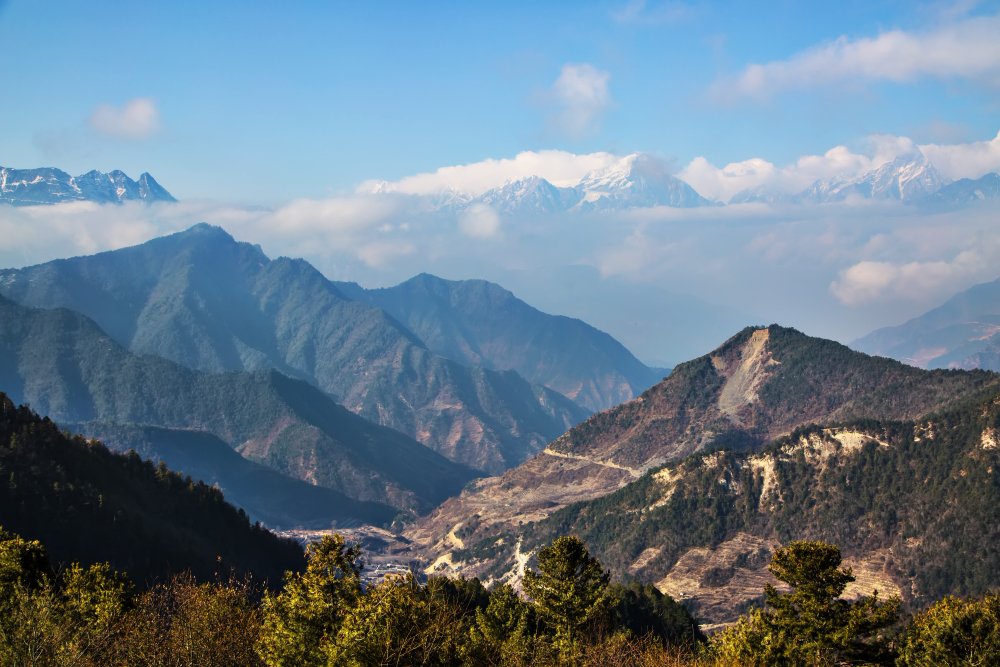
Bhutan runs through four real seasons, and mountain visibility is the main variable across all of them.

Spring (March–May)

Best for: Rhododendron blooms, clear mountain views

Ideal destinations: Paro, Thimphu, Punakha

If you asked us: Our top pick. The clearest skies of the year, and the hillsides turn red and pink with blooming rhododendrons.

Autumn (September–November)

Best for: The clearest skies, festival season

Ideal destinations: Paro, Thimphu, Bumthang

If you asked us: The most reliable window for mountain views, and several major Tshechu festivals fall within this period.

Summer (June–August)

Best for: Lush valleys, lower rates

Ideal destinations: Thimphu, Punakha

If you asked us: Monsoon rains limit visibility and can affect mountain roads. We generally steer guests toward spring or autumn instead.

Winter (December–February)

Best for: clear low-altitude skies, fewer crowds

Ideal destinations: Paro, Thimphu, Punakha

If you asked us: Cold in the higher valleys but often crisp and clear lower down. A good window if crowds matter more than warmth.

Best Places to Visit in Bhutan

Getting the pace right matters more than trying to cover the whole country. Here's what each stop delivers.
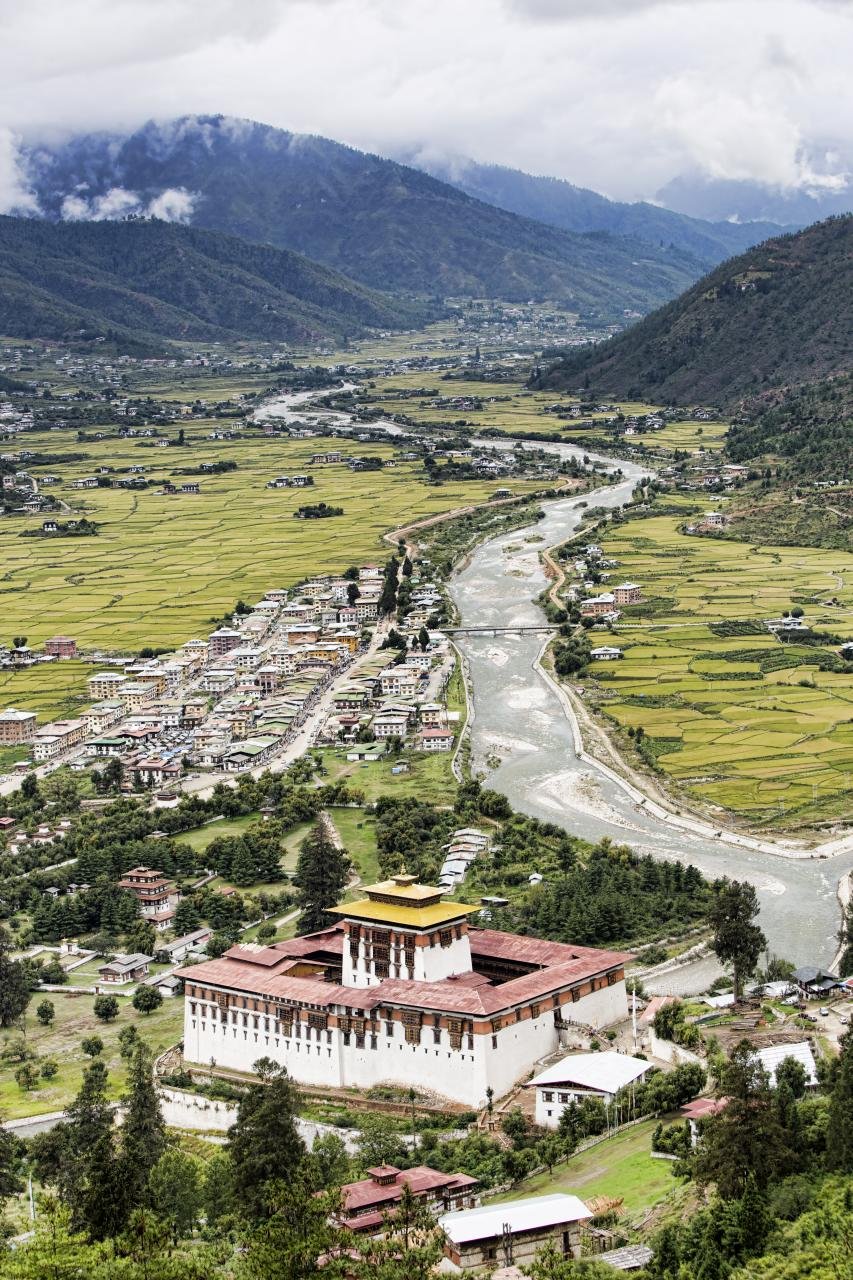
Paro

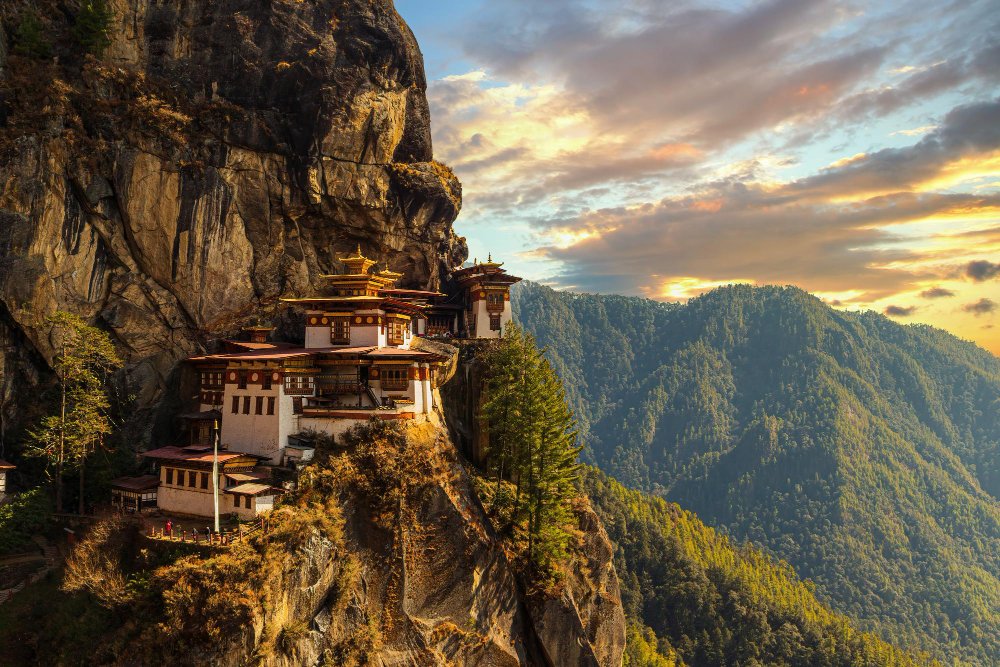
Tiger's Nest Monastery (Paro Taktsang) is a temple clinging to a cliff 900 meters above the…

Read More
Tiger's Nest Monastery (Paro Taktsang) is a temple clinging to a cliff 900 meters above the valley reached by hiking through forest. Rinpung Dzong is a massive fortress overlooking the Paro Valley with traditional architecture. National Museum of Bhutan is housed in a historic tower with exhibits on culture and history. Paro Valley walk offers peaceful walking paths through rural areas with traditional villages and farmland.

Plan My Trip Now

Thimphu

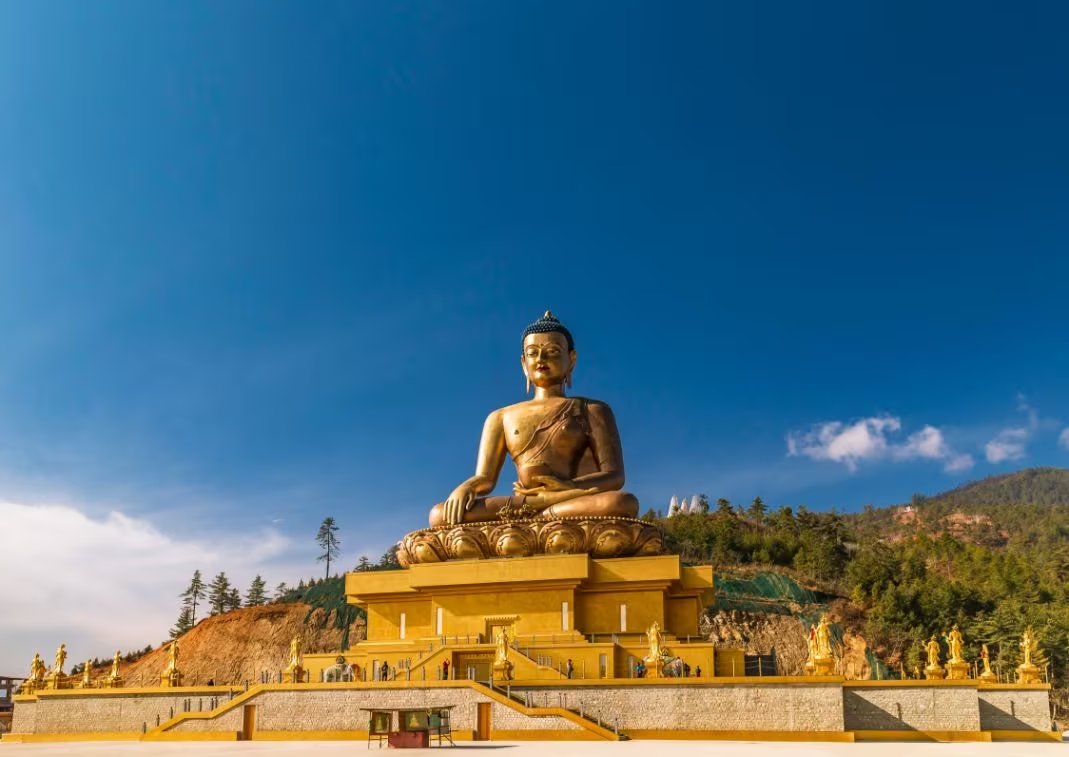
Buddha Dordenma statue is a massive golden Buddha overlooking the city from a hilltop. Tashichho Dzong…

Read More
Buddha Dordenma statue is a massive golden Buddha overlooking the city from a hilltop. Tashichho Dzong is the fortress-monastery housing government offices and the highest Buddhist authority. Weekend market is a gathering of locals selling produce, handicrafts, and traditional goods. National Memorial Chorten is a stupa built in memory of the third king with prayer wheels. Takin Preserve protects Bhutan's national animal, the takin, in its natural habitat.

Plan My Trip Now

Punakha

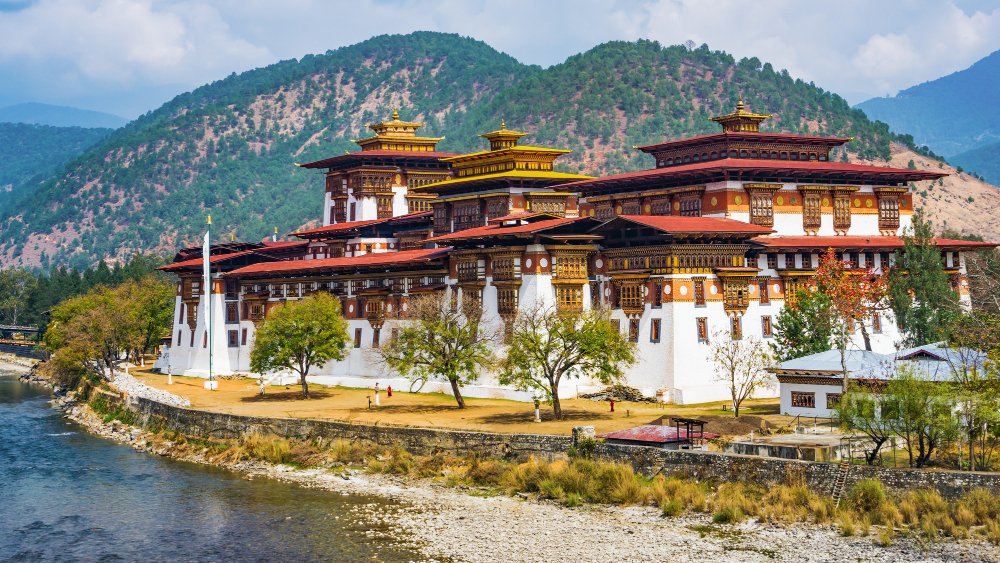
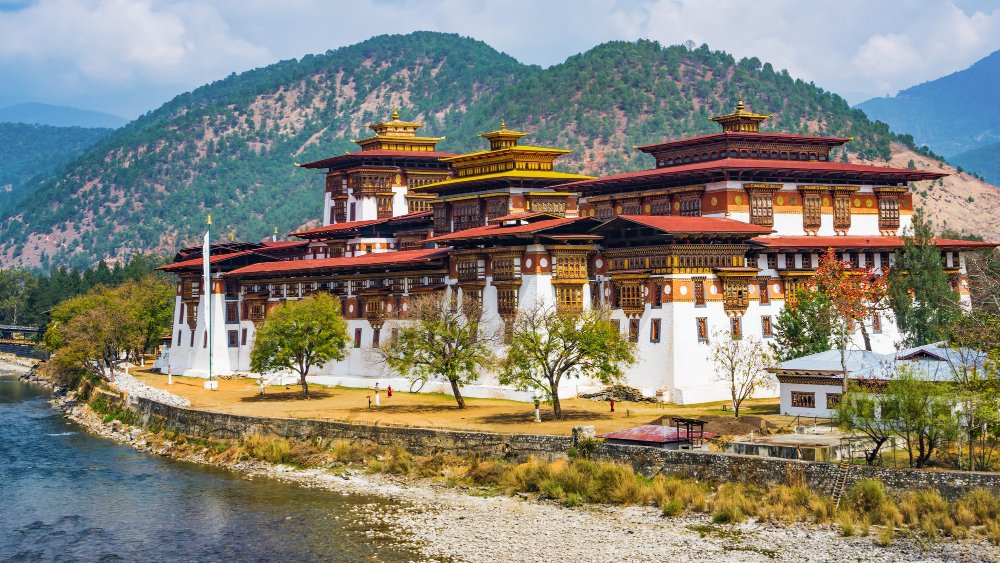
Punakha Dzong is a massive fortress-monastery at the confluence of two rivers with temples and government…

Read More
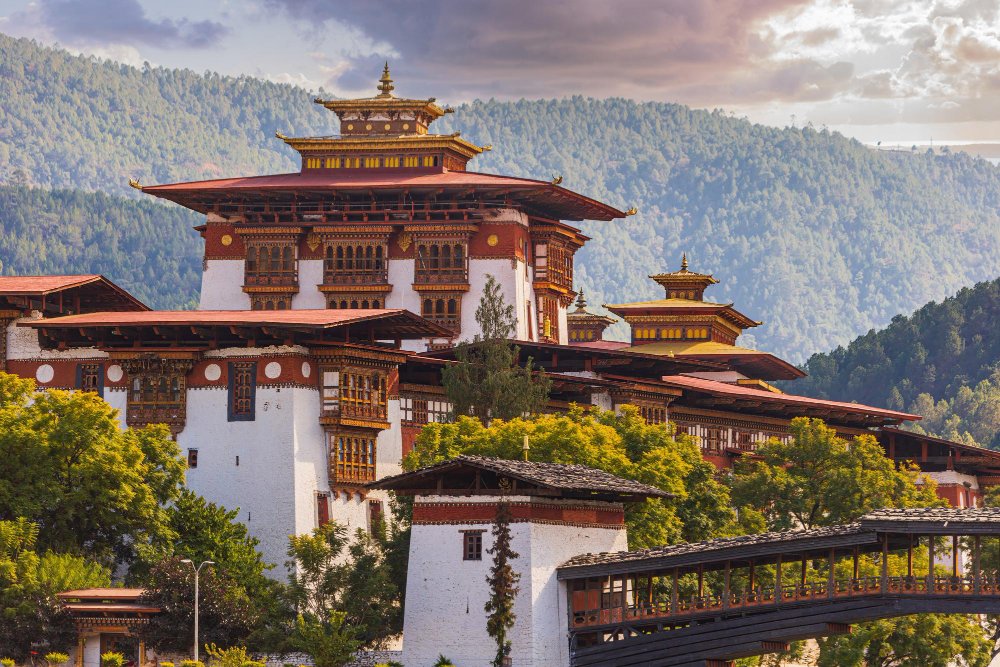
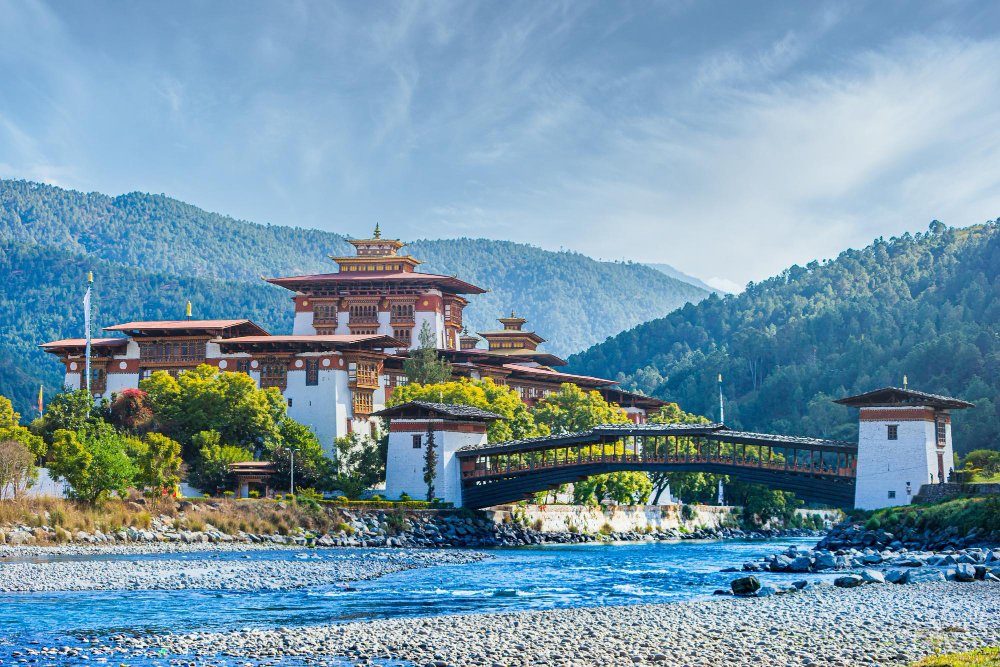
Punakha Dzong is a massive fortress-monastery at the confluence of two rivers with temples and government buildings. Suspension bridge walk crosses a high bridge over the valley offering views and adventure. Chimi Lhakhang (Fertility Temple) is a temple dedicated to fertility with unique traditions. Punakha Valley farmhouse visit allows you to stay with or visit local farming families.

Plan My Trip Now

Bumthang

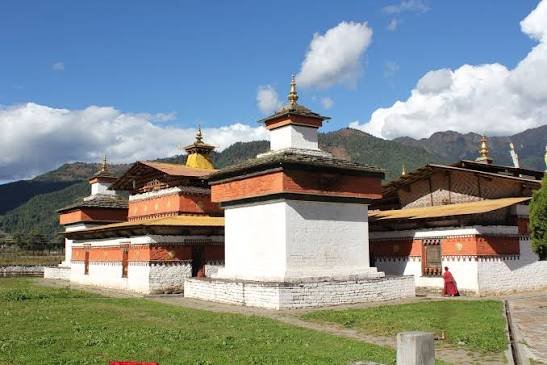
Jambay Lhakhang temple is a historic Buddhist temple built in the 7th century with intricate architecture.…

Read More
Jambay Lhakhang temple is a historic Buddhist temple built in the 7th century with intricate architecture. Kurjey Lhakhang is a temple complex with sacred caves and pilgrimage sites. Tamzhing Monastery is associated with the Nyingma school of Buddhism with historic significance. Local cheese and honey tasting allows you to sample Bhutan's traditional dairy and apiary products from local producers.

Plan My Trip Now

Suggested Trip Duration

6–7 days Paro and Thimphu capture the essential Bhutanese experience for first-time visitors.
8–10 days (our most common recommendation) Add Punakha's valley for a fuller understanding of Bhutanese culture and landscape.
11–13 days Room for Bumthang alongside a slower pace, allowing time to absorb each region without rushing.
14+ days For repeat visitors adding a multi-day trek into the mountains, or combining Bhutan with Nepal for a broader Himalayan experience.
A Culinary Journey Through Bhutan

A Culinary Journey Through Bhutan

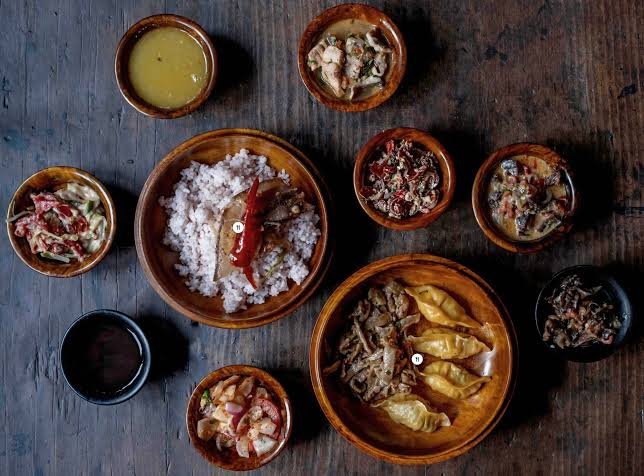
Ema datshi, chillies stewed in cheese sauce, is Bhutan's de facto national dish, and it's spicier than most first-time visitors expect. Red rice, grown at altitude, has a nuttier flavour than the white rice found elsewhere in the region. A butter tea offered at a farmhouse is worth trying at least once, even if the taste takes some adjusting to.

Quick tip: Ask for your ema datshi mild if you're not used to Bhutanese chillies, kitchens will happily adjust it, and the full-strength version catches most first-timers off guard.
Culture & Traditions

Culture & Traditions

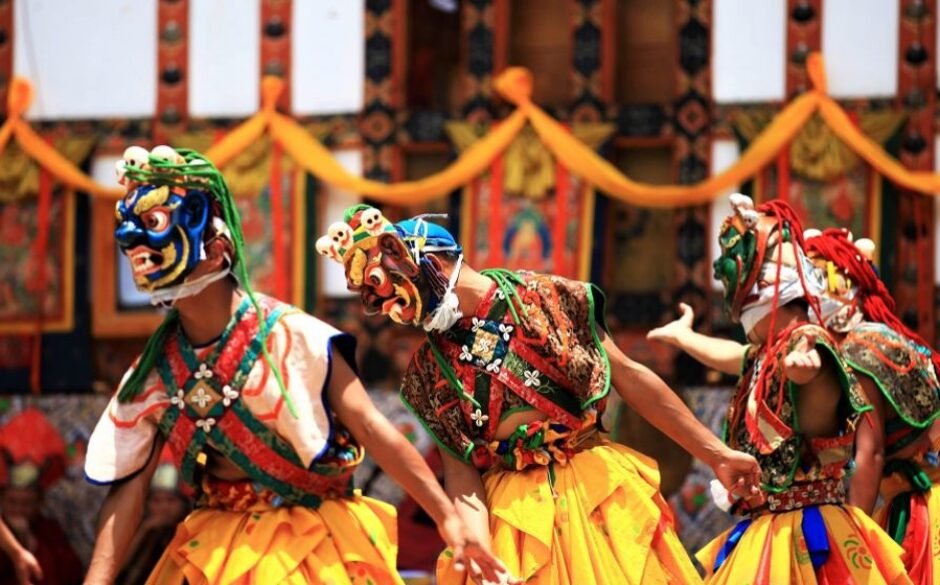
Bhutan's Buddhist culture shapes daily life in ways that go well beyond the monasteries. The national dress code (gho for men, kira for women) is still worn regularly, not just for festivals, and Gross National Happiness is a genuine policy framework, not a tourism talking point.

Travenza tip: Ask your guide about Gross National Happiness directly if it interests you. Most are happy to explain how the concept actually shapes government decisions, not just how it's marketed.
Shopping in Bhutan

Shopping in Bhutan

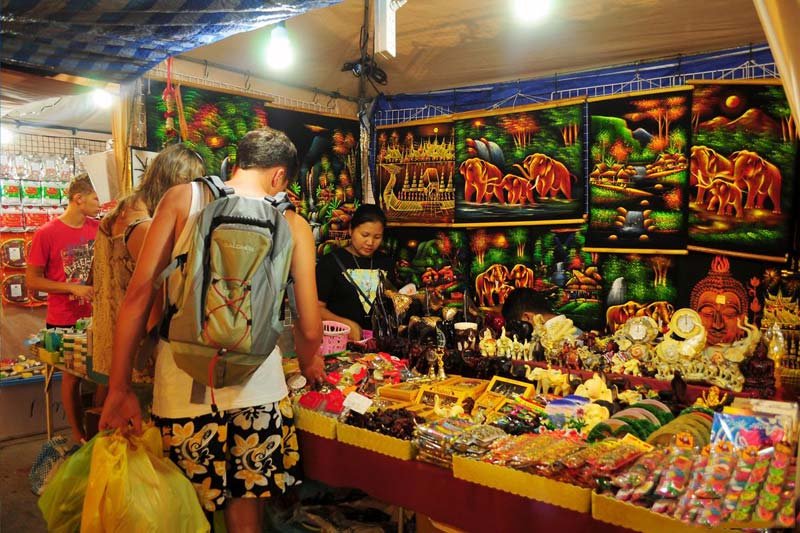
Hand-woven Bhutanese textiles, particularly from eastern Bhutan, represent real skilled craftsmanship and are worth buying from a proper weaving centre. Hand-painted wooden masks, used in Tshechu festival dances, make a distinctive souvenir bought directly from an artisan.

Travenza tip: Visit a weaving centre in Thimphu to see the process before buying. The best textiles take weeks to complete, and understanding that changes how you value the piece.

Getting Around Bhutan

Nearly all Bhutan travel happens by private car with a driver, arranged as part of your licensed tour. Self-drive isn't an option for visitors. Mountain roads are winding and slower than distances suggest, and internal flights within Bhutan are limited.

Travenza tip: Build buffer time into mountain road days, a route that looks short on a map can take considerably longer given the terrain.

Visa Guide

Bhutan requires all visitors to arrange travel through a licensed Bhutanese tour operator, which includes visa processing and the Sustainable Development Fee as part of the package. Indian passport holders benefit from simplified entry requirements compared to other nationalities. We handle the full process, recommending at least four weeks ahead.

Why Bhutan Stays With You

Bhutan is remembered for how deliberately it stayed itself. A monastery reached only by an actual hike, a national policy built around happiness rather than growth alone, a country that limited its own tourism rather than chasing every visitor it could. Most first trips cover Paro, Thimphu and Punakha; return visits add Bumthang or a proper trek. We hope our travel guide to Bhutan has helped you to make better decisions. This is just the tip of the iceberg. Connect with us to curate your dream Bhutan holiday.

Your Bhutan questions, answered

Is Bhutan a good destination for first-time international travellers?

Yes, particularly for Indian travellers, who benefit from simplified entry compared to other nationalities.

How many days should I spend in Bhutan?

8–10 days for a first trip, covering Paro, Thimphu and Punakha; 11–13 to add Bumthang.

When is the best time to visit Bhutan?

March to May and September to November offer the clearest mountain views.

Can I combine Bhutan with another country?

Yes, Nepal connects easily by a short flight from Paro.

Is Bhutan suitable for family holidays?

Yes, particularly for families with children aged 10 and up who can manage the Tiger's Nest hike.

Is Bhutan a good honeymoon destination?

Yes, a private Tiger's Nest hike and a Punakha Valley lodge stay work well together for a trip built around quiet and scenery.

Is vegetarian food available in Bhutan?

Yes, easily. Bhutanese cuisine includes plenty of vegetable and cheese-based dishes alongside meat options.

Do I need a visa for Bhutan?

Bhutan requires travel through a licensed local operator, which handles visa processing as part of the arrangement. Indian passport holders have a simplified entry process.

How much should I budget for a Bhutan holiday?

Bhutan's Sustainable Development Fee is built into every day of the trip. As a rough guide, a well-planned 8–10 day trip starts around ₹2.6–3.6 lakh per couple, excluding flights.

Can I customise my itinerary?

Yes, every trip is built around what you want, within Bhutan's licensed tourism structure.

Ready to go?

Plan your Bhutan trip

Share your dates, group size and interests, we will craft a bespoke itinerary within 48 hours. No obligations.
Plan My Trip → Chat on WhatsApp