Asia Pacific · South Asia
Sri Lanka Travel Guide
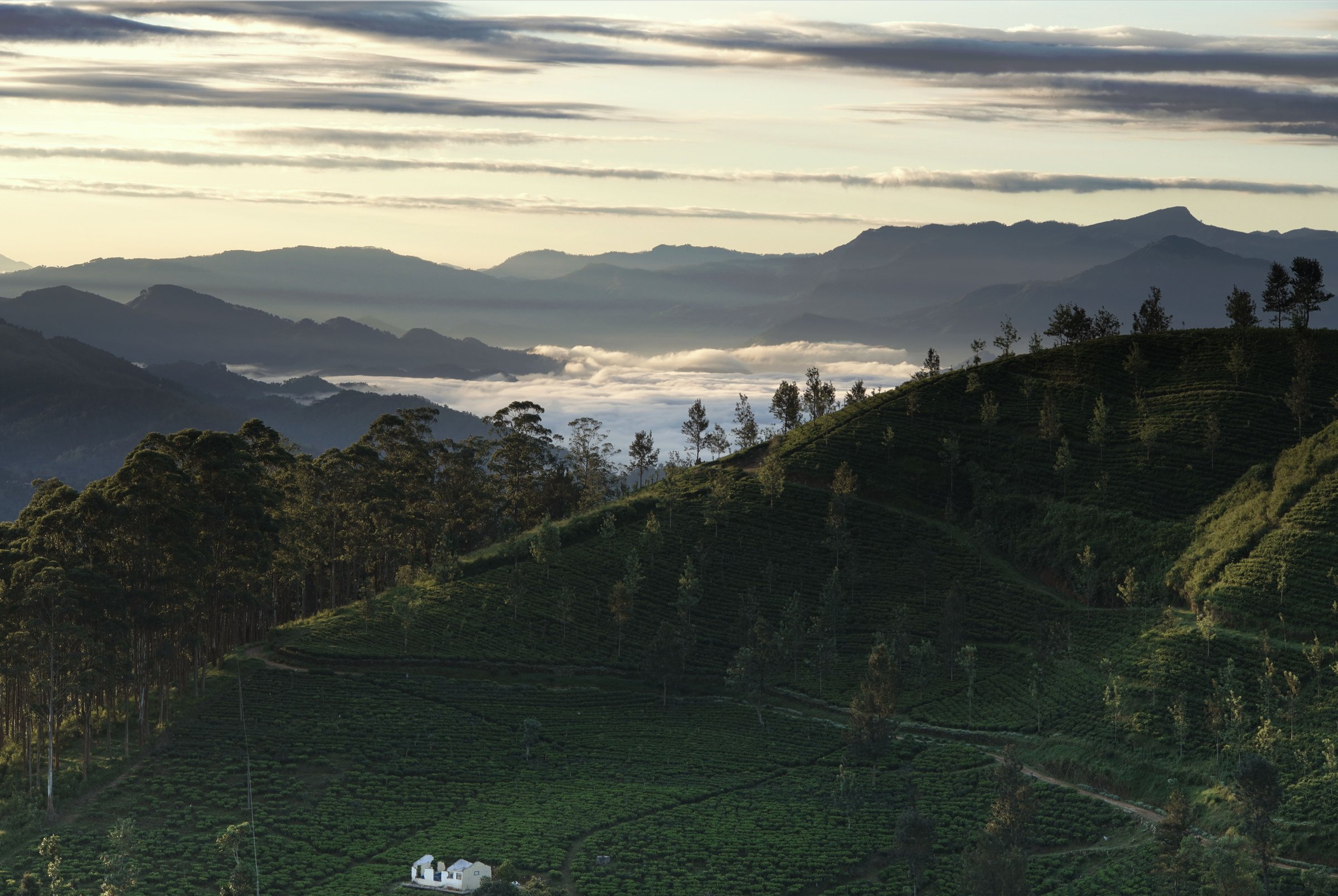
Ancient temples, misty tea hills and leopards in Yala.
Ancient temples, misty tea hills and leopards in Yala.
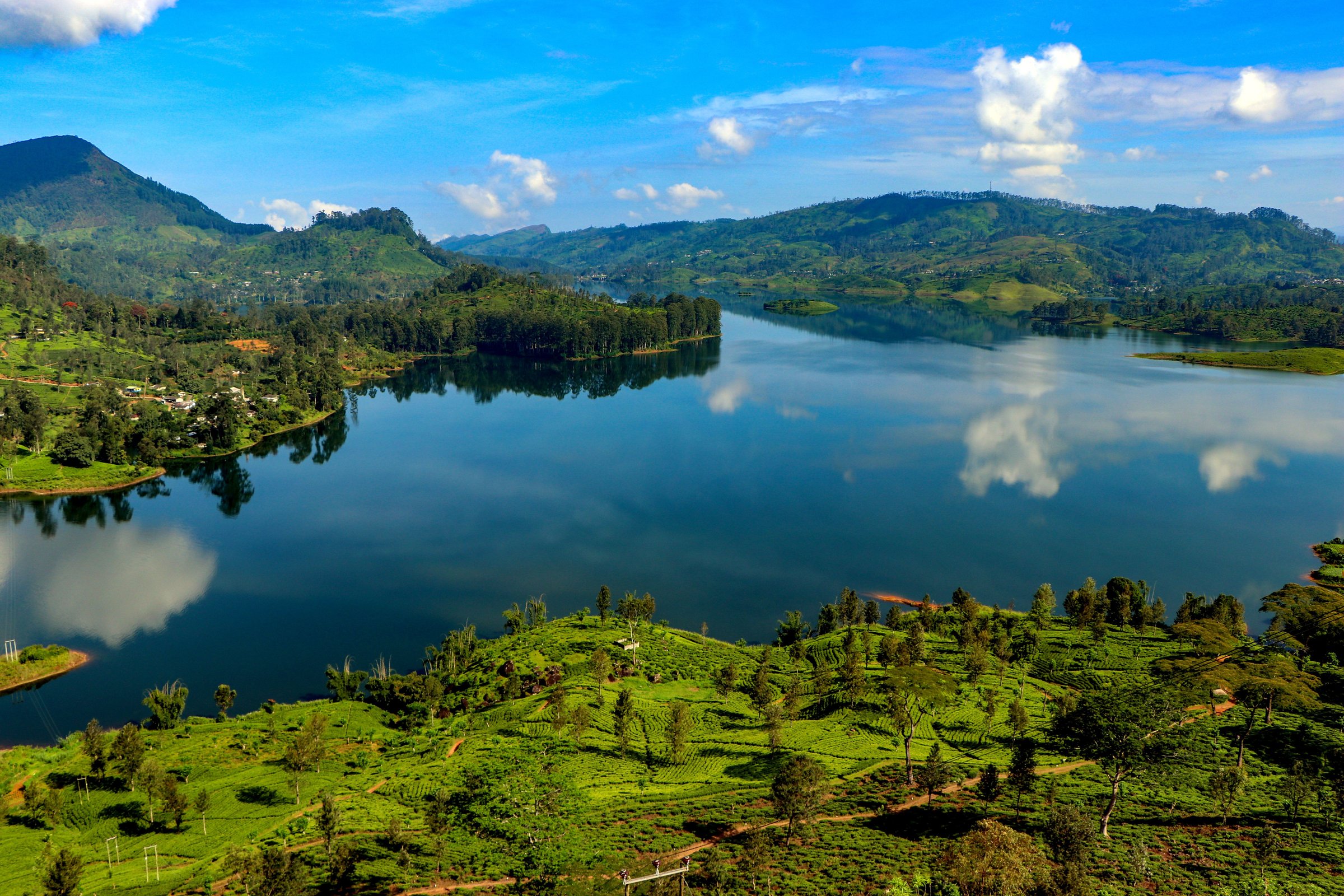
Sri Lanka runs on unhurried hospitality. A driver who knows which roadside stall makes the best hoppers. A tea planter's bungalow where breakfast comes with a view and a story. That same warmth shows up in a boutique villa as much as in a family-run guesthouse. None of it is written into an itinerary, and it's usually what people remember most.
It's also where a lot of trips lose time without meaning to. Sri Lanka looks small on a map, but winding roads and hill gradients make it slower to cross than it seems, and that's the trap: travellers try to see too much and end up spending half the trip in a car. A good trip and a great one rarely differ by how many places were on the list. They differ by how much time you actually had in each one.
We've been designing holidays since 2013. Not templates, routes built around how you like to travel. We pick the stay before the itinerary, the pace before the sights, and we'll tell you when something isn't worth your time. This is our Sri Lanka Travel Guide. You can find our opinions on what places to include, what time to visit, how long your visit should be and more.
Getting the mix of destinations right matters more than trying to see everything. Here's what each one is actually good for.
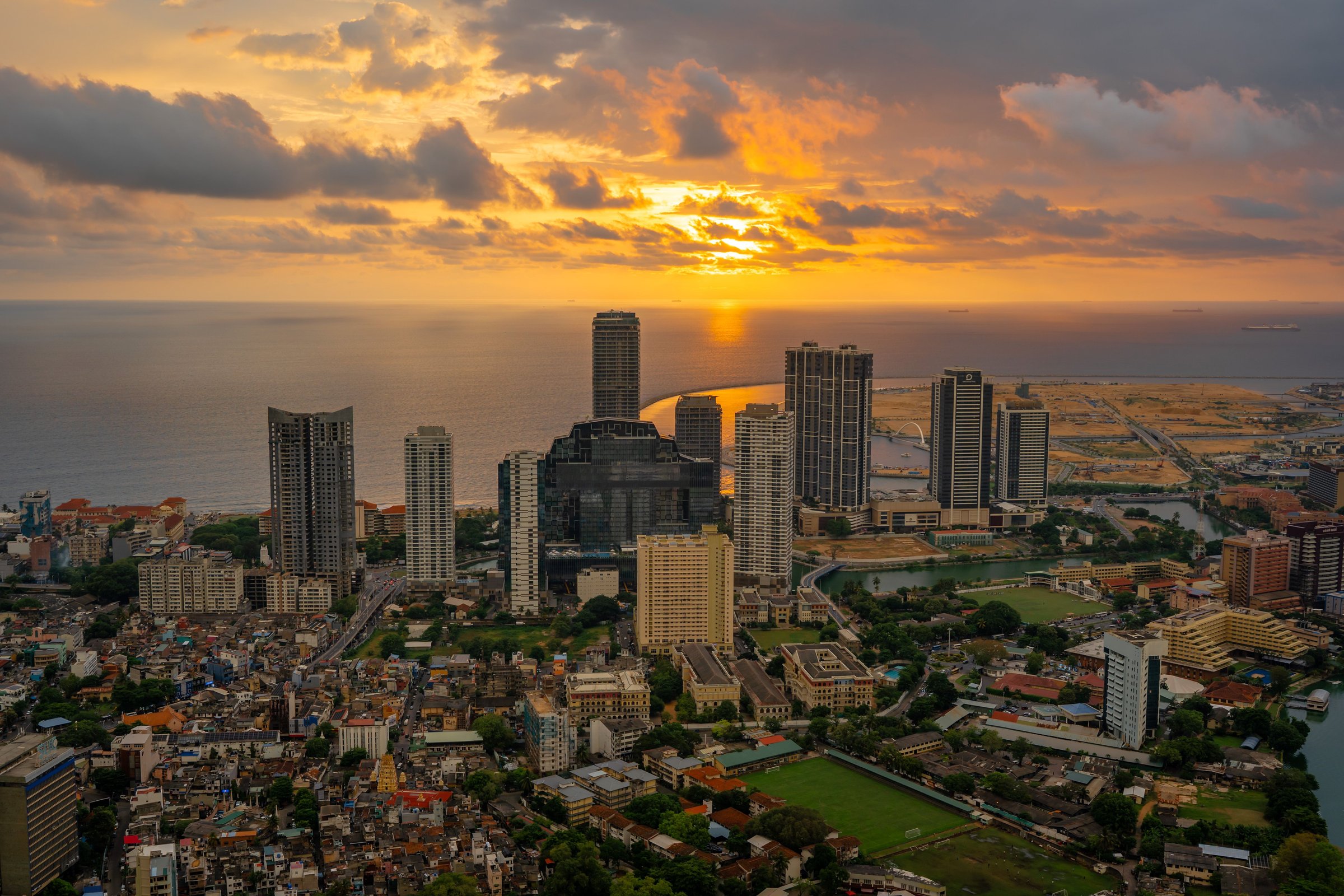
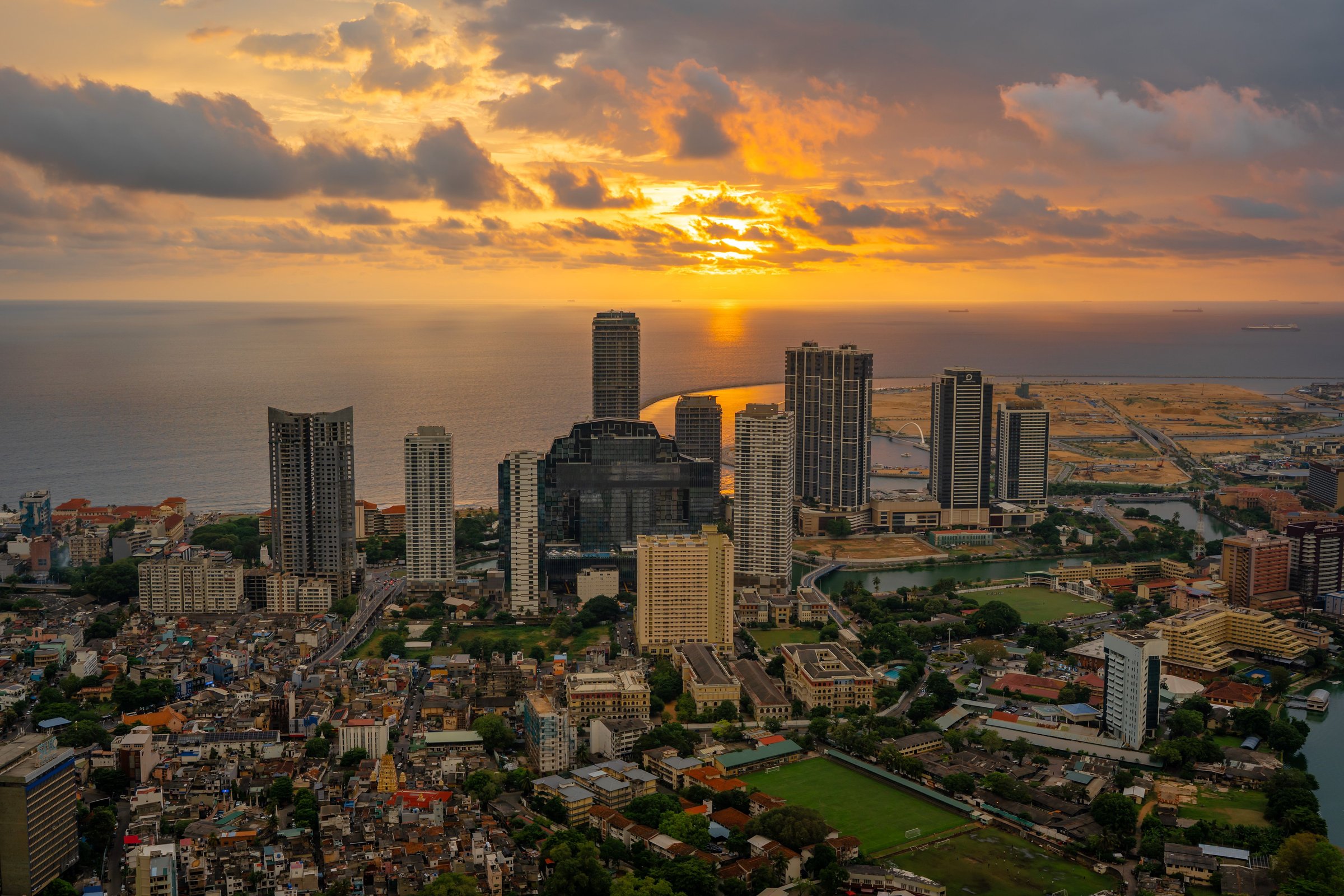
Galle Face Green is a seafront promenade that fills up at sunset. Gangaramaya Temple is a…
Read More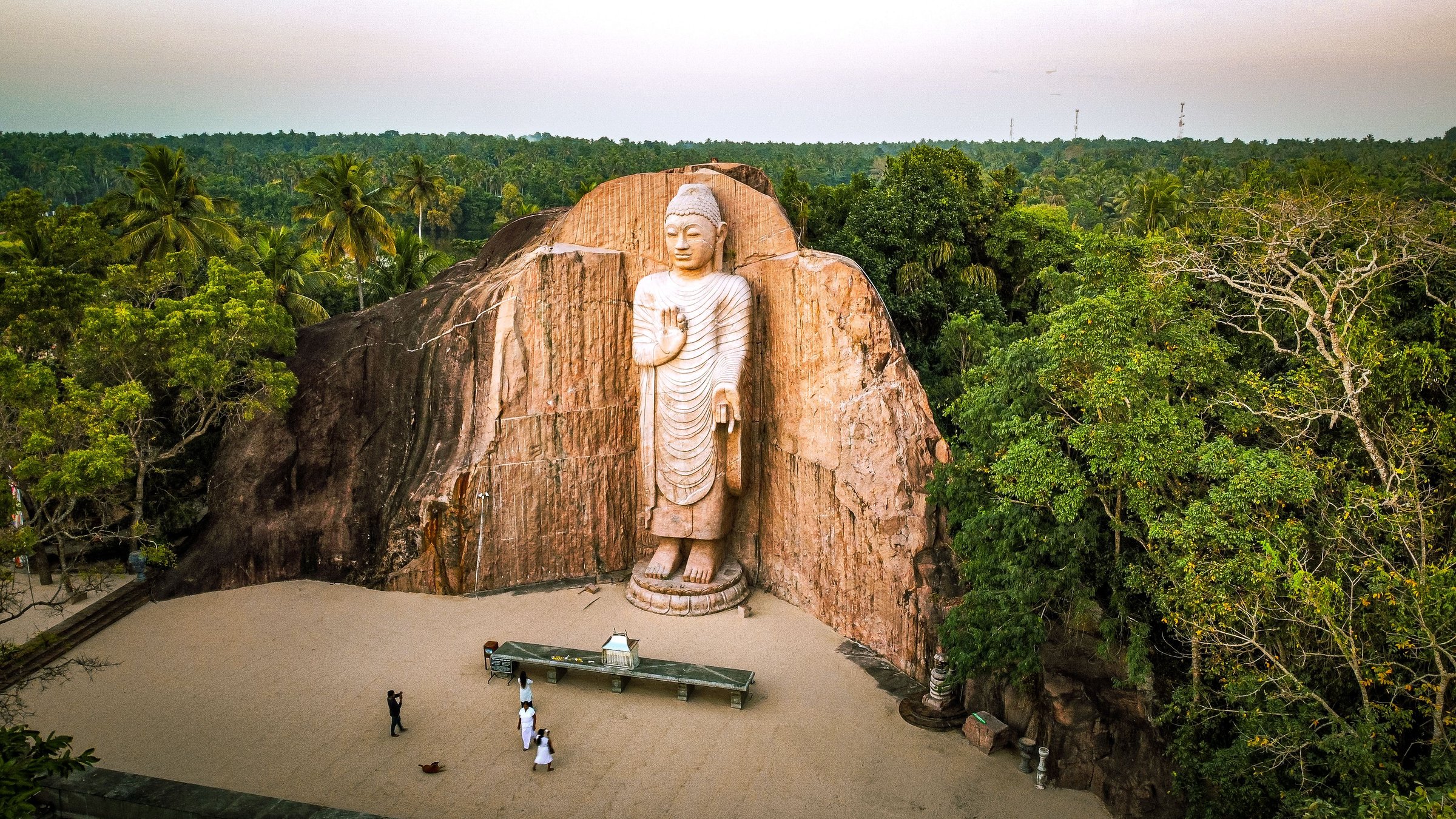
Sigiriya Rock Fortress is a UNESCO-listed rock citadel with frescoes and water gardens, best climbed early…
Read More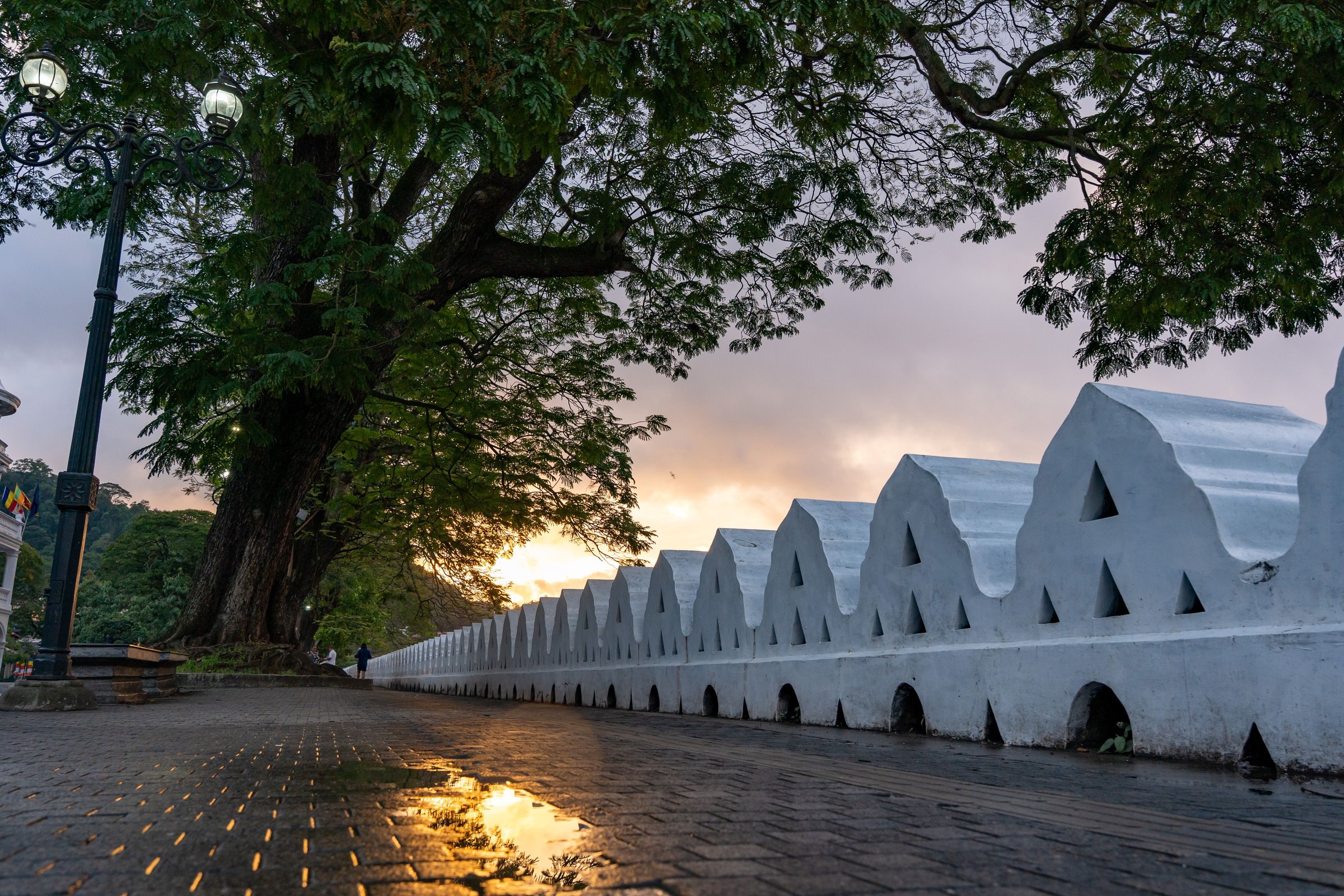
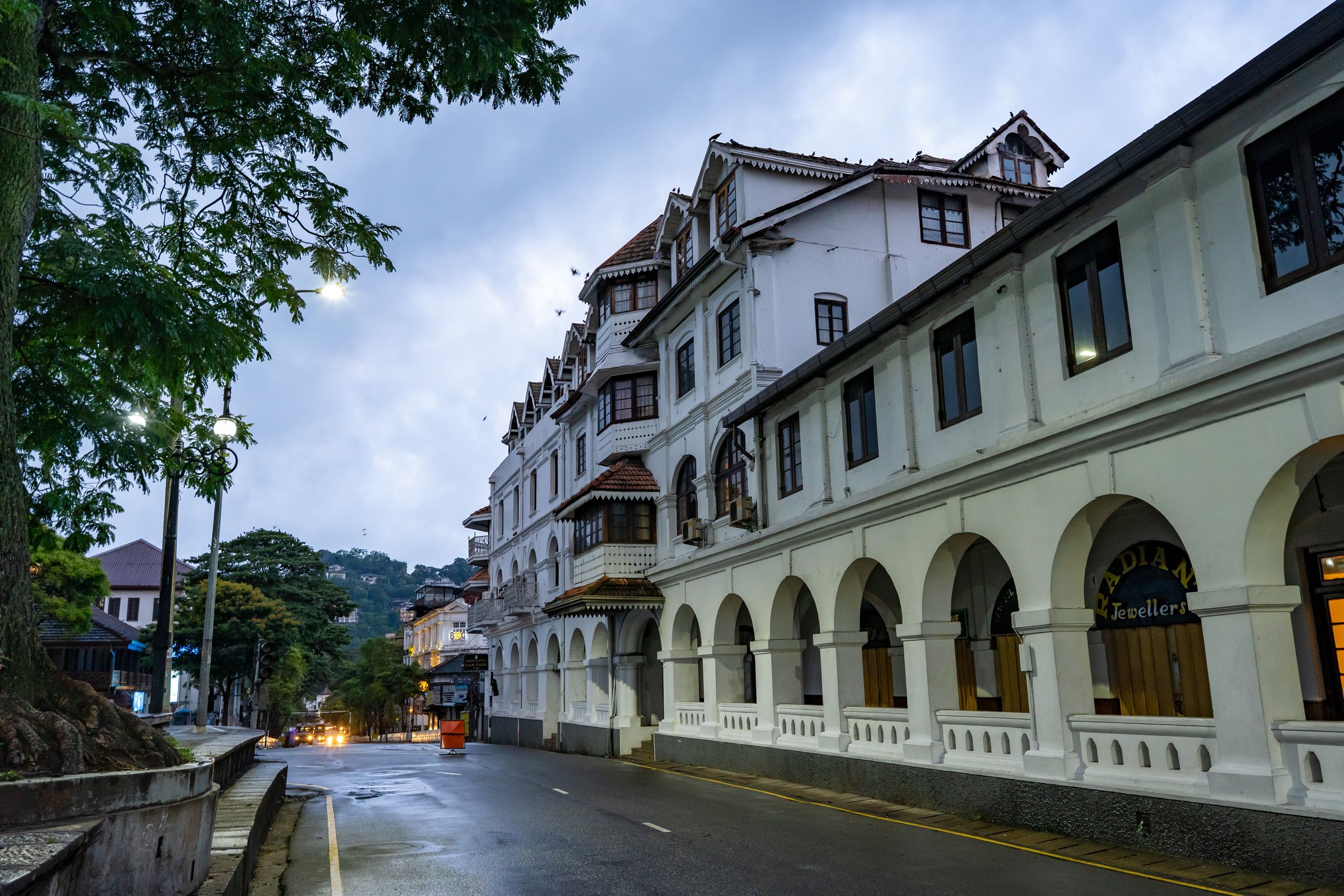
The Temple of the Sacred Tooth Relic is the country's most important Buddhist site. Kandy Lake…
Read More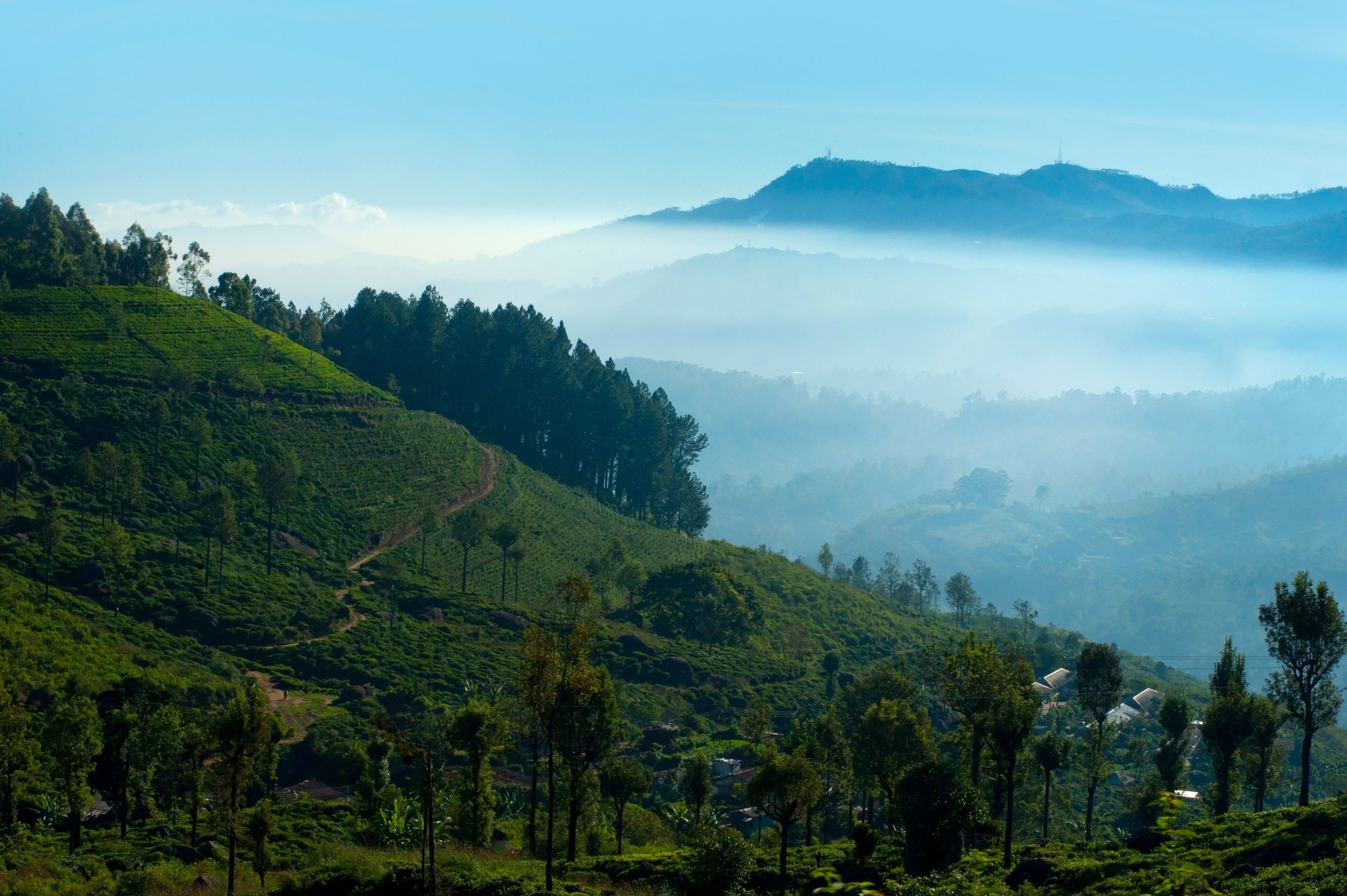
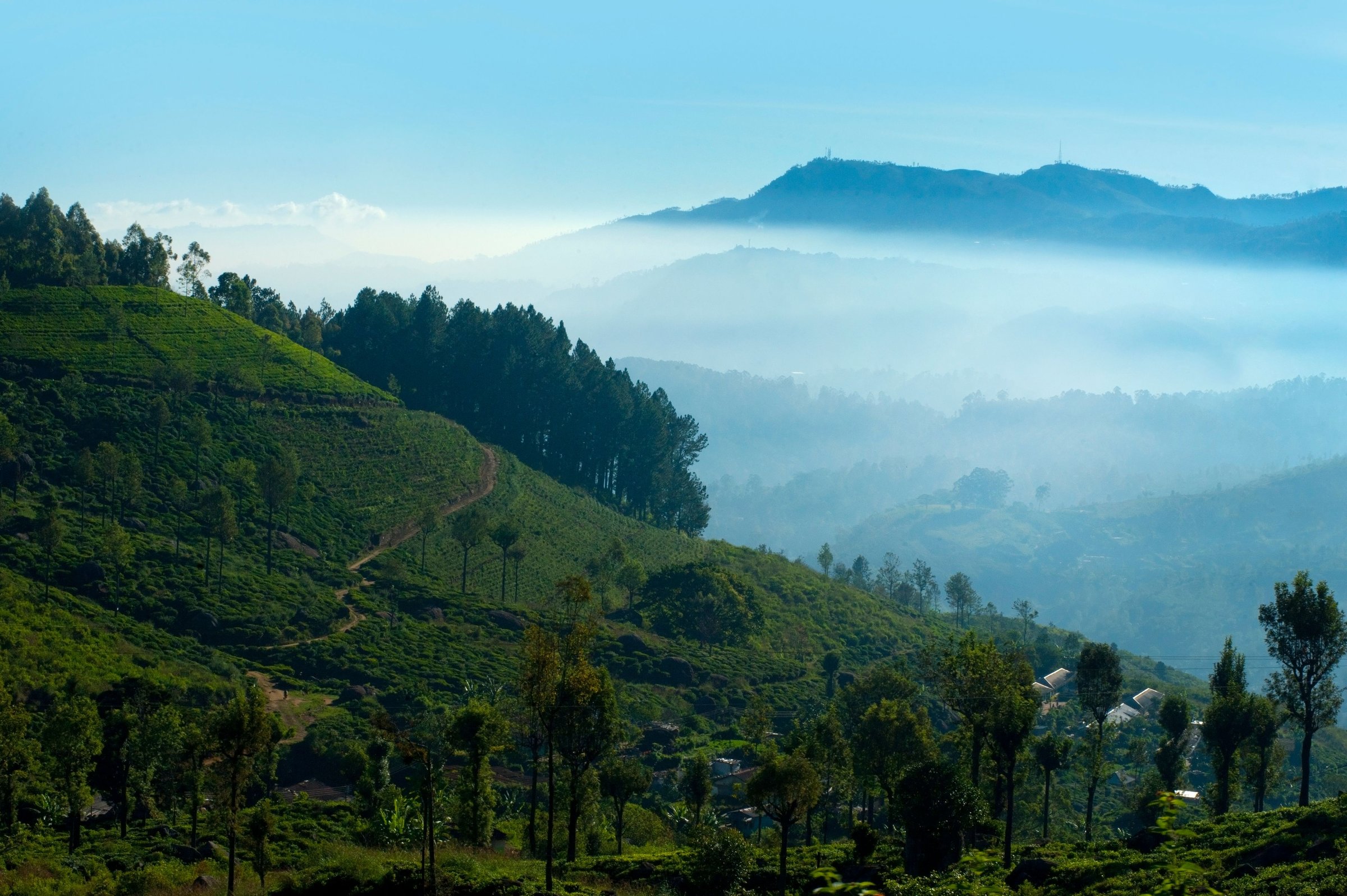
Nuwara Eliya is known as Little England, with colonial architecture, Gregory Lake and rolling tea plantations.…
Read More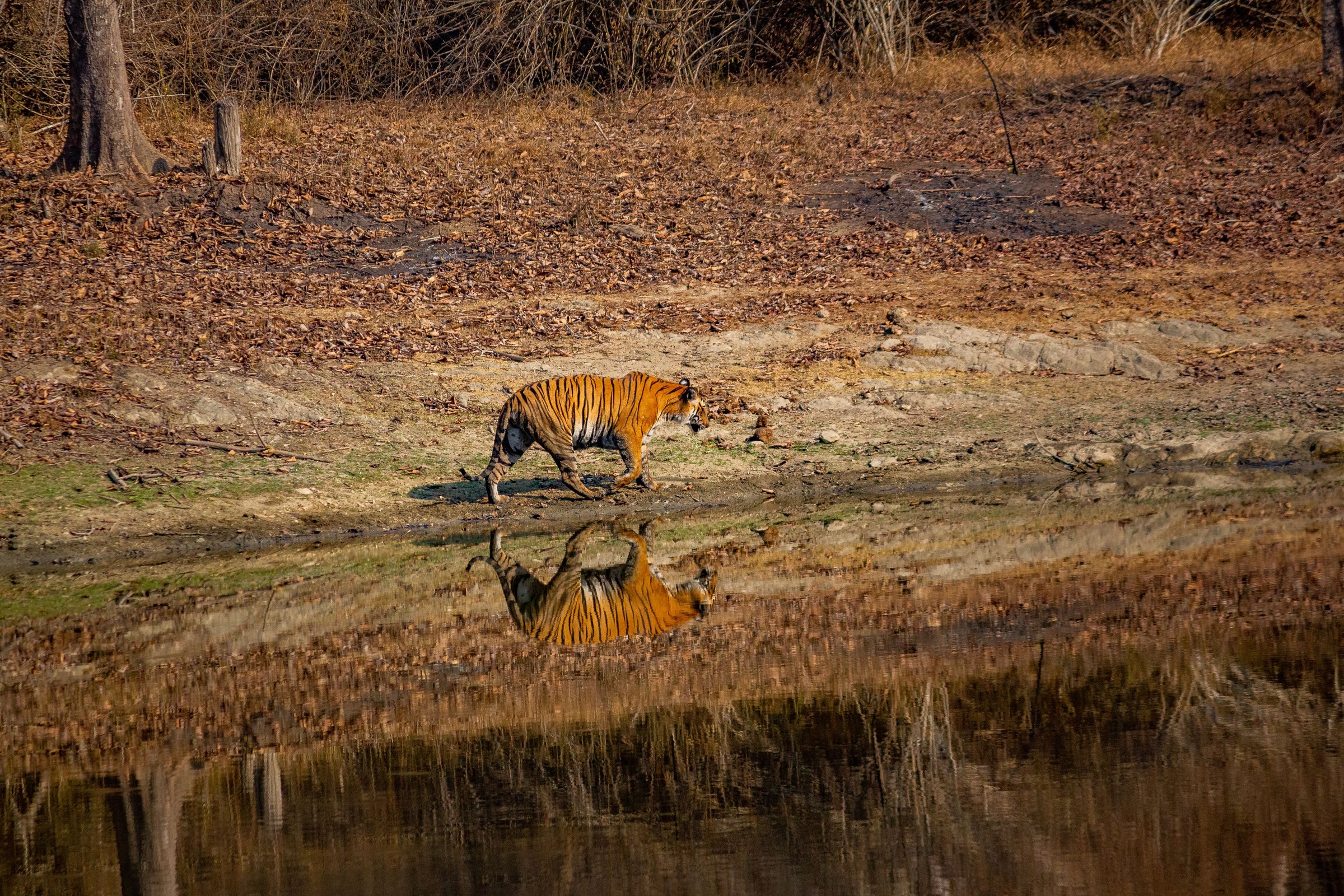
Yala National Park is known for leopards, with elephants, sloth bears and crocodiles also seen. Udawalawe…
Read More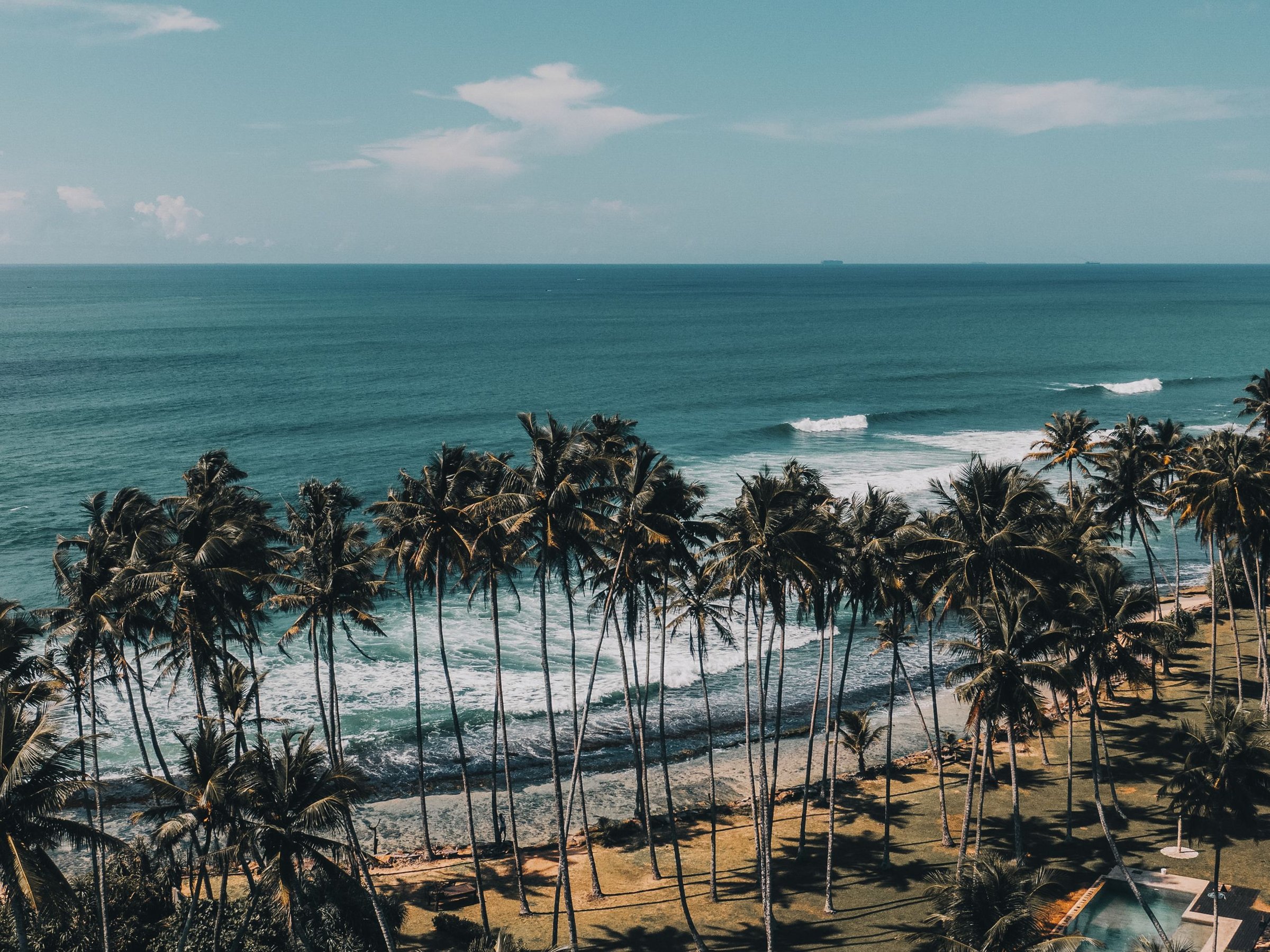
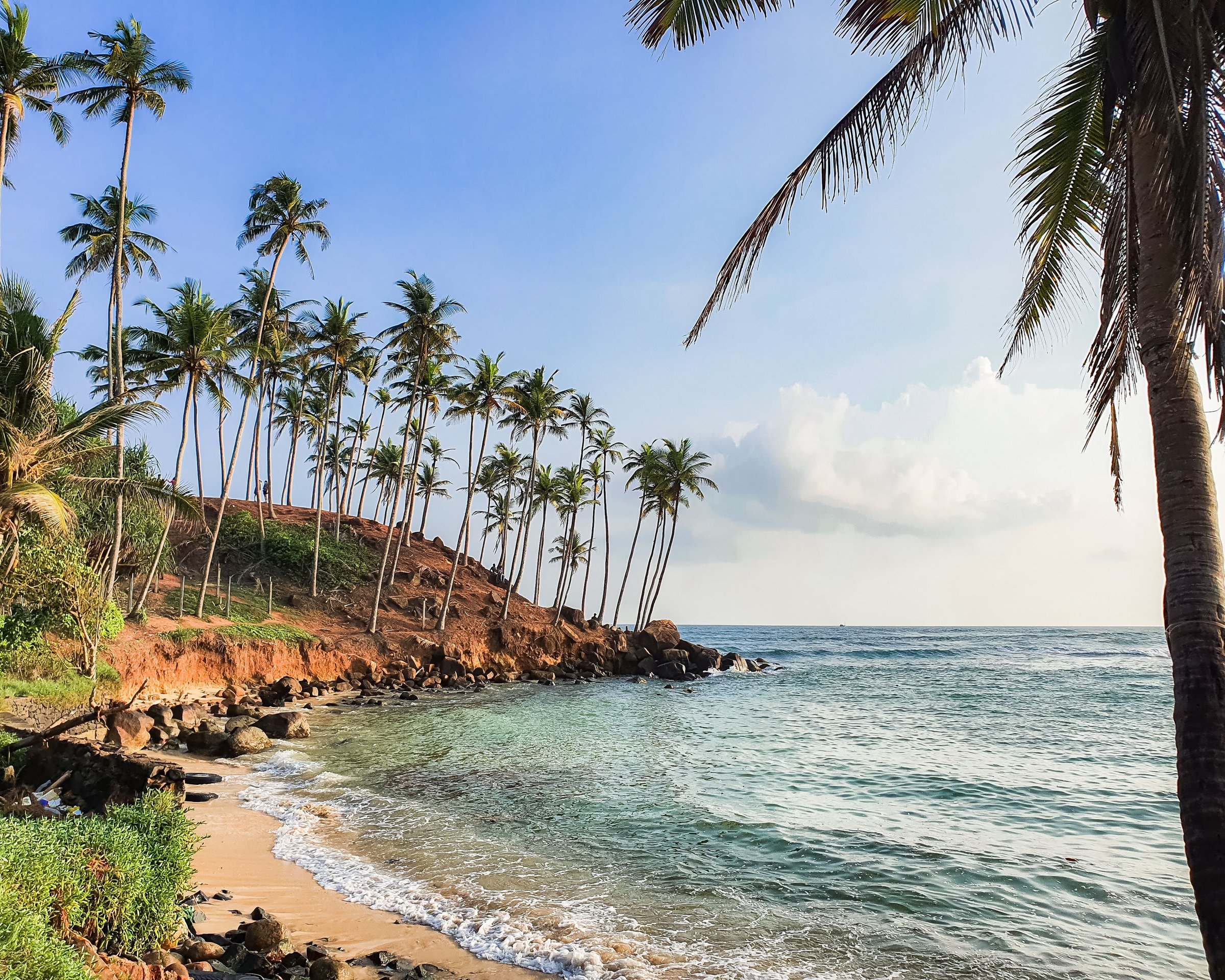
Galle Fort is a UNESCO-listed Dutch-era fort with cafés, boutiques and ramparts. Unawatuna and Mirissa are…
Read More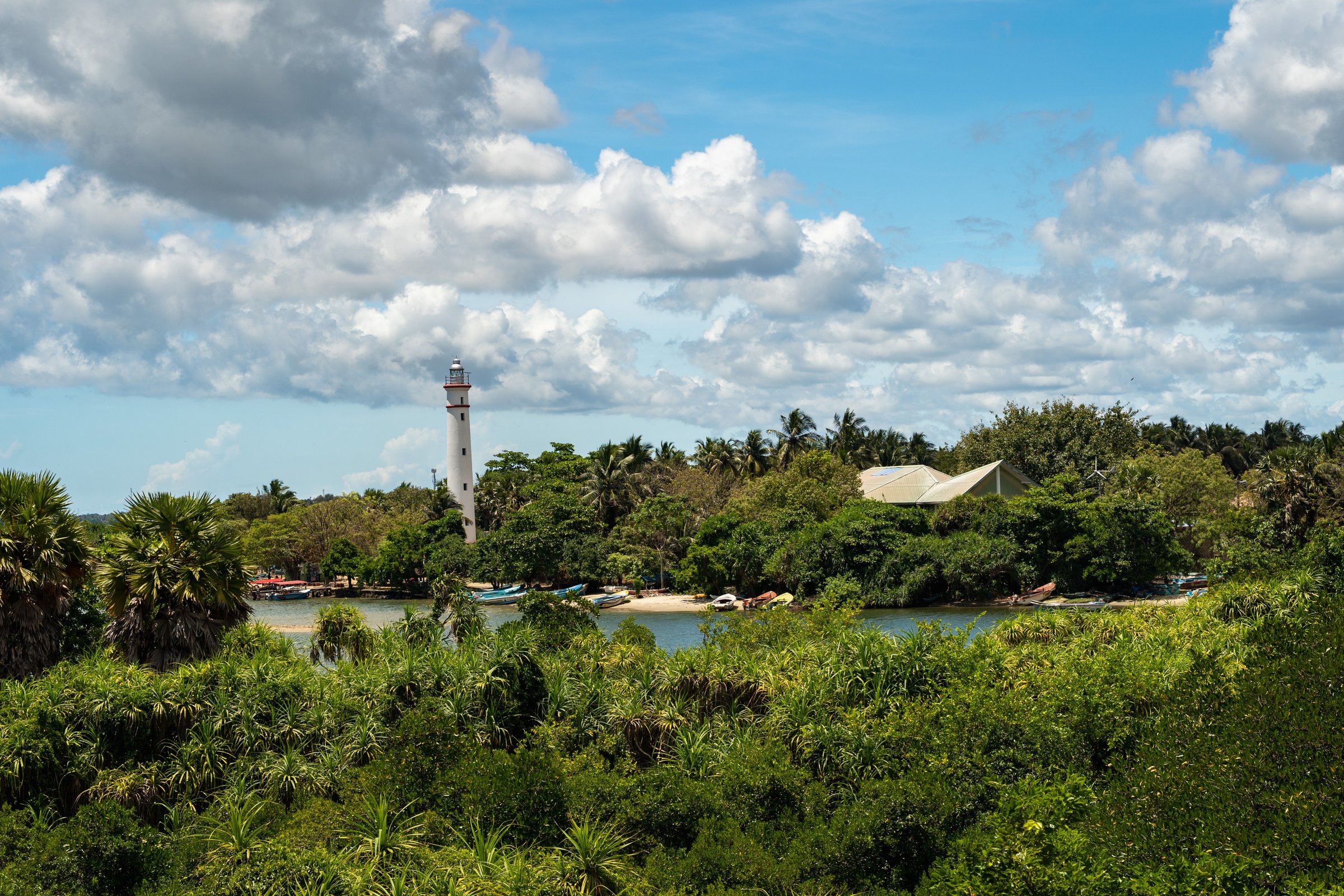
Trincomalee has Nilaveli Beach and Pigeon Island National Park for snorkelling. Arugam Bay is a well-known…
Read More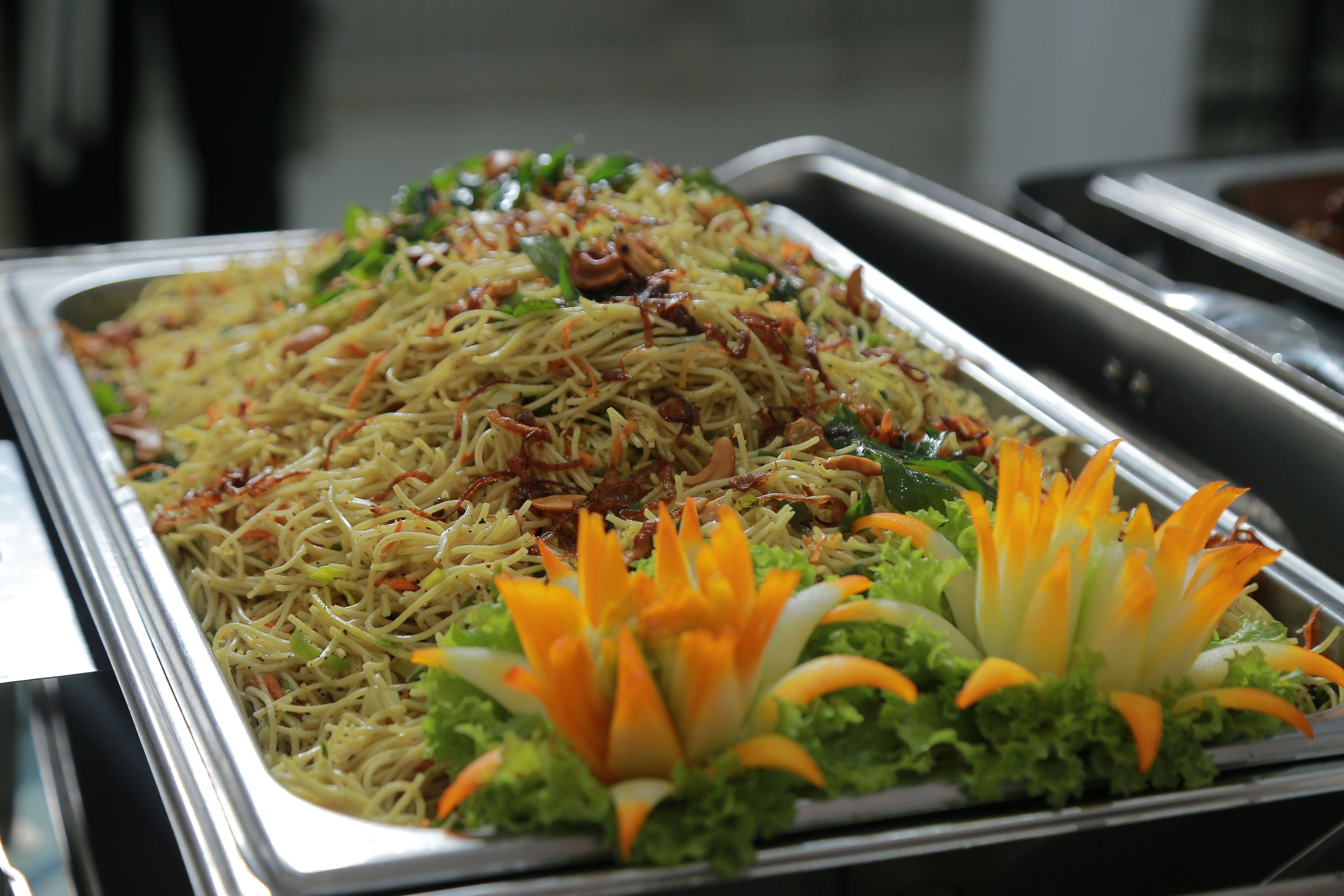
Food is usually what people talk about most when they get back. Sri Lankan cooking is built on coconut, curry leaves, cinnamon and chilli. Rice and curry arrives as a dozen small dishes at once. Hoppers and string hoppers make breakfast, kottu roti is chopped on a hot griddle with a rhythm you can hear from the street, and lamprais is rice and curry baked in a banana leaf. Seafood on the coast, especially crab and prawns, is a highlight, and a cup of Ceylon tea in the hills is worth the trip on its own.
One thing worth clearing up, Sri Lanka is easy for vegetarians. Many rice-and-curry meals are built around vegetables, lentils and coconut sambol, though dishes are often cooked with fish or meat, so it's worth being specific. Food is spicy, and we're happy to brief kitchens to keep it milder. We don't pick restaurants by reputation, we pick them based on what you actually want, whether that's a home-style lunch, a seafood dinner, or a cooking class.
Quick tip: Ask for king coconut (thambili) by the roadside. It's cheap, cold and better than most drinks on a hotel menu. Also note that alcohol is not sold on Poya, the monthly full moon holiday.
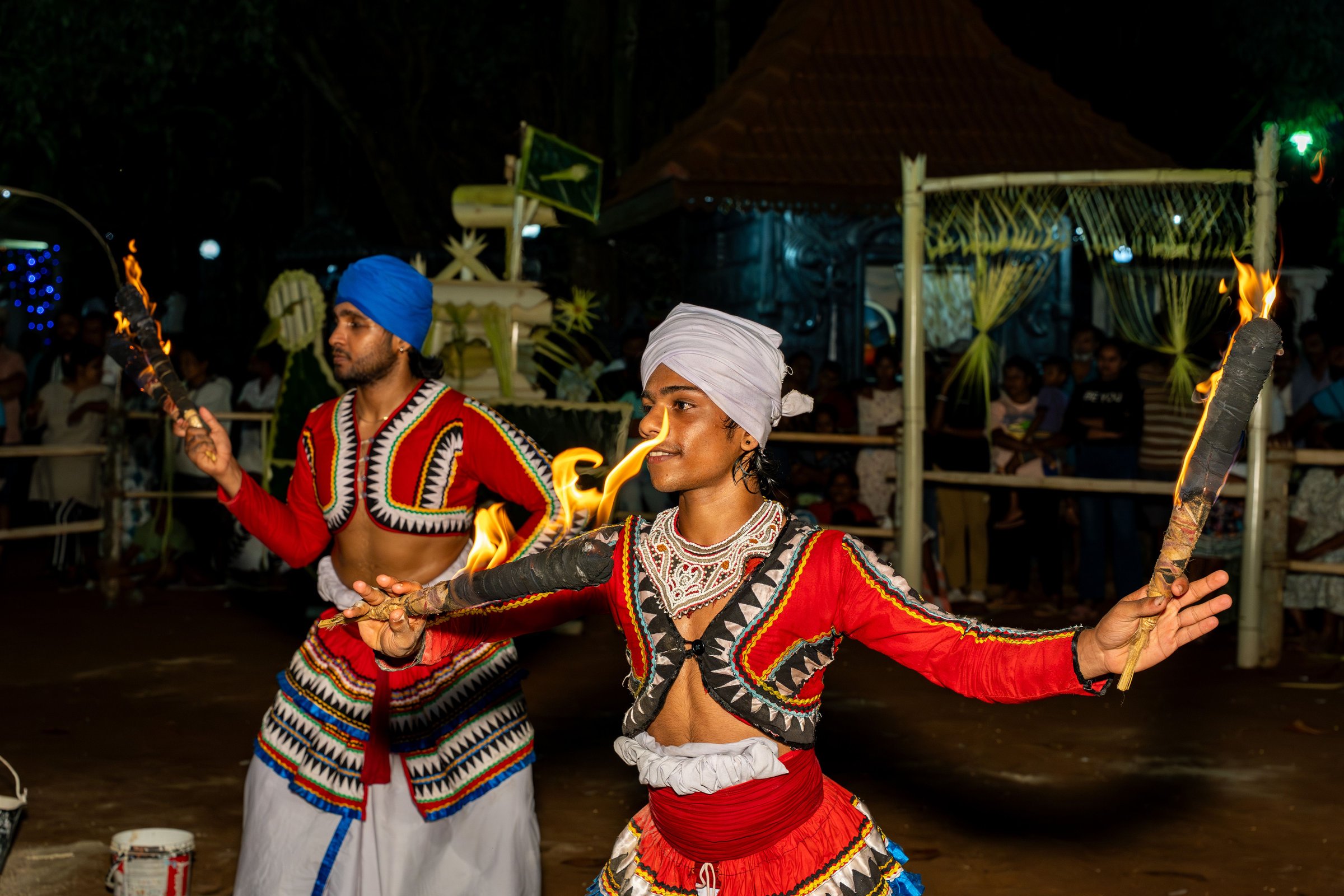
Culture in Sri Lanka isn't only in the ruins. The Sacred Tooth Temple and Sigiriya are worth seeing, but an early morning offering of lotus flowers, a village festival with drummers, or a day on a tea estate usually tells you more. Buddhism shapes daily life here, and Hindu, Muslim and Christian communities are part of the same fabric.
Travenza tip: At temples, cover your shoulders and knees, and remove shoes and hats. Never pose for a photograph with your back to a Buddha statue, which is considered disrespectful.
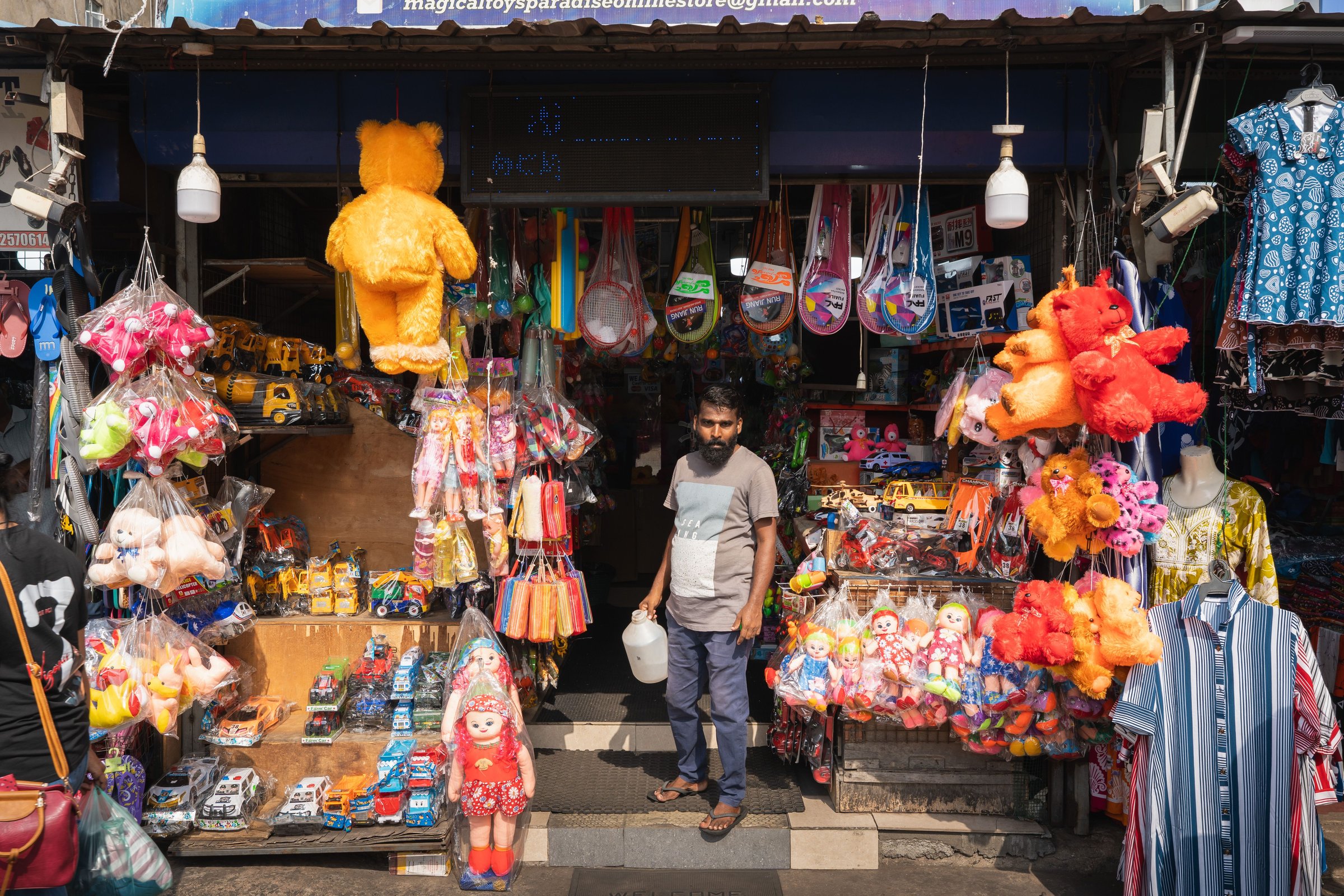
Shopping here rewards a slower pace. Ceylon tea is the obvious buy, best from a tea estate or a good shop. Spices such as cinnamon, cardamom and pepper are inexpensive and travel well. Handloom and batik textiles, lacquerware, wooden masks from Ambalangoda and Galle lace are all local crafts. Sri Lanka is also known for gemstones, particularly sapphires from Ratnapura.
Buy gems only from reputable, certified dealers, and never through a roadside tout or a driver's commission. Exporting antiques and Buddha statues is restricted, and products made from wildlife are illegal.
Travenza tip: Ask for a certificate for any gemstone and keep the receipt. We recommend dealers we trust, and we'll tell you when a purchase isn't worth it.
Frequently Asked Questions
Yes. It's close to India, easy to travel in with a driver, and English is widely spoken in tourist areas. It's a good introduction to international travel.
For a first trip, 7–9 days works well. It is enough for the Cultural Triangle, Kandy, the hills and the coast without rushing. Add wildlife or the east coast and stretch it to 10–12 days.
Depends where you want to go. December to March is best for the west and south coast and the hills. April to September is better for the east coast. The Cultural Triangle can be visited year-round.
Indian passport holders need an ETA before travel. It is currently free for tourism, valid for 30 days with double entry, and applied for online. We confirm the latest rules and help with the process.
Yes. Beaches, elephant encounters, train rides and short driving days make it a good family destination. We keep the days manageable for children.
Yes. Boutique villas, tea-country stays, private beaches and time away from crowds suit couples.
Yes. Vegetable curries, dhal and sambols are part of every rice-and-curry meal. It helps to specify no fish or meat in the cooking, and we brief hotels in advance.
Sri Lanka is a popular destination and generally welcoming to travellers. Standard precautions apply, and we monitor official advisories before every departure.
Depends on season, duration, hotel category and style. As a rough guide, a well-planned 7 - 9 day trip in good hotels and villas starts around ₹1 - ₹1.2 lakh per person, excluding flights. Luxury villas and private experiences push this higher.
Yes, in hotels, restaurants and tourist areas. Less so in smaller villages, where your driver or guide helps.
Yes, every trip is built around what you want, whether that's adding a safari, extending the hills, including whale watching, or planning around a celebration.
Ready to go?
Share your dates, group size and interests, we will craft a bespoke itinerary within 48 hours. No obligations.