Europe · Italy

Italy Travel Guide

Renaissance cities, coastal drives and long Italian lunches await
Rome doesn't restore itself for visitors. Scooters cut across a two-thousand-year-old forum like it's just another intersection. A nonna serves the same four pasta shapes she's made her whole life, and somehow that's still the best meal of the trip. In Venice, a gondolier takes the back canals instead of the ones every postcard uses, because he's bored of the postcard route too.

Every region here argues its cuisine is the real Italian food, and every region is at least a little bit right. Rome runs on ruins and late dinners. Florence slows everything down for art and wine. The coast south of Naples throws lemon groves and cliffside villages at you until you stop trying to photograph all of it. Venice floats above the whole idea of a normal city. None of these places agree with each other, and that's precisely why a single Italy itinerary can hold this much.

Why Italy, and Why With Us

Why Italy, and Why with us

Italy has opinions, and it shares them freely. A waiter who steers you away from the tourist menu without being asked. A hotel owner who insists you haven't really seen Florence until you've walked up to Piazzale Michelangelo at the right hour. That confidence extends everywhere, into the food, the driving, the way a city defends its own version of carbonara. It’s a part of what makes travelling here feel different from almost anywhere else.

It's also a country that's easy to overbook. Rome, Florence, Venice, the Amalfi Coast, every city has a case for three extra days. A two-week itinerary can fill up before you've even added the lakes or Tuscany's hill towns. High-speed trains connect the big cities quickly, but the coast runs on slower, narrower roads that don't care how tight your schedule looks on paper. We'd rather build in fewer stops and get the timing right than chase every region in one trip.

We've spent years working out which order actually makes sense here , when to take the train, when a private car earns its cost, and which coastal transfer needs the whole afternoon rather than a rushed two hours. Every Italy itinerary we build starts with that logic, not a generic north-to-south checklist. This is our travel guide to Italy. You can find our opinions on what places to include, what time to visit, how long your visit should be and more.

With Travenza, You Can Expect

Itineraries for Italy

View All Itineraries →

When Is the Best Time to Visit Italy?

Italy runs warm for most of the year, and the real question is how much company you want while you're there.

Spring (April–May)

Best for: mild weather, fewer crowds, everything blooming

Ideal destinations: Rome, Florence, Tuscany

If you asked us: this is the window we point most first-time guests toward , comfortable walking weather in the cities, and Tuscany's countryside at its greenest before summer's heat sets in.

Peak Summer (June–August)

Best for: the Amalfi Coast, warm-water swimming, long evenings

Ideal destinations: Amalfi Coast, Capri, Sorrento

If you asked us: the coast is at its best now, but Rome and Florence turn uncomfortably hot and crowded , if summer's your only window, lean the itinerary toward the water rather than the cities.

Autumn (September–October)

Best for: grape harvest, comfortable temperatures, thinner crowds

Ideal destinations: Tuscany, Rome, Lake Como

If you asked us: wine country is worth timing around harvest season specifically , vineyards are at their most active, and the light across Tuscany's hills is some of the best all year.

Winter (November–March)

Best for: lower rates, Rome and Florence without the queues

Ideal destinations: Rome, Florence, Milan

If you asked us: the coast largely closes for the season, but the cities come into their own , shorter lines at the Vatican and the Uffizi, and hotel rates that drop noticeably.

The Best Places to Visit in Italy

Getting the regional mix right matters more here than almost anywhere else in Europe , Italy's north and south can feel like different countries. Here's what each stop is actually built for.
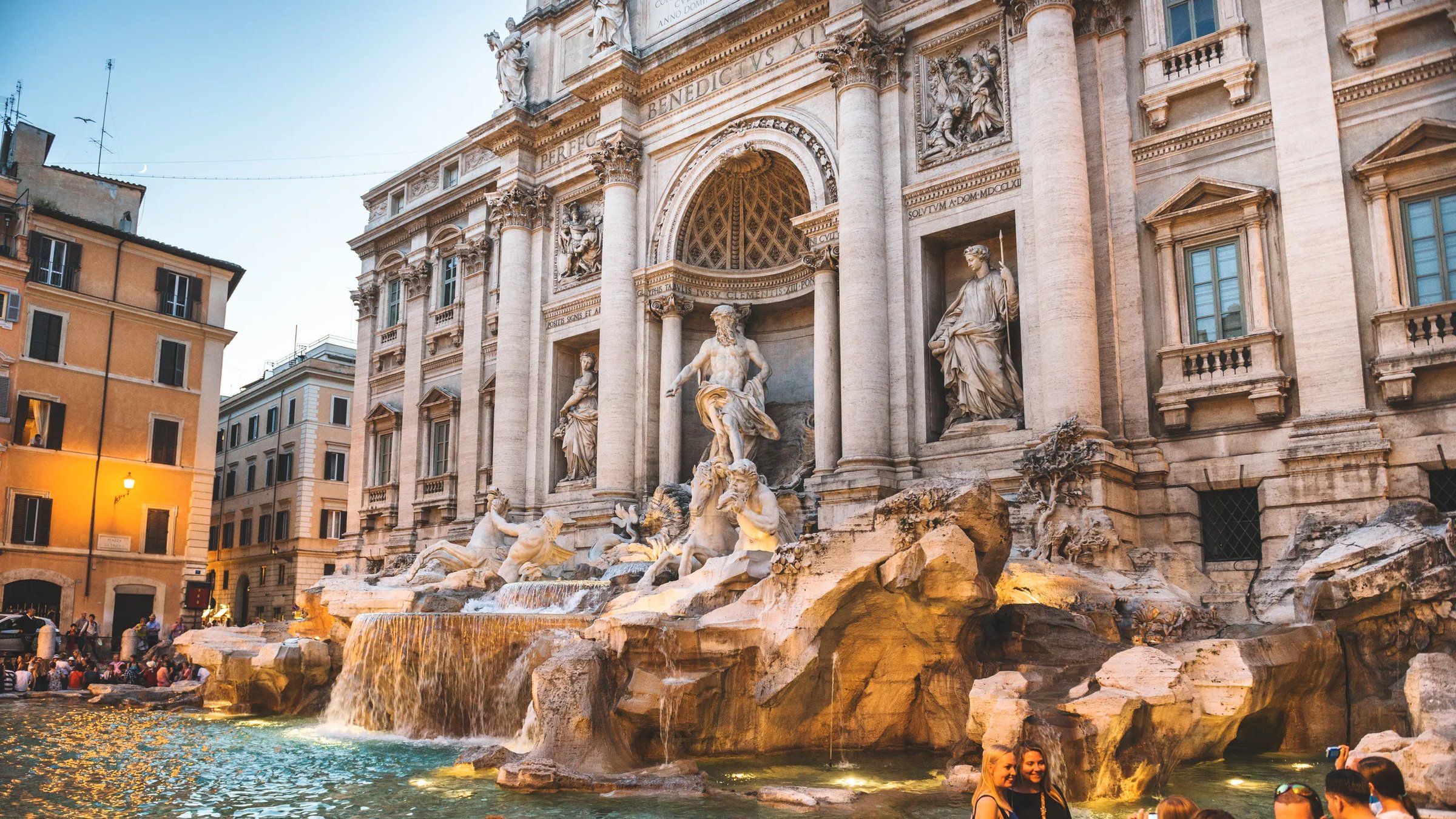
Rome

Colosseum, Roman Forum & Palatine Hill is a massive ancient amphitheater and historic ruins showing Rome's…

Read More
Colosseum, Roman Forum & Palatine Hill is a massive ancient amphitheater and historic ruins showing Rome's imperial past. Vatican Museums & Sistine Chapel houses Renaissance masterpieces and Michelangelo's iconic ceiling. Trevi Fountain is an ornate baroque fountain famous for coin-tossing wishes. Pantheon is an ancient temple with a massive dome and oculus opening. Spanish Steps is a monumental staircase connecting two neighbourhoods. Piazza Navona is a lively plaza surrounded by historic buildings and fountains.

Plan My Trip Now

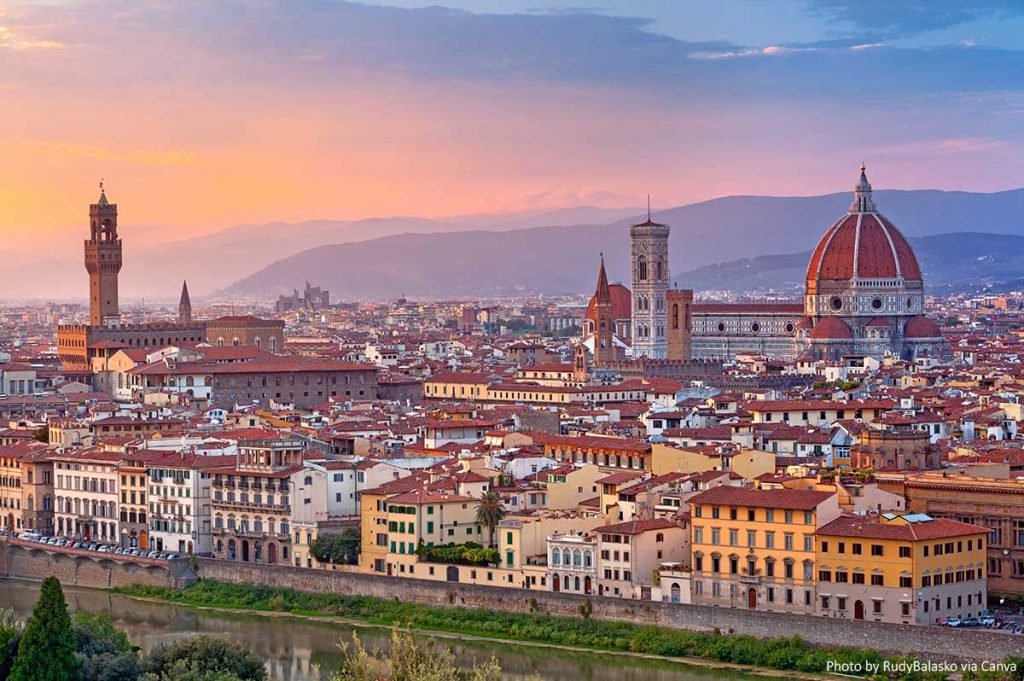
Florence

Duomo di Firenze & dome climb is a Gothic cathedral with an iconic dome offering views…

Read More
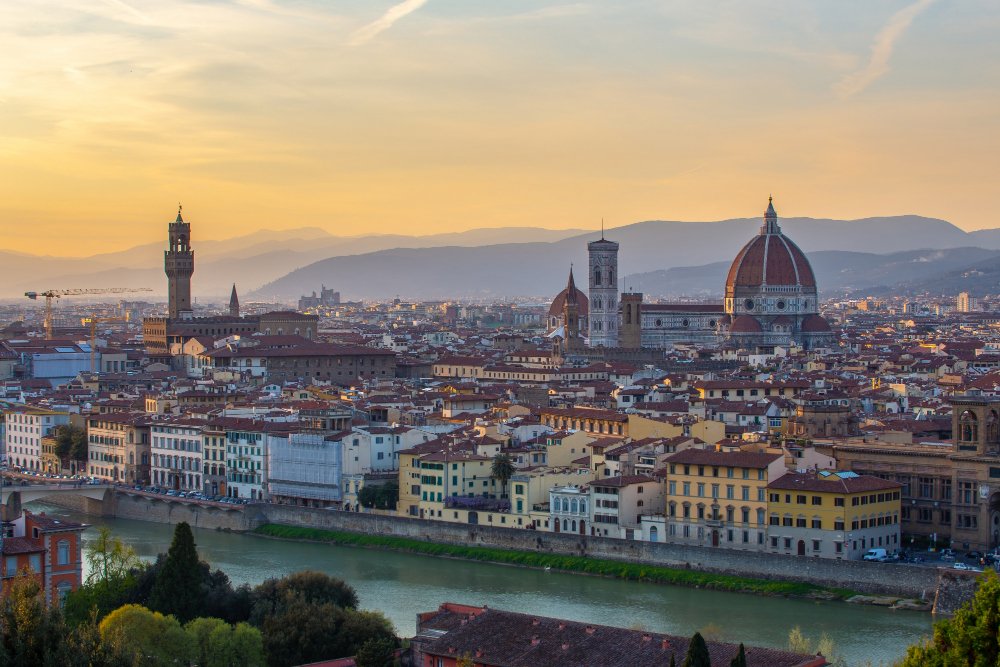
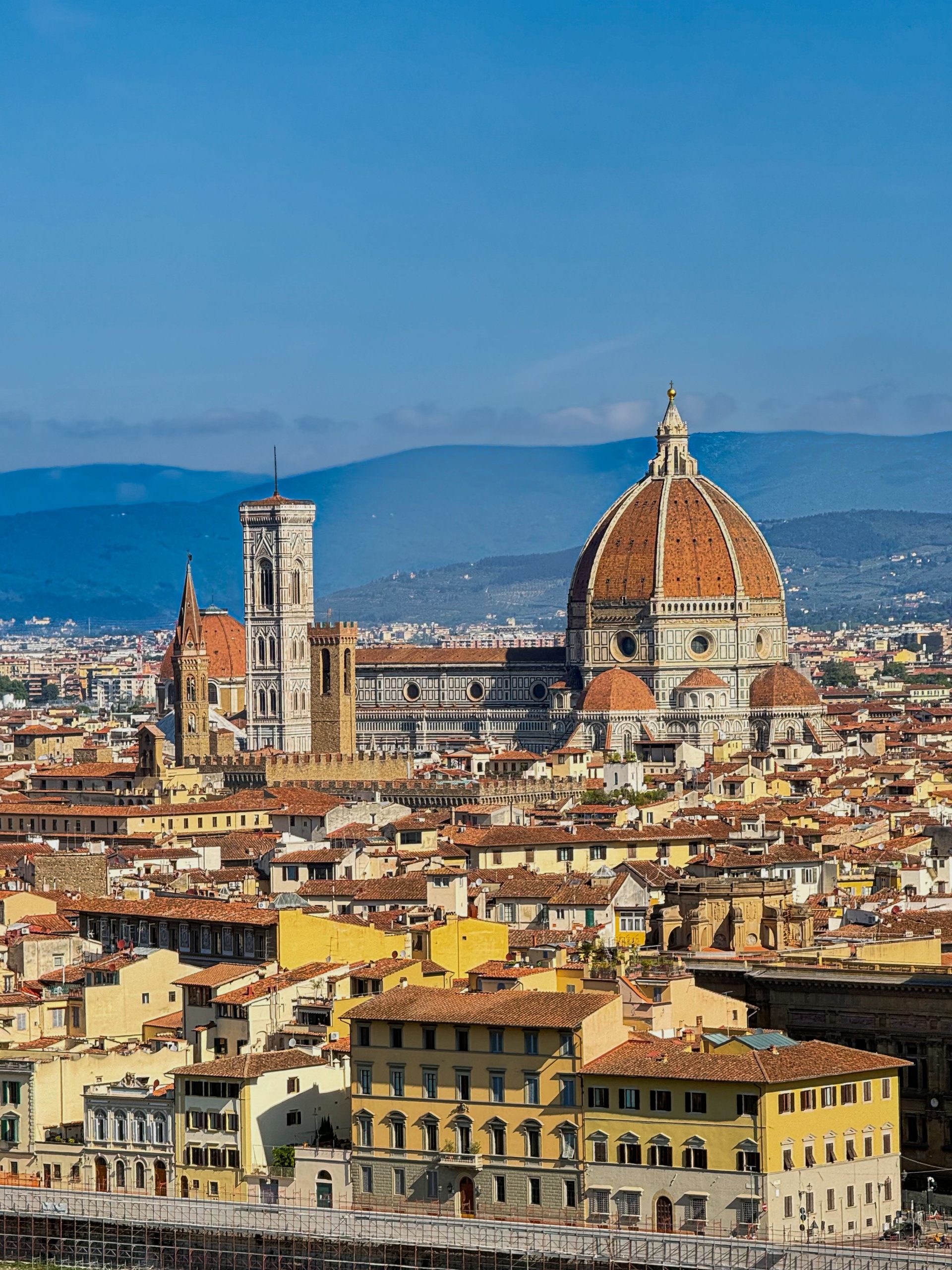
Duomo di Firenze & dome climb is a Gothic cathedral with an iconic dome offering views of the city. Uffizi Gallery is a major art museum with Renaissance masterpieces and classical sculptures. Ponte Vecchio is a historic bridge over the Arno River lined with jewelry shops. Piazzale Michelangelo at sunset is a hilltop viewpoint with panoramic views of Florence during golden hour. Palazzo Pitti & Boboli Gardens is a palace with art collections and Renaissance gardens.

Plan My Trip Now

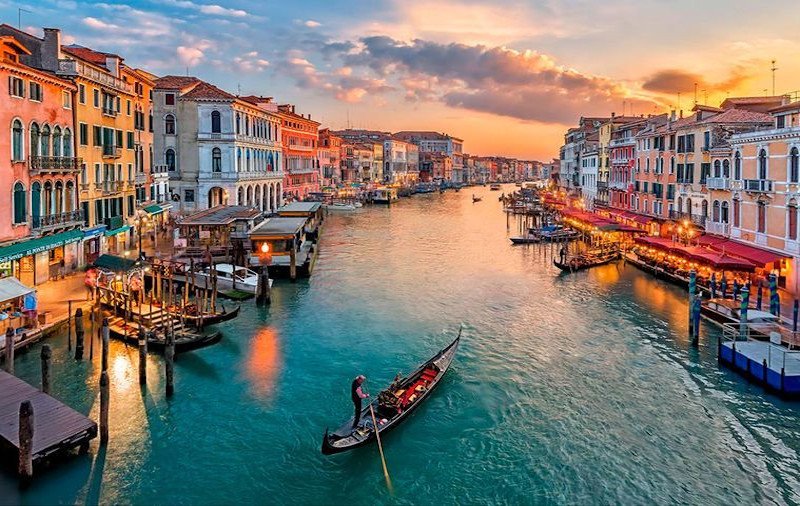
Venice

St. Mark's Square & Basilica is the main plaza with an iconic Byzantine basilica and ornate…

Read More
St. Mark's Square & Basilica is the main plaza with an iconic Byzantine basilica and ornate architecture. Grand Canal gondola ride is a boat journey through Venice's main waterway past historic palaces. Murano glassblowing showcases traditional artisans creating intricate glass pieces on the island. Burano's coloured houses is a charming village famous for brightly painted buildings along canals. Rialto Bridge is a historic stone bridge spanning the Grand Canal with shops and restaurants.

Plan My Trip Now

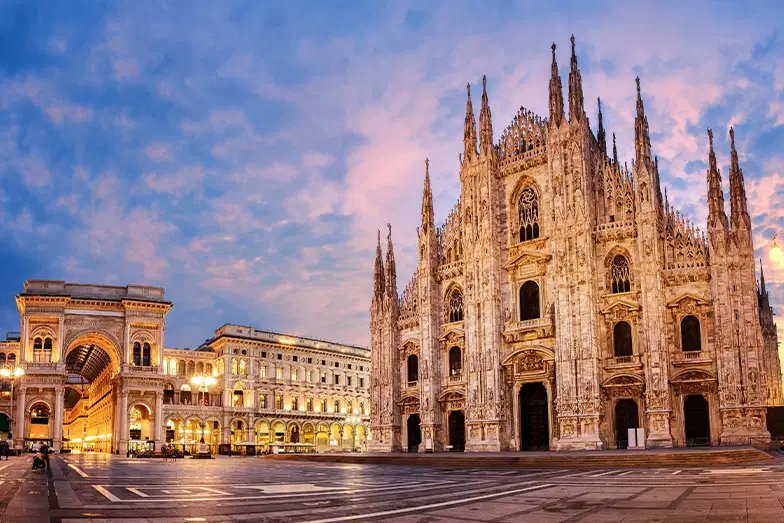
Milan

Duomo di Milano & rooftop is a Gothic cathedral with intricate marble spires and a rooftop…

Read More
Duomo di Milano & rooftop is a Gothic cathedral with intricate marble spires and a rooftop offering city views. Galleria Vittorio Emanuele II is a historic shopping arcade with elegant Renaissance architecture. Santa Maria delle Grazie (The Last Supper) is a church housing Leonardo da Vinci's famous Renaissance painting. Navigli canal district is a neighborhood with historic canals, restaurants, and vibrant nightlife. Quadrilatero della Moda is a fashion district with luxury brand flagship stores.

Plan My Trip Now

Lake Como

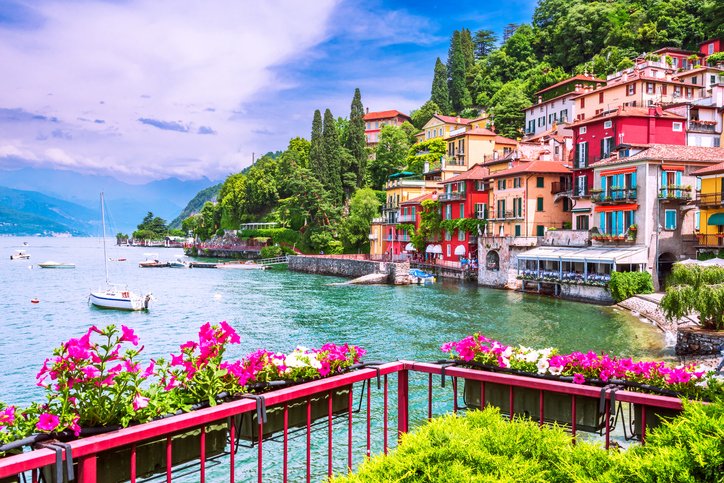
Bellagio village is a picturesque lakeside town with pastel buildings and waterfront promenades. Lake Como boat…

Read More
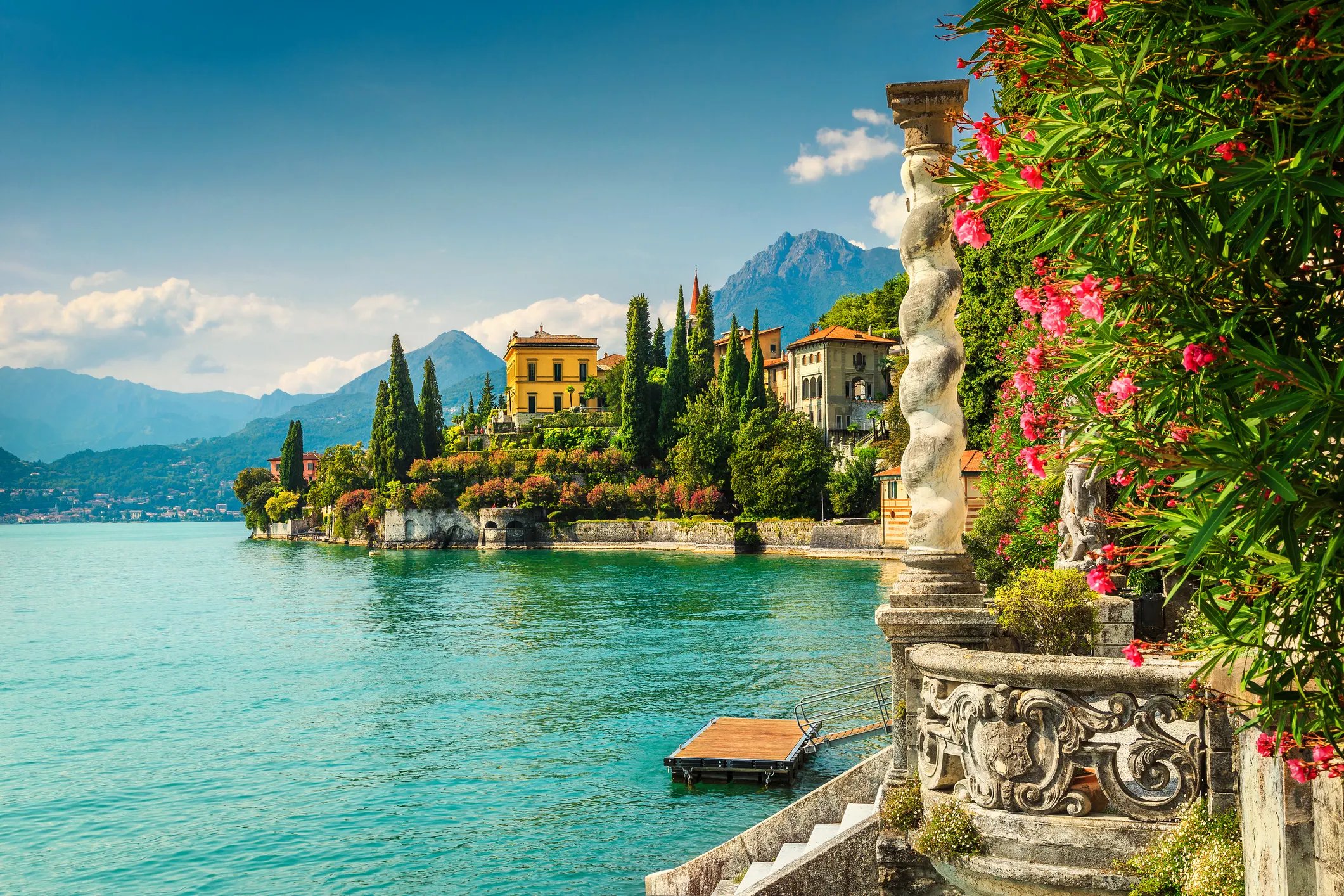
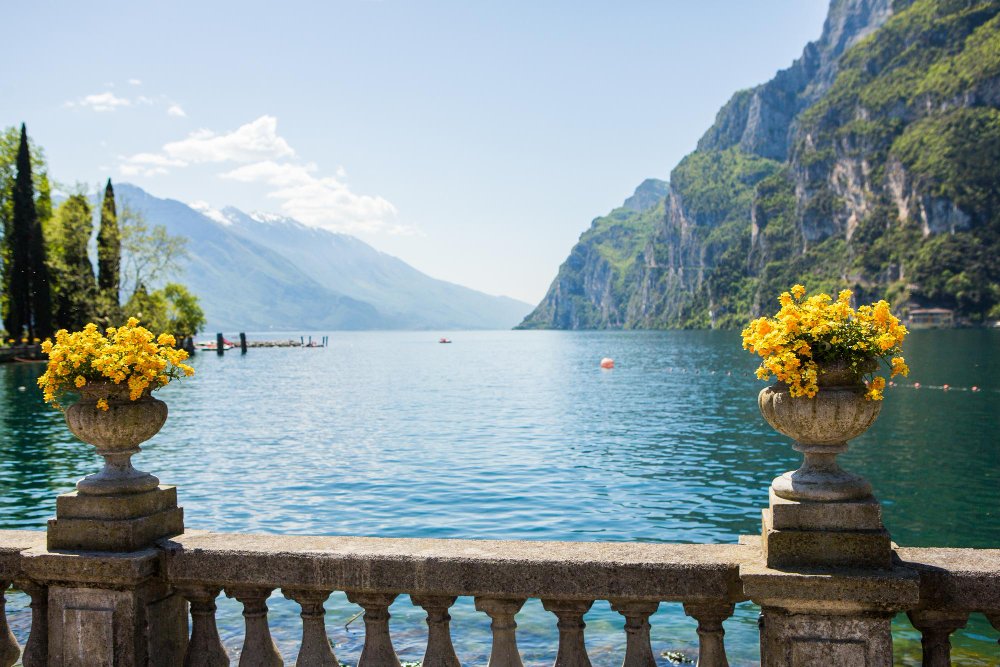
Bellagio village is a picturesque lakeside town with pastel buildings and waterfront promenades. Lake Como boat cruise is a scenic journey on the water with views of mountains and historic villas. Villa del Balbianello is a historic villa on a peninsula with ornate gardens and panoramic lake views. Lugano day trip is a nearby Swiss city and lake accessible by short journey from Como. Como's historic centre is the main town with medieval architecture, shops, and waterfront dining.

Plan My Trip Now

Tuscany (Siena, San Gimignano & Chianti)

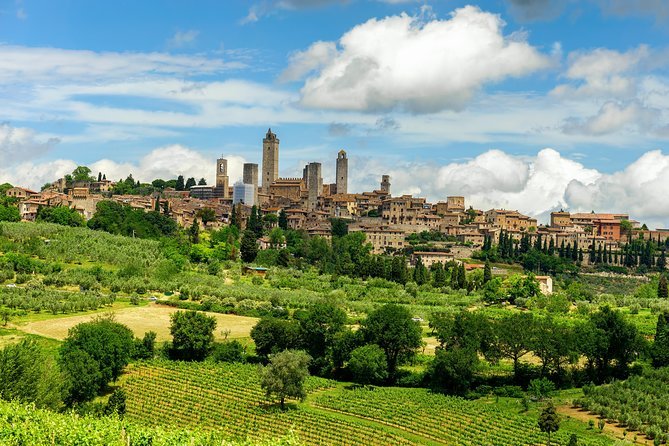
Siena's Piazza del Campo is a shell-shaped medieval plaza surrounded by historic buildings and towers. San…

Read More
Siena's Piazza del Campo is a shell-shaped medieval plaza surrounded by historic buildings and towers. San Gimignano's medieval towers are well-preserved stone towers rising from a hilltop village offering panoramic views. Chianti wine tasting is sampling regional wines at vineyards in rolling countryside. Pisa's Leaning Tower is an iconic marble bell tower famous for its unintended tilt and architectural details. Val d'Orcia countryside drive is a scenic route through cypress trees and golden valleys showcasing Tuscany's landscape.

Plan My Trip Now

Sorrento & the Amalfi Coast

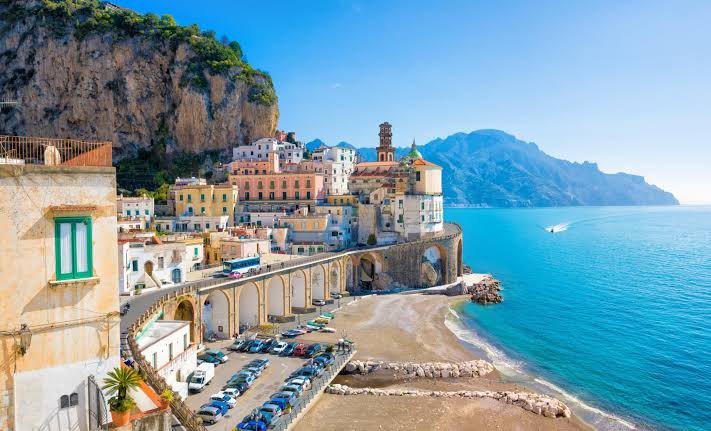
Positano's cliffside streets are narrow alleyways lined with colorful buildings cascading down steep cliffs to the…

Read More
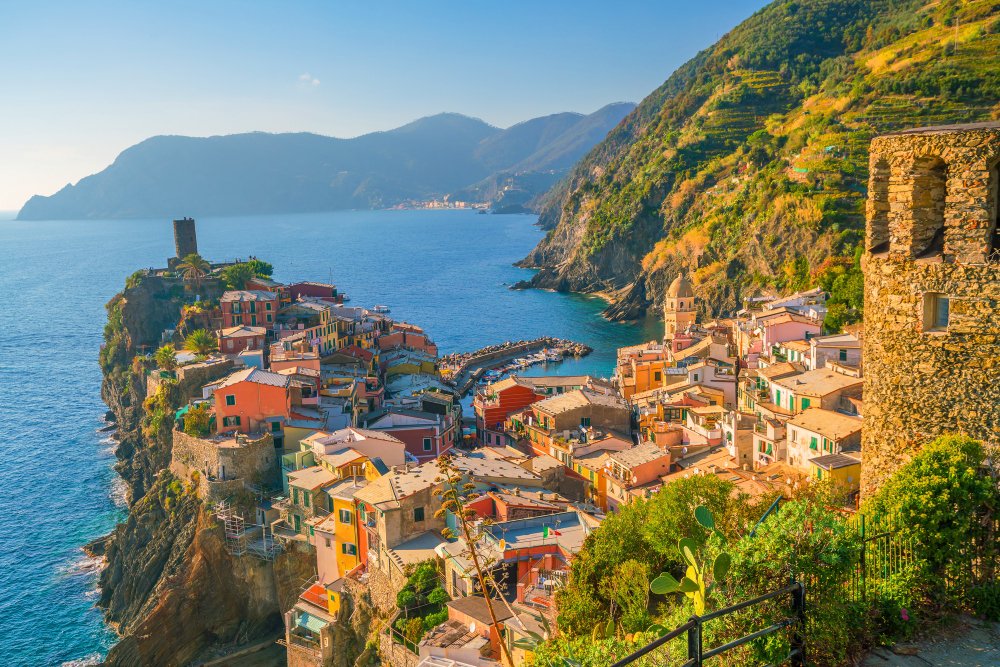
Positano's cliffside streets are narrow alleyways lined with colorful buildings cascading down steep cliffs to the sea. Amalfi Cathedral is a historic religious monument with ornate architecture and religious artifacts. Ravello's Villa Cimbrone & Villa Rufolo are historic villas featuring terraced gardens and panoramic coastal views. Sorrento's Piazza Tasso is the main plaza with shops, restaurants, and local energy. A pasta-making class is a hands-on cooking experience where you learn to make and cook traditional pasta.

Plan My Trip Now

Capri

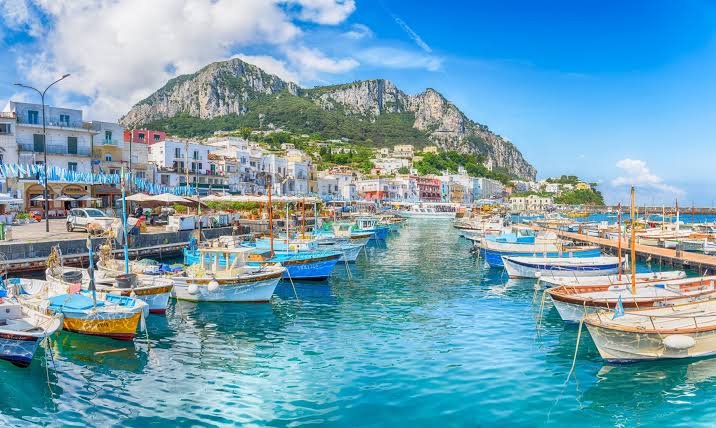
Must-Do Experiences in Capri: Blue Grotto is a sea cave illuminated by natural light creating impossibly…

Read More
Must-Do Experiences in Capri: Blue Grotto is a sea cave illuminated by natural light creating impossibly blue water. Anacapri & Monte Solaro chairlift takes you up a mountain offering panoramic views of the island and surrounding sea. Faraglioni rock formations are three massive natural rock pillars rising dramatically from the water. Piazza Umberto I is the main plaza in Capri town with shops, cafes, and local atmosphere. Marina Piccola is a small beach and harbor area with swimming and waterfront dining.

Plan My Trip Now

Suggested Trip Duration

8–9 days Rome, Florence and Venice covers the highlights for a first trip through the classic cities.
10–12 days (our most common recommendation) Add the Amalfi Coast or Tuscany without rushing any of the three.
13–15 days Room for Milan, Lake Como and a proper coastal stretch together.
16+ days For repeat visitors slowing down further, or combining Italy with France, Switzerland or Croatia.
A Culinary Journey Through Italy

A Culinary Journey Through Italy

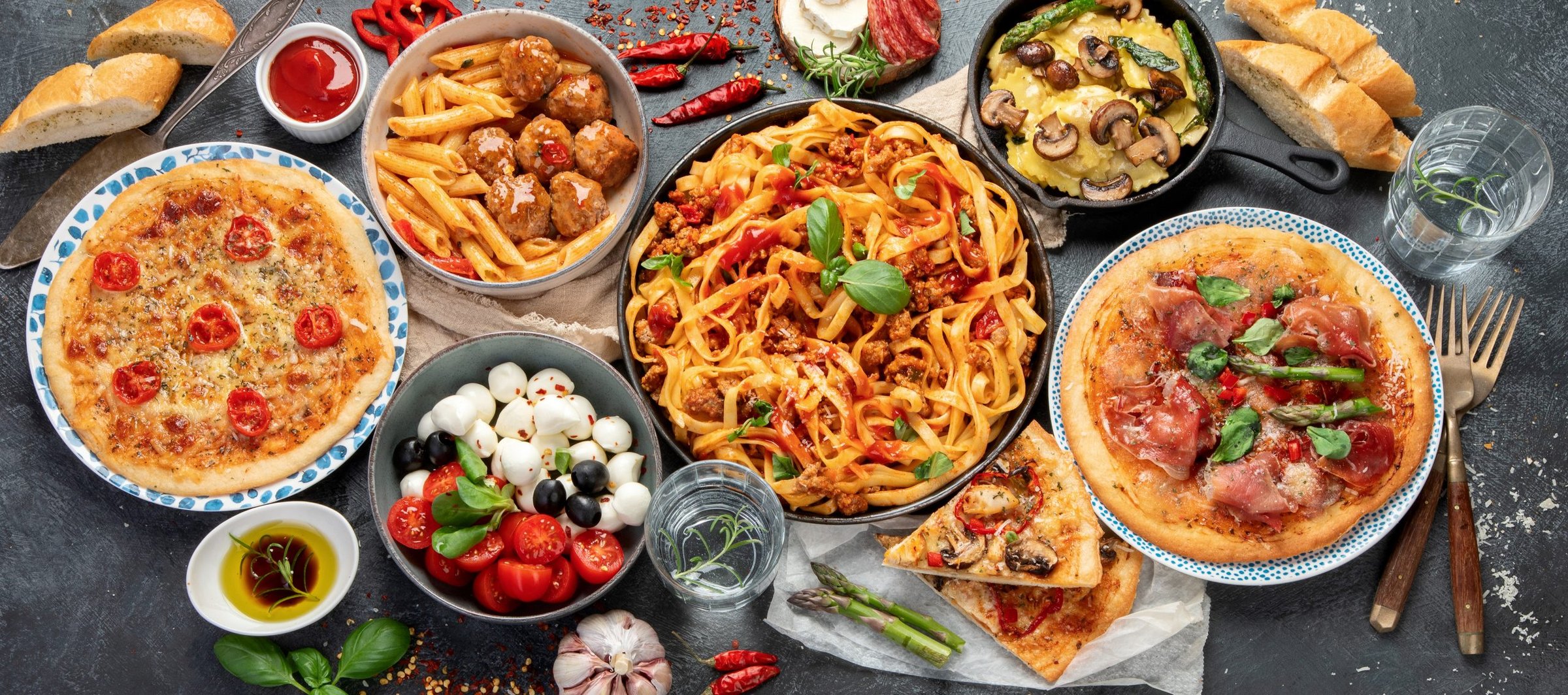
Italian food resists generalising more than almost any national cuisine. Rome runs on four pasta dishes done extremely well , carbonara, cacio e pepe, amatriciana, gricia , each fiercely defended by whoever's cooking it. Florence leans into red meat and Chianti. Naples and the Amalfi Coast do seafood and the best pizza you'll have anywhere, made with a dough recipe most places outside Italy still haven't figured out. Every region will tell you, with total confidence, that theirs is the real version.

A cooking class is worth building into at least one stop, and Sorrento or Positano both do a version that ends with dinner rather than a certificate. Skip the restaurants directly on a piazza with a photo menu out front , they're built for volume, not for the meal.

Quick tip: Order the daily special (piatto del giorno) if a restaurant has one. It's usually what the kitchen actually wants to cook that day, and it's rarely the most expensive thing on the menu.
Culture & Traditions

Culture & Traditions

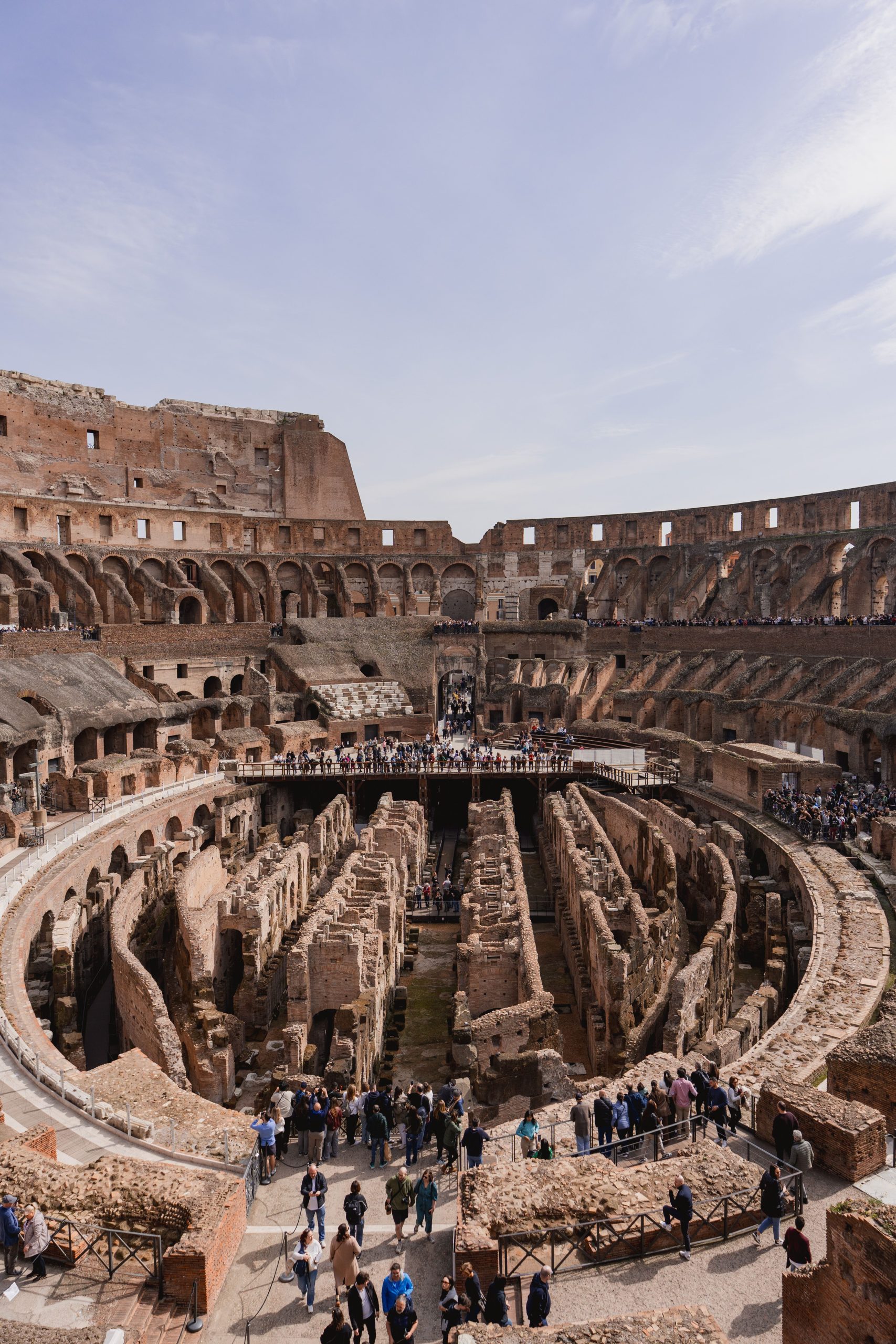
Italy wears its history without much ceremony , the Colosseum sits in the middle of modern Rome's traffic, not roped off in a museum quarter. A Sunday passeggiata, the evening walk where entire towns turn out just to see and be seen, tells you more about daily life here than any single monument. Catholic tradition still shapes the calendar in ways visitors don't always notice , expect closures around religious holidays, and a different rhythm to Sunday mornings almost everywhere outside the big cities.

Travenza tip: Join the evening passeggiata in whichever town you're staying, even without a specific destination in mind. It's one of the more genuine ways to feel part of a place rather than a visitor passing through it.
Shopping in Italy: From Milan's Runways to Florence's Leather Markets

Shopping in Italy: From Milan's Runways to Florence's Leather Markets

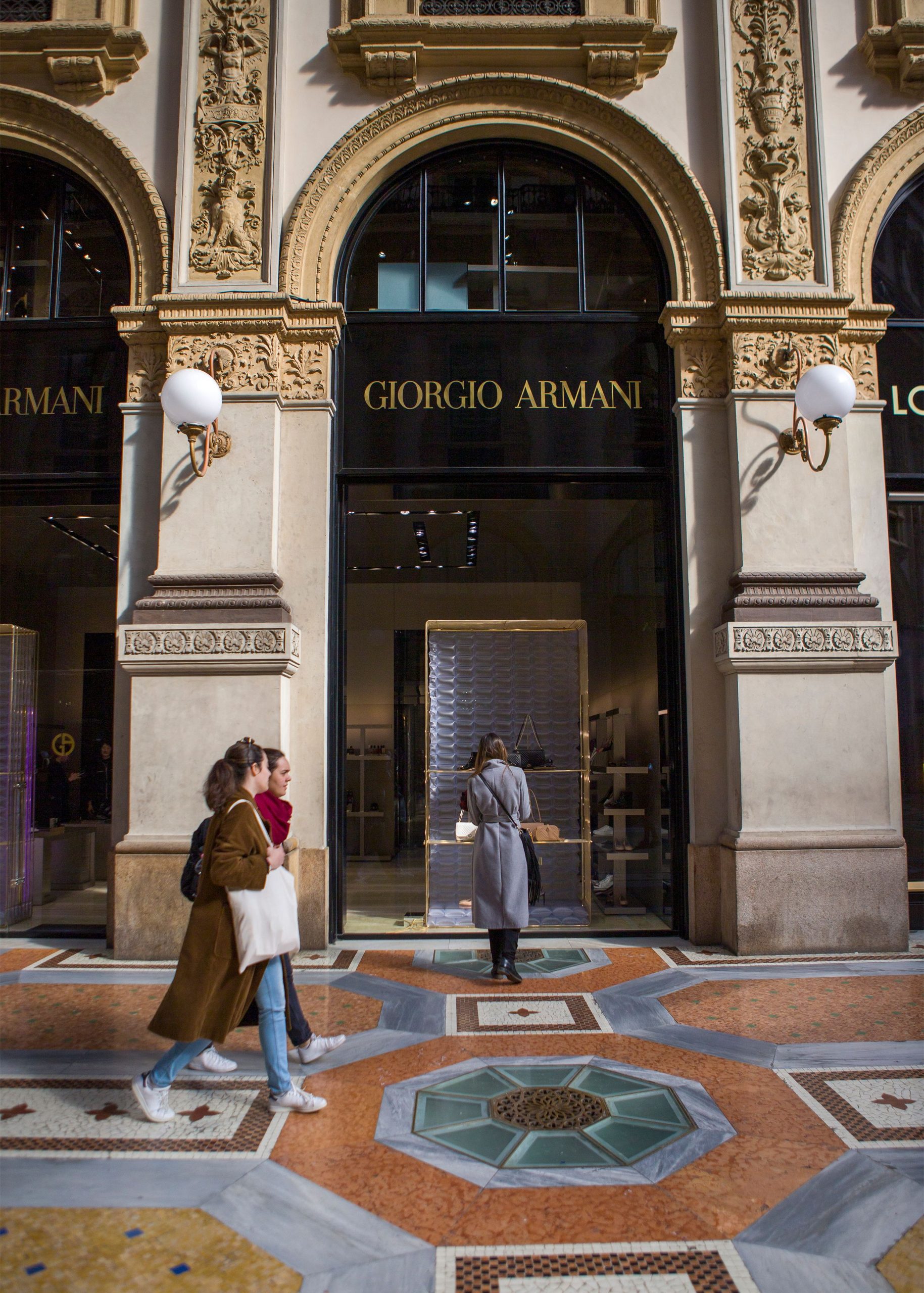
Milan is the obvious draw for fashion , the Quadrilatero della Moda holds flagship stores from nearly every major Italian house, and it's worth a walk even without buying anything. Florence's leather markets, particularly around San Lorenzo, offer good craftsmanship at a fraction of boutique prices, provided you know roughly what quality to look for. Venice does glass and lace properly, made on Murano and Burano respectively rather than imported and relabelled.

Travenza tip: Buy Murano glass directly on the island, not from a shop on Venice's main tourist streets. A meaningful amount of what's sold there isn't actually made in Murano, despite the name on the label.

Getting Around Italy

Italy's high-speed rail network , the Frecciarossa and similar trains , connects Rome, Florence, Milan and Venice in a couple of hours each, and it's usually faster and more comfortable than flying once you count airport time. We build most city-to-city legs around it. The coast is a different matter entirely , Sorrento, the Amalfi Coast and Lake Como all run on narrow, winding roads better suited to a private driver than a rental car if you're not used to Italian driving.

Within cities, walking covers most sightseeing , Florence and Venice especially are built for it, and often faster on foot than by any form of transport once you factor in traffic and canal crossings.

Travenza tip: Don't rent a car for the Amalfi Coast unless narrow cliffside roads with constant oncoming traffic are something you're fully at ease with. A private driver costs less in stress than it does in euros.

Visa Guide

Italy is part of the Schengen Area, and most Indian travellers need a Schengen visa arranged in advance. We handle documentation and the application process end to end, and would recommend applying at least three to four weeks before your trip, longer if your dates fall during peak summer travel season.

Why Italy Stays With You

Italy rarely gives you just one thing to remember. It's the ruins and the espresso bar next to them. The Renaissance masterpiece and the trattoria two streets over that turns out to matter just as much. A coastline so dramatic it looks unreal, followed by a plate of pasta made by someone who's been making it the same way for forty years. The country doesn't separate its history from its everyday life, and neither does the trip.

Most first trips cover Rome, Florence and Venice. What comes after tends to go deeper rather than wider , Tuscany's hill towns, a proper week on the Amalfi Coast, Lake Como's quiet villas. Few guests treat Italy as a one-time destination.

We hope our travel guide to Italy has helped you to make better decisions. This is just the tip of the iceberg. Connect with us to curate your dream Italy holiday.

Your Italy questions, answered

Is Italy a good destination for first-time international travellers?

Yes. It's well set up for tourism, the high-speed trains make city-hopping simple, and English is common enough in the major cities and coastal towns that language rarely becomes a real obstacle.

How many days should I spend in Italy?

10–12 days works well for a first trip , Rome, Florence and Venice, with either the Amalfi Coast or Tuscany added. Stretch to 13–15 days to include Milan and Lake Como without rushing.

When is the best time to visit Italy?

April, May, September and October offer the most comfortable weather with manageable crowds. Summer suits the coast but gets uncomfortably busy and hot in the cities. Winter is quieter and cheaper, though the coast largely shuts down.

Can I combine Italy with another country?

Yes , it's one of the more common ways we build these trips. Paris and Switzerland both connect by short flight or train, and Venice links directly into Croatia by train through the Alps.

Is Italy suitable for family holidays?

Yes. Roman history, gelato on every corner and coastal boat days all hold a family's attention well, and the train network makes moving between cities straightforward with kids in tow.

Is Italy a good honeymoon destination?

Yes , a cliffside Amalfi Coast dinner, Venice's quieter canals and a Tuscan vineyard afternoon all work well together for a trip built around slowing down.

Is vegetarian food available in Italy?

Yes, more easily than many visitors expect. Pasta and pizza both offer straightforward vegetarian options everywhere, though it's worth confirming stock bases in more traditional restaurants.

Do I need a visa for Italy?

Most Indian travellers need a Schengen visa arranged in advance. We confirm the latest requirements and handle documentation before you travel.

How much should I budget for an Italy holiday?

Depends on season, duration, hotel category and style. As a rough guide, a well-planned 10–12 day trip in good hotels starts around ₹2.8–3.8 lakh per couple, excluding flights. Peak summer and the Amalfi Coast both push this higher.

Can I customise my itinerary?

Yes , every trip is built around what you want, whether that's adding Lake Como, extending the Amalfi Coast, including a cooking class, or planning around a celebration.

Ready to go?

Plan your Italy trip

Share your dates, group size and interests, we will craft a bespoke itinerary within 48 hours. No obligations.
Plan My Trip → Chat on WhatsApp