Middle East · Arabian Peninsula

Oman Travel Guide

Ancient desert forts, frankincense souks and crystal-clear wadi swims.
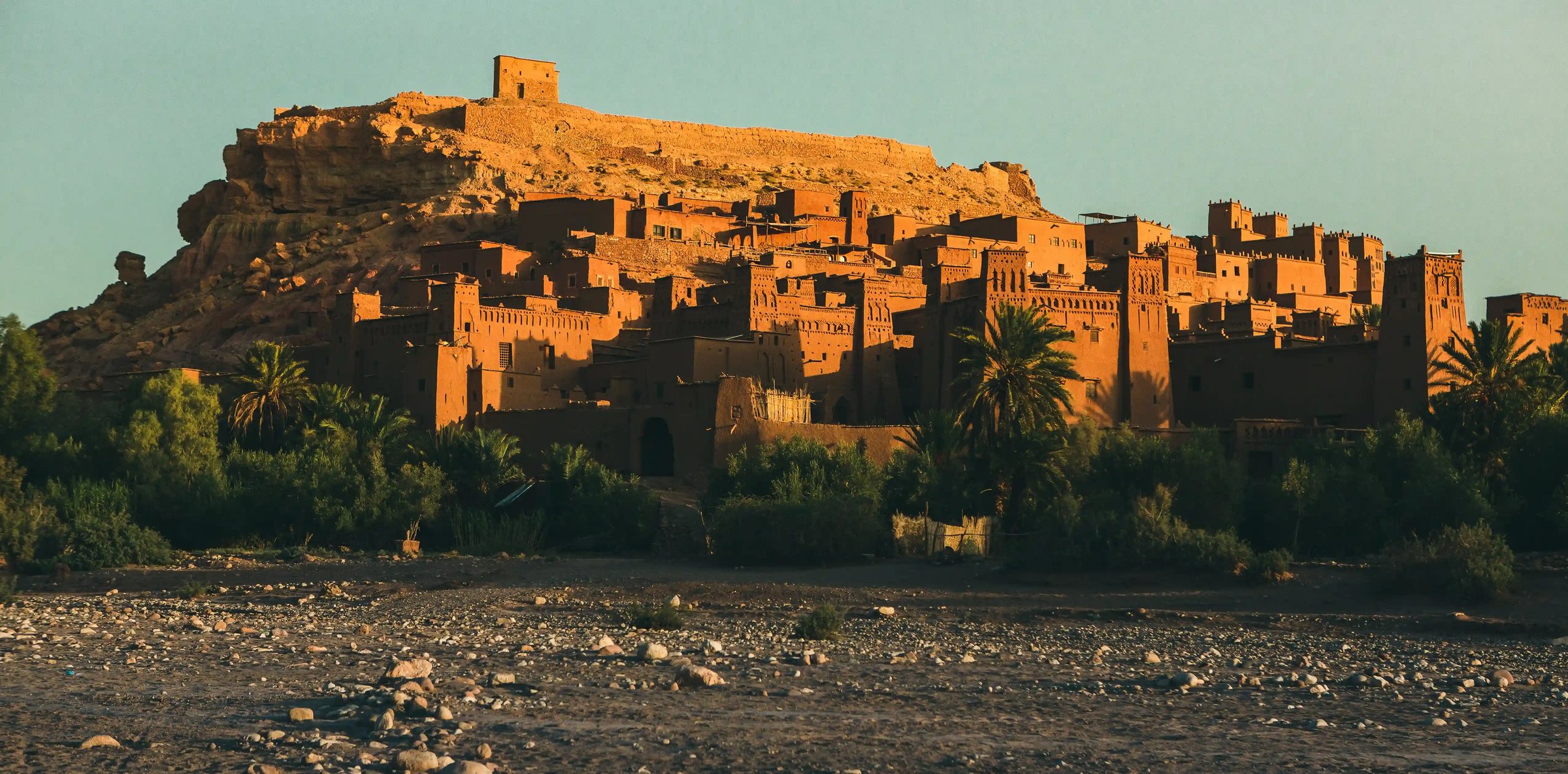
Oman is not loud like its neighbours. A fort at sunset with no queue and no crowd. A wadi so still the water looks painted on. A souq in Muscat where the frankincense smell hits before the stalls come into view. That's usually how it goes here.

What makes it work is restraint. No skyscraper race, no theme parks competing for attention, just canyons, coastline, desert and centuries-old forts, largely left alone. Every region has its own character. Muscat is measured and clean, Salalah is green and humid for a few months a year, the interior is all mountain and desert. So no two trips through Oman should look the same.

Why Oman, and Why With Us

Why Oman, and Why with us

Oman runs on a quiet, unhurried courtesy that's easy to underestimate until you're in it. A guide who slows the pace because the wadi deserves it, not because the schedule allows it. A hotel that upgrades a room without being asked. That same restraint carries through a luxury desert camp and a small mountain guesthouse alike, and it's usually what guests mention first when they're back.

It also rewards spacing your days out more than most itineraries assume. Oman's landscapes sit far apart, and long, scenic drives are part of the experience rather than dead time to rush through. A good trip and a great one rarely come down to how many forts or wadis made the list. They come down to whether you had time to actually sit in one of them.

We've been building Oman itineraries since 2013. Not templates, routes built around how you like to travel. We pick the pace before the itinerary, and we'll tell you when a long drive isn't worth the destination at the end of it. If we wouldn't book it for our own family, we won't book it for you.

With Travenza, You Can Expect

Itineraries for Oman

View All Itineraries →

Best Time to Visit Oman

Oman runs on two real seasons on most of the coast, with Salalah behaving entirely differently for a few months each year.

Cool Season (October–March)

Best for: Comfortable weather, desert camping, sightseeing

Ideal destinations: Muscat, Nizwa, Wahiba Sands, Jebel Akhdar

If you asked us: This is Oman at its most comfortable. The window we recommend for most first-time itineraries covering Muscat and the interior.

Peak Season (December–January)

Best for: Those who don't mind company

Ideal destinations: Muscat, Wahiba Sands

If you asked us: The best weather overlaps with the busiest travel dates, particularly around New Year. Book desert camps and hotels well ahead.

Khareef Season in Salalah (June–September)

Best for: Greenery, waterfalls, cooler air in the south

Ideal destinations: Salalah

If you asked us: While the rest of Oman bakes in summer heat, Salalah turns green under monsoon mist. A different Oman entirely, and worth timing a trip around if the south is on your list.

Summer (April- August)

Best for: Lower rates, indoor attractions

Ideal destinations: Muscat

If you asked us: The heat outside Salalah is serious in this window. We generally steer guests toward autumn or winter unless Salalah's Khareef season is the specific draw.

Best Places to Visit in Oman

Getting the mix of destinations right matters more than trying to see everything. Here's what each place is actually good for.
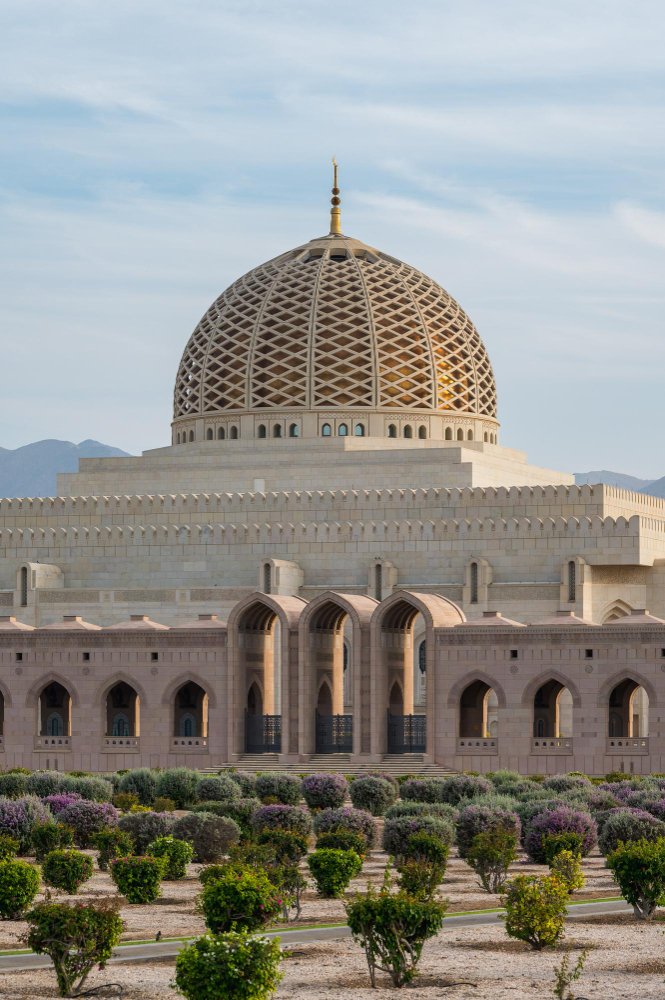
Muscat

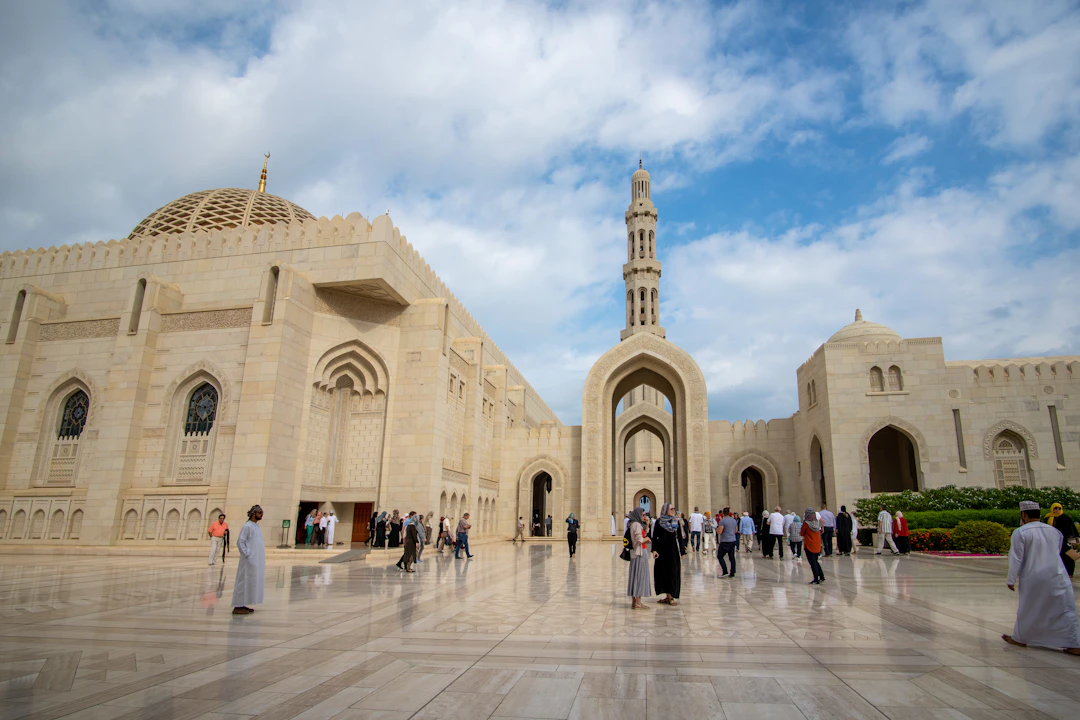
Sultan Qaboos Grand Mosque is a stunning mosque with white marble and intricate tilework. Mutrah Souq…

Read More
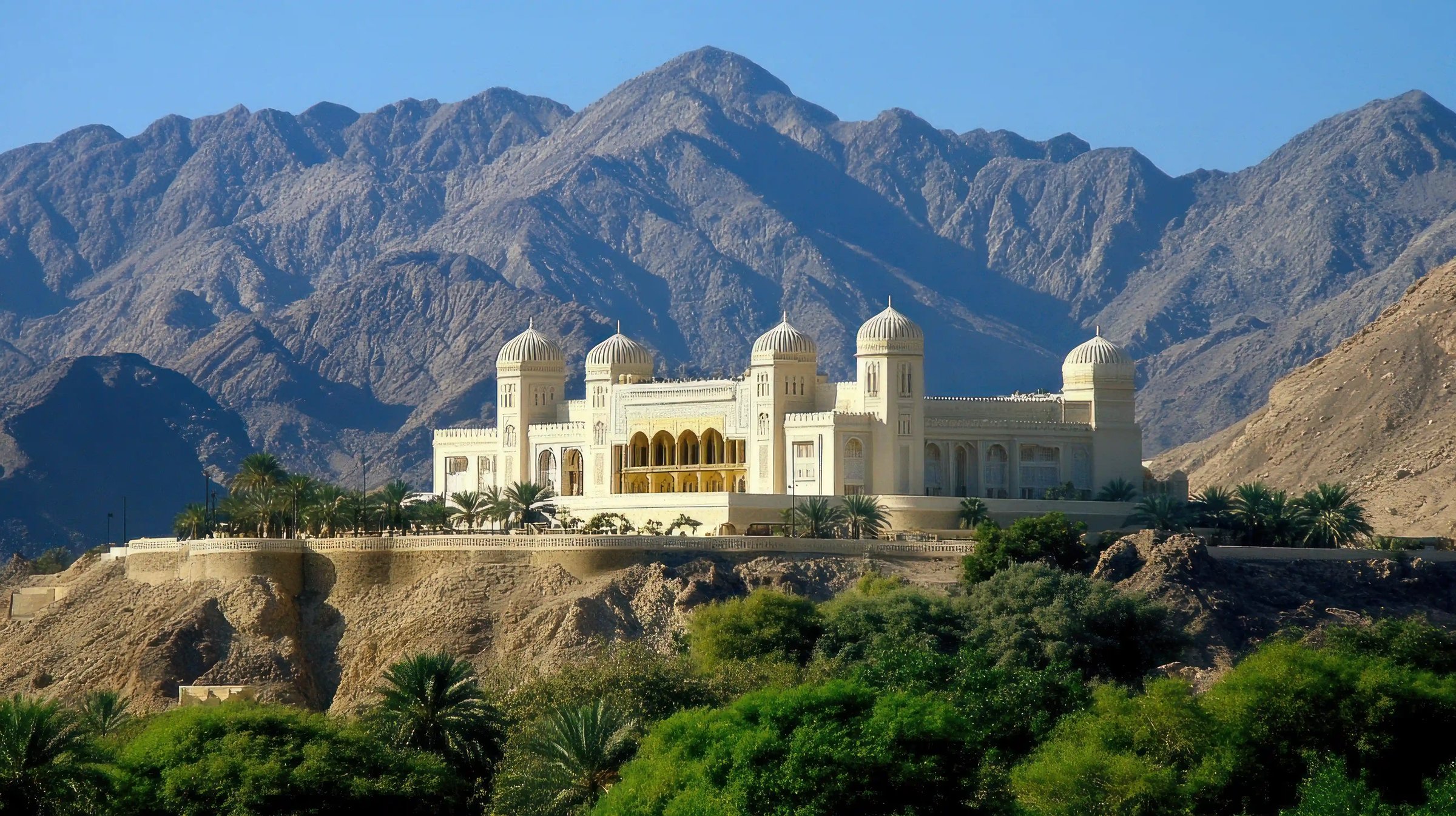
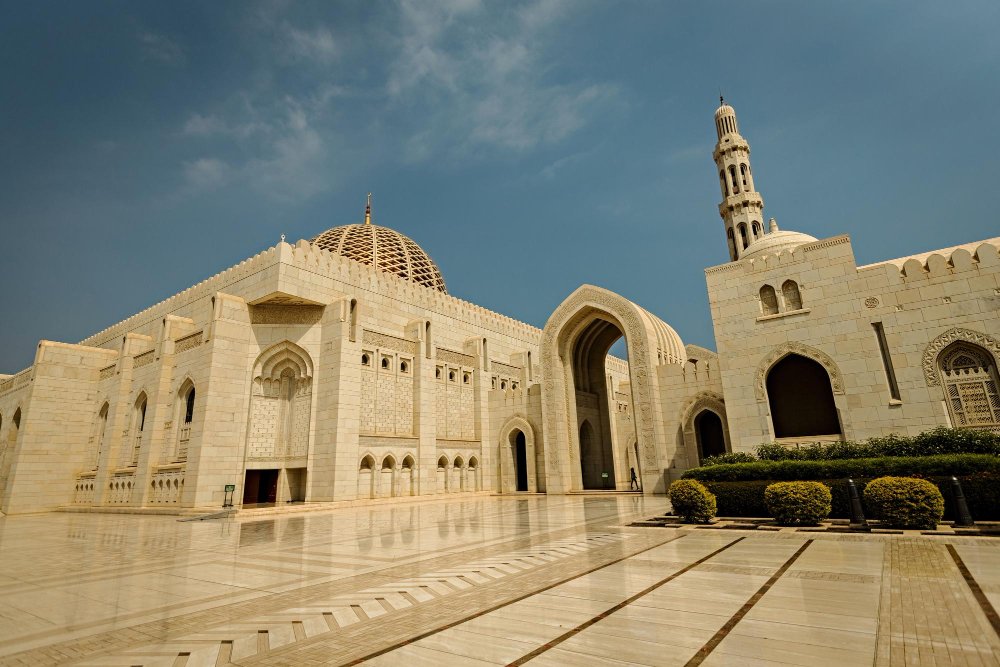
Sultan Qaboos Grand Mosque is a stunning mosque with white marble and intricate tilework. Mutrah Souq is a traditional covered market selling spices and frankincense. Royal Opera House Muscat hosts international performances. Al Alam Palace is the Sultan's official residence with blue and gold architecture. Mutrah Corniche is a waterfront promenade with harbor views. Qurum Beach is a sandy beach with calm water. Daymaniyat Islands are accessible by boat with snorkeling. Wadi Shab offers hiking, boat rides, swimming through a canyon, and the Bima Sinkhole cave.

Plan My Trip Now

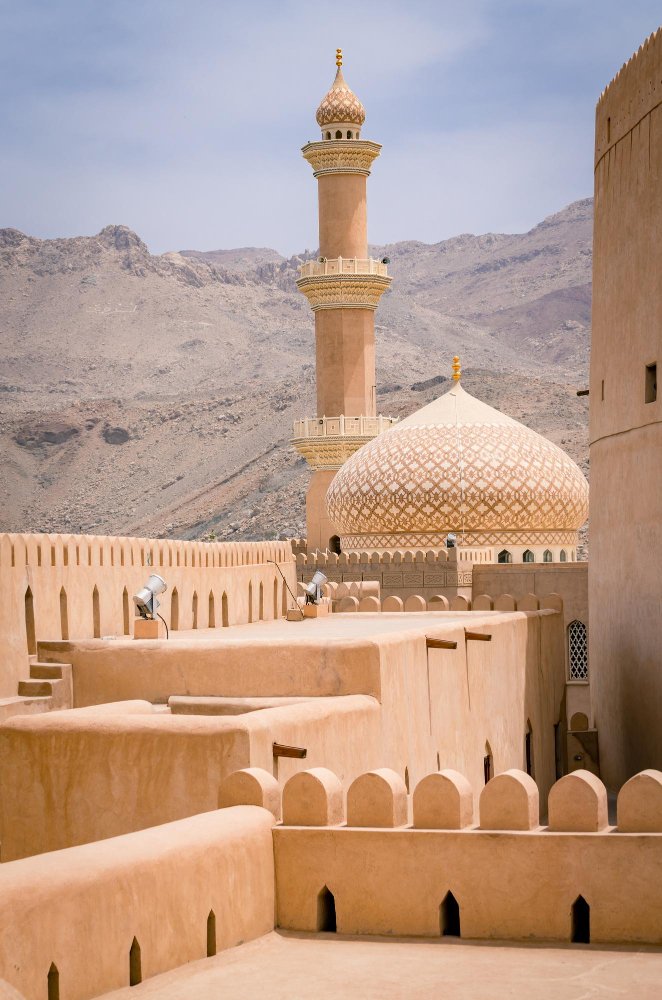
Nizwa

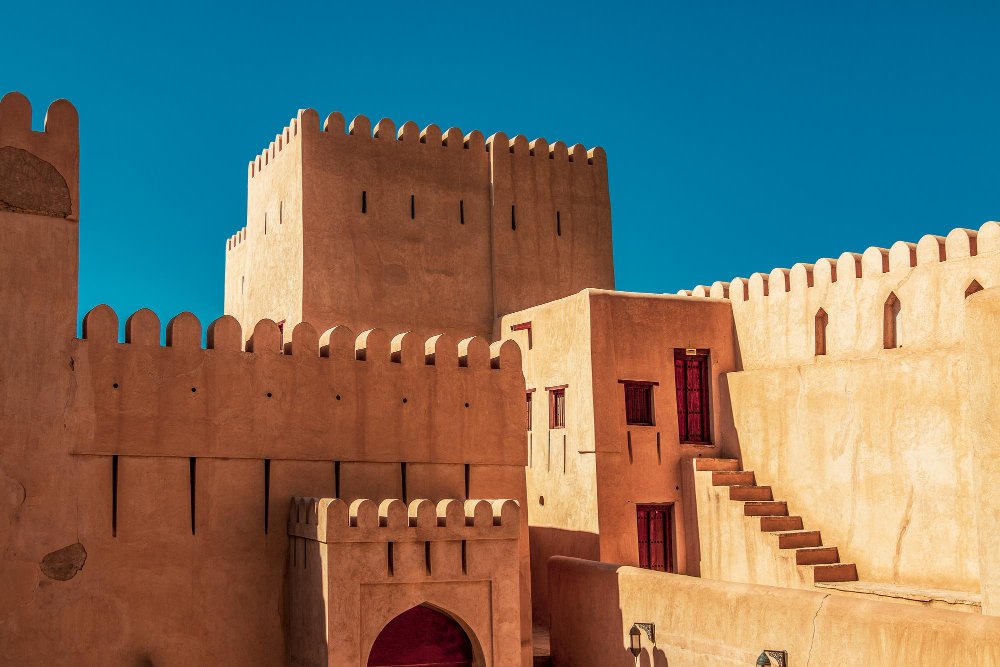
Nizwa Fort is a historic fortress with a massive round tower offering views of the town…

Read More
Nizwa Fort is a historic fortress with a massive round tower offering views of the town and surrounding landscape. Nizwa Souq is a traditional market selling pottery, handicrafts, and spices. Friday Livestock Souq is a market where locals buy and sell goats, cattle, and animals. Jabreen Castle is a nearby historic castle with ornate architecture and multiple rooms to explore.

Plan My Trip Now

Jebel Akhdar

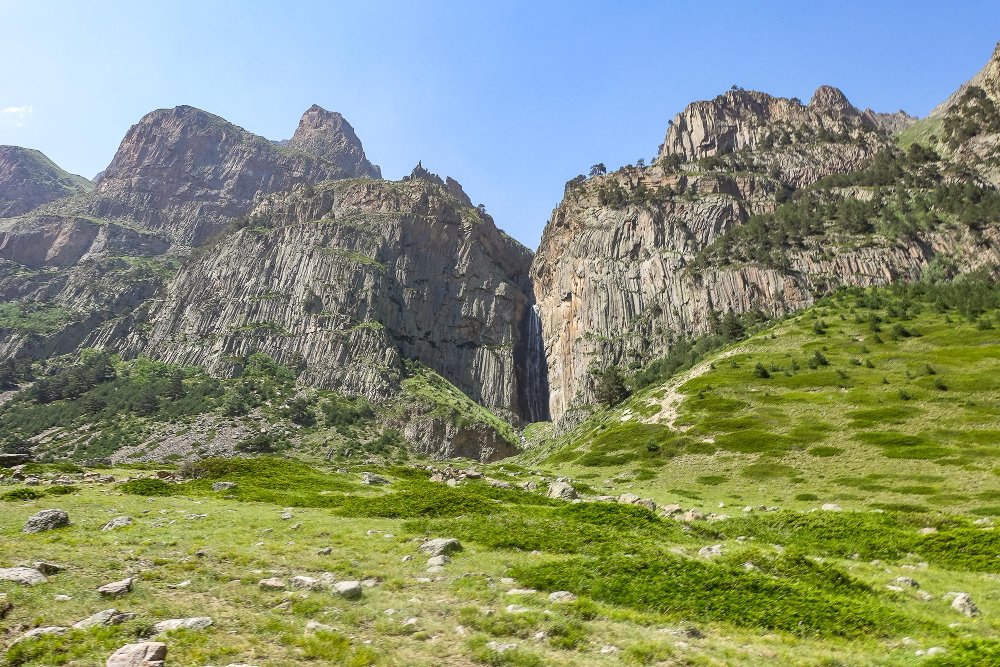
Sunset Dune bashing is a thrilling 4x4 ride over sand dunes during golden hour. Camel riding…

Read More
Sunset Dune bashing is a thrilling 4x4 ride over sand dunes during golden hour. Camel riding lets you ride camels through the desert landscape. Bedouin camp dinner is an evening meal in a traditional Bedouin camp with local food. Stargazing allows viewing stars from the desert with minimal light pollution. Sandboarding is sliding down sand dunes on a board.

Plan My Trip Now

Salalah

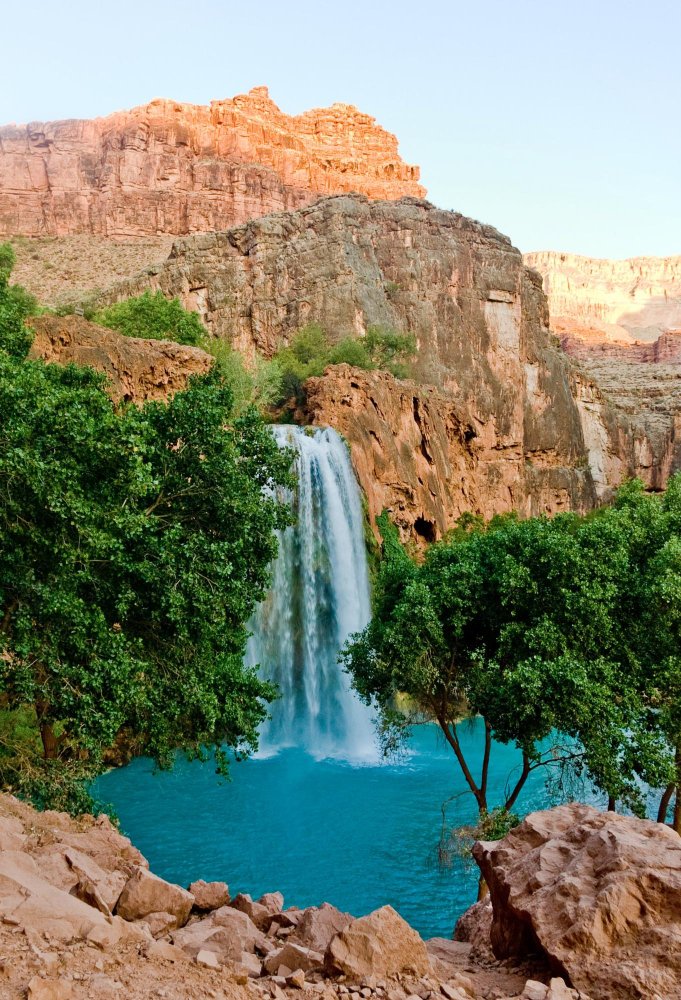
Wadi Darbat waterfalls cascade into pools surrounded by lush vegetation in a scenic wadi. Al Baleed…

Read More
Wadi Darbat waterfalls cascade into pools surrounded by lush vegetation in a scenic wadi. Al Baleed Archaeological Park contains ruins of an ancient port city with a museum. Salalah Frankincense Souq is a market dedicated to selling fragrant frankincense and related products. Mughsail Beach is a sandy beach with dramatic cliffs and natural blowholes that spray water during high tide.

Plan My Trip Now

Suggested Trip Duration

5–6 days Muscat, Nizwa, and a night in Wahiba Sands covers the highlights for a first trip.
7–9 days (our most common recommendation) Add Jebel Akhdar for the mountains and allow a slower pace throughout.
10–12 days Room to add Musandam or, during Khareef season, Salalah for coastal variety.
13+ days For repeat visitors exploring the interior deeper, or combining Oman with the UAE.
A Culinary Journey Through Oman

A Culinary Journey Through Oman

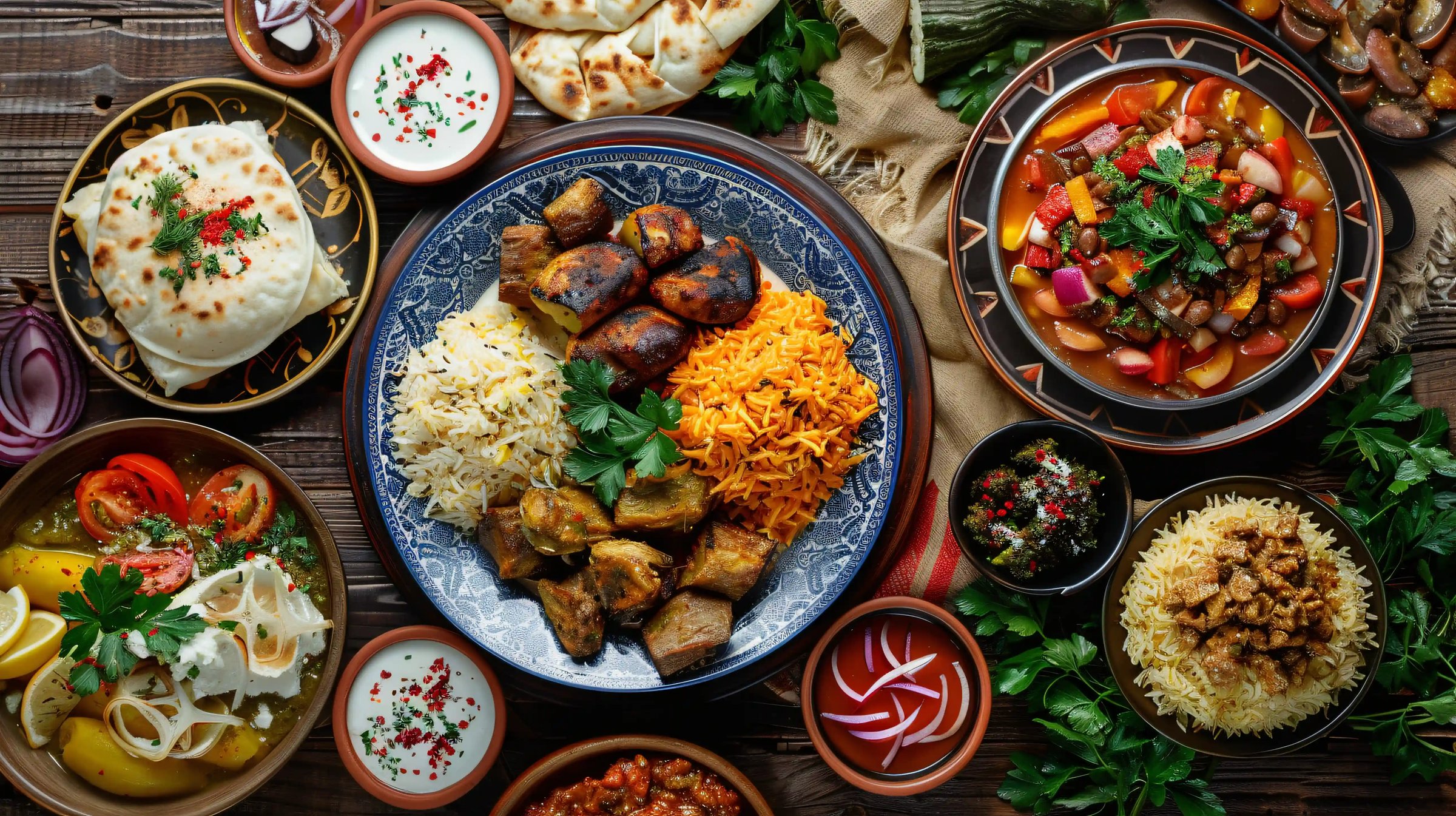
Food is usually a quieter part of the story here than the scenery, but it's worth seeking out properly. Omani cuisine leans on slow-cooked meats, rice and dates, with shuwa. Meat cooked underground for hours, traditionally for special occasions, as close to a national dish as exists. Muscat's dining scene ranges from traditional Omani restaurants to international fine dining, while a desert camp dinner is usually simple, hearty, and better than it has any right to be given the setting.

One thing worth knowing, Omani food is distinct from the more widely known Levantine or Emirati cuisines, with its own spice profile and traditions. We don't pick restaurants by reputation, we pick them based on what you actually want, whether that's a proper Omani meal, a desert camp dinner, or Muscat's more international dining scene.

Quick tip: Try Omani coffee (kahwa) with dates, offered almost everywhere as a gesture of hospitality. Accepting it, even briefly, is part of how the country welcomes guests.
Culture & Traditions

Culture & Traditions

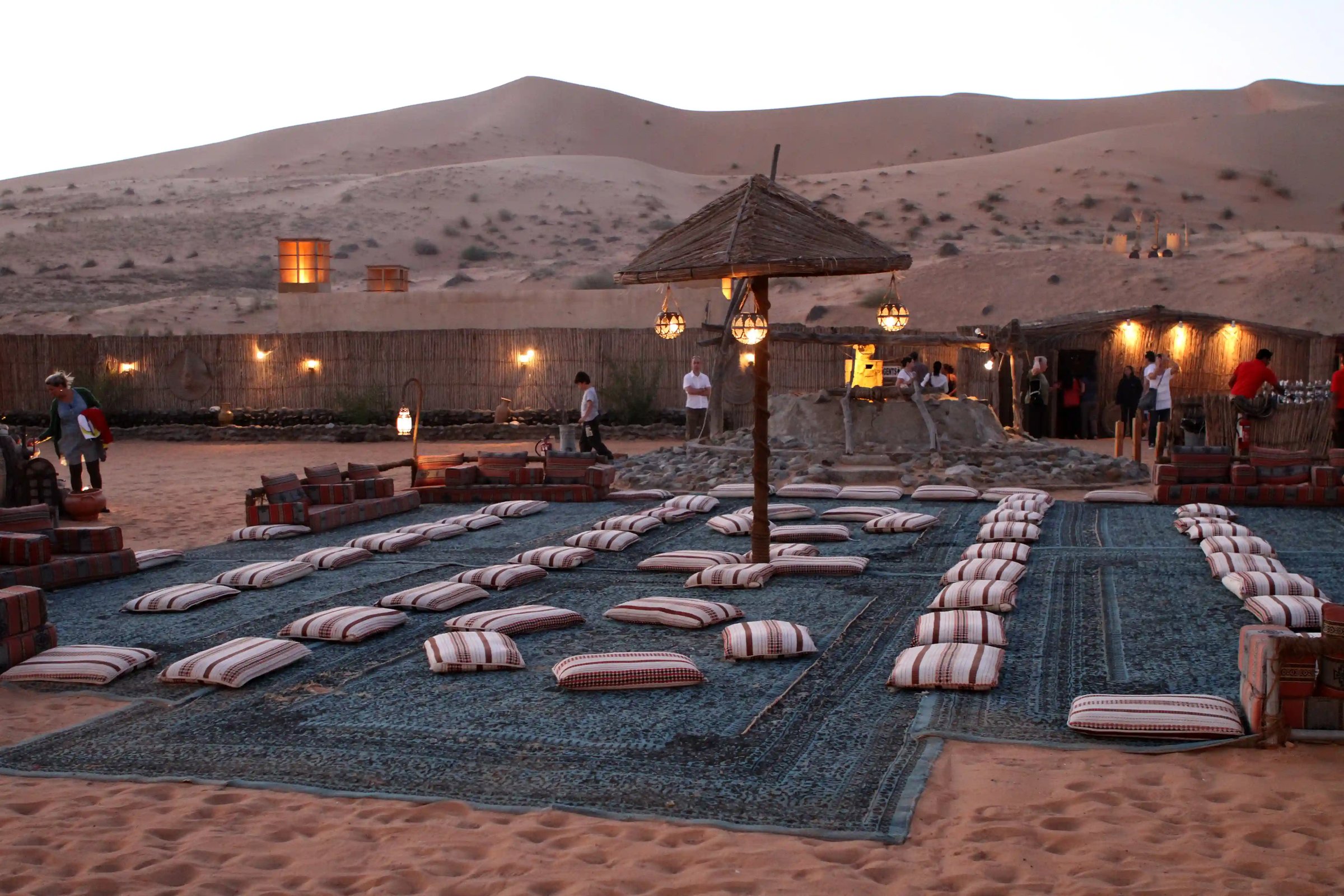
Culture in Oman isn't only in the forts. The Grand Mosque and Nizwa Fort are worth seeing, but a Friday morning at the livestock souq, a Bedouin family's desert hospitality, or an early walk through Mutrah before the shops open usually tells you more. Islamic tradition and a strong sense of national identity shape daily life here in a way that feels notably calmer and more measured than some of Oman's regional neighbours.

Travenza tip: If culture is the priority, spend a night with a desert camp that includes genuine Bedouin hospitality rather than a purely tourist-facing setup. The difference is noticeable, and it's usually what guests remember longest.
Shopping in Oman

Shopping in Oman

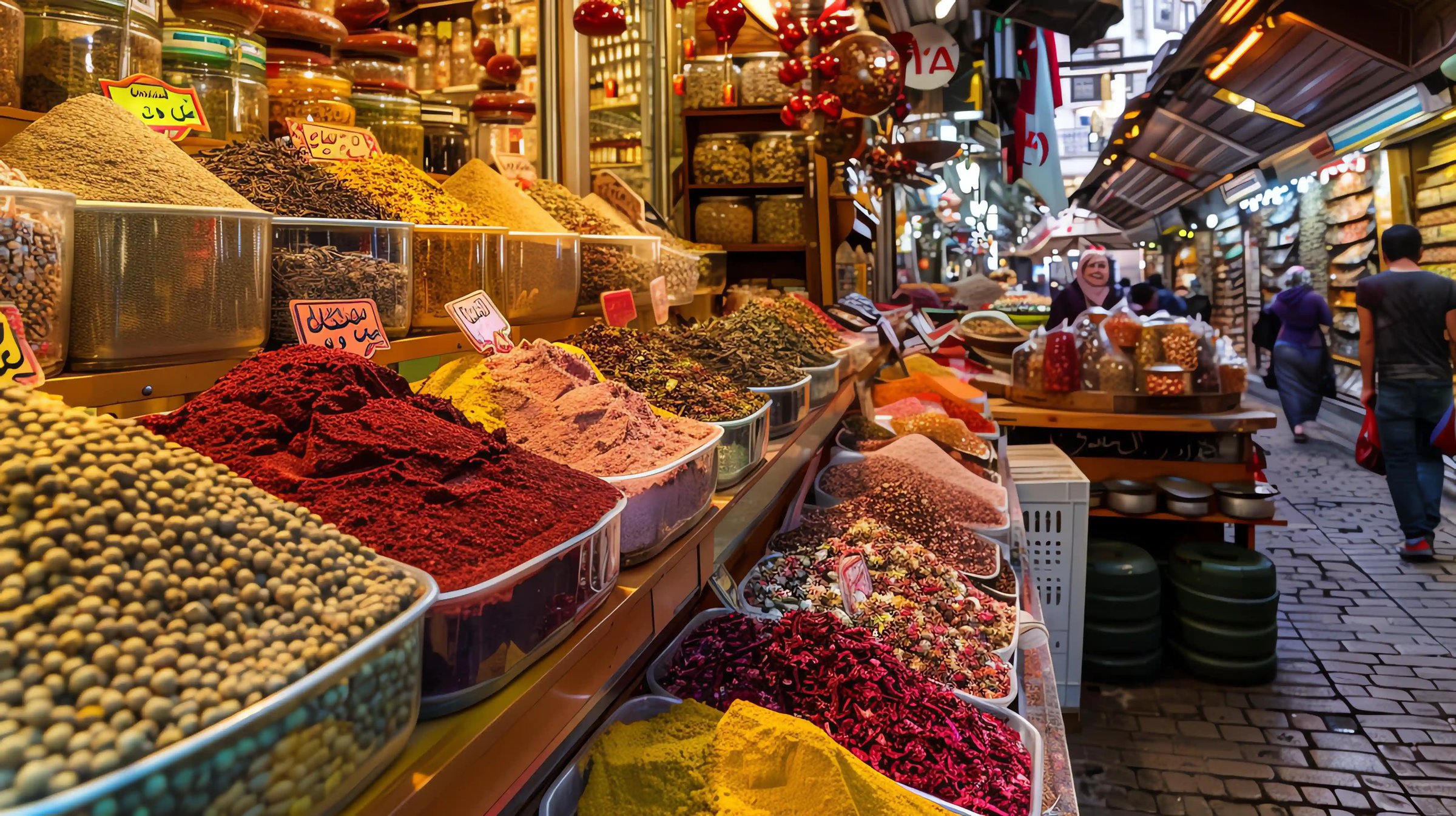
Shopping here is understated and specific. Mutrah Souq in Muscat is the best single stop. Frankincense, silver jewellery, and the curved khanjar dagger that's become something of a national symbol. Nizwa's souq leans more toward everyday goods and antiques, with better prices than Muscat for similar items.

Travenza tip: Buy frankincense directly from a stall that lets you smell different grades before purchasing, quality varies considerably, and the best grades look noticeably different from the lower-grade resin sold to tourists.

Getting Around Oman

Oman doesn't have a rail network, and most sights sit far apart, so a private driver for the length of your stay is how we set up nearly every itinerary here. The drives themselves are part of the experience, well-maintained roads through dramatic scenery rather than something to minimise.

Muscat itself is manageable by taxi or private car, but the interior and desert regions require a driver comfortable with off-road routes, particularly for Wahiba Sands and parts of Jebel Akhdar.

Travenza tip: Don't underestimate driving distances in Oman. Muscat to Salalah travel is easier on a domestic flight than a road trip. Around 1,000 km, so we fly that leg rather than drive it.

Visa Guide

Most Indian travellers can apply for an Oman e-visa in advance of travel, a straightforward online process. We confirm the latest requirements and handle documentation, and would recommend applying at least a week or two ahead of your trip.

Why Oman Stays With You

Some places are remembered for what you saw. Oman is remembered for the quiet. A fort at sunset with no one else around. A wadi swim in water so still it barely rippled. A desert sky with more stars visible than most guests have ever actually counted at once. Oman has a way of making silence feel like the whole point of travelling, and that's usually what stays with people longest.

A first trip is usually Muscat and Nizwa, with a night in the desert built in. The next one might be Jebel Akhdar's cool mountain air, Musandam's fjords, or Salalah's monsoon-green south. The more of it you see, the more there still is. We hope our Oman travel guide has helped you to make better decisions. This is just the tip of the iceberg. Connect with us to curate your dream Oman holiday.

Your Oman questions, answered

Is Oman a good destination for first-time international travellers?

Yes. It's safe, easy to navigate, and considerably less crowded than many regional alternatives; a private driver makes the longer distances between sights straightforward.

How many days should I spend in Oman?

For a first trip, 5–8 days works well enough for Muscat, Nizwa, Jebel Akhdar and a desert night without rushing. Add Musandam or Salalah and stretch it to 9–11 days.

When is the best time to visit Oman?

October to March is the most reliable across most of the country. Salalah runs opposite, its best window is June to September, during Khareef season.

Is Oman suitable for family holidays?

Yes. Wadi swimming, desert camps and forts all hold kids' attention well, and the country is notably safe and easy to navigate as a family.

Is Oman a good honeymoon destination?

Yes, a private desert camp, a clifftop Muscat dinner and Jebel Akhdar's mountain quiet all work well together for couples wanting scenery without the crowds.

Is vegetarian food available in Oman?

Yes, particularly in Muscat, though options can be more limited in smaller towns and at desert camps. We flag this early and build the itinerary around it.

Do I need a visa for Oman?

Most Indian travellers need an e-visa, applied for online in advance. We confirm the latest requirements and help with the application before you travel.

How much should I budget for an Oman holiday?

Depends on season, duration, hotel category and style. As a rough guide, a well-planned 7–9 day trip in good 4- and 5-star hotels and desert camps starts around ₹1.9–₹2.7 lakh per couple, excluding flights.

Is English widely spoken in Oman?

Yes, particularly in Muscat and among guides and drivers. Less so in smaller towns, where a guide helps bridge the gap.

Can I customise my itinerary?

Yes, every trip is built around what you want, whether that's adding Musandam, extending the desert stay, including Salalah during Khareef season, or planning around a celebration.

Ready to go?

Plan your Oman trip

Share your dates, group size and interests, we will craft a bespoke itinerary within 48 hours. No obligations.
Plan My Trip → Chat on WhatsApp