Asia Pacific · South Asia
India Travel Guide
Royal palaces, misty hill stations and backwaters far from ordinary.
Royal palaces, misty hill stations and backwaters far from ordinary.
India runs on hospitality that treats a guest like family within a day of arriving. A palace hotel host who insists on a second helping. A driver who becomes the trip's best storyteller by day three. That same warmth carries through a heritage property as easily as it does a roadside dhaba, and it's usually what guests mention first when they're back.
It also demands more intention than its size on a map suggests. India is enormous and regionally distinct enough that Rajasthan, Kerala, the Himalayas and Bengal's tea country can feel like four different countries. A good trip and a great one rarely differ by how many states made the list. They differ by how much time you actually had in each one.
We've been building itineraries since 2013. Not templates, routes built around how you like to travel. We pick the property before the itinerary, the pace before the sights, and we'll tell you when something isn't worth your time. This is our travel guide to India. You can find our opinions on what places to include, what time to visit, how long your visit should be and more.
Getting the mix of regions right matters more than trying to see everything. Here's what each place is actually good for.
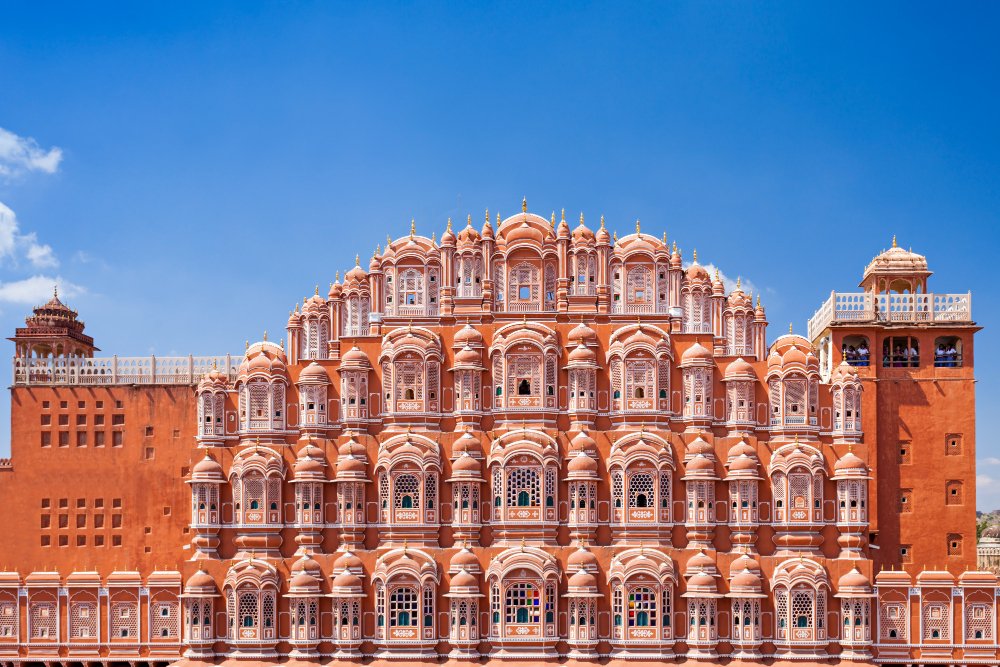
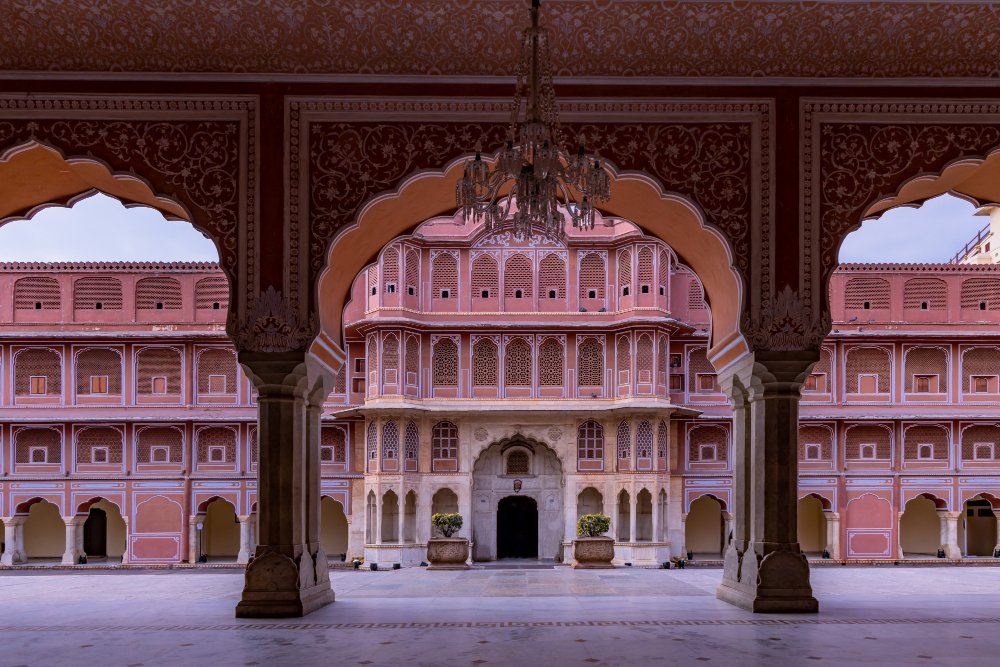
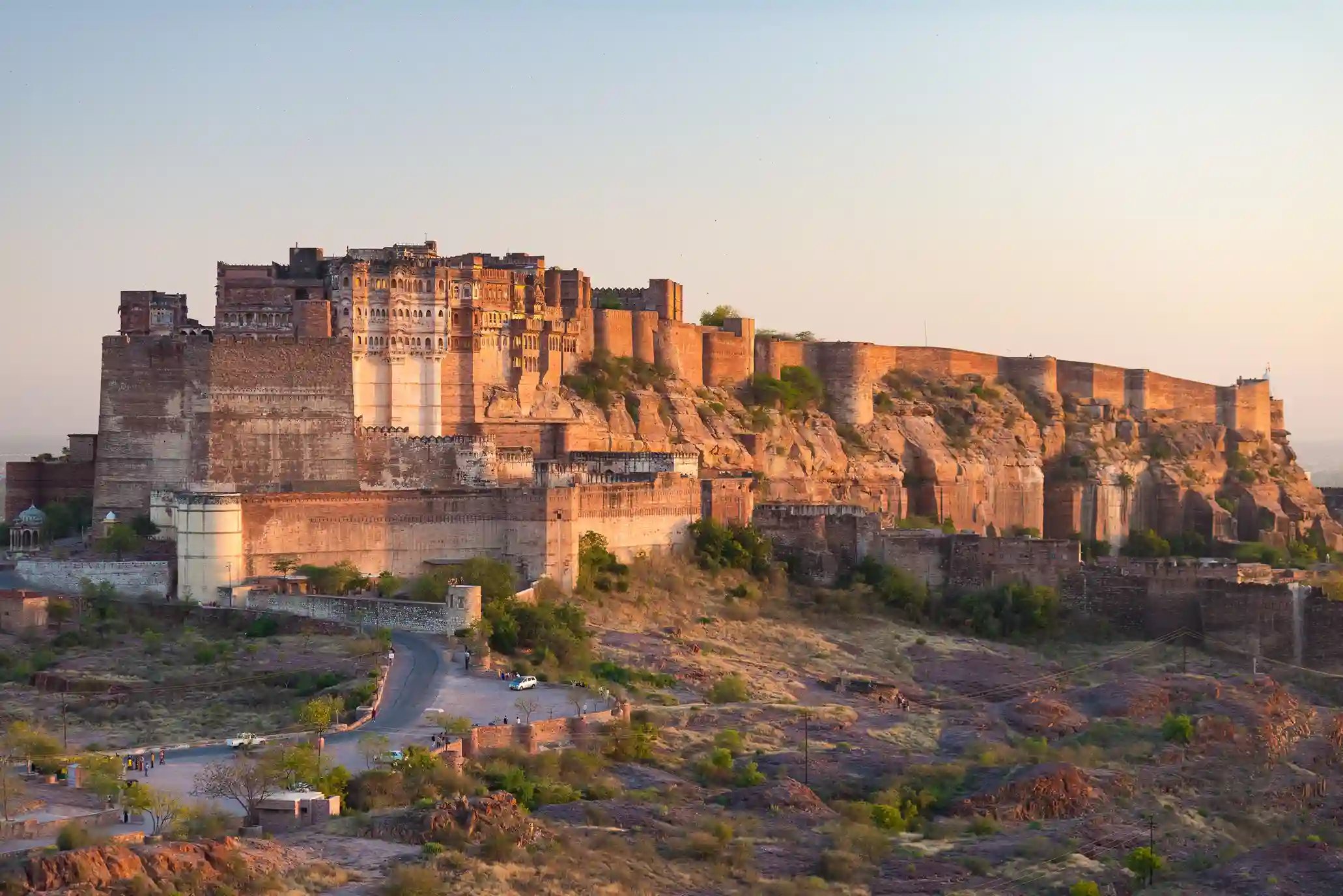
Amber Fort is a hilltop fortress with ornate rooms and city views. City Palace blends Mughal…
Read More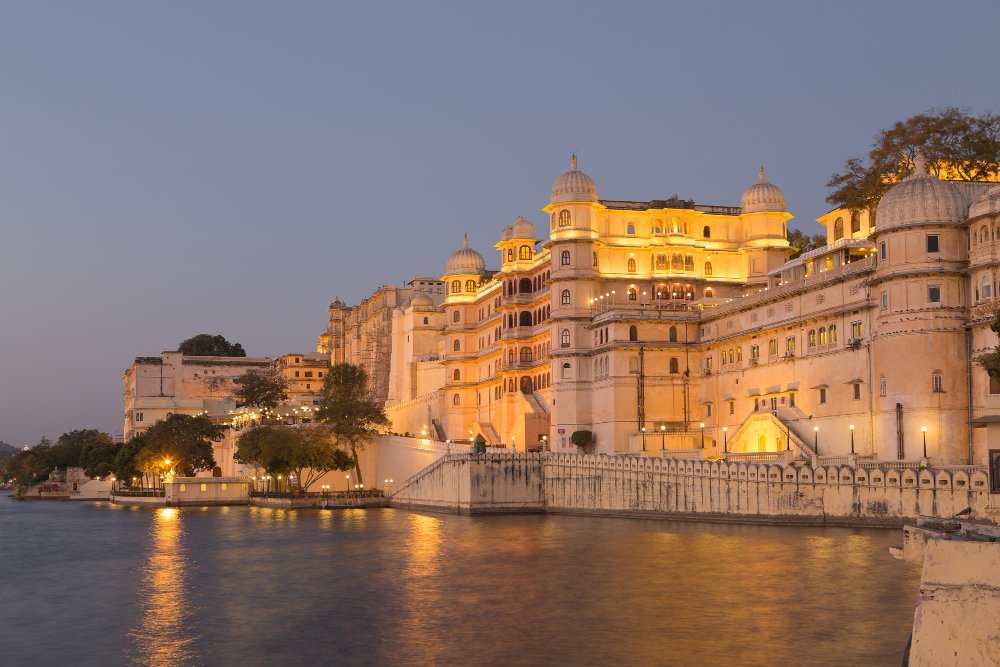
City Palace is a stunning royal residence with ornate architecture overlooking Lake Pichola. Lake Pichola boat…
Read More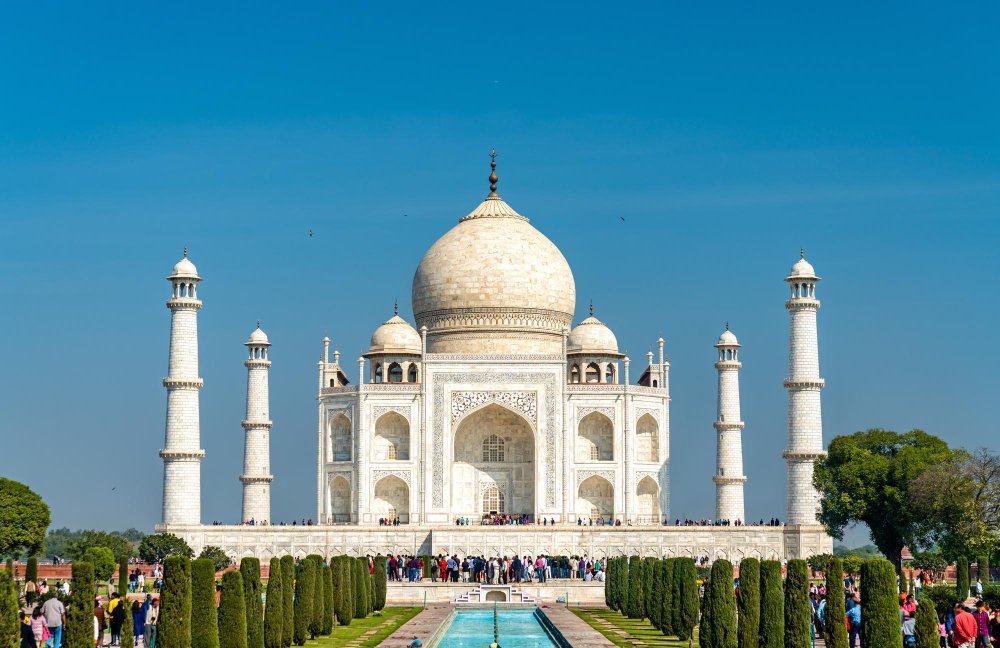
Taj Mahal is a white marble mausoleum built by Emperor Shah Jahan for his wife, one…
Read More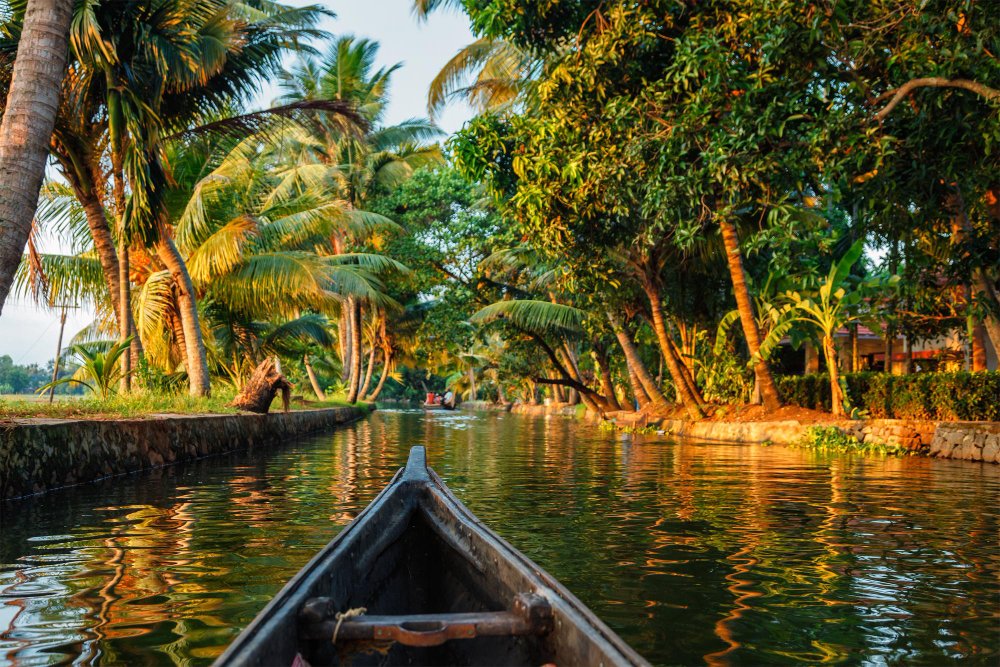
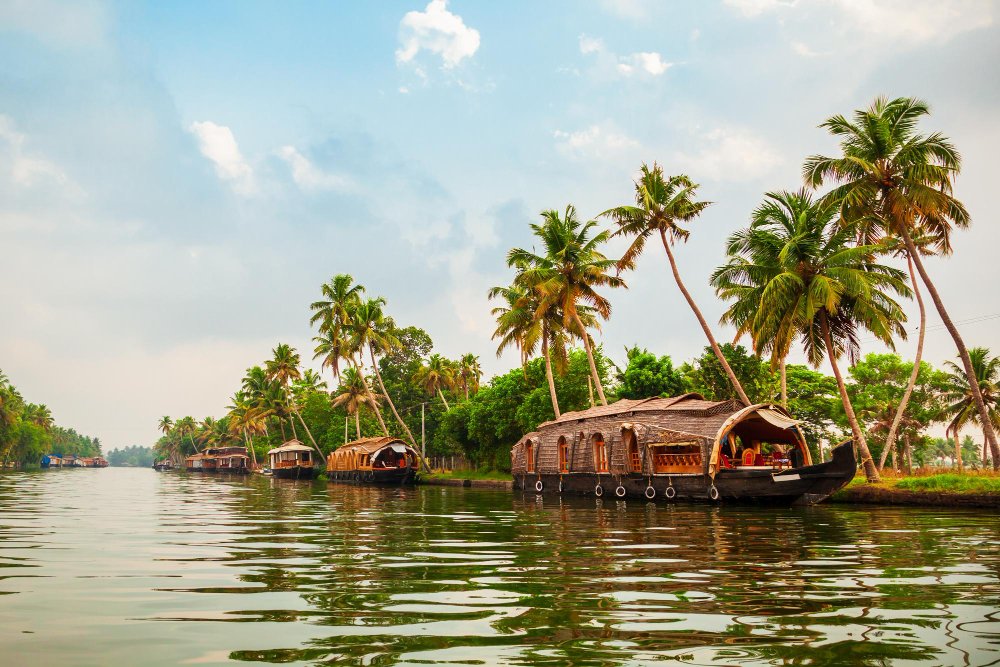
Alleppey houseboat cruise is an overnight journey on traditional houseboats through backwater canals and coconut palm…
Read More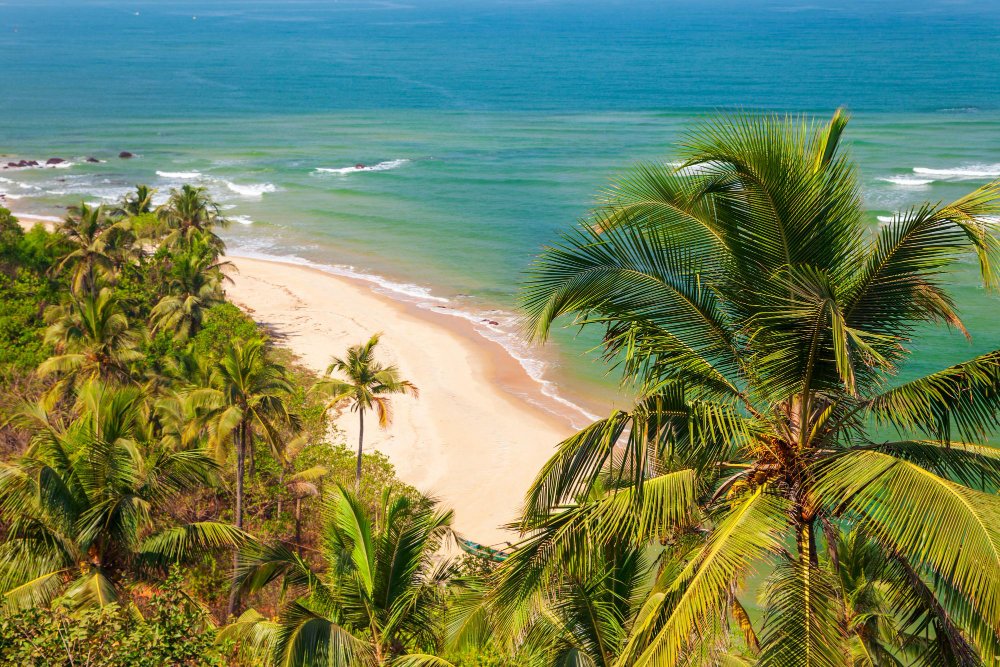
Basilica of Bom Jesus is a historic church containing the relics of Saint Francis Xavier with…
Read More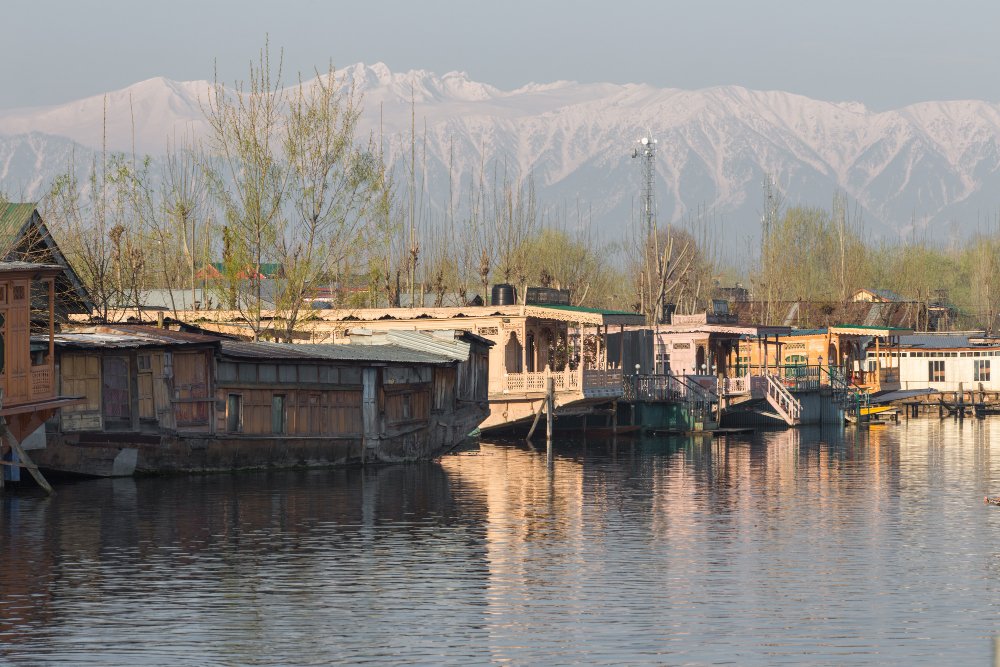
Dal Lake Houseboat is a traditional wooden houseboat floating on the serene lake surrounded by mountains.…
Read More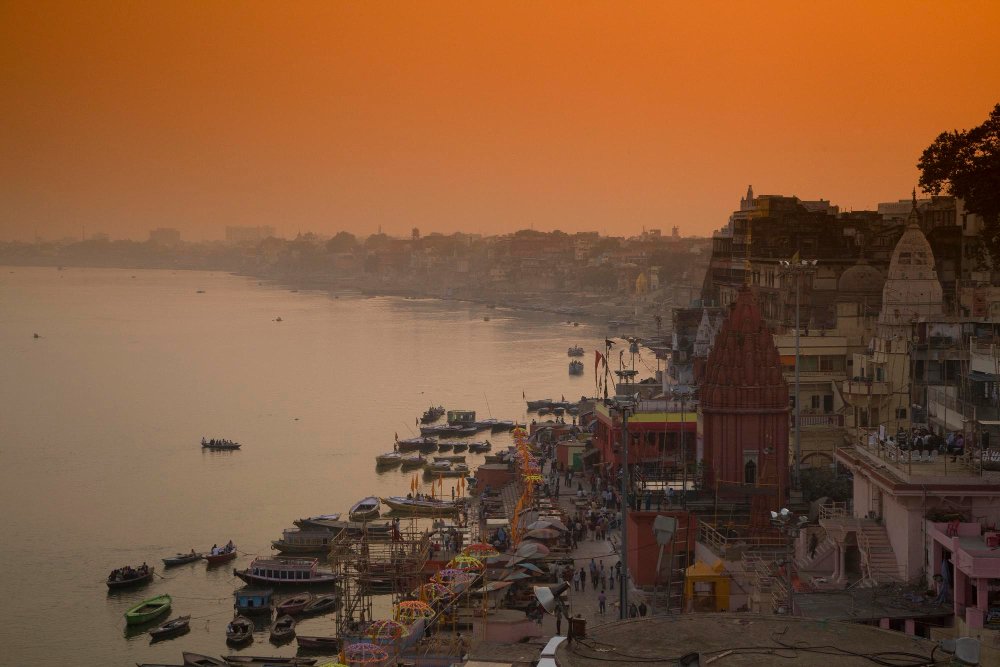
Ganges boat ride at sunrise is a journey on the sacred river observing pilgrims bathing and…
Read More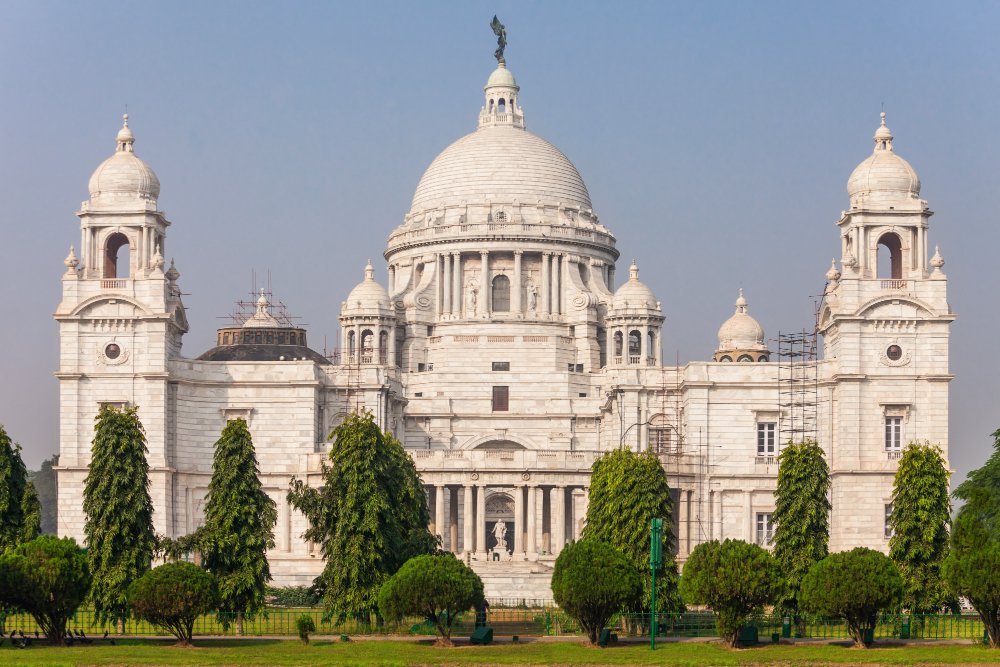
Victoria Memorial is a white marble monument in a garden dedicated to Queen Victoria with museums…
Read More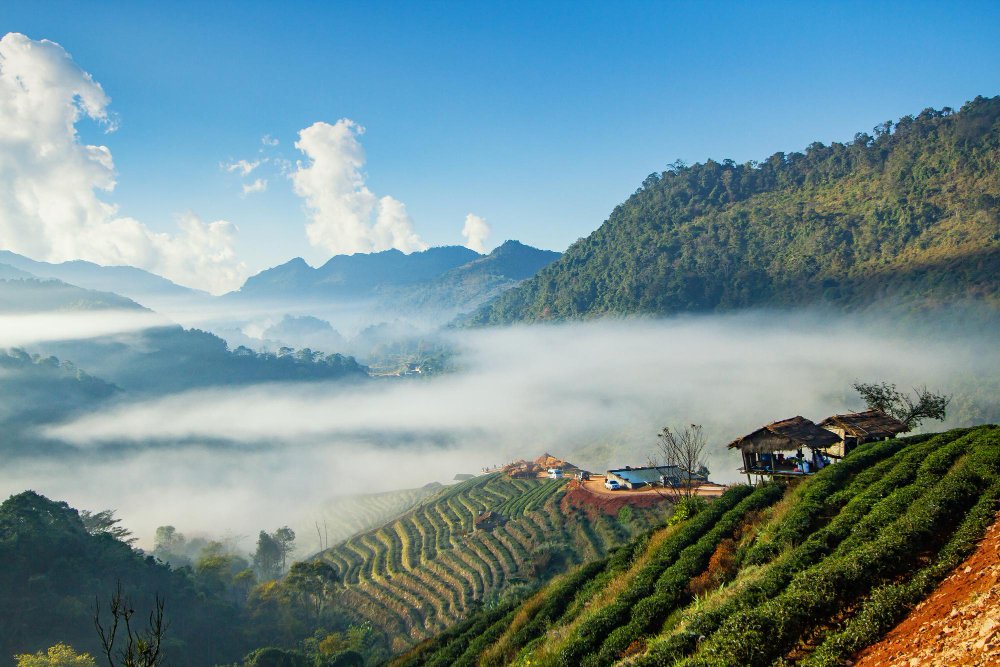
Darjeeling Himalayan Railway (toy train) is a historic narrow-gauge train journey through mountain valleys with scenic…
Read More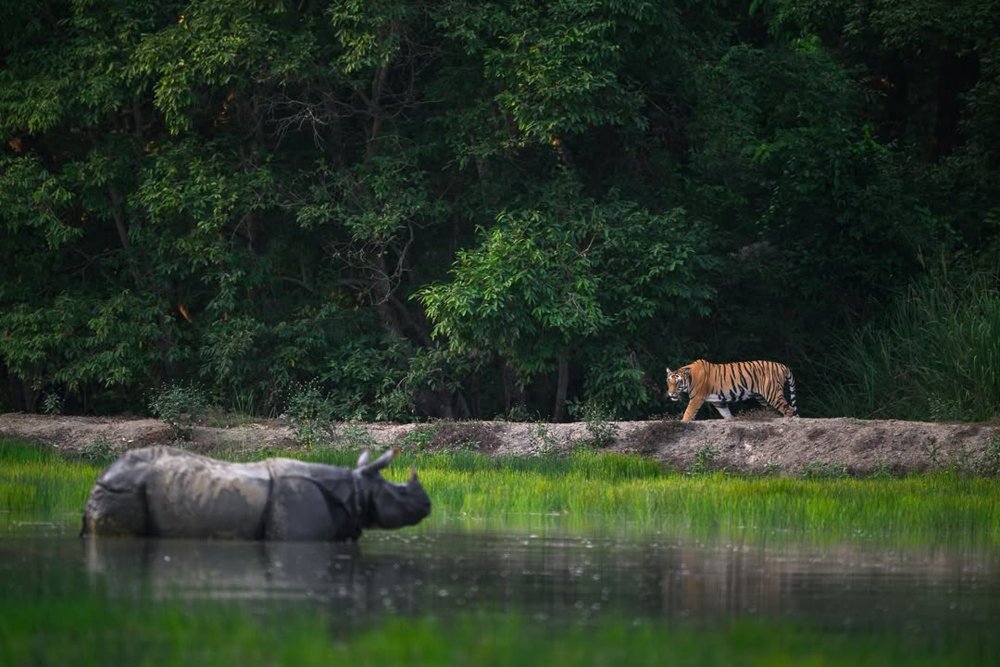
Jeep safari through the central range is exploring the national park in vehicles spotting one-horned rhinos…
Read More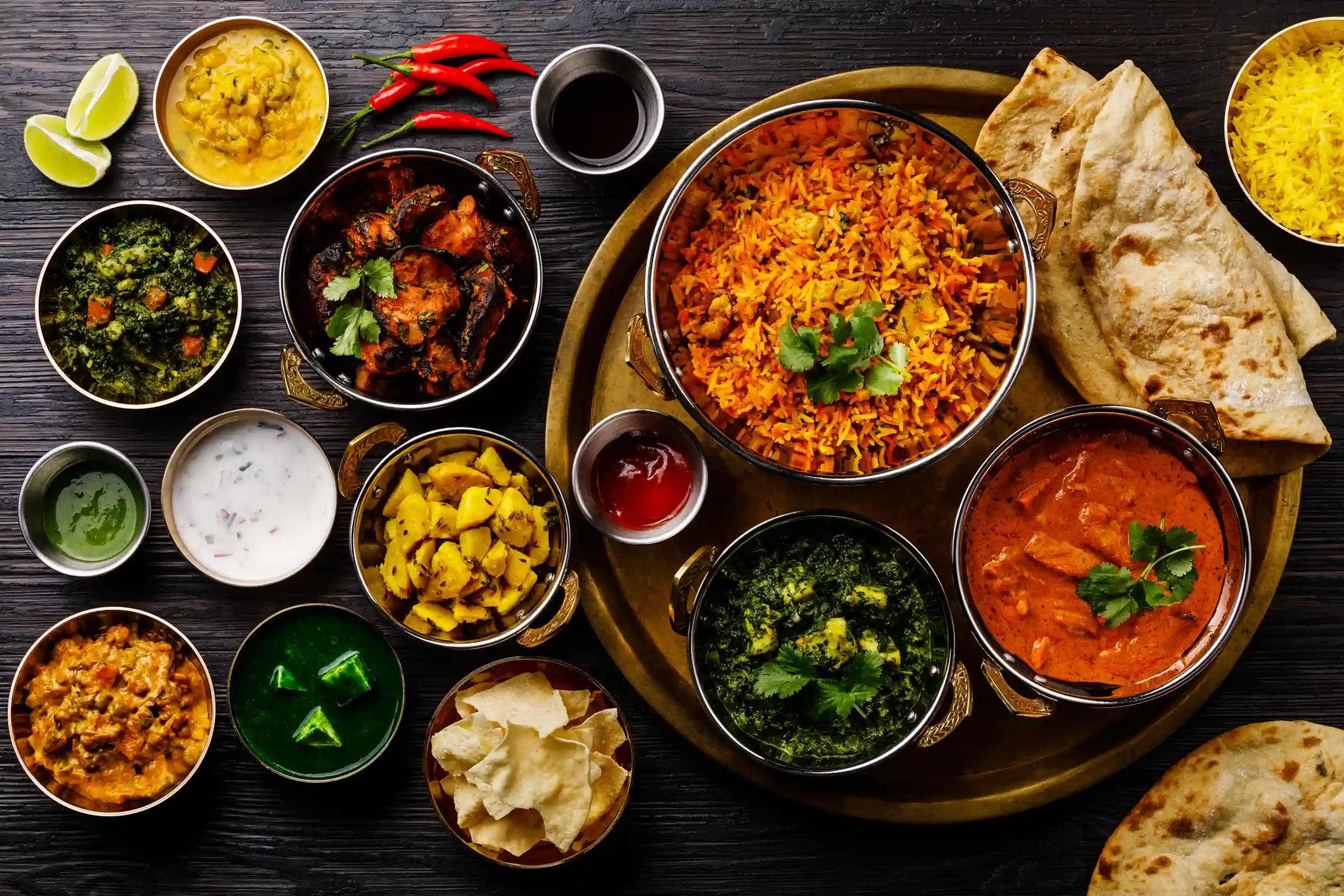
Food is usually what people talk about most when they get back, and India rarely repeats itself from state to state. Rajasthan's thalis run rich and varied, built for sharing. Kerala's cuisine leans on coconut and spice in a way that tastes nothing like the north. Kolkata's Bengali kitchens do delicate fish and mustard-forward dishes unlike anywhere else in the country, often served in dining rooms that haven't changed their décor since the colonial era. Delhi's street food , chaat, kebabs, parathas , deserves its own dedicated evening, not a rushed stop between sights.
One thing worth knowing: 'Indian food' outside India rarely captures how different each region's cooking actually is. We don't pick restaurants by reputation , we pick them based on what you actually want, whether that's a heritage hotel's tasting menu, a street food crawl, or a home-cooked thali in a family-run kitchen.
Quick tip: Ask your driver or host where they eat on their day off. It's almost always better than anywhere on a tourist list, and it's rarely far from wherever you're staying.
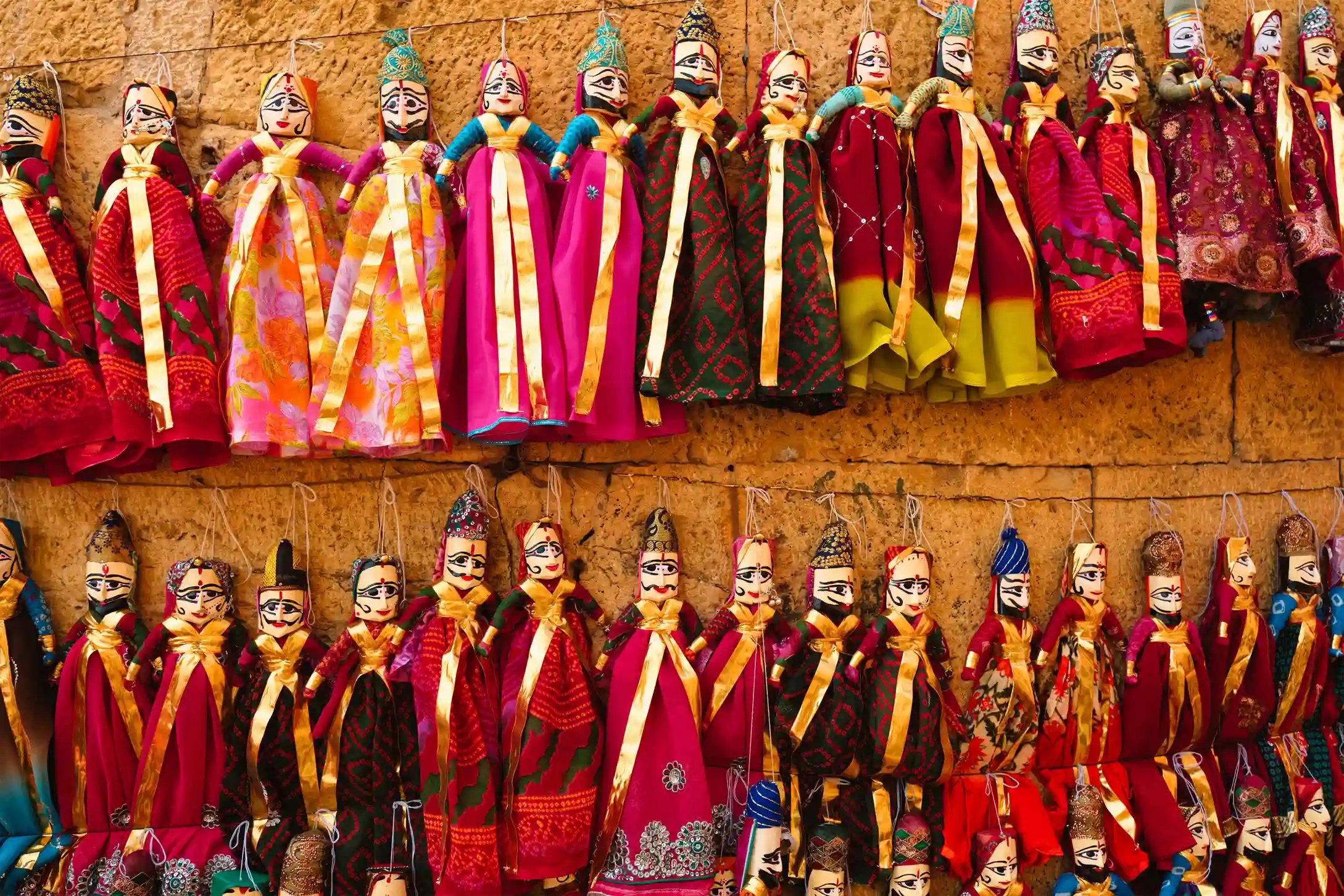
Culture in India isn't only in the forts and temples. The Taj Mahal and Jaipur's palaces are worth seeing, but a dawn aarti on the Ganges, a village visit in rural Rajasthan, or an early morning at a local market usually tells you more. Religious and regional traditions run through daily life here in a way that varies enormously by state, and none of it is performed for visitors , it's simply how the country runs.
Travenza tip: If culture is the priority, build in a village or homestay experience alongside the major monuments. It's usually what guests remember longest after a trip.
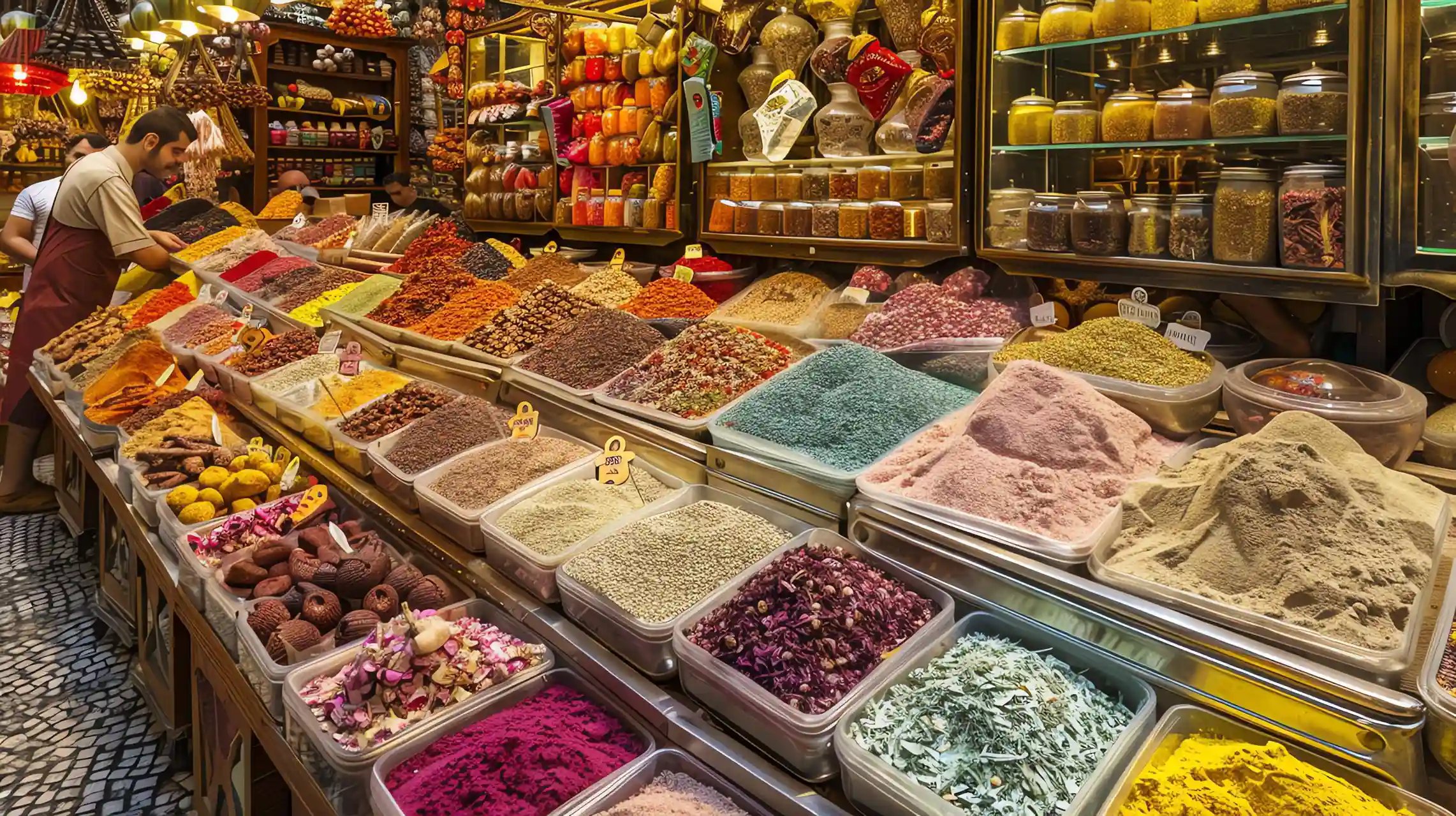
Shopping here rewards a slower pace and a willingness to negotiate. Jaipur's bazaars hold gemstones, block-printed textiles and blue pottery specific to the region. Kerala's spice markets and Kashmir's pashmina and carpet trade are worth seeking out directly rather than through a hotel gift shop. Darjeeling's first-flush tea, bought directly from an estate, is one of the more distinctive luxury souvenirs on any India itinerary. Delhi's Dilli Haat and Chandni Chowk cover almost everything else in one visit.
Travenza tip: Bargaining is expected at markets and bazaars, not at fixed-price government emporiums or tea estates. Start well below the asking price at a market stall and expect some back and forth , it's part of the exchange, not a test.
Frequently Asked Questions
Yes, though it rewards planning. The sights and hospitality are among the best anywhere, but distances, traffic and regional variation can be a lot to navigate alone , a private guide and driver make this considerably easier.
For a first trip, 8–11 days works well , enough for the Golden Triangle plus Udaipur or Kerala, without rushing. Add a second region and stretch it to 12–15 days.
Winter (October–March) is the most comfortable across most of the country, including Kolkata and East India. Summer suits the Himalayan hill stations, Darjeeling included, better than the plains. Monsoon favours Kerala's backwaters and is best avoided in Rajasthan and the north.
Yes. Forts, wildlife safaris and houseboat stays all make strong impressions on kids, and heritage hotels are usually well set up for families.
Yes , Udaipur's palace hotels, Kerala's private houseboats and a sunrise over Kanchenjunga from a Darjeeling tea estate all make for a trip with real range, from grandeur to genuine quiet.
Yes, extensively. India has one of the most developed vegetarian food cultures anywhere in the world, and it's rarely a limitation on where you can eat.
For most first-time visitors, we'd suggest saving it for a second trip. Kolkata, Darjeeling and Kaziranga sit far enough from Rajasthan and Kerala that combining them with a first India itinerary usually means less time everywhere else. It works well as a dedicated 7–9 day extension, or as its own trip entirely.
Domestic travel within India requires standard identification. For international guests joining an India itinerary, we confirm visa requirements based on nationality and handle the documentation process.
Depends on season, duration, hotel category and style. As a rough guide, a well-planned 8–11 day trip in good 4- and 5-star hotels and heritage properties starts around ₹1.4–₹2 lakh per couple, excluding flights. Palace stays, tea estate bungalows and private experiences push this higher.
Yes, especially in tourist areas, hotels and among guides. It varies more in rural areas, where a driver or guide helps bridge the gap.
Yes , every trip is built around what you want, whether that's adding Kashmir, extending Kerala, including a Darjeeling tea estate stay, or planning around a celebration.
Ready to go?
Share your dates, group size and interests, we will craft a bespoke itinerary within 48 hours. No obligations.