Europe · Italy
Italy Travel Guide
Renaissance cities, coastal drives and long Italian lunches await
Renaissance cities, coastal drives and long Italian lunches await
Italy has opinions, and it shares them freely. A waiter who steers you away from the tourist menu without being asked. A hotel owner who insists you haven't really seen Florence until you've walked up to Piazzale Michelangelo at the right hour. That confidence extends everywhere, into the food, the driving, the way a city defends its own version of carbonara. It’s a part of what makes travelling here feel different from almost anywhere else.
It's also a country that's easy to overbook. Rome, Florence, Venice, the Amalfi Coast, every city has a case for three extra days. A two-week itinerary can fill up before you've even added the lakes or Tuscany's hill towns. High-speed trains connect the big cities quickly, but the coast runs on slower, narrower roads that don't care how tight your schedule looks on paper. We'd rather build in fewer stops and get the timing right than chase every region in one trip.
We've spent years working out which order actually makes sense here , when to take the train, when a private car earns its cost, and which coastal transfer needs the whole afternoon rather than a rushed two hours. Every Italy itinerary we build starts with that logic, not a generic north-to-south checklist. This is our travel guide to Italy. You can find our opinions on what places to include, what time to visit, how long your visit should be and more.
Getting the regional mix right matters more here than almost anywhere else in Europe , Italy's north and south can feel like different countries. Here's what each stop is actually built for.
Colosseum, Roman Forum & Palatine Hill is a massive ancient amphitheater and historic ruins showing Rome's…
Read More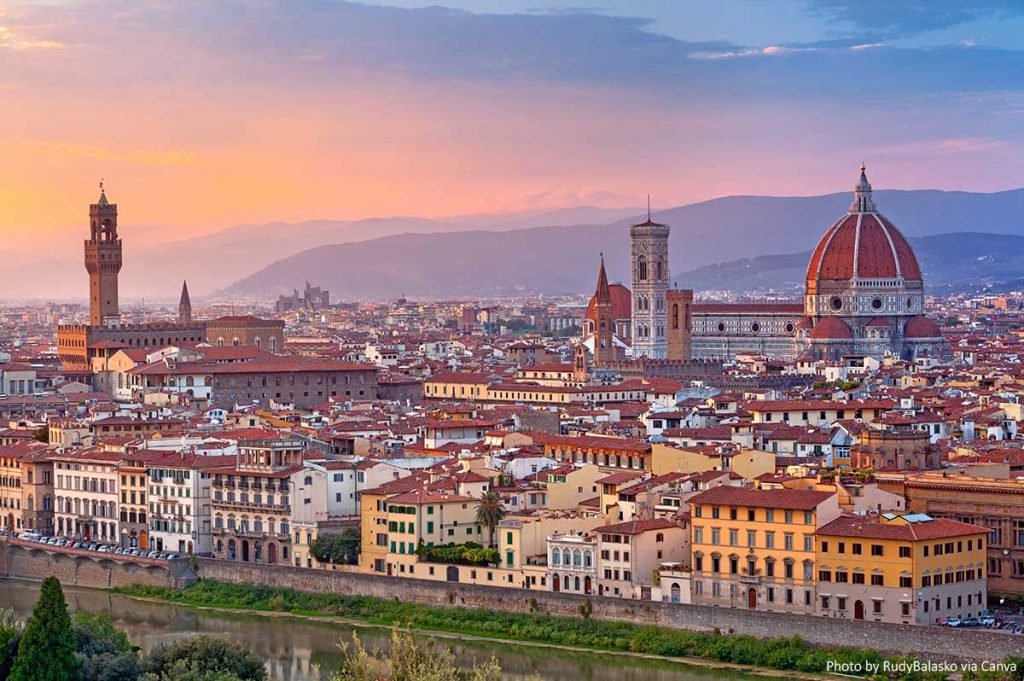
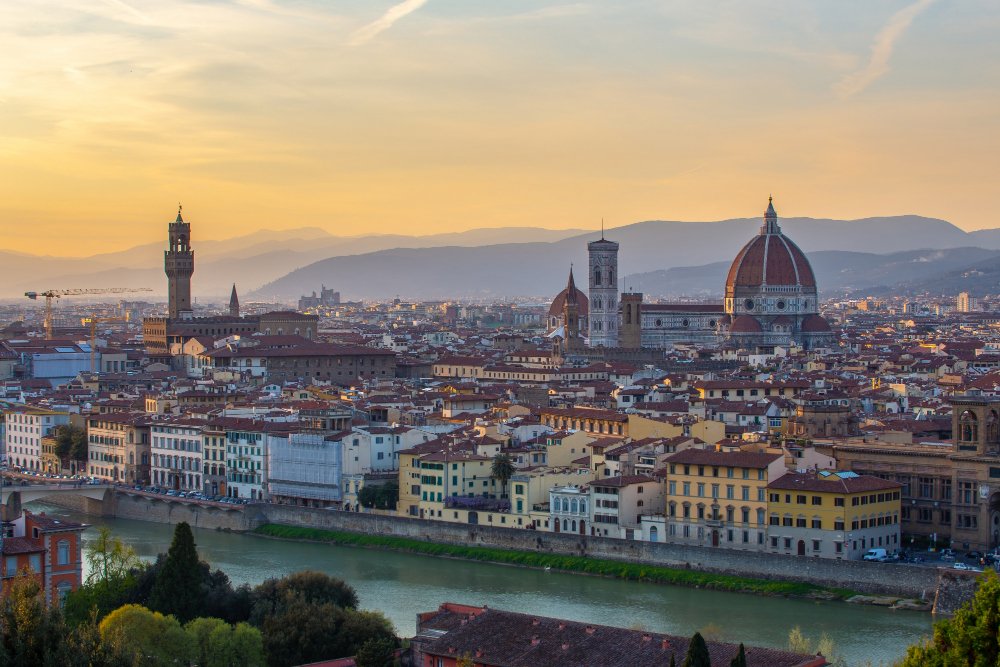
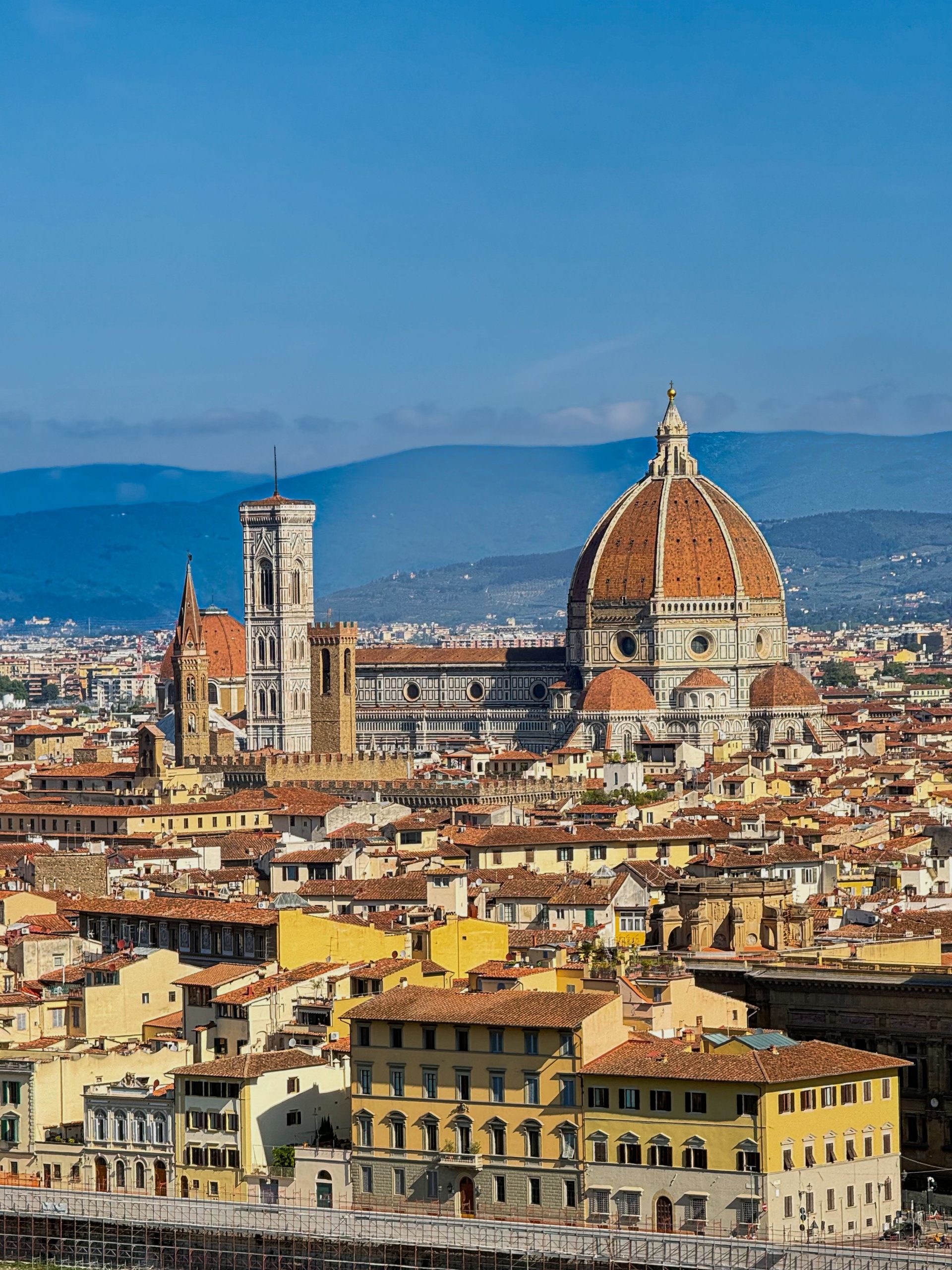
Duomo di Firenze & dome climb is a Gothic cathedral with an iconic dome offering views…
Read More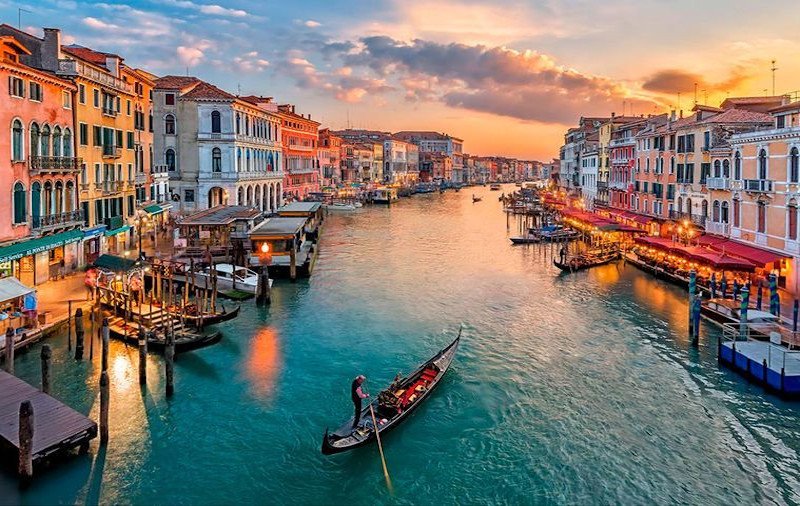
St. Mark's Square & Basilica is the main plaza with an iconic Byzantine basilica and ornate…
Read More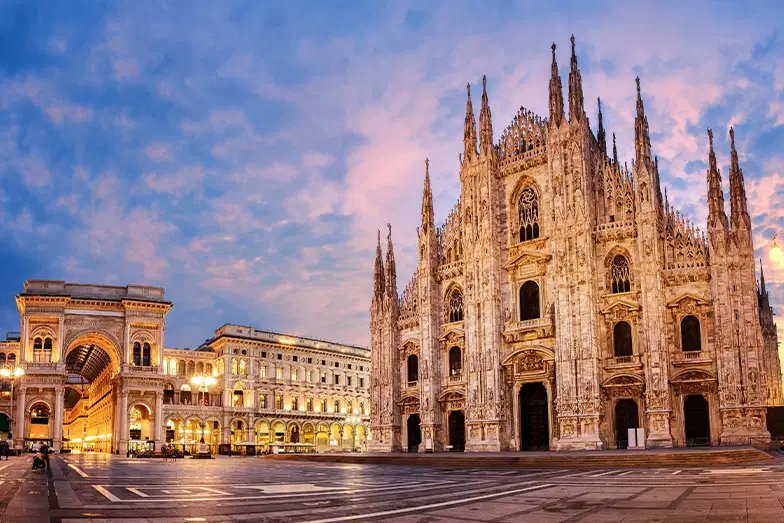
Duomo di Milano & rooftop is a Gothic cathedral with intricate marble spires and a rooftop…
Read More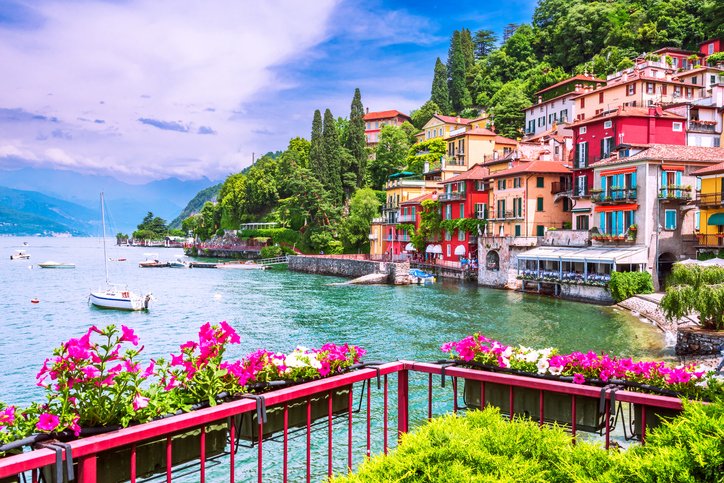
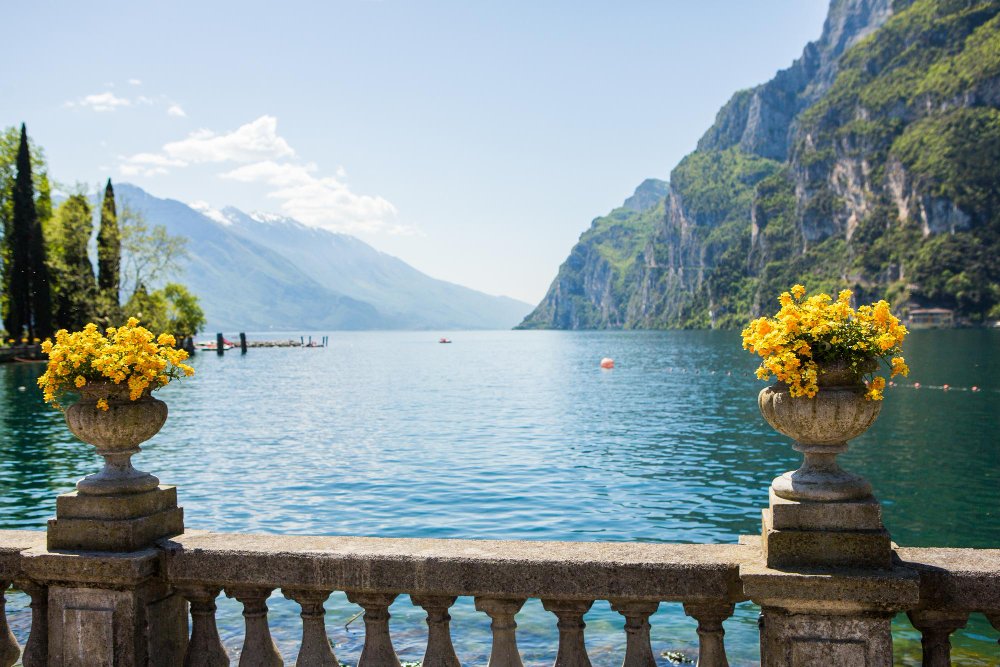
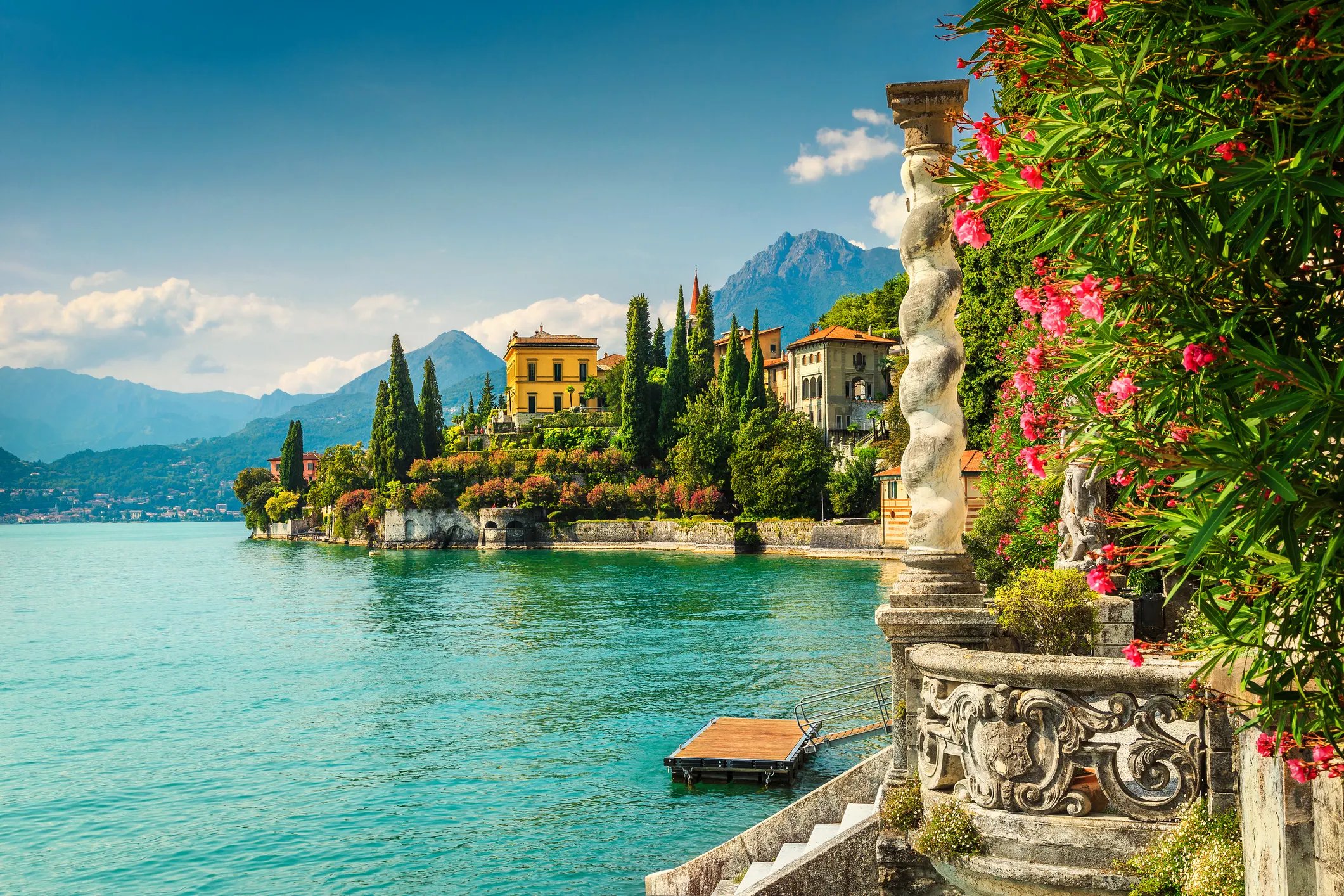
Bellagio village is a picturesque lakeside town with pastel buildings and waterfront promenades. Lake Como boat…
Read More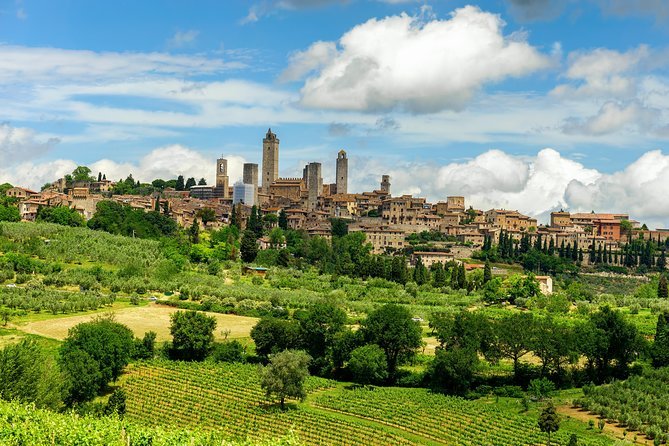
Siena's Piazza del Campo is a shell-shaped medieval plaza surrounded by historic buildings and towers. San…
Read More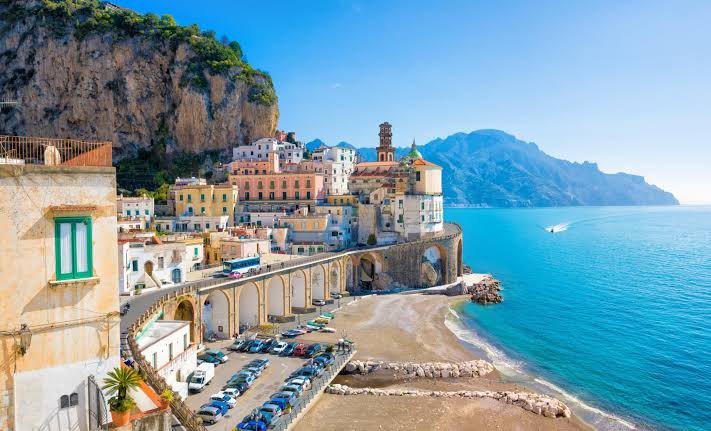
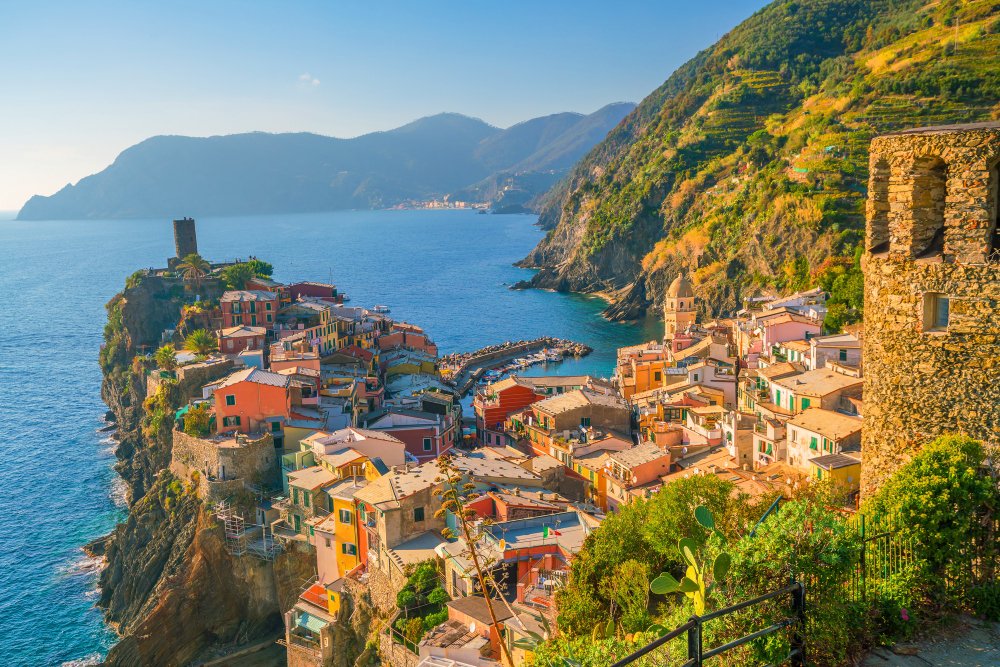
Positano's cliffside streets are narrow alleyways lined with colorful buildings cascading down steep cliffs to the…
Read More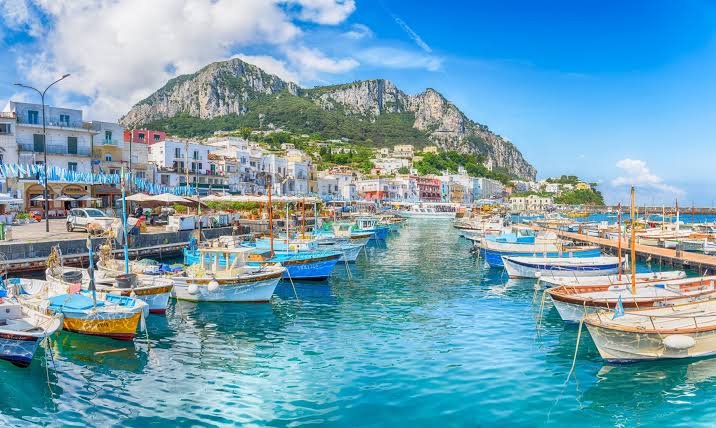
Must-Do Experiences in Capri: Blue Grotto is a sea cave illuminated by natural light creating impossibly…
Read More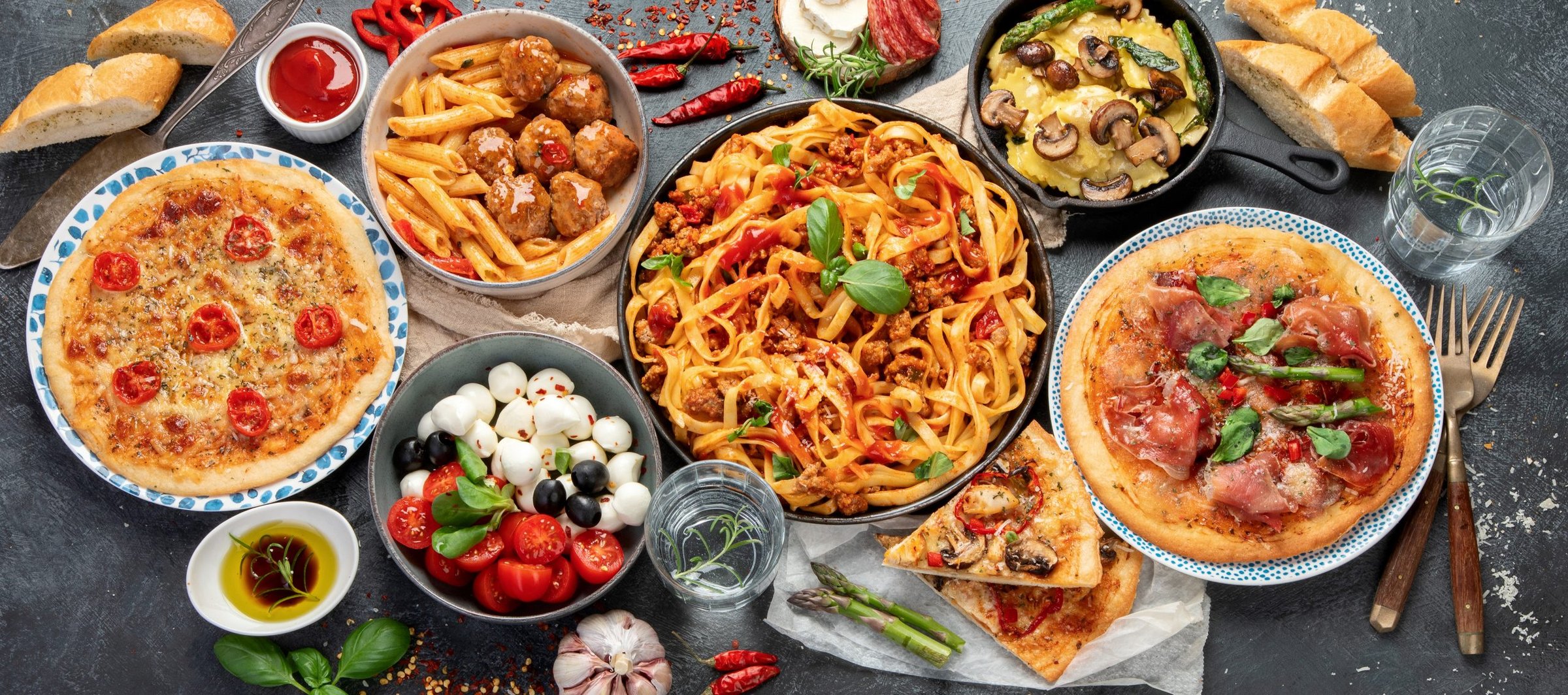
Italian food resists generalising more than almost any national cuisine. Rome runs on four pasta dishes done extremely well , carbonara, cacio e pepe, amatriciana, gricia , each fiercely defended by whoever's cooking it. Florence leans into red meat and Chianti. Naples and the Amalfi Coast do seafood and the best pizza you'll have anywhere, made with a dough recipe most places outside Italy still haven't figured out. Every region will tell you, with total confidence, that theirs is the real version.
A cooking class is worth building into at least one stop, and Sorrento or Positano both do a version that ends with dinner rather than a certificate. Skip the restaurants directly on a piazza with a photo menu out front , they're built for volume, not for the meal.
Quick tip: Order the daily special (piatto del giorno) if a restaurant has one. It's usually what the kitchen actually wants to cook that day, and it's rarely the most expensive thing on the menu.
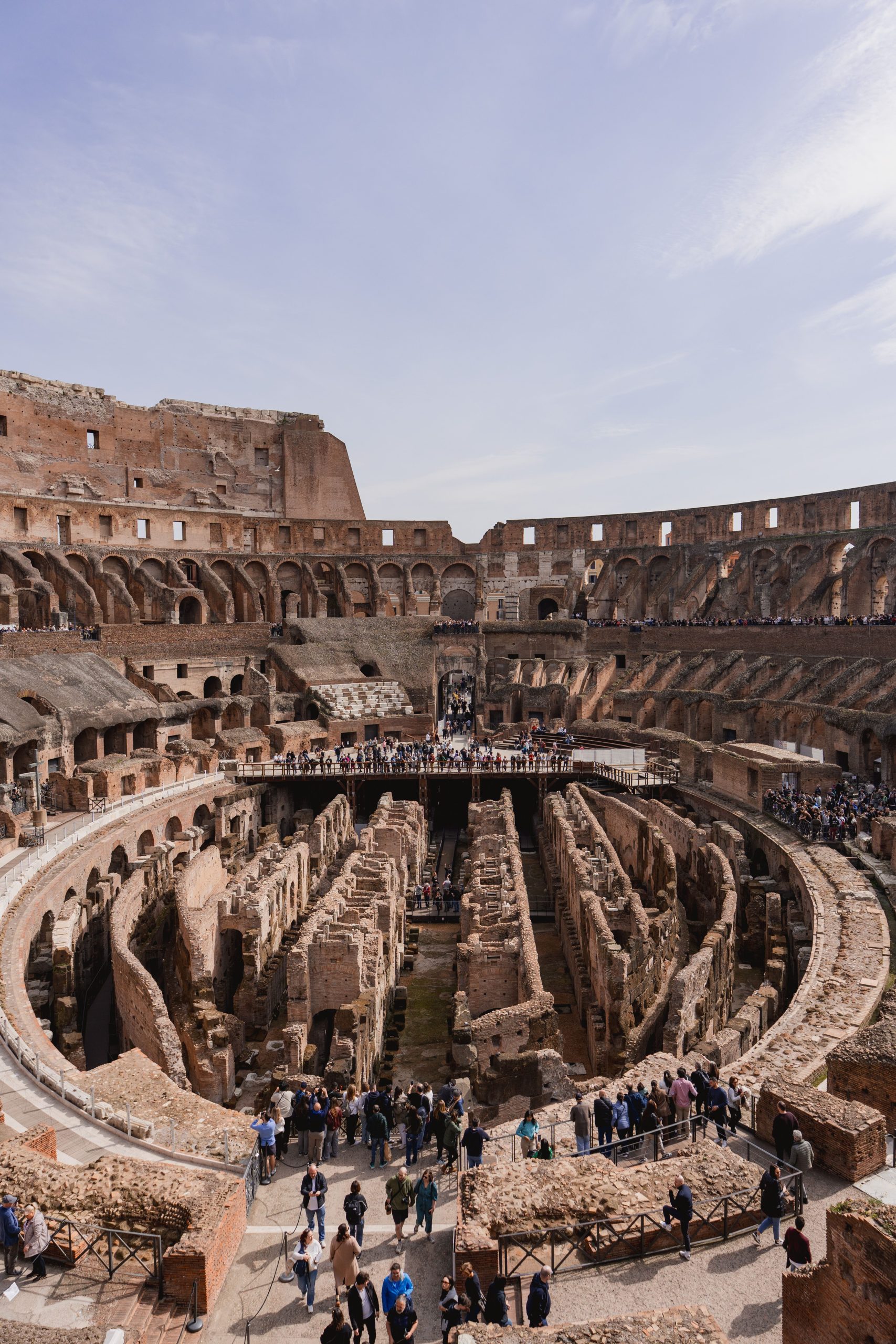
Italy wears its history without much ceremony , the Colosseum sits in the middle of modern Rome's traffic, not roped off in a museum quarter. A Sunday passeggiata, the evening walk where entire towns turn out just to see and be seen, tells you more about daily life here than any single monument. Catholic tradition still shapes the calendar in ways visitors don't always notice , expect closures around religious holidays, and a different rhythm to Sunday mornings almost everywhere outside the big cities.
Travenza tip: Join the evening passeggiata in whichever town you're staying, even without a specific destination in mind. It's one of the more genuine ways to feel part of a place rather than a visitor passing through it.
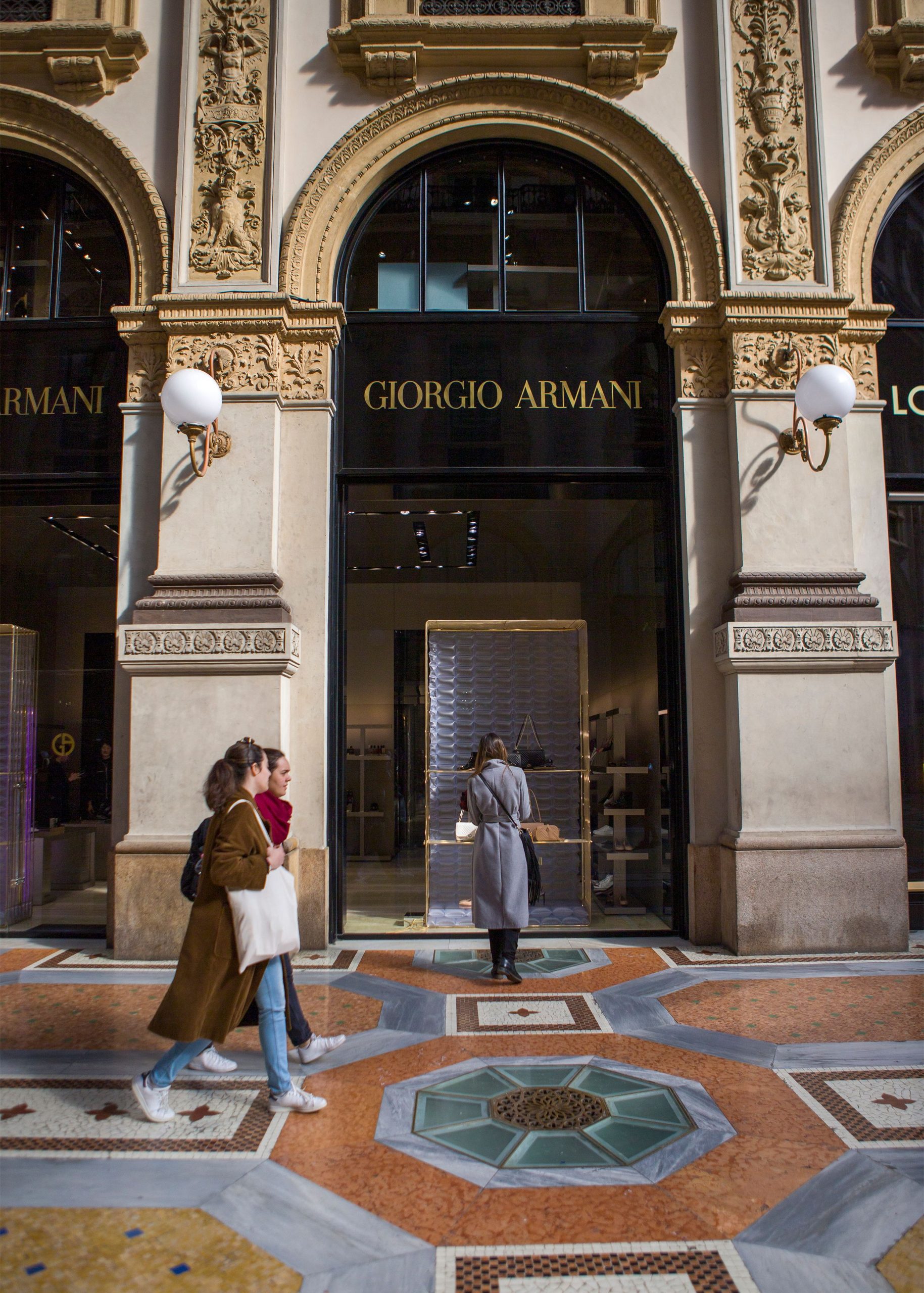
Milan is the obvious draw for fashion , the Quadrilatero della Moda holds flagship stores from nearly every major Italian house, and it's worth a walk even without buying anything. Florence's leather markets, particularly around San Lorenzo, offer good craftsmanship at a fraction of boutique prices, provided you know roughly what quality to look for. Venice does glass and lace properly, made on Murano and Burano respectively rather than imported and relabelled.
Travenza tip: Buy Murano glass directly on the island, not from a shop on Venice's main tourist streets. A meaningful amount of what's sold there isn't actually made in Murano, despite the name on the label.
Frequently Asked Questions
Yes. It's well set up for tourism, the high-speed trains make city-hopping simple, and English is common enough in the major cities and coastal towns that language rarely becomes a real obstacle.
10–12 days works well for a first trip , Rome, Florence and Venice, with either the Amalfi Coast or Tuscany added. Stretch to 13–15 days to include Milan and Lake Como without rushing.
April, May, September and October offer the most comfortable weather with manageable crowds. Summer suits the coast but gets uncomfortably busy and hot in the cities. Winter is quieter and cheaper, though the coast largely shuts down.
Yes , it's one of the more common ways we build these trips. Paris and Switzerland both connect by short flight or train, and Venice links directly into Croatia by train through the Alps.
Yes. Roman history, gelato on every corner and coastal boat days all hold a family's attention well, and the train network makes moving between cities straightforward with kids in tow.
Yes , a cliffside Amalfi Coast dinner, Venice's quieter canals and a Tuscan vineyard afternoon all work well together for a trip built around slowing down.
Yes, more easily than many visitors expect. Pasta and pizza both offer straightforward vegetarian options everywhere, though it's worth confirming stock bases in more traditional restaurants.
Most Indian travellers need a Schengen visa arranged in advance. We confirm the latest requirements and handle documentation before you travel.
Depends on season, duration, hotel category and style. As a rough guide, a well-planned 10–12 day trip in good hotels starts around ₹2.8–3.8 lakh per couple, excluding flights. Peak summer and the Amalfi Coast both push this higher.
Yes , every trip is built around what you want, whether that's adding Lake Como, extending the Amalfi Coast, including a cooking class, or planning around a celebration.
Ready to go?
Share your dates, group size and interests, we will craft a bespoke itinerary within 48 hours. No obligations.