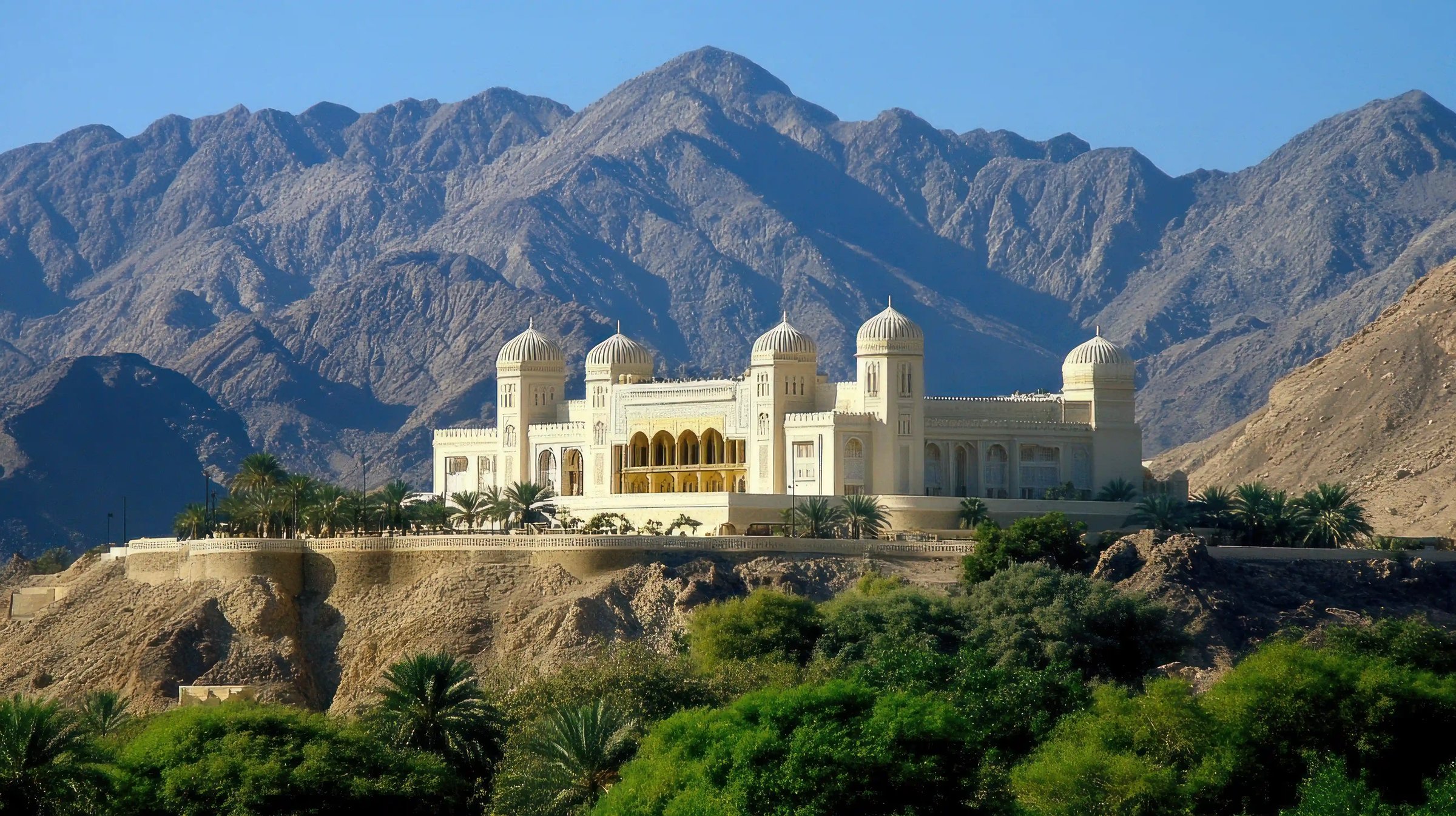
Middle East · Arabian Peninsula
Oman Travel Guide
Ancient desert forts, frankincense souks and crystal-clear wadi swims.
Ancient desert forts, frankincense souks and crystal-clear wadi swims.
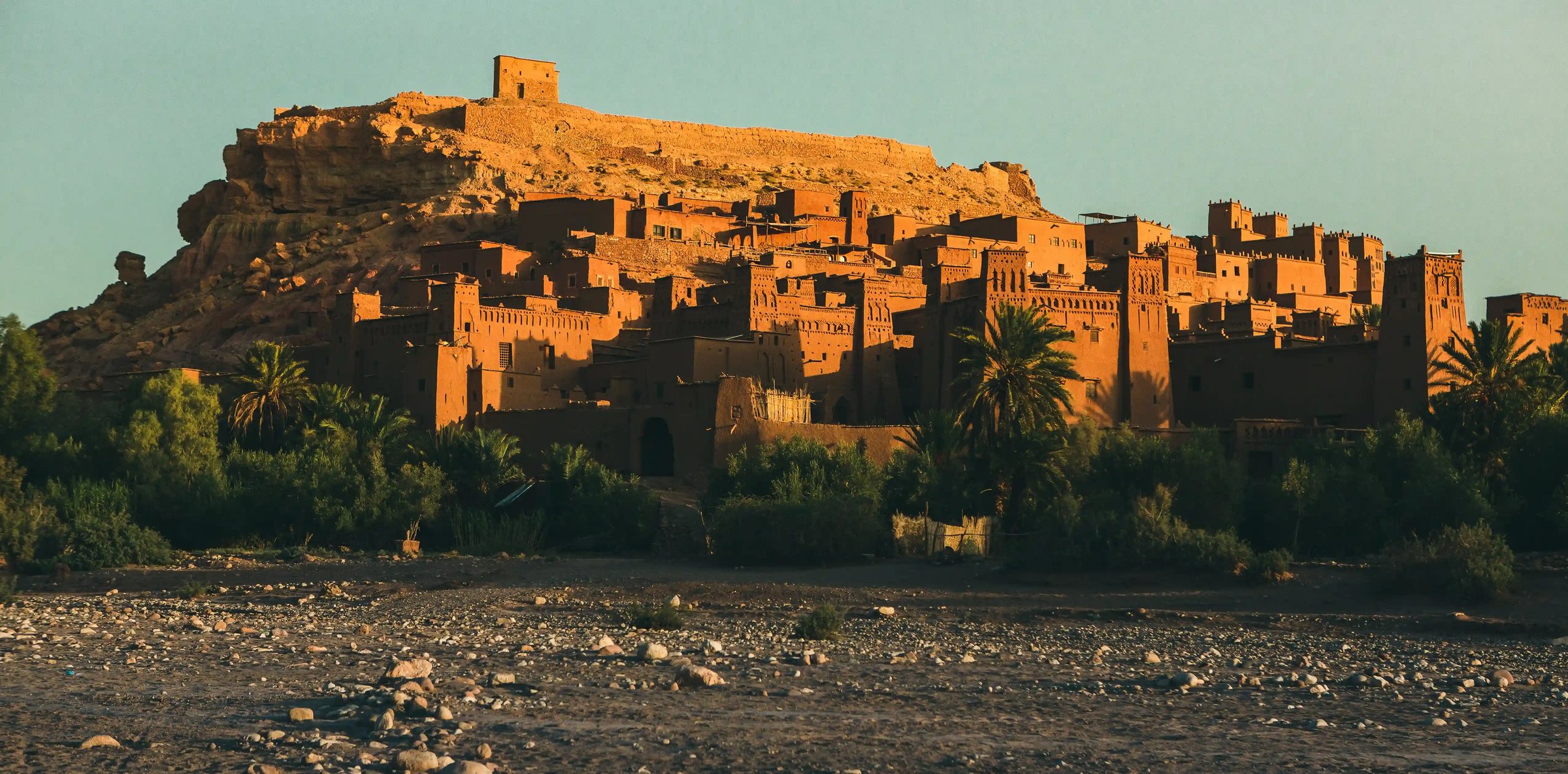
Oman runs on a quiet, unhurried courtesy that's easy to underestimate until you're in it. A guide who slows the pace because the wadi deserves it, not because the schedule allows it. A hotel that upgrades a room without being asked. That same restraint carries through a luxury desert camp and a small mountain guesthouse alike, and it's usually what guests mention first when they're back.
It also rewards spacing your days out more than most itineraries assume. Oman's landscapes sit far apart, and long, scenic drives are part of the experience rather than dead time to rush through. A good trip and a great one rarely come down to how many forts or wadis made the list. They come down to whether you had time to actually sit in one of them.
We've been building Oman itineraries since 2013. Not templates, routes built around how you like to travel. We pick the pace before the itinerary, and we'll tell you when a long drive isn't worth the destination at the end of it. If we wouldn't book it for our own family, we won't book it for you.
Getting the mix of destinations right matters more than trying to see everything. Here's what each place is actually good for.
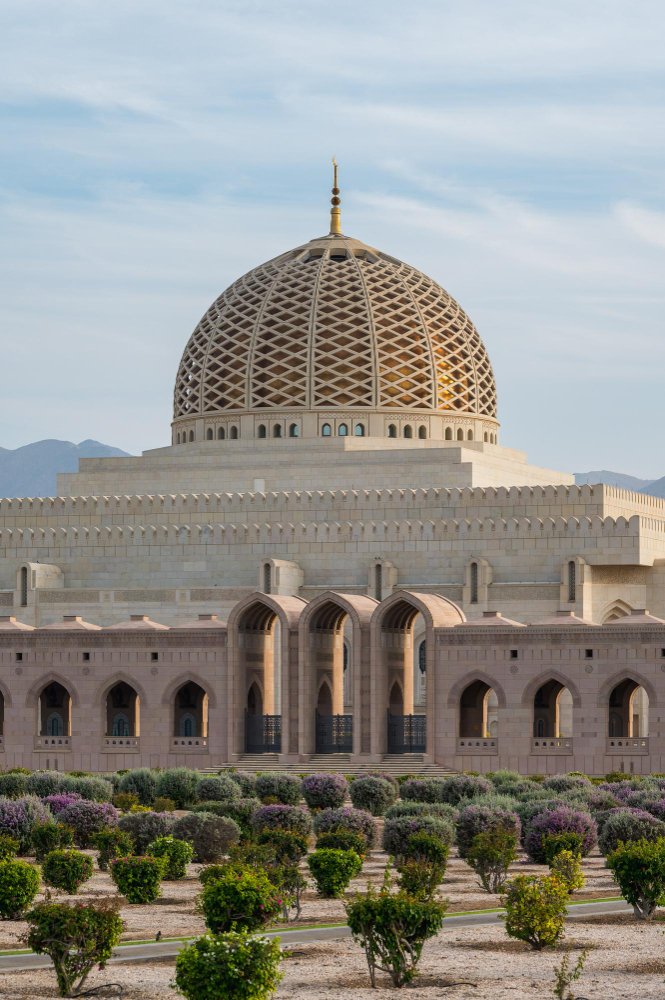
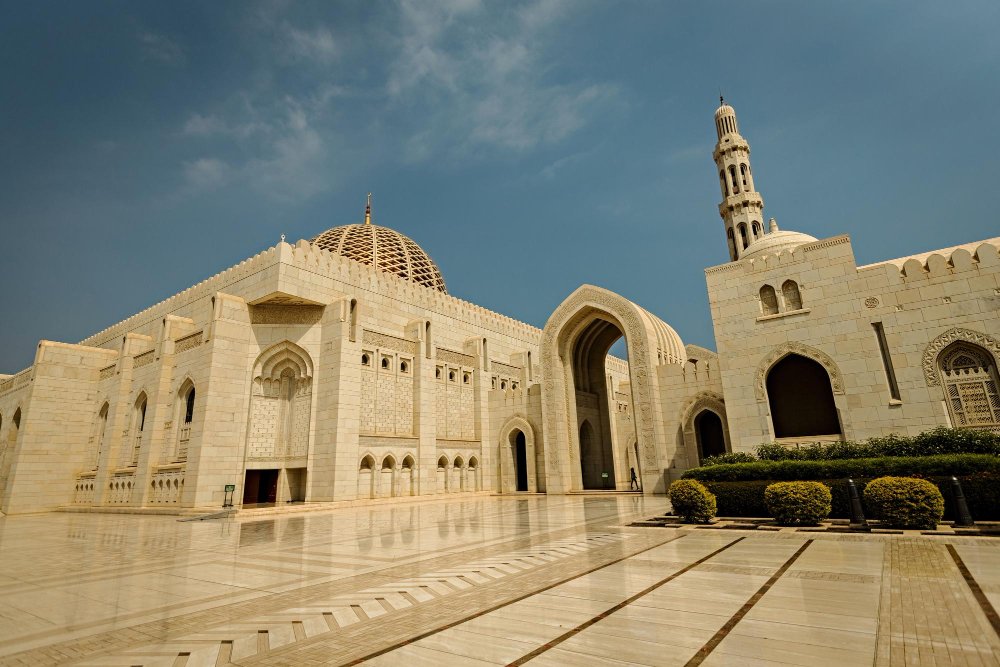
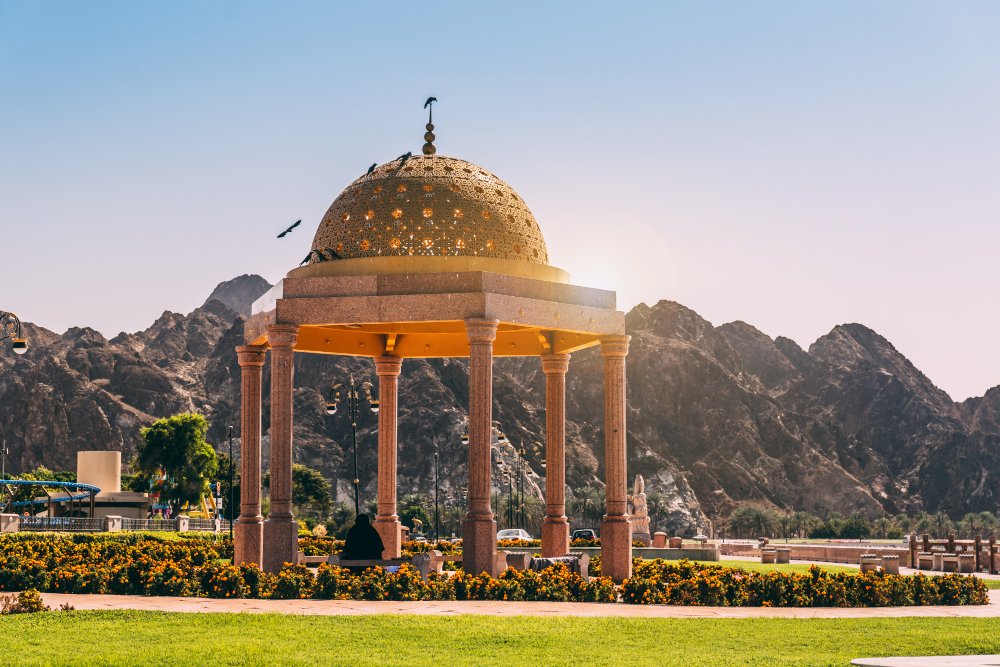
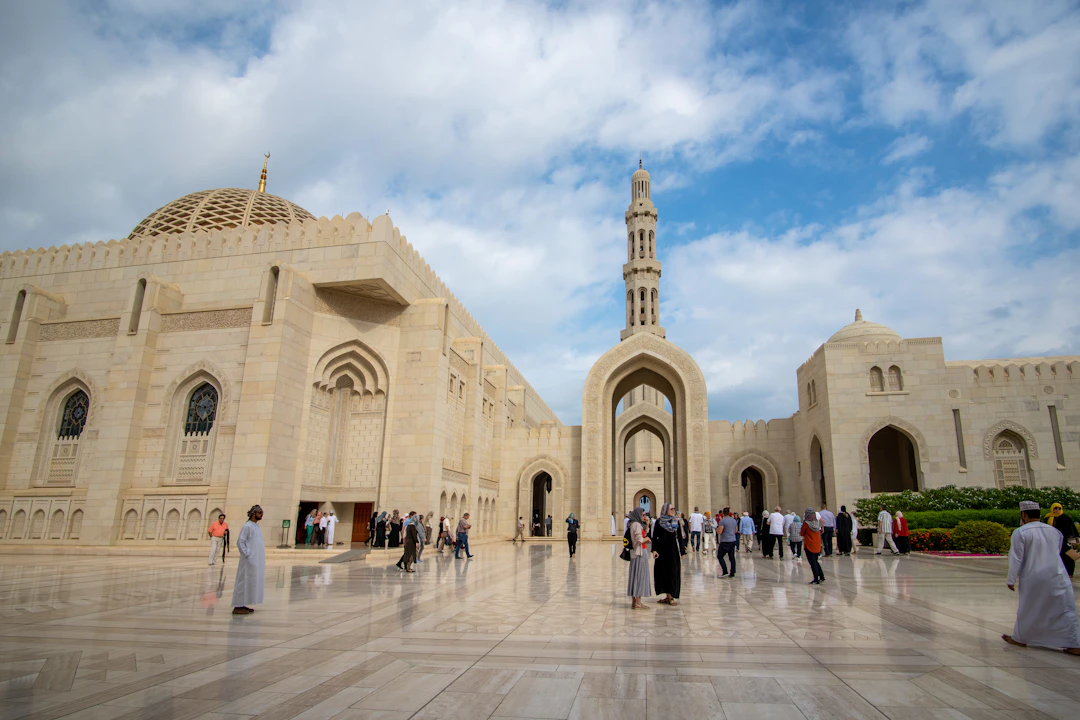
Sultan Qaboos Grand Mosque is a stunning mosque with white marble and intricate tilework. Mutrah Souq…
Read More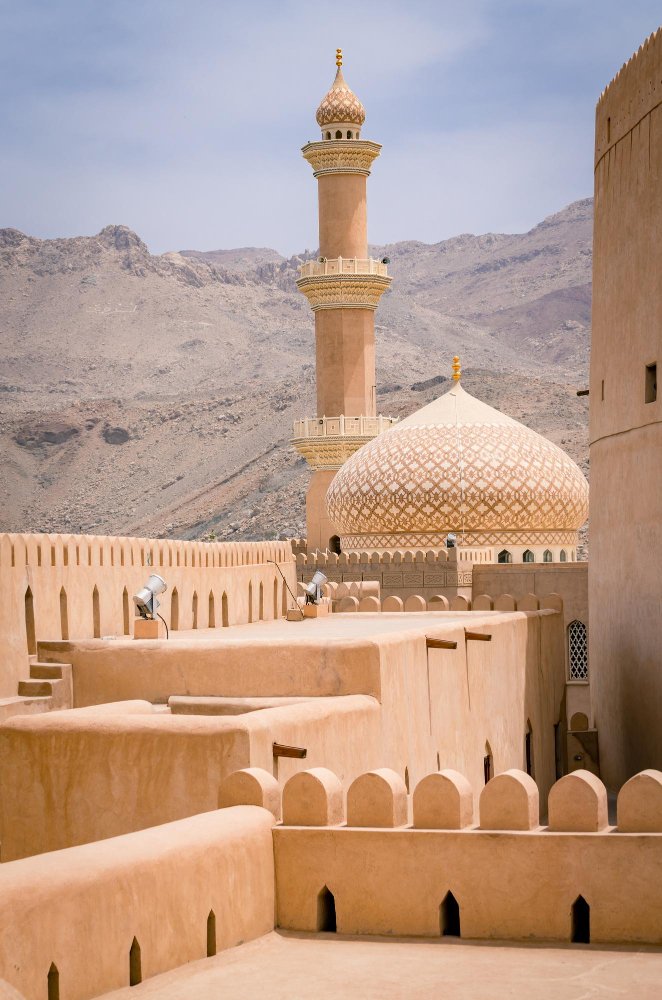
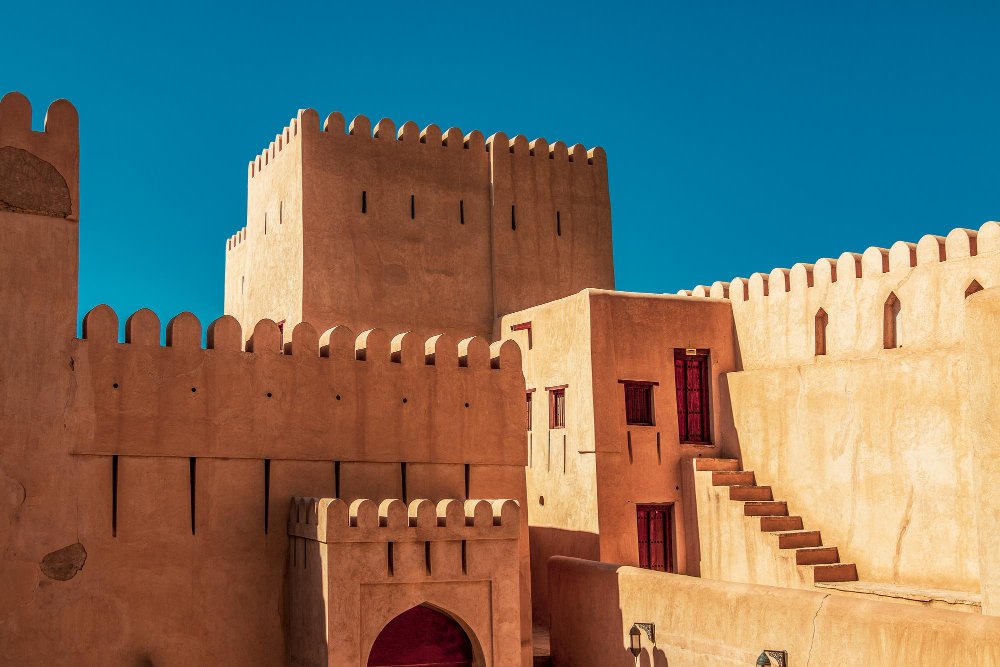
Nizwa Fort is a historic fortress with a massive round tower offering views of the town…
Read More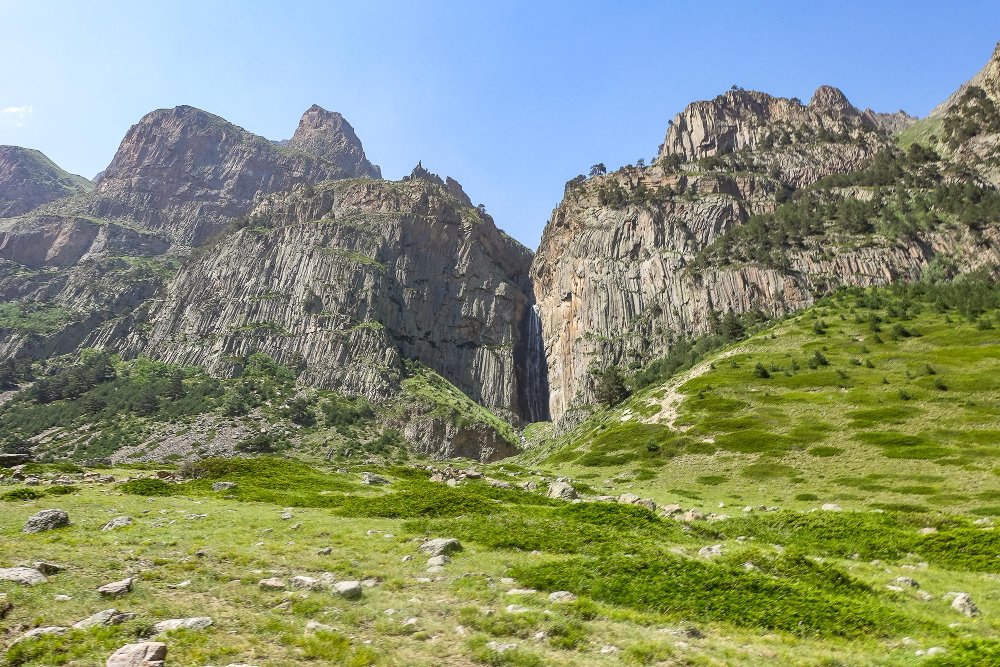
Sunset Dune bashing is a thrilling 4x4 ride over sand dunes during golden hour. Camel riding…
Read More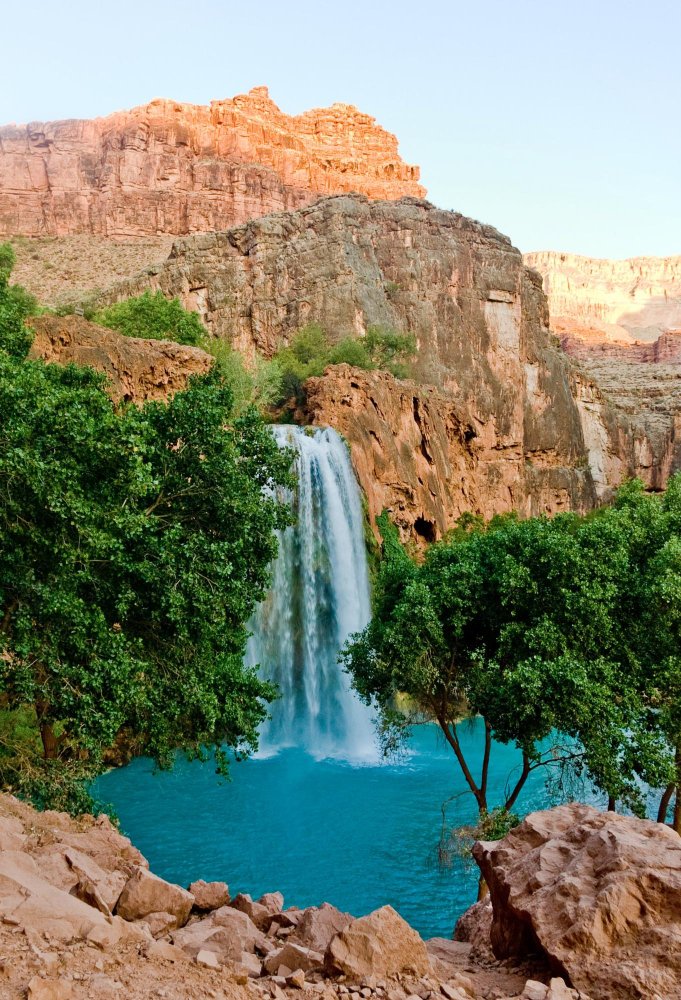
Wadi Darbat waterfalls cascade into pools surrounded by lush vegetation in a scenic wadi. Al Baleed…
Read More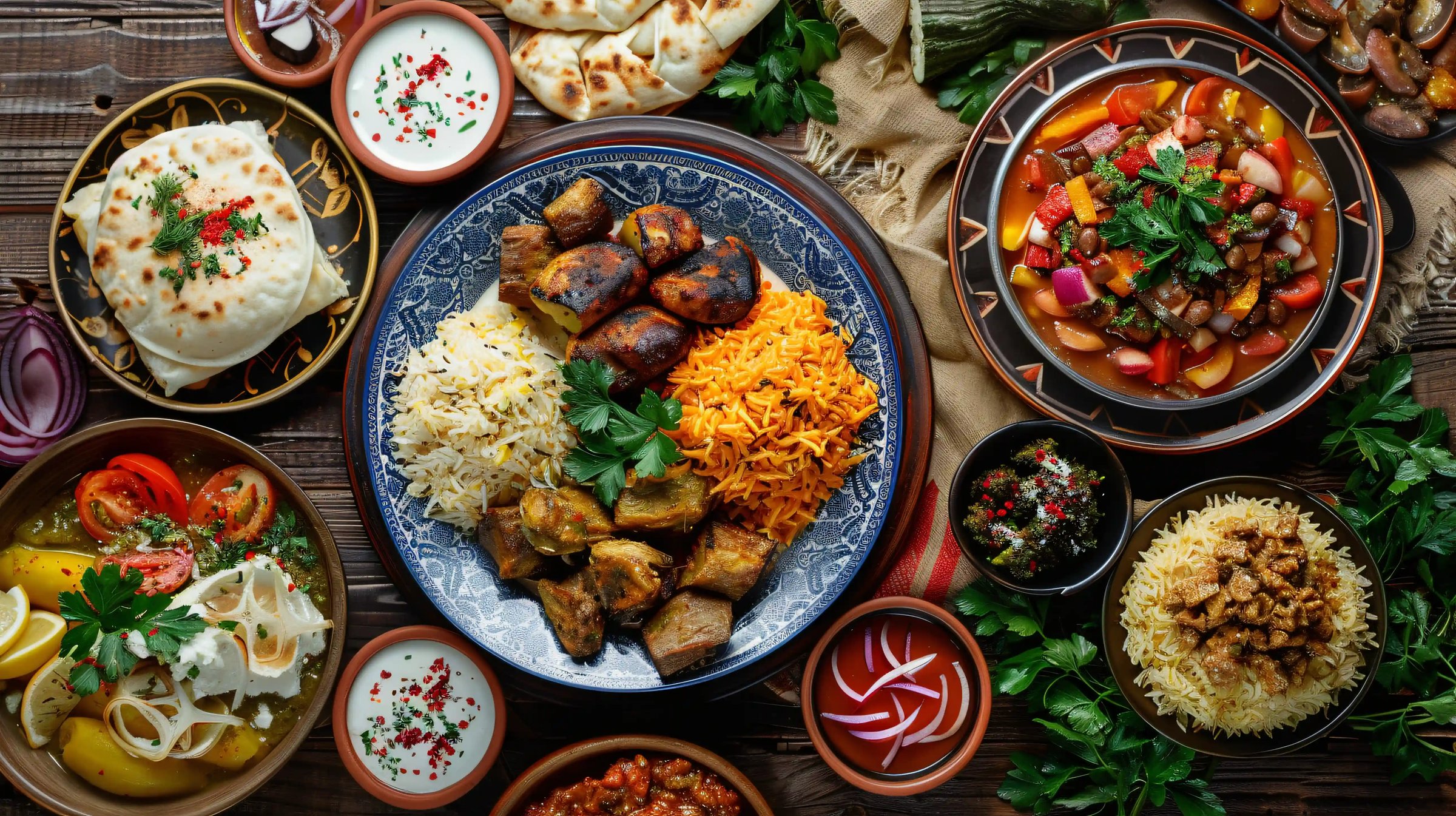
Food is usually a quieter part of the story here than the scenery, but it's worth seeking out properly. Omani cuisine leans on slow-cooked meats, rice and dates, with shuwa. Meat cooked underground for hours, traditionally for special occasions, as close to a national dish as exists. Muscat's dining scene ranges from traditional Omani restaurants to international fine dining, while a desert camp dinner is usually simple, hearty, and better than it has any right to be given the setting.
One thing worth knowing, Omani food is distinct from the more widely known Levantine or Emirati cuisines, with its own spice profile and traditions. We don't pick restaurants by reputation, we pick them based on what you actually want, whether that's a proper Omani meal, a desert camp dinner, or Muscat's more international dining scene.
Quick tip: Try Omani coffee (kahwa) with dates, offered almost everywhere as a gesture of hospitality. Accepting it, even briefly, is part of how the country welcomes guests.
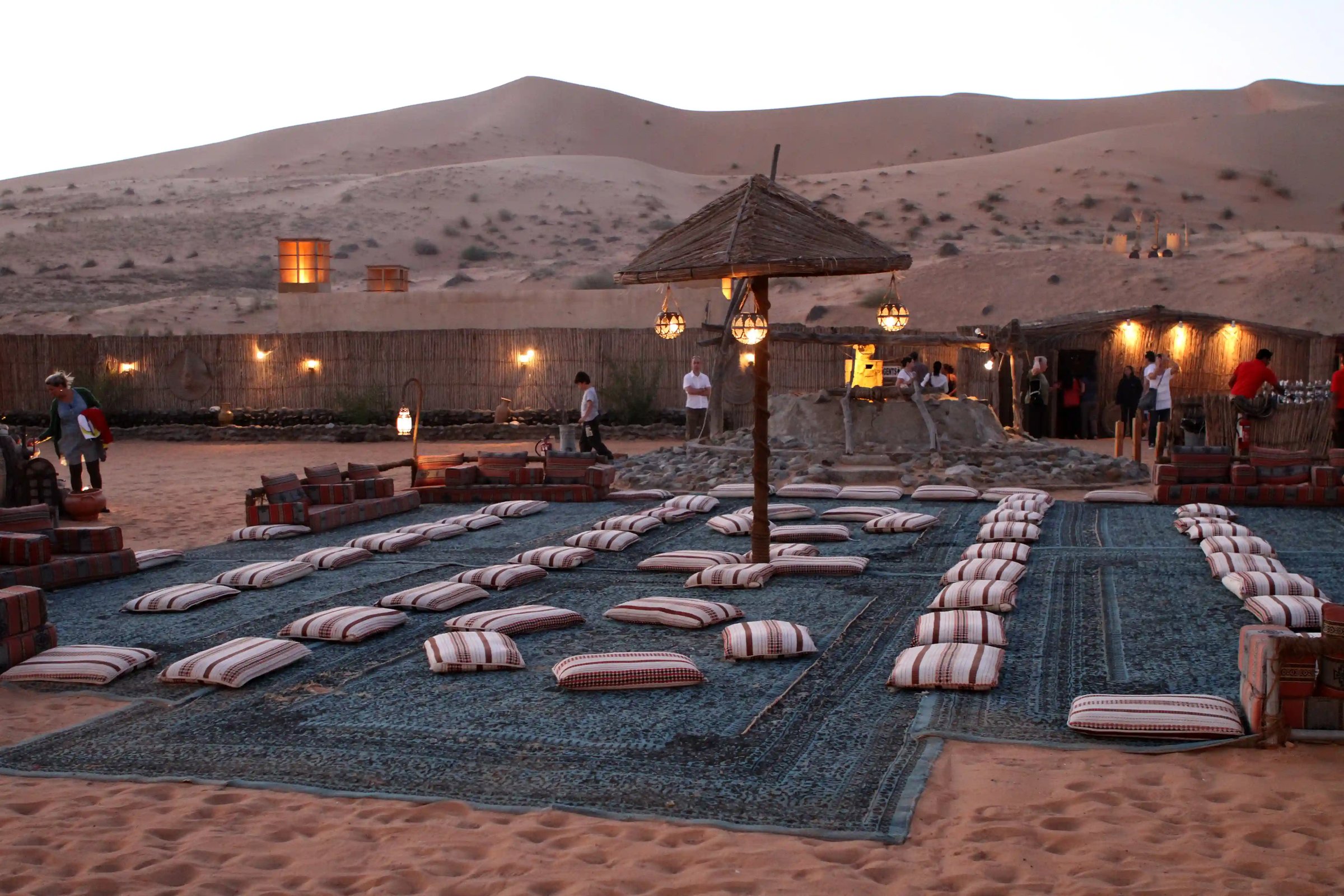
Culture in Oman isn't only in the forts. The Grand Mosque and Nizwa Fort are worth seeing, but a Friday morning at the livestock souq, a Bedouin family's desert hospitality, or an early walk through Mutrah before the shops open usually tells you more. Islamic tradition and a strong sense of national identity shape daily life here in a way that feels notably calmer and more measured than some of Oman's regional neighbours.
Travenza tip: If culture is the priority, spend a night with a desert camp that includes genuine Bedouin hospitality rather than a purely tourist-facing setup. The difference is noticeable, and it's usually what guests remember longest.
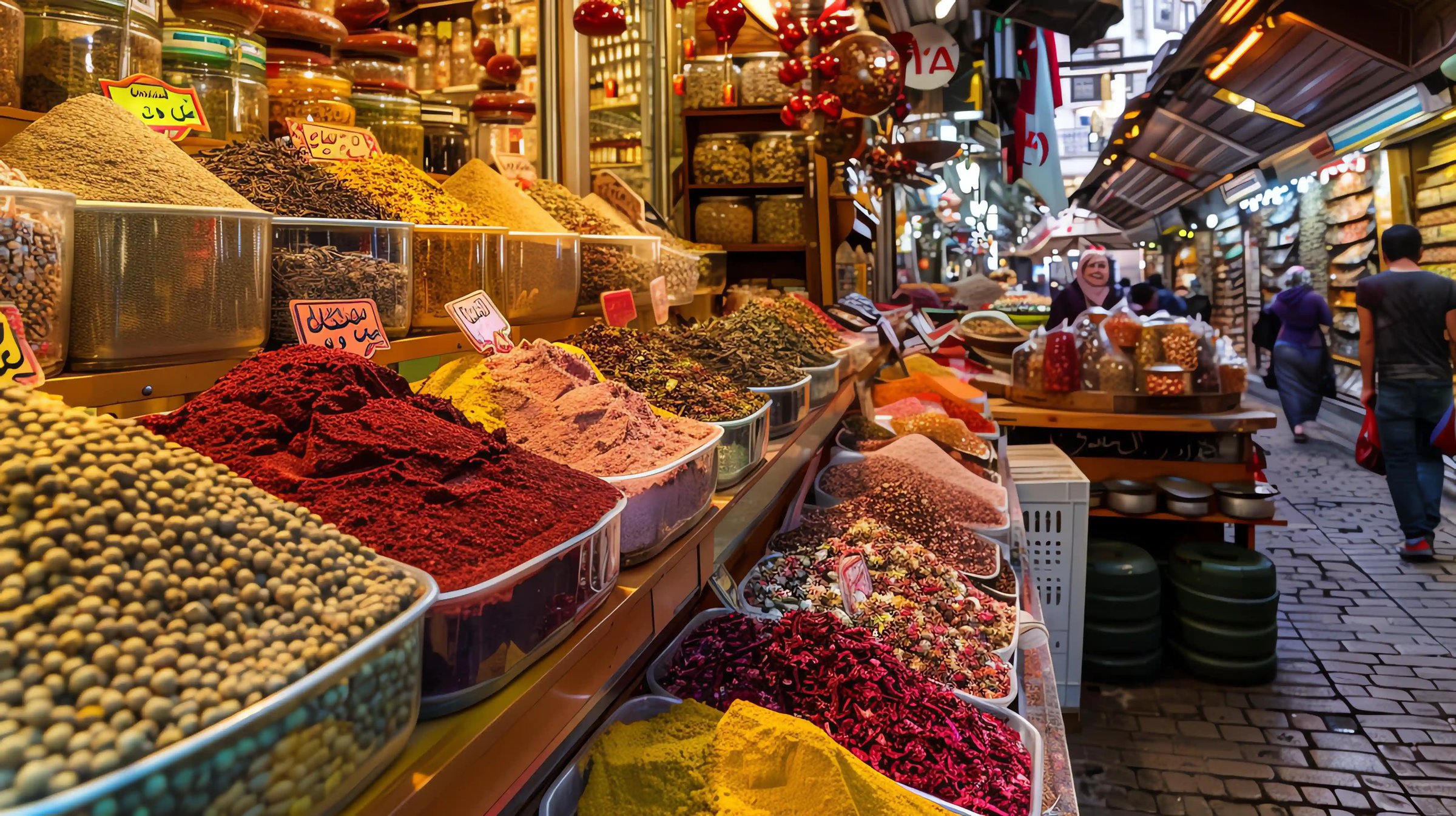
Shopping here is understated and specific. Mutrah Souq in Muscat is the best single stop. Frankincense, silver jewellery, and the curved khanjar dagger that's become something of a national symbol. Nizwa's souq leans more toward everyday goods and antiques, with better prices than Muscat for similar items.
Travenza tip: Buy frankincense directly from a stall that lets you smell different grades before purchasing, quality varies considerably, and the best grades look noticeably different from the lower-grade resin sold to tourists.
Frequently Asked Questions
Yes. It's safe, easy to navigate, and considerably less crowded than many regional alternatives; a private driver makes the longer distances between sights straightforward.
For a first trip, 5–8 days works well enough for Muscat, Nizwa, Jebel Akhdar and a desert night without rushing. Add Musandam or Salalah and stretch it to 9–11 days.
October to March is the most reliable across most of the country. Salalah runs opposite, its best window is June to September, during Khareef season.
Yes. Wadi swimming, desert camps and forts all hold kids' attention well, and the country is notably safe and easy to navigate as a family.
Yes, a private desert camp, a clifftop Muscat dinner and Jebel Akhdar's mountain quiet all work well together for couples wanting scenery without the crowds.
Yes, particularly in Muscat, though options can be more limited in smaller towns and at desert camps. We flag this early and build the itinerary around it.
Most Indian travellers need an e-visa, applied for online in advance. We confirm the latest requirements and help with the application before you travel.
Depends on season, duration, hotel category and style. As a rough guide, a well-planned 7–9 day trip in good 4- and 5-star hotels and desert camps starts around ₹1.9–₹2.7 lakh per couple, excluding flights.
Yes, particularly in Muscat and among guides and drivers. Less so in smaller towns, where a guide helps bridge the gap.
Yes, every trip is built around what you want, whether that's adding Musandam, extending the desert stay, including Salalah during Khareef season, or planning around a celebration.
Ready to go?
Share your dates, group size and interests, we will craft a bespoke itinerary within 48 hours. No obligations.