Europe

Europe Travel Guide

Ancient cities, alpine peaks and coastal villages across one epic continent.
Europe doesn't ask you to choose between history and pleasure. A canal-side breakfast in Amsterdam before the bicycles wake up. A train through the Swiss Alps with a glacier outside the window. A trattoria in Rome that has no printed menu and has never needed one. That's usually how it goes here.

What makes it work is the density. Distances are short, most borders are invisible, and in a few hours you can move from a Gothic cathedral to a Mediterranean beach. Every country keeps its own language, its own table and its own pace. Paris is elegant, Rome is layered, Switzerland is precise. So no two trips through Europe should look the same.

Why Europe, and Why With Us

Why Europe, and Why with us

Europe runs on things that have been refined for centuries. Trains that connect city centres, cafés built for lingering, museums that hold the original and not a copy. That care shows up in a Michelin-starred dining room as much as in a village bakery at seven in the morning. You don't plan for these moments, they arrive on their own, and they're usually what people remember most.

They're also easy to lose. Europe looks compact on a map, and that's the trap, travellers stack five countries into ten days and spend the trip on platforms, in airports and at check-in desks. A good trip and a great one rarely differ by how many countries were on the list. They differ by how many mornings you had with nothing to rush for.

We've been designing holidays since 2013. Not templates, routes built around how you like to travel. We choose the base before the sights, the pace before the itinerary, and we'll tell you when something isn't worth your time, whether that's a queue not worth joining or a city better seen in an afternoon than a night. This is our Europe Travel Guide. You can find our opinions on which countries to combine, what time to visit, how long your trip should be and more.

With Travenza, You Can Expect

Itineraries for Europe

View All Itineraries →

Best Time to Visit Europe

Europe works year-round. The season decides which Europe you get.

Spring (March–May)

Best for: Tulips, blossom, mild weather, city breaks

Ideal destinations: Netherlands, Paris, Rome, Florence, Spain, Prague

If you asked us: The Dutch tulip fields and Keukenhof peak for only a few weeks, usually in April, and the exact window moves with the weather each year. We track the bloom reports and time the Netherlands leg around them. Spring can be changeable, so pack layers.

Summer (June–August)

Best for: Alpine scenery, lakes, coastlines, long days, family trips

Ideal destinations: Switzerland, Italian Lakes, Amalfi Coast, Greek Islands, Scandinavia, Iceland

If you asked us: Peak season means peak crowds and prices at the big-name sights, and southern cities like Rome, Athens and Seville can be very hot in July and August. Go north and go up: the Alps, the lakes and Scandinavia are at their best, with daylight stretching well into the evening.

Autumn (September–November)

Best for: Harvest season, colour, food and wine, fewer crowds

Ideal destinations: Italy, Paris, Vienna, Prague, Germany, Portugal

If you asked us: September is the sweet spot: summer's warmth without summer's queues. By late October the days shorten and some seasonal attractions close, but the food and wine calendar is at its peak. Christmas markets begin opening in late November.

Winter (December–February)

Best for: Christmas markets, skiing, Northern Lights, festive cities

Ideal destinations: Switzerland, Austria, Germany, Prague, Iceland, Norway, Finland

If you asked us: Our pick for a Europe with atmosphere. Snow-covered villages, mulled wine at the markets, and the Northern Lights if you travel far enough north (roughly September to March). Days are short and some sights keep reduced hours, so we plan around daylight.

Best Places to Visit in Europe

Getting the mix of countries right matters more than trying to cover them all. Here's what each one is actually good for.
France

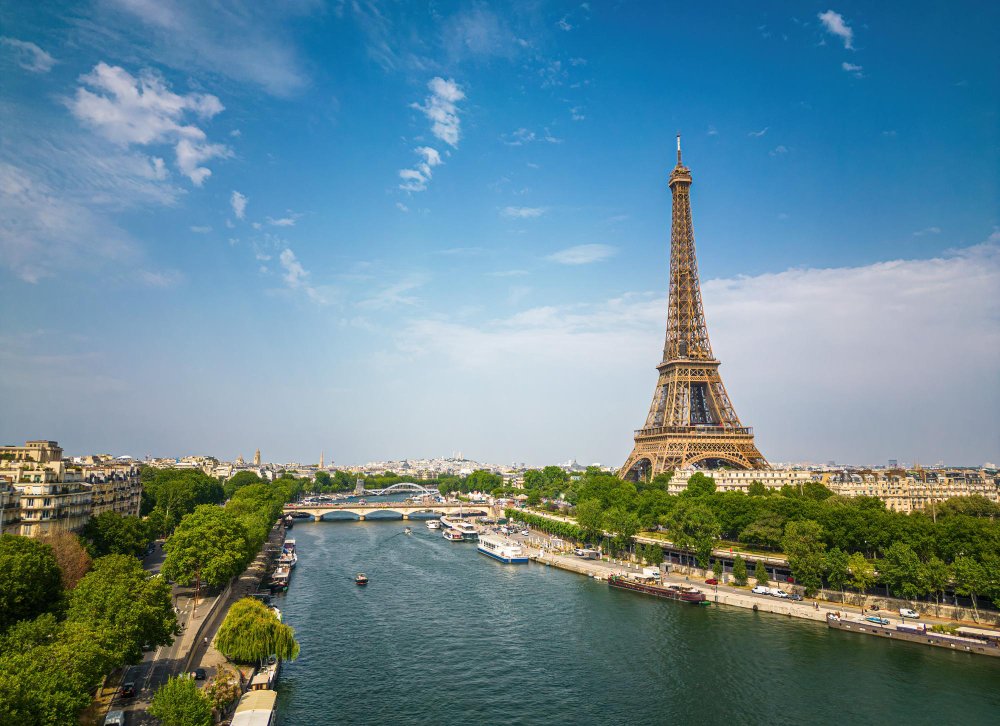
Paris is the natural start: the Eiffel Tower, the Louvre, Montmartre, the Seine at dusk, and…

Read More
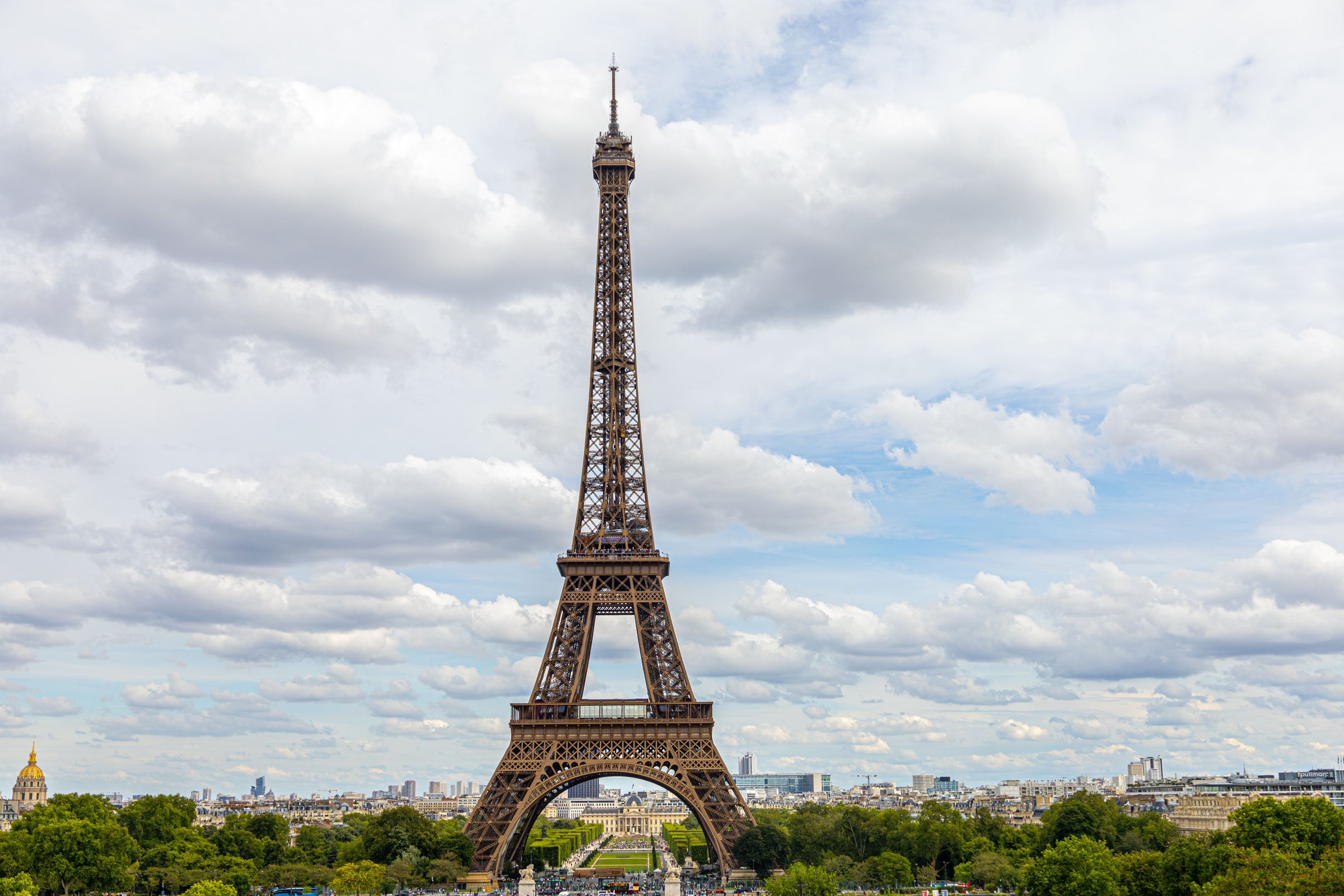
Paris is the natural start: the Eiffel Tower, the Louvre, Montmartre, the Seine at dusk, and a day at the Palace of Versailles. Mont-Saint-Michel is a tidal island abbey off the Normandy coast. The French Riviera brings Nice, seaside promenades and old-town markets, with Monaco a short ride away. Provence has hilltop villages and lavender fields that bloom roughly from late June to July. For a quieter France, Carcassonne, a fortified medieval Cité, and Toulouse, the pink-brick city known for aerospace, sit well off the usual Paris-and-Riviera route.

View Travel Guide

Switzerland

Interlaken sits between two lakes and is the gateway to the Jungfrau region. Jungfraujoch, at 3,454…

Read More
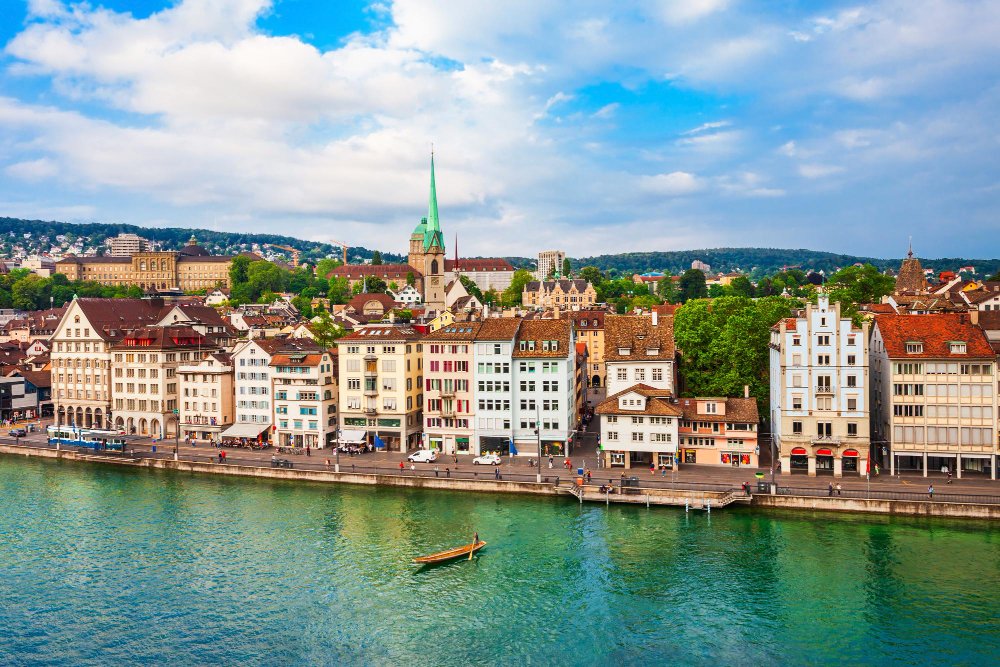
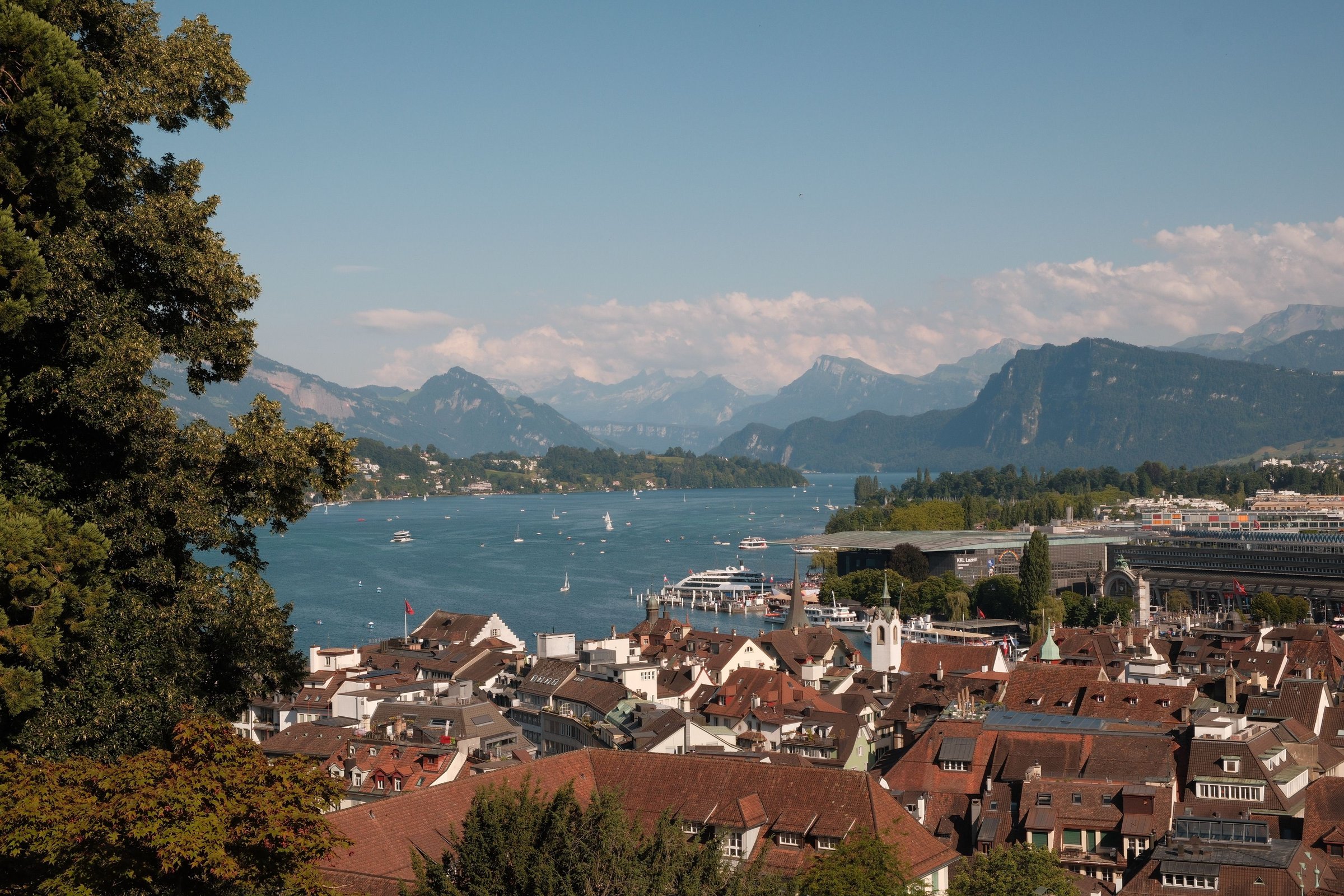
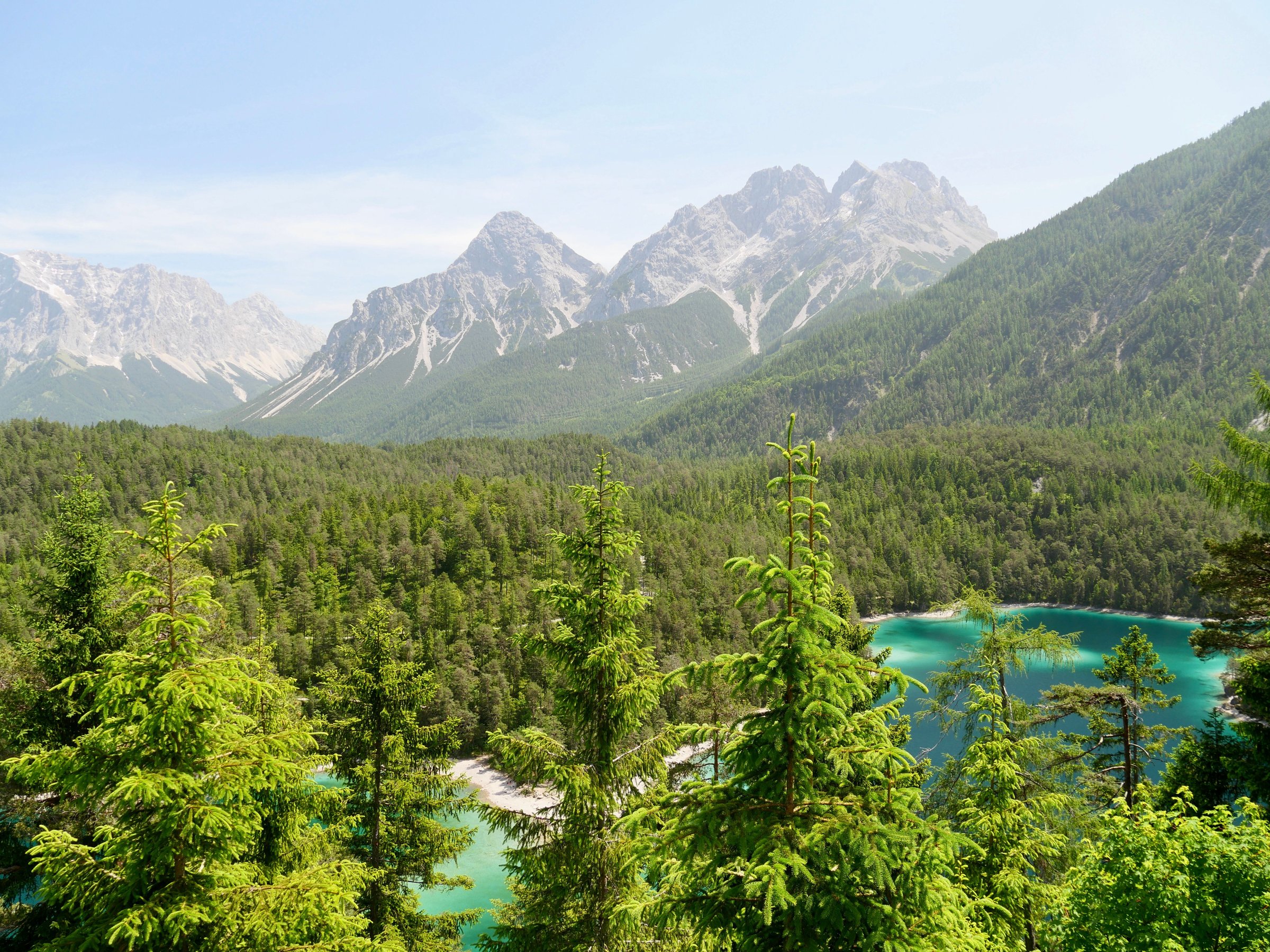
Interlaken sits between two lakes and is the gateway to the Jungfrau region. Jungfraujoch, at 3,454 metres, is the highest railway station in Europe. Lucerne has the Chapel Bridge, a lakeside old town and easy trips up Mount Pilatus and Rigi. Zermatt is a car-free village with the Matterhorn in view. Grindelwald and Lauterbrunnen are the classic Alpine valley villages. Scenic trains such as the Glacier Express and the Bernina Express turn the transfer into part of the trip.

View Travel Guide

Italy

Rome has the Colosseum, the Roman Forum, the Vatican Museums, St. Peter's Basilica and the Trevi…

Read More
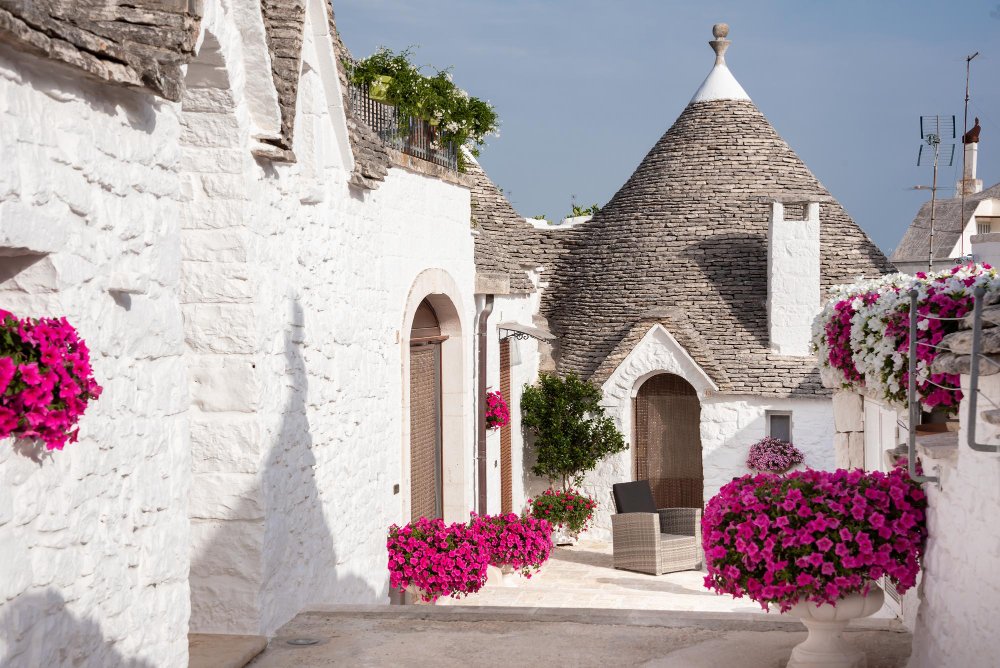
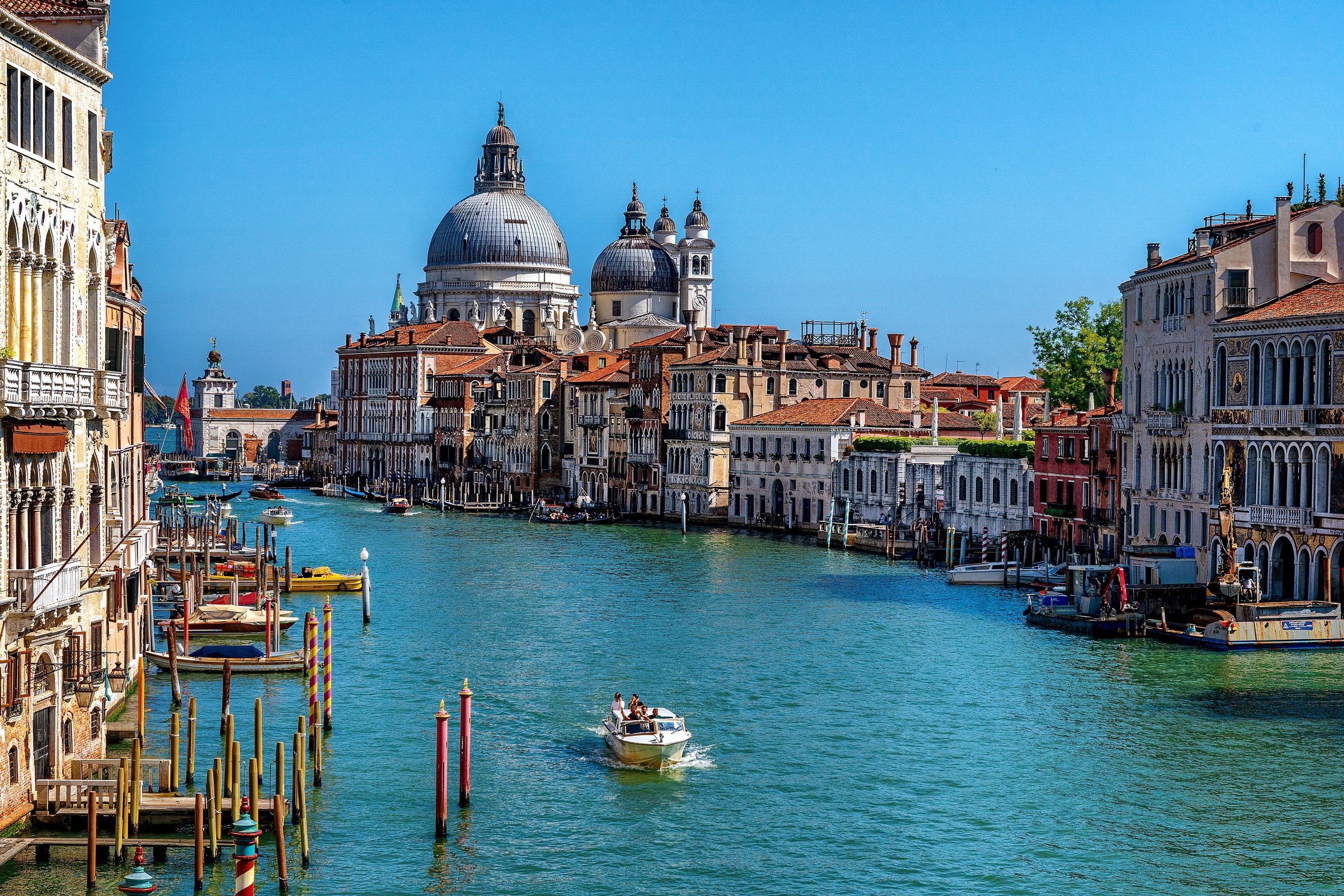
Rome has the Colosseum, the Roman Forum, the Vatican Museums, St. Peter's Basilica and the Trevi Fountain. Florence is the Renaissance in one walkable city, with the Duomo, the Uffizi and the Ponte Vecchio. Venice is a city of canals and no cars, with St. Mark's Square and the Grand Canal. Tuscany offers vineyards, cypress-lined roads and hill towns like Siena and San Gimignano. The Amalfi Coast is cliffside villages, including Positano, above the sea. Lake Como and Milan add lakeside villas, the Duomo and Leonardo's Last Supper.

View Travel Guide

Spain & Portugal

Barcelona has Gaudí's Sagrada Família and Park Güell, the Gothic Quarter and La Boqueria market. Madrid…

Read More
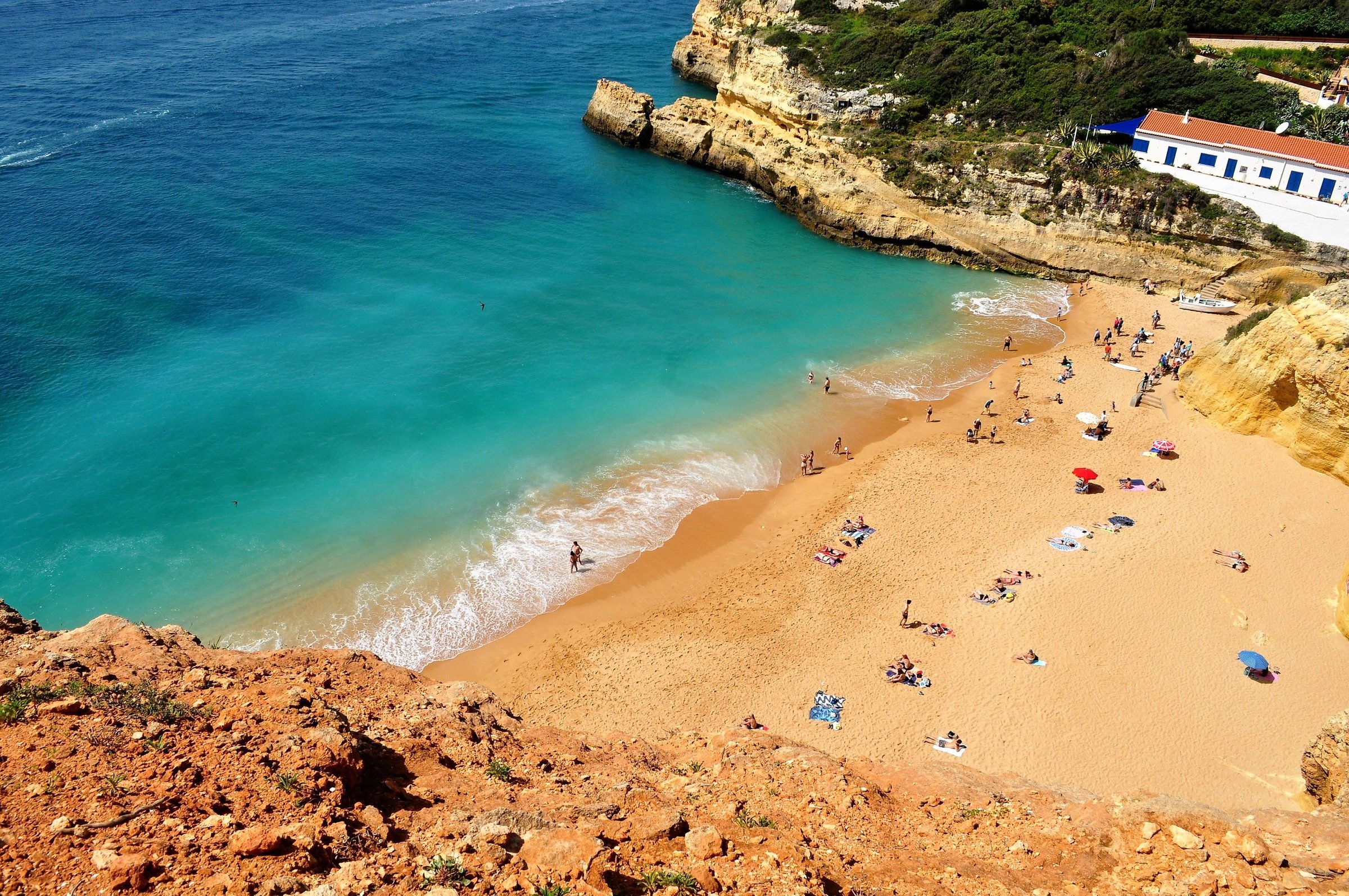
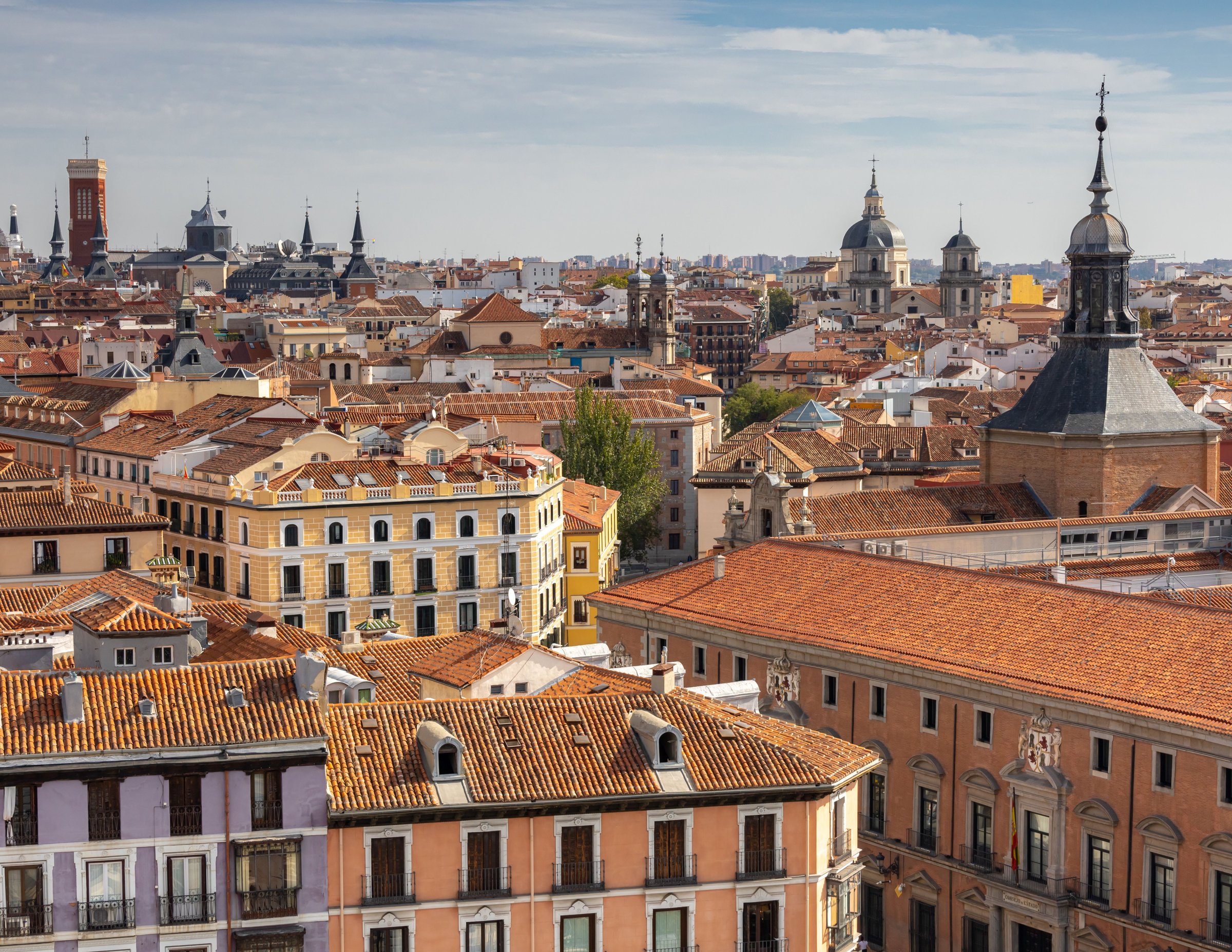
Barcelona has Gaudí's Sagrada Família and Park Güell, the Gothic Quarter and La Boqueria market. Madrid holds the Prado Museum and the Royal Palace. Seville has the Alcázar and flamenco. Granada is home to the Alhambra, which sells out well in advance. Lisbon has hillside neighbourhoods, historic trams and pastéis de nata, with the palaces of Sintra a short ride away.

Plan My Trip Now

Netherlands & Belgium

Amsterdam has the canal ring, the Rijksmuseum, the Van Gogh Museum and the Anne Frank House,…

Read More
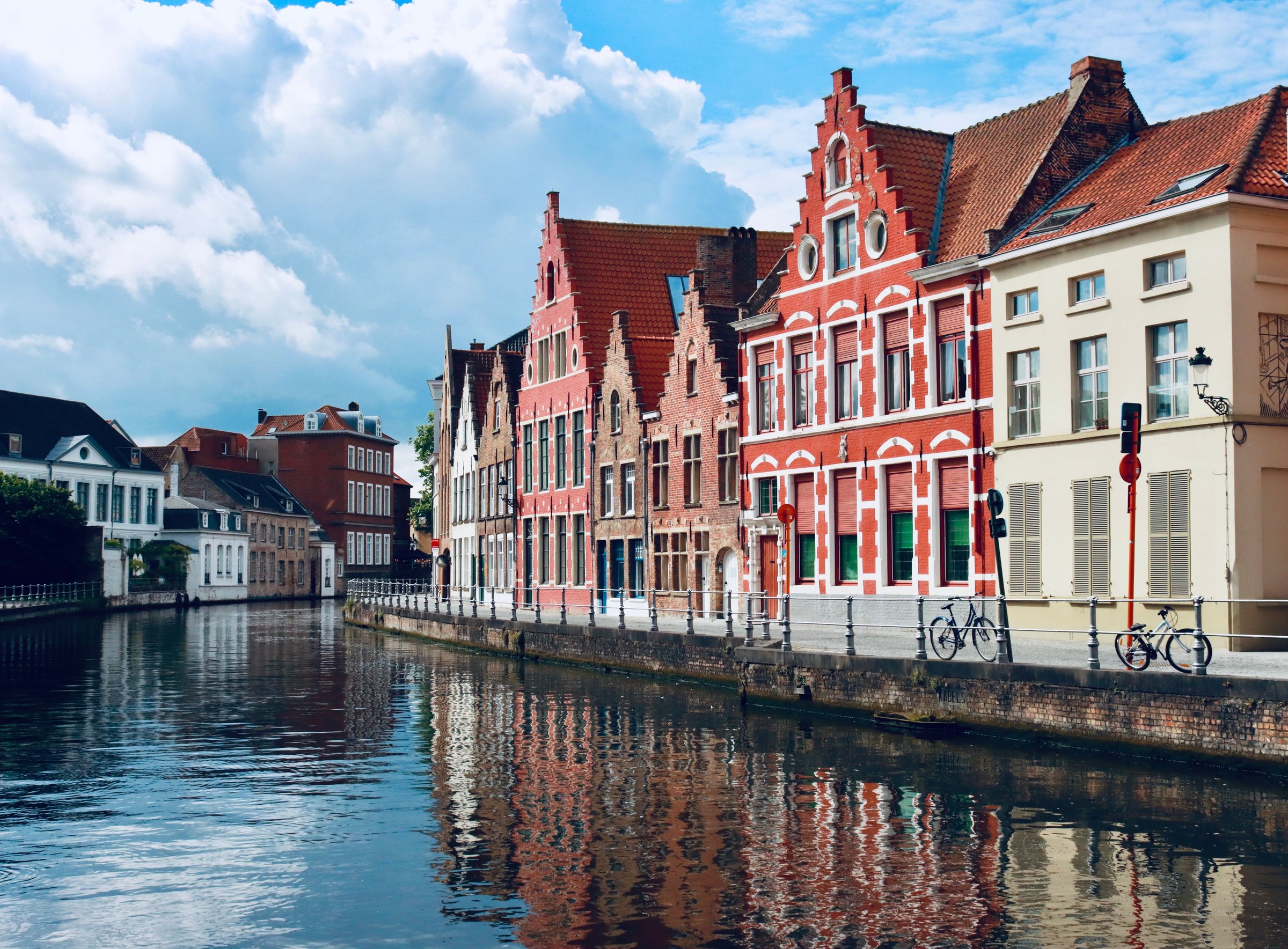
Amsterdam has the canal ring, the Rijksmuseum, the Van Gogh Museum and the Anne Frank House, which needs advance booking. Keukenhof gardens are open only for a few weeks each spring. Zaanse Schans is a village of working windmills. Bruges is a medieval canal town with the Belfry and chocolate shops, and Brussels has the Grand-Place.

Plan My Trip Now

Germany & Austria

Munich has Marienplatz and traditional beer halls, and Neuschwanstein Castle is a day trip away. Berlin…

Read More
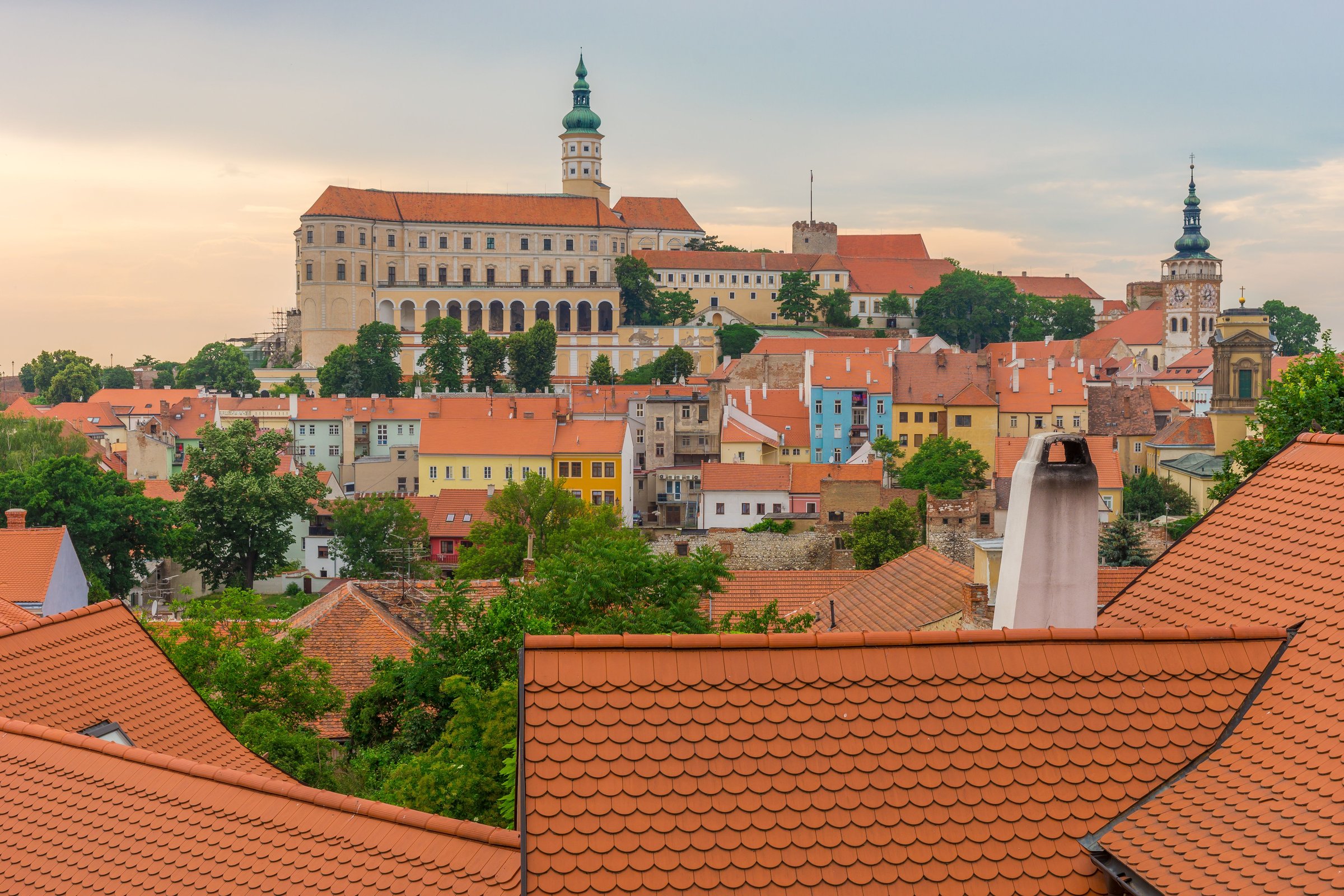
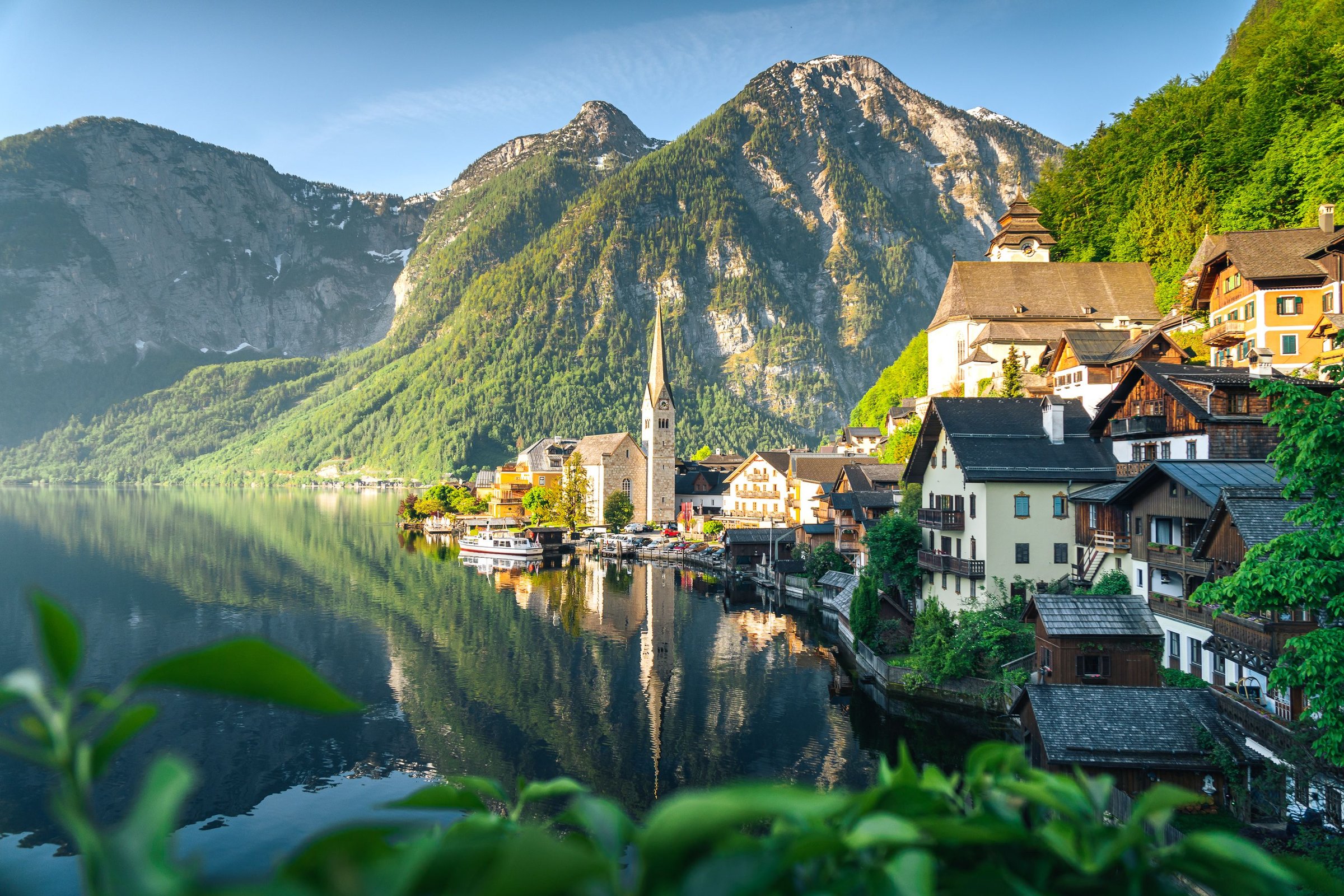
Munich has Marienplatz and traditional beer halls, and Neuschwanstein Castle is a day trip away. Berlin has the Brandenburg Gate, Museum Island and Berlin Wall memorials. The Rhine Valley is castles and vineyards. Vienna is imperial: Schönbrunn Palace, the State Opera and the coffee-house tradition. Salzburg is Mozart's birthplace, and Hallstatt is a lakeside village in the Salzkammergut.

Plan My Trip Now

Czech Republic & Hungary

Prague has the Charles Bridge, the Old Town Square with its Astronomical Clock and Prague Castle.…

Read More
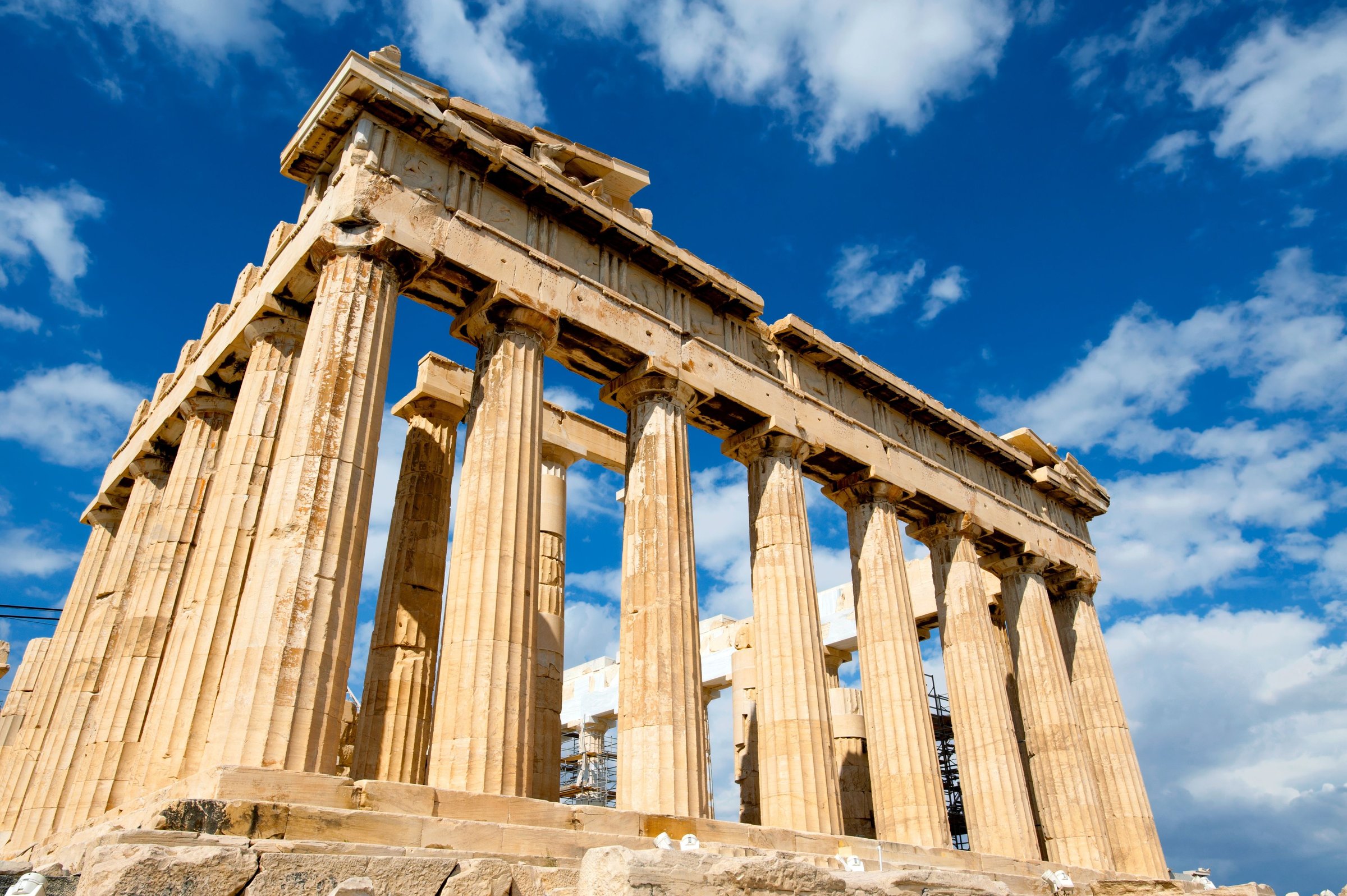
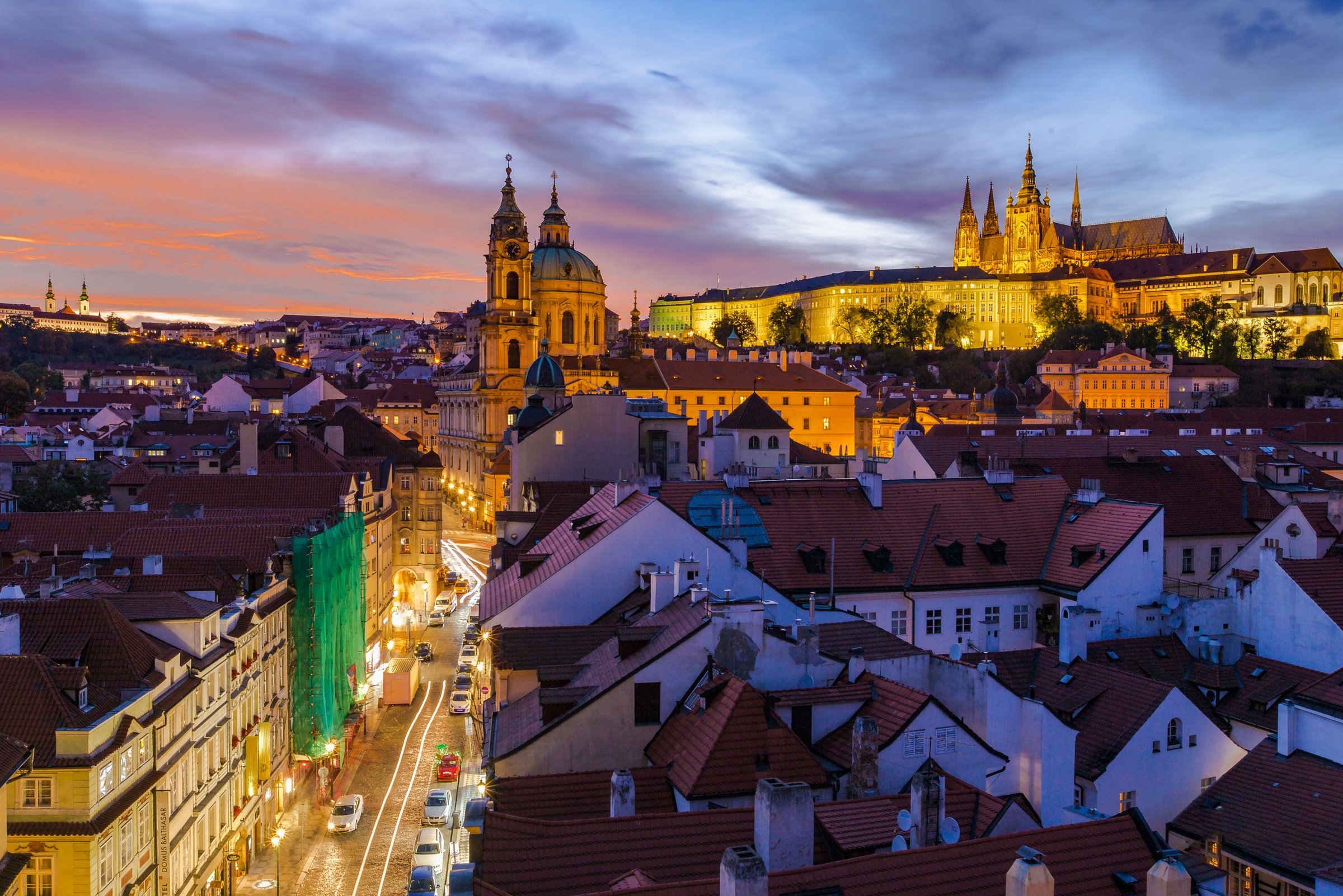
Prague has the Charles Bridge, the Old Town Square with its Astronomical Clock and Prague Castle. Český Krumlov is a UNESCO-listed medieval town in southern Bohemia. Budapest is split by the Danube, with Buda Castle, the Parliament building, the Chain Bridge and thermal baths such as Széchenyi.

Plan My Trip Now

Greece

Athens has the Acropolis and the Parthenon, with the Plaka neighbourhood below. Santorini has caldera views…

Read More
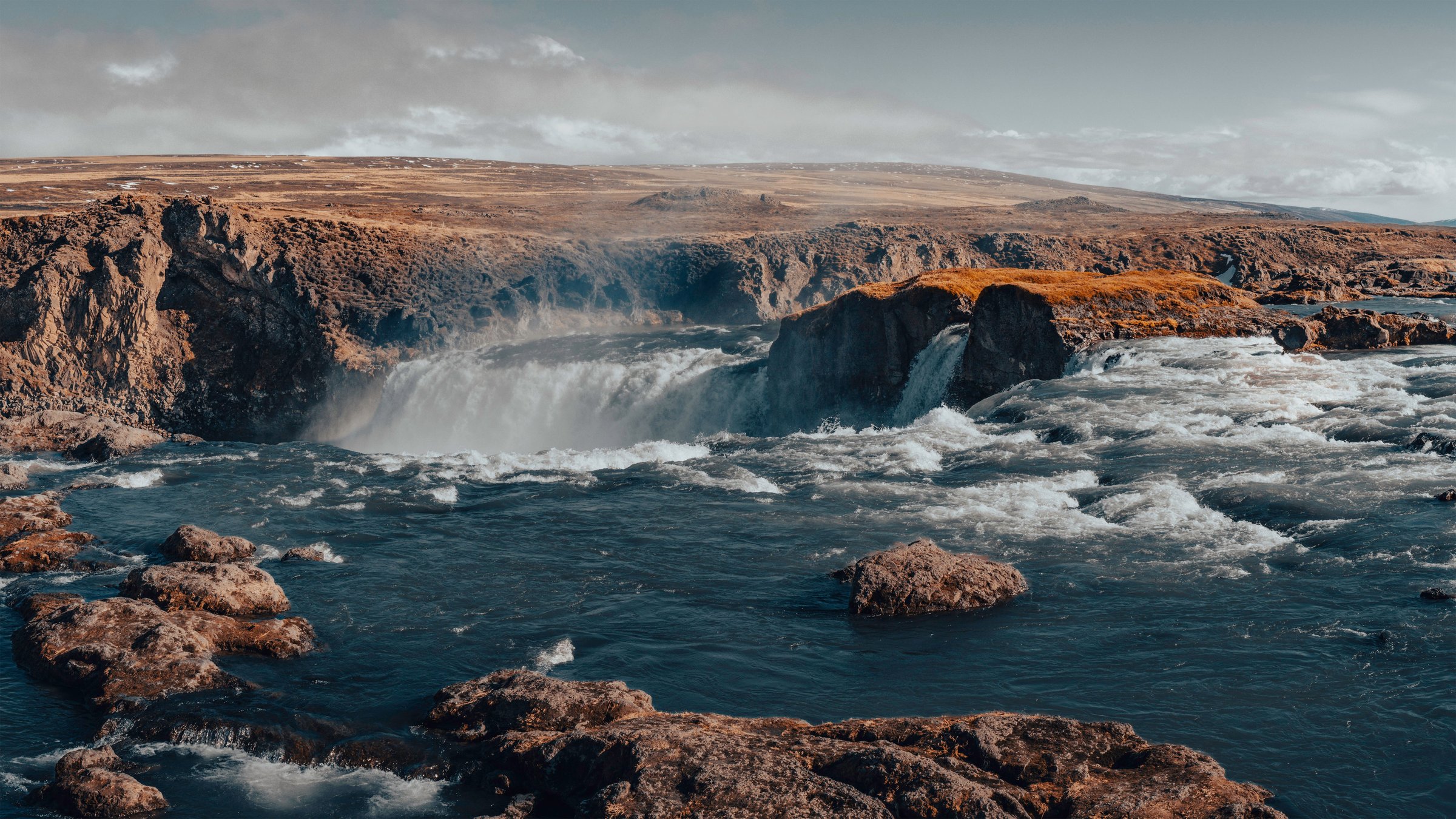
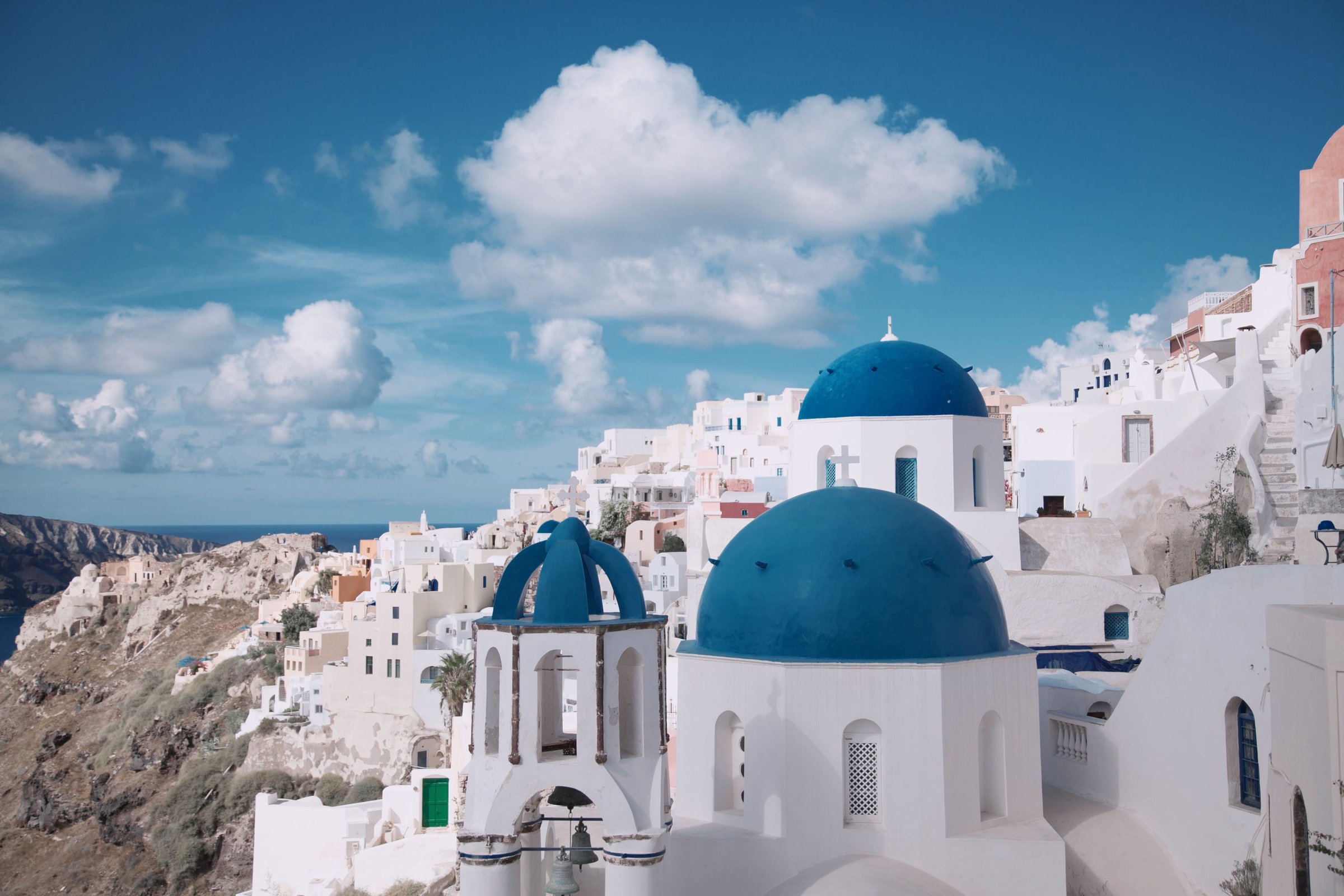
Athens has the Acropolis and the Parthenon, with the Plaka neighbourhood below. Santorini has caldera views and whitewashed villages at Oia and Fira. Mykonos has beaches, windmills and nightlife. Island ferries depend on the weather, so we build in buffer days.

View Travel Guide

Scandinavia & Iceland

Iceland's Golden Circle covers Þingvellir National Park, the Geysir geothermal area and Gullfoss waterfall, and the…

Read More
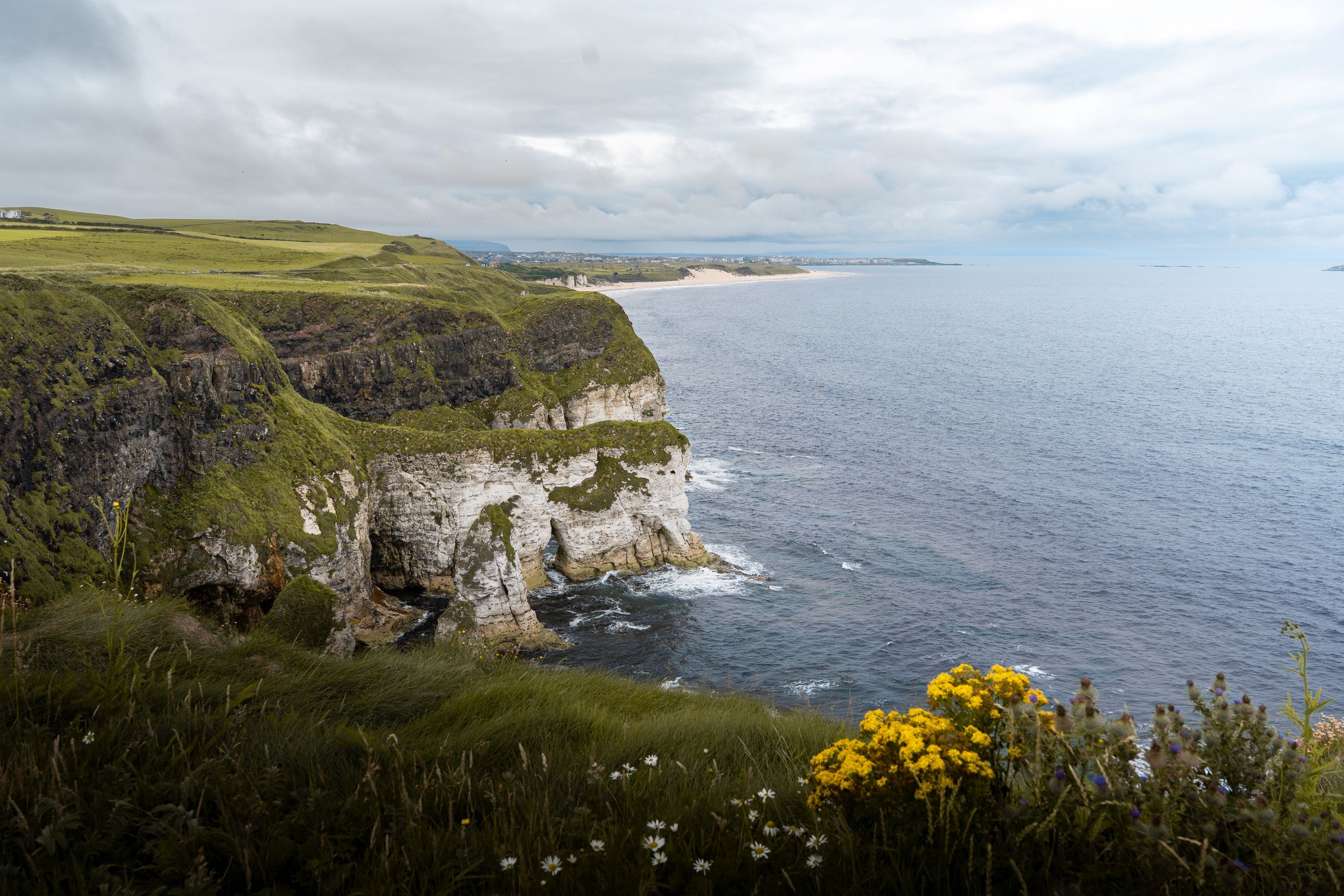
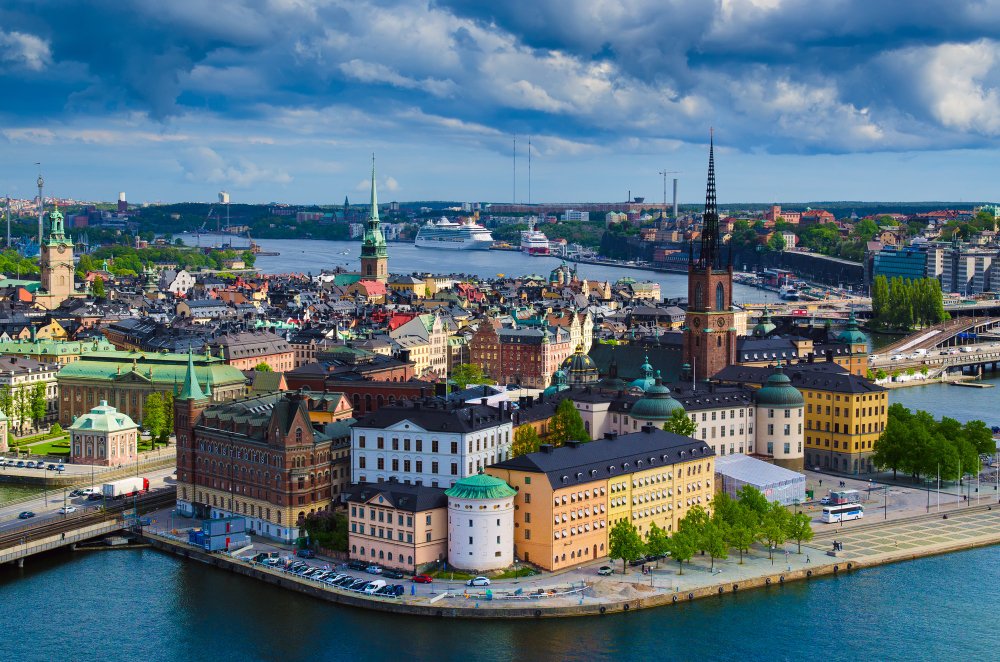
Iceland's Golden Circle covers Þingvellir National Park, the Geysir geothermal area and Gullfoss waterfall, and the Blue Lagoon is close to Keflavík airport. Norway's fjords, including the Nærøyfjord and Geirangerfjord, are best seen by boat or scenic rail. Copenhagen and Stockholm add design, waterfronts and food.

Plan My Trip Now

United Kingdom & Ireland

London has the Tower of London, the British Museum and Buckingham Palace. Edinburgh has its castle…

Read More

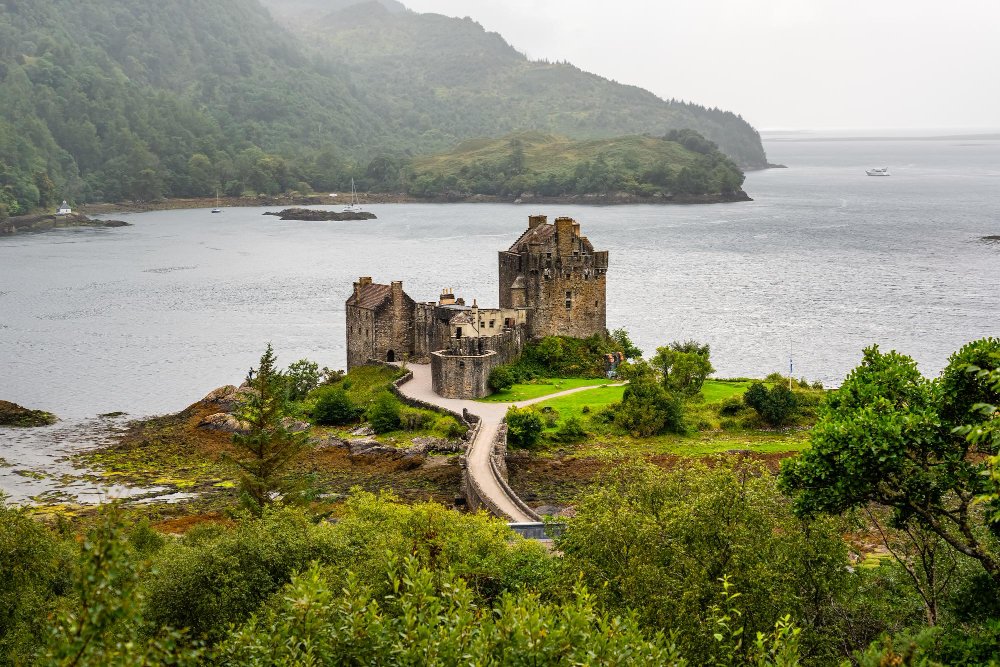
London has the Tower of London, the British Museum and Buckingham Palace. Edinburgh has its castle and Old Town, and the Scottish Highlands add lochs and glens. Ireland offers Dublin, the Cliffs of Moher and the Wild Atlantic Way. The UK and Ireland are outside the Schengen Area and need separate visas, which we factor in when combining them with the rest of Europe.

Plan My Trip Now

Suggested Trip Duration

7–8 days Two countries, or one country done properly. Paris with Switzerland is the classic first trip.
9–11 days (our most common recommendation) Three bases, unhurried. Paris, Switzerland and Italy is the route most first-timers ask for, and it works at this length.
12–15 days Room to add Amsterdam, Prague, Vienna or Spain without treating any of them as a box to tick.
16+ days For repeat visitors, or for slower routes through a single region such as Italy, Central Europe or the Nordics.
A Culinary Journey Through Europe

A Culinary Journey Through Europe

Food is usually what people talk about most when they get back. France and Italy set the bar, but neither has a single cuisine: pasta in Bologna and pasta in Naples are different dishes. Spain eats late and in small plates. Switzerland does cheese and chocolate properly, Central Europe does hearty comfort food, and Greece keeps it simple and fresh.

One thing worth clearing up, Europe is easier for vegetarians than people expect. Italy, Greece, Spain, Switzerland and the Netherlands all have plenty of meat-free dishes, and Indian restaurants are easy to find in most major cities. Stricter requirements, such as Jain food or no onion and garlic, take more planning, so we brief restaurants and hotels in advance. We don't pick restaurants by reputation, we pick them based on what you actually want, whether that's a tasting menu, a market lunch or a long Sunday table.

Quick tip: Many restaurants in Italy and Spain close between lunch and dinner service, and dinner starts late. Book the evenings that matter and leave the rest open.
Culture & Traditions

Culture & Traditions

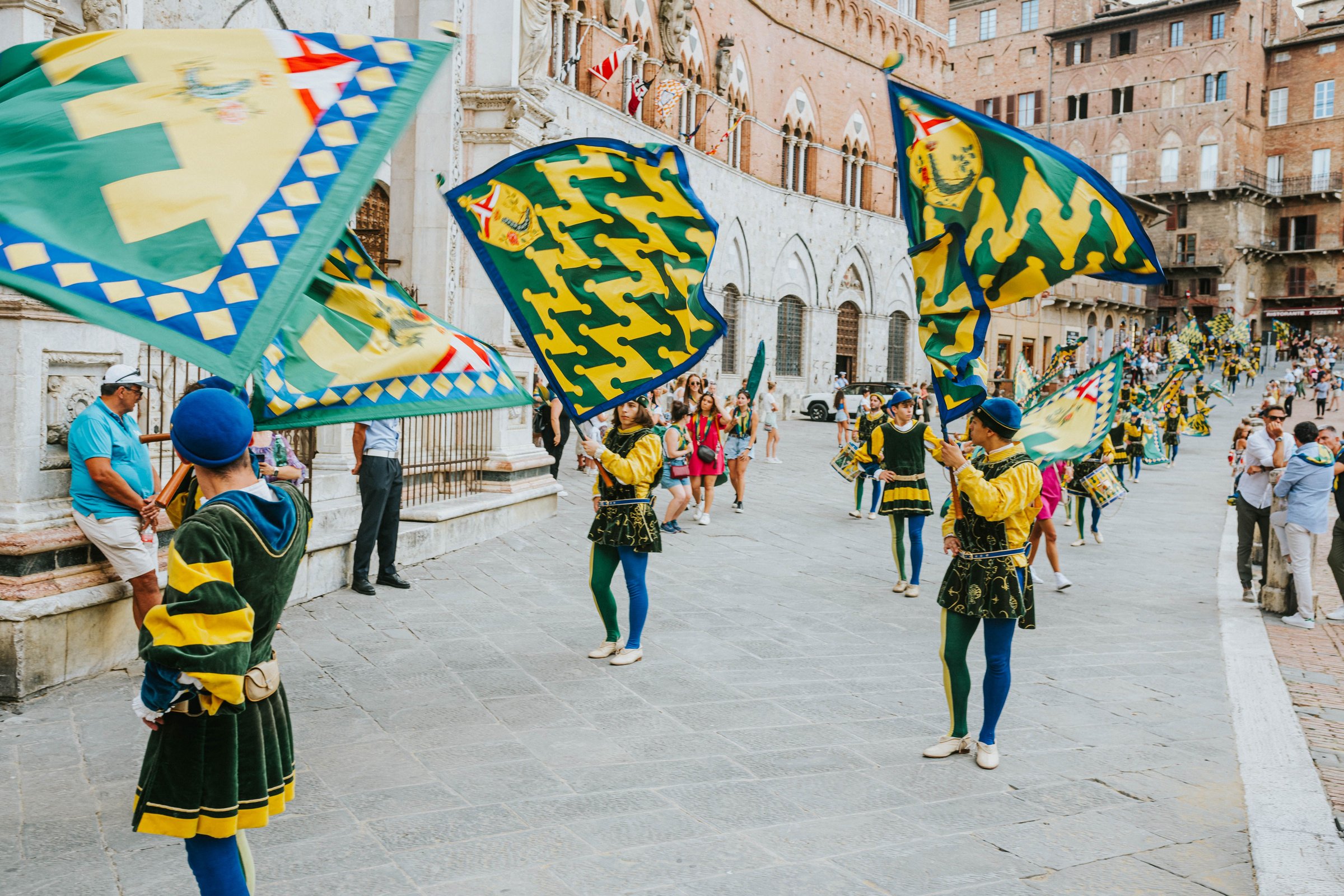
Culture in Europe isn't only in the museums. The Louvre and the Colosseum are worth seeing, but a morning market in Provence, a church bell that sets the rhythm of a village, or an hour on a café terrace with nowhere to be usually tells you more. Each country has its own manners: greet the shopkeeper in France, expect a slow meal in Italy, be punctual in Switzerland and Germany.

Travenza tip: Book the big ticketed sights ahead of time. The Vatican Museums, the Louvre, the Sagrada Família, the Alhambra, the Last Supper in Milan and the Anne Frank House all run timed entries and can sell out. In Italian churches, including St. Peter's, cover your shoulders and knees.
Shopping in Europe

Shopping in Europe

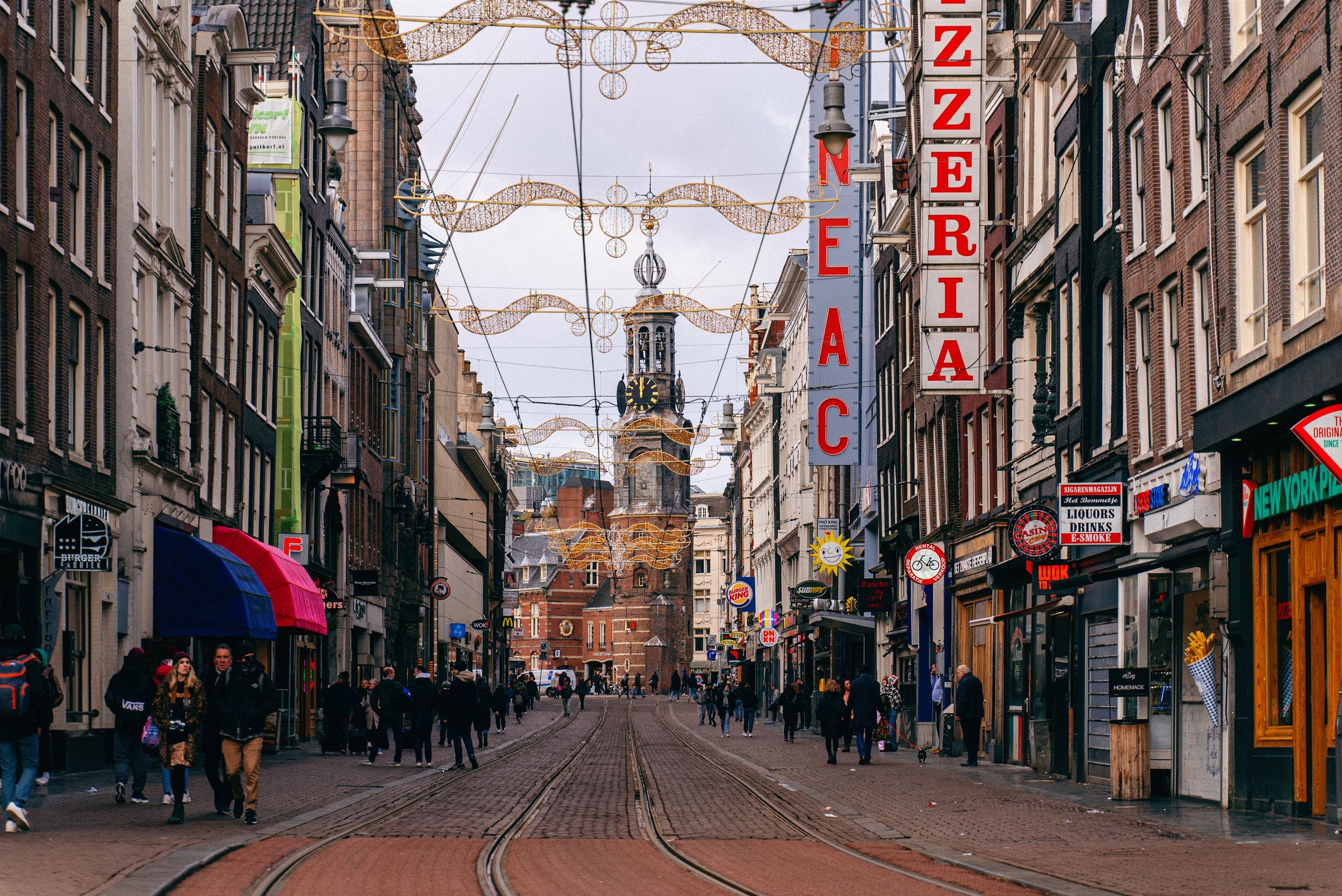
Shopping here is worth doing with intent. Paris and Milan for fashion and luxury, Switzerland for watches and chocolate, Florence for leather, Venice and Murano for glass, the Netherlands for Delft blue ceramics, and Central Europe for crystal and Christmas markets. Designer outlet villages outside the larger cities are worth a half-day if brands are the priority.

Visitors from outside the EU can usually claim back VAT on eligible purchases above a minimum spend, which varies by country. Ask for the tax-free form at the till and get it stamped when you leave. Switzerland runs its own separate refund system.

Travenza tip: Refunds are generally validated at your final exit point from the EU, so keep receipts and the items in your hand luggage, and allow extra time at that airport.

Getting Around Europe

Europe's rail network is as good as its reputation, and that's also the risk. Easy trains tempt people into moving every day. We'd rather add a night in Lucerne or Florence than another city on the list. Between countries, high-speed trains and short flights both work. In Switzerland, the rail, bus and boat network is excellent, and a Swiss Travel Pass can cover much of it. In regions like Tuscany, Provence and the Amalfi Coast, a private driver is far easier than public transport.

Luggage matters more than people expect. Stations have stairs, old cities have cobblestones, and train luggage racks are limited, so we plan transfers to keep heavy bags in a car wherever we can. Budget airlines apply strict baggage limits, so check allowances before booking any short flight.

Inside cities, metros are quick, and ride-hailing apps such as Uber, Bolt and FreeNow work in many of them. Also expect your first Schengen entry to take a little longer: the EU's Entry/Exit System registers a photo and fingerprints of non-EU visitors at the border.

Travenza tip: Thinking about a rail pass? It's not always worth it. Advance point-to-point tickets are often cheaper, and many routes need seat reservations anyway. We check your actual route before recommending one.

Visa Guide

Indian passport holders need a Schengen visa for short stays of up to 90 days in any 180-day period. One visa covers all the Schengen countries, which is most of continental Europe. You apply to the country where you will spend the most nights, or to your first point of entry if the stay is split equally.

Applications generally need a valid passport, a travel itinerary, hotel bookings, flight reservations, travel insurance with at least €30,000 of medical cover, financial proof and employment or business details. The adult visa fee is €90, with service charges added at the application centre, and decisions can take up to 15 days, longer in peak season. You can apply up to six months before travel and no later than 15 days before. The UK and Ireland are outside Schengen and have their own visa processes. We handle documentation, itinerary and confirmations end to end, and we'd recommend applying early for summer and December travel, when appointment slots go first.

Why Europe Stays With You

Some places are remembered for what you saw. Europe is remembered for how it slowed you down. A bridge at dusk, a long lunch, a mountain that made everyone on the train go quiet. Ordinary hours feel considered here, and that's usually what stays with people longest.

The first trip is usually Paris, Switzerland and Italy. The next one might be Central Europe in winter, the Greek islands in September, or the Nordics under the northern lights. The more of it you see, the more there still is. We hope this Europe Travel Guide helps you choose better. This is only the beginning, so connect with us to design your Europe holiday.

Your Europe questions, answered

Is Europe a good destination for first-time international travellers?

Yes. It's safe, well connected and easy to navigate, with English widely understood in tourist areas. A well-paced route makes it easier still.

How many days should I spend in Europe?

For a first trip, 9–11 days works well for three bases, such as Paris, Switzerland and Italy. 7–8 days suits two countries, and 12–15 days lets you add Amsterdam, Prague, Vienna or Spain.

When is the best time to visit Europe?

Depends what you want. Spring for tulips and mild weather, summer for the Alps and the coast, September–October for food, wine and fewer crowds, and winter for Christmas markets, snow and the Northern Lights.

Do I need a visa for Europe?

Yes. Indian passport holders need a Schengen visa for most of continental Europe, valid for stays of up to 90 days in any 180-day period. The UK and Ireland need separate visas. We guide you through documentation and appointments.

Is Europe suitable for family holidays?

Yes. Scenic train rides, walkable cities and family attractions such as Disneyland Paris and Europa-Park in Germany work for children of most ages. We keep the days shorter and the bases longer.

Is Europe a good honeymoon destination?

Yes. Paris, the Amalfi Coast, Lake Como, Santorini and the Swiss Alps are all made for it, and each can be paired with a quieter stay to slow the pace.

Is vegetarian food available in Europe?

Yes, especially in Italy, Greece, Spain, Switzerland and the Netherlands, and Indian restaurants are easy to find in most major cities. We brief restaurants in advance for stricter requirements.

Can I combine several countries in one trip?

Yes, and a single Schengen visa covers most of them. We keep to a few bases and avoid one-night stops, so travel days do not eat the holiday.

How much should I budget for a Europe holiday?

Depends on season, duration, countries, hotel category and style. As a rough guide, a well-planned 9 - 11 day trip in good 4- and 5-star hotels starts around ₹3 - ₹3.5 lakh per person, excluding flights. Luxury stays and private experiences push this higher.

Is English widely spoken in Europe?

In hotels, airports and tourist areas, yes. Less so in smaller towns, particularly in southern and eastern Europe. A few words of the local language are always appreciated.

Can I customise my itinerary?

Yes, every trip is built around what you want, whether that's adding Disneyland Paris, extending Italy, including the Northern Lights, or planning around a celebration.

Ready to go?

Plan your Europe trip

Share your dates, group size and interests, we will craft a bespoke itinerary within 48 hours. No obligations.

Plan My Trip → Chat on WhatsApp